Which of the following statements about Hepatocellular carcinoma (HCC) is true?
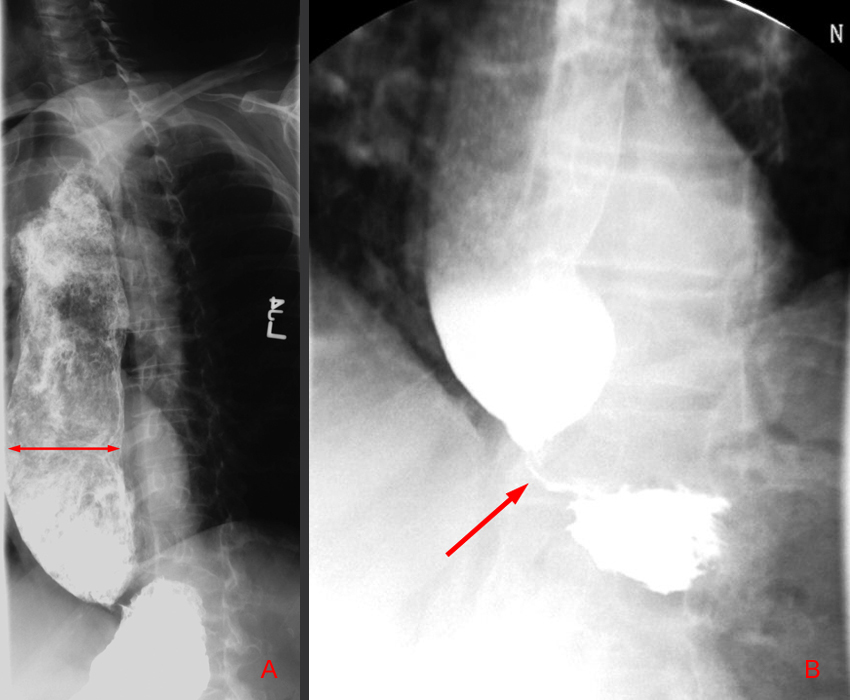
A 45-year-old man is complaining of vomiting, with vomitus consisting of food mass taken a few days back, foul-smelling breath, and occasional dysphagia to solid food. What is the diagnosis?
Which of the following factors contributes to the formation of cholesterol gallstones?
Which specific condition is a significant risk factor associated with cholangiocarcinoma?
Urobilinogen levels in obstructed jaundice due to gallstones will be:
What is the treatment of choice in duodenal ulcer without any complications of hemorrhage?
Which of the following variables is least predictive of 6-week mortality?
Which of the following factors does not enhance stone formation in the gallbladder?
Increased gastrin is seen in what conditions?
Which of the following vitamin deficiencies is seen in short bowel syndrome?
Explanation: ***It is the most common primary tumor of the liver.*** - **Hepatocellular carcinoma (HCC)** accounts for the vast majority of primary liver cancers, making it the most common type. - Its prevalence is particularly high in regions with a high incidence of **chronic hepatitis B and C** and **cirrhosis**, which are major risk factors. *It is resectable in a significant percentage of cases.* - Unfortunately, most HCC cases are diagnosed at an **advanced stage**, rendering only a minority (typically 10-30%) suitable for **surgical resection** [1]. - **Liver transplantation** and other locoregional therapies are considered for patients who do not qualify for resection or as bridges to transplant. *More than 70% of cases show an elevated AFP.* - While **alpha-fetoprotein (AFP)** is a useful tumor marker for HCC, it is elevated in only about **50-70% of cases**, and its sensitivity varies significantly [1]. - A normal AFP level does not rule out HCC, and elevation can also be seen in other liver conditions and germ cell tumors. *USG-guided aspiration biopsy is the primary method for diagnosis.* - The diagnosis of HCC often relies on characteristic radiological findings (e.g., **arterial hyperenhancement** with venous washout on CT or MRI) in patients with cirrhosis, making biopsy unnecessary in many instances [1]. - **Biopsy** is typically reserved for atypical lesions or when radiological findings are not definitive, due to the risk of tumor seeding and potential patient complications.
Explanation: ***Zenker's diverticulum*** - The classic presentation includes **halitosis** (foul-smelling breath), **regurgitation of undigested food** eaten days prior, and **dysphagia to solids**, all consistent with food accumulation in a pharyngeal pouch [1]. - This condition is an **outpouching of the posterior pharyngeal wall** (false diverticulum) due to herniation of mucosa through Killian's triangle. *Scleroderma* - While it can cause **dysphagia**, the primary mechanism is **esophageal dysmotility with impaired peristalsis** and lower esophageal sphincter incompetence, leading to heartburn and strictures [1]. - It does not typically cause food regurgitation from days prior or significant halitosis in the absence of severe reflux. *Achalasia cardia* - Characterized by **dysphagia to both solids and liquids**, and regurgitation of food, but the food is typically recently ingested, not from several days prior [1]. - The underlying pathology is **failure of the lower esophageal sphincter to relax** and loss of esophageal peristalsis, leading to esophageal dilation [1]. *Diabetic gastroparesis* - Involves **delayed gastric emptying** due to autonomic neuropathy, causing symptoms like nausea, vomiting, early satiety, and bloating. - The vomiting would be of recently ingested food and would not typically include food eaten "days back" or present with significant dysphagia localized to the pharynx unless complications arise.
Explanation: ***All of the options*** - **Decreased gallbladder motility** leads to bile stasis, causing cholesterol to precipitate and form large crystals [1]. - **Hyposecretion of bile salts** reduces the solubilizing capacity of bile, leading to supersaturation of cholesterol [2]. *Decreased motility of Gall bladder* - Poor motility results in incomplete emptying of the gallbladder, allowing bile to reside for longer periods [1]. - This stasis promotes the nucleation and growth of **cholesterol crystals** into macroscopic stones [1]. *Hyposecretion of bile salts* - **Bile salts** are crucial for keeping cholesterol in solution; their reduced concentration makes bile supersaturated with cholesterol [2]. - This supersaturation allows cholesterol to precipitate out of solution, initiating stone formation [2]. *Hyper cholesterolemia* - While **high serum cholesterol** does not directly cause gallstones, it can increase the amount of cholesterol secreted into bile [1]. - An increase in biliary cholesterol, especially in relation to bile salts and phospholipids, leads to **cholesterol supersaturation** of bile and stone formation [2].
Explanation: ***Primary sclerosing cholangitis*** - **Primary sclerosing cholangitis (PSC)** is a chronic cholestatic liver disease characterized by inflammation, fibrosis, and stricturing of the bile ducts, which significantly increases the risk of **cholangiocarcinoma** [1]. - Up to 10-15% of patients with PSC will develop cholangiocarcinoma, making it the most significant risk factor for this malignancy. *Obesity* - While **obesity** is a risk factor for several cancers, including hepatocellular carcinoma and colorectal cancer, its direct association with cholangiocarcinoma is less significant compared to PSC. - Obesity is more broadly linked to conditions like **non-alcoholic fatty liver disease (NAFLD)** and metabolic syndrome, which can indirectly contribute to liver disease. *Salmonella carrier state* - Chronic **Salmonella carrier state** has been identified as a risk factor for **gallbladder cancer**, particularly in endemic areas. - However, its association with **cholangiocarcinoma**, which arises from the bile ducts, is not as strong or specific as that of PSC. *HBV infection* - **Hepatitis B virus (HBV) infection** is a well-established major risk factor for **hepatocellular carcinoma (HCC)**, a primary liver cancer. - While chronic liver inflammation from HBV can increase the risk of other liver-related complications, its direct and significant association with **cholangiocarcinoma** is not as prominent as with HCC.
Explanation: ***Completely absent*** - In **obstructive jaundice**, **bile flow** from the liver to the intestine is blocked, preventing **bilirubin** from reaching the gut. [1] - Since **urobilinogen** is formed in the intestines from bilirubin by bacterial action, its absence in the gut means it cannot be reabsorbed and excreted, leading to its complete absence in urine and feces. [1] *Significantly elevated* - This would typically occur in conditions causing **hemolysis** or **hepatocellular damage**, where large amounts of bilirubin are processed by the liver and then passed into the intestine. [1] - In such cases, increased bilirubin reaching the gut leads to increased urobilinogen formation and subsequent high excretion. *Mildly elevated* - A mild increase might be seen in cases of incomplete obstruction or mild liver dysfunction, where some bilirubin still reaches the intestine. - This level is not consistent with the complete blockage seen in **obstructive jaundice** from **gallstones**. *Unchanged* - This would imply that the normal process of bilirubin metabolism and urobilinogen formation is unaffected. - In **obstructive jaundice**, the very definition involves a disruption of this pathway, making an unchanged level highly unlikely. [1]
Explanation: ***Proton pump inhibitors*** - **Proton pump inhibitors (PPIs)** are the first-line and most effective treatment for uncomplicated duodenal ulcers due to their potent and sustained acid suppression [1]. - They work by irreversibly inhibiting the **H+/K+-ATPase pump** in the stomach's parietal cells, reducing acid secretion and allowing the ulcer to heal [1]. *Highly selective vagotomy* - This is a surgical procedure that was historically used to reduce acid secretion by denervating the acid-producing parietal cells of the stomach, but it is **not the primary treatment** for uncomplicated ulcers today due to the availability of effective medical therapy [1]. - It carries surgical risks and is generally reserved for **refractory cases** or those with complications not amenable to endoscopic or medical management [1]. *Trunkal vagotomy* - **Trunkal vagotomy** involves cutting the main vagal trunks, which leads to significant side effects such as **gastric stasis** (delayed emptying) and diarrhea, often requiring a drainage procedure (e.g., pyloroplasty). - It was used in the past but is **rarely performed** for uncomplicated duodenal ulcers due to its associated morbidity and the effectiveness of modern medical treatments [1]. *None of the options* - This option is incorrect because **proton pump inhibitors** are indeed a highly effective and standard treatment for uncomplicated duodenal ulcers [1].
Explanation: ***Age > 50*** - While older age is generally associated with increased risk, **age alone is a less specific predictor** of acute 6-week mortality compared to markers of severe liver dysfunction or clinical complications. - The impact of age is often mediated by the presence of comorbidities or the severity of the underlying liver disease itself. *Child-Pugh class C* - **Child-Pugh Class C** indicates severe liver dysfunction, characterized by significant ascites, encephalopathy, and abnormal coagulation. [1] - It is a strong predictor of **short-term mortality** (including 6-week mortality) due to the profound impact of extensive liver failure. [1] *MELD score > 18* - A **MELD score > 18** reflects severe liver disease based on bilirubin, creatinine, and INR, indicating significant hepatic and renal impairment. [1] - This score is directly correlated with **increased mortality risk** and is widely used for prioritizing liver transplant candidates. [1] *Early rebleeding* - **Early rebleeding** after an initial variceal bleed is a major complication that significantly increases the risk of **short-term mortality**. [1] - It is a critical post-hemorrhage event often leading to further hemodynamic instability, aspiration, and hepatic decompensation. [1]
Explanation: Vagal stimulation - Vagal stimulation promotes **gallbladder contraction**, aiding in the expulsion of gallstones rather than their formation [1]. - It decreases bile stasis and helps maintain **biliary flow**, reducing the risk of stone formation [1]. *Cholestyramine therapy* - Cholestyramine binds bile acids, leading to **increased cholesterol saturation** in bile, which can contribute to stone formation. - It can cause **bile acid malabsorption**, thus increasing biliary cholesterol levels and promoting **gallstone development**. *Ileal resection* - Resection of the ileum results in reduced bile salt reabsorption, leading to **increased cholesterol levels** in the bile and a higher risk of gallstones. - This condition can produce a **bile acid deficiency**, which induces stone formation due to supersaturation of cholesterol [2]. *Clofibrate therapy* - Clofibrate, a fibrate drug, can increase **cholesterol excretion** in bile, contributing to **gallstone formation**. - It raises the liver's cholesterol output and alters the biliary lipid composition to favor the development of cholesterol stones.
Explanation: ***Zollinger-Ellison syndrome*** - This syndrome is characterized by a **gastrin-secreting tumor (gastrinoma)**, often located in the pancreas or duodenum [1]. - The excess gastrin leads to **hypersecretion of gastric acid**, causing severe and refractory peptic ulcers [1]. *Iron deficiency anaemia* - While iron deficiency may occur due to **chronic blood loss from peptic ulcers** [3], it does not directly cause increased gastrin levels. - Gastrin plays no direct role in **iron absorption** or red blood cell production. *Duodenal ulcer* - Duodenal ulcers are typically caused by **Helicobacter pylori infection** or NSAID use and involve normal or slightly elevated gastrin levels, not significantly increased levels [2]. - Increased gastrin levels are a cause of severe duodenal ulcers in conditions like Zollinger-Ellison syndrome, rather than a symptom of a typical duodenal ulcer [1]. *Gastric cancer* - Gastric cancer is not typically associated with **elevated gastrin levels**; in fact, some forms, like atrophic gastritis preceding cancer, can lead to decreased acid production and reactive hypergastrinemia, but it's not a primary feature the way it is in Zollinger-Ellison syndrome [1]. - The main focus for this question is a primary and significant increase in gastrin, which gastric cancer does not directly cause.
Explanation: ### Vitamin B 12 - **Short bowel syndrome (SBS)** often leads to **malabsorption** of vitamin B12, particularly if the **terminal ileum**—the primary site of B12 absorption—is affected or resected [2]. - **Vitamin B12 deficiency** can result in **megaloblastic anemia** and neurological complications [1]. *Vitamin K* - While **fat-soluble vitamins** can be malabsorbed in SBS due to **fat malabsorption**, **vitamin K deficiency** is less common than B12 deficiency unless there is significant **cholestasis** or extensive small bowel resection affecting bile salt absorption [3]. - **Vitamin K** is also synthesized by **gut bacteria**, which might partially compensate for dietary malabsorption in some cases. *Vitamin A* - **Vitamin A** is a **fat-soluble vitamin** that can be malabsorbed in SBS, especially in patients with significant **fat malabsorption** [3]. - However, **vitamin B12 deficiency** is a more universal and severe concern in many SBS patients and directly relates to the specific absorption site in the **terminal ileum** [2]. *Vitamin D* - **Vitamin D** is also a **fat-soluble vitamin**, and its malabsorption is common in SBS due to **steatorrhea** and reduced absorption surface [3]. - While important, the question asks for "the" most likely deficiency, and **vitamin B12** is particularly vulnerable due to its specific intestinal absorption site being frequently affected in SBS [2].
Esophageal Disorders
Practice Questions
Peptic Ulcer Disease
Practice Questions
Inflammatory Bowel Disease
Practice Questions
Irritable Bowel Syndrome
Practice Questions
Malabsorption Syndromes
Practice Questions
Pancreatitis (Acute and Chronic)
Practice Questions
Gastrointestinal Bleeding
Practice Questions
Liver Diseases and Cirrhosis
Practice Questions
Viral Hepatitis
Practice Questions
Biliary Tract Disorders
Practice Questions
Gastrointestinal Motility Disorders
Practice Questions
Gastrointestinal Malignancies
Practice Questions
Get full access to all questions, explanations, and performance tracking.
Start For Free