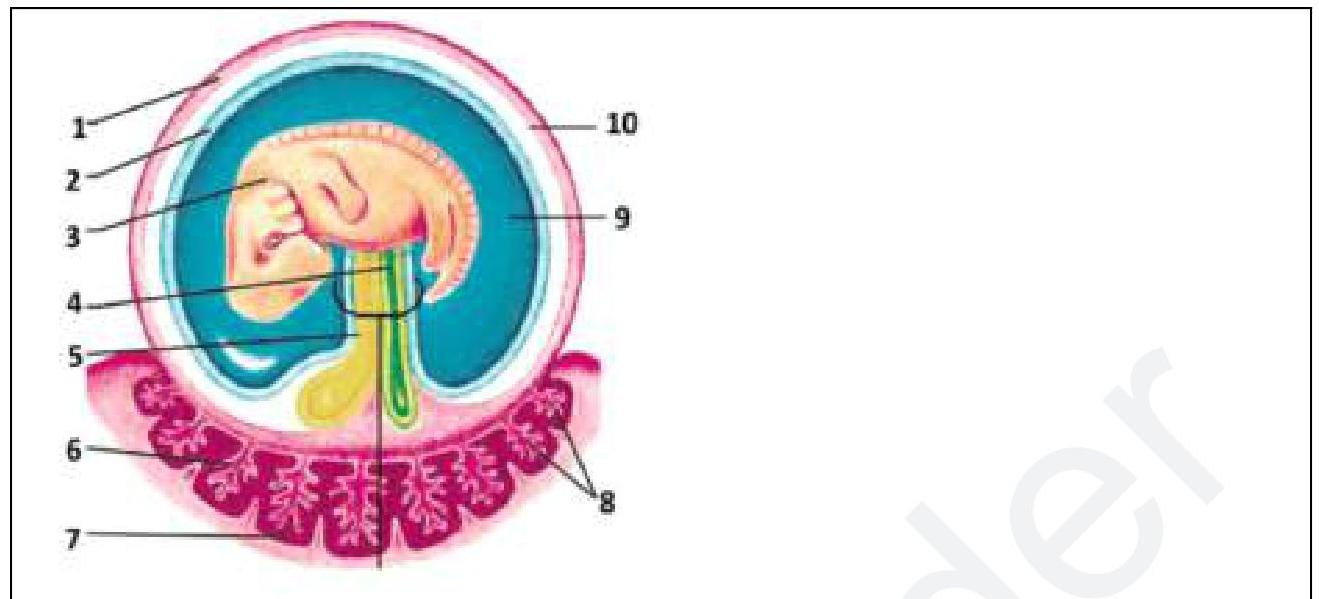
A patient with a history of alcohol dependence syndrome presents with sudden and unintentional weight loss. What is the most likely diagnosis?
The differentiating feature between IBS and organic GI disease is:
A 35-year-old male presents with recurrent episodes of abdominal pain, jaundice, and fatigue and underwent MRCP. What will be the most likely diagnosis?
MRP2 associated with which of the following?
Most common type of gallstone is?
A patient with a history of chronic liver disease presents with abdominal distension, jaundice, and pruritis. Ascitic fluid analysis revealed a neutrophil count >650 per cubic mm. What is the most likely diagnosis?
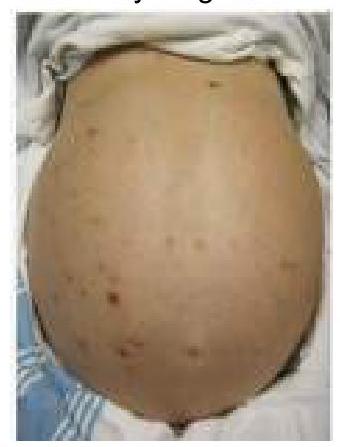
Which of the following laboratory values is NOT a component of the MELD score?
A 42-year-old patient with obstructive jaundice. Alp, Ggt, haptoglobin all increased. The most likely cause is:
Esophageal manometry was performed - it revealed panesophageal pressurization with distal contractile integrity as >450mm Hg pressure in the body. What will be the diagnosis?
Which of the following statements about nutcracker esophagus is correct?
Explanation: ***Hepatocellular carcinoma*** - The **alpha-fetoprotein (AFP)** level of **600 ng/mL** is significantly elevated, suggesting a diagnosis of hepatocellular carcinoma, especially in a patient with a history of **alcohol dependence syndrome** [1]. - The **AST/ALT ratio of 0.5** indicates significant liver damage, commonly seen in chronic liver disease leading to **hepatocellular cancer**. *Alcoholic hepatitis* - Typically presents with **elevated AST and ALT**, usually with a ratio >2:1, which is not the case here [2]. - May cause weight loss, as alcoholic patients often lose weight due to self-neglect and poor dietary intake, but the **elevated AFP** is not characteristic of merely alcoholic hepatitis [3]. *Cholangiocarcinoma* - This type of cancer primarily presents with **biliary obstruction** symptoms, such as jaundice, which is not indicated here given **normal bilirubin levels**. - Does not typically lead to such high levels of **AFP**, making it less likely with the provided lab results. *Hepatic adenoma* - More commonly associated with **oral contraceptive use** or anabolic steroid use, not primarily alcohol dependence. - AFP levels are usually normal or only mildly elevated in hepatic adenoma, making this option less viable with an **AFP level of 600 ng/mL**.
Explanation: ***Presence of inflammation indicated by elevated stool calprotectin*** - Elevated **stool calprotectin** is a reliable biomarker for **gastrointestinal inflammation**, indicating an **organic GI disease** such as inflammatory bowel disease (IBD). - **Irritable bowel syndrome (IBS)** is a functional disorder and typically does not involve **inflammation**, so stool calprotectin levels would be normal. *Diarrhea* - **Diarrhea** can be a symptom of both **IBS** (specifically IBS-D) and various **organic GI diseases** (e.g., Crohn's disease, ulcerative colitis, celiac disease) [1]. - Therefore, its presence alone does not differentiate between a functional and an organic cause [1]. *Pain abdomen* - **Abdominal pain** is a cardinal symptom of **IBS**, specifically related to bowel movements [1]. - It is also a very common symptom in many **organic GI diseases**, making it a non-specific differentiating feature. *Mucus in stools* - **Mucus in stools** can occur in **IBS**, often due to increased colonic transit or irritation, but without underlying inflammation [1]. - It can also be present in **organic GI diseases**, particularly those involving inflammation or structural changes in the bowel.
Explanation: **Primary sclerosing cholangitis** - **MRCP (Magnetic Resonance Cholangiopancreatography)** in primary sclerosing cholangitis (PSC) typically shows characteristic **"beading"** and **strictures** of the biliary tree due to inflammation and fibrosis. - The combination of **recurrent abdominal pain**, **jaundice**, and **fatigue** in a relatively young male strongly suggests PSC, especially given its association with inflammatory bowel disease, which is common in this demographic [1]. *Primary biliary cirrhosis* - This condition primarily affects **small intrahepatic bile ducts** and is more common in **middle-aged women** [1]. - While it causes fatigue and jaundice, the classic MRCP findings of PSC (beading and strictures) are not typically seen, and it's associated with **anti-mitochondrial antibodies (AMA)** [1]. *Caroli’s disease* - This is a rare congenital disorder characterized by **segmental cystic dilatation of the intrahepatic bile ducts** [1]. - MRCP would show these **cystic dilations** rather than the diffuse strictures and beading seen in PSC. *Recurrent pyogenic cholangitis* - Also known as oriental cholangiohepatitis, it is characterized by recurrent episodes of **cholangitis** and **intrahepatic gallstones**, mostly seen in Asian populations. - While it presents with recurrent abdominal pain and jaundice, MRCP would show **intrahepatic calculi** and **dilated bile ducts**, not the stricturing pattern of PSC.
Explanation: No changes were made to the original explanation because the available references provided insufficient evidence to support the specific claims about the MRP2 gene and the characteristic 'dark liver' appearance of Dubin-Johnson syndrome. While the references discuss hyperbilirubinemia and mentions Gilbert and Crigler-Najjar syndromes [1], they do not explicitly detail the MRP2 mutation or the pathology of Dubin-Johnson and Rotor syndromes necessary for high-accuracy medical citation [2].
Explanation: ***Mixed stones*** - Mixed gallstones, typically composed of **cholesterol** and **pigment**, are the most prevalent type, accounting for about 70-80% of cases [1]. - They are often associated with **biliary stasis** and **inflammation**, contributing to their formation. *Pigment stones* - Pigment stones are less common, usually representing about 10-20% of gallstones [1]. They are primarily formed from **bilirubin** and are associated with conditions causing **hemolysis**. - They may lead to **complications**, but their overall incidence is lower compared to mixed stones. *Calcium bilirubinate* - These stones are a type of **pigment stone**, formed in conditions like chronic hemolytic anemia, but they are relatively rare overall [1]. - They specifically result from **excess bilirubin**, unlike the mixed stones' composition which includes **cholesterol**. *Pure cholesterol stones* - Pure cholesterol stones occur in about 10-15% of cases, developing primarily due to **supersaturation of cholesterol** in bile. - They are less common than mixed stones and typically present as **large, yellowish stones** in the gallbladder.
Explanation: ***Spontaneous bacterial peritonitis*** - The combination of **chronic liver disease**, **ascites**, and a significantly elevated ascitic fluid **neutrophil count (>250 cells/mm³ is diagnostic)**, in this case, >650 cells/mm³, is highly indicative of spontaneous bacterial peritonitis (SBP). - SBP is a common and serious complication in patients with **cirrhosis** and ascites, characterized by bacterial infection of ascitic fluid without an obvious source. *Malignant ascites* - While malignant ascites can occur in chronic liver disease (e.g., from hepatocellular carcinoma), the ascitic fluid analysis would typically show **cytology positive for malignant cells** and often a **low neutrophil count** unless secondarily infected. - The primary differentiator here is the very high neutrophil count suggesting an acute inflammatory/infectious process. *Tubercular ascites* - Tubercular ascites might present with ascites and abdominal distension, but the ascitic fluid analysis usually shows a **lymphocytic predominance** (high lymphocyte count) rather than a high neutrophil count. - Diagnosis typically involves **adenosine deaminase (ADA) levels**, acid-fast bacilli smear, or culture of ascitic fluid. *Intestinal obstruction* - Intestinal obstruction primarily causes **abdominal pain, distension, nausea, vomiting**, and constipation, with a clinical picture distinct from SBP. - While it can lead to ascites in rare cases (e.g., from bowel ischemia or perforation), the ascitic fluid would not characteristically show such a high neutrophil count unless there was associated perforation and peritonitis.
Explanation: ***Albumin*** - **Albumin** is a component of the Child-Pugh score, which is also used to assess liver function, but it is **not included in the MELD score**. [2] - The MELD score specifically focuses on **renal function** (creatinine) and **liver synthesis/excretory function** (bilirubin and INR). [1] *Serum bilirubin* - **Serum bilirubin** is a key indicator of the liver's ability to excrete bile and is a **direct component** of the MELD score. [1], [2] - Higher bilirubin levels generally indicate **worse hepatocellular function** and are associated with a higher MELD score. *Serum creatinine* - **Serum creatinine** is a measure of **renal function** and is an important component of the MELD score. [1] - It reflects the severity of **hepatorenal syndrome** and the overall prognosis in patients with liver disease. [1] *International normalized ratio (INR)* - The **International Normalized Ratio (INR)** assesses the liver's synthetic function, specifically its ability to produce **clotting factors**. [2] - A higher INR indicates **impaired coagulation** due to liver dysfunction and is a direct component of the MELD score. [1]
Explanation: ***Alcohol*** - Chronic **alcohol consumption** leads to hepatic injury, causing cholestasis and increased levels of **Alkaline Phosphatase (ALP)** and **Gamma-glutamyl transferase (GGT)** [1, 2]. - Increased **haptoglobin** indicates hemolysis or hepatic dysfunction, commonly seen in alcohol-related liver disease [1]. *Lead* - Lead poisoning typically causes **anemia** and affects **erythropoiesis**, but does not generally increase ALP and GGT levels significantly. - The classic presentation involves **neurological** deficits and **peripheral neuropathy**, rather than obstructive jaundice. *Chronic rf* - Chronic renal failure primarily affects **uremia** and renal function tests, with minimal impact on liver function tests like ALP and GGT. - It is not directly associated with **increased haptoglobin**, which is usually elevated in liver disease. *None of the above* - This option implies that none of the listed causes could lead to the observed lab changes, which is incorrect as **alcohol** is a known cause [1, 2]. - Enhancing liver damage from substances other than alcohol is not applicable based on the information given.
Explanation: The diagnosis is Type 3 achalasia. This condition is characterized by panesophageal pressurization, indicating diffuse, simultaneous contractions throughout the esophagus. The high distal contractile integrity (>450 mmHg pressure) further supports Type 3 achalasia, which involves significant spastic contractions. In contrast, while high-resolution manometry allows for the accurate classification of these motility abnormalities [1], other types present differently. Type 1 achalasia (classic achalasia) is marked by failed esophageal peristalsis and absent or minimal esophageal pressurization [1]. The primary characteristic is incomplete or absent lower esophageal sphincter (LES) relaxation, not hypercontractility [1]. Type 2 achalasia is identified by esophageal panesophageal pressurization (simultaneous contractions), but with normal to high contractile pressures, not the extremely high values seen here. Jackhammer esophagus involves hypercontractility (distal contractile integral >8000 mmHg·cm·s) and is characterized by rapid, repetitive, and fragmented contractions, rather than the diffuse panesophageal pressurization and spasticity typical of Type 3 achalasia [2].
Explanation: Nutcracker esophagus is characterized by extremely forceful peristaltic activity, leading to episodes of chest pain and dysphagia [1]. - This condition, also known as **hypercontractile esophagus**, involves abnormally high amplitude and prolonged duration of esophageal contractions. - These powerful contractions can cause significant **chest pain** mimicking cardiac angina, and **dysphagia** (difficulty swallowing). *There are no effective medical treatments available for nutcracker esophagus.* - This statement is incorrect as several medical interventions, such as **calcium channel blockers**, nitrates, and botulinum toxin injections, can provide symptomatic relief [1]. - Behavioral modifications like **avoiding trigger foods** and **slow eating** can also be beneficial. *Nutcracker esophagus is a type of esophageal malignancy.* - This is incorrect; nutcracker esophagus is a **motility disorder** of the esophagus, not a cancerous condition. - It involves dysfunction of the **smooth muscle contractions**, not abnormal cell growth. *Nutcracker esophagus does not cause any symptoms.* - This is incorrect. The primary symptoms are **chest pain** (often severe and non-cardiac) and **dysphagia**, which can significantly impact a patient's quality of life [1]. - Some patients may also experience **regurgitation** or a sensation of food sticking.
Esophageal Disorders
Practice Questions
Peptic Ulcer Disease
Practice Questions
Inflammatory Bowel Disease
Practice Questions
Irritable Bowel Syndrome
Practice Questions
Malabsorption Syndromes
Practice Questions
Pancreatitis (Acute and Chronic)
Practice Questions
Gastrointestinal Bleeding
Practice Questions
Liver Diseases and Cirrhosis
Practice Questions
Viral Hepatitis
Practice Questions
Biliary Tract Disorders
Practice Questions
Gastrointestinal Motility Disorders
Practice Questions
Gastrointestinal Malignancies
Practice Questions
Get full access to all questions, explanations, and performance tracking.
Start For Free