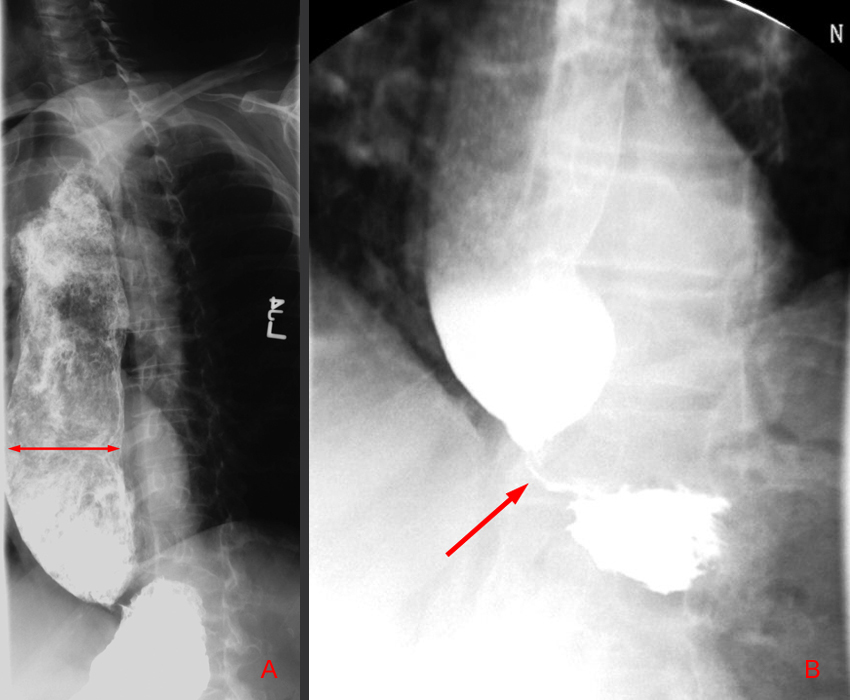
A 45-year-old male presents with upper abdominal pain, weight loss, and early satiety. Endoscopy reveals antral thickening, and biopsy shows H. pylori. What is the next step in management?
A patient presents with painless jaundice and a palpable gallbladder. What is the most likely diagnosis?
A patient with chronic liver disease presents with confusion and asterixis. Ammonia levels are elevated. Diagnosis?
All of the following are complications of cirrhosis, EXCEPT:
A patient with jaundice is found to have a pancreatic head mass. What is the best diagnostic test?
A patient presents with hematemesis and is diagnosed with esophageal varices. What is the first line of treatment?
Which of the following is NOT a recommended management strategy for acute pancreatitis?
A 40-year-old presents with cirrhosis and low ferritin. What is the next step in management?
Which of the following is the MOST common risk factor for hepatocellular carcinoma worldwide?
A 40-year-old woman presents with pruritus, jaundice, and hepatomegaly. Labs show elevated ALP and antimitochondrial antibodies. What is the likely diagnosis?
Explanation: ***Eradication of H. pylori*** - The presence of **H. pylori** in a patient with upper abdominal symptoms, weight loss, and **antral thickening** mandates treatment before further investigations for malignancy [1]. - Eradication of *H. pylori* is crucial as it is a major risk factor for **PUD**, **gastric adenocarcinoma**, and **MALT lymphoma**, and treatment can significantly improve symptoms and prevent disease progression [1], [2]. *Endoscopic ultrasound* - This procedure is typically used for **local staging of gastric cancer** or to evaluate submucosal lesions, but it's not the immediate next step without first addressing the *H. pylori* infection [2]. - While it could be considered later if symptoms persist despite *H. pylori* eradication, definitive diagnosis of malignancy requires deeper tissue investigation often guided by symptoms and initial findings. *CT abdomen* - A **CT scan** is primarily used for **staging gastric cancer** and detecting distant metastases, which might be considered if initial *H. pylori* treatment fails or suspicion of malignancy remains high. - It would be premature to perform a CT scan as the initial next step, given an identifiable and treatable cause (*H. pylori*) has been found. *Surgical resection* - **Surgical resection** is thedefinitive treatment for **gastric cancer**, but it is a major intervention that should only be performed after a confirmed diagnosis of malignancy and appropriate staging workup. - Performing surgery without addressing the *H. pylori* infection and fully evaluating the nature of the antral thickening would be inappropriate and potentially harmful.
Explanation: ***Pancreatic cancer*** - The combination of **painless jaundice** and a **palpable gallbladder** (Courvoisier's sign) is highly suggestive of an obstruction of the common bile duct, most commonly due to pancreatic head cancer. - The tumor in the head of the pancreas compresses the common bile duct, leading to bile back-up and distension of the gallbladder, which is often palpable and non-tender due to the slow, progressive nature of the obstruction. *Cholecystitis* - Cholecystitis typically presents with **painful right upper quadrant abdominal pain**, fever, and nausea, usually due to gallstone obstruction of the cystic duct. - While jaundice can occur if a stone migrates to the common bile duct, the prominent feature of **pain** and the common absence of a palpable, non-tender gallbladder differentiate it. *PSC* - **Primary sclerosing cholangitis (PSC)** is a chronic cholestatic liver disease characterized by progressive inflammation and fibrosis of the bile ducts, which can cause jaundice. - PSC typically doesn't present with a **palpable gallbladder**; it's often associated with inflammatory bowel disease and can lead to cholangitis or cholangiocarcinoma. *Hepatitis* - **Hepatitis** causes jaundice due to hepatocyte dysfunction and inflammation, leading to impaired bilirubin conjugation and excretion. - It usually presents with symptoms like fatigue, nausea, and dark urine, but it does **not typically cause a palpable gallbladder** because it's a hepatocellular rather than an obstructive process.
Explanation: ***Hepatic encephalopathy*** - **Confusion**, **asterixis**, and elevated **ammonia levels** in a patient with chronic liver disease are classic signs of hepatic encephalopathy [1]. - The liver's inability to metabolize toxins, particularly ammonia, leads to their accumulation in the brain, causing neurological dysfunction [1]. *Subdural hematoma* - While it can cause confusion, it typically presents after a **head injury** and is not directly linked to elevated ammonia levels or chronic liver disease. - Would likely be accompanied by focal neurological deficits or signs of increased intracranial pressure. *Wernicke's encephalopathy* - Characterized by the triad of **oculomotor dysfunction**, **ataxia**, and **confusion**, usually due to thiamine deficiency in chronic alcoholics [2]. - It is not directly associated with elevated ammonia levels as a primary cause. *Alcohol withdrawal* - Symptoms range from tremors and anxiety to seizures and delirium tremens, often with **autonomic hyperactivity**. - While common in patients with liver disease, elevated ammonia is not the primary diagnostic marker, and asterixis is not a hallmark symptom.
Explanation: ***Hypercalcemia*** - While liver disease can lead to **metabolic derangements**, severe hypercalcemia is not a direct or typical complication of **cirrhosis** itself. - Causes of hypercalcemia are usually related to **parathyroid dysfunction**, **malignancy**, or specific drug effects. *Spontaneous bacterial peritonitis* - This is a common and serious infection of the **ascitic fluid** that occurs in patients with cirrhosis, often without an obvious source of infection. - It is a direct consequence of impaired immune function and bacterial translocation in **advanced liver disease**. *Portal hypertension* - This condition is a hallmark of cirrhosis, resulting from increased resistance to blood flow through the fibrotic liver [1]. - It leads to many other complications such as **ascites**, **esophageal varices**, and **splenomegaly** [1]. *Hepatic encephalopathy* - This is a neuropsychiatric syndrome caused by the accumulation of toxins normally cleared by the liver, such as **ammonia**, in the systemic circulation [1]. - It is a significant complication of **cirrhosis** and often indicates advanced liver failure [1].
Explanation: ***CT scan*** - A **CT scan of the abdomen with contrast** is the initial investigation of choice for suspected pancreatic head mass due to its high diagnostic accuracy [1]. It provides detailed images of the pancreas, surrounding structures, and can help stage the disease [1]. - It effectively visualizes the **mass, evaluates for vascular invasion, and detects metastatic disease**, which are crucial for treatment planning [1]. *ERCP* - **Endoscopic retrograde cholangiopancreatography (ERCP)** is a therapeutic procedure primarily used for bile duct decompression, particularly in cases of obstructive jaundice [2]. - While it can visualize the bile ducts and pancreatic duct, it is **invasive** and not typically used as the primary diagnostic imaging modality for a pancreatic mass itself. *Ultrasound* - **Abdominal ultrasound** can detect a mass and dilated bile ducts, but it is operator-dependent and often has **limited sensitivity** for small pancreatic lesions, particularly in obese patients or those with bowel gas [1]. - It is often used as a first-line screening tool for jaundice but is usually followed by more definitive imaging like CT or MRI due to its **limited detail and penetration**. *MRI* - **Magnetic Resonance Imaging (MRI) with MRCP (Magnetic Resonance Cholangiopancreatography)** provides excellent soft tissue contrast, especially for assessing bile duct obstruction and assessing for vascular invasion [1]. - While highly sensitive, it is **more expensive and less readily available** than CT, making CT the preferred initial diagnostic test.
Explanation: ***Endoscopic banding*** - **Endoscopic variceal ligation (EVL)**, or banding, is the **first-line treatment** for acute variceal bleeding [1]. - It involves placing elastic bands over the varices to **occlude blood flow** and prevent further hemorrhage [1]. *Surgery* - **Surgical shunting procedures** or **liver transplantation** are generally reserved for patients who fail endoscopic and pharmacologic therapies [1]. - These are **invasive options** with significant risks and are not considered first-line for acute bleeding. *Steroid therapy* - **Steroids** are typically used as **anti-inflammatory agents** and are not indicated for controlling bleeding from esophageal varices. - Their use would have **no direct impact** on stopping the hemorrhage. *Proton pump inhibitors* - **Proton pump inhibitors (PPIs)** are used to **reduce gastric acid production**, which is beneficial in conditions like peptic ulcer disease or reflux esophagitis [2]. - They are **not effective** in treating or preventing bleeding from esophageal varices, as the bleeding source is venous [2].
Explanation: ***Prolonged withholding of oral intake*** - Historically, prolonged fasting was common for **pancreatic rest**, but current evidence supports early refeeding. - **Early refeeding** (within 24-72 hours) is now recommended as it can prevent complications like gut atrophy and bacterial translocation. *Antibiotics are required only in cases of infected necrosis.* - Prophylactic antibiotics are **not recommended** in acute pancreatitis due to lack of benefit and potential to increase multi-drug resistant infections. - Antibiotics should be reserved for cases of **proven or suspected infected pancreatic necrosis**, indicated by gas on CT or positive culture from fine-needle aspiration [1]. *IV fluids are essential* - **Aggressive intravenous fluid resuscitation** is crucial, especially in the early stages, to maintain pancreatic and organ perfusion and prevent systemic complications [2]. - Initial boluses followed by continuous infusion, targeting markers like heart rate and urine output, are standard to correct **hypovolemia**. *Early enteral feeding is preferred* - **Early enteral nutrition** (usually via nasojejunal tube if oral feeding is not tolerated) is preferred over parenteral nutrition. - This helps maintain gut integrity, prevents bacterial translocation, and is associated with **fewer complications** like infection and overall shorter hospital stay.
Explanation: ***Iron supplements*** - A patient with **cirrhosis** and **low ferritin** suggests **iron deficiency anemia**, which should be treated with iron supplementation. - Iron deficiency in cirrhosis can be due to **gastrointestinal bleeding** (e.g., from varices or portal gastropathy) [3] or **malabsorption** [2]. *Transfusion* - **Transfusion** is typically reserved for cases of **severe, symptomatic anemia** or acute significant bleeding. - In this scenario, managing the underlying iron deficiency with supplements is the initial and appropriate step. *Liver biopsy* - A **liver biopsy** is primarily used for **diagnostic purposes** to determine the cause or severity of liver disease [4]. - It is not indicated as the next step for managing **iron deficiency** in an established case of cirrhosis unless a new or unknown liver pathology is suspected [4]. *Phlebotomy* - **Phlebotomy** is a treatment for **iron overload conditions**, such as hemochromatosis, where ferritin levels would be high, not low [1]. - Using phlebotomy in a patient with low ferritin and cirrhosis would worsen their **anemia** and is contraindicated.
Explanation: HBV - **Hepatitis B virus (HBV)** infection is the leading cause of **hepatocellular carcinoma (HCC)** globally, especially in regions with high endemicity like Southeast Asia and sub-Saharan Africa. - Chronic HBV infection leads to persistent **inflammation and fibrosis** in the liver, increasing the risk of malignant transformation. HCV - **Hepatitis C virus (HCV)** is a significant risk factor for HCC, particularly in Western countries. - While a major cause of chronic liver disease, its overall global prevalence as a cause of HCC is slightly lower than HBV. Alcohol - **Chronic alcohol consumption** can lead to alcoholic liver disease, cirrhosis, and subsequently increase the risk of HCC. - However, worldwide, chronic viral hepatitis (HBV and HCV) accounts for a larger proportion of HCC cases compared to alcohol-related liver disease. Aflatoxin exposure - **Aflatoxins**, particularly **aflatoxin B1**, are potent liver carcinogens produced by certain fungi (e.g., *Aspergillus flavus*) that contaminate food crops. - While significant in some regions, especially when combined with HBV infection, its global impact as a sole risk factor for HCC is less widespread compared to viral hepatitis.
Explanation: ***Primary biliary cholangitis*** - The classic presentation includes **pruritus**, **jaundice**, and **hepatomegaly** in a middle-aged woman [1], combined with **elevated alkaline phosphatase (ALP)** and **positive antimitochondrial antibodies (AMA)**. - AMA are highly specific for PBC, and the elevated ALP indicates **cholestasis**, consistent with bile duct destruction [1]. *Hemochromatosis* - This condition involves **iron overload**, leading to symptoms like fatigue, joint pain, and skin bronzing, not typically pruritus and jaundice initially. - Diagnosis is based on **elevated ferritin**, **transferrin saturation**, and **genetic testing for HFE mutations** [2], not AMA. *Alcoholic hepatitis* - Characterized by a history of **heavy alcohol consumption**, with symptoms like fever, jaundice, and RUQ pain. - Lab findings usually show **elevated AST and ALT** (AST:ALT ratio > 2:1), and possibly elevated GGT, but not specific AMA. *Viral hepatitis* - Acute viral hepatitis often presents with fatigue, nausea, vomiting, and jaundice, preceded by a flu-like illness. - The diagnosis is confirmed by detecting **viral antigens or antibodies** (e.g., HBsAg, anti-HCV) [2], and AMA are not characteristic.
Esophageal Disorders
Practice Questions
Peptic Ulcer Disease
Practice Questions
Inflammatory Bowel Disease
Practice Questions
Irritable Bowel Syndrome
Practice Questions
Malabsorption Syndromes
Practice Questions
Pancreatitis (Acute and Chronic)
Practice Questions
Gastrointestinal Bleeding
Practice Questions
Liver Diseases and Cirrhosis
Practice Questions
Viral Hepatitis
Practice Questions
Biliary Tract Disorders
Practice Questions
Gastrointestinal Motility Disorders
Practice Questions
Gastrointestinal Malignancies
Practice Questions
Get full access to all questions, explanations, and performance tracking.
Start For Free