The Declaration of Helsinki is related to which of the following?
Which section of the Indian Penal Code (IPC) defines grievous hurt?
Disciplinary control over Registered Medical Practitioners is under which authority?
Death by medical negligence is covered under which section of the Indian Penal Code (IPC)?
All of the following are conditions of defence available to a doctor against an allegation of negligence, except?
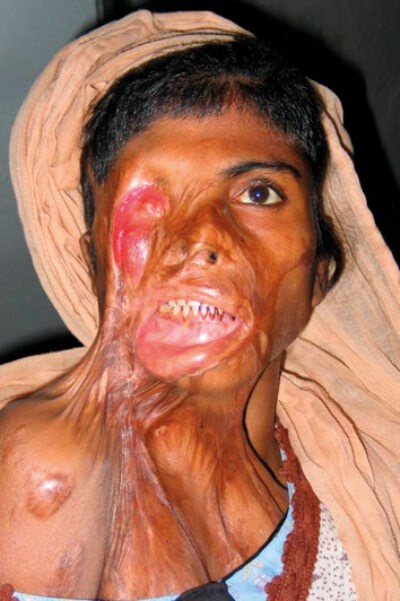
Which section of the Indian Penal Code (IPC) is applicable to the criminal act described?
In which country has euthanasia been legalized?
An elderly female with a history of mitral stenosis underwent a hysterectomy for uterine fibroids and subsequently developed pulmonary edema. According to the international classification of diseases, what is the most appropriate order of cause of death?
Punishment for sexual intercourse not amounting to rape by an attendant in a hospital is under which section of the Indian Penal Code?
The Declaration of Oslo deals with which of the following?
Explanation: **Explanation:** The **Declaration of Helsinki (1964)** is a set of ethical principles regarding **medical research involving human subjects**, including research on identifiable human material and data. Developed by the World Medical Association (WMA), it was established as a response to the unethical human experimentation during WWII. It emphasizes that the well-being of the individual research subject must take precedence over the interests of science and society. **Analysis of Options:** * **Option A (Torture):** This is governed by the **Declaration of Tokyo**, which prohibits physicians from participating in or being present during torture or forced feeding of prisoners. * **Option B (Organ Transplantation):** This is addressed by the **Declaration of Madrid** (and the WHO Guiding Principles on Transplantation), which outlines ethical guidelines for organ donation and transplantation. * **Option C (Correct):** The Declaration of Helsinki is the cornerstone document for human research ethics, introducing concepts like Institutional Review Boards (IRBs) and Informed Consent. * **Option D (Therapeutic Abortion):** This is related to the **Declaration of Oslo**, which provides guidelines on the ethical performance of therapeutic abortion. **High-Yield NEET-PG Pearls:** * **Nuremberg Code (1947):** The first international document on research ethics (focus on voluntary consent). * **Declaration of Geneva:** The modern-day Physician’s Oath (Modified Hippocratic Oath). * **Declaration of Sydney:** Relates to the definition of death and guidelines for organ harvesting. * **Belmont Report:** Focuses on three core principles: Respect for persons, Beneficence, and Justice.
Explanation: **Explanation:** **Section 320 of the Indian Penal Code (IPC)** defines **Grievous Hurt**. In forensic medicine, hurt is classified as grievous if it falls under any of the eight specified clauses: 1. Emasculation. 2. Permanent privation of sight of either eye. 3. Permanent privation of hearing of either ear. 4. Privation of any member or joint. 5. Destruction or permanent impairing of the powers of any member or joint. 6. Permanent disfiguration of the head or face. 7. Fracture or dislocation of a bone or tooth. 8. Any hurt which endangers life or causes the sufferer to be in severe bodily pain, or unable to follow his ordinary pursuits for a period of **20 days**. **Analysis of Incorrect Options:** * **Section 302:** Prescribes the **punishment for murder**. * **Section 300:** Defines the offense of **murder** (Culpable homicide amounting to murder). * **Section 376:** Prescribes the **punishment for rape**. **High-Yield NEET-PG Pearls:** * **Section 319 IPC:** Defines "Hurt" (bodily pain, disease, or infirmity). * **Section 321 & 322:** Define "Voluntarily causing hurt" and "Voluntarily causing grievous hurt" respectively. * **The 20-day rule:** A key diagnostic criterion for Clause 8 of Section 320; if the victim cannot perform daily activities for 20 days, it is legally "grievous." * **Fracture/Dislocation:** Even a simple crack in a bone or a chipped tooth is classified as grievous hurt under Clause 7.
Explanation: ### Explanation **Correct Answer: A. State Medical Council** The **State Medical Council (SMC)** is the primary body responsible for maintaining the State Medical Register and exercising disciplinary control over Registered Medical Practitioners (RMPs) within its jurisdiction. Under the National Medical Commission (NMC) Act (and formerly the IMC Act), the SMC acts as a "Court of Honor." It has the power to investigate cases of professional misconduct (infamous conduct), conduct disciplinary inquiries, and award punishments such as warnings, temporary suspension, or permanent removal of the doctor's name from the register (Erasure). **Why other options are incorrect:** * **B. Indian Medical Council (now National Medical Commission - NMC):** While the NMC sets the overall standards for medical education and ethics at the national level, the initial disciplinary jurisdiction lies with the SMC. The NMC primarily acts as an **appellate authority** where a doctor can appeal against a decision made by the SMC. * **C. Director of Medical and Health Services:** This is an administrative post responsible for the management of government hospitals and public health programs. They have administrative control over government doctors but no legal authority to revoke a medical license. * **D. Health Secretary:** This is a senior bureaucratic position (IAS) within the government that handles policy and budgetary matters. They do not have the statutory power to exercise disciplinary control over the professional conduct of RMPs. **High-Yield Clinical Pearls for NEET-PG:** * **Professional Death Sentence:** This term refers to the permanent removal of a doctor's name from the medical register by the SMC due to professional misconduct. * **Infamous Conduct:** Also known as "Professional Misconduct," it refers to any act by a doctor that would be reasonably regarded as disgraceful or dishonorable by their professional brethren (e.g., adultery with a patient, fee-splitting, or performing illegal abortions). * **Appeal Period:** A practitioner aggrieved by the decision of the SMC can appeal to the Ethics and Medical Registration Board (EMRB) of the NMC within **60 days**.
Explanation: **Explanation:** **Section 304A IPC** is the correct answer because it specifically deals with **causing death by negligence**. In the context of medical practice, if a doctor performs a rash or negligent act that results in the death of a patient (not amounting to culpable homicide), they are charged under this section. It is a bailable offense, punishable with imprisonment of up to two years, a fine, or both. For a doctor to be held criminally liable, the negligence must be "gross" or of a high degree, as established in the landmark *Jacob Mathew vs. State of Punjab* case. **Analysis of Incorrect Options:** * **Section 332 IPC:** Pertains to voluntarily causing hurt to deter a public servant from their duty. It is irrelevant to medical negligence. * **Section 351 IPC:** Defines "Assault." In forensic medicine, this relates to a gesture or preparation that causes someone to apprehend that criminal force is about to be used against them. **High-Yield Clinical Pearls for NEET-PG:** * **Section 304A IPC:** Death by negligence (Maximum 2 years imprisonment). * **Section 336 IPC:** Act endangering life or personal safety of others. * **Section 337 IPC:** Causing hurt by an act endangering life. * **Section 338 IPC:** Causing grievous hurt by an act endangering life. * **Civil Negligence:** Handled under the Consumer Protection Act (CPA); the remedy is monetary compensation rather than imprisonment. * **Res Ipsa Loquitur:** A legal doctrine meaning "the thing speaks for itself," applied when negligence is so obvious (e.g., leaving a mop in the abdomen) that no further proof is required.
Explanation: **Explanation:** In medical jurisprudence, the absence of a fee is **not** a valid defense against an allegation of negligence. According to the landmark Supreme Court judgment in *Indian Medical Association vs. V.P. Shantha (1995)*, medical services provided free of charge at a non-charitable hospital or to a specific patient still fall under the ambit of the Consumer Protection Act (CPA) if other patients are charged. Regardless of payment, once a doctor-patient relationship is established, the doctor owes a **duty of care** to the patient. **Analysis of Options:** * **Medical Maloccurrence:** This refers to an unfortunate outcome that occurs despite the doctor following standard protocols (e.g., a known complication). Since there is no breach of duty, it is a valid defense. * **Therapeutic Misadventure:** This occurs when an injury results from a recognized risk of a correctly performed procedure or a rare idiosyncratic reaction to a drug. It is considered an "accident" rather than negligence. * **Res Judicata:** A legal principle meaning "a matter already judged." If a case on the same facts between the same parties has already been decided by a competent court, it cannot be litigated again. This serves as a procedural defense. **High-Yield NEET-PG Pearls:** * **The 4 D’s of Negligence:** Duty, Dereliction (breach), Direct Cause, and Damage. All four must be proven by the plaintiff. * **Res Ipsa Loquitur:** "The thing speaks for itself." A condition where negligence is so obvious that the burden of proof shifts from the patient to the doctor (e.g., leaving a mop in the abdomen). * **Novus Actus Interveniens:** An intervening act that breaks the chain of causation, serving as a defense for the doctor.
Explanation: ***Section 326A IPC*** - Specifically deals with **acid attacks causing grievous hurt or disfigurement**, making it the most applicable for criminal acts involving **corrosive substances**. - Carries punishment of **imprisonment for 10 years to life** and fine, reflecting the severity of acid attack consequences. *Section 320 IPC* - This section only provides the **definition of grievous hurt** but does not prescribe any punishment. - It defines eight types of grievous hurt including **permanent disfiguration** but lacks specific provisions for acid attacks. *Section 326B IPC* - Covers **throwing or attempting to throw acid** but applies when the act does **not cause grievous hurt**. - Punishment is **imprisonment up to 5 years** with fine, indicating lesser severity compared to actual grievous hurt cases. *Section 326 IPC* - Deals with **grievous hurt by dangerous weapons or means** but is a general provision predating specific acid attack legislation. - Does **not specifically address acid attacks** and carries lesser punishment (**imprisonment up to 10 years**) compared to Section 326A.
Explanation: **Explanation:** Euthanasia refers to the intentional act of ending a life to relieve pain and suffering. The legal landscape regarding end-of-life care varies globally, distinguishing between **Active Euthanasia** (direct intervention) and **Physician-Assisted Suicide (PAS)** (providing the means for the patient to end their own life). 1. **Netherlands:** It was the first country in the world to formalize the legalization of both active euthanasia and physician-assisted suicide via the *Termination of Life on Request and Assisted Suicide (Review Procedures) Act* in 2001 (effective 2002). 2. **Belgium:** Following the Netherlands, Belgium legalized euthanasia in 2002. It is notable for having some of the most liberal laws, including provisions for minors under specific, strict conditions. 3. **Switzerland:** While active euthanasia is technically illegal, Switzerland has famously permitted **Physician-Assisted Suicide** since 1942, provided the motive is not selfish. Organizations like *Dignitas* operate under this legal framework. Since all three countries have established legal frameworks for some form of medical aid in dying, **Option D** is the correct answer. **High-Yield Clinical Pearls for NEET-PG:** * **India’s Status:** Active euthanasia is **illegal** in India. However, the landmark **Aruna Shanbaug case (2011)** and the subsequent 2018 Supreme Court ruling legalized **Passive Euthanasia** (withdrawing life support) and recognized the validity of **"Living Wills"** (Advance Medical Directives). * **Active vs. Passive:** Active involves a lethal injection (Commission); Passive involves withdrawing treatment (Omission). * **Article 21:** The Supreme Court of India ruled that the "Right to Life" includes the "Right to die with dignity."
Explanation: ### Explanation The International Form of Medical Certificate of Cause of Death (MCCD) follows a specific sequence based on the **International Classification of Diseases (ICD)**. The sequence is recorded in Part I of the certificate, moving from the immediate cause back to the underlying cause. **1. Why Option C is Correct:** The ICD format requires a reverse chronological order (from the terminal event back to the root cause): * **Immediate Cause (Line a):** The final disease or complication directly resulting in death. In this case, it is **Pulmonary Edema**. * **Intervening Cause (Line b):** The condition or procedure that led to the immediate cause. Here, the **Hysterectomy** (surgical stress/fluid shift) precipitated the edema. * **Underlying Cause (Line c):** The disease that initiated the train of morbid events. **Mitral Stenosis** is the foundational pathology that made the patient susceptible to heart failure during surgery. **2. Analysis of Incorrect Options:** * **Option A & D:** These start with the underlying cause or the procedure. In the MCCD, the underlying cause is always written last (at the bottom of Part I), not first. * **Option B:** While it correctly identifies pulmonary edema as the immediate cause, it incorrectly places the chronic disease (Mitral Stenosis) before the triggering event (Hysterectomy). The sequence must show how one led to the other. **3. High-Yield Clinical Pearls for NEET-PG:** * **Part I of MCCD:** Contains the sequence of events (Immediate $\rightarrow$ Intervening $\rightarrow$ Underlying). * **Part II of MCCD:** Contains significant conditions that contributed to death but were not part of the direct sequence (e.g., Diabetes in a patient dying of a Road Traffic Accident). * **The Underlying Cause of Death** is defined as the disease or injury that initiated the train of morbid events leading directly to death. It is the most important for public health statistics. * **Mode of Death:** Terms like "Heart failure" or "Respiratory failure" are modes of dying, not causes, and should generally be avoided on certificates if a specific cause is known.
Explanation: **Explanation:** The correct answer is **Section 376-C IPC**. This section specifically addresses sexual intercourse by a person in a position of authority or trust, where the act does not technically amount to the offense of rape (as defined under Section 375) but involves the abuse of power. **Why Section 376-C is correct:** Section 376-C IPC deals with sexual intercourse by a person in authority, such as a public servant, a superintendent of a jail/remand home, or **management/staff of a hospital**, with a woman in their custody or under their care. It punishes the exploitation of a vulnerable position to obtain consent that is not truly "free." **Analysis of Incorrect Options:** * **Section 376-A IPC:** Pertains to punishment for causing death or resulting in a persistent vegetative state of the victim during a rape. * **Section 376-B IPC:** Deals with sexual intercourse by a husband with his wife during separation (without her consent). * **Section 376-D IPC:** Pertains to **Gang Rape**, where a woman is raped by one or more persons acting in furtherance of a common intention. **High-Yield Clinical Pearls for NEET-PG:** * **Section 375 IPC:** Defines the ingredients of Rape. * **Section 376 IPC:** General punishment for Rape (Minimum 10 years to Life Imprisonment). * **Section 376-E IPC:** Punishment for **repeat offenders** (recidivists). * **Medical Examination:** Consent for the medical examination of a rape victim must be obtained under **Section 164-A CrPC**. * **Age of Consent:** In India, the age of consent for sexual activity is **18 years**; any intercourse below this age is statutory rape under the **POCSO Act**.
Explanation: **Explanation:** The **Declaration of Oslo (1970)**, adopted by the World Medical Association (WMA), specifically addresses the ethical principles regarding **Therapeutic Abortion**. It outlines that while the primary duty of a physician is to maintain human life from conception, there are circumstances where the health or life of the mother is at risk, necessitating the termination of pregnancy. It emphasizes that such decisions should be made by at least two physicians and respects the "conscientious objection" of doctors who refuse to perform the procedure. **Analysis of Incorrect Options:** * **A. Human Experimentation:** This is governed by the **Declaration of Helsinki** (1964), which is the cornerstone document for ethical principles involving human subjects. * **C. Euthanasia:** This is addressed by the **Declaration of Madrid**, which generally opposes physician-assisted suicide and euthanasia, emphasizing palliative care instead. * **D. Hunger Strikers:** The ethical management of hunger strikers (prohibiting force-feeding if the individual is capable of rational judgment) is covered by the **Declaration of Malta**. **High-Yield Clinical Pearls for NEET-PG:** * **Declaration of Geneva:** The modern version of the Hippocratic Oath (Physician’s Pledge). * **Declaration of Tokyo:** Guidelines for physicians concerning **torture** and other cruel, inhuman, or degrading treatment. * **Declaration of Sydney:** Relates to the **Definition of Death** and guidelines for organ transplantation. * **Declaration of Venice:** Focuses on **Terminal Care** and the rights of patients to die with dignity.
Medical Jurisprudence Fundamentals
Practice Questions
Medical Ethics Principles
Practice Questions
Consent in Medical Practice
Practice Questions
Confidentiality and Privacy
Practice Questions
Medical Negligence
Practice Questions
Professional Misconduct
Practice Questions
Rights and Duties of Medical Practitioners
Practice Questions
Consumer Protection Laws
Practice Questions
Medical Documentation
Practice Questions
Expert Witness Testimony
Practice Questions
Ethical Dilemmas in Medicine
Practice Questions
International Medical Ethics Codes
Practice Questions
Get full access to all questions, explanations, and performance tracking.
Start For Free