What is the artifact seen in a case of suicidal complete hanging?
A ligature mark is typically horizontal in which type of death?
Which of the following statements is FALSE regarding death due to hanging?
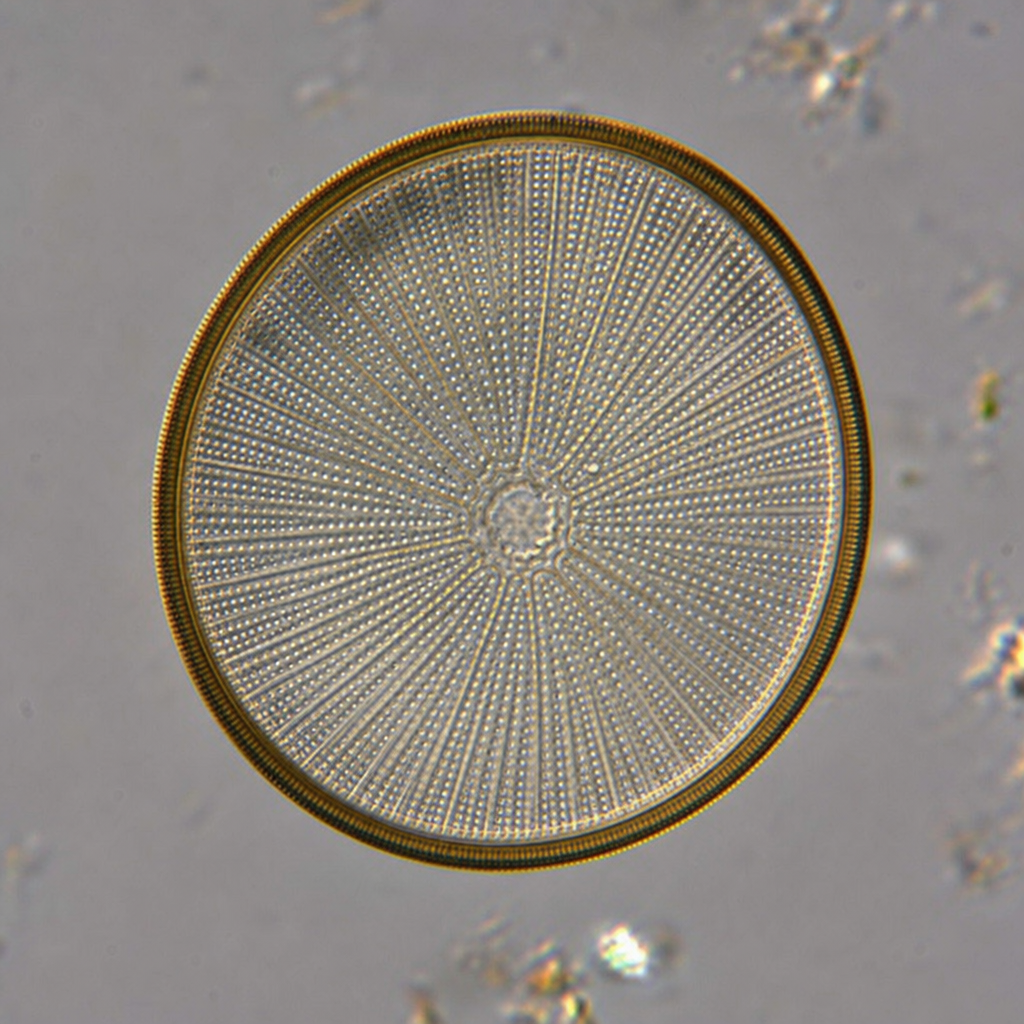
Diatoms are seen in which of the following conditions?
What is the punishment for issuing a false certificate?
All of the following are tests done on blood, except:
Masque ecchymotique is seen in which of the following conditions?
Mugging is compression of the neck by:
Fracture of the hyoid bone, thyroid cartilage, and cricoid cartilage along with extensive bruising of neck muscles suggests which of the following diagnoses?
On autopsy, fine froth was found in the respiratory tract, nose, and mouth. What is the likely cause of death?
Explanation: **Explanation:** The correct answer is **Oesophageal banding**, also known as **Brouardel’s sign**. 1. **Why it is correct:** Oesophageal banding refers to the presence of transverse, circular, or linear hemorrhages/bruising in the mucous membrane of the lower end of the esophagus. In cases of hanging, it is considered a **post-mortem artifact** or a "pseudo-sign" of vitality. It occurs due to the post-mortem settling of blood (hypostasis) combined with the mechanical stretching of the esophagus, rather than a true vital reaction. 2. **Analysis of Incorrect Options:** * **Transverse tears in carotids (Amussat’s Sign):** This is a **vital sign** of hanging, not an artifact. It occurs due to the sudden stretching of the carotid artery, leading to intimal tears. * **Dribbling of saliva:** This is the most reliable **sure sign of ante-mortem hanging**. It occurs due to the stimulation of salivary glands by the ligature before death. * **Unequal pupils (Lahey’s Sign):** This is a vital finding caused by cervical sympathetic nerve compression on one side. **High-Yield Clinical Pearls for NEET-PG:** * **Simon’s Sign:** Hemorrhages in the anterior longitudinal ligament of the lumbar spine (seen in hanging). * **Martin’s Sign:** Hemorrhages in the adventitia of the carotid artery. * **Complete vs. Incomplete Hanging:** In complete hanging, the feet do not touch the ground; in incomplete hanging, some part of the body touches the ground. * **Ligature Mark:** In hanging, it is typically non-continuous, high up in the neck, and oblique (above the thyroid cartilage). In strangulation, it is usually continuous, horizontal, and below the thyroid cartilage.
Explanation: **Explanation:** The orientation of a ligature mark is a crucial diagnostic feature in differentiating types of asphyxial deaths. **1. Why Strangulation is Correct:** In **Ligature Strangulation**, the force is applied by a ligature tightened around the neck by a force other than the body weight. Because the pressure is applied circumferentially and usually by an assailant standing behind or in front of the victim, the ligature mark is typically **horizontal**, continuous, and situated **below the level of the thyroid cartilage**. It encompasses the entire neck uniformly. **2. Why Other Options are Incorrect:** * **Hanging:** In hanging, the constricting force is the body weight. Due to the suspension point (the knot), the ligature tends to slide upward, creating an **oblique** mark that is non-continuous (interrupted at the site of the knot) and usually situated **above the thyroid cartilage**. * **Both/Neither:** These are incorrect because the direction of force (gravity vs. external manual/mechanical pull) dictates a distinct anatomical pattern for each. **High-Yield Clinical Pearls for NEET-PG:** * **Hanging:** Ligature mark is oblique, non-continuous, and shows an "inverted V" shape at the knot site. It is an ante-mortem sign if there is evidence of vital reaction (e.g., ecchymosis). * **Strangulation:** Ligature mark is horizontal, continuous, and transverse. It is almost always homicidal. * **Exception:** In "Partial Hanging" (where feet touch the ground), the mark may occasionally appear more horizontal, but the standard forensic distinction remains: Hanging = Oblique; Strangulation = Horizontal. * **Hyoid Bone Fracture:** More common in manual strangulation (throttling) and ligated strangulation in older victims; less common in hanging.
Explanation: **Explanation:** The correct answer is **D** because hanging is generally considered a **painless** form of death. The rapid compression of the carotid arteries and jugular veins leads to immediate cerebral ischemia and a sudden loss of consciousness. Most victims lose consciousness within seconds, long before death occurs, making the process relatively painless. **Analysis of Options:** * **Option A (True):** In judicial hanging, the drop causes a fracture-dislocation of the upper cervical vertebrae (typically C2-C3 or C3-C4, known as a **Hangman’s Fracture**). This results in the transection of the spinal cord or brainstem, causing instantaneous death. * **Option B (True):** Asphyxia occurs due to the occlusion of the airway (retro-displacement of the tongue). While rapid, it is slightly slower than death via cerebral ischemia but faster than coma. * **Option C (True):** Coma results from the obstruction of venous return (jugular veins), leading to cerebral congestion and edema. This is the slowest mechanism among the common causes of death in hanging. **NEET-PG High-Yield Pearls:** * **Most common cause of death in hanging:** Combined asphyxia and cerebral ischemia. * **Weight required to occlude structures:** * Jugular veins: 2 kg * Carotid arteries: 5 kg * Trachea: 15 kg * Vertebral arteries: 30 kg * **La Facies Sympathique:** An ocular sign where one eye is open and the pupil dilated (due to cervical sympathetic chain irritation) while the other is closed. * **Post-mortem finding:** **Simon’s Sign** (hemorrhages in the anterior longitudinal ligament of the lumbar spine) is a specific but infrequent sign of hanging.
Explanation: ### Explanation **Correct Option: B. Drowning** The presence of diatoms is a definitive diagnostic marker for **antemortem drowning**. Diatoms are microscopic, unicellular algae with a hard silicified cell wall (frustule). When a conscious person drowns in water containing these organisms, they inhale the water into the lungs. The diatoms then pass through the alveolar-capillary membrane into the systemic circulation and are transported to distant internal organs like the **bone marrow (most reliable)**, liver, and spleen. This occurs only if the heart is still beating (antemortem); in postmortem submersion, the lack of circulation prevents diatoms from reaching closed systems like the bone marrow. **Why other options are incorrect:** * **A. Infanticide:** This refers to the killing of an infant under one year. While drowning can be a method of infanticide, the presence of diatoms is specific to the *mechanism* of drowning, not the legal category of the death. * **C. Hanging:** This is a form of mechanical asphyxia caused by suspension. Death occurs due to venous/arterial occlusion or airway obstruction, not fluid inhalation; hence, diatoms will not be found. * **D. Mummification:** This is a late sign of decomposition characterized by dehydration and shriveling of tissues. It is unrelated to the inhalation of water. **High-Yield Clinical Pearls for NEET-PG:** * **Acid Digestion Test:** Used to extract diatoms from tissues (usually the femur or sternum) by destroying organic matter with concentrated nitric acid. * **Bone Marrow:** The most reliable site for diatom analysis because it is a "closed" system, minimizing the risk of postmortem contamination. * **False Positives:** Can occur if the person consumed tap water or shellfish shortly before death (though these rarely reach the bone marrow). * **Negative Diatom Test:** Does not rule out drowning (e.g., in "Dry Drowning" where laryngeal spasm prevents water entry, or in distilled water which lacks diatoms).
Explanation: **Explanation:** The punishment for issuing a false certificate is governed by the **Indian Penal Code (IPC) Section 197**. This section states that whoever issues or signs a certificate required by law to be given or admitted as evidence, knowing that such certificate is false in any material point, shall be punished in the same manner as if they gave false evidence. **Why Option D is Correct:** Under **IPC Section 193**, the punishment for giving false evidence in a judicial proceeding is imprisonment for a term which may extend to **7 years** and a fine. Since Section 197 equates the act of issuing a false certificate to giving false evidence, the maximum punishment is 7 years. In the context of Forensic Medicine, this often applies to doctors issuing false death certificates, injury reports, or age estimation certificates. **Why Other Options are Incorrect:** * **Options A, B, and C:** These durations (4, 5, or 6 years) do not align with the statutory provisions laid down in the IPC for perjury or the fabrication of false evidence. While different crimes carry these sentences, the specific legal benchmark for false certification/perjury in India is fixed at the 7-year mark for judicial proceedings. **High-Yield Clinical Pearls for NEET-PG:** * **IPC 191:** Defines giving false evidence (Perjury). * **IPC 192:** Defines fabricating false evidence. * **IPC 197:** Specifically deals with issuing/signing a false certificate. * **Professional Misconduct:** Apart from legal imprisonment, issuing a false certificate is considered "Professional Misconduct" under the **NMC (formerly MCI) Ethics Regulations**, which can lead to the removal of the doctor's name from the Medical Register (Erasure). * **Civil Liability:** A doctor can also be sued for negligence or damages arising from a false certificate under the Consumer Protection Act.
Explanation: **Explanation:** The **Acid Phosphatase (AP) test** is the correct answer because it is a presumptive test used for the identification of **semen**, not blood. Seminal fluid contains high concentrations of the enzyme acid phosphatase (secreted by the prostate). In forensic practice, the Brentamine fast blue test is commonly used, where a purple color change indicates a positive result for semen. **Analysis of other options (Tests for Blood):** * **Benzidine Test:** This is a highly sensitive **presumptive (screening) test** for blood. It relies on the peroxidase-like activity of hemoglobin, which reacts with hydrogen peroxide to oxidize the reagent, producing a blue color. Due to the carcinogenicity of benzidine, it is largely replaced by the Phenolphthalein (Kastle-Meyer) test in modern labs. * **Teichmann’s Test (Haemin Crystal Test):** This is a **confirmatory test** for blood. When blood is heated with glacial acetic acid and a chloride salt, characteristic brown, rhombic-shaped crystals of haemin (hematin chloride) form. * **Hemochromogen Test (Takayama Test):** This is another **confirmatory test**. It involves treating a bloodstain with Takayama reagent (pyridine and glucose) to produce pink, feathery, or needle-shaped crystals of pyridine hemochromogen. **High-Yield Clinical Pearls for NEET-PG:** * **Confirmatory vs. Presumptive:** Always distinguish between screening (Benzidine, Kastle-Meyer, Luminol) and confirmatory (Teichmann, Takayama, Spectroscopic) tests. * **Species Identification:** Once blood is confirmed, the **Precipitin test** is used to determine if the blood is of human origin. * **Semen Identification:** Apart from the AP test, the **Barberio test** (yellow needle-shaped crystals of spermine picrate) and **Florence test** (brown crystals of choline periodide) are high-yield topics.
Explanation: **Explanation:** **Masque ecchymotique** (also known as the "Ecchymotic Mask") is a classic diagnostic feature of **Traumatic Asphyxia**. ### Why Traumatic Asphyxia is Correct: Traumatic asphyxia occurs due to sudden, violent compression of the chest or upper abdomen by a heavy weight (e.g., stampedes, vehicular accidents, or cave-ins). This compression causes a sudden rise in intra-thoracic pressure, which is transmitted retrogradely to the veins of the head and neck. Because the veins in the head and neck lack valves, this pressure surge causes capillary rupture and venous congestion. * **Clinical Presentation:** This results in a characteristic deep blue-purple discoloration of the face, neck, and upper chest, accompanied by subconjunctival hemorrhages and multiple petechiae—collectively termed **Masque ecchymotique**. ### Why Other Options are Incorrect: * **Ligature & Manual Strangulation:** While these conditions show signs of asphyxia (cyanosis, petechiae), the specific "mask-like" distribution caused by massive thoracic compression is absent. They are characterized by local neck findings like ligature marks or bruising (fingertip bruises). * **Burking:** This is a combination of smothered (occlusion of nostrils/mouth) and traumatic asphyxia (kneeling on the chest). While it involves chest compression, the term *Masque ecchymotique* is specifically associated with the broader clinical entity of pure traumatic asphyxia. ### NEET-PG High-Yield Pearls: * **Perthe’s Syndrome:** Another name for Traumatic Asphyxia. * **Vikas’s Sign:** Petechial hemorrhages seen on the visceral pleura and pericardium in asphyxial deaths (Tardieu spots). * **Key Triad of Traumatic Asphyxia:** Facial congestion/cyanosis, facial edema, and subconjunctival hemorrhage. * **Important distinction:** Unlike other asphyxias, the lungs in traumatic asphyxia may be relatively pale because the blood is "trapped" in the head and neck region.
Explanation: **Explanation:** **Mugging** is a form of strangulation where the neck is compressed within the crook of the elbow (the bend of the arm). The victim’s neck is gripped between the **forearm** and the upper arm, leading to rapid occlusion of the carotid arteries and the airway. * **Why Forearm is Correct:** In forensic terminology, mugging (also known as "chokehold") specifically refers to using the forearm and arm to exert pressure. This mechanism often results in "carotid sleep," where pressure on the carotid sinuses leads to rapid unconsciousness. * **Why other options are incorrect:** * **Wooden sticks:** Compression of the neck using two wooden sticks (one in front and one behind) is known as **Bansdola**. * **Rope:** Compression of the neck by a ligature (like a rope) without a suspension point is termed **Ligature Strangulation**. * **Hand:** Compression of the neck using one or both hands is called **Throttling** (Manual Strangulation). **High-Yield Clinical Pearls for NEET-PG:** * **Hyoid Bone Fracture:** More common in Throttling (Manual Strangulation) than in Hanging. * **Burking:** A combination of traumatic asphyxia (chest compression) and smothering (closing nose/mouth), famously used by William Burke. * **Garrotting:** A method where the victim is attacked from behind using a ligature or a metal collar, often tightened with a twisting stick. * **Key Finding:** In mugging, external marks on the neck may be minimal or absent due to the broad, soft surface of the arm, but internal bruising is often extensive.
Explanation: **Explanation:** The combination of fractures involving the **hyoid bone, thyroid cartilage, and cricoid cartilage**, accompanied by extensive neck muscle bruising, is a classic hallmark of **Manual Strangulation (Throttling)**. 1. **Why Manual Strangulation is Correct:** In manual strangulation, the assailant uses significant, localized, and often shifting force with the hands. This direct pressure is frequently applied lower in the neck compared to hanging. The forceful squeezing and inward compression are highly likely to fracture the laryngeal skeleton (thyroid and cricoid) and the hyoid bone. Extensive bruising of the sternocleidomastoid and strap muscles occurs due to the struggle and the forceful grip of the fingers. 2. **Why Other Options are Incorrect:** * **Ligature Strangulation:** While fractures can occur, they are less common than in manual strangulation. The force is distributed more evenly by the ligature, and cricoid fractures are particularly rare. * **Hanging:** In typical hanging, the ligature is usually above the thyroid cartilage. While the hyoid may fracture (especially in older victims), the cricoid cartilage is almost never involved. Muscle bruising is also minimal compared to the violent struggle seen in throttling. * **Choking:** This refers to the internal obstruction of the airway (e.g., a food bolus) and does not involve external neck trauma or fractures. **High-Yield Clinical Pearls for NEET-PG:** * **Fracture Incidence:** Manual strangulation has the highest incidence of laryngeal fractures. * **Cricoid Fracture:** Highly suggestive of manual strangulation or direct heavy blows to the neck. * **Hyoid Fracture Type:** In manual strangulation, the fracture is usually an **inward compression fracture**, whereas in hanging, it is often an **abduction (outward) fracture**. * **Throttling:** Always homicidal; it is impossible to commit suicide by manual strangulation.
Explanation: ### Explanation **Correct Answer: A. Drowning** The presence of **fine, white, leathery, and persistent froth** at the mouth and nose is a pathognomonic sign of **antemortem drowning**. **Mechanism:** During the struggle for breath, the victim forcefully inhales water into the lungs. This water irritates the air passages, stimulating the secretion of mucus. The violent respiratory efforts churn together the inhaled water, mucus, and air, creating a stable emulsion (froth). This froth is "fine" because of the presence of **surfactant**, which lowers surface tension and makes the bubbles small and persistent. It is often blood-tinged (pinkish) due to the rupture of alveolar capillaries. **Why other options are incorrect:** * **B & C (Hanging and Strangulation):** While froth can occasionally be seen in some cases of asphyxia due to pulmonary edema, it is typically not the "fine, leathery" variety characteristic of drowning. In hanging, the most common external finding is the ligature mark and a protruding tongue, not persistent froth. * **D (Toothpaste poisoning):** This is a distractor. While certain poisonings (like Organophosphates or Opioids) produce froth, it is usually due to pulmonary edema or excessive salivation, but "toothpaste poisoning" is not a standard clinical entity associated with this finding. **High-Yield Clinical Pearls for NEET-PG:** * **Froth in Drowning:** If the froth is wiped away and the chest is squeezed, more froth will emerge (a sign of antemortem drowning). * **Differential Diagnosis:** Fine froth is also seen in **Organophosphate poisoning**, **Opioid overdose**, and **Acute Left Ventricular Failure** (Pulmonary Edema). * **Cadaveric Spasm:** If a person is found clutching weeds or sand in their hand (Cadaveric Spasm), it is the most certain sign of antemortem drowning. * **Dry Drowning:** Occurs in 10-15% of cases where intense laryngeal spasm prevents water from entering the lungs; froth will be absent here.
Pathophysiology of Asphyxia
Practice Questions
Hanging
Practice Questions
Strangulation
Practice Questions
Suffocation
Practice Questions
Traumatic Asphyxia
Practice Questions
Drowning
Practice Questions
Choking
Practice Questions
Chemical Asphyxiants
Practice Questions
Positional Asphyxia
Practice Questions
Autoerotic Asphyxia
Practice Questions
Pediatric Asphyxia
Practice Questions
Postmortem Findings in Asphyxia
Practice Questions
Get full access to all questions, explanations, and performance tracking.
Start For Free