
Otologic and Neurotologic Emergencies — MCQs

On this page
Which of the following associations is true regarding facial nerve palsy in temporal bone fractures?
What is the typical mode of trauma associated with a longitudinal petrous bone fracture?
All of the following are true about transverse fractures of the temporal bone EXCEPT:
Unilateral conductive deafness after head injury is due to all EXCEPT:
What is the treatment of cholesteatoma with facial paresis in a child?
What is a consequence of superior sagittal sinus thrombosis?
What is the best investigation for temporal bone injuries?
A patient with chronic suppurative otitis media (CSOM) and cholesteatoma presents with acute onset of vertigo. What is the appropriate treatment?
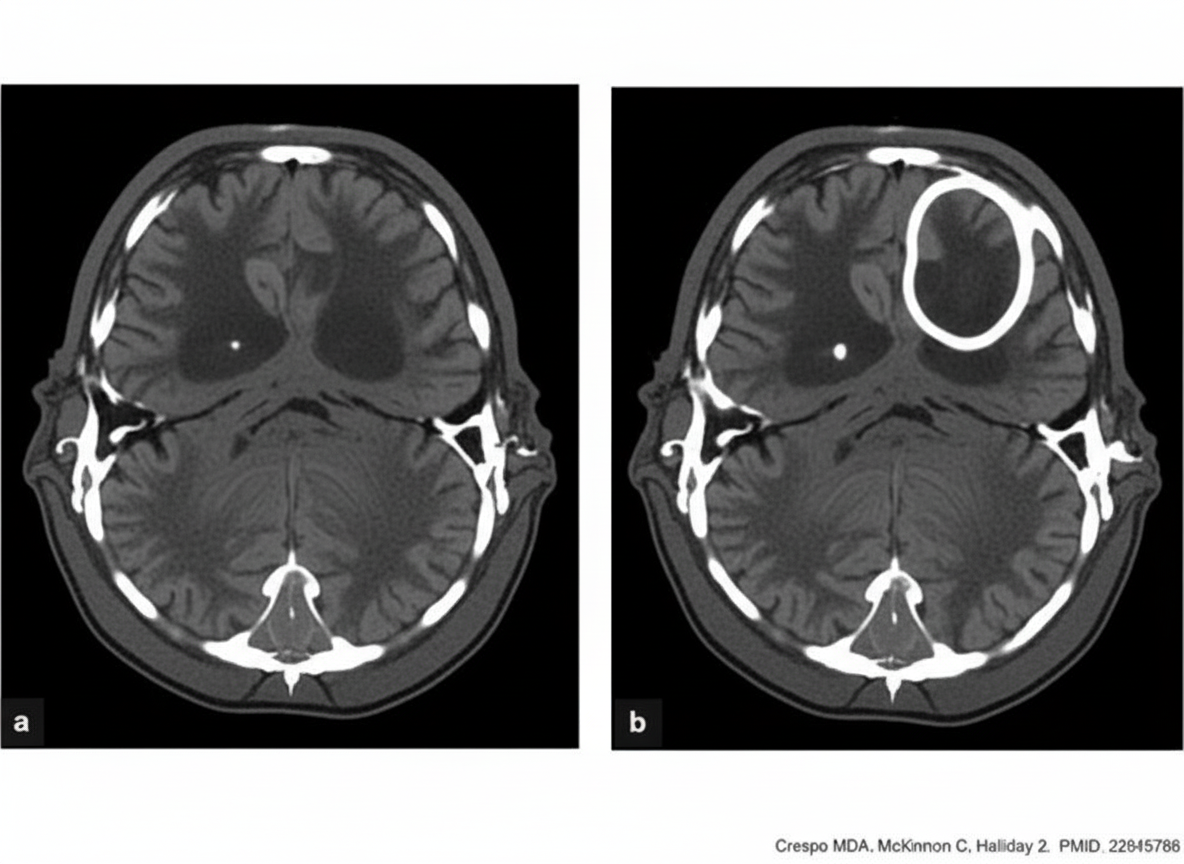
A patient presents with foul-smelling ear discharge and convulsions. CECT findings reveal a sizable otogenic brain abscess with significant mass effect and raised intracranial pressure. After initiating intravenous antibiotics and stabilization, which source-control procedure should be performed first?
Griesinger's sign is seen in which of the following conditions?
Practice by Chapter
Acute Vestibulopathy
Practice Questions
Facial Nerve Paralysis
Practice Questions
Sudden Sensorineural Hearing Loss
Practice Questions
Temporal Bone Fractures
Practice Questions
Malignant Otitis Externa
Practice Questions
Intracranial Complications of Otitis Media
Practice Questions
Perilymphatic Fistula
Practice Questions
Labyrinthine Concussion
Practice Questions
Barotrauma of the Ear
Practice Questions
Foreign Bodies in the Ear
Practice Questions
Auricular Hematoma
Practice Questions
Traumatic Ossicular Disruption
Practice Questions
Want unlimited practice?
Get full access to all questions, explanations, and performance tracking.
Scan to download app