Which of the following is the POOREST recipient bed for a skin graft?
Which of the following is not typically performed during septoplasty?
All of the following are features of a nasal foreign body except:
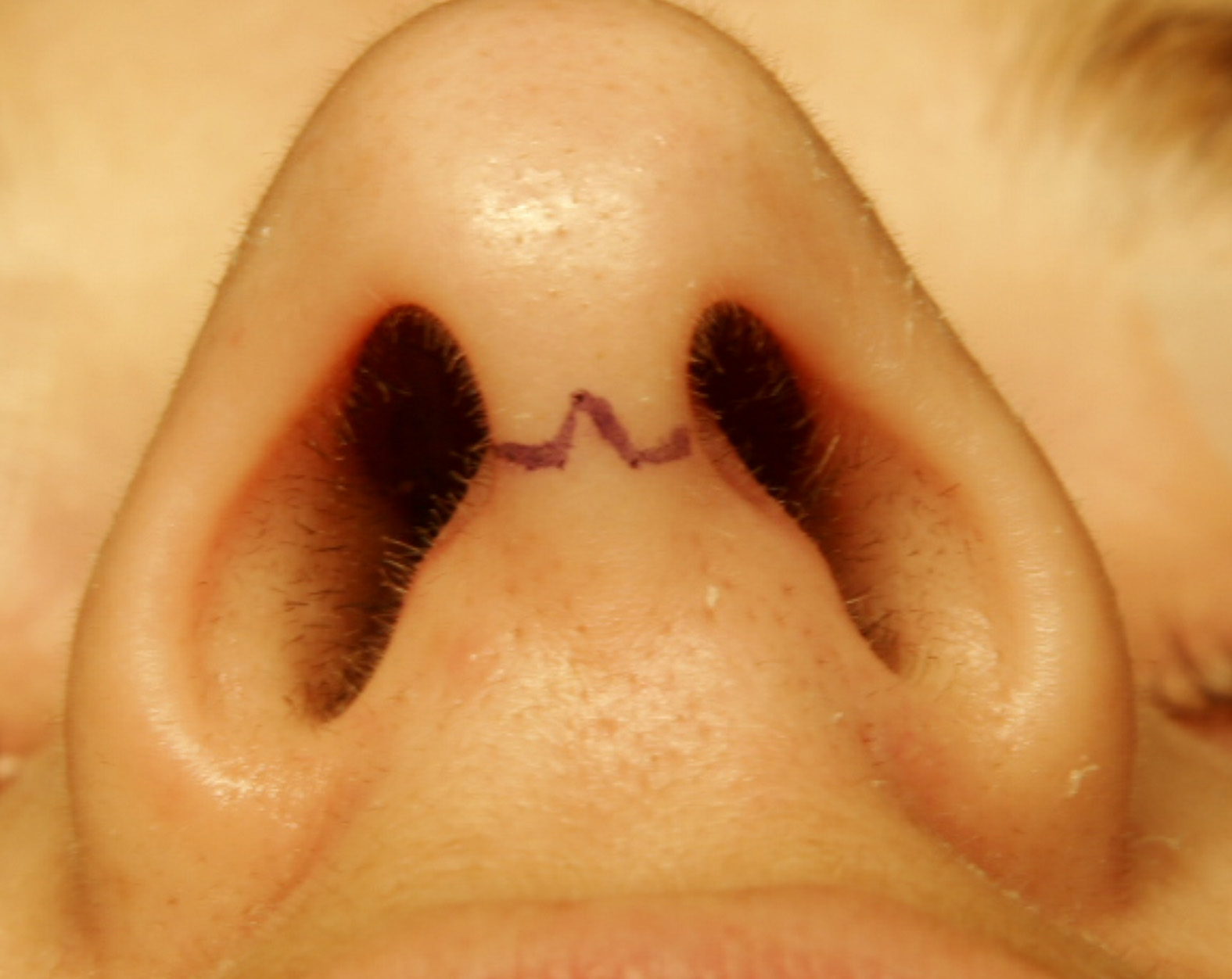
A nasal surgery was carried out with the incision shown in the image. What was the procedure likely carried out?
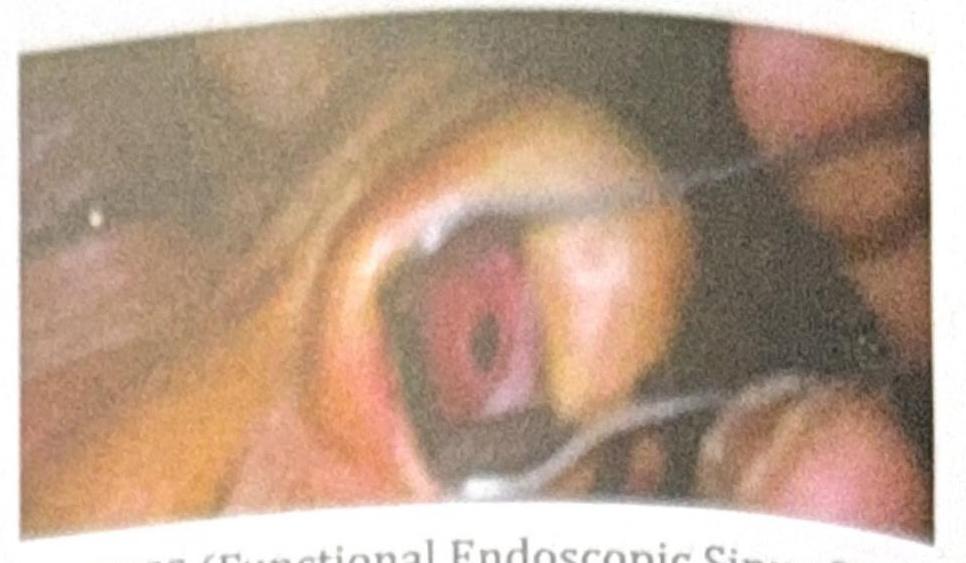
A patient with chronic nasal obstruction underwent a procedure 3 months ago and now presents with recurrent epistaxis, crusting, and the clinical image showing a septal perforation. What procedure was most likely carried out?
Surgery to widen the cartilaginous part of EAC
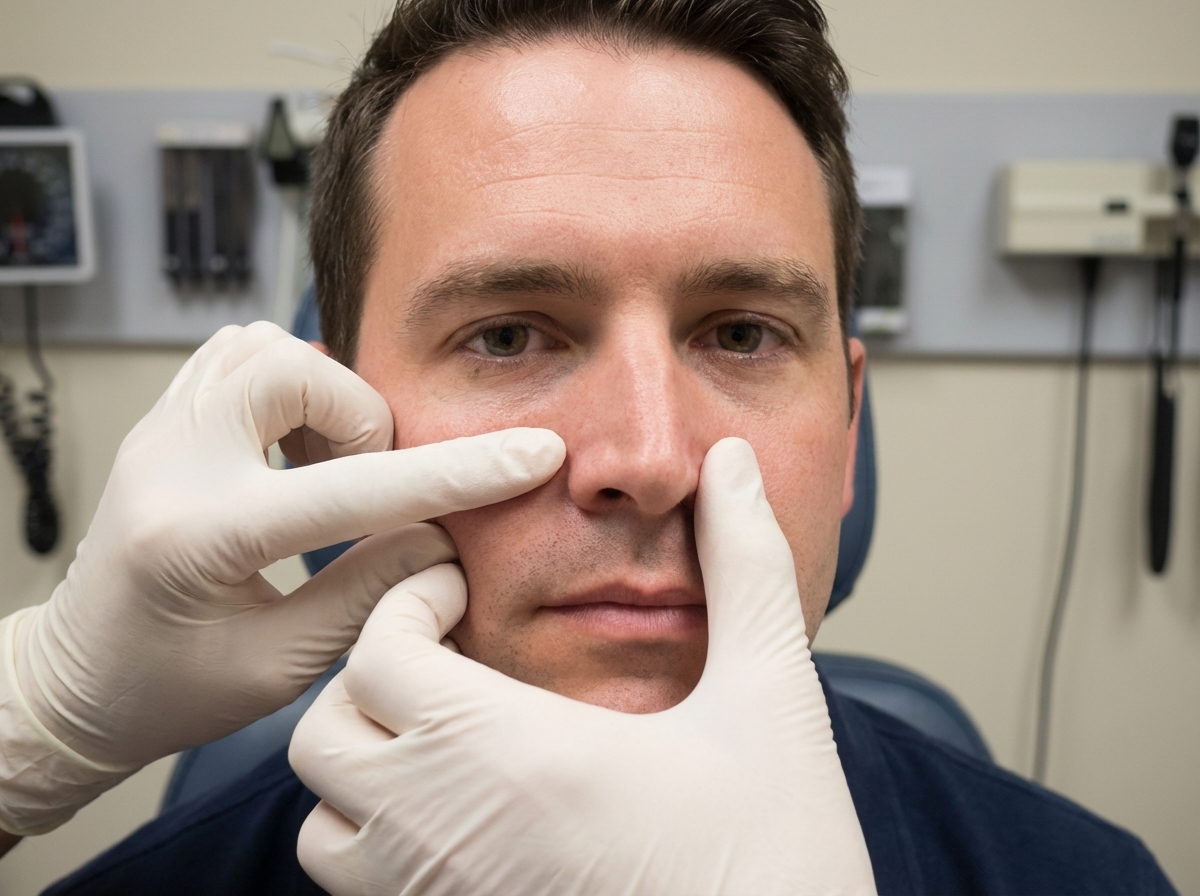
The following test is done for the evaluation of:
Young's operation is done for:
A boy has developed epistaxis. What is the treatment of choice?
Atrophic dry nasal mucosa, extensive encrustations, and a woody hard external nose are most suggestive of:
Explanation: ***Fat*** - **Fat** is a poor recipient for a skin graft due to its **limited vascularity**, which hinders the necessary process of revascularization for graft survival. - The high metabolic demand of a graft cannot be adequately met by the relatively avascular subcutaneous fat, leading to graft failure. *Muscle* - **Muscle tissue** is an excellent recipient bed for skin grafts due to its **rich blood supply**. - Its robust vascularity effectively supports the revascularization and survival of the grafted tissue. *Deep fascia* - **Deep fascia** provides a good vascularized bed for skin grafts, as it has a reasonable blood supply from underlying muscles and surrounding tissues. - This vascularization is sufficient to nourish and ensure the take of a skin graft. *Skull bone* - **Skull bone** (specifically the periosteum covering it) can serve as an adequate graft bed due to its vascular supply. - If the **periosteum** is intact and healthy, it offers sufficient blood flow for graft survival.
Explanation: ***Surgical removal of nasal polyps*** - Septoplasty is a surgical procedure specifically designed to correct a **deviated nasal septum** by repositioning or removing obstructing cartilage and bone. - **Nasal polyps** arise from the mucosa of the nasal cavity or sinuses and require a separate procedure, typically **functional endoscopic sinus surgery (FESS)** or polypectomy. - While septoplasty and polypectomy may sometimes be performed together, polyp removal is **not part of standard septoplasty**. *Submucosal resection of deviated cartilage* - This is the **core component of septoplasty** - removing or repositioning deviated septal cartilage while preserving the mucosal lining. - The submucosal approach maintains structural support while correcting the deviation. *Throat pack* - A **throat pack** is routinely placed during septoplasty to **prevent aspiration of blood and secretions** into the pharynx and esophagus. - It protects the airway and is removed at the end of the procedure. *Nasal packing at the end of surgery* - **Nasal packing** (splints or packs) is commonly placed after septoplasty to **control bleeding, support the septum, and prevent hematoma formation**. - Modern techniques may use absorbable or non-absorbable packing materials.
Explanation: ***Nasal polyps*** - While chronic inflammation can lead to nasal polyps, they are **not a direct or acute feature** of a nasal foreign body. - Nasal foreign bodies typically present with more immediate and obstructive symptoms rather than polyp formation. *Epistaxis* - A nasal foreign body can **irritate and traumatize the delicate nasal mucosa**, leading to bleeding. - This is a common symptom, especially if the foreign body is sharp or has been in place for some time. *Nasal obstruction* - The presence of any object in the nasal cavity will inevitably cause some degree of **physical blockage of airflow**. - This is one of the most common presenting symptoms, particularly in children. *Foul smelling discharge* - If a foreign body remains in the nasal cavity for an extended period, it can lead to **stasis of secretions and secondary bacterial infection**. - This infection often results in a **purulent, unilateral, and foul-smelling discharge**.
Explanation: ***Open rhinoplasty*** - The image displays a **transcolumellar incision** (typically inverted V or W-shaped), which is the hallmark approach for **open rhinoplasty**. - This incision allows for direct visualization of the underlying nasal cartilages and bones, enabling precise reshaping of the nose. *Submucosal resection (SMR)* - SMR is a procedure to correct a **deviated nasal septum** by removing cartilage or bone from beneath the mucoperichondrial flaps. - It involves an **intranasal incision**, usually along the septal mucosa, not an external transcolumellar incision. *FESS (Functional Endoscopic Sinus Surgery)* - FESS is a minimally invasive procedure used to treat **chronic sinusitis** and other sinus conditions. - It is performed entirely **endoscopically through the nostrils**, with no external incisions on the nasal columella. *Caldwell-Luc's procedure* - This procedure accesses the **maxillary sinus** through an incision in the upper gum beneath the lip. - It is used for drainage of the maxillary sinus or removal of foreign bodies/tumors, and does not involve an external nasal incision.
Explanation: ***Submucosal resection (SMR)*** - **SMR** involves removing cartilage or bone from the nasal septum while preserving the septal mucosa. If both mucosal flaps are inadvertently damaged or devitalized during the procedure, it can lead to a **septal perforation** as a complication. - The symptoms of **recurrent epistaxis** and **crusting** are classic signs associated with compromised septal integrity and airflow changes due to a septal perforation, which commonly occurs weeks to months after such a procedure. *FESS (Functional Endoscopic Sinus Surgery)* - **FESS** is primarily used to treat chronic sinusitis by opening and ventilating the sinuses; it does not directly involve the nasal septum in a way that typically causes perforation. - While complications are possible, a septal perforation is not a common or direct consequence of FESS, which focuses on ethmoid, maxillary, frontal, or sphenoid sinus drainage pathways. *Caldwell-Luc's procedure* - The **Caldwell-Luc procedure** involves an incision above the canine fossa to access the maxillary sinus. - It is specifically aimed at the maxillary sinus and does not involve surgical manipulation of the nasal septum that would lead to a septal perforation. *Turbinate reduction surgery* - **Turbinate reduction** procedures target the inferior turbinates to improve nasal airflow by reducing their size. - These procedures do not involve the nasal septum itself, so a septal perforation would not be a direct or common complication.
Explanation: ***Meatoplasty*** - A **meatoplasty** involves enlarging the external auditory meatus, which is the cartilaginous opening of the external auditory canal (EAC). - This procedure is often performed to improve **ventilation** and **drainage**, or to facilitate the fitting of hearing aids. *Tympanoplasty* - A **tympanoplasty** is a surgical procedure to repair the **tympanic membrane (eardrum)** and/or the **ossicular chain**. - Its primary goal is to improve hearing and prevent recurrent ear infections, not to widen the EAC. *Otoplasty* - **Otoplasty** is a cosmetic surgical procedure to reshape the **external ear (pinna)**, often to correct prominent ears. - It does not involve modifying the external auditory canal. *Myringoplasty* - **Myringoplasty** is a specific type of tympanoplasty focused solely on repairing a **perforated tympanic membrane**. - It does not involve widening the cartilaginous part of the EAC.
Explanation: ***Cheek tenderness in maxillary sinusitis*** - The image shows a person palpating the area over the **maxillary sinus** with their fingers. This examination technique is used to elicit tenderness, a common sign of **maxillary sinusitis**. - **Tenderness on palpation** over the maxillary sinus is a key clinical finding indicating inflammation or infection within the sinus cavity. *Abnormality of nasal valve* - Evaluation of the nasal valve typically involves external observation, internal examination with a speculum, or specialized maneuvers like the **Cottle test**, which involves pulling the cheek laterally to open the valve; it does not involve pressing on the cheek as depicted. - The nasal valve is an internal structure, and its palpation for abnormality would not be performed by pressing on the outer cheekbone as shown. *Severity of proptosis* - Proptosis (exophthalmos) refers to the **abnormal protrusion of the eyeball**. It is typically measured using an **exophthalmometer**. - The action shown in the image, pressing on the cheek, is not a method used to assess or quantify the severity of proptosis. *Skin pinch for dehydration* - The **skin pinch test** (turgor test) for dehydration is usually performed by pinching the skin on the back of the hand, lower arm, or abdomen, not the cheek. - Delayed return of the pinched skin to its normal state, known as **poor skin turgor**, indicates dehydration. The image does not show this technique.
Explanation: ***Atrophic rhinitis*** - **Young's operation** is a surgical procedure specifically designed to treat **atrophic rhinitis**. - The goal of the surgery is to narrow the nasal passages by creating a **synechia** (adhesion) to reduce airflow and improve the humidification and temperature of inspired air. *Allergic rhinitis* - Allergic rhinitis is primarily managed with **medical therapy**, including antihistamines, nasal corticosteroids, and allergen avoidance. - Surgical intervention, if considered, typically involves procedures like turbinate reduction, not Young's operation, and is less common for this condition. *Vasomotor rhinitis* - Vasomotor rhinitis is a **non-allergic, non-infectious condition** characterized by fluctuating nasal congestion and rhinorrhea, often triggered by irritants or temperature changes. - Treatment usually involves **medical management** with anticholinergics or nasal corticosteroids, and sometimes turbinate reduction, but not Young's operation. *Antrochoanal polyp* - An antrochoanal polyp is a benign growth originating in the **maxillary sinus** and extending into the choana. - The primary treatment is **surgical removal**, typically via endoscopic sinus surgery, which is distinct from Young's operation.
Explanation: ***Digital pressure*** - This is the **initial and most common first-line treatment** for acute epistaxis, especially in children, as most nosebleeds originate from Kiesselbach's plexus in the anterior septum. - Applying firm, continuous pressure to the soft part of the nose for 10-15 minutes can effectively compress the bleeding vessels and promote clot formation. *Cauterization of vessels* - This method is used when **digital pressure fails** to control the bleeding and the bleeding site can be identified, often in the anterior septum. - It involves using chemical (e.g., silver nitrate) or electrical methods to seal the bleeding vessel. *Surgical ligation* - **Surgical ligation** is reserved for severe, posterior epistaxis that is refractory to other methods like nasal packing or embolization. - It involves surgically tying off the major arteries supplying the nose (e.g., internal maxillary, external carotid) and carries greater risks. *Nasal packing* - **Nasal packing** is typically used when direct pressure has failed, and the bleeding site is not easily amenable to cauterization, or in cases of posterior epistaxis. - It involves inserting material into the nasal cavity to apply direct pressure to the bleeding vessel, but it is more invasive and uncomfortable than digital pressure.
Explanation: ***Klebsiella pneumoniae*** - This constellation of symptoms—**atrophic dry nasal mucosa**, **extensive encrustations**, and a **woody hard external nose**—is characteristic of **primary atrophic rhinitis (ozena)** caused by *Klebsiella pneumoniae* subspecies *ozaenae*. - **Ozena** presents with the classic triad of **progressive nasal mucosal atrophy**, **foul-smelling greenish crusts**, and **anosmia** due to destruction of olfactory epithelium. - The **woody hard external nose** suggests either advanced ozena with fibrosis or **rhinoscleroma** (caused by *Klebsiella rhinoscleromatis*), both of which are Klebsiella-related chronic granulomatous conditions. - *K. pneumoniae* subspecies *ozaenae* is the **classic etiological agent** for this severe destructive form of atrophic rhinitis. *Staphylococcus aureus* - *S. aureus* causes **rhinitis sicca anterior** (anterior nasal vestibulitis), characterized by crusting and inflammation **limited to the anterior nasal vestibule**. - Unlike ozena, S. aureus infection does **not cause progressive atrophy** of the entire nasal mucosa or the extensive encrustations throughout the nasal cavity described here. - The **woody hard external nose** is not a feature of staphylococcal nasal infections, which remain superficial. *Peptostreptococcus* - **Peptostreptococcus** species are anaerobic bacteria typically involved in **polymicrobial infections** such as chronic sinusitis, dental abscesses, or deep neck space infections. - They are **not primary pathogens** in chronic atrophic rhinitis and do not cause the specific progressive nasal atrophy and external nasal changes described. *Bacteroides* - **Bacteroides** species are obligate anaerobes that are part of the normal gut flora and commonly cause **intra-abdominal infections** and abscesses. - They are **not associated** with chronic rhinitis, nasal mucosal atrophy, or the external nasal deformities characteristic of ozena or rhinoscleroma.
Get full access to all questions, explanations, and performance tracking.
Start For Free