Brainstem Evoked Response Audiometry (BERA) can be most accurately performed from which gestational age?
Which test can be used to assess middle ear deafness?
Otoacoustic emissions arise from which cells?
What is the screening investigation for suspected hearing loss in high-risk neonates admitted to the ICU?
What is the most common cause of sensorineural hearing loss in adults?
"Boiler's notch" is suggestive of which type of hearing loss?
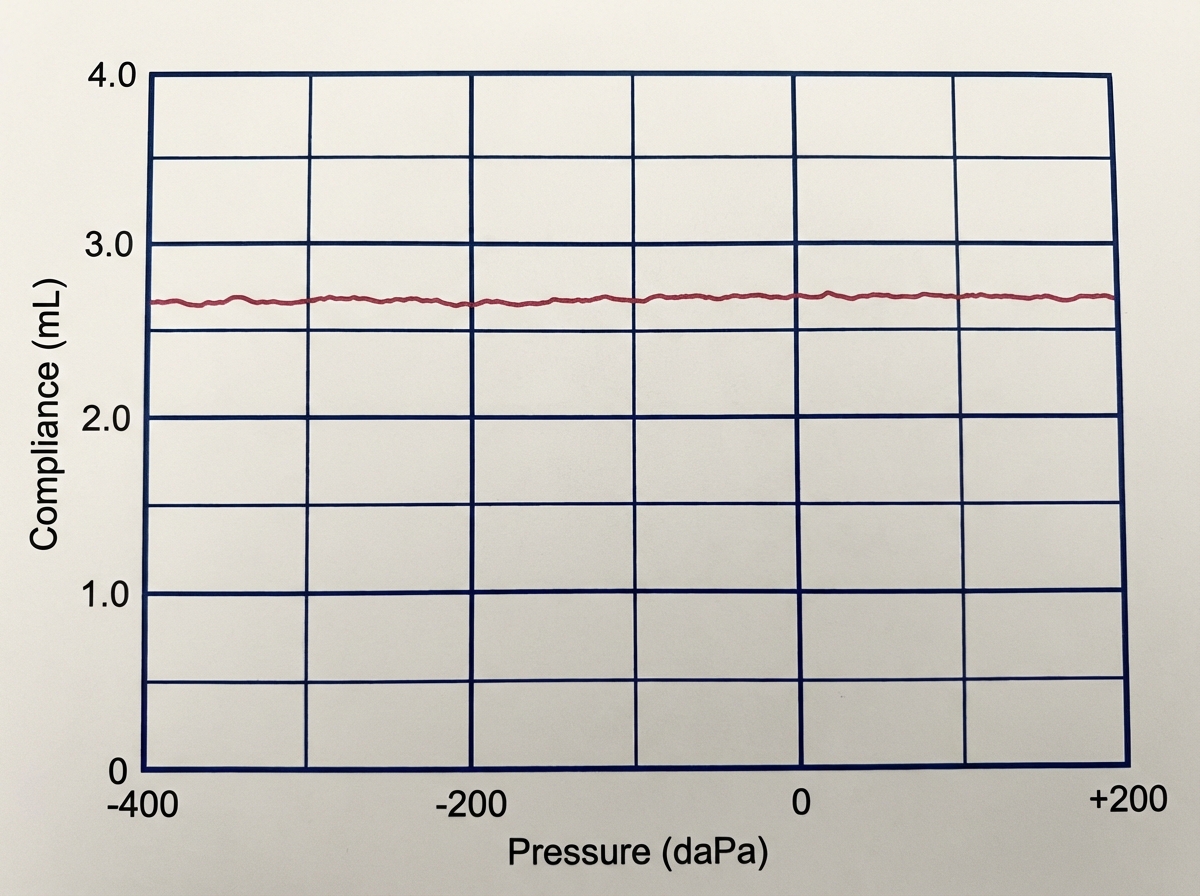
Middle ear effusion with an intact eardrum gives rise to which type of tympanogram?
Which type of tympanogram is seen in otosclerosis?
All of the following are tuning fork tests to differentiate hearing loss, EXCEPT:
Carha's notch in audiometry is seen in which condition?
Explanation: **Explanation:** Brainstem Evoked Response Audiometry (BERA), also known as ABR, is an objective electrophysiological test used to assess the integrity of the auditory pathway from the cochlear nerve to the brainstem. **Why 34 weeks is correct:** The auditory system undergoes significant maturation during the third trimester. While the inner ear (cochlea) reaches adult size by 20 weeks of gestation, the **myelination** of the auditory nerve and the brainstem pathways—essential for conducting electrical impulses—is only sufficiently developed to produce a consistent, reproducible, and interpretable BERA waveform by **34 weeks of gestation**. Before this period, the waves are often absent, inconsistent, or have excessively prolonged latencies. **Analysis of Incorrect Options:** * **28 & 30 weeks:** At this stage, the fetus may show a startle response to loud sounds, but the neural pathways are too immature (lack of myelination) to yield a reliable BERA recording. * **32 weeks:** While some rudimentary waves may appear, they are often unstable. 34 weeks is the clinically accepted threshold for "accurate" and standardized testing. **High-Yield Clinical Pearls for NEET-PG:** * **Waveforms:** BERA consists of 7 waves, but **Waves I, III, and V** are the most clinically significant. * **Wave V:** This is the most robust wave and is used to determine the **hearing threshold** (the lowest intensity at which Wave V is visible). * **Site of Origin:** Wave I (Distal 8th Nerve), Wave II (Proximal 8th Nerve), Wave III (Cochlear Nucleus), Wave IV (Superior Olivary Complex), Wave V (Lateral Lemniscus/Inferior Colliculus). * **Indications:** Newborn hearing screening (gold standard), diagnosing acoustic neuroma (retrocochlear lesions), and determining hearing thresholds in uncooperative patients.
Explanation: **Explanation:** **Weber’s test** is a tuning fork test used to evaluate hearing loss by assessing bone conduction. In a patient with **middle ear deafness (conductive hearing loss)**, the sound lateralizes to the **affected (poorer) ear**. This occurs because the conductive defect masks ambient room noise, making the cochlea on that side more sensitive to the bone-conducted vibrations of the tuning fork. In contrast, in sensorineural hearing loss, the sound lateralizes to the better ear. **Analysis of Incorrect Options:** * **Babinski test:** A neurological reflex test where stroking the sole of the foot causes big toe extension. It indicates upper motor neuron (UMN) lesions. * **Chvostek test:** A clinical sign of hypocalcemia elicited by tapping the facial nerve at the angle of the jaw, resulting in twitching of facial muscles. * **Finger-nose test:** A test of cerebellar function used to assess dysmetria and coordination. **Clinical Pearls for NEET-PG:** * **Tuning Fork Frequency:** 512 Hz is the gold standard for clinical testing as it provides a balance between bone conduction and minimal tactile vibration. * **Rinne’s Test:** In conductive hearing loss, Rinne is **Negative** (Bone Conduction > Air Conduction). In sensorineural loss, Rinne is **Positive** (AC > BC). * **Gelle’s Test:** Specifically used to diagnose **Otosclerosis** (assesses ossicular chain mobility). * **ABC (Absolute Bone Conduction) Test:** Used to differentiate between normal hearing and sensorineural hearing loss by bypassing the external/middle ear.
Explanation: **Explanation:** **Otoacoustic Emissions (OAEs)** are low-intensity sounds generated within the cochlea that can be measured in the external auditory canal. 1. **Why Outer Hair Cells (OHCs) are correct:** OHCs possess a unique property called **electromotility**. Unlike Inner Hair Cells, which are primarily sensory, OHCs contain a motor protein called **prestin**. This allows them to physically contract and expand in response to sound, acting as a "cochlear amplifier." This mechanical movement creates a pressure wave that travels backward through the middle ear and vibrates the tympanic membrane, resulting in the sound we record as an OAE. 2. **Why other options are incorrect:** * **Inner Hair Cells (IHCs):** These are the primary sensory receptors that convert mechanical vibrations into electrical signals for the auditory nerve. They lack electromotility and do not generate OAEs. * **Organ of Corti:** While OHCs are *part* of the Organ of Corti, this option is too broad. The question specifically asks for the cellular origin. * **Both:** Incorrect because the physiological mechanism (electromotility) is exclusive to the OHCs. **High-Yield Clinical Pearls for NEET-PG:** * **Clinical Use:** OAEs are the gold standard for **Universal Newborn Hearing Screening (UNHS)** because they are non-invasive, objective, and rapid. * **Requirement:** For OAEs to be recorded, the **middle ear must be normal** (no effusion or ossicular pathology). * **Interpretation:** A "Pass" on OAE indicates hearing thresholds of **30 dB or better**. It does not rule out retrocochlear pathology (e.g., Auditory Neuropathy Spectrum Disorder), as OAEs will be present even if the auditory nerve is damaged. * **Types:** **Spontaneous OAEs** (occur in 50% of normal ears) and **Evoked OAEs** (Transient or Distortion Product), which are used clinically.
Explanation: **Explanation:** The screening of neonates for hearing loss, especially those in the High-Risk Nursery or NICU, follows a specific protocol aimed at early detection (the "1-3-6" rule). **1. Why Otoacoustic Emissions (OAE) is correct:** OAEs are the gold standard for initial screening because they are **objective, non-invasive, and rapid**. They measure the sounds generated by the outer hair cells of the cochlea in response to auditory stimuli. In a screening setup, a "Pass" indicates functional outer hair cells and a clear conductive path, while a "Refer" indicates the need for further testing (usually BERA/AABR). **2. Why other options are incorrect:** * **Free field audiometry:** This is a subjective behavioral test used for older infants (6 months to 2 years) who can localize sound. It is unreliable in neonates. * **Stapedial reflex testing:** While it tests the integrity of the auditory pathway, it is not a screening tool for hearing thresholds and can be difficult to elicit in neonates due to ear canal compliance. * **Pure tone audiometry (PTA):** This is the gold standard for adults and older children (usually >5 years) as it requires active patient cooperation and feedback, which is impossible for a neonate. **Clinical Pearls for NEET-PG:** * **The 1-3-6 Rule:** Screening by **1** month, Diagnosis by **3** months, and Intervention (hearing aids/rehab) by **6** months. * **High-Risk Screening:** For NICU babies, **Automated BERA (AABR)** is often preferred over OAE because it can detect **Auditory Neuropathy Spectrum Disorder (ANSD)**, which OAE might miss (as OAE only tests cochlear function, not the auditory nerve). However, OAE remains the standard first-line screening tool in general protocols. * **OAE Types:** Transient Evoked OAE (TEOAE) is most commonly used for screening. OAEs are absent if there is a conductive loss or if sensory hearing loss exceeds 30-40 dB.
Explanation: **Explanation:** **Presbycusis** (Age-related sensorineural hearing loss) is the correct answer because it is the most common cause of sensorineural hearing loss (SNHL) in the adult population worldwide. It is a progressive, bilateral, symmetrical high-frequency SNHL resulting from degenerative changes in the inner ear (specifically the hair cells of the Organ of Corti and the stria vascularis) as a person ages. **Analysis of Incorrect Options:** * **Meniere’s Disease:** While a significant cause of SNHL, it is characterized by a classic triad of episodic vertigo, tinnitus, and fluctuating low-frequency hearing loss. It is far less prevalent than age-related degeneration. * **Otosclerosis:** This condition typically causes **conductive hearing loss** due to stapes fixation. While "Sensory Otosclerosis" can occur, it is not the primary presentation nor the most common cause of SNHL in adults. * **Osteenic Osteoarthritis:** This is not a standard clinical term associated with hearing loss. It likely serves as a distractor related to general degenerative bone diseases which do not typically cause SNHL. **High-Yield Clinical Pearls for NEET-PG:** * **Schuknecht’s Classification:** Presbycusis is divided into four types: Sensory (loss of hair cells), Neural (loss of spiral ganglion cells), Metabolic/Strial (atrophy of stria vascularis—shows a flat audiogram), and Cochlear Conductive (stiffening of the basilar membrane). * **Audiometry Finding:** Typically shows a **sloping, symmetrical high-frequency SNHL**. * **Roll-over Phenomenon:** Patients often have a disproportionately low Speech Discrimination Score (SDS) compared to their Pure Tone Average (PTA), especially in noisy environments. * **Management:** The primary treatment is the use of bilateral **hearing aids** or, in severe cases, cochlear implants.
Explanation: ### Explanation **1. Why the Correct Answer is Right:** "Boiler's notch" is a classic audiometric finding characteristic of **Noise-Induced Hearing Loss (NIHL)**. It refers to a sensorineural hearing loss that typically occurs at the **4000 Hz (4 kHz)** frequency. The underlying medical concept involves the anatomy of the cochlea. The hair cells located in the basal turn of the cochlea, specifically those sensitive to the 4 kHz range, are most susceptible to acoustic trauma. This is due to the resonance characteristics of the external auditory canal (which amplifies frequencies between 2-4 kHz) and the specific vascular supply of that region. On an audiogram, this appears as a "dip" or "notch" at 4 kHz, with recovery at higher frequencies (6-8 kHz). **2. Why the Incorrect Options are Wrong:** * **Conductive Hearing Loss (CHL):** This involves pathologies of the external or middle ear (e.g., ASOM, Otosclerosis). It is characterized by an "Air-Bone Gap" on the audiogram, not a specific frequency notch at 4 kHz. (Note: Otosclerosis shows a notch at 2 kHz, known as *Carhart’s Notch*). * **Normal Finding:** A normal audiogram shows both air and bone conduction thresholds between 0-25 dB across all frequencies without any significant dips or notches. **3. Clinical Pearls for NEET-PG:** * **Carhart’s Notch:** Seen in **Otosclerosis** at **2000 Hz** (Bone conduction dip). * **Boiler's Notch:** Seen in **NIHL** at **4000 Hz** (Air and Bone conduction dip). * **Acoustic Trauma:** Permanent damage can occur with a single exposure to sound >140 dB or chronic exposure to >85 dB. * **Presbycusis:** Age-related hearing loss; presents as a sloping high-frequency sensorineural hearing loss (no notch). * **Management:** NIHL is irreversible; hence, prevention using earplugs or earmuffs is the gold standard.
Explanation: **Explanation:** Tympanometry measures the compliance of the middle ear system as air pressure in the external auditory canal is varied. In **Middle Ear Effusion (Otitis Media with Effusion)**, the presence of fluid behind an intact eardrum prevents the tympanic membrane from vibrating, regardless of the pressure applied. **1. Why Type B is Correct:** * **Type B (Flat Tympanogram):** This indicates a non-compliant (stiff) system. Because fluid is incompressible, there is no point of maximum compliance, resulting in a flat line. * **Clinical Correlation:** When seen with a **normal ear canal volume**, it signifies middle ear effusion. If seen with a **large volume**, it suggests a TM perforation or a patent grommet. **2. Analysis of Incorrect Options:** * **Type A (Normal):** Shows a sharp peak at atmospheric pressure (0 daPa). This indicates normal middle ear pressure and mobility. * **Type C (Negative Pressure):** The peak is shifted to the left (more negative than -100 to -150 daPa). This indicates **Eustachian tube dysfunction**, often a precursor to effusion, but not the effusion itself. * **Type D (W-shaped):** Also known as a "notched" tympanogram, it is typically seen in conditions of hyper-mobility, such as **ossicular discontinuity** or a scarred/monomeric tympanic membrane. **High-Yield Clinical Pearls for NEET-PG:** * **Type As (S = Stiff):** Low peak height; seen in **Otosclerosis** or tympanosclerosis. * **Type Ad (D = Discontinuity/Deep):** Very high peak; seen in **Ossicular Disconnection**. * **Gold Standard:** While tympanometry is the most objective screening tool for effusion, **Pneumatic Otoscopy** remains the clinical gold standard for diagnosis.
Explanation: **Explanation:** Tympanometry measures the compliance of the middle ear system. In **Otosclerosis**, the stapes footplate becomes fixed in the oval window due to abnormal bone remodeling. This increases the **stiffness** of the ossicular chain. **1. Why Otosclerosis is correct:** The characteristic finding is a **Type As (A-short/shallow) tympanogram**. While the peak pressure remains normal (centered at 0 daPa), the **compliance (amplitude) is significantly reduced** because the stiffened ossicular chain resists movement. **2. Why other options are incorrect:** * **Ossicular Discontinuity:** This results in a **Type Ad (A-deep/disarticulated)** tympanogram. Here, the ossicular chain is broken or hypermobile, leading to abnormally high compliance (a very tall peak). * **Glue Ear (Otitis Media with Effusion):** This results in a **Type B (Flat)** tympanogram. The presence of fluid behind the drum prevents any change in compliance regardless of pressure changes, resulting in no identifiable peak. * **Eustachian Tube Dysfunction:** Though not listed as a primary option, this typically shows a **Type C** tympanogram (normal compliance but shifted to negative pressure). **Clinical Pearls for NEET-PG:** * **Schwartze Sign:** A "flamingo pink" flush seen on the promontory through the TM (indicates active otosclerosis). * **Carhart’s Notch:** A characteristic dip in the bone conduction threshold at **2000 Hz** on Pure Tone Audiometry. * **Gelle’s Test:** Negative in otosclerosis (no change in hearing with increased ear canal pressure). * **Treatment of choice:** Stapedotomy/Stapedectomy.
Explanation: The correct answer is **Burn’s test** because it is not a tuning fork test; rather, it is a clinical test used to identify **malingering** (non-organic hearing loss). In this test, a patient is asked to perform a simple task, such as repeating words or numbers, while a loud noise is suddenly introduced. A malingerer will often stop talking or show hesitation, inadvertently proving they can hear the background noise. ### Explanation of Options: * **Rinne Test:** The most common tuning fork test. It compares **Air Conduction (AC)** with **Bone Conduction (BC)**. In normal hearing or sensorineural hearing loss (SNHL), AC > BC (Rinne positive). In conductive hearing loss (CHL), BC > AC (Rinne negative). * **Schwabach Test:** Compares the patient's BC with the examiner's BC (assuming the examiner has normal hearing). In CHL, the patient hears the sound longer than the examiner (prolonged Schwabach). In SNHL, the patient hears it for a shorter duration (shortened Schwabach). * **Gelle’s Test:** Used to check the mobility of the ossicular chain, specifically for **Otosclerosis**. Using a Siegle’s speculum to increase ear canal pressure, a normal ear will perceive a decrease in sound intensity. In Otosclerosis (fixed stapes), there is no change in sound (Gelle’s negative). ### High-Yield Clinical Pearls for NEET-PG: * **Tuning Fork Frequency:** 512 Hz is the gold standard for clinical testing as it provides the best balance between bone conduction and tactile vibration. * **Weber Test:** A lateralization test. Sound lateralizes to the **poorer ear in CHL** and to the **better ear in SNHL**. * **Bing Test:** Tests the occlusion effect. If closing the ear canal doesn't make the sound louder, it indicates CHL. * **Stenger Test:** Another high-yield test for **unilateral malingering**.
Explanation: **Explanation:** **Otosclerosis** is the correct answer. Carhart’s notch is a classic audiometric finding in patients with otosclerosis. It is a **false dip in the bone conduction (BC) threshold**, most prominent at **2000 Hz**. The underlying mechanism is the loss of the "inertial component" of bone conduction. Normally, the vibration of the ossicles contributes to bone conduction sensitivity. In otosclerosis, stapes fixation disrupts these normal resonance frequencies (specifically around 2 kHz). It is termed a "false" dip because the cochlear reserve is actually normal; following a successful stapedotomy, this notch typically disappears. **Analysis of Incorrect Options:** * **Ossicular discontinuity:** Typically presents with a significant air-bone gap (often >40-50 dB) and a hypermobile tympanic membrane (Type Ad tympanogram), but does not feature a specific BC notch at 2 kHz. * **Haemotympanum:** This results in a conductive hearing loss due to fluid (blood) in the middle ear, leading to a flat or rising audiogram, not a localized BC notch. * **Otomycosis:** This is a fungal infection of the external auditory canal. It may cause a mild conductive loss due to debris/obstruction but does not affect bone conduction thresholds. **High-Yield Clinical Pearls for NEET-PG:** * **Schwartze Sign:** A flamingo-pink flush seen on the promontory through the TM (indicates active otosclerosis). * **Tympanometry:** Typically shows a **Type As** (shallow) curve due to increased stiffness of the ossicular chain. * **Gelle’s Test:** Negative in otosclerosis (no change in hearing with increased ear canal pressure). * **Treatment of Choice:** Stapedotomy with prosthesis insertion.
Explanation: ### Explanation **1. Why 4000 Hz is Correct:** Noise-induced hearing loss (NIHL) typically presents with a characteristic sensorineural hearing loss dip, known as **Acoustic Notch** or **Boiler’s Notch**. This occurs most prominently at **4000 Hz**. The underlying medical concept is based on the **Acoustic Reflex** and the anatomy of the external auditory canal. The ear canal has a natural resonant frequency of approximately 3000 Hz. When exposed to loud noise, this resonance amplifies the sound energy. Due to the hydrodynamics of the cochlea, the maximum shearing force occurs about half an octave above the resonant frequency, specifically damaging the hair cells in the basal turn of the cochlea corresponding to 4000 Hz. **2. Analysis of Incorrect Options:** * **1000 Hz (Option A):** This is a low-to-mid frequency. NIHL characteristically spares lower frequencies in the early stages. * **2000 Hz (Option B):** While damage can spread here in advanced cases, it is not the site of the initial "notch." A dip at 2000 Hz is more characteristic of **Carhart’s Notch**, seen in Otosclerosis (specifically in bone conduction). * **3000 Hz (Option C):** Although the notch can begin at 3000 Hz or extend to 6000 Hz, 4000 Hz remains the classic, most frequently tested, and most severe point of the dip in NIHL. **3. Clinical Pearls for NEET-PG:** * **Symmetry:** NIHL is almost always **bilateral and symmetrical**. * **Early Sign:** The earliest sign is the loss of the acoustic reflex at high frequencies. * **Preservation:** Speech frequencies (500–2000 Hz) are usually preserved until the late stages. * **Management:** It is irreversible; hence, prevention (earplugs/muffs) is the primary management strategy. * **Differentiate:** Do not confuse Boiler's Notch (4000 Hz) with Carhart's Notch (2000 Hz in Otosclerosis) or the 6000 Hz dip sometimes seen in head trauma.
Explanation: **Explanation:** The correct answer is **Rubella and Measles**. Viral infections are a leading cause of sudden or congenital sensorineural hearing loss (SNHL) due to their ability to directly damage the delicate structures of the inner ear (stria vascularis, organ of Corti) or the auditory nerve. * **Rubella:** Classically associated with **Congenital Rubella Syndrome**, it causes profound, bilateral SNHL. The virus affects the development of the inner ear during the first trimester. * **Measles (Rubeola):** Known to cause severe, permanent, bilateral SNHL. It typically results in **labyrinthitis**, leading to the destruction of the hair cells in the cochlea. **Analysis of Options:** * **Mumps (Option C):** While Mumps is a very common cause of viral SNHL, it typically presents as **unilateral** deafness. In the context of "acute onset" and general viral etiology in competitive exams, Rubella and Measles are frequently grouped as the primary systemic causes of bilateral SNHL. * **Coronavirus & Adenovirus (Options A & D):** While some case reports link COVID-19 to sudden SNHL, these are not classic or high-yield associations compared to the childhood exanthematous viruses. Adenoviruses primarily cause upper respiratory infections and conjunctivitis, rarely affecting the inner ear. **High-Yield Clinical Pearls for NEET-PG:** * **Most common cause of unilateral SNHL in children:** Mumps. * **Most common cause of congenital viral SNHL:** Cytomegalovirus (CMV). * **Pathology:** Viral SNHL usually results in "Endolymphatic Labyrinthitis." * **Ramsay Hunt Syndrome:** Caused by Herpes Zoster Oticus; presents with SNHL, facial palsy, and vesicles on the pinna.
Explanation: ### Explanation This question tests the fundamental understanding of **Conductive vs. Sensorineural Hearing Loss (SNHL)** based on Pure Tone Audiometry (PTA) findings. **1. Why the Correct Answer (A) is Right:** In the auditory system, **Air Conduction (AC)** measures the entire pathway (outer ear, middle ear, and inner ear), while **Bone Conduction (BC)** bypasses the outer and middle ear to measure the integrity of the **inner ear (cochlea)** and the auditory nerve directly. * When the **Middle Ear** is diseased (e.g., Otitis Media, Otosclerosis), sound cannot be conducted efficiently through the ossicles. This results in an **increased AC threshold** (hearing loss). * However, because the cochlea is healthy, the **BC threshold remains normal**. * The difference between the two is called the **Air-Bone Gap (ABG)**, which is the hallmark of Conductive Hearing Loss. **2. Why the Incorrect Options are Wrong:** * **B & C (Inner Ear / Cochlear Nerve):** Damage here results in **Sensorineural Hearing Loss**. In SNHL, both AC and BC thresholds are increased (impaired) to a similar degree, and there is **no Air-Bone Gap**. * **D (Temporal Lobe):** Lesions in the auditory cortex (Heschl’s gyrus) lead to **Central Hearing Loss**. This involves difficulties in sound processing and localization rather than a simple increase in pure-tone thresholds. **3. Clinical Pearls for NEET-PG:** * **Normal Hearing:** Both AC and BC are < 25 dB. * **Conductive Hearing Loss:** BC is normal (< 25 dB), AC is > 25 dB (ABG present). * **Sensorineural Hearing Loss:** Both AC and BC are > 25 dB (No ABG). * **Mixed Hearing Loss:** Both AC and BC are > 25 dB, but an ABG is still present. * **Carhart’s Notch:** A characteristic dip in the BC threshold at **2000 Hz**, seen specifically in **Otosclerosis** (a middle ear pathology).
Explanation: **Explanation:** Brainstem Evoked Response Audiometry (BERA) is an objective electrophysiological test that records the electrical activity of the auditory pathway from the auditory nerve to the brainstem within the first 10 milliseconds of a sound stimulus. It consists of seven waves, with the first five being the most clinically significant. **Why Option B is Correct:** Wave V is the most robust and clinically reliable wave in BERA. It is primarily generated by the **Lateral Lemniscus** (specifically its termination) and the **Inferior Colliculus**. While both structures contribute, standard NEET-PG curriculum and classic texts (like Dhingra) traditionally associate Wave V with the Lateral Lemniscus. **Why Other Options are Incorrect:** * **Option D (Eighth nerve):** Wave I and Wave II correspond to the auditory nerve. Wave I arises from the distal (peripheral) portion, while Wave II arises from the proximal (central) portion. * **Option C (Cochlear nucleus):** Wave III is generated by the Cochlear Nucleus. * **Option A (Inferior colliculus):** While the Inferior Colliculus contributes to Wave V, it is more specifically associated with the transition from Wave V to Wave VI. In the context of this question, Lateral Lemniscus is the preferred anatomical marker for Wave V. **High-Yield Clinical Pearls for NEET-PG:** * **Mnemonic (E-COLI):** **E**ighth Nerve (I, II), **C**ochlear Nucleus (III), **O**livary Complex (IV), **L**ateral Lemniscus (V), **I**nferior Colliculus (VI/VII). * **Clinical Utility:** BERA is the "Gold Standard" for screening hearing in infants and for diagnosing Retrocochlear pathology (e.g., Vestibular Schwannoma). * **Key Parameter:** The **I-V Interpeak Latency** is the most important value for detecting retrocochlear lesions; a delay suggests a tumor or demyelination.
Explanation: ### Explanation The question asks to identify which condition is associated with **Sensorineural Hearing Loss (SNHL)**. However, there is a critical distinction to be made regarding the provided options and the "correct" answer marked. **1. Analysis of the Correct Answer (Treacher-Collins Syndrome):** In clinical practice and standard ENT textbooks (like Dhingra), **Treacher-Collins Syndrome** (Mandibulofacial Dysostosis) is primarily associated with **Conductive Hearing Loss (CHL)**. This is due to malformations of the first and second branchial arches, leading to microtia, atresia of the external auditory canal, and ossicular anomalies. While rare cases of SNHL can occur due to inner ear dysplasia, it is classically a prototype for CHL. *Note: If this question appeared in a mock or previous exam with "C" as the answer, it may be due to a specific case-study focus or an error in the question key, as the other options are more classically associated with SNHL.* **2. Analysis of Incorrect Options:** * **Alport’s Syndrome (Option A):** This is a classic cause of **progressive SNHL** associated with glomerulonephritis and ocular defects (lenticonus). It is caused by a mutation in Type IV collagen. * **Pendred Syndrome (Option B):** This is one of the most common causes of **congenital SNHL**. It is characterized by the triad of SNHL, goiter, and a malformed inner ear (Mondini dysplasia or enlarged vestibular aqueduct). * **Crouzon’s Disease (Option D):** Similar to Treacher-Collins, this craniofacial dysostosis typically presents with **Conductive Hearing Loss** due to ossicular fixation or canal stenosis. **3. Clinical Pearls for NEET-PG:** * **SNHL Syndromes:** Alport, Pendred, Usher (SNHL + Retinitis Pigmentosa), Waardenburg (SNHL + White forelock/Heterochromia iridis), and Jervell and Lange-Nielsen (SNHL + Long QT interval). * **CHL Syndromes:** Treacher-Collins, Crouzon, Goldenhar, and Apert syndrome. * **High-Yield Fact:** Pendred syndrome is the most common syndromic cause of congenital SNHL; Alport syndrome SNHL typically starts in late childhood/adolescence.
Explanation: **Explanation:** The **Tone Decay Test** is a clinical audiological test used to detect **retrocochlear pathology** (lesions involving the 8th cranial nerve). It measures "auditory fatigue," where a patient ceases to hear a continuous pure tone even though the physical stimulus is still present. 1. **Why the Correct Answer is Right:** **Sensorineural deafness (SND)** is a broad category encompassing both cochlear and retrocochlear lesions. However, Tone Decay is a hallmark of **retrocochlear lesions** (like Acoustic Neuroma). In these cases, the auditory nerve fibers cannot maintain sustained firing, leading to a rapid "decay" in perception. While the options provided are slightly broad, Tone Decay is a diagnostic tool specifically for the retrocochlear subtype of sensorineural deafness. 2. **Why Incorrect Options are Wrong:** * **Meniere's Disease & Cochlear Deafness:** These represent **cochlear pathology**. Cochlear lesions typically exhibit **Recruitment** (an abnormal growth in loudness perception) rather than tone decay. In cochlear deafness, the tone decay is usually absent or minimal (<15 dB). * **Otosclerosis:** This is a cause of **conductive hearing loss**. Tone decay is a phenomenon of the neural pathway and is not seen in conductive pathologies. **Clinical Pearls for NEET-PG:** * **Significance:** A decay of **>25 dB** is highly suggestive of a retrocochlear lesion (e.g., Vestibular Schwannoma). * **Recruitment vs. Tone Decay:** * **Recruitment (+):** Cochlear lesions (Meniere’s). * **Tone Decay (+):** Retrocochlear lesions (Acoustic Neuroma). * **Common Tests for Retrocochlear Lesions:** Tone Decay Test, absent Stapedial Reflex, and prolonged latency on BERA (Brainstem Evoked Response Audiometry).
Explanation: **Explanation:** **Impedance Audiometry** (Tympanometry and Acoustic Reflexes) is an objective test used to evaluate the functional status of the **middle ear system**. In physics, impedance refers to the total opposition offered by a system to the flow of energy. In audiology, it measures how much the middle ear resists the flow of sound energy. 1. **Why Option C is correct:** The middle ear is a mechanical system consisting of the tympanic membrane and the **ossicular chain**. Diseases affecting the ossicles—such as **Otosclerosis** (stiffness/increased impedance) or **Ossicular Discontinuity** (flaccidity/decreased impedance)—directly alter the compliance of the system. Impedance audiometry is the gold standard for identifying these mechanical pathologies behind an intact tympanic membrane. 2. **Why other options are incorrect:** * **Option A:** While a perforation affects the results (showing a large canal volume), impedance is primarily used to assess the status of the middle ear *behind* an intact drum. The site of perforation is diagnosed via otoscopy. * **Option B:** Cochlear diseases (Sensineural Hearing Loss) are evaluated using Pure Tone Audiometry (PTA) or Otoacoustic Emissions (OAE). Impedance specifically assesses the conductive mechanism. * **Option C:** Higher function disorders (Central Auditory Processing Disorders) require specialized speech tests or cortical evoked potentials, not middle ear measurements. **High-Yield Clinical Pearls for NEET-PG:** * **Type A curve:** Normal middle ear function. * **Type As (Shallow):** Seen in **Otosclerosis** (stiff system). * **Type Ad (Deep/Discontinuous):** Seen in **Ossicular Discontinuity**. * **Type B (Flat):** Seen in **Serous Otitis Media** (fluid) or wax. * **Type C:** Indicates negative middle ear pressure (Eustachian tube dysfunction).
Explanation: ### Explanation The **Bing test** is a tuning fork test used to assess the **occlusion effect**. It is performed by placing a vibrating tuning fork on the mastoid process while alternately closing and opening the external auditory canal (EAC) by pressing the tragus. **1. Why Sensorineural Deafness (SND) is Correct:** In a normal ear or in patients with **Sensorineural Hearing Loss**, the occlusion effect is present. When the EAC is closed, bone-conducted sound becomes louder (the "booming" effect) because low-frequency energy is prevented from escaping the ear canal. Therefore, if the patient reports the sound waxing and waning (increasing and decreasing) with compression and release, the test is **Bing Positive**. This indicates that the conductive mechanism is intact. **2. Why the Other Options are Incorrect:** * **Otosclerosis, Adhesive Otitis Media, and CSOM:** These are all causes of **Conductive Hearing Loss (CHL)**. In CHL, the occlusion effect is already maximally present due to the pathology in the middle or outer ear. Closing the canal further does not change the perceived intensity of the sound. If the patient reports no change in sound intensity, the test is **Bing Negative**, which is characteristic of these conditions. **Clinical Pearls for NEET-PG:** * **Bing Positive:** Normal hearing or SND (Sound fluctuates). * **Bing Negative:** Conductive Hearing Loss (Sound remains constant). * **Gelle’s Test:** Similar to Bing but uses a Siegle’s speculum to increase air pressure in the EAC. A "Negative Gelle’s" (no change in sound) is a classic finding in **Otosclerosis** due to stapes fixation. * **ABC (Absolute Bone Conduction) Test:** Specifically differentiates SND (ABC shortened) from normal hearing (ABC same as examiner).
Explanation: **Explanation:** The Rinne’s test is a clinical tuning fork test used to compare Air Conduction (AC) and Bone Conduction (BC). A **Negative Rinne** (BC > AC) indicates a conductive hearing loss (CHL). The sensitivity of this test to detect an air-bone gap (ABG) depends significantly on the frequency of the tuning fork used. **1. Why 15 dB is correct:** A 256 Hz tuning fork is highly sensitive to small conductive deficits. It typically turns "negative" (meaning the patient hears the sound louder or longer via bone conduction) when the air-bone gap reaches approximately **15 dB**. Because it can detect such a small gap, it is often used to identify early or mild conductive hearing loss. **2. Analysis of Incorrect Options:** * **10 dB (Option A):** This gap is usually too small to consistently reverse the Rinne result; the patient will likely still report a "Positive" or "Equal" Rinne. * **20 dB (Option C):** While a 20 dB gap will certainly result in a negative Rinne with a 256 Hz fork, it is not the *minimum* threshold required. * **25-30 dB (Option D):** This is the threshold required to turn a **512 Hz** tuning fork negative. A 512 Hz fork is the standard for routine clinical practice because it is less affected by ambient noise and tactile vibration than the 256 Hz fork. **High-Yield Clinical Pearls for NEET-PG:** * **Standard Fork:** The **512 Hz** tuning fork is the most preferred for Rinne’s test in clinical settings. * **Frequency vs. ABG:** * **256 Hz:** Negative at **15 dB** ABG. * **512 Hz:** Negative at **20–30 dB** ABG. * **1024 Hz:** Negative at **35–40 dB** ABG. * **False Negative Rinne:** Occurs in severe unilateral Sensorineural Hearing Loss (SNHL) where the sound is perceived by the opposite (better) ear via bone conduction. * **Rinne Test Rule:** A "Positive Rinne" (AC > BC) is seen in both normal hearing and SNHL. A "Negative Rinne" (BC > AC) is diagnostic of Conductive Hearing Loss.
Explanation: **Explanation:** The human ear is capable of perceiving frequencies from **20 Hz to 20,000 Hz**. However, its sensitivity is not uniform across this spectrum. The range of **500 to 3500 Hz** is considered the most sensitive because it encompasses the **"Speech Frequencies."** Most human speech sounds, particularly consonants which provide clarity, fall within this window. Evolutionarily, the external auditory canal acts as a resonator, specifically amplifying frequencies around 3000 Hz, which aligns with this peak sensitivity zone. **Analysis of Options:** * **A (Correct):** This range covers the critical frequencies for speech perception and matches the resonance characteristics of the human ear canal. * **B (Incorrect):** While 1000-3000 Hz is a very sensitive sub-segment, it is too narrow and excludes the lower speech frequencies (500-1000 Hz) essential for vowel recognition. * **C (Incorrect):** This range is too broad. While we can hear these frequencies, the ear's threshold of hearing is significantly higher (less sensitive) at 300 Hz and 5000 Hz compared to the 1000-3000 Hz range. * **D (Incorrect):** These are high frequencies. Sensitivity drops significantly above 4000 Hz, and these frequencies are the first to be lost in Presbycusis or Noise-Induced Hearing Loss. **High-Yield Clinical Pearls for NEET-PG:** * **Speech Frequencies:** For clinical audiometry, the frequencies **500, 1000, and 2000 Hz** are used to calculate the Pure Tone Average (PTA). * **Resonance:** The external auditory canal (approx. 2.5 cm long) acts as a closed-ended tube, providing a natural boost of **10-15 dB** at its resonant frequency of **~3000 Hz**. * **Acoustic Dip:** In Noise-Induced Hearing Loss (NIHL), the earliest damage typically occurs at **4000 Hz** (the 4kHz notch).
Explanation: **Explanation:** Pendred syndrome is an autosomal recessive disorder characterized by the triad of **congenital sensorineural hearing loss (SNHL)**, **goiter**, and a positive **Perchlorate discharge test**. **Why Option C is the correct (False) statement:** Pendred syndrome is associated with a **dyshormonogenetic goiter** (a defect in iodine organification), not a thyroglossal cyst. A thyroglossal cyst is a congenital midline neck lump resulting from the persistent tract of the descending thyroid gland during embryogenesis; it has no pathological link to Pendred syndrome. **Analysis of other options:** * **Option A (Mutation in 7q):** This is true. The syndrome is caused by a mutation in the **SLC26A4 gene** located on the long arm of chromosome 7 (7q31), which encodes the protein **pendrin** (an anion transporter). * **Option B (Goiter):** This is true. Patients typically develop a multinodular goiter in late childhood or early puberty. While they are usually euthyroid, the thyroid gland is inefficient at trapping iodine. * **Option D (Congenital SNHL):** This is true. The hearing loss is typically bilateral, severe to profound, and prelingual. **High-Yield Clinical Pearls for NEET-PG:** * **Radiological Hallmark:** The most common radiological finding is an **Enlarged Vestibular Aqueduct (EVA)**, often associated with **Mondini dysplasia** (incomplete coiling of the cochlea). * **Diagnostic Test:** The **Perchlorate discharge test** is used to identify the iodine organification defect (though genetic testing is now the gold standard). * **Inheritance:** It is the most common cause of **syndromic** genetic hearing loss. * **Mnemonic:** Remember the **"P"s**: **P**endred, **P**endrin gene, **P**erchlorate test, **P**artial cochlear dysplasia (Mondini).
Explanation: ### Explanation **Bekesy Audiometry** is a self-recording audiometric test where the patient tracks their own threshold. It uses two types of stimuli: a **Pulsed (P) tone** and a **Continuous (C) tone**. #### Why the Correct Answer is Right In **Non-organic hearing loss (Malingering/Functional hearing loss)**, the patient typically shows a **Type V Bekesy pattern**. In this pattern, the **Continuous (C) tracing is recorded at a lower intensity (above) than the Pulsed (P) tracing**. * **The Concept:** This is a "paradoxical" result. Normally, a continuous tone is harder to hear due to adaptation, so it should be below the pulsed tracing. However, a malingerer uses the loudness of the tone as a reference to fake their loss. Because a pulsed tone sounds louder than a continuous tone of the same intensity, the patient mistakenly signals a threshold for the pulsed tone at a higher intensity (lower on the graph) than the continuous one. #### Why Other Options are Wrong * **Otosclerosis (Option A):** Shows a **Type I pattern** (P and C tracings overlap). This is characteristic of conductive hearing loss or normal hearing. * **Ototoxicity (Option B):** Typically results in a **Type II pattern** (C drops below P at high frequencies, usually >1000 Hz) due to cochlear damage and recruitment. * **Meniere’s Disease (Option D):** Also shows a **Type II pattern**. The gap between P and C is small (5–20 dB), indicating cochlear pathology and the presence of recruitment. #### High-Yield Clinical Pearls for NEET-PG * **Type I:** Normal/Conductive loss (Otosclerosis, CSOM). * **Type II:** Cochlear loss (Meniere’s, Presbycusis, Ototoxicity). Shows recruitment. * **Type III & IV:** Retrocochlear loss (Acoustic Neuroma). Type III shows a dramatic drop of C below P (>20 dB) starting at low frequencies; Type IV shows C below P at all frequencies. * **Type V:** Non-organic/Malingering (C above P). Remember: **"V is for Volitional/Victory for the Malingerer."**
Explanation: **King-Kopetzky Syndrome**, also known as **Obscure Auditory Dysfunction (OAD)**, refers to a clinical condition where individuals complain of significant difficulty hearing in the presence of background noise despite having a **normal pure-tone audiogram**. ### Explanation of Options: * **Correct Answer (C):** This statement is false. King-Kopetzky syndrome is **commonly seen in young males**, not females. It is often associated with psychological factors or subtle auditory processing deficits rather than structural ear pathology. * **Option A:** It is indeed also known as **Auditory Stress Disorder**. The term reflects the patient's struggle to process speech signals in challenging acoustic environments, leading to communicative stress. * **Option B:** The hallmark clinical feature is the **difficulty in hearing in background noise** (speech-in-noise distress). While their hearing thresholds are normal in a quiet cabin (audiometry), they struggle in social gatherings or noisy rooms. * **Option D:** Studies have shown a **high family prevalence of deafness** or hearing impairment in these patients, suggesting a possible genetic predisposition to subtle auditory processing inefficiencies. ### High-Yield Clinical Pearls for NEET-PG: * **Diagnosis:** Diagnosis is made when the patient has a significant "Speech-in-Noise" (SIN) deficit but a **Normal Pure Tone Audiogram (PTA)**. * **Demographics:** Most prevalent in the **2nd and 3rd decades** of life, with a male preponderance. * **Management:** Management usually involves counseling, auditory training, and occasionally the use of mild gain hearing aids or FM systems to improve the signal-to-noise ratio. * **Differential:** Must be distinguished from **Auditory Neuropathy Spectrum Disorder (ANSD)**, where OAEs are present but ABR is absent/abnormal. In King-Kopetzky, both OAE and ABR are typically normal.
Explanation: **Explanation:** The term **Phon** is the unit of **loudness level**. It is a **psycho-acoustic index** because it measures the subjective perception of loudness rather than the physical intensity of sound (which is measured in Decibels). By definition, 1 Phon is equal to 1 dB sound pressure level (SPL) at a frequency of **1000 Hz**. Because the human ear is not equally sensitive to all frequencies, two sounds with the same decibel level but different frequencies may be perceived as having different loudness. The Phon scale uses "Equal Loudness Contours" (Fletcher-Munson curves) to represent sounds that appear equally loud to a human listener. **Analysis of Incorrect Options:** * **B. Noise-induced hearing loss (NIHL):** This is a clinical condition characterized by a "4 kHz notch" on an audiogram. It is measured in decibels of hearing loss, not Phons. * **C. Sound spectrum:** This refers to the distribution of energy across different frequencies in a sound wave, usually visualized via a spectrogram. * **D. Octave Band Frequency Analyzer:** This is a physical instrument used to measure sound energy within specific frequency bands to assess noise levels in environments; it is a tool, not a unit of measurement. **Clinical Pearls for NEET-PG:** * **Phon vs. Sone:** While **Phon** measures loudness *level* (logarithmic), the **Sone** is the unit of *subjective loudness* (linear). 1 Sone is defined as the loudness of a 40 dB SPL tone at 1000 Hz (40 Phons). * **Doubling Rule:** An increase of **10 Phons** is generally perceived by the human ear as a **doubling** of loudness. * **Reference Frequency:** Always remember that 1000 Hz is the standard reference point for defining both Phons and Sones.
Explanation: **Explanation:** The correct answer is **160 dB**. This question differentiates between the gradual onset of Noise-Induced Hearing Loss (NIHL) and immediate, irreversible **Acoustic Trauma**. 1. **Why 160 dB is correct:** Exposure to sound levels of **160 dB and above** causes instantaneous and permanent hearing loss. At this intensity, the mechanical energy is so great that it causes direct physical disruption of the inner ear structures, such as the Organ of Corti, and may even cause tympanic membrane perforation or ossicular disruption. This is classified as acoustic trauma rather than chronic noise exposure. 2. **Why other options are incorrect:** * **90 dB:** This is the "permissible" limit for 8 hours of exposure in an industrial setting. While chronic exposure to 90 dB leads to gradual NIHL (temporary or permanent threshold shifts), it does not cause immediate permanent loss from a single exposure. * **100 dB:** Exposure at this level is hazardous over shorter durations (approx. 2 hours), but the damage is typically cumulative rather than instantaneous. * **125 dB:** This level marks the **Threshold of Pain**. While extremely uncomfortable and damaging over short periods, it is the 160 dB mark that is classically cited in otolaryngology for immediate, permanent mechanical destruction. **Clinical Pearls for NEET-PG:** * **NIHL Pathology:** Primarily affects the **outer hair cells** of the basal turn of the cochlea. * **Audiometric Notch:** Characteristically seen at **4000 Hz (4 kHz)**; this is known as **Boiler-maker's notch**. * **Rule of thumb:** For every 5 dB increase above 90 dB, the safe exposure time is halved (e.g., 90 dB for 8 hours, 95 dB for 4 hours). * **Presbycusis vs. NIHL:** Presbycusis typically shows a down-sloping high-frequency loss, whereas NIHL specifically shows the 4 kHz dip with recovery at 8 kHz.
Explanation: ### Explanation **Correct Answer: D. Middle ear fluid (Otitis Media with Effusion)** **Understanding the Concept:** A tympanogram measures the compliance (mobility) of the tympanic membrane (TM) as air pressure in the external canal is varied. * **Middle ear fluid (Serous Otitis Media)** creates a **Type B Tympanogram**. * Because fluid is non-compressible and fills the middle ear space, the TM becomes immobile. No matter how much air pressure is applied, the compliance remains low, resulting in a **flat or dome-shaped graph** with no identifiable peak. **Analysis of Incorrect Options:** * **A. Otosclerosis:** Characterized by a **Type As (Stiff)** tympanogram. The stapes is fixed, reducing the amplitude of the peak, but a peak still occurs at normal atmospheric pressure (0 daPa). * **B. Ossicular discontinuity:** Characterized by a **Type Ad (Deep/Disconnected)** tympanogram. The lack of resistance from the ossicular chain leads to hyper-mobility of the TM, resulting in an off-the-chart high peak. * **C. Tympanic membrane perforation:** While this also produces a flat (Type B) tracing, the **Ear Canal Volume (ECV)** is the differentiator. In perforation, the ECV is **large** (measuring the canal + middle ear space), whereas in middle ear fluid, the ECV is **normal**. **High-Yield Clinical Pearls for NEET-PG:** * **Type A:** Normal (Peak at ±50 daPa). * **Type B:** Flat (Fluid, Cholesteatoma, or Perforation). * **Type C:** Negative pressure (Peak at < -150 daPa); seen in **Eustachian tube dysfunction**. * **Golden Rule:** If the question mentions a "Flat graph" + "Large Canal Volume," think **Perforation**. If it mentions "Flat graph" + "Normal Canal Volume," think **Fluid/Effusion**.
Explanation: **Explanation:** Hearing loss is broadly classified into two types based on the site of the lesion: **Conductive Hearing Loss (CHL)** and **Sensorineural Hearing Loss (SNHL).** **1. Why the 8th Nerve is the Correct Answer:** The 8th cranial nerve (Vestibulocochlear nerve) is responsible for transmitting electrical impulses from the cochlea to the brainstem. Any pathology involving the 8th nerve or the cochlea results in **Sensorineural Hearing Loss**, not conductive deafness. Therefore, it is the "except" in this list. **2. Analysis of Incorrect Options (Causes of Conductive Deafness):** Conductive deafness occurs when there is an obstruction or defect in the mechanism that conducts sound waves to the inner ear. * **Auricle (Option A):** Congenital conditions like anotia or microtia can prevent sound from being collected and directed into the ear canal. * **External Auditory Meatus (Option D):** Obstructions here, such as impacted wax, foreign bodies, otitis externa, or atresia, block sound conduction. * **Middle Ear (Option C):** This is the most common site for CHL. Conditions include Otitis Media with Effusion (OME), Otosclerosis (stapes fixation), ossicular discontinuity, or tympanic membrane perforation. **High-Yield Clinical Pearls for NEET-PG:** * **Rinne Test:** In CHL, Rinne is **Negative** (Bone Conduction > Air Conduction). In SNHL, Rinne is **Positive** (AC > BC). * **Weber Test:** Lateralizes to the **poorer ear** in CHL and to the **better ear** in SNHL. * **Carhart’s Notch:** A characteristic dip at 2000 Hz in bone conduction seen in **Otosclerosis** (a conductive pathology). * **Most common cause of CHL in children:** Otitis Media with Effusion (Glue Ear).
Explanation: **Explanation:** The standard tuning fork frequency used in clinical ENT practice is **512 Hz**. This frequency is chosen because it falls within the core range of human speech (500 Hz to 2000 Hz) and provides the most reliable balance between bone and air conduction. **Why 512 Hz is the Correct Choice:** * **Decay Time:** It has a moderate decay time, allowing the clinician enough time to perform Rinne’s and Weber’s tests accurately. * **Tactile Sensation:** Unlike lower frequencies, it does not produce significant vibratory (tactile) sensations that a patient might mistake for sound, reducing the risk of a false-positive response in bone conduction. **Analysis of Incorrect Options:** * **256 Hz:** While sometimes used, it often produces a strong **vibratory/tactile sense**, which can lead to a "pseudo-Rinne" or false-positive result, especially in patients with profound hearing loss. * **1024 Hz & 2048 Hz:** These higher frequencies have a very **short decay time** (the sound fades too quickly), making it difficult to compare air and bone conduction effectively. Furthermore, they are more prone to being heard via air conduction even when placed on the bone. **Clinical Pearls for NEET-PG:** 1. **Material:** Tuning forks are ideally made of **magnesium-aluminum alloy** or high-grade steel to ensure a pure tone. 2. **Activation:** A tuning fork should be struck at the junction of the upper 1/3rd and lower 2/3rd of the prongs against a semi-soft surface (like the knee or elbow) to avoid overtones. 3. **Rinne Test:** A positive Rinne (AC > BC) is normal or indicates sensorineural hearing loss; a negative Rinne (BC > AC) indicates conductive hearing loss of at least 15–20 dB.
Explanation: ### Explanation The **Bing test** is a tuning fork test used to differentiate between conductive hearing loss (CHL) and sensorineural hearing loss (SNHL) by assessing the **occlusion effect**. #### 1. Why Sensorineural Deafness is Correct The occlusion effect occurs when the external ear canal is closed, causing sound heard via bone conduction to become louder. This happens because occlusion prevents the escape of low-frequency sound waves from the canal, reflecting them back to the tympanic membrane. * **Positive Bing Test:** In a normal individual or someone with **Sensorineural deafness**, the patient perceives the sound getting louder (pulsating) when the meatus is compressed and softer when released. This indicates that the middle ear conducting mechanism is functional. #### 2. Why the Other Options are Incorrect * **Otosclerosis, Adhesive Otitis Media, and CSOM:** These are all causes of **Conductive Hearing Loss (CHL)**. * **Negative Bing Test:** In CHL, the occlusion effect is already "built-in" because the pathology (e.g., stapedial fixation or fluid) prevents sound from escaping the ear. Therefore, manually compressing the tragus produces **no change** in the intensity of the sound. #### 3. Clinical Pearls for NEET-PG * **Bing Test vs. Gelle’s Test:** While Bing uses simple occlusion, **Gelle’s test** uses a Siegle’s speculum to increase air pressure in the canal. A "Negative Gelle’s" (no change in sound) is a classic finding in **Otosclerosis**. * **The "ABC" of Bone Conduction:** * **A**bsolute Bone Conduction (ABC) Test: Compares patient to examiner (with meatus occluded). * **B**ing Test: Uses the occlusion effect. * **C**onductive loss = Negative Bing (No change). * **High-Yield Rule:** Any test based on the occlusion effect (Bing, ABC, Schwabach) will show no change or "prolonged" results in conductive hearing loss because the ear is effectively already occluded by the disease process.
Explanation: ### Explanation **1. Why 70 - 90 dB is Correct:** The stapedial reflex (acoustic reflex) is an involuntary muscle contraction of the stapedius muscle in response to high-intensity sound stimuli. In a person with normal hearing, this reflex is typically elicited when a sound reaches an intensity of **70 to 90 dB above their hearing threshold (dB SL)**. The physiological purpose of this reflex is to stiffen the ossicular chain, thereby increasing the impedance of the middle ear and protecting the delicate inner ear (cochlea) from noise-induced damage. **2. Analysis of Incorrect Options:** * **A & D (30 - 65 dB):** These intensities represent normal conversational speech or moderate noise. If the reflex were triggered at these low levels, it would interfere with everyday communication and sound perception by unnecessarily attenuating normal sounds. * **C (90 - 100 dB):** While the reflex can occur at these levels, 70-90 dB is the standard clinical range for a healthy ear. Thresholds consistently above 95 dB are often considered absent or indicative of retrocochlear pathology (e.g., Vestibular Schwannoma). **3. Clinical Pearls for NEET-PG:** * **Reflex Arc:** Afferent limb is the **CN VIII** (Vestibulocochlear nerve); Efferent limb is the **CN VII** (Facial nerve). * **Metz Test:** Used to detect **Recruitment**. If the difference between the hearing threshold and the reflex threshold is less than 60 dB, it indicates cochlear hearing loss (Recruitment positive). * **Reflex Decay:** If the reflex cannot be maintained for 10 seconds at 10 dB above threshold, it suggests **Retrocochlear pathology** (e.g., Acoustic Neuroma). * **Otosclerosis:** The reflex is typically **absent** due to the fixation of the stapes footplate.
Explanation: **Explanation:** Noise-induced hearing loss (NIHL) is a sensorineural hearing loss resulting from exposure to high-intensity sound. The characteristic finding in NIHL is a localized dip in the audiogram, known as the **"Acoustic Notch."** **Why 4000 Hz is correct:** The notch typically occurs at **4000 Hz** (Boies' Notch). This specific vulnerability is attributed to the anatomical resonance of the external auditory canal, which peaks between 2000–3000 Hz. Due to the "half-octave shift" phenomenon, the maximum acoustic energy is delivered to the organ of Corti at a point slightly higher than the resonance frequency, specifically targeting the hair cells responsible for the 4000 Hz range. **Analysis of Incorrect Options:** * **1000 Hz & 2000 Hz:** These are mid-frequencies essential for speech perception. While they can be affected in advanced, chronic noise exposure, they are never the primary or initial site of injury. * **3000 Hz:** While the notch can sometimes begin at 3000 Hz or extend to 6000 Hz, 4000 Hz remains the most classic and frequently tested "peak" of the deficit in medical examinations. **High-Yield Clinical Pearls for NEET-PG:** * **Symmetry:** NIHL is almost always **bilateral and symmetrical**. Unilateral loss should prompt a search for other etiologies (e.g., acoustic neuroma). * **Recovery:** In early stages (Temporary Threshold Shift), hearing returns to normal within 24 hours. Permanent Threshold Shift (PTS) occurs with chronic exposure. * **Presbycusis vs. NIHL:** Unlike NIHL (which notches at 4000 Hz), presbycusis (age-related loss) shows a progressive **down-sloping** curve affecting all high frequencies without a notch. * **Management:** It is irreversible; hence, prevention with earplugs or muffs is the gold standard.
Explanation: ### Explanation The maximum possible conductive hearing loss (CHL) is approximately **60 dB**. This occurs when the sound-conducting mechanism of the middle ear is not only broken but actively working against the transmission of sound. **1. Why Option D is Correct:** In an **intact tympanic membrane (TM) with ossicular discontinuity** (e.g., incudostapedial joint dislocation), two factors combine to cause a 60 dB loss: * **Loss of Transformer Action:** The lever action of the ossicles and the hydraulic pressure gain of the TM are lost (approx. 30 dB loss). * **Phase Cancellation/Sound Shielding:** Because the TM is intact, it acts as a barrier that prevents sound waves from reaching the round window. However, since the ossicular chain is broken, sound energy hits the TM and is reflected or dissipated. The air in the middle ear acts as an insulator, and the phase difference between the oval and round windows is abolished. This "shielding" effect adds another 30 dB of loss, totaling **60 dB**. **2. Why the Other Options are Incorrect:** * **A. Partial stapes fixation:** This results in early-stage Otosclerosis. The hearing loss is typically mild to moderate (20–40 dB) depending on the degree of fixation. * **B. TM perforation with intact chain:** The loss is proportional to the size of the perforation. Even a large perforation usually only results in a 10–30 dB loss because sound can still vibrate the remaining TM and the intact ossicles. * **C. TM perforation with ossicular discontinuity:** Paradoxically, this results in *less* hearing loss (approx. 40–50 dB) than Option D. Because the TM is perforated, sound waves can reach the oval window directly. While inefficient, it avoids the "cushioning" effect of an intact TM over a broken chain. **3. Clinical Pearls for NEET-PG:** * **Maximum CHL:** 60 dB (Intact TM + Ossicular Discontinuity). * **Minimum CHL:** Small TM perforation (approx. 10-15 dB). * **Carhart’s Notch:** A dip in bone conduction at 2000 Hz, characteristic of stapes fixation (Otosclerosis). * **Transformer Ratio of Middle Ear:** 18:1 to 22:1.
Explanation: **Explanation:** **1. Why Option C is Correct:** A cochlear implant (CI) is a surgically implanted electronic device that bypasses damaged hair cells in the cochlea to provide direct electrical stimulation to the auditory nerve. The primary indication for a CI is **severe to profound sensorineural hearing loss (SNHL)** in patients who derive little to no benefit from conventional hearing aids. While the option mentions "moderate and severe," in clinical practice, it is specifically indicated for those with severe-to-profound loss where speech discrimination is significantly impaired. **2. Why Other Options are Incorrect:** * **A & D (Refractory Vertigo and Loss of Balance):** These are vestibular symptoms. While the cochlea and vestibule are both in the inner ear, a CI is designed for sound transduction, not for stabilizing the vestibular system. Treatments for refractory vertigo include intratympanic gentamicin or vestibular nerve section. * **B (Severe Tinnitus):** While some patients report an improvement in tinnitus after receiving a CI for hearing loss, tinnitus alone is not a primary indication for the procedure. **3. High-Yield Clinical Pearls for NEET-PG:** * **Components:** It consists of an external part (microphone, speech processor, transmitter) and an internal part (receiver-stimulator and electrode array). * **Site of Placement:** The electrode array is typically inserted into the **Scala Tympani** via the round window. * **Prerequisite:** A functioning **Auditory Nerve (CN VIII)** is mandatory. If the nerve is absent (e.g., in Auditory Nerve Aplasia), an **Auditory Brainstem Implant (ABI)** is indicated instead. * **Ideal Age:** For congenital deafness, the best results are achieved when implanted early (ideally <12–18 months) due to neural plasticity.
Explanation: ### Explanation The **Bing test** is a tuning fork test used to assess the presence or absence of the **occlusion effect**, which is a phenomenon of **bone conduction**. **Why the correct answer is right:** When the external auditory canal is occluded (either by a finger or a tragal press), the perception of bone-conducted sound increases in a normal ear or an ear with sensorineural hearing loss. This is known as a positive occlusion effect. * **Bing Positive:** If the patient hears the sound louder when the ear is occluded, it indicates a normal middle ear or SNHL. * **Bing Negative:** If there is no change in sound intensity, it indicates **conductive hearing loss (CHL)**, as the pathology in the middle ear has already created a "built-in" occlusion effect. Since the test relies on the vibration of the mastoid process to stimulate the cochlea directly, it is categorized as a **bone conduction test**. **Why incorrect options are wrong:** * **Audiometric test:** These are formal tests performed in a soundproof booth using an audiometer (e.g., Pure Tone Audiometry). The Bing test is a bedside tuning fork test. * **Air conduction test:** Air conduction involves sound traveling through the ear canal and ossicles (e.g., Rinne’s test compares AC to BC). The Bing test specifically manipulates the bone conduction pathway. * **Special test:** This category usually refers to site-of-lesion tests like SISI, Tone Decay, or ABR used to differentiate cochlear from retrocochlear lesions. **Clinical Pearls for NEET-PG:** * **Tuning Fork Frequency:** 512 Hz is preferred for all clinical tuning fork tests to avoid vibratory sensation (lower frequencies) or rapid decay (higher frequencies). * **Gelle’s Test:** Another bone conduction test using a Siegle’s speculum to increase air pressure in the canal; it is used specifically to screen for **Otosclerosis** (stapes fixation). * **ABC (Absolute Bone Conduction) Test:** Compares the patient's BC with the examiner's BC, assuming the examiner has normal hearing.
Explanation: ### Explanation **1. Why the Correct Answer is Right:** Otoacoustic emissions (OAEs) are low-intensity sounds produced by the cochlea that can be measured in the external auditory canal. They are a direct byproduct of the **electromotility of the Outer Hair Cells (OHCs)**. The OHCs contain a specialized motor protein called **prestin**, which allows them to physically contract and expand in response to sound. This active process amplifies the vibration of the basilar membrane (the "cochlear amplifier"). Some of this mechanical energy travels backward through the middle ear and vibrates the tympanic membrane, creating the sound we record as OAEs. Therefore, OAEs are a specific marker of OHC functional integrity. **2. Why the Incorrect Options are Wrong:** * **Inner Hair Cells (IHCs):** These are the primary sensory receptors that convert mechanical vibrations into neural signals for the auditory nerve. They do not possess contractile properties and do not generate OAEs. * **Organ of Corti:** While the OHCs are *part* of the Organ of Corti, this option is too broad. In competitive exams like NEET-PG, when a specific cellular origin is known (OHCs), the more specific answer is preferred over the anatomical structure containing it. **3. Clinical Pearls & High-Yield Facts:** * **Clinical Use:** OAEs are the gold standard for **Universal Newborn Hearing Screening (UNHS)** because they are non-invasive, quick, and objective. * **Hearing Loss Threshold:** OAEs are typically absent if there is a conductive hearing loss or a sensorineural hearing loss exceeding **30–35 dB**. * **Types of OAEs:** * *Spontaneous (SOAEs):* Occur without external stimulation (present in ~50% of normal ears). * *Evoked (EOAEs):* Occur in response to sound. The most clinically relevant are **Distortion Product OAEs (DPOAEs)** and **Transient Evoked OAEs (TEOAEs)**. * **Important Distinction:** OAEs test cochlear function (OHCs) but **do not** test the retrocochlear pathway (Cranial Nerve VIII or the brainstem). For a complete screen, BERA/ABR is required.
Explanation: **Explanation:** The correct answer is **Decibels (dB)**. In audiology, the **intensity** (or loudness) of sound is measured in decibels. The decibel is a logarithmic unit that expresses the ratio of a physical sound intensity to a specified reference level (usually the threshold of human hearing, 0 dB SPL). Because the human ear can perceive a vast range of intensities, a logarithmic scale is used to make these values manageable. In clinical practice, we use **dB HL (Hearing Level)** on audiograms to represent hearing loss relative to the average normal hearing threshold. **Analysis of Incorrect Options:** * **Diopters (A):** This is the unit of measurement for the refractive power of a lens (Ophthalmology). * **Daltons (B):** Also known as the unified atomic mass unit, it is used to express atomic and molecular masses (Biochemistry). * **Pounds (D):** A unit of mass or force in the imperial system, unrelated to acoustics. **High-Yield Clinical Pearls for NEET-PG:** * **Frequency vs. Intensity:** While intensity is measured in **Decibels (dB)**, the pitch or frequency of sound is measured in **Hertz (Hz)**. * **Reference Levels:** * **dB SPL (Sound Pressure Level):** Used for physical sound measurements. * **dB HL (Hearing Level):** Used in clinical audiometry (0 dB HL is the normalized average). * **dB SL (Sensation Level):** The number of decibels above an individual's specific hearing threshold. * **Inverse Square Law:** Sound intensity decreases inversely with the square of the distance from the source. * **Logarithmic Rule:** Every increase of 3 dB represents a doubling of sound energy, while an increase of 10 dB represents a tenfold increase.
Explanation: **Explanation:** **Carhart’s Notch** is a classic audiological sign of **Otosclerosis**. It is characterized by a mechanical dip in the bone conduction threshold, most prominent at **2000 Hz**. **1. Why 2000 Hz is correct:** The notch is not a result of true sensorineural hearing loss but is a **mechanical artifact**. In a normal ear, the resonance of the ossicular chain contributes to the bone conduction sensitivity. In otosclerosis, stapes fixation disrupts this natural resonance and reduces the inertial component of bone conduction. This mechanical efficiency loss is maximal at 2000 Hz. Notably, this notch often disappears after a successful stapedotomy/stapedectomy. **2. Why other options are incorrect:** * **1000 Hz & 3000 Hz:** While the dip can occasionally involve these frequencies, the nadir (deepest point) is consistently localized at 2000 Hz. * **4000 Hz:** This frequency is associated with **Acoustic Trauma** (Noise-Induced Hearing Loss), where a dip is seen in both air and bone conduction (Boiler-maker's notch). **Clinical Pearls for NEET-PG:** * **Schwartze Sign:** A flamingo-pink flush seen on the promontory through the TM, indicating active otosclerosis (vascularization). * **Gelle’s Test:** Negative in otosclerosis (no change in hearing with increased ear canal pressure). * **Tympanometry:** Typically shows an **As type** (stiffened) curve. * **Stapedial Reflex:** Usually absent or shows an "on-off" effect in early stages. * **Treatment of choice:** Stapedotomy (using a Teflon piston). Medical management includes Sodium Fluoride to stabilize active lesions.
Explanation: **Explanation:** The gold standard for **Universal Newborn Hearing Screening (UNHS)** follows a staged protocol, where **Otoacoustic Emissions (OAE)** is the preferred initial screening test. **1. Why OAE is the Correct Answer:** OAEs are low-level sounds produced by the **Outer Hair Cells (OHC)** of the cochlea. The test is non-invasive, quick (takes about 1 minute), objective, and does not require a specialist to perform. It is highly sensitive in detecting cochlear hearing loss. If a newborn "fails" the OAE, they are then referred for an ABR to confirm the diagnosis. **2. Analysis of Incorrect Options:** * **Auditory Brainstem Response (ABR):** While ABR is the most definitive objective test for hearing and is used to diagnose **Auditory Neuropathy**, it is more expensive and time-consuming. It is used as a **second-tier** screening tool or for confirmation after a failed OAE. * **Free Field Audiometry:** This is a subjective behavioral test used for older infants (usually >6 months) who can localize sound. It is not suitable for newborn screening. * **Visual Reinforcement Audiometry (VRA):** This is a behavioral test used for children aged **6 months to 2.5 years**. It relies on the child turning their head toward a sound source in response to a visual reward. **Clinical Pearls for NEET-PG:** * **Screening Protocol:** OAE is done first $\rightarrow$ if failed, repeat OAE $\rightarrow$ if failed again, perform **Automated ABR (AABR)**. * **Target:** The goal is the **1-3-6 Rule**: Screening by **1 month**, Diagnosis by **3 months**, and Intervention (Hearing aids/Cochlear implant) by **6 months**. * **Limitation:** OAE cannot detect **Retro-cochlear lesions** (e.g., Auditory Neuropathy Spectrum Disorder); ABR is required for these cases.
Explanation: Electrocochleography (ECochG) is a technique used to record the electrical potentials generated in the inner ear and auditory nerve in response to sound stimulation. **Explanation of the Correct Answer (Option B):** Option B is false because the **Action Potential (AP)** represents the synchronous firing of the **distal portion of the auditory nerve (CN VIII)**, not the hair cells. Furthermore, the AP is characterized by a **negative deflection (N1 and N2)**, not positive waves. The potentials generated by the hair cells are the Cochlear Microphonic (CM) and Summating Potential (SP). **Analysis of Other Options:** * **Option A:** True. To obtain a clear signal-to-noise ratio, the electrode should be as close to the cochlea as possible. Transtympanic electrodes (placed on the promontory) provide the highest amplitude, though extratympanic electrodes (near the TM) are more commonly used clinically. * **Option C:** True. The **Cochlear Microphonic (CM)** is an AC potential that primarily reflects the integrity of the **outer hair cells**. * **Option D:** True. ECochG is most commonly used to diagnose and monitor **Meniere’s disease** (Endolymphatic Hydrops). An increased **SP/AP ratio (>0.45)** is a classic diagnostic marker. **High-Yield Clinical Pearls for NEET-PG:** 1. **Components of ECochG:** CM (Outer hair cells), SP (Inner hair cells/Organ of Corti), and AP (Auditory nerve). 2. **Meniere’s Disease:** Look for an increased **SP/AP ratio** due to the displacement of the basilar membrane. 3. **Auditory Neuropathy:** Characterized by a preserved CM but absent or distorted ABR/AP. 4. **Electrode Placement:** Transtympanic is the "Gold Standard" for maximum amplitude.
Explanation: ### Explanation The stapedial reflex (acoustic reflex) is an involuntary contraction of the stapedius muscle in response to high-intensity sound. **1. Why Option B is the Correct Answer (The Exception):** The stapedial reflex is a **subcortical reflex arc**. It does not involve the auditory cortex. The reflex arc follows this pathway: * **Afferent:** 8th Nerve (Vestibulocochlear) * **Center:** Ventral Cochlear Nucleus and **Superior Olivary Complex (SOC)** in the brainstem (Pons). * **Efferent:** 7th Nerve (Facial) to the stapedius muscle. Since the integration occurs in the brainstem, any statement claiming the auditory cortex is the center is physiologically incorrect. **2. Analysis of Other Options:** * **Option A:** It is used to detect **non-organic (functional) hearing loss**. If a patient claims total deafness but demonstrates a brisk stapedial reflex at 70–100 dB, the hearing loss is likely feigned. * **Option C:** The reflex requires an intact **8th nerve** to carry the sound stimulus and an intact **7th nerve** to contract the muscle. Absence of the reflex can localize lesions in either nerve. * **Option D:** It helps differentiate **Cochlear vs. Retrocochlear** lesions. In cochlear lesions (e.g., Meniere’s), the reflex is often present at lower sensation levels due to **recruitment**. In retrocochlear lesions (e.g., Acoustic Neuroma), the reflex is typically absent or shows **reflex decay**. ### High-Yield Clinical Pearls for NEET-PG: * **Reflex Decay:** Significant if the reflex amplitude decreases by >50% within 10 seconds; highly suggestive of **8th nerve pathology** (Retrocochlear). * **Otosclerosis:** The reflex is typically **absent** because the stapes is fixed and cannot move. * **Facial Nerve Palsy:** The presence of the stapedial reflex indicates the lesion is **distal** to the nerve's branch to the stapedius muscle (prognostically favorable). * **Sound Intensity:** The reflex is usually elicited at **70–100 dB** above the hearing threshold.
Explanation: ### Explanation The degree of hearing loss in middle ear pathology depends on how much the **sound transformer mechanism** is impaired and whether the **phase difference** between the oval and round windows is maintained. **1. Why Option A is Correct:** In **ossicular disruption with an intact tympanic membrane**, the hearing loss is maximal (typically **54–60 dB**). This occurs because the intact drum acts as a barrier, preventing sound waves from reaching the oval window directly. Simultaneously, the break in the ossicular chain prevents the transmission of vibrations. This results in the loss of the "transformer action" of the middle ear and eliminates the effective pressure difference between the two windows. **2. Analysis of Incorrect Options:** * **Option B:** While this describes a type of ossicular disruption, Option A is the more comprehensive clinical description. If the malleus and incus are disrupted but the stapes is intact and the drum is healed/intact, the loss remains in the 54–60 dB range. * **Option C:** Partial fixation of the stapes (early Otosclerosis) typically results in a lower degree of conductive hearing loss (initially **20–30 dB**), as some vibrations still pass through the stiffened chain. * **Option D:** Otitis Media with Effusion (OME) causes fluid to dampen the movement of the drum and ossicles, usually resulting in a mild to moderate hearing loss of **20–40 dB**. **3. High-Yield Clinical Pearls for NEET-PG:** * **Normal Middle Ear Gain:** The transformer mechanism provides a gain of approximately **25–30 dB**. * **Maximum Conductive Hearing Loss:** The theoretical maximum is **60 dB**. If a patient has a conductive loss >60 dB, suspect an additional sensorineural component (Mixed Hearing Loss). * **Perforation vs. Disruption:** A simple tympanic membrane perforation usually causes 10–30 dB loss. If the drum is perforated *and* the chain is disrupted, the loss is actually *less* (approx. 38 dB) than if the drum were intact, because sound can reach the oval window directly.
Explanation: **Explanation:** The clinical presentation of **bilateral hearing loss** that **worsens during pregnancy** is a classic hallmark of **Otosclerosis**. This condition involves abnormal bone remodeling in the middle ear, most commonly leading to stapes fixation. Hormonal changes during pregnancy often accelerate the progression of the disease. In Otosclerosis, the stapes becomes fixed in the oval window, increasing the stiffness of the ossicular chain. On **Impedance Audiometry (Tympanometry)**, this increased stiffness results in a **Type As** graph. * **'A'** denotes normal middle ear pressure. * **'s'** stands for **Stiff/Shallow**, indicating reduced compliance (low peak height) because the ossicular chain cannot move freely. **Analysis of Incorrect Options:** * **Type Ad (Deep/Discontinuous):** Observed in **Ossicular Discontinuity** or a thin, flaccid tympanic membrane. It shows high compliance (very tall peak). * **Type B (Flat):** Observed in **Otitis Media with Effusion** (fluid behind the drum) or a perforated tympanic membrane. There is no identifiable peak. * **Type C (Negative Pressure):** Observed in **Eustachian Tube Dysfunction**, where the peak is shifted to the left (negative pressure side). **Clinical Pearls for NEET-PG:** * **Schwartz Sign:** A flamingo-pink flush seen on the promontory due to increased vascularity (active otosclerosis). * **Carhart’s Notch:** A characteristic dip in the bone conduction threshold at **2000 Hz** on Pure Tone Audiometry. * **Gelle’s Test:** Negative in otosclerosis (indicates a fixed stapes). * **Treatment of Choice:** Stapedotomy (most common) or Stapedectomy.
Explanation: **Explanation:** **Presbycusis** is the most common cause of sensorineural hearing loss (SNHL) in adults. It is defined as progressive, bilateral, and symmetrical hearing loss associated with the **aging process**. It primarily results from degenerative changes in the inner ear, specifically the loss of hair cells in the Organ of Corti and atrophy of the stria vascularis. **Analysis of Options:** * **Option B (Correct):** Presbycusis (from Greek *presbys* "elder" + *akousis* "hearing") is age-related hearing loss. It typically affects high frequencies first, making it difficult for patients to understand speech in noisy environments. * **Option A:** Loss of accommodation power is known as **Presbyopia**, which is the age-related decline in the eye's ability to focus on near objects. * **Option B:** **Noise-induced hearing loss (NIHL)** is caused by exposure to loud sounds. A classic NEET-PG finding for NIHL is a "dip" or notch at **4000 Hz** (Boiler-maker’s notch) on an audiogram. * **Option D:** **Congenital deafness** refers to hearing loss present at birth, often due to genetic factors or intrauterine infections (e.g., TORCH). **High-Yield Clinical Pearls for NEET-PG:** 1. **Audiogram Pattern:** Shows a characteristic **sloping** high-frequency sensorineural hearing loss. 2. **Schuknecht’s Classification:** The most common type is **Sensory** (loss of hair cells), followed by **Neural** (loss of auditory neurons) and **Strial/Metabolic** (atrophy of stria vascularis). 3. **Phonemic Regression:** A hallmark of presbycusis where the **Speech Discrimination Score (SDS)** is much lower than expected based on the pure-tone average (the patient hears the sound but cannot understand the words). 4. **Management:** The treatment of choice is **Bilateral Hearing Aids**.
Explanation: ### Explanation **Correct Option: B (Outer hair cells)** Otoacoustic emissions (OAEs) are low-intensity sounds produced by the cochlea that can be measured in the external auditory canal. They are a direct byproduct of the **electromotility of the Outer Hair Cells (OHCs)**. The OHCs contain a specialized motor protein called **prestin**. When stimulated, these cells physically contract and elongate (the "cochlear amplifier" mechanism), which enhances the sensitivity and frequency selectivity of the cochlea. This mechanical energy travels backward from the cochlea, through the middle ear, and vibrates the tympanic membrane, creating the sound we record as an OAE. **Why other options are incorrect:** * **A. Inner hair cells (IHCs):** IHCs are the primary sensory receptors that convert mechanical vibrations into neural signals sent to the auditory nerve. They do not possess motile properties and therefore do not generate OAEs. * **C. Both inner and outer hair cells:** Only the OHCs have the contractile ability required to produce these emissions. * **D. Organ of Corti:** While the OHCs are located within the Organ of Corti, this option is too broad. In medical exams, the most specific anatomical structure (OHCs) is the preferred answer. --- ### High-Yield Clinical Pearls for NEET-PG: * **Objective Test:** OAE is an objective, non-invasive test that does not require patient cooperation. * **Screening Gold Standard:** It is the most common tool for **Universal Newborn Hearing Screening (UNHS)**. * **Pre-neural Test:** Since OAEs test OHC function, they will be **present** in cases of Auditory Neuropathy Spectrum Disorder (ANSD) but **absent** in sensory hearing loss (cochlear damage). * **Prerequisite:** A clear external ear and normal middle ear function are required to record OAEs; they are typically absent in patients with conductive hearing loss.
Explanation: ### Explanation **1. Why the Correct Answer is Right:** Weber’s test is a tuning fork test (using 512 Hz) that assesses bone conduction. In **conductive hearing loss (CHL)**, such as right middle ear pathology (e.g., ASOM, CSOM, or Otosclerosis), the sound **lateralizes to the affected (poorer) ear**. This occurs due to two primary mechanisms: * **Masking Effect:** In the diseased ear, ambient room noise is blocked by the middle ear pathology, making the cochlea more sensitive to the bone-conducted sound. * **Inertial Theory:** The pathology in the middle ear increases the inertia of the ossicular chain, leading to enhanced bone conduction perception in that ear. **2. Why the Incorrect Options are Wrong:** * **Normal / Centralized (Options A & B):** These results occur in individuals with normal hearing or those with symmetrical bilateral hearing loss. Since the question specifies a unilateral (right) pathology, the sound must lateralize. * **Lateralized to the Left Side (Option D):** Lateralization to the opposite (better) ear occurs in **Sensorineural Hearing Loss (SNHL)**. If the right ear had a cochlear or nerve defect, the sound would be heard better in the healthy left ear. **3. Clinical Pearls for NEET-PG:** * **Rinne’s Test Correlation:** In right middle ear pathology, Rinne’s test would be **Negative** on the right side (Bone Conduction > Air Conduction). * **The Golden Rule:** Weber lateralizes to the **worse** ear in CHL and to the **better** ear in SNHL. * **False Negative Rinne:** Seen in severe unilateral SNHL; the sound is perceived in the opposite ear via bone conduction, which can be clarified using Weber’s test (which will lateralize to the good ear).
Explanation: **Explanation:** **Otoacoustic Emissions (OAEs)** are low-intensity sounds generated within the cochlea that can be measured in the external auditory canal. **Why Outer Hair Cells (OHCs) are correct:** The primary source of OAEs is the **Outer Hair Cells**. These cells possess a unique property called **electromotility**, mediated by the protein **prestin**. OHCs act as a "cochlear amplifier" by actively vibrating and changing length in response to sound. This mechanical energy travels backward through the middle ear ossicles to the tympanic membrane, where it is recorded as an OAE. The presence of OAEs indicates a healthy, functioning cochlear amplifier. **Why other options are incorrect:** * **Inner Hair Cells (IHCs):** These are the primary sensory receptors that convert mechanical energy into neural impulses (transduction). They do not possess motile properties and do not generate OAEs. * **Organ of Corti:** While the OHCs are *part* of the Organ of Corti, this option is too broad. The specific physiological mechanism of OAEs is localized strictly to the OHCs. **High-Yield Clinical Pearls for NEET-PG:** 1. **Screening:** OAE is the most common tool for **Universal Newborn Hearing Screening (UNHS)** because it is non-invasive, objective, and rapid. 2. **Pre-neural:** Since OAEs test OHC function, they will be **present** in cases of **Auditory Neuropathy Spectrum Disorder (ANSD)** but **absent** in sensory hearing loss (cochlear damage). 3. **Requirements:** For OAEs to be recorded, the patient must have a **normal middle ear** function. Even minor middle ear effusion can block the emission. 4. **Types:** Spontaneous (SOAEs) and Evoked (EOAEs). Clinical testing usually utilizes Transient Evoked (TEOAE) or Distortion Product (DPOAE).
Explanation: **Explanation:** The correct answer is **4000 Hz (Option C)**. This phenomenon is primarily related to the pathophysiology of **Noise-Induced Hearing Loss (NIHL)** and the anatomical configuration of the human ear. **Why 4000 Hz is correct:** Auditory fatigue, often manifesting as a Temporary Threshold Shift (TTS), most commonly occurs at 4000 Hz due to the **"Half-Octave Shift"** rule. The human external auditory canal has a resonant frequency of approximately 3000 Hz, which amplifies sound in that range. When the ear is exposed to loud noise, the maximum acoustic energy is delivered to the basal turn of the cochlea. Due to the mechanics of the traveling wave, the maximum damage/fatigue occurs about half an octave above the exposure frequency, typically resulting in a characteristic "dip" or "notch" at 4000 Hz (Boies' notch). **Analysis of Incorrect Options:** * **2000 Hz (Option A):** While speech frequencies (500–2000 Hz) are critical for communication, they are less susceptible to initial noise-induced fatigue compared to higher frequencies. * **3000 Hz (Option B):** This is the resonant frequency of the ear canal where energy is highest, but the physiological damage manifests slightly higher at 4000 Hz. * **8000 Hz (Option D):** This frequency is at the extreme end of the basal turn. While it can be affected in presbycusis or ototoxicity, it is not the primary site for initial auditory fatigue from noise. **Clinical Pearls for NEET-PG:** * **Acoustic Notch:** In NIHL, the notch is deepest at 4000 Hz, with recovery at 8000 Hz. * **Carhart’s Notch:** Seen in **Otosclerosis**, typically at **2000 Hz** (bone conduction). * **Early Sign:** Auditory fatigue is the earliest sign of noise damage; if the stimulus continues, it leads to a Permanent Threshold Shift (PTS). * **Dip at 6000 Hz:** Some recent studies suggest a notch at 6000 Hz is also common, but 4000 Hz remains the classic "textbook" answer for exams.
Explanation: **Explanation:** **Carhart’s Notch** is a classic audiometric finding pathognomonic for **Otospongiosis (Otosclerosis)**. It is characterized by a dip in the Bone Conduction (BC) threshold, most prominent at **2000 Hz**. 1. **Why Otospongiosis is correct:** In otosclerosis, stapes fixation interferes with the normal resonance of the ossicular chain. Since bone conduction partially depends on the inertial movement of the ossicles, this fixation results in a "mechanical" loss of sensitivity. It is a **false sensorineural loss**, as the notch often disappears after a successful stapedectomy, restoring the BC thresholds to normal. 2. **Why other options are incorrect:** * **CSOM:** Typically presents with a conductive hearing loss due to tympanic membrane perforation or ossicular necrosis, but does not show a specific BC dip at 2000 Hz. * **Meniere’s Disease:** Characterized by low-frequency sensorineural hearing loss (SNHL) and a "rising" audiogram configuration, not a localized mechanical notch. * **Acoustic Neuroma:** Presents with high-frequency SNHL and poor speech discrimination scores (retrocochlear pathology). **High-Yield Clinical Pearls for NEET-PG:** * **Schwartz Sign:** A flamingo-pink flush seen on the promontory through the TM, indicating active otospongiosis. * **Gelle’s Test:** Negative in otosclerosis (no change in hearing with increased ear canal pressure). * **Stapedial Reflex:** The earliest sign of otosclerosis is the "on-off effect" (diphasic impedance change), eventually leading to an absent reflex. * **Treatment of Choice:** Stapedotomy (using a Teflon piston). Sodium fluoride can be used to medically manage active (florid) disease.
Explanation: **Explanation:** **Carhart’s Notch** is a classic audiological finding in patients with **Otosclerosis**. It is characterized by a dip in the bone conduction (BC) threshold, specifically at **2000 Hz**. **Why 2000 Hz is correct:** The notch is not a result of true sensorineural hearing loss. Instead, it is a **mechanical artifact** caused by the stapes fixation. In a healthy ear, the resonance of the ossicular chain contributes to the bone conduction sensitivity, peaking around 2000 Hz. When the stapes becomes fixed (stapedial ankylosis), this normal resonance is disrupted, leading to a perceived loss of bone conduction sensitivity at this specific frequency. Importantly, this notch often disappears after a successful stapedectomy. **Why other options are incorrect:** * **1000 Hz:** While otosclerosis affects lower frequencies initially (stiffness-controlled system), the specific mechanical resonance dip does not occur here. * **3000 Hz:** This frequency is not associated with the specific ossicular resonance affected by stapes fixation. * **4000 Hz:** A dip at 4000 Hz is characteristic of **Noise-Induced Hearing Loss (NIHL)**, known as the "acoustic notch" or "Boiler-maker's notch," rather than otosclerosis. **High-Yield Clinical Pearls for NEET-PG:** * **Schwartz Sign:** A flamingo-pink flush seen on the promontory through the TM, indicating active otosclerosis (otospongiosis). * **Gelle’s Test:** Negative in otosclerosis (tuning fork sound does not change with pressure). * **Bezold’s Triad:** Includes a negative Rinne test, increased bone conduction (relative), and a low-limit of hearing raised. * **Tympanometry:** Typically shows an **As type** curve (reduced compliance due to stiffness).
Explanation: ### Explanation The **Rinne’s test** is a tuning fork test used to compare Air Conduction (AC) and Bone Conduction (BC). 1. **Why CSOM is correct:** Chronic Suppurative Otitis Media (CSOM) causes **Conductive Hearing Loss (CHL)** due to a perforated tympanic membrane or ossicular chain disruption. In CHL, the sound transmission through the external/middle ear is impaired, making BC more efficient than AC. A **"Negative Rinne"** (BC > AC) occurs when there is a conductive gap of at least **15–20 dB**. 2. **Why the other options are incorrect:** * **Presbycusis (A), Labyrinthitis (C), and Meniere’s disease (D)** are all causes of **Sensorineural Hearing Loss (SNHL)**. In SNHL, both AC and BC are reduced, but the relative efficiency of the conducting mechanism remains intact. Therefore, AC remains better than BC (**Positive Rinne**), though the overall hearing duration is shortened. ### Clinical Pearls for NEET-PG: * **False Negative Rinne:** Seen in **severe unilateral SNHL**. The patient perceives sound via the "better" ear through bone conduction, leading the examiner to believe BC > AC in the affected ear. * **Weber Test Correlation:** In CSOM (CHL), the Weber test will **lateralize to the poorer ear**. In SNHL, it lateralizes to the **better ear**. * **Tuning Fork Choice:** 512 Hz is the preferred frequency as it provides the best balance between bone-air gap sensitivity and minimal vibrotactile sensation. * **Summary Table:** | Condition | Rinne Test | Weber Test | | :--- | :--- | :--- | | **Normal** | Positive (AC > BC) | Central | | **Conductive (e.g., CSOM)** | **Negative (BC > AC)** | Lateralizes to **affected** ear | | **Sensorineural (e.g., Meniere's)** | Positive (AC > BC) | Lateralizes to **better** ear |
Explanation: **Explanation:** To answer this question, one must distinguish between **Conductive Hearing Loss (CHL)**, which results from pathology in the external or middle ear, and **Sensorineural Hearing Loss (SNHL)**, which results from lesions in the inner ear (cochlea) or the VIIIth cranial nerve. **Why Presbycusis is the Correct Answer:** **Presbycusis** is age-related hearing loss. It is a classic example of **Sensorineural Hearing Loss**. It occurs due to the progressive degeneration of the hair cells in the Organ of Corti, stria vascularis, or the spiral ganglion cells. It typically presents as bilateral, symmetrical, high-frequency hearing loss in elderly patients. **Analysis of Incorrect Options (Causes of CHL):** * **Chronic Suppurative Otitis Media (CSOM):** Involves a permanent perforation of the tympanic membrane and/or ossicular chain destruction, preventing sound from being conducted efficiently to the oval window. * **Otosclerosis:** Characterized by abnormal bone remodeling in the middle ear, most commonly leading to **stapedial fixation**. This prevents the stapes footplate from vibrating, causing CHL (often with the characteristic *Carhart’s notch* at 2 kHz). * **Serous Otitis Media (SOM):** Also known as Otitis Media with Effusion (OME). The presence of sterile fluid in the middle ear cleft dampens the vibration of the tympanic membrane and ossicles, leading to CHL. **High-Yield Clinical Pearls for NEET-PG:** * **Rinne Test:** Negative in CHL (BC > AC) and Positive in SNHL (AC > BC). * **Weber Test:** Lateralizes to the **poorer** ear in CHL and to the **better** ear in SNHL. * **Most common cause of CHL in children:** Serous Otitis Media. * **Most common cause of CHL in adults:** Otosclerosis or impacted wax.
Explanation: **Explanation:** **Weber’s test** is a tuning fork test (using a 512 Hz fork) used to differentiate between conductive and sensorineural hearing loss. In **middle ear deafness** (Conductive Hearing Loss), the sound lateralizes to the **poorer ear**. This occurs because the conductive pathology (e.g., otosclerosis, CSOM) creates a "masking effect" where ambient room noise is blocked, making the cochlea of the affected ear more sensitive to bone-conducted sound. **Analysis of Incorrect Options:** * **A & B: Babinski’s and Hoffmann’s reflexes** are clinical signs used in neurology to identify **Upper Motor Neuron (UMN)** lesions. Babinski’s involves the plantar reflex (extensor response), while Hoffmann’s involves flicking the nail of the middle finger to elicit thumb/index flexion. * **C: Finger-nose test** is a clinical test for **cerebellar function**. It assesses dysmetria and coordination; it has no diagnostic value for hearing disorders. **High-Yield Clinical Pearls for NEET-PG:** * **Rinne Test:** In middle ear deafness, Rinne is **Negative** (Bone Conduction > Air Conduction). * **Weber Lateralization:** * To the **affected/worse ear** = Conductive Hearing Loss (CHL). * To the **better/normal ear** = Sensorineural Hearing Loss (SNHL). * **Gelle’s Test:** Used specifically to diagnose **Otosclerosis** (a common cause of middle ear deafness); it is "fixed" (no change in sound) when air pressure in the canal is increased. * **ABC (Absolute Bone Conduction) Test:** Stays normal in middle ear deafness but is reduced in SNHL.
Explanation: **Explanation:** The correct answer is **Abetalipoproteinaemia (Bassen-Kornzweig syndrome)**. This is a rare autosomal recessive disorder characterized by a deficiency of microsomal triglyceride transfer protein (MTP), leading to an inability to absorb dietary fats and fat-soluble vitamins (A, D, E, K). Clinically, it presents with malabsorption, acanthocytosis (spur-shaped RBCs), retinitis pigmentosa, and progressive neurological symptoms (ataxia). Notably, it is **not** typically associated with hearing loss. **Analysis of Incorrect Options:** * **Cockayne’s Syndrome:** An autosomal recessive DNA repair disorder characterized by "progeroid" (premature aging) features, microcephaly, dwarfism, and photosensitivity. **Progressive sensorineural hearing loss (SNHL)** is a hallmark feature. * **Alstrom’s Syndrome:** A rare ciliopathy presenting with childhood obesity, Type 2 Diabetes, and dilated cardiomyopathy. It is strongly associated with **progressive SNHL** and cone-rod dystrophy. * **Alport’s Syndrome:** A genetic disorder of Type IV collagen affecting basement membranes. The classic triad includes **progressive SNHL**, hereditary nephritis (hematuria/renal failure), and ocular defects (anterior lenticonus). **Clinical Pearls for NEET-PG:** * **Alport’s Syndrome** is a high-yield "Nephro-ENT" topic; the hearing loss is typically bilateral SNHL, first affecting high frequencies. * **Cockayne’s Syndrome** is often tested alongside other DNA repair defects like Xeroderma Pigmentosum. * **Abetalipoproteinaemia** is primarily a Gastro/Heme/Neuro topic; remember **Acanthocytosis** and **Vitamin E deficiency** as its key associations. * Other syndromes with SNHL to remember: **Waardenburg** (white forelock), **Pendred** (goiter), and **Usher** (retinitis pigmentosa).
Explanation: **Explanation:** The correct answer is **D. All of the above**. This question tests the recognition of syndromic hearing loss, which accounts for approximately 30% of all genetic deafness cases. 1. **Usher Syndrome:** This is the most common cause of combined deafness and blindness. It is characterized by **Sensorineural Hearing Loss (SNHL)** and **Retinitis Pigmentosa** (leading to progressive vision loss). It is inherited in an autosomal recessive pattern. 2. **Waardenburg Syndrome:** This is an autosomal dominant condition. Its hallmark features include SNHL and **pigmentary abnormalities**, such as a white forelock (poliosis), heterochromia iridis (different colored eyes), and dystopia canthorum (lateral displacement of the inner canthi). 3. **Pendred Syndrome:** This is an autosomal recessive disorder and is the most common cause of syndromic SNHL. It is characterized by bilateral SNHL and a **euthyroid goiter**. It is classically associated with a specific radiological finding: **Mondini dysplasia** or an enlarged vestibular aqueduct (EVA). **High-Yield Clinical Pearls for NEET-PG:** * **Jervell and Lange-Nielsen Syndrome:** SNHL associated with a **prolonged QT interval** and sudden cardiac death (Autosomal Recessive). * **Alport Syndrome:** SNHL associated with **progressive renal failure** and ocular anomalies (Lenticonus). * **Treacher Collins Syndrome:** Associated with **Conductive Hearing Loss** due to ossicular malformations and craniofacial anomalies. * **Goldenhar Syndrome:** Associated with hemifacial microsomia and preauricular appendages.
Explanation: **Explanation:** The correct answer is **Chickenpox (Varicella)**. While many viral infections are notorious for causing sensorineural hearing loss (SNHL), Chickenpox is rarely associated with hearing impairment. In contrast, the other three viruses listed are classic causes of congenital or acquired SNHL. * **Why Chickenpox is the exception:** Chickenpox typically presents with a characteristic vesicular rash and fever. While its reactivation (Herpes Zoster Oticus/Ramsay Hunt Syndrome) causes severe SNHL and facial palsy, the primary infection (Chickenpox) itself is not a recognized cause of deafness. * **Measles (Rubeola):** It is a common cause of **bilateral, severe-to-profound SNHL**. The virus causes damage to the hair cells in the Organ of Corti and can also lead to secondary otitis media. * **Mumps:** This is the most common cause of **unilateral sudden SNHL** in children. It typically causes total, permanent deafness in one ear, often without any vestibular symptoms. * **Rubella (German Measles):** Maternal infection during the first trimester leads to **Congenital Rubella Syndrome**. It classically presents with a "cookie-bite" audiogram and is associated with the triad of cataracts, heart defects (PDA), and SNHL. **High-Yield Clinical Pearls for NEET-PG:** * **Mumps:** Most common cause of unilateral SNHL in children. * **Rubella:** Most common viral cause of congenital SNHL. * **CMV (Cytomegalovirus):** The overall most common non-genetic cause of congenital SNHL. * **Ramsay Hunt Syndrome:** Caused by Varicella Zoster Virus (reactivation), presenting with vesicles on the pinna, facial palsy, and SNHL.
Explanation: ### Explanation In ENT clinical practice, the **512 Hz tuning fork** is the gold standard for performing basic hearing tests like the Rinne, Weber, and ABC tests. **Why 512 Hz is the Correct Answer:** 1. **Speech Frequency Range:** This frequency falls squarely within the human speech range (500 Hz to 2000 Hz), making it clinically relevant for assessing functional hearing. 2. **Optimal Decay Time:** It maintains its vibration for a sufficient duration to allow the clinician to move the fork between the mastoid and the ear canal without the sound fading too quickly. 3. **Minimal Tactile Interference:** Lower frequencies (like 128 Hz or 256 Hz) produce significant vibrations that the patient can "feel" (tactile sensation) rather than "hear," leading to false-positive results in Bone Conduction testing. **Analysis of Incorrect Options:** * **256 Hz (Option A):** While sometimes used, it often produces a vibratory sensation (pseudo-auditory) that can confuse patients, especially in cases of severe conductive hearing loss. * **1024 Hz & 2048 Hz (Options C & D):** These higher frequencies have a very short decay time (the sound fades too fast) and are difficult for the human ear to distinguish clearly during bedside testing. **Clinical Pearls for NEET-PG:** * **Material:** Tuning forks are ideally made of **Aluminium** or **Magnesium** (lightweight and produce a pure tone) rather than steel. * **Rinne Test:** A "False Negative Rinne" is seen in severe Unilateral Sensorineural Hearing Loss (SNHL) due to transcranial transmission of sound to the better ear. * **Weber Test:** Sound lateralizes to the **poorer ear** in Conductive Hearing Loss and to the **better ear** in Sensorineural Hearing Loss.
Explanation: **Explanation:** **Carhart’s Notch** is a classic audiometric finding pathognomonic for **Otospongiosis** (Otosclerosis). It is characterized by a dip in the bone conduction threshold, most prominent at **2000 Hz**. 1. **Why Otospongiosis is correct:** In otosclerosis, stapes fixation occurs. This mechanical stasis interferes with the normal resonance of the ossicular chain (which typically peaks around 2 kHz). This results in a "pseudo-sensorineural" loss where bone conduction appears reduced at 2000 Hz. Importantly, this is a mechanical artifact, not true cochlear damage, and the notch often disappears after a successful stapedectomy. 2. **Why the other options are incorrect:** * **CSOM:** Typically presents with a conductive hearing loss due to tympanic membrane perforation or ossicular necrosis, but does not show the specific 2 kHz bone conduction dip. * **Meniere’s Disease:** Characterized by low-frequency sensorineural hearing loss (upsloping curve) and recruitment, not a mechanical notch. * **Acoustic Neuroma:** Presents with retrocochlear high-frequency sensorineural hearing loss and poor speech discrimination scores. **High-Yield Clinical Pearls for NEET-PG:** * **Schwartz Sign:** A flamingo-pink flush seen on the promontory due to increased vascularity in active otospongiosis. * **Gelle’s Test:** Negative in otosclerosis (no change in hearing with increased ear canal pressure). * **Bezold’s Triad:** Includes negative Rinne test, prolonged Schwabach test, and low-limit frequency rise (Gelle negative). * **Treatment of Choice:** Stapedotomy or Stapedectomy (using a Teflon piston). * **Medical Management:** Sodium fluoride (to mature active foci).
Explanation: **Explanation:** Bone conduction (BC) is the process by which sound vibrations are transmitted to the inner ear through the bones of the skull, bypassing the normal air conduction pathway. **Why Option D is Correct:** **Air conduction through the tympanic membrane** is the primary mechanism of the **Air Conduction (AC)** pathway, not bone conduction. In AC, sound waves travel through the external canal, vibrate the tympanic membrane, and are amplified by the ossicles before reaching the cochlea. Since the question asks for what is NOT a mechanism of BC, this is the correct answer. **Analysis of Incorrect Options (Mechanisms of BC):** * **Option A (Inertial BC of External Canal):** When the skull vibrates, the air column in the external auditory canal also vibrates. these waves strike the tympanic membrane. This is known as the **Osseotympanic mechanism**. * **Option B (Ossicular Inertia):** Due to their inertia, the ossicles do not move in perfect sync with the vibrating skull. This relative movement causes the stapes footplate to move in the oval window, stimulating the cochlea. * **Option C (Distortional/Compressional BC):** Direct vibration of the skull causes periodic compression and expansion of the bony labyrinth, directly displacing the inner ear fluids and stimulating the hair cells. **Clinical Pearls for NEET-PG:** * **Occlusion Effect:** Closing the external ear canal enhances bone conduction (specifically the osseotympanic component), making the sound louder. This is the basis for the **Bing Test**. * **Carhart’s Notch:** A characteristic dip in the bone conduction threshold at **2000 Hz** seen in Otosclerosis, caused by the loss of the ossicular inertial component. * **Weber Test:** Lateralizes to the ear with better cochlear function in SNHL and to the ear with a conductive deficit in CHL.
Explanation: ### Explanation The clinical presentation of **bilateral progressive hearing loss** that **worsens during pregnancy** is a classic hallmark of **Otosclerosis**. In Otosclerosis, new spongy bone forms around the stapes footplate, leading to its fixation in the oval window. This increases the stiffness of the ossicular chain. Since impedance audiometry (Tympanometry) measures the compliance of the middle ear system, a stiffened ossicular chain results in a **Type As** tympanogram. #### Analysis of Options: * **Type As (Correct):** The 's' stands for **Stiffness** or **Shallow**. It shows a normal peak pressure (0 daPa) but a low compliance (reduced peak height). This is characteristic of stapes fixation (Otosclerosis) or malleus fixation. * **Type Ad:** The 'd' stands for **Discontinuity** or **Deep**. It shows a very high peak, indicating a hypermobile tympanic membrane, usually seen in **ossicular discontinuity** or a thin, monomeric TM. * **Type B:** A **flat graph** with no peak. This indicates fluid behind the drum (**Serous Otitis Media**) or a TM perforation (distinguished by large canal volume). * **Type C:** Shows a peak shifted to **negative pressure** (<-100 daPa). This indicates **Eustachian tube dysfunction**. #### Clinical Pearls for NEET-PG: 1. **Schwartze Sign:** A flamingo-pink flush seen on the promontory due to increased vascularity in active otosclerosis (Otospongiosis). 2. **Carhart’s Notch:** A characteristic dip in the bone conduction threshold at **2000 Hz** on Pure Tone Audiometry. 3. **Gelle’s Test:** Negative in Otosclerosis (indicates fixed ossicles). 4. **Treatment of Choice:** Stapedotomy (using a Teflon piston). 5. **Pregnancy Link:** Hormonal changes (estrogen) can accelerate the progression of the disease.
Explanation: **Explanation:** **Impedance Audiometry (Tympanometry)** is the gold standard for assessing middle ear function. It is an objective test that measures the compliance (mobility) of the tympanic membrane and the status of the middle ear ossicles as air pressure is varied in the external ear canal. It helps diagnose conditions like otitis media with effusion (Type B tympanogram), ossicular discontinuity (Type Ad), or otosclerosis (Type As). **Analysis of Incorrect Options:** * **Caloric Test:** This is a test of the **vestibular system** (specifically the lateral semicircular canal). It uses water or air of different temperatures to induce nystagmus, assessing the peripheral vestibular apparatus. * **Galvanic Test:** This also evaluates the **vestibular system**, but unlike the caloric test, it bypasses the sense organs to stimulate the vestibular nerve directly. It helps differentiate between end-organ lesions and nerve lesions. * **BERA (Brainstem Electric Response Audiometry):** This is an objective electrophysiological test used to assess the **auditory pathway** from the cochlear nerve to the brainstem. It is primarily used for hearing screening in infants and diagnosing retrocochlear pathologies like Acoustic Neuroma. **High-Yield Clinical Pearls for NEET-PG:** * **Type A Tympanogram:** Normal middle ear function. * **Type B (Flat):** Fluid in the middle ear (Serous Otitis Media) or a TM perforation. * **Type C:** Eustachian tube dysfunction (negative pressure). * **Stapedial Reflex:** A component of impedance audiometry; its absence is an early sign of facial nerve palsy (proximal to the nerve to stapedius) or otosclerosis.
Explanation: The question asks to identify the condition that is **NOT** typically associated with Sensorineural Hearing Loss (SNHL). ### **Explanation of the Correct Answer** **D. Alport Syndrome:** This is actually a classic cause of **bilateral SNHL** (specifically high-frequency loss) associated with progressive glomerulonephritis and ocular defects (lenticonus). The question appears to be a "reverse" or "except" style question where the options provided in the prompt might be misaligned with the standard medical literature. In standard ENT textbooks, Alport syndrome is a **hallmark** cause of SNHL. However, if we evaluate the options based on the provided key: * **Note on Question Accuracy:** In standard NEET-PG patterns, Alport, Nail-Patella, and certain syndromes involving distal joints (like distal symphalangism) are all associated with SNHL. If Alport is marked as the "except," it may be due to a specific examiner's focus on the *type* of hearing loss or a potential error in the source question's key. ### **Analysis of Options** * **A. Nail-Patella Syndrome:** An autosomal dominant disorder (LMX1B gene) characterized by hypoplastic nails, absent patellae, and renal dysplasia. It is frequently associated with SNHL. * **B. Distal Interphalangeal Joint Involvement:** Several syndromes (e.g., **Symphalangism**) involve fusion of the DIP joints and are classically associated with **Conductive Hearing Loss** (due to stapes fixation), though SNHL can occur in complex variants. * **C. Baer Syndrome:** A rare condition involving SNHL and other systemic features. ### **High-Yield Clinical Pearls for NEET-PG** 1. **Alport Syndrome:** Remember the triad: **"Can't see (Lenticonus), Can't pee (Nephritis), Can't hear (SNHL)."** It involves a defect in Type IV Collagen. 2. **Waardenburg Syndrome:** Most common cause of autosomal dominant SNHL; look for white forelock and heterochromia iridis. 3. **Usher Syndrome:** Most common cause of congenital deaf-blindness (SNHL + Retinitis Pigmentosa). 4. **Pendred Syndrome:** SNHL associated with multinodular goiter (Mondini dysplasia of the cochlea). 5. **Jervell and Lange-Nielsen Syndrome:** SNHL + Prolonged QT interval (risk of sudden death).
Explanation: **Explanation:** **Impedance Audiometry** is an objective test used to evaluate the functional status of the middle ear. In physics, impedance refers to the total opposition offered by a system to the flow of energy. In audiology, it specifically measures the resistance of the middle ear to the passage of sound. **Why Option C is correct:** The middle ear is an impedance-matching mechanism. Any pathology affecting the **ossicular chain** (e.g., Otosclerosis causing fixation or Trauma causing ossicular discontinuity) significantly alters the stiffness and mass of the system. Impedance audiometry (specifically tympanometry and acoustic reflex testing) detects these changes in the mobility of the tympanic membrane and ossicles, making it the gold standard for diagnosing middle ear and ossicular disorders. **Why other options are incorrect:** * **Option A (Site of perforation):** While a perforation affects the middle ear, it is diagnosed via otoscopy. In the presence of a perforation, impedance audiometry cannot be performed as a hermetic seal cannot be maintained. * **Option B (Disease of cochlea):** Cochlear diseases represent sensory hearing loss. While the acoustic reflex can indirectly suggest cochlear pathology (e.g., recruitment), impedance primarily measures the mechanical conductive apparatus. * **Option D (Higher function disorder):** These are evaluated using Central Auditory Processing tests or cortical evoked potentials, not by measuring middle ear resistance. **High-Yield Clinical Pearls for NEET-PG:** * **Compliance** is the inverse of impedance (ease of sound flow). * **Tympanogram Types:** * **Type As:** Ossicular fixation (Otosclerosis). * **Type Ad:** Ossicular discontinuity (Monomeric TM). * **Type B:** Fluid in middle ear (Serous Otitis Media). * **Type C:** Eustachian tube dysfunction (Negative pressure). * The **Stapedial Reflex** is absent in Otosclerosis (earliest sign) and Facial nerve palsy proximal to the nerve to stapedius.
Explanation: ### Explanation **Underlying Concept** The Weber test is a tuning fork test (using 512 Hz) that assesses bone conduction. In **conductive hearing loss (CHL)**, the sound lateralizes to the **affected ear (the ear with hearing loss)**. This occurs due to two primary mechanisms: 1. **The Masking Effect:** In a diseased ear with conductive pathology (e.g., wax, otosclerosis, or fluid), ambient room noise cannot reach the cochlea via air conduction. This lack of "background noise" makes the cochlea more sensitive to the bone-conducted vibrations of the tuning fork. 2. **The Occlusion Effect:** The conductive block prevents the escape of sound energy out of the external auditory canal, reflecting it back to the inner ear and increasing the perceived intensity. **Analysis of Options** * **Option A & B:** These are incorrect for CHL. Lateralization to the normal or better-hearing ear occurs in **Sensorineural Hearing Loss (SNHL)**. In SNHL, the cochlea or nerve of the affected ear is damaged; therefore, the sound is perceived only by the functioning cochlea of the better ear. * **Option D:** No lateralization (sound heard in the midline) occurs in individuals with normal hearing or those with symmetrical hearing loss of the same type and degree. **NEET-PG High-Yield Pearls** * **Rinne Test:** In CHL, Rinne is **Negative** (BC > AC). In SNHL, Rinne is **Positive** (AC > BC). * **False Negative Rinne:** Seen in severe unilateral SNHL; the patient perceives sound in the "dead ear" because vibrations travel across the skull to the opposite normal cochlea. * **ABC (Absolute Bone Conduction) Test:** This is the best test to differentiate between SNHL and normal hearing (decreased in SNHL, normal in CHL). * **Tuning Fork Choice:** 512 Hz is preferred because lower frequencies (256 Hz) produce a sense of vibration, and higher frequencies (1024 Hz) decay too quickly.
Explanation: ### Explanation The clinical presentation describes a case of **Ossicular Discontinuity**, most likely involving the incudostapedial joint, following head trauma. **1. Why AD type is correct:** * **The Air-Bone (A-B) Gap:** An A-B gap of **55–60 dB** is the maximum possible conductive hearing loss. This occurs when the ossicular chain is completely disrupted but the tympanic membrane (TM) remains intact. If the TM were also perforated, the gap would typically be smaller (around 40 dB). * **Tympanometry:** In ossicular discontinuity, the TM loses the "loading" effect of the ossicles. This results in **high compliance** (hypermobility) of the drum. On a tympanogram, this is represented as an **$A_D$ type curve** (D for Discontinuity/Deep), where the peak is at normal pressure (0 daPa) but the amplitude is off the charts. **2. Why other options are incorrect:** * **$A_S$ type:** Represents low compliance (S for Stiffness). It is seen in **Otosclerosis** or tympanosclerosis. While otosclerosis also presents with an A-B gap, the gap is usually progressive and the compliance is reduced. * **B type:** A flat curve seen in **Otitis Media with Effusion** (fluid behind the drum) or a TM perforation. * **C type:** Shows negative peak pressure, indicating **Eustachian tube dysfunction**. **3. Clinical Pearls for NEET-PG:** * **Maximum A-B Gap (60 dB):** Always suspect ossicular discontinuity with an intact TM. * **Trauma Triad:** Longitudinal fracture of the temporal bone $\rightarrow$ Ossicular Discontinuity $\rightarrow$ Conductive Hearing Loss. * **Acoustic Reflex:** In ossicular discontinuity, the stapedial reflex will be **absent** because the break in the chain prevents the stapedius muscle contraction from stiffening the tympanic membrane.
Explanation: **Explanation:** **Otoacoustic Emissions (OAEs)** are low-intensity sounds generated within the cochlea that can be measured in the external auditory canal. **Why Outer Hair Cells (OHCs) are the correct answer:** The primary mechanism behind OAEs is the **electromotility** of the Outer Hair Cells. OHCs contain a specialized motor protein called **prestin**, which allows them to physically contract and expand in response to sound. This active process acts as a "cochlear amplifier," enhancing the sensitivity and frequency tuning of the cochlea. The mechanical energy produced by these vibrations travels backward through the middle ear and vibrates the tympanic membrane, creating the sound we record as an OAE. **Why the other options are incorrect:** * **Inner Hair Cells (IHCs):** These are the primary sensory receptors that convert mechanical vibrations into neural signals for the auditory nerve. They do not possess motile properties and therefore do not generate OAEs. * **Oval Window:** This is the membrane-covered opening that transmits vibrations from the stapes footplate to the vestibule of the inner ear. It is a passive transmitter of sound, not a generator. * **Round Window:** This acts as a pressure release valve for the fluid in the cochlea. While OAE energy must pass through the cochlear fluids, the round window is not the source of the emission. **High-Yield Clinical Pearls for NEET-PG:** * **Clinical Use:** OAEs are the gold standard for **Universal Newborn Hearing Screening (UNHS)** because they are non-invasive, objective, and quick. * **Prerequisite:** To record an OAE, the **middle ear must be normal**. If there is fluid (Otitis Media) or a perforation, OAEs will be absent even if the cochlea is healthy. * **Hearing Loss Threshold:** OAEs are typically absent if there is a sensorineural hearing loss (SNHL) greater than **30–35 dB**. * **Auditory Neuropathy:** A classic exam scenario involves a child with **Present OAEs but absent/abnormal BERA (ABR)**; this indicates a lesion at the level of the auditory nerve or IHCs, while OHC function remains intact.
Explanation: **Explanation:** The investigation of choice for the objective evaluation of hearing in infants is **Brainstem Evoked Response Audiometry (BERA)**, also known as ABR (Auditory Brainstem Response). **Why BERA is the Correct Choice:** Infants are "non-cooperative" patients who cannot provide subjective feedback. BERA is an **objective, non-invasive electrophysiological test** that measures the electrical activity of the auditory nerve and brainstem pathways in response to sound stimuli. It does not require the child’s active participation and can be performed under natural sleep or mild sedation, making it the gold standard for determining hearing thresholds in neonates and infants. **Analysis of Incorrect Options:** * **A. Pure Tone Audiometry (PTA):** This is a **subjective** test requiring the patient to signal when they hear a sound. It is generally unreliable in children under 5 years of age. * **B. High Frequency Audiometry:** Used primarily to detect early ototoxicity (e.g., from aminoglycosides or cisplatin), but it still requires subjective cooperation, making it unsuitable for infants. * **C. Tympanometry:** This evaluates the **middle ear function** and compliance of the tympanic membrane (e.g., detecting glue ear). It does not measure hearing sensitivity or the integrity of the neural pathway. **Clinical Pearls for NEET-PG:** * **Screening vs. Diagnosis:** **OAE (Otoacoustic Emissions)** is the investigation of choice for *universal newborn screening* (fast and cheap), but **BERA** is the investigation of choice for *confirmatory diagnosis* of hearing loss. * **Wave V:** In BERA, Wave V is the most robust wave and is used to determine the hearing threshold. * **Site of Origin:** Remember the mnemonic **ECOLI** (VIIIth Nerve, Cochlear nucleus, Superior Olivary complex, Lateral lemniscus, Inferior colliculus) to track the waves I-V.
Explanation: **Explanation:** The clinical presentation of a middle-aged patient with **unilateral progressive sensorineural hearing loss (SNHL)** and tinnitus is a classic "red flag" for an **Acoustic Neuroma** (Vestibular Schwannoma). **1. Why Acoustic Neuroma is correct:** Acoustic neuroma is a benign, slow-growing tumor arising from the Schwann cells of the vestibular nerve (CN VIII). It is the **most common tumor of the cerebellopontine (CP) angle**, accounting for approximately 80-90% of cases. The tumor compresses the cochlear nerve, leading to gradual SNHL and tinnitus. MRI with gadolinium is the gold standard for diagnosis, typically showing an enhancing mass within the internal auditory canal (IAC) or CP angle. **2. Why other options are incorrect:** * **Meningioma:** The second most common CP angle tumor. While it can present similarly, it usually has a broader base along the petrous bone and often shows a "dural tail" on MRI, which is not mentioned here. * **Epidermoid Tumor:** These are congenital lesions that appear "pearly white" and are non-enhancing on MRI (unlike this case, which shows gadolinium enhancement). They typically present with cranial nerve palsies earlier than hearing loss. * **Glioblastoma Multiforme:** This is a highly malignant primary brain tumor (intra-axial) usually found in the cerebral hemispheres, not an extra-axial tumor in the CP angle. **High-Yield Clinical Pearls for NEET-PG:** * **Earliest symptom:** Progressive unilateral SNHL (high frequencies affected first). * **Earliest sign:** Loss of corneal reflex (due to CN V involvement). * **Gold Standard Investigation:** MRI with Gadolinium (shows "ice-cream cone" appearance). * **Bilateral Acoustic Neuromas:** Pathognomonic for **Neurofibromatosis Type 2 (NF2)**. * **Audiometry:** Shows "Retrocochlear" pathology (Poor speech discrimination scores out of proportion to pure tone loss and significant "Roll-over" phenomenon).
Explanation: **Explanation:** **1. Why Ototoxicity is Correct:** High-frequency audiometry (HFA) tests frequencies between **8,000 Hz and 20,000 Hz**, whereas standard pure-tone audiometry only goes up to 8,000 Hz. Ototoxic drugs (such as **Aminoglycosides** like Amikacin/Gentamicin and **Cisplatin**) typically damage the outer hair cells at the **basal turn of the cochlea** first. Since the base of the cochlea is responsible for high-frequency sounds, hearing loss begins in the ultra-high frequencies before progressing to the speech frequencies (500–3,000 Hz). Therefore, HFA is the gold standard for the **early detection** of ototoxicity, allowing clinicians to modify drug therapy before functional hearing loss occurs. **2. Why Other Options are Incorrect:** * **Otosclerosis/Otospongiosis:** These are characterized by stapes fixation, leading to **conductive hearing loss**. The hallmark finding on audiometry is **Carhart’s Notch** (a dip in bone conduction at 2,000 Hz), not high-frequency loss. * **Meniere’s Disease:** This condition typically presents with **fluctuating, low-frequency sensorineural hearing loss** (rising curve on an audiogram) due to endolymphatic hydrops. **3. Clinical Pearls for NEET-PG:** * **Cisplatin** is the most common drug requiring HFA monitoring due to its high incidence of permanent vestibulotoxicity and cochleotoxicity. * **Otoacoustic Emissions (OAEs)** are also used for early screening of ototoxicity as they specifically assess outer hair cell function. * **Presbycusis** (age-related hearing loss) also starts at high frequencies, but HFA’s primary *clinical monitoring* application is for drug toxicity.
Explanation: ### Explanation Hearing tests are broadly classified into two categories: **Subjective** and **Objective**. **1. Why Pure Tone Audiometry (PTA) is the Correct Answer:** Pure Tone Audiometry is a **subjective (behavioral)** test because it relies entirely on the patient's active participation and cooperation. The clinician presents sounds of varying frequencies and intensities, and the patient must signal (e.g., by pressing a button or raising a hand) when they perceive the sound. Because the results depend on the patient's honesty, alertness, and cognitive function, it is prone to human error or malingering. **2. Why the Other Options are Incorrect:** * **Brainstem Evoked Response Audiometry (BERA):** This is an **objective** electrophysiological test. It records electrical activity along the auditory nerve and brainstem in response to sound. It requires no response from the patient (often done under sedation in children). * **Impedance Audiometry (Tympanometry):** This is an **objective** test that measures the compliance of the tympanic membrane and the status of the middle ear. It is performed by changing air pressure in the ear canal; the patient remains passive. * **Otoacoustic Emissions (OAE):** This is an **objective** screening tool that measures the "echo" produced by the outer hair cells of the cochlea. It is used extensively in neonatal hearing screening. **Clinical Pearls for NEET-PG:** * **Gold Standard:** PTA remains the gold standard for describing the degree, type, and configuration of hearing loss in cooperative adults. * **Malingering:** If a patient is suspected of faking hearing loss (Non-organic hearing loss), **objective tests** like BERA or OAE are used to find the true threshold. * **Newborn Screening:** The most common sequence is **OAE** (initial screening) followed by **BERA** (confirmatory test). * **Tuning Fork Tests:** These (Rinne, Weber) are also considered **subjective** tests.
Explanation: The degree of hearing loss in conductive pathology depends on how much the **sound transformer mechanism** of the middle ear is disrupted and whether the **phase difference** between the oval and round windows is maintained. ### **Why Option C is Correct** **Ossicular interruption with an intact tympanic membrane** results in the maximum possible conductive hearing loss (**approx. 54–60 dB**). * **Mechanism:** The intact tympanic membrane acts as a barrier, preventing sound waves from reaching the round window. However, because the ossicular chain is broken, no sound is transmitted to the oval window. * This eliminates the **transformer action** of the middle ear and creates a "shielding effect" where sound cannot reach either window effectively, leading to maximal loss. ### **Analysis of Incorrect Options** * **A. Complete obstruction of the ear canal:** This typically causes a hearing loss of about **30–40 dB**. Sound can still reach the inner ear via bone conduction. * **B. Perforation of the tympanic membrane:** The loss is proportional to the size of the perforation, usually ranging from **10–45 dB**. It reduces the surface area for sound collection but doesn't completely decouple the system. * **D. Ossicular interruption with a perforation:** This causes a loss of about **38–50 dB**. Paradoxically, this is *less* severe than Option C because the perforation allows some sound waves to reach the oval window directly (bypassing the break), partially restoring some sound pressure. ### **High-Yield Clinical Pearls for NEET-PG** * **Maximum Conductive Hearing Loss:** 60 dB. If a patient has a conductive loss >60 dB, suspect an additional sensorineural component (Mixed Hearing Loss). * **Phase Difference:** The middle ear's main job is to ensure sound hits the oval window before the round window. If sound hits both simultaneously, they cancel out (minimal fluid movement). * **Acoustic Impedance Matching:** The middle ear compensates for the air-to-fluid transition, providing a gain of roughly **34 dB** (Areal ratio: 17:1; Lever ratio: 1.3:1).
Explanation: ### Explanation **Correct Answer: B. Congenital QT syndrome** The association between deafness and Congenital Long QT Syndrome (LQTS) is a classic high-yield medical correlation. Specifically, **Jervell and Lange-Nielsen syndrome** is an autosomal recessive condition characterized by the combination of: 1. **Congenital sensorineural hearing loss (SNHL):** Caused by mutations in potassium channel genes (*KCNQ1* or *KCNE1*), which are essential for maintaining the endolymph potential in the inner ear. 2. **Prolonged QT interval:** Leading to ventricular arrhythmias (Torsades de Pointes), syncope, and sudden cardiac death. **Analysis of Incorrect Options:** * **A. Essential Hypertension:** While chronic hypertension can lead to microvascular changes in the cochlea over decades, it is not a primary "cause" of deafness in the context of syndromic associations. * **C. Marfan Syndrome:** This is a connective tissue disorder (Fibrillin-1 mutation) primarily affecting the skeletal, ocular (ectopia lentis), and cardiovascular (aortic aneurysm) systems. It is not typically associated with hearing loss. * **D. Turner Syndrome:** While Turner syndrome (45, XO) is associated with an increased risk of middle ear infections (otitis media) and progressive SNHL, it is not the "classic" association for deafness in this specific MCQ set compared to the definitive Jervell and Lange-Nielsen syndrome. **High-Yield Clinical Pearls for NEET-PG:** * **Romano-Ward Syndrome:** The most common Long QT syndrome; it is autosomal dominant and features a normal hearing profile. * **Usher Syndrome:** The most common cause of combined deafness and blindness (Retinitis Pigmentosa). * **Waardenburg Syndrome:** Characterized by SNHL, white forelock, and heterochromia iridis. * **Alport Syndrome:** SNHL associated with progressive renal failure and ocular defects (lenticonus).
Explanation: The standard tuning fork used in clinical practice for Rinne and Weber tests is **512 Hz**. This frequency is chosen because it falls within the critical range of human speech (500–2000 Hz) and provides the best balance between tactile vibration and auditory tone. **Why 512 Hz is the Correct Answer:** * **Decay Time:** It has an ideal decay time, allowing the clinician enough time to move the fork between the mastoid and the ear canal. * **Tactile Interference:** Lower frequencies (like 128 Hz or 256 Hz) produce significant vibrations that the patient may "feel" (tactile sensation) rather than "hear," leading to false-positive results. * **Tone Clarity:** Higher frequencies (above 1024 Hz) decay too rapidly and are difficult for the patient to distinguish clearly. **Analysis of Incorrect Options:** * **1048 Hz (and 1024 Hz):** While sometimes used to detect subtle conductive losses, these forks have a very short decay time, making them impractical for routine bedside testing. * **248 Hz (and 256 Hz):** These are primarily used by neurologists to test vibration sense. In audiology, they produce too much "overtone" and tactile vibration, which can confuse the patient. **High-Yield Clinical Pearls for NEET-PG:** * **Material:** Tuning forks are typically made of **Magnesium-Aluminum alloy** or Steel. * **Rinne Test:** A "False Negative Rinne" occurs in severe unilateral Sensorineural Hearing Loss (SNHL) due to bone conduction being perceived by the contralateral (better) ear. * **Weber Test:** Lateralizes to the **poorer ear** in conductive loss and the **better ear** in SNHL. * **ABC (Absolute Bone Conduction) Test:** Used specifically to assess the cochlear reserve.
Explanation: ### Explanation **Tympanometry** measures the compliance of the tympanic membrane and the ossicular chain. The **Type $A_d$ curve** is a variation of the normal Type A curve, characterized by a normal peak pressure (near 0 daPa) but an **abnormally high compliance** (peak off the chart or very high). The "d" stands for **Discontinuity** or **Deep**. #### Why "After Stapedectomy" is Correct: After a stapedectomy, the natural ossicular chain is interrupted and replaced with a prosthesis. This often results in increased mobility or a "floppy" system compared to the original rigid chain. Similarly, **ossicular discontinuity** (e.g., incudostapedial joint dissociation due to trauma) is the classic cause of a Type $A_d$ curve because the tympanic membrane meets very little resistance from the detached ossicles. #### Why Other Options are Incorrect: * **Eustachian Tube Obstruction:** Leads to negative pressure in the middle ear, resulting in a **Type C curve** (peak shifted to the left/negative side). * **Secretory Otitis Media:** The presence of fluid behind the drum restricts all movement, resulting in a **Type B curve** (flat curve with no peak). * **Middle Ear Tumours:** Masses like Glomus jugulare increase the stiffness and mass of the middle ear, typically leading to a **Type B curve** (if the space is filled) or a reduced-amplitude curve. #### High-Yield Clinical Pearls for NEET-PG: * **Type A:** Normal middle ear function. * **Type $A_s$ (S = Stiffness/Shallow):** Normal pressure but low compliance. Seen in **Otosclerosis** and Tympanosclerosis. * **Type B (Flat):** Seen in **Serous Otitis Media** (normal ear canal volume) or **TM perforation** (large ear canal volume). * **Type C:** Indicates negative middle ear pressure; a precursor to ASOM or seen in Eustachian tube dysfunction.
Explanation: **Explanation:** **Auditory Brainstem Response (ABR/BERA)** is the gold standard for objective hearing assessment in infants. Since infants cannot provide subjective feedback (like raising a hand), clinicians rely on electrophysiological tests. ABR measures the electrical activity of the auditory nerve and brainstem pathways in response to sound stimuli via surface electrodes. It is non-invasive, reliable, and does not require the patient's active participation, making it ideal for neonatal screening and diagnosing permanent childhood hearing loss. **Analysis of Incorrect Options:** * **Rinne’s Test:** This is a subjective tuning fork test used to compare air conduction and bone conduction. It requires the patient to verbally communicate when they stop hearing a sound, which is impossible for infants. * **Short Increment Sensitivity Index (SISI):** This is a subjective psychoacoustic test used to identify cochlear pathology (recruitment). It requires the patient to detect small 1dB increases in intensity, a task far too complex for an infant. * **Caloric Test:** This is a vestibular function test (part of the Fitzgerald-Hallpike maneuver) used to evaluate the lateral semicircular canal. It assesses balance, not hearing. **High-Yield Clinical Pearls for NEET-PG:** * **Universal Neonatal Hearing Screening (UNHS):** Usually follows a two-step protocol: **OAE** (Otoacoustic Emissions) for initial screening, followed by **ABR** for confirmation. * **ABR Waves:** Wave V is the most robust wave and is used to determine the hearing threshold. * **ASSR (Auditory Steady-State Response):** Another objective test used to provide frequency-specific audiograms in infants, often used alongside ABR. * **Behavioral Observation Audiometry (BOA):** Can be used for infants (0-6 months) but is highly subjective and less reliable than ABR.
Explanation: **Explanation:** **Carhart’s Notch** is a classic audiometric finding pathognomonic for **Otosclerosis**. It is characterized by a mechanical (pseudo) sensorineural hearing loss observed in Bone Conduction (BC) thresholds, despite the inner ear being functionally intact. 1. **Why 2 KHz is Correct:** The notch is most prominent at **2 KHz** because this frequency corresponds to the natural resonant frequency of the ossicular chain. In Otosclerosis, stapes fixation disrupts this normal resonance and reduces the efficiency of the inertial component of bone conduction. This results in an apparent dip in the BC curve specifically at 2 KHz. Importantly, this notch disappears after a successful stapedotomy, proving it is a mechanical artifact rather than true nerve damage. 2. **Why Incorrect Options are Wrong:** * **0.5 KHz (A):** Low frequencies are typically affected by the "Air-Bone Gap" in early Otosclerosis (conductive loss), but the specific BC dip does not occur here. * **4 KHz (C):** A dip at 4 KHz is characteristic of **Noise-Induced Hearing Loss (NIHL)**, known as the "Acoustic Notch" or Boiler-maker's notch. * **8 KHz (D):** High-frequency loss at 8 KHz is usually associated with presbycusis or ototoxicity, not mechanical ossicular fixation. **High-Yield Clinical Pearls for NEET-PG:** * **Schwartz Sign:** A flamingo-pink flush on the promontory seen through the TM (indicates active otosclerosis). * **Gelle’s Test:** Negative in Otosclerosis (no change in hearing with increased ear canal pressure). * **Tympanometry:** Typically shows an **As type** curve (stiffened system). * **Stapedial Reflex:** Usually absent or shows an "on-off" effect in early stages.
Explanation: **Explanation:** In ENT clinical practice, the **512 Hz** tuning fork is the gold standard for performing the Rinne, Weber, and ABC tests. **Why 512 Hz is the Correct Answer:** 1. **Speech Frequency Range:** This frequency falls squarely within the human speech range (500–2000 Hz), making it clinically relevant for assessing hearing loss that affects daily communication. 2. **Optimal Decay Time:** It provides a balanced decay time—long enough for the clinician to move the fork from the mastoid to the ear canal without the vibration fading too quickly. 3. **Minimal Tactile Interference:** Unlike lower frequencies, it does not produce significant "overtones" or a vibratory sensation (tactile sense) that the patient might mistake for sound. **Analysis of Incorrect Options:** * **256 Hz (Option A):** While used in neurology to test vibration sense, it is avoided in ENT because it produces a strong **tactile/palpable vibration**. Patients with profound hearing loss may feel the vibration and falsely report it as "hearing" the sound (False Positive). * **1024 Hz & 2048 Hz (Options C & D):** These higher frequencies have a very **short decay time**. The sound fades too rapidly to allow for a reliable comparison between air conduction and bone conduction. **High-Yield Clinical Pearls for NEET-PG:** * **Material:** Tuning forks are ideally made of **Aluminium** (lighter, produces fewer overtones) rather than steel. * **Rinne Test:** A "Negative Rinne" (BC > AC) typically indicates a conductive hearing loss of at least **15–20 dB**. * **Weber Test:** Sound lateralizes to the **poorer ear** in conductive hearing loss and to the **better ear** in sensorineural hearing loss. * **False Negative Rinne:** Seen in severe unilateral SNHL; the patient "hears" the sound in the non-test ear via bone conduction.
Explanation: **Explanation:** The human ear is capable of perceiving a vast range of sound intensities. The **Threshold of Pain** is defined as the intensity level at which sound ceases to be just a perception of loudness and begins to cause physical pain or discomfort in the ear. In clinical audiology, this is consistently established at **140 dB**. At this level, the mechanical energy of the sound waves is sufficient to cause significant stress on the tympanic membrane and the ossicular chain, potentially leading to acoustic trauma. **Analysis of Options:** * **140 dB (Correct):** This is the standard physiological limit for human hearing endurance. Sounds at or above this level can cause immediate, permanent damage to the cochlear hair cells. * **120 dB (Incorrect):** This is known as the **Threshold of Discomfort** (or the "tickle" sensation). While very loud (e.g., a thunderclap or a nearby chainsaw), it is generally the upper limit of the "uncomfortable" range rather than the "pain" range. * **80 dB (Incorrect):** This represents the level of loud noise (e.g., heavy city traffic). Prolonged exposure (8 hours+) to sounds above **85 dB** is considered the starting point for noise-induced hearing loss (NIHL), but it is not painful. * **160 dB (Incorrect):** This level is well beyond the pain threshold and usually results in immediate physical rupture of the tympanic membrane (e.g., a gunshot or explosion in close proximity). **Clinical Pearls for NEET-PG:** * **Reference Level:** 0 dB is the threshold of hearing (not the absence of sound). * **Normal Conversation:** Typically occurs at **60 dB**. * **Safety Standard:** OSHA recommends hearing protection for occupational exposure exceeding **85-90 dB**. * **Logarithmic Scale:** Remember that the decibel scale is logarithmic; an increase of 10 dB represents a 10-fold increase in sound intensity.
Explanation: **Explanation:** The correct answer is **All of the above** because each condition listed is a recognized high-risk factor for **Sensorineural Hearing Loss (SNHL)** in neonates and children. 1. **Hyperbilirubinemia (Option A):** Severe jaundice requiring exchange transfusion is a critical risk factor. High levels of unconjugated bilirubin are neurotoxic and can cross the blood-brain barrier, leading to **Kernicterus**. This specifically damages the cochlear nuclei and the auditory nerve, often resulting in **Auditory Neuropathy Spectrum Disorder (ANSD)**. 2. **Prematurity (Option B):** Premature babies (especially those <1500g or born <32 weeks) are at high risk due to underdeveloped auditory systems, prolonged NICU stays, and frequent exposure to hypoxia, acidosis, or ototoxic medications. 3. **Aminoglycoside Therapy (Option C):** Drugs like Gentamicin and Amikacin are notoriously **ototoxic**. They cause permanent damage to the outer hair cells of the cochlea. Screening is essential to detect early-onset hearing loss before it impacts speech development. **Clinical Pearls for NEET-PG:** * **Universal Newborn Hearing Screening (UNHS):** The gold standard protocol is the **"1-3-6" Rule**: Screen by 1 month, Diagnose by 3 months, and Initiate Intervention by 6 months. * **Screening Tools:** **OAE (Otoacoustic Emissions)** is used for initial screening (tests outer hair cell function), while **AABR (Automated Auditory Brainstem Response)** is preferred for NICU graduates as it can detect retrocochlear pathology like ANSD. * **Other High-Risk Factors:** TORCH infections (especially CMV), craniofacial anomalies, and a family history of childhood SNHL.
Explanation: **Explanation:** **1. Why 12 months is correct:** The FDA and international guidelines currently recommend **12 months** as the minimum age for a cochlear implant (CI) in children with bilateral profound sensorineural hearing loss (SNHL). This age is chosen because it balances the benefits of early neuroplasticity with surgical safety. The first two years of life are the "critical period" for language development; implanting by 12 months allows the child to access auditory stimuli during peak brain plasticity, leading to superior speech and language outcomes compared to later implantation. **2. Why the other options are incorrect:** * **At birth / Intrauterine:** These are technically and physiologically impossible. A CI requires a surgical procedure on the temporal bone, which is not sufficiently developed at birth. Furthermore, hearing loss must be confirmed via objective tests (like ABR/BERA) and a trial of hearing aids must be attempted first. * **24 months:** While children were previously implanted at 24 months, modern advancements in anesthesia and surgical techniques have safely lowered the age to 12 months (and in some specific cases of meningitis-induced ossification, even earlier) to prevent developmental delays. **Clinical Pearls for NEET-PG:** * **Ideal Candidate:** Bilateral profound SNHL (thresholds >90 dB) who show little to no benefit from a 3–6 month trial of powerful hearing aids. * **Prerequisite:** A patent cochlea and a functional **Cochlear Nerve (CN VIII)** must be present (confirmed via MRI/CT). * **Components:** The CI bypasses damaged hair cells to directly stimulate the spiral ganglion cells. * **Meningitis Alert:** If SNHL is post-meningitis, urgent implantation is required regardless of age due to the risk of **Labyrinthitis Ossificans** (cochlear ossification).
Explanation: ### Explanation **Clinical Diagnosis: Otosclerosis** The clinical presentation of **bilateral hearing loss** that **worsens during pregnancy** is a classic hallmark of **Otosclerosis**. This is a primary metabolic bone disease of the otic capsule where vascular spongy bone replaces normal lamellar bone, most commonly leading to stapes fixation. Hormonal changes during pregnancy (increased estrogen) often accelerate the progression of the disease. **Why 'As' is the Correct Answer:** In Otosclerosis, the stapes becomes fixed in the oval window, leading to **increased stiffness** of the ossicular chain. * **Tympanometry (Impedance Audiometry):** Shows a **Type As** curve (S = Stiffness/Shallow). * The peak occurs at normal pressure (0 daPa), but the **compliance is low** (reduced amplitude) because the stiff ossicular chain resists the flow of energy. **Analysis of Incorrect Options:** * **A (Ad):** Represents a "Deep" or "Discontinuous" curve with high compliance. It is seen in **ossicular discontinuity** or a thin, monomeric tympanic membrane. * **C (B):** A "Flat" graph with no identifiable peak. It is characteristic of **Otitis Media with Effusion (Serous Otitis Media)** or a perforated eardrum. * **D (C):** Shows a peak shifted to significant **negative pressure** (below -100 daPa). It indicates **Eustachian tube dysfunction**. **High-Yield Clinical Pearls for NEET-PG:** * **Schwartz Sign:** A flamingo-pink flush seen through the TM due to increased vascularity (active Otosclerosis/Otospongiosis). * **Carhart’s Notch:** A characteristic dip in the bone conduction threshold at **2000 Hz** on Pure Tone Audiometry (PTA). * **Gelle’s Test:** Negative (indicates fixed ossicles). * **Treatment of Choice:** Stapedotomy (Surgical); Sodium Fluoride (Medical - to arrest progression).
Explanation: **Explanation:** In **Otosclerosis**, the primary pathology is the fixation of the stapes footplate in the oval window due to abnormal bone remodeling. This leads to increased **stiffness** of the ossicular chain. **1. Why 'As' is correct:** The **Type As** (S = Stiff/Shallow) tympanogram is characterized by a normal peak pressure (around 0 daPa) but a **reduced compliance** (low peak height). Since the ossicular chain is fixed and stiff in otosclerosis, the tympanic membrane cannot move as freely as normal, resulting in this shallow curve. **2. Why other options are incorrect:** * **Type Ad (D = Discontinuous/Deep):** Shows high compliance (tall peak). This is seen in **ossicular discontinuity** or a hypermobile/monomeric tympanic membrane. * **Type A:** Represents normal middle ear function with normal pressure and compliance. While early otosclerosis may show a Type A curve, the classic diagnostic finding is Type As. * **Type B (Flat):** Indicates no point of maximum compliance. This is typical of **Otitis Media with Effusion (Glue ear)**, a large TM perforation, or impacted wax. **Clinical Pearls for NEET-PG:** * **Carhart’s Notch:** A characteristic dip in the bone conduction threshold at **2 kHz** seen in otosclerosis. * **Schwartz Sign:** A flamingo-pink flush seen on the promontory through the TM, indicating active otosclerosis. * **Gelle’s Test:** Usually negative in otosclerosis (no change in hearing with increased ear canal pressure). * **Stapedial Reflex:** Typically absent or shows an "on-off" effect in early stages.
Explanation: ### Explanation The clinical findings described point toward **bilateral conductive hearing loss (CHL)**. To arrive at this diagnosis, we must analyze each tuning fork test: 1. **Rinne Test (Negative):** The statement "air conduction did not outlast bone conduction" means **BC > AC**. This is a "Negative Rinne," which is the hallmark of conductive deafness. 2. **Schwabach Test (Prolonged):** When bone conduction is "better than normal" (the patient hears the fork longer than the examiner), it indicates that ambient room noise is not being heard via air conduction, making the patient more sensitive to bone-conducted sounds. This occurs in **CHL**. 3. **Weber Test (Centralized/Louder):** In bilateral symmetrical conductive loss, the Weber test does not lateralize to one side but may be perceived as "louder than normal" or "centralized" because the masking effect of environmental noise is removed. #### Why the other options are incorrect: * **Sensorineural Deafness (SNHL):** Rinne would be positive (AC > BC), Schwabach would be "shortened" (examiner hears it longer), and Weber would lateralize to the better ear. * **Normal Hearing:** Rinne would be positive (AC > BC) and Schwabach would be "equal" to the examiner. * **Mixed Deafness:** While both components exist, the specific combination of a negative Rinne and a *prolonged* Schwabach specifically highlights the conductive pathology. #### High-Yield Clinical Pearls for NEET-PG: * **Rinne Test:** Requires a 256 Hz or 512 Hz fork. A negative Rinne indicates a conductive gap of at least **15–20 dB**. * **Weber Test:** Lateralizes to the **worse ear** in conductive loss and the **better ear** in sensorineural loss. * **ABC (Absolute Bone Conduction) Test:** A variation of Schwabach where the examiner plugs the patient's external canal to eliminate the masking effect of noise. It is **decreased in SNHL** and **normal in CHL**.
Explanation: **Explanation:** **1. Why Binaural Diplacusis is Correct:** Diplacusis (double hearing) is a clinical phenomenon where a single auditory stimulus is perceived differently by the two ears. **Binaural diplacusis** (specifically *diplacusis binauralis dysharmonica*) occurs when a single frequency is presented to both ears, but the patient perceives a different pitch in each ear. This is typically caused by a lesion in the cochlea (sensory hearing loss), where damage to the hair cells or the basilar membrane alters the frequency-to-place mapping, causing the brain to interpret the same frequency as two distinct tones. **2. Analysis of Incorrect Options:** * **A. Monoaural diplacusis:** In this condition, a single tone is perceived as two different tones or a "fuzzy" sound in the **same ear**. It is often associated with localized cochlear pathology. * **C. Tinnitus:** This refers to the perception of sound (ringing, buzzing, or hissing) in the absence of an external auditory stimulus. It is a "phantom" sound, not a distorted perception of an existing tone. * **D. Increased sensitivity to sound:** This is known as **Hyperacusis**. It is a condition where normal environmental sounds are perceived as uncomfortably loud or painful, often seen in Bell’s palsy (due to stapedius muscle paralysis) or recruitment phenomenon. **3. NEET-PG High-Yield Pearls:** * **Recruitment:** A hallmark of cochlear lesions where there is an abnormal growth in the perception of loudness. * **Diplacusis** is a classic sign of **Cochlear pathology** (e.g., Meniere’s disease). * If a patient hears a sound for a longer duration than the stimulus, it is called **Diplacusis echoica**. * **Metanousis** is another term sometimes used for distorted pitch perception.
Explanation: ### Explanation The correct answer is **Sodium fluoride**. This question specifically pertains to the medical management of **Otosclerosis**, a common cause of progressive bilateral conductive or mixed hearing loss in young adults. **Why Sodium Fluoride is correct:** Sodium fluoride is used in the **active phase of Otosclerosis (Otospongiosis)**, characterized by a positive **Schwartze sign** (a reddish hue behind the tympanic membrane due to increased vascularity). It works by: 1. Inhibiting proteolytic enzymes that destroy bone. 2. Promoting the conversion of active spongiotic bone into more stable, dense sclerotic bone. 3. Preventing the progression of sensory-neural hearing loss (SNHL) in cochlear otosclerosis. **Why other options are incorrect:** * **Stapedectomy (A):** This is the surgical treatment of choice for **stable/inactive** otosclerosis. It is contraindicated in the active (spongiotic) phase because it can lead to a "dead ear" or sensorineural loss due to the hypervascularity of the footplate. * **Cochlear Implant (B):** This is reserved for profound bilateral sensorineural hearing loss where hearing aids provide no benefit. It is not the primary management for standard bilateral hearing loss unless it is end-stage. * **Hearing aid bone implant (C):** While BAHA (Bone Anchored Hearing Aids) can be used for conductive loss, they are typically second-line options if conventional hearing aids or surgery are not feasible. **Clinical Pearls for NEET-PG:** * **Schwartze Sign:** Pathognomonic for active otospongiosis; indicates the need for Sodium Fluoride. * **Carhart’s Notch:** A characteristic dip in the bone conduction threshold at **2000 Hz** seen in otosclerosis. * **Gelle’s Test:** Negative in otosclerosis (indicates a fixed ossicular chain). * **Tympanometry:** Typically shows an **As type** curve (reduced compliance).
Explanation: ### Explanation **Underlying Medical Concept** Weber’s test is a tuning fork test (using 512 Hz) that assesses bone conduction. In a normal individual, the sound is heard equally in both ears (centralized). However, in **Conductive Hearing Loss (CHL)**—such as middle ear pathology—the sound **lateralizes to the affected ear**. This occurs because of two main reasons: 1. **Masking Effect:** In the diseased ear, ambient room noise is blocked by the pathology (e.g., fluid or ossicular fixation), making the ear more sensitive to the bone-conducted vibrations of the tuning fork. 2. **Occlusion Effect:** The pathology prevents the escape of sound energy from the external auditory canal, reflecting it back to the cochlea. Since the question specifies **right-sided middle ear pathology** (a conductive defect), the sound will be heard louder in the **right ear**. **Analysis of Options** * **Option A & B (Normal/Centralized):** These are the findings in a healthy individual or someone with symmetrical hearing. * **Option D (Lateralized to the left side):** This would occur if the patient had Sensorineural Hearing Loss (SNHL) in the right ear or CHL in the left ear. In SNHL, the sound lateralizes to the **better-hearing** ear. **Clinical Pearls for NEET-PG** * **Weber’s Test Rule of Thumb:** Lateralizes to the **Worse** ear in CHL; lateralizes to the **Better** ear in SNHL. * **Rinne’s Test:** Usually performed alongside Weber's. In middle ear pathology, Rinne’s will be **Negative** (Bone Conduction > Air Conduction). * **High-Yield Combo:** A patient with a **Negative Rinne on the right** and **Weber lateralized to the right** definitively has Right Conductive Hearing Loss.
Explanation: ### Explanation The question describes a classic **Air-Bone Gap (ABG)**, which is the hallmark of **Conductive Hearing Loss (CHL)**. **1. Why Middle Ear Disease is Correct:** In Conductive Hearing Loss, the pathology lies in the external or middle ear (e.g., Otitis Media, Otosclerosis, or impacted wax). These structures are responsible for conducting sound waves to the cochlea. * **Air Conduction (AC):** Increased threshold (poor hearing) because the sound must pass through the diseased middle ear. * **Bone Conduction (BC):** Normal threshold because the bone vibrator bypasses the middle ear and stimulates the cochlea directly. If the cochlea is healthy, BC remains normal. **2. Why the Other Options are Incorrect:** * **Inner Ear Disease (B) & Cochlear Nerve Lesion (C):** These cause **Sensorineural Hearing Loss (SNHL)**. In SNHL, both AC and BC thresholds are increased (poor) to a similar degree, meaning there is no Air-Bone Gap. * **Temporal Lobe Lesion (D):** This represents a **Central Auditory Pathway** lesion. Pure tone audiometry (AC and BC) is often surprisingly normal or shows complex processing deficits rather than a simple threshold shift, as the primary auditory cortex is involved in interpretation rather than basic sound detection. **3. NEET-PG High-Yield Pearls:** * **Air-Bone Gap:** Defined as a difference of **>15 dB** between AC and BC thresholds. * **Carhart’s Notch:** A specific dip in the BC threshold at **2000 Hz** seen in Otosclerosis (a middle ear disease), which disappears after stapedectomy. * **Rinne Test:** In middle ear disease (CHL), the Rinne test is **Negative** (BC > AC). * **Weber Test:** Lateralizes to the **poorer ear** in CHL and to the **better ear** in SNHL.
Explanation: ### Explanation **Correct Option: B. Bone anchored hearing aid (BAHA)** **Underlying Medical Concept:** Anotia is the complete absence of the pinna and the external auditory canal (atresia). In such cases, sound cannot be transmitted through the external ear to the tympanic membrane (conductive hearing loss). A **Bone Anchored Hearing Aid (BAHA)** is the ideal solution because it bypasses the external and middle ear entirely. It works via **direct bone conduction**, where a titanium implant is surgically fixed into the skull (mastoid bone). The sound processor converts sound into vibrations, which are transmitted through the bone directly to the functioning cochlea. **Why incorrect options are wrong:** * **A. In-the-canal (ITC) hearing aid:** These require a patent external auditory canal to house the device. In anotia/canal atresia, there is no canal to place the aid. * **C. Vestibular implant:** These are experimental devices designed to restore balance function in patients with bilateral vestibular loss, not to treat hearing loss. * **D. Transcutaneous hearing aid:** While some BAHA models are transcutaneous (using magnets), the term is broad. In the context of anotia, the specific gold standard for permanent rehabilitation is the bone-anchored system. **High-Yield Clinical Pearls for NEET-PG:** * **Indications for BAHA:** Bilateral canal atresia (like Treacher Collins syndrome), chronic suppurative otitis media (CSOM) where a discharging ear prevents the use of conventional aids, and single-sided deafness. * **Minimum Age:** BAHA implantation is typically delayed until **age 5** when the skull bone is thick enough (before this, a "softband" BAHA is used). * **Anotia vs. Microtia:** Anotia is the total absence of the pinna; Microtia is a small, malformed pinna. Both are frequently associated with canal atresia.
Explanation: **Explanation:** **Presbycusis** is defined as progressive, bilateral, symmetrical **sensorineural hearing loss (SNHL)** resulting from the physiological aging process. It typically affects high frequencies first and is caused by the degeneration of the hair cells in the Organ of Corti, atrophy of the stria vascularis, or loss of spiral ganglion neurons. **Analysis of Options:** * **Option B (Correct):** The term is derived from Greek (*presbys* = elder, *akousis* = hearing). It is the most common cause of hearing impairment in the elderly, usually manifesting after age 60. * **Option A:** Loss of accommodation power is called **Presbyopia**, which is the age-related decline in the eye's ability to focus on near objects. * **Option C:** Noise-induced hearing loss (NIHL) is caused by chronic exposure to loud sounds. It characteristically shows a "dip" or **notch at 4000 Hz** (Acoustic dip) on an audiogram. * **Option D:** Congenital deafness refers to hearing loss present at birth, often due to genetic factors or intrauterine infections (e.g., TORCH). **High-Yield Clinical Pearls for NEET-PG:** * **Audiogram Pattern:** Shows a sloping, symmetrical SNHL, primarily affecting **high frequencies**. * **Speech Discrimination:** Patients often complain that they can "hear but not understand," indicating a disproportionately low speech discrimination score (phonemic regression). * **Schuknecht’s Classification:** Includes Sensory, Neural, Strial (Metabolic), and Cochlear Conductive types. * **Management:** The treatment of choice is **Bilateral Hearing Aids**.
Explanation: **Explanation:** The **512 Hz tuning fork** is the standard instrument for clinical bedside hearing tests (Rinne’s and Weber’s) because it strikes the ideal balance between tactile vibration and auditory decay. **Why 512 Hz is the Correct Answer:** * **Speech Frequency Range:** It falls within the critical range of human speech (500 Hz to 2000 Hz), making it clinically relevant for assessing functional hearing. * **Minimal Overtones:** It produces a pure tone with a decay time long enough to allow the clinician to switch between mastoid (bone conduction) and ear canal (air conduction) positions. * **Avoidance of Pseudo-Auditory Stimuli:** Unlike lower frequencies, it does not produce significant "vibrotactile" sensations, ensuring the patient responds to sound rather than touch. **Why Other Options are Incorrect:** * **256 Hz:** While used in neurology to test vibration sense, it is avoided in audiology because it produces a strong **vibrotactile sensation**. A patient with profound hearing loss might feel the vibration and mistakenly report it as hearing (False Negative). * **1024 Hz & 2048 Hz:** These higher frequencies have a very **short decay time**. The sound fades too quickly to perform a reliable comparison between air and bone conduction, and they are more prone to producing "overtones." **High-Yield Clinical Pearls for NEET-PG:** * **Rinne’s Test:** A "Positive Rinne" (AC > BC) is normal or indicates sensorineural hearing loss. A "Negative Rinne" (BC > AC) indicates conductive hearing loss of at least **15–20 dB**. * **Weber’s Test:** Lateralizes to the **poorer ear** in conductive loss and the **better ear** in sensorineural loss. * **Material:** Tuning forks are ideally made of **aluminum** or magnesium alloys to ensure a pure tone and longer ring time.
Explanation: ### Explanation The clinical presentation describes a classic case of **Otosclerosis**. The key features are bilateral hearing loss in a young female that progresses during **pregnancy** (due to hormonal changes accelerating the remodeling of the otic capsule). **Why Type As is the correct answer:** Otosclerosis is characterized by the fixation of the stapes footplate in the oval window. This increases the **stiffness** of the ossicular chain. In tympanometry, "As" stands for **A**mplitude **s**hallow (or stiff). While the middle ear pressure remains normal (peak at 0 daPa), the compliance (mobility) of the tympanic membrane is significantly reduced because it is attached to a rigid, immobile ossicular chain. **Analysis of Incorrect Options:** * **Type Ad:** Represents "Deep" or "Discontinuous" compliance. It is seen in **ossicular discontinuity** (e.g., trauma) or a hypermobile/monomeric tympanic membrane. * **Type B:** A "Flat" graph seen when there is fluid behind the drum (**Otitis Media with Effusion**) or a TM perforation. There is no identifiable peak. * **Type C:** Indicates **negative middle ear pressure**, typically seen in Eustachian tube dysfunction. The peak is shifted to the left (negative side). **High-Yield Clinical Pearls for NEET-PG:** * **Schwartz Sign:** A flamingo-pink flush seen on the promontory through the TM (indicates active otosclerosis). * **Carhart’s Notch:** A characteristic dip in the bone conduction threshold at **2000 Hz** on Pure Tone Audiometry. * **Gelle’s Test:** Negative in otosclerosis (indicates an immobile ossicular chain). * **Management:** The surgical treatment of choice is **Stapedotomy** (preferred over stapedectomy). The most common prosthesis used is the Teflon piston.
Explanation: ### Explanation **1. Why 2000 Hz is the Correct Answer:** Carhart’s notch is a classic audiometric finding in **Otosclerosis**. It is a characteristic dip in the **Bone Conduction (BC)** threshold, most prominent at **2000 Hz**. The underlying medical concept is not true sensorineural loss, but a **mechanical artifact**. In a normal ear, the resonance of the ossicular chain contributes to the bone conduction threshold. In otosclerosis, stapes fixation disrupts this natural resonance and reduces the efficiency of the inertial component of bone conduction. This mechanical shift specifically affects the 2000 Hz frequency. Notably, this "loss" often disappears after a successful stapedectomy. **2. Why the Other Options are Incorrect:** * **1000 Hz (Option A):** While otosclerosis causes a conductive hearing loss across lower frequencies, the specific mechanical dip (notch) is not centered here. * **3000 Hz (Option C):** This frequency is not associated with any specific eponymous audiometric notch. * **4000 Hz (Option D):** This is the site of the **Acoustic Notch** (Boilermaker's notch), which is characteristic of **Noise-Induced Hearing Loss (NIHL)**. It is a sensorineural loss, unlike the mechanical artifact of Carhart's notch. **3. Clinical Pearls for NEET-PG:** * **Schwartze Sign:** A flamingo-pink flush seen on the promontory through the TM, indicating active otosclerosis (vascularization). * **Gelle’s Test:** Negative in otosclerosis (no change in hearing with increased ear canal pressure). * **Stapedial Reflex:** Usually absent or shows an "on-off" effect in early stages. * **Treatment of Choice:** Stapedotomy or Stapedectomy (Prosthesis: Teflon piston). * **Drug of Choice:** Sodium Fluoride (used to mature active foci and prevent progression).
Explanation: **Explanation:** The **Rinne test** is a tuning fork test (using 512 Hz) that compares Air Conduction (AC) with Bone Conduction (BC). 1. **Why Option A is correct:** In a **Normal hearing** individual, the middle ear apparatus amplifies sound, making AC more efficient than BC. Therefore, **AC > BC**, which is clinically termed a **"Positive Rinne."** 2. **Why Option B is also technically correct (Clinical Context):** In **Sensorineural Hearing Loss (SNHL)**, both AC and BC are reduced proportionately. However, since the conducting mechanism is intact, AC remains better than BC (**AC > BC**). This is also called a **Positive Rinne**. *Note: In many exams, "Normal" and "SNHL" both yield a positive result; however, if forced to choose the most definitive physiological state, "Normal" is the primary baseline.* 3. **Why Option C is incorrect:** In **Conductive Hearing Loss (CHL)**, there is a defect in the sound-conducting mechanism (e.g., ASOM, wax, otosclerosis). Consequently, BC becomes better than AC (**BC > AC**), which is termed a **"Negative Rinne."** **High-Yield Clinical Pearls for NEET-PG:** * **False Negative Rinne:** Seen in **Unilateral Severe/Profound SNHL**. The patient appears to have BC > AC because the sound travels through the skull and is perceived by the *opposite* (better) ear. * **Minimum Air-Bone Gap:** A Rinne test typically becomes negative only when the air-bone gap is at least **15–20 dB**. * **Weber Test:** Always interpret Rinne with Weber. In SNHL, Weber lateralizes to the **better** ear; in CHL, it lateralizes to the **worse** ear.
Explanation: **Explanation:** The phenomenon where a patient hears better in a noisy environment is known as **Paracusis Willisii**. This is a classic clinical feature of **Otosclerosis**. **Why Paracusis is the correct answer:** In patients with conductive hearing loss (specifically Otosclerosis), the background noise masks low-frequency sounds for people with normal hearing. Consequently, people around the patient tend to speak louder to be heard over the noise. Since the patient has a conductive barrier that filters out the ambient low-frequency background noise, they perceive the increased volume of the speaker's voice more clearly than they would in a quiet room. **Analysis of Incorrect Options:** * **Hyperacusis:** This is an abnormal sensitivity to ordinary environmental sounds, often perceived as painfully loud. It is commonly seen in Bell’s palsy (due to stapedius muscle paralysis). * **Hypoacusis:** A general term for reduced hearing acuity or hearing loss of any type. * **Presbyacusis:** This is age-related sensorineural hearing loss. Patients with presbyacusis typically hear **worse** in noise because they lose the ability to discriminate speech frequencies against background interference (the "cocktail party effect"). **High-Yield Clinical Pearls for NEET-PG:** * **Paracusis Willisii** is a pathognomonic sign of **Otosclerosis**. * **Schwartz Sign:** A flamingo-pink flush seen on the promontory through the tympanic membrane, indicating active otosclerosis. * **Carhart’s Notch:** A characteristic dip in the bone conduction threshold at **2000 Hz** seen on an Audiogram in Otosclerosis. * **Gelle’s Test:** Used to differentiate ossicular fixation from a mobile chain; it is negative in Otosclerosis.
Explanation: **Explanation:** The investigation of choice for audiometric evaluation in infants is **Brainstem Evoked Response Audiometry (BERA)**, also known as ABR (Auditory Brainstem Response). **Why BERA is the Correct Choice:** Infants are "pre-verbal" and cannot provide subjective feedback. BERA is an **objective, non-invasive electrophysiological test** that measures the electrical activity of the auditory pathway from the cochlea to the brainstem in response to sound stimuli. Since it does not require the patient’s active participation or a conscious response, it is the gold standard for assessing hearing thresholds in newborns and infants. **Analysis of Incorrect Options:** * **A & B. Pure Tone/High Frequency Audiometry:** These are **subjective** tests. They require the patient to understand instructions and signal when they hear a sound (e.g., raising a hand). This is impossible for infants, making these tests suitable only for children above 3–5 years of age. * **C. Tympanometry:** This evaluates the **middle ear function** and compliance of the tympanic membrane. While useful for diagnosing Otitis Media with Effusion, it does not measure hearing sensitivity or the integrity of the neural pathway. **Clinical Pearls for NEET-PG:** * **Universal Neonatal Hearing Screening (UNHS):** Usually follows a two-step protocol: **OAE (Otoacoustic Emissions)** for initial screening, followed by **BERA** for confirmation if the screening is failed. * **BERA Waves:** Remember the sites of origin: Wave I (Distal Auditory Nerve), Wave II (Proximal Auditory Nerve), Wave III (Cochlear Nucleus), Wave IV (Superior Olivary Complex), and **Wave V (Lateral Lemniscus/Inferior Colliculus)**. Wave V is the most stable wave used to determine hearing thresholds. * **ASSR (Auditory Steady-State Response):** A newer objective test that can provide more frequency-specific information than standard BERA in cases of profound hearing loss.
Explanation: **Explanation:** The **Rinne test** is a tuning fork test (usually 512 Hz) used to compare Air Conduction (AC) and Bone Conduction (BC). * **Rinne Positive (Normal/Sensorineural):** AC > BC. * **Rinne Negative (Conductive):** BC > AC. **Why Tympanosclerosis is correct:** Tympanosclerosis involves hyalinization and calcification of the tympanic membrane or middle ear structures (like the ossicles). This creates a physical barrier to sound transmission through the external and middle ear, resulting in **Conductive Hearing Loss (CHL)**. In CHL, bone conduction bypasses the middle ear pathology, making BC louder than AC, thus yielding a **Negative Rinne test**. **Why the other options are incorrect:** * **Sensorineural Deafness (A):** In SNE, both AC and BC are reduced, but the relative efficiency of the middle ear remains intact. Therefore, AC remains better than BC (Rinne Positive). * **Acoustic Neuroma (B):** This is a retrocochlear lesion affecting the VIIIth cranial nerve. It causes sensorineural hearing loss, resulting in a Rinne Positive test. * **Meniere’s Disease (D):** This is an inner ear disorder (endolymphatic hydrops) causing sensory hearing loss. Like other sensorineural conditions, it presents with a Rinne Positive test. **High-Yield Clinical Pearls for NEET-PG:** 1. **False Negative Rinne:** Occurs in severe unilateral SNHL. The patient "hears" the vibration in the non-test ear via bone conduction, leading the clinician to believe BC > AC in the affected ear. 2. **Sensitivity:** A Rinne test typically becomes negative only when there is an **air-bone gap of at least 15–20 dB**. 3. **Weber Test:** Always interpret Rinne with Weber. In conductive loss, Weber lateralizes to the **poorer** ear; in sensorineural loss, it lateralizes to the **better** ear.
Explanation: **Explanation:** **Pendred’s syndrome** is an autosomal recessive disorder characterized by the triad of sensorineural hearing loss (SNHL), goiter, and a specific inner ear malformation (Mondini dysplasia or Enlarged Vestibular Aqueduct). 1. **Why Option B is Correct:** The syndrome is caused by mutations in the **SLC26A4 gene**, which encodes the protein **pendrin**. This gene is located on the **long arm (q) of Chromosome 7** (specifically 7q31). Pendrin acts as an ion exchanger for chloride, iodide, and bicarbonate. In the inner ear, its dysfunction leads to endolymphatic imbalance and deafness; in the thyroid, it impairs iodide organification, leading to a positive **Perchlorate Discharge Test**. 2. **Why Other Options are Incorrect:** * **Option A (7p):** While Chromosome 7 is involved, the short arm (p) contains genes associated with other conditions like Williams syndrome (7q11.23) or Saethre-Chotzen syndrome, but not Pendred’s. * **Options C & D (Chromosome 8):** Chromosome 8 is associated with conditions like FGFR1 mutations (Kallmann syndrome) or MYC oncogene (Burkitt lymphoma). It does not harbor the SLC26A4 gene. **High-Yield Clinical Pearls for NEET-PG:** * **Most Common Cause:** Pendred’s syndrome is the most common cause of syndromic genetic hearing loss. * **Radiology:** The classic finding on CT/MRI is an **Enlarged Vestibular Aqueduct (EVA)** or Mondini dysplasia (1.5 turns of the cochlea instead of 2.5). * **Diagnostic Test:** Historically, the **Perchlorate Discharge Test** was used to identify the thyroid defect (though patients are often euthyroid). * **Inheritance:** Autosomal Recessive.
Explanation: **Explanation:** In audiology, sound intensity is measured on a logarithmic scale using decibels (dB). Understanding the standard intensity levels of common environmental sounds is high-yield for NEET-PG, as it forms the basis for interpreting audiograms and assessing hearing loss. **1. Why 20-30 dB is Correct:** A **whisper** typically falls within the range of **20 to 30 dB**. In clinical practice, the "Whisper Voice Test" is used as a bedside screening tool; a patient who cannot hear a whisper at 2 feet may have a hearing threshold higher than 30 dB, indicating a potential hearing impairment. **2. Analysis of Incorrect Options:** * **A. 10 dB:** This represents a very faint sound, such as rustling leaves or the sound of normal breathing. It is near the threshold of human hearing but quieter than a functional whisper. * **C. 30-50 dB:** This range represents a quiet office or a library. While the upper end (50 dB) is sometimes associated with very soft speech, it is generally louder than a standard whisper. * **D. 60 dB:** This is the standard intensity for **normal conversational speech**. This is a frequent "distractor" in exams; remember that normal conversation is roughly twice as loud (on the dB scale) as a whisper. **Clinical Pearls for NEET-PG:** * **Threshold of Pain:** 120–130 dB (e.g., a jet engine or rock concert). * **Reference Level:** 0 dB is the reference point (threshold of hearing), not the absence of sound. * **Speech Frequency:** Most speech sounds fall between 500 Hz and 2000 Hz (the "speech banana" on an audiogram). * **Rule of 6:** In sound pressure level, doubling the distance from the source decreases the intensity by 6 dB.
Explanation: **Explanation:** Tympanometry measures the compliance of the tympanic membrane (TM) and the middle ear system under varying air pressure. A **Type B tympanogram** is a "flat" curve with no discernible peak, indicating that the TM is immobile or its movement is severely restricted. **1. Why Serous Otitis Media (SOM) is correct:** In SOM (Otitis Media with Effusion), the middle ear is filled with fluid instead of air. This fluid creates significant resistance, preventing the TM from vibrating regardless of the pressure applied. Since there is no point of maximum compliance, a flat (Type B) curve is produced. Note: A Type B with **normal ear canal volume** suggests fluid; a Type B with **large volume** suggests a TM perforation or a patent grommet. **2. Why other options are incorrect:** * **Ossicular Discontinuity:** This results in a **Type $A_d$** (deep/disconnected) tympanogram. The TM is highly compliant because it is no longer tethered by the ossicular chain, leading to an off-the-chart peak. * **Otosclerosis:** This results in a **Type $A_s$** (shallow/stiff) tympanogram. The fixation of the stapes footplate increases the stiffness of the system, leading to a peak at normal pressure but with reduced amplitude (low compliance). **Clinical Pearls for NEET-PG:** * **Type A:** Normal middle ear function. * **Type C:** Peak at negative pressure (>-100 daPa); indicates **Eustachian tube dysfunction**. * **Type B + Large Volume:** TM Perforation. * **Type B + Small Volume:** Wax bolus or probe against the canal wall. * **Acoustic Reflex:** Usually absent in Type B tympanograms due to the presence of middle ear fluid.
Explanation: **Explanation:** The correct answer is **Rotavirus**. Hearing loss caused by viral infections is typically due to direct damage to the inner ear structures (cochlea or auditory nerve) or an inflammatory response within the labyrinth. **Why Rotavirus is the correct answer:** Rotavirus is a double-stranded RNA virus that primarily infects the enterocytes of the small intestine, leading to severe gastroenteritis. It does not exhibit neurotropism or the ability to invade the inner ear; therefore, it is not associated with sensorineural hearing loss (SNHL). **Analysis of incorrect options:** * **Measles (Rubeola):** Causes severe bilateral SNHL. The virus reaches the inner ear via the bloodstream, leading to permanent damage to the Organ of Corti. * **Mumps:** Historically one of the most common causes of **unilateral** Sausalito SNHL in children. It causes endolymphatic labyrinthitis. The hearing loss is often sudden and profound. * **Rubella:** A classic cause of congenital SNHL. If a mother is infected during the first trimester, the virus interferes with the development of the cochlea (Scheibe dysplasia), leading to the "Cookie-bite" audiogram pattern. **High-Yield Clinical Pearls for NEET-PG:** * **Most common viral cause of congenital SNHL:** Cytomegalovirus (CMV). * **Most common viral cause of acquired unilateral SNHL:** Mumps. * **Labyrinthitis vs. Neuronitis:** Viral labyrinthitis presents with both hearing loss and vertigo, whereas vestibular neuronitis presents with vertigo only (hearing is preserved). * **Ramsay Hunt Syndrome:** Caused by Herpes Zoster Oticus; presents with facial palsy, vesicles on the auricle, and SNHL/vertigo.
Explanation: ### Explanation The **Rinne test** is a tuning fork test (typically 512 Hz) used to compare air conduction (AC) with bone conduction (BC). **1. Why "Normal hearing" is correct:** A **Positive Rinne test** occurs when **Air Conduction is better than Bone Conduction (AC > BC)**. This is the physiological state of a healthy ear because the middle ear apparatus (ossicles) amplifies sound waves. A positive result is seen in two scenarios: * **Normal hearing:** Both AC and BC are within normal limits, but AC remains superior. * **Sensorineural Hearing Loss (SNHL):** Both AC and BC are reduced, but the relative efficiency of the middle ear is preserved, so AC > BC (often called a "False Positive" or "Pathological Positive" in clinical contexts, though technically still a positive Rinne). **2. Why the other options are incorrect:** * **Impacted earwax (A), Chronic suppurative otitis media (B), and Otomycosis (C):** All three conditions cause **Conductive Hearing Loss (CHL)**. In CHL, the sound cannot reach the inner ear efficiently through the air, but the cochlea remains functional. Therefore, bone conduction becomes better than or equal to air conduction (**BC ≥ AC**), resulting in a **Negative Rinne test**. **3. High-Yield Clinical Pearls for NEET-PG:** * **Negative Rinne:** Indicates a conductive gap of at least **15–20 dB**. * **False Negative Rinne:** Seen in **unilateral profound SNHL**. The patient appears to hear better by bone because the sound travels through the skull to the *opposite* (healthy) ear. * **Weber Test:** Always interpret Rinne with Weber. In SNHL, Weber lateralizes to the **better** ear; in CHL, Weber lateralizes to the **worse** (affected) ear. * **Standard Fork:** The **512 Hz** tuning fork is preferred as it provides the best balance between tone decay and tactile vibration.
Explanation: ### Explanation **Concept:** The patient presents with post-traumatic conductive hearing loss (CHL) characterized by an intact tympanic membrane and a significant **Air-Bone (A-B) gap of 55 dB**. In clinical audiology, an A-B gap exceeding 50 dB is a classic indicator of **Ossicular Discontinuity** (e.g., incudostapedial joint dislocation). When the ossicular chain is broken, the middle ear system loses its stiffness and becomes "hypermobile" or overly compliant. **Why Ad is Correct:** * **Type Ad (Deep/Disconnected):** This tympanogram shows a very high peak (high compliance) at normal atmospheric pressure. It occurs when the tympanic membrane or ossicles move too freely. In this case, the trauma caused ossicular disruption, leading to this hypermobile pattern. **Why Other Options are Incorrect:** * **Type As (Stiff/Sclerotic):** Shows a shallow peak at normal pressure. It is seen in conditions that increase the stiffness of the system, such as **Otosclerosis** or tympanosclerosis. * **Type B (Flat):** No peak is seen. This indicates restricted mobility, typically due to **Otitis Media with Effusion** (fluid behind the drum) or a perforated TM. * **Type C (Negative Pressure):** The peak is shifted to the left (negative pressure). This indicates **Eustachian tube dysfunction**, often seen in the early stages of ASOM or resolving URIs. **Clinical Pearls for NEET-PG:** 1. **Maximum A-B Gap:** The maximum possible conductive hearing loss with an intact TM is approximately **60 dB** (seen in ossicular dissociation). If the gap is only 25–30 dB, consider a simple TM perforation. 2. **Carhart’s Notch:** A dip in bone conduction at 2000 Hz, characteristic of Otosclerosis (Type As tympanogram). 3. **Trauma Triad:** Longitudinal temporal bone fractures often present with ossicular disruption (Ad), while transverse fractures often involve the labyrinth, leading to SNHL.
Explanation: **Explanation:** The correct answer is **Cochlear Implant (A)**. **Why it is correct:** In a pediatric patient with severe-to-profound **Sensorineural Hearing Loss (SNHL)** who does not benefit from conventional hearing aids, a cochlear implant is the gold standard of management. Hearing aids work by amplifying sound (requiring functional hair cells), whereas a cochlear implant bypasses the damaged hair cells in the cochlea and directly stimulates the auditory nerve fibers. For children, early implantation (ideally before age 2, but certainly by age 3) is critical to utilize the brain's neuroplasticity for speech and language development. **Why the other options are incorrect:** * **Stapes fixation (B):** This is a clinical finding (often seen in Otosclerosis), not a management option. * **Stapedectomy (C):** This is the surgical treatment for Otosclerosis. It is used to treat **Conductive Hearing Loss**, not SNHL. Performing this on a child with SNHL would provide no benefit. * **Fenestration (D):** This is an obsolete surgical procedure formerly used for Otosclerosis. It has been replaced by stapedotomy/stapedectomy and is not indicated for SNHL. **Clinical Pearls for NEET-PG:** * **Ideal age for Cochlear Implant:** 12 to 24 months (earlier is better for language acquisition). * **Prerequisite:** A functional Auditory Nerve (VIIIth nerve) must be present (checked via MRI). * **Bilateral vs. Unilateral:** Bilateral implantation is preferred for better sound localization and hearing in noise. * **Post-op:** Mapping and intensive speech therapy are mandatory for success.
Explanation: **Explanation:** **Mumps** is the most common viral cause of **unilateral sudden sensorineural hearing loss (SNHL)**. The virus causes endolymphatic labyrinthitis, leading to the destruction of the hair cells in the Organ of Corti and atrophy of the stria vascularis. While the hearing loss is typically sudden and profound, it is characteristically unilateral in about 80% of cases, though bilateral involvement can occur. **Analysis of Options:** * **Coronavirus:** While COVID-19 has been associated with rare cases of SNHL and tinnitus, it is not a classic or frequently tested cause of unilateral SNHL in the context of standard ENT textbooks. * **Pertussis:** Caused by *Bordetella pertussis*, this is a respiratory bacterial infection (Whooping cough) and is not associated with direct viral labyrinthitis or SNHL. * **Rotavirus:** This is a primary cause of viral gastroenteritis in children and does not have neurotropic or ototropic properties. **Clinical Pearls for NEET-PG:** * **Mumps:** Most common cause of unilateral SNHL in children. * **Measles:** Often causes **bilateral** and symmetrical SNHL. * **Congenital Rubella:** Classically associated with "cookie-bite" SNHL and the "Salt and Pepper" retinopathy. * **Herpes Zoster Oticus (Ramsay Hunt Syndrome):** Presents with SNHL, facial palsy, and vesicles on the auricle (caused by VZV). * **Cytomegalovirus (CMV):** The most common **non-genetic** cause of congenital SNHL.
Explanation: **Explanation:** Impedance audiometry (Tympanometry) is an objective test used to evaluate the function of the **middle ear**. It measures the "impedance" (resistance) or "admittance" (ease of flow) of energy through the middle ear mechanism as air pressure in the external canal is varied. **Why Middle Ear is correct:** The test specifically assesses the status of the tympanic membrane and the ossicular chain. By measuring how the eardrum moves in response to pressure changes, clinicians can diagnose middle ear pathologies such as fluid (Otitis Media with Effusion), ossicular discontinuity, or Eustachian tube dysfunction. **Why other options are incorrect:** * **External ear:** While the probe is placed in the external canal, the canal must be clear for the test to work. Impedance audiometry does not diagnose external ear pathology; rather, external ear obstruction (like wax) prevents the test from being performed. * **Mastoid air cell:** While the mastoid is continuous with the middle ear, impedance audiometry specifically measures the compliance of the tympanic membrane and ossicles, not the mastoid air system directly. * **Inner ear:** Inner ear function (sensory) is assessed via Pure Tone Audiometry (PTA) or Otoacoustic Emissions (OAE). Impedance audiometry is a test of the "conductive" apparatus. **High-Yield Clinical Pearls for NEET-PG:** * **Type A curve:** Normal middle ear function. * **Type As (Shallow):** Otosclerosis (stiff ossicular chain). * **Type Ad (Deep/Disconnected):** Ossicular discontinuity or thin monomeric TM. * **Type B (Flat):** Middle ear effusion (Glue ear) or TM perforation. * **Type C:** Eustachian tube dysfunction (Negative pressure). * **Acoustic Reflex:** Also measured during impedance audiometry; it involves the Stapedius muscle (CN VII) and is absent in significant conductive or retrocochlear hearing loss.
Explanation: **Explanation:** **High-frequency audiometry (HFA)** involves testing hearing thresholds at frequencies above the standard range (typically between 8,000 Hz and 20,000 Hz). **1. Why Drug-induced Ototoxicity is correct:** Ototoxic drugs (such as Aminoglycosides like Gentamicin or Cisplatin) typically damage the **outer hair cells at the basal turn of the cochlea** first. Since the base of the cochlea is responsible for processing high-frequency sounds, hearing loss begins at these ultra-high frequencies before progressing to the conventional speech frequencies (250–8,000 Hz). HFA allows for the **earliest possible detection** of cochlear damage, often before the patient notices any hearing deficit, allowing for a modification of the drug regimen. **2. Analysis of Incorrect Options:** * **Meniere’s Disease:** Characteristically presents with **low-frequency** sensorineural hearing loss (SNHL) in the early stages, often showing an "ascending" curve on a standard audiogram. * **Otosclerosis:** This is a conductive hearing loss condition. The classic finding is **Cahart’s Notch**, a dip in bone conduction at **2,000 Hz**, not high-frequency loss. * **Sensorineural Hearing Loss (SNHL):** While SNHL can involve high frequencies (e.g., Presbycusis), "SNHL" is a broad category. HFA is a *specific* diagnostic tool prioritized for monitoring ototoxicity and early noise-induced trauma. **Clinical Pearls for NEET-PG:** * **Standard Audiometry Range:** 250 Hz to 8,000 Hz. * **High-Frequency Audiometry Range:** 8,000 Hz to 20,000 Hz. * **Ototoxicity Monitoring:** The "gold standard" for early detection is HFA followed by **Otoacoustic Emissions (OAEs)**. * **Noise-Induced Hearing Loss (NIHL):** Characterized by a pathognomonic dip (notch) at **4,000 Hz** (Acoustic Dip).
Explanation: **Explanation:** Otoacoustic Emissions (OAEs) are low-intensity sounds generated within the cochlea that can be measured in the external auditory canal. **1. Why Option A is Correct:** OAEs are a direct byproduct of the **electromotility of the Outer Hair Cells (OHCs)**. The OHCs possess a unique protein called *prestin*, which allows them to contract and expand in response to sound. This active process acts as a "cochlear amplifier." The mechanical energy produced by these vibrations travels backward through the middle ear and vibrates the tympanic membrane, creating the sound we record as an OAE. **2. Analysis of Other Options:** * **Option B:** **Inner Hair Cells (IHCs)** are responsible for converting mechanical vibrations into neural impulses (sensory transduction) sent to the brain. They do not possess motile properties and do not produce OAEs. * **Option C & D:** While OAEs *are* indeed used for newborn hearing screening and ototoxicity monitoring, the question asks for the most fundamental "truth" regarding their physiological origin. In many competitive exams, if a physiological fact (origin) is pitted against clinical applications, the physiological origin is prioritized as the "most true" or defining characteristic. *Note: In some exam patterns, this could be considered a multiple-correct question, but Option A remains the primary physiological definition.* **High-Yield Clinical Pearls for NEET-PG:** * **Presence of OAEs:** Indicates a healthy cochlea (specifically OHCs) and a functional conductive mechanism (middle ear). * **Hearing Loss Threshold:** OAEs are typically absent if there is a hearing loss of **>30-35 dB**. * **Clinical Utility:** Used in **Universal Newborn Hearing Screening (UNHS)** because they are non-invasive and rapid. * **Auditory Neuropathy:** A classic "catch" in exams—patients with Auditory Neuropathy Spectrum Disorder (ANSD) will have **Normal OAEs** but an **Abnormal BERA/ABR**.
Explanation: ### Explanation The primary goal of a **Cochlear Implant (CI)** is to bypass damaged hair cells in the cochlea and directly stimulate the **auditory nerve**. Therefore, the fundamental indication for a CI is **severe to profound bilateral Sensorineural Hearing Loss (SNHL)** that does not benefit from conventional hearing aids. **Why the Question/Options are structured this way:** * **Sensorineural Deafness (Correct Answer):** This is the **primary indication** for a cochlear implant. In these patients, the outer and middle ear are often normal, but the inner ear (cochlea) fails to convert sound into electrical signals. * **Conductive & Mixed Deafness (Incorrect Options):** These conditions involve pathology in the external or middle ear. They are typically managed with medical treatment, reconstructive surgery (e.g., tympanoplasty), or **Bone Anchored Hearing Aids (BAHA)**. A CI is not indicated unless there is a profound sensorineural component that cannot be addressed otherwise. * **Absent Pinna (Incorrect Option):** This is a structural deformity (Microtia/Anotia). While it may be associated with canal atresia (conductive loss), it is not an indication for a CI. These patients are candidates for prosthetic reconstruction or BAHA. **High-Yield Clinical Pearls for NEET-PG:** 1. **Ideal Candidate:** A child with congenital bilateral profound SNHL, ideally implanted before age 2 (plasticity of the auditory cortex). 2. **Prerequisite:** The **Auditory Nerve (CN VIII) must be intact** and the cochlea must be patent (not ossified). 3. **Contraindication:** Acoustic neuroma (CN VIII tumor) or bilateral VIII nerve aplasia. In such cases, an **Auditory Brainstem Implant (ABI)** is used instead. 4. **Components:** The CI has an external part (microphone, processor, transmitter) and an internal part (receiver-stimulator and electrode array placed in the **Scala Tympani**).
Explanation: **Explanation:** Hearing loss is broadly classified into **Conductive Hearing Loss (CHL)**, caused by lesions in the external or middle ear, and **Sensorineural Hearing Loss (SNHL)**, caused by lesions in the cochlea (sensory) or the VIIIth cranial nerve (neural). **Why Option D is correct:** **Rupture of the tympanic membrane** is a classic cause of **Conductive Hearing Loss**. The tympanic membrane is part of the sound-conducting mechanism; its perforation disrupts the efficient transmission of sound vibrations from the external canal to the ossicular chain, leading to a "conductive" gap. **Analysis of incorrect options (Causes of SNHL):** * **A. Old Age:** Known as **Presbycusis**, this is the most common cause of SNHL. It involves progressive degeneration of the Organ of Corti and spiral ganglion cells. * **B. Cochlear Otosclerosis:** While early otosclerosis causes CHL (stapes fixation), "Cochlear" or "Malignant" otosclerosis involves the bony labyrinth, releasing enzymes into the inner ear fluids that damage the hair cells, resulting in SNHL. * **C. Loud Sound:** Noise-Induced Hearing Loss (NIHL) causes SNHL by damaging the stereocilia of the outer hair cells in the cochlea, typically presenting with a "4 kHz notch" on an audiogram. **High-Yield Clinical Pearls for NEET-PG:** 1. **Otosclerosis:** Usually presents with CHL and **Schwartz sign** (flamingo pink flush). It becomes SNHL only in the "Cochlear" variety. 2. **Carhart’s Notch:** A characteristic dip in bone conduction at **2 kHz** seen in otosclerosis (this is a mechanical artifact, not true SNHL). 3. **Rinne Test:** Negative in CHL (BC > AC) and Positive in SNHL (AC > BC). 4. **Weber Test:** Lateralizes to the **poorer** ear in CHL and to the **better** ear in SNHL.
Explanation: **Explanation:** **Connexin 26 (GJB2 gene)** mutation is the most common cause of **non-syndromic autosomal recessive sensorineural hearing loss (SNHL)** worldwide. **Why Deafness is the Correct Answer:** Connexin 26 is a gap junction protein found in the cochlea. These proteins form channels that allow for the rapid recycling of **Potassium ($K^+$) ions** from the hair cells back to the stria vascularis. This recycling is essential for maintaining the high endocochlear potential required for sound transduction. Mutations in the **GJB2 gene** (which encodes Connexin 26) disrupt this ionic homeostasis, leading to hair cell dysfunction and subsequent deafness. **Why Other Options are Incorrect:** * **Anosmia:** Loss of smell is typically associated with Kallmann syndrome (often linked to KAL1 mutations) or head trauma, not gap junction protein mutations. * **Seizures:** While some genetic syndromes involve both deafness and seizures (e.g., certain mitochondrial disorders), Connexin 26 mutations are specifically localized to the inner ear and skin, without primary neurological involvement in the central nervous system. **High-Yield Clinical Pearls for NEET-PG:** * **DFNB1:** This is the specific locus name for non-syndromic deafness caused by GJB2/Connexin 26 mutations. * **Inheritance:** Most commonly **Autosomal Recessive** (70-80% of non-syndromic cases). * **Syndromic Association:** While primarily non-syndromic, certain Connexin mutations can be associated with skin disorders like **Vohwinkel syndrome** (keratoderma). * **Management:** Children with Connexin 26 mutations often have excellent outcomes with **Cochlear Implants** because the auditory nerve and central pathways remain intact.
Explanation: **Explanation:** **Brainstem Auditory Evoked Potential (BAEP)**, also known as BERA (Brainstem Auditory Evoked Response Audiometry), is an objective electrophysiological test that tracks the electrical activity of the auditory pathway from the auditory nerve to the brainstem. **Why Acoustic Schwannoma is Correct:** Acoustic Schwannoma (Vestibular Schwannoma) is a retrocochlear lesion that compresses the VIII cranial nerve. This compression delays the conduction of electrical impulses. On a BERA waveform, this typically manifests as: * An **increased Wave I-V latency** (the most sensitive parameter). * An increased interaural latency difference (ILD) of Wave V (>0.2 ms). * Absence of waves in advanced cases. Because BERA can detect even small tumors that haven't caused significant hearing loss, it serves as a highly reliable screening tool for retrocochlear pathology. **Why Other Options are Incorrect:** * **Otosclerosis:** This is a conductive hearing loss pathology involving the stapes footplate. BERA is primarily used to differentiate sensory from neural (retrocochlear) loss; it is not the diagnostic gold standard for middle ear ossicular issues. * **Vestibular Neuronitis:** This condition involves inflammation of the vestibular nerve, affecting balance. Since BERA measures the **auditory** pathway, it remains normal in isolated vestibular disorders. * **Vestibular Migraine:** This is a central vestibular disorder with a normal auditory pathway. Diagnosis is clinical based on history, not electrophysiological testing. **High-Yield Clinical Pearls for NEET-PG:** * **Wave I:** Distal VIII nerve (most important for site-of-lesion). * **Wave II:** Proximal VIII nerve. * **Wave III:** Superior Olivary Complex. * **Wave IV:** Lateral Lemniscus. * **Wave V:** Inferior Colliculus (most stable wave, used for threshold determination). * **Gold Standard** for diagnosing Acoustic Schwannoma is **Gadolinium-enhanced MRI**. BERA is the best **screening** test.
Explanation: **Explanation:** The Auditory Brainstem Response (ABR) is an objective electrophysiological test that records the electrical activity of the auditory pathway from the auditory nerve to the brainstem within the first 10 milliseconds of a click stimulus. It consists of seven waves, with the first five being the most clinically significant. **Wave V** is primarily generated by the **Lateral Lemniscus** (specifically its termination/distal portion). It is the most robust and stable wave, often used to determine the hearing threshold in infants and uncooperative patients. **Analysis of Options:** * **A. Cochlear Nucleus:** This generates **Wave III**. * **B. Superior Olivary Complex:** This generates **Wave IV**. * **C. Lateral Lemniscus:** Correct. It is the generator for **Wave V**. (Note: Some texts attribute Wave V to the Inferior Colliculus, but for NEET-PG, the standard mnemonic E-COLI identifies Wave V with the Lateral Lemniscus). * **D. Inferior Colliculus:** While it contributes to the later part of Wave V, it is classically associated with **Wave VI**. **High-Yield Mnemonic: E-COLI** To remember the generators of Waves I-V: * **E:** Eighth Nerve (Wave I: Distal; Wave II: Proximal) * **C:** Cochlear Nucleus (Wave III) * **O:** Olivary Complex (Superior) (Wave IV) * **L:** Lateral Lemniscus (Wave V) * **I:** Inferior Colliculus (Wave VI) **Clinical Pearls for NEET-PG:** 1. **Wave I** is the only wave generated from the peripheral auditory system (distal acoustic nerve). 2. **Inter-peak latency (I-V)** is the most important parameter for diagnosing retrocochlear pathology (e.g., Vestibular Schwannoma). 3. ABR is a **screening tool** for acoustic neuroma and a **gold standard** for objective hearing assessment in neonates.
Explanation: **Explanation:** The **Rinne’s test** is a tuning fork test (typically using 512 Hz) used to compare **Air Conduction (AC)** with **Bone Conduction (BC)**. 1. **Why the Correct Answer is Right:** In a **Normal individual**, AC is better than BC (AC > BC). This is because the middle ear apparatus (ossicles) acts as an impedance transformer, amplifying sound. When AC > BC, the test is termed **"Rinne Positive."** This result is also seen in patients with **Sensorineural Hearing Loss (SNHL)**, although the overall hearing threshold is reduced in both AC and BC. 2. **Why Incorrect Options are Wrong:** * **Chronic Suppurative Otitis Media (CSOM):** This causes **Conductive Hearing Loss (CHL)** due to tympanic membrane perforation or ossicular damage. In CHL, BC > AC, resulting in a **"Rinne Negative"** test. * **Wax in ear:** This is a mechanical obstruction in the external auditory canal, leading to CHL. Therefore, Rinne will be negative. * **Otomycosis:** Fungal debris in the canal causes a conductive block, leading to CHL and a negative Rinne test. **Clinical Pearls for NEET-PG:** * **False Negative Rinne:** Seen in **unilateral profound SNHL**. The patient appears to hear the bone conduction better because the sound travels through the skull to the *opposite* (better) ear. * **Sensitivity:** A 512 Hz tuning fork requires an air-bone gap of at least **15–20 dB** to turn a Rinne test negative. * **Weber Test:** Always interpret Rinne with Weber. In SNHL, Weber lateralizes to the **better** ear; in CHL, it lateralizes to the **worse** ear.
Explanation: **Explanation:** The core concept in this question is distinguishing between **Conductive Hearing Loss (CHL)**, which involves pathology in the external or middle ear, and **Sensorineural Hearing Loss (SNHL)**, which involves the inner ear (cochlea) or the auditory nerve. **Why Endolymphatic Hydrops is the correct answer:** Endolymphatic hydrops (the underlying pathology of **Meniere’s disease**) is a disorder of the inner ear characterized by increased pressure of the endolymph. Since it affects the cochlea, it results in **Sensorineural Hearing Loss**, typically starting with low-frequency fluctuations. Therefore, it does not cause conductive hearing loss. **Analysis of Incorrect Options:** * **Otosclerosis:** This involves the fixation of the stapes footplate in the oval window, preventing sound vibrations from entering the inner ear. It is a classic cause of progressive CHL. * **Otitis Media with Effusion (OME):** The presence of fluid in the middle ear space dampens the movement of the tympanic membrane and ossicles, leading to CHL. * **Suppurative Otitis Media (ASOM/CSOM):** Whether acute or chronic, the presence of pus, mucosal swelling, or tympanic membrane perforation disrupts the sound conduction mechanism, causing CHL. **High-Yield Clinical Pearls for NEET-PG:** * **Carhart’s Notch:** A characteristic dip in the bone conduction threshold at **2 kHz** seen in Otosclerosis (disappears after stapedectomy). * **Meniere’s Disease Triad:** Episodic vertigo, fluctuating SNHL, and tinnitus. * **Gelle’s Test:** Used to differentiate stapedial fixation (Otosclerosis) from other causes of CHL; it is "negative" in Otosclerosis. * **Tuning Fork Tests:** In CHL, Rinne is negative (BC > AC) and Weber lateralizes to the poorer ear. In SNHL, Rinne is positive (AC > BC) and Weber lateralizes to the better ear.
Explanation: **Explanation:** A **Cochlear Implant (CI)** is a sophisticated electronic device designed for patients with severe-to-profound sensorineural hearing loss who derive little benefit from hearing aids. Its primary function is to bypass the damaged or absent hair cells in the cochlea and provide direct stimulation to the auditory nerve. **Why Option C is correct:** The mechanism of a CI involves a microphone that picks up **sound energy** (acoustic waves) from the environment. This sound is processed by an external speech processor and transmitted to an internal electrode array implanted within the scala tympani. These electrodes convert the processed signals into **electrical impulses**, which directly stimulate the spiral ganglion cells of the auditory nerve. Thus, the device converts sound energy into electrical energy. **Analysis of Incorrect Options:** * **Option A & B:** These are incorrect because they involve **mechanical energy**. In a normal ear, the ossicles provide mechanical energy to move hair cells. However, in candidates for CI, the hair cells are usually non-functional; therefore, mechanical movement would not result in hearing. * **Option D:** This describes the function of a normal cochlea (transducing mechanical fluid waves into electrical signals) or a bone-anchored hearing aid (BAHA), but not a cochlear implant. **High-Yield Clinical Pearls for NEET-PG:** * **Components:** It consists of an external part (microphone, speech processor, transmitter) and an internal part (receiver-stimulator, electrode array). * **Site of Insertion:** The electrode array is most commonly inserted into the **Scala Tympani** via the round window or a cochleostomy. * **Prerequisite:** A functional **Auditory Nerve (CN VIII)** is mandatory for a CI to work. If the nerve is absent (e.g., Auditory Nerve Aplasia), an **Auditory Brainstem Implant (ABI)** is indicated instead. * **Ideal Candidate:** Post-lingual deaf adults or pre-lingual deaf children (ideally implanted before age 2 for best neuroplasticity results).
Explanation: ### Explanation **Correct Answer: A. Not contraindicated in cochlear malformation** Cochlear implants (CI) are designed to bypass damaged hair cells and directly stimulate the auditory nerve. While severe malformations like **Michel aplasia** (complete absence of the inner ear) or **Cochlear Nerve Aplasia** are absolute contraindications, most other cochlear malformations (e.g., **Mondini dysplasia**, enlarged vestibular aqueduct, or common cavity) are **not** contraindications. In these cases, specialized surgical techniques or different electrode arrays are used to achieve successful implantation. **Analysis of Incorrect Options:** * **B. Contraindicated in children younger than 5 years:** This is incorrect. Early implantation is crucial for language development. The FDA has approved CI for children as young as **9 months** (and even earlier in specific cases like post-meningitic ossification). * **C. Indicated in mild to moderate hearing loss:** Incorrect. CI is indicated for **severe to profound bilateral sensorineural hearing loss (SNHL)** that does not benefit sufficiently from conventional hearing aids. * **D. Implanted through the oval window:** Incorrect. The standard surgical approach involves a cortical mastoidectomy and posterior tympanotomy, with the electrode array inserted into the **Scala Tympani** via the **Round Window** or a separate **Cochleostomy** (placed anteroinferior to the round window). **High-Yield Clinical Pearls for NEET-PG:** * **Absolute Contraindications:** Michel aplasia, Cochlear nerve aplasia, and active middle ear infection. * **Components:** The **Internal** part (Receiver-stimulator) is placed in a bone well under the scalp; the **External** part (Microphone/Processor) is worn behind the ear. * **Post-op Complication:** Increased risk of meningitis (patients must be vaccinated against *S. pneumoniae*). * **Most common site of electrode placement:** Scala Tympani.
Explanation: **Explanation:** The distinction between **Cochlear** and **Retrocochlear** (neural) hearing loss is a high-yield topic in NEET-PG. 1. **Why Option B is the Correct Answer:** In cochlear hearing loss (e.g., Meniere’s disease), speech discrimination scores are usually **proportionate** to the degree of hearing loss. While discrimination may be reduced, it is **not "highly impaired"** or "out of proportion" to the pure tone loss. Highly impaired speech discrimination (e.g., a score of 20% despite only a 40dB loss) is a hallmark of **Retrocochlear lesions** like Acoustic Neuroma, due to the desynchronization of neural impulses. 2. **Analysis of Incorrect Options:** * **A. SISI test is positive:** The Short Increment Sensitivity Index (SISI) test detects the phenomenon of **Recruitment**. Patients with cochlear damage can detect small (1 dB) changes in intensity. A score of 70-100% (Positive) is characteristic of cochlear pathology. * **C. No tone decay:** Tone decay (auditory fatigue) is a feature of the nerve's inability to maintain a continuous firing rate. It is absent or minimal (<15 dB) in cochlear lesions but significant in retrocochlear lesions. * **D. Damage to hair cells:** By definition, cochlear hearing loss involves pathology of the Organ of Corti, specifically the **outer and inner hair cells**. **Clinical Pearls for NEET-PG:** * **Recruitment:** Pathognomonic for Cochlear lesions (absent in retrocochlear). * **Rollover Phenomenon:** If speech discrimination decreases as the volume increases, think Retrocochlear. * **ABLB Test:** Used to detect recruitment in unilateral cochlear hearing loss. * **OAEs (Otoacoustic Emissions):** Absent in cochlear loss (hair cell damage) but present in retrocochlear loss (normal cochlea).
Explanation: ### Explanation The degree of hearing loss in conductive pathologies depends on how the sound-conducting mechanism (tympanic membrane and ossicles) is altered. **1. Why Option C is Correct:** In **ossicular disruption with an intact tympanic membrane**, the hearing loss is maximal (typically **54–60 dB**). This occurs because the intact tympanic membrane acts as a barrier, preventing sound waves from reaching the round window (phase protection), while the broken ossicular chain fails to transmit sound to the oval window. This creates a "dead space" and eliminates the transformer mechanism of the middle ear, leading to the maximum possible conductive hearing loss. **2. Analysis of Incorrect Options:** * **Option A (Otitis Media with Effusion):** Fluid in the middle ear causes stiffness and mass loading, typically resulting in a mild to moderate conductive loss of **20–30 dB**. * **Option B (Fixation of Stapes Footplate):** In conditions like Otosclerosis, the loss is usually around **30–50 dB**. The chain is intact but stiff, allowing some sound energy to pass through. * **Option D (Ossicular Disruption with Perforated TM):** Surprisingly, this results in *less* hearing loss (**approx. 40–50 dB**) than Option C. Because the drum is perforated, sound waves can reach both the oval and round windows directly. While the phase difference is lost, there is no "barrier" effect from an intact drum blocking the sound. **Clinical Pearls for NEET-PG:** * **Maximum Conductive Hearing Loss:** 60 dB. If a patient has a loss >60 dB, it always implies an added sensorineural component. * **Carhart’s Notch:** A dip at 2000 Hz in bone conduction, characteristic of stapes fixation (Otosclerosis). * **Transformer Ratio:** The middle ear increases sound pressure by approximately **22 times** (17:1 from the area ratio of TM to oval window and 1.3:1 from the lever action of ossicles).
Explanation: **Diagnosis: Otosclerosis** The clinical presentation of a young female with bilateral progressive conductive hearing loss, normal tympanic membranes, and absent acoustic reflexes (with a normal Type A tympanogram) is classic for **Otosclerosis**. This condition involves abnormal bone remodeling, leading to fixation of the stapes footplate. ### Why Gentamicin is the Correct Answer (NOT part of treatment) **Gentamicin** is an aminoglycoside antibiotic known for its **vestibulotoxicity**. In ENT, it is used for chemical labyrinthectomy in refractory cases of **Meniere’s disease** to ablate vestibular function. It has no role in treating otosclerosis and can potentially cause sensorineural hearing loss. ### Explanation of Other Options (Treatment Modalities) * **Hearing Aid:** This is the non-surgical management of choice for patients who are unfit for surgery or do not wish to undergo an operation. It effectively manages the conductive hearing loss. * **Stapedectomy/Stapedotomy:** This is the **definitive surgical treatment**. The fixed stapes is replaced with a prosthesis (e.g., Teflon piston) to restore the ossicular chain's mobility. * **Sodium Fluoride:** Used in the medical management of **active otosclerosis (Otospongiosis)**. It inhibits bone resorption and promotes the maturation of the spongy bone into dense bone, potentially slowing the progression of the disease. ### High-Yield Clinical Pearls for NEET-PG * **Schwartze Sign:** A reddish hue seen through the TM (due to increased vascularity of the promontory), indicating active otospongiosis. * **Carhart’s Notch:** A characteristic dip in the bone conduction threshold at **2000 Hz** on an audiogram. * **Gelle’s Test:** Negative in otosclerosis (indicates a fixed ossicular chain). * **Impedance Audiometry:** Typically shows a **Type As** (shallow) curve due to stiffness, though a normal Type A curve is frequently seen in early stages.
Explanation: **Explanation:** **Tinnitus** is defined as the perception of sound in the absence of an external acoustic stimulus. It is most commonly a **subjective sensation** (audible only to the patient) described as ringing, buzzing, or hissing. It arises from aberrant neural activity in the auditory pathway, often secondary to cochlear hair cell damage or sensorineural hearing loss. **Analysis of Options:** * **Option A (Correct):** Tinnitus is primarily a subjective phenomenon where the patient hears "phantom" noises in the ear or head. * **Option B:** While certain heavy metals (like lead or mercury) can be ototoxic, tinnitus is defined by the *symptom* itself, not by a specific etiology like metal ingestion. * **Option C:** An audible cardiac murmur or vascular sound heard by both the patient and the examiner is termed **Objective Tinnitus**. However, the general definition of tinnitus refers to the subjective sensation. * **Option D:** Dizziness induced by loud sounds is known as the **Tullio Phenomenon**, typically seen in Superior Semicircular Canal Dehiscence (SSCD). **High-Yield Clinical Pearls for NEET-PG:** * **Pulsatile Tinnitus:** Often indicates a vascular etiology (e.g., Glomus tumor, carotid aneurysm, or benign intracranial hypertension). * **Unilateral Tinnitus:** A "red flag" symptom that necessitates MRI to rule out **Vestibular Schwannoma** (Acoustic Neuroma). * **Drugs causing Tinnitus:** Salicylates (classic cause), Quinine, Loop diuretics (Furosemide), and Aminoglycosides. * **Management:** The mainstay of treatment for idiopathic tinnitus is **Tinnitus Retraining Therapy (TRT)** and masking devices.
Explanation: **Explanation:** **Alport Syndrome (Correct Answer):** Alport syndrome is a genetic disorder caused by mutations in the genes encoding **Type IV collagen** (specifically the α3, α4, and α5 chains). Type IV collagen is a structural component of basement membranes in the kidney (glomerulus), the eye, and the **cochlea** (stria vascularis and basilar membrane). The defect leads to progressive hereditary nephritis, ocular abnormalities (like anterior lenticonus), and **bilateral sensorineural hearing loss (SNHL)**. The hearing loss typically manifests in late childhood or adolescence and initially affects high frequencies. **Analysis of Incorrect Options:** * **Fanconi Syndrome:** This is a generalized proximal renal tubular dysfunction resulting in the loss of glucose, amino acids, and phosphates in the urine. It is not associated with deafness. (Note: Do not confuse this with Fanconi Anemia, which is associated with skeletal defects). * **Berger’s Disease (IgA Nephropathy):** This is the most common cause of primary glomerulonephritis worldwide, characterized by IgA deposits in the mesangium. It presents with hematuria but has no association with hearing loss. * **Albright Syndrome (McCune-Albright):** This triad consists of polyostotic fibrous dysplasia, café-au-lait spots, and precocious puberty. While fibrous dysplasia can involve the temporal bone and cause conductive hearing loss due to EAC stenosis, it is not classically associated with SNHL. **High-Yield Clinical Pearls for NEET-PG:** * **Inheritance:** Most commonly **X-linked dominant** (COL4A5 mutation). * **Classic Triad:** Hereditary nephritis (Alport's), SNHL, and Eye defects (Anterior Lenticonus). * **Electron Microscopy:** Shows a characteristic **"Basket-weave appearance"** of the glomerular basement membrane. * **Other Renal-ENT Syndromes:** Remember **Pendred Syndrome** (SNHL + Goiter) and **Waardenburg Syndrome** (SNHL + White forelock + Dystopia canthorum).
Explanation: ### Explanation **Correct Option: A. Stenger’s Test** Stenger’s test is the gold standard clinical test for detecting **unilateral functional hearing loss (malingering)**. It is based on the **Stenger Principle**, which states that if two tones of the same frequency are presented to both ears simultaneously, the brain only perceives the sound in the ear where the tone is louder (higher intensity). * **Procedure:** A tone is presented to the "good" ear at a level above its threshold and to the "bad" ear at a level below its alleged threshold but above its true threshold. * **Result:** A malingerer will hear the sound in their "bad" ear (because it is actually louder there) but will deny hearing anything at all to maintain the deception. A person with genuine hearing loss would still report hearing the sound in their "good" ear. **Incorrect Options:** * **B. Buinge’s Test:** This is not a standard audiological test. It is likely a distractor or a misspelling of Bing's test (which uses a tuning fork to test the occlusion effect). * **C. Weber’s Test:** A tuning fork test used to differentiate between conductive and sensorineural hearing loss by assessing bone conduction midline lateralization. * **D. Rinne’s Test:** A tuning fork test used to compare air conduction (AC) and bone conduction (BC) in an individual ear to identify conductive hearing loss. **High-Yield Clinical Pearls for NEET-PG:** * **Objective tests for malingering:** If a patient is uncooperative, objective tests like **OAE (Otoacoustic Emissions)**, **BERA (Brainstem Evoked Response Audiometry)**, and **Acoustic Reflex** testing are used. * **Lombard Test:** Another test for malingering based on the fact that a person increases their voice volume in the presence of background noise. * **Pure Tone Audiometry (PTA) clue:** In malingerers, there is often a lack of consistency in thresholds (test-retest reliability >10-15 dB).
Explanation: **Explanation:** The **ABC (Absolute Bone Conduction) test** is a specific clinical test used to assess the integrity of the cochlea (sensory function). It compares the bone conduction of the patient with that of the examiner (assuming the examiner has normal hearing). In this test, the external auditory meatus is occluded to eliminate the "masking effect" of ambient noise. * **Mechanism:** If the patient has **sensorineural hearing loss (SNHL)** due to cochlear damage, they will perceive the sound for a shorter duration than the examiner (ABC Reduced). In conductive hearing loss, the ABC remains normal. **Analysis of Incorrect Options:** * **A. Caloric test:** This is a test of the **vestibular system** (specifically the lateral semicircular canal), not hearing. It uses thermal stimulation to induce nystagmus. * **B. Weber test:** This is a tuning fork test used for **lateralization**. It helps differentiate between conductive and sensorineural loss but does not specifically measure the absolute threshold of cochlear function like the ABC test. * **C. Rinne’s test:** This compares **Air Conduction (AC) to Bone Conduction (BC)** in the same individual. It is primarily used to identify a "gap" indicating conductive hearing loss. **Clinical Pearls for NEET-PG:** * **Schwabach’s Test:** Similar to ABC but performed *without* occluding the external ear canal. * **Gelle’s Test:** Used to check the mobility of the ossicular chain (specifically the stapes footplate); it is negative in **Otosclerosis**. * **Bing Test:** Relies on the occlusion effect. If hearing improves with occlusion, it suggests normal hearing or SNHL; no change indicates conductive loss. * **Gold Standard:** While ABC is a bedside clinical test, **Pure Tone Audiometry (PTA)** is the definitive investigation for quantifying cochlear damage.
Explanation: **Explanation:** The gold standard for universal newborn hearing screening (UNHS) is **Otoacoustic Emissions (OAE)**. **1. Why OAE is the correct answer:** OAEs are low-intensity sounds produced by the **outer hair cells (OHC)** of the cochlea. In a healthy ear, these sounds can be recorded in the external auditory canal. The test is ideal for screening because it is **non-invasive, objective, rapid (takes 1–2 minutes), and cost-effective**. It does not require the infant’s active participation or sedation. **2. Why other options are incorrect:** * **Pure Tone Audiometry (PTA):** This is a subjective test requiring the patient to respond to stimuli. It is impossible to perform on neonates; it is typically used for children >5 years. * **Stapedial Reflex:** While objective, it is not a screening tool for hearing. It assesses the integrity of the reflex arc (CN VII and VIII) and middle ear function, not the threshold of hearing. * **Brainstem Evoked Auditory Response (BERA/ABR):** While BERA is the **most definitive/confirmatory** test for hearing in infants, it is not the primary screening tool because it is time-consuming, expensive, and often requires the baby to be in deep sleep or sedated. **Clinical Pearls for NEET-PG:** * **Screening Protocol:** The recommended protocol is **OAE first**. If the neonate fails OAE, it is repeated after 4 weeks. If they fail again, **Automated BERA (AABR)** or BERA is performed for confirmation. * **High-Risk Infants:** For neonates in the NICU (at risk for auditory neuropathy), **AABR** is preferred over OAE because OAE cannot detect retro-cochlear pathologies. * **OAE Source:** Remember, OAE specifically tests the **Outer Hair Cells**. It will be absent if there is any middle ear effusion or significant conductive loss.
Explanation: **Explanation:** **Pendred syndrome** is an autosomal recessive disorder characterized by the triad of sensorineural hearing loss (SNHL), goiter, and a positive perchlorate discharge test. It is caused by a mutation in the **SLC26A4 gene**, which encodes the protein **Pendrin**. 1. **Why Option B is Correct:** The SLC26A4 gene is located on the **long arm (q) of Chromosome 7** (specifically 7q31). Pendrin acts as an ion exchanger for chloride, iodide, and bicarbonate. In the inner ear, its dysfunction leads to malformations like **Enlarged Vestibular Aqueduct (EVA)** or Mondini dysplasia, resulting in early-onset SNHL. In the thyroid, it impairs iodide organification, leading to a multinodular goiter. 2. **Why Other Options are Incorrect:** * **Chromosome 7p:** While this is the short arm of the same chromosome, it does not harbor the SLC26A4 gene. * **Chromosome 8p/8q:** Mutations on Chromosome 8 are associated with other conditions (e.g., FGFR1 mutations in Kallmann syndrome on 8p), but not with the classic presentation of Pendred syndrome. **High-Yield Clinical Pearls for NEET-PG:** * **Most Common Cause:** Pendred syndrome is the most common cause of **syndromic** genetic hearing loss. * **Radiology:** The most characteristic finding on CT/MRI is an **Enlarged Vestibular Aqueduct (EVA)**. * **Diagnostic Test:** The **Perchlorate Discharge Test** is used to identify the defect in iodide organification (though genetic testing is now the gold standard). * **Thyroid Status:** Patients are usually **euthyroid** or mildly hypothyroid; the goiter typically appears in late childhood or early puberty.
Explanation: **Explanation:** The **Outer Hair Cells (OHCs)** are the most vulnerable structures in the cochlea regarding noise-induced hearing loss (NIHL). This susceptibility is due to their unique physiological role and anatomical position. OHCs act as "cochlear amplifiers," physically elongating and contracting (electromotility) to enhance sound vibrations. This high metabolic activity makes them more prone to oxidative stress and mechanical fatigue. In NIHL, damage typically starts at the basal turn of the cochlea, manifesting clinically as a "4 kHz notch" (Carhart’s notch is for Otosclerosis; do not confuse the two). **Analysis of Options:** * **A. Inner Hair Cells (IHCs):** These are the actual sensory receptors that transmit signal to the auditory nerve. They are structurally more robust and better protected than OHCs. They are usually only damaged after significant OHC loss has already occurred. * **C. Deiter’s Cells:** These are supporting cells that provide a base for the OHCs. While they can be affected by extreme acoustic trauma, they are not the primary site of initial damage. * **D. Cells of Hensen:** These are supporting cells located lateral to the OHCs. They provide structural integrity to the organ of Corti but are not the primary targets of noise trauma. **High-Yield Pearls for NEET-PG:** * **Sequence of Damage:** OHCs are damaged first, followed by IHCs, and finally the supporting cells. * **Audiometric Finding:** Noise-induced hearing loss typically shows a pathognomonic dip at **4000 Hz** (Noise Notch). * **Mechanism:** Damage is mediated by **Reactive Oxygen Species (ROS)** and mechanical shearing of stereocilia. * **Safe Limit:** Prolonged exposure to sounds above **85 dB** is considered hazardous.
Explanation: ### Explanation The human ear perceives sound intensity on a logarithmic scale measured in decibels (dB). The sensation of sound progresses from the threshold of hearing to the threshold of discomfort, and finally to the **threshold of pain**. **1. Why Option A is Correct:** The threshold of pain for the human ear typically ranges between **100 and 120 dB** (some texts cite up to 130 dB). At this intensity, the mechanical pressure on the tympanic membrane and the displacement of the ossicular chain become so intense that they stimulate pain receptors (nociceptors) in the middle ear and the external auditory canal. Prolonged exposure at this level causes immediate physical discomfort and a high risk of permanent noise-induced hearing loss (NIHL). **2. Analysis of Incorrect Options:** * **Option B (80-85 dB):** This is the level of heavy city traffic or a loud shout. While not painful, chronic exposure to sounds above **85 dB** is considered the "danger level" for cumulative hair cell damage and requires hearing protection in industrial settings. * **Option C (60-65 dB):** This represents the intensity of **normal conversational speech**. It is the baseline for comfortable hearing. * **Option D (20-25 dB):** This is the level of a whisper or a quiet library. In clinical audiology, 0–25 dB is considered the range of **normal hearing thresholds** for adults. **3. Clinical Pearls for NEET-PG:** * **Threshold of Hearing:** 0 dB (reference level, not silence). * **Threshold of Discomfort:** ~90–100 dB. * **Threshold of Pain:** 120–130 dB. * **Recruitment Phenomenon:** Seen in cochlear lesions (e.g., Meniere’s disease), where a patient’s threshold of hearing is high, but their threshold of pain remains the same or lower, resulting in a narrowed dynamic range. * **Acoustic Reflex:** Usually triggered at 70–90 dB above the hearing threshold to protect the inner ear.
Explanation: ### Explanation The human ear has a wide dynamic range, but it also has a physiological limit for comfort. The correct answer is **100-120 dB**, which represents the **Threshold of Pain**. **1. Why 100-120 dB is correct:** Sound intensity is measured on a logarithmic scale. While normal conversation occurs at around 60 dB, sound levels reaching 100-120 dB (equivalent to a jet engine or a jackhammer) cause physical discomfort and pain. At this level, the mechanical energy of the sound waves begins to overstimulate the sensory hair cells and can cause tactile sensation or pain in the middle ear structures and the tympanic membrane. **2. Analysis of Incorrect Options:** * **80-85 dB:** This is the threshold for **noise-induced hearing loss (NIHL)** if exposure is prolonged (8 hours/day). It is loud but not painful. * **60-65 dB:** This represents the level of **normal conversational speech**. It is the comfortable range for human communication. * **20-25 dB:** This is the level of a **soft whisper** or a very quiet library environment. It is near the lower end of the audible spectrum. **Clinical Pearls for NEET-PG:** * **Threshold of Hearing:** 0 dB (the faintest sound a young, healthy ear can detect). * **Threshold of Discomfort:** Approximately 90-100 dB. * **Threshold of Pain:** 120-130 dB (often cited as 120 dB in standard ENT textbooks like Dhingra). * **Recruitment Phenomenon:** A hallmark of **cochlear hearing loss** (e.g., Meniere’s disease) where a patient perceives a rapid increase in loudness, reaching the threshold of pain much sooner than a normal ear. * **OSHA Standards:** Damage to hearing starts at chronic exposure to **85 dB**. For every 5 dB increase, the safe exposure time is halved.
Explanation: ### Explanation In audiology, tests are classified into two categories based on patient participation: **Subjective** (requires the patient's active response) and **Objective** (does not require patient cooperation). **Why Impedance Audiometry is the Correct Answer:** Impedance audiometry (Tympanometry and Acoustic Reflex testing) is an **objective test**. It measures the physical properties of the middle ear, such as the compliance of the tympanic membrane and the pressure within the middle ear space. The results are obtained automatically by a probe without the patient needing to signal whether they hear a sound, making it ideal for infants or uncooperative patients. **Analysis of Incorrect Options:** * **Tone Decay:** This is a **subjective** test used to detect retrocochlear lesions (like Vestibular Schwannoma). It requires the patient to signal how long they can perceive a continuous tone at a specific intensity. * **Speech Audiometry:** This is a **subjective** test that assesses a patient's ability to hear and understand spoken words (Speech Reception Threshold and Speech Discrimination Score). It relies entirely on the patient repeating words back to the examiner. * **Pure Tone Audiometry (PTA):** This is the gold standard **subjective** test for measuring hearing thresholds. The patient must manually signal (e.g., press a button or raise a hand) when they perceive a specific frequency. **Clinical Pearls for NEET-PG:** * **Objective Tests:** Impedance Audiometry, Otoacoustic Emissions (OAE), and Brainstem Evoked Response Audiometry (BERA/ABR). * **Subjective Tests:** PTA, Speech Audiometry, Tone Decay, and Tuning Fork Tests (Rinne’s, Weber’s). * **High-Yield Fact:** BERA is the most sensitive objective test for identifying the site of a lesion in the auditory nerve and brainstem. OAE specifically tests the function of the **Outer Hair Cells** of the cochlea.
Explanation: ***Type As*** - This tympanogram shows a peak pressure within the normal range (around 0 daPa) but with significantly reduced static compliance (a shallow or stiff peak), which is characteristic of a Type As curve. - This finding indicates a stiff middle ear system and is commonly associated with conditions like **otosclerosis**, **tympanosclerosis**, or **ossicular fixation**. *Type A* - A Type A tympanogram represents a **normal** middle ear system, characterized by a sharp peak at normal pressure (around 0 daPa) and normal static compliance (0.3-1.6 mmho). - The graph shown has abnormally **low compliance**, distinguishing it from a normal Type A curve. *Type B* - A Type B tympanogram is a **flat line** with no discernible peak, indicating very poor compliance of the tympanic membrane across all pressures. - This pattern is typically seen with **fluid in the middle ear** (otitis media with effusion) or a tympanic membrane perforation, which is inconsistent with the peaked curve shown. *Type Ad* - A Type Ad tympanogram shows a peak at normal pressure but with **abnormally high compliance** (a deep or hypermobile peak). - This suggests a flaccid tympanic membrane or a discontinuity in the ossicular chain (**ossicular disarticulation**), which is the opposite of the low compliance seen in the provided image.
Explanation: ***Sensorineural hearing loss in right ear***- The **Weber test** lateralizes toward the **left ear**, which acts as the better ear. In cases of **unilateral sensorineural hearing loss (SNHL)**, sound lateralizes to the *unaffected* ear.- The **Bone Conduction (BC)** hearing is explicitly reported as **reduced in the right ear**, which is the definitive finding for damage to the **cochlea** or **auditory nerve** (SNHL).*Sensorineural hearing loss in left ear*- If SNHL was present in the left ear, the **Weber test** would lateralize to the *right ear* (the better ear), contradicting the finding of lateralization to the left.- The Rinne test is **positive** in the left ear (AC > BC), and BC is similar to normal, confirming that the left ear is functioning normally or has only mild SNHL.*Conductive hearing loss in left ear*- A **positive Rinne test** in the left ear (AC > BC) essentially rules out significant **conductive hearing loss (CHL)** in that ear, as CHL results in a negative Rinne test (BC > AC).- While Weber lateralization to the left is consistent with CHL in the left ear, the simultaneous positive Rinne test and normal BC assessment contradict this diagnosis.*Conductive hearing loss in right ear.*- Although the **Rinne test is negative** in the right ear (BC > AC), suggesting CHL, the **Weber test lateralizes to the left**; Weber lateralizes to the *affected* ear only in CHL.- Furthermore, **Bone Conduction is reduced** in the right ear, which is inconsistent with simple CHL, where BC is expected to be normal (or elevated due to masking).
Explanation: ***1 and 2*** - **Ototoxicity** can cause severe to profound **sensorineural hearing loss**, which may warrant cochlear implant consideration if hearing aids provide insufficient benefit. - **Congenital hearing loss**, when severe to profound and sensorineural in nature, represents a classic indication for cochlear implantation, especially in children for speech and language development. *3 and 4* - **Ossicular fixation** primarily causes **conductive hearing loss** and is typically managed with **middle ear surgery** (ossiculoplasty), not cochlear implants. - **Otosclerosis** also causes **conductive hearing loss** affecting the stapes bone and is best treated with **stapedectomy**, not cochlear implantation. *2 and 3* - While **congenital hearing loss** can be appropriate for cochlear implants when severe to profound sensorineural, **ossicular fixation** is a **conductive pathology** treated surgically. - Combining a potential cochlear implant candidate with a condition requiring middle ear surgery creates an inappropriate pairing. *1 and 4* - **Ototoxicity** may lead to cochlear implant candidacy if it causes severe sensorineural loss, but **otosclerosis** is primarily a **conductive hearing loss** condition. - **Otosclerosis** responds well to **stapedectomy** with excellent hearing outcomes, making cochlear implantation unnecessary and inappropriate.
Explanation: ***It needs sound proof room*** - The image shows a subject undergoing an **audiometry test**, indicated by the headphones and the setup appearing to be for hearing evaluation. - **Audiometry** requires a **sound-attenuating (sound-proof) environment** to ensure accurate measurement of hearing thresholds, free from ambient noise interference. *Caloric stimulation test* - A **caloric stimulation test** evaluates the vestibular system and involves injecting warm or cold water/air into the ear canal, which is not depicted here. - The image clearly shows a setup for **hearing assessment**, not vestibular function testing. *It is an objective invasive test* - **Audiometry** (as depicted) is generally a **subjective test** because it relies on the patient's vocal response or behavioral feedback (e.g., raising a hand) to indicate perceived sounds. - While some audiological tests can be objective (e.g., **otoacoustic emissions**, **auditory brainstem response**), invasive tests involve penetrating the body, which is not the case for conventional audiometry. *Frequency detection of 12,000 to 20,000 Hz is done conventionally* - Conventional **pure-tone audiometry** typically tests frequencies between **250 Hz and 8000 Hz**, which are most crucial for speech understanding. - Testing frequencies up to **12,000-20,000 Hz** is considered **high-frequency audiometry** and is not part of the standard conventional battery of tests.
Explanation: ***Option D: Placing the device on the forehead and asking her to report in which ear she hears it better*** - This accurately describes the **Weber test**, where a vibrating tuning fork is placed on the forehead (or vertex) to assess **bone conduction** and lateralization of sound. - The patient is asked to identify which ear hears the sound better, which helps to differentiate between **conductive** and **sensorineural hearing loss**. - In conductive hearing loss, the sound lateralizes to the affected ear; in sensorineural hearing loss, it lateralizes to the better-hearing ear. *Option A: Placing the device on the forehead comparing the bone conduction of the patient with that of the examiner* - While the device is placed on the forehead (indicating a bone conduction test), comparing the bone conduction of the patient with the examiner is characteristic of the **Schwabach test**, not the Weber test. - The Schwabach test assesses the patient's bone conduction relative to a normal-hearing examiner. *Option B: Placing the device on the vertex of the skull and determining the effect of gently occluding the auditory canal on the threshold of low frequencies* - Placing the device on the vertex is an alternative placement for the Weber test, but the second part of the description—occluding the auditory canal to determine the effect on low frequencies—relates to the **occlusion effect**, not the primary principle of the Weber test. - The primary goal of the Weber test is to determine **lateralization** of sound, not to assess occlusion effects. *Option C: Placing the device on the mastoid process and comparing the air conduction in patient* - Placing the device on the mastoid process is part of the **Rinne test**, which compares **bone conduction** (mastoid) with **air conduction** (in front of the ear canal). - The image clearly shows the device on the forehead, indicating a Weber test, not a Rinne test.
Explanation: ***Body-worn*** - This image displays a **body-worn hearing aid**, which is characterized by a separate unit worn on the body (e.g., in a pocket or clipped to clothing) connected by a wire to an ear mold. - They are typically used for **severe to profound hearing loss** and are less common today due to advancements in smaller, more discreet models. *In-the-ear* - **In-the-ear (ITE) hearing aids** fit entirely within the outer ear bowl and are custom-made for the individual. - They are larger than canal models but still fit within the ear, unlike the device shown. *In-the-canal* - **In-the-canal (ITC) hearing aids** are smaller than ITE models and fit partially into the ear canal, with a small portion visible in the outer ear. - They are more discreet than ITEs but still housed within the ear, which does not match the pictured device. *Completely in canal* - **Completely-in-canal (CIC) hearing aids** are the smallest and fit almost entirely inside the ear canal, making them nearly invisible. - The pictured device is clearly a larger, external unit, not designed to fit invisibly within the canal.
Explanation: ***Brainstem evoked auditory response*** - The image shows a child with electrodes placed on the head and an earphone in the ear, along with a waveform graph labeled "Neonate" and showing peaks I, III, and V, which are characteristic of **Brainstem Evoked Auditory Response (BAER)**, also known as ABR. - BAER is an objective and reliable test for assessing **auditory nerve and brainstem pathways** in infants and uncooperative individuals, making it suitable for a 1-year-old with spastic cerebral palsy to screen for hearing loss. *Otoacoustic emission* - This test measures sounds produced by the **cochlea's outer hair cells** and is primarily used for **newborn hearing screening**. - While also objective, it does not assess the **auditory nerve or brainstem function**, which is often crucial in children with neurological conditions like cerebral palsy. *Pure tone audiometry* - This is a **subjective test** that requires the patient to respond to different tones, which is not feasible for a 1-year-old child, especially one with spastic cerebral palsy. - It measures the **thresholds of hearing across different frequencies** but cannot be performed reliably in uncooperative patients. *Caloric electronystagmogram* - This test assesses the function of the **vestibular system** by introducing warm or cold water into the ear canal to induce nystagmus. - It is used to evaluate **balance disorders** and vertigo, not for assessing primary hearing loss, and is generally performed in older children or adults.
Explanation: ***High frequency sensorineural hearing loss*** - The audiogram shows a significant drop in hearing thresholds (increased hearing loss in dB) at **higher frequencies (2000 Hz and above)** for both air and bone conduction. - The **air and bone conduction thresholds are closely matched (within 10-15 dB)**, indicating a sensorineural hearing loss, as there is no significant air-bone gap. *Low frequency sensorineural hearing loss* - This audiogram demonstrates relatively normal hearing thresholds at **lower frequencies (below 1000 Hz)**, contradicting a low-frequency hearing loss. - While it is a sensorineural loss, the pattern is clearly affecting the higher frequencies, not the lower ones. *High frequency conductive hearing loss* - A conductive hearing loss would present with an **air-bone gap**, where air conduction thresholds are significantly worse than bone conduction thresholds. - In this audiogram, the air and bone conduction thresholds are very similar, ruling out a conductive component. *Low frequency conductive hearing loss* - The audiogram shows **no air-bone gap** at any frequency, including the lower frequencies, ruling out conductive hearing loss. - Additionally, the hearing thresholds at **low frequencies (125-1000 Hz) are normal or near-normal**, so there is no low-frequency hearing loss of any type.
Explanation: ***A= Conductive hearing loss, B= Sensorineural hearing loss*** - Graph A demonstrates a significant **air-bone gap** (air conduction thresholds worse than bone conduction by >10 dB), which is the hallmark of **conductive hearing loss** - Graph B shows **overlapping air and bone conduction thresholds** at elevated levels with no significant air-bone gap, characteristic of **sensorineural hearing loss** *A= Sensorineural hearing loss, B= Conductive hearing loss* - Incorrect: Graph A shows clear **air-bone gap** (conductive pattern), not overlapping thresholds - Incorrect: Graph B shows **overlapping elevated thresholds** (sensorineural pattern), not air-bone gap *A= Normal, B= Conductive hearing loss* - Incorrect: Graph A shows significant hearing loss with **air-bone gap**, not normal hearing (0-25 dB) - Incorrect: Graph B shows **overlapping elevated thresholds** indicating sensorineural hearing loss, not conductive *A= Sensorineural hearing loss, B= Normal* - Incorrect: Graph A displays **air-bone gap** characteristic of conductive hearing loss, not sensorineural - Incorrect: Graph B shows elevated thresholds indicating **hearing loss is present**, not normal hearing
Explanation: ***Noise induced hearing loss*** - A characteristic **"4 kHz Notch"** or dip in the audiogram is a hallmark of **noise-induced hearing loss**, resulting from damage to the **cochlear hair cells** in this frequency range. - This specific frequency is most susceptible to damage from loud noise exposure due to the physical properties of the **basilar membrane**. *Meniere's disease* - Typically presents with **low-frequency hearing loss**, often fluctuating, along with **tinnitus**, **vertigo**, and a feeling of **aural fullness**. - A dip at 4000 Hz is not a characteristic audiometric finding for **Meniere's disease**. *Age related hearing loss* - Also known as **presbycusis**, it is typically a **symmetrical, progressive, sensorineural hearing loss** that primarily affects **higher frequencies**, but it usually presents as a more gradual slope rather than a sharp dip at a specific frequency like 4 kHz. - While high frequencies are affected, the pattern is usually a broader high-frequency loss, not an isolated notch. *Otosclerosis* - This condition is a form of **conductive hearing loss** (though it can have a sensorineural component in advanced stages) due to abnormal bone growth around the **stapes footplate**. - Its classic audiometric finding is a **Carhart notch** around 2000 Hz, with a conductive hearing loss pattern, rather than a sensorineural dip at 4000 Hz.
Explanation: ***>91 dB*** - According to the **WHO classification of hearing loss**, a hearing threshold of **greater than 91 dB** in the better ear is defined as **profound hearing loss**. - Individuals with profound hearing loss typically have extreme difficulty hearing and understanding speech even with powerful hearing aids. *61-71 dB* - This range generally falls into the category of **severe hearing loss** (71-90 dB) or **moderately severe hearing loss** (61-70 dB) depending on the exact threshold, but not profound. - Severe hearing loss means hearing speech sounds at this level would be very difficult without amplification. *>101 dB* - While >101 dB is indeed profound hearing loss, the WHO definition for profound hearing loss starts at **>91 dB**. - This option specifies a threshold that is higher than the minimum for profound, making it less precise as the direct definition. *>81 dB* - This threshold falls within the range of **severe hearing loss**, which is defined by the WHO as a hearing threshold between **71 and 90 dB** in the better ear. - Severe hearing loss is distinct from profound hearing loss.
Explanation: ***Left inner ear pathology*** - A **bilateral positive Rinne test** indicates that **air conduction is better than bone conduction** in both ears, which is either normal or suggests **sensorineural hearing loss** (rules out conductive loss). - **Weber test lateralizing to the right** means sound is heard better in the right ear, indicating **left ear pathology**. Combined with positive Rinne bilaterally, this confirms **left sensorineural hearing loss**. - A **shortened Schwabach test on the left side** means **bone conduction duration is reduced** compared to normal, directly confirming **sensorineural hearing loss** in the left ear. *Right middle ear pathology* - A **conductive hearing loss** on the right would cause a **negative Rinne test** on the right side (bone conduction better than air conduction), contradicting the bilateral positive Rinne findings. - While **Weber would lateralize to the right** with right conductive loss, the **positive Rinne bilaterally** rules out any significant conductive pathology. *Right inner ear pathology* - A **sensorineural hearing loss** on the right would cause Weber test to **lateralize to the better (left) ear**, not to the right as described in the question. - The **shortened Schwabach test is on the left side**, not the right, indicating left ear pathology rather than right inner ear involvement. *Left middle ear pathology* - A **conductive hearing loss** in the left ear would cause a **negative Rinne test on the left side** (bone conduction better than air conduction), contradicting the bilateral positive findings. - **Weber test would lateralize to the left ear** (affected ear with conductive loss), not to the right as stated in the question.
Explanation: ***Otosclerosis*** - A **Carhart notch** is a characteristic feature on a pure tone audiogram in otosclerosis, specifically a **bone conduction dip at 2000 Hz**. - This notch is believed to be an **artifact of cochlear mechanics** caused by the fixation of the stapes in the oval window. *Presbyacusis* - Characterized by a **bilateral, symmetrical, high-frequency sensorineural hearing loss** that gradually worsens with age. - It does not present with a specific bone conduction dip like the Carhart notch. *Ototoxicity* - Hearing loss induced by ototoxic drugs (e.g., aminoglycosides, loop diuretics) typically causes **bilateral, progressive, high-frequency sensorineural hearing loss**. - A Carhart notch is not a typical finding in ototoxicity. *Noise induced hearing loss* - Often presents with a **sensorineural hearing loss notch at 4000 Hz** (or sometimes 3000 Hz or 6000 Hz) on the audiogram. - This pattern is distinct from the 2000 Hz bone conduction dip seen in a Carhart notch.
Explanation: ***Brainstem Evoked Response Audiometry (BERA)*** - **BERA** is the gold standard for assessing hearing loss in neonates because it measures the **brain's electrical activity** in response to sounds, making it objective and reliable in infants who cannot cooperate with behavioral tests. - It is crucial for **early detection** of hearing impairment, allowing for timely intervention to support language and developmental milestones. *Behavioral audiometry* - This method relies on the child's **behavioral responses** to sound, such as head turns or startling, which is not reliable or consistent for neonates. - It is typically used for older infants or children who can actively participate and respond to stimuli. *Impedance audiometry* - Measures the **middle ear function** (e.g., tympanometry, acoustic reflex), which can detect issues like fluid in the middle ear but does not directly assess the baby's ability to hear. - While useful for diagnosing **middle ear pathologies**, it is not a direct measure of hearing threshold. *Free field audiometry* - This technique involves presenting sounds through loudspeakers and observing the child's reaction in a **sound-attenuated room**. - Similar to other behavioral tests, its reliability is limited in neonates due to their inability to provide consistent and voluntary responses to sound.
Explanation: ***Air conduction in left ear*** - The symbol **X** is the standard notation in a pure tone audiogram to represent the **air conduction threshold for the left ear**. - This symbol indicates the softest sound level (in dB HL) at which a patient can hear a specific pure tone presented to their left ear via headphones. *Bone conduction in right ear* - **Bone conduction for the right ear** is typically marked with a **<** (unmasked) or **[** (masked) symbol. - This measures inner ear function, bypassing the outer and middle ear. *No response in air conduction in right ear* - A **no response** in air conduction for the right ear is often indicated by an **arrow pointing down from the O symbol** for the right ear. - This indicates that the patient did not respond to the maximum output of the audiometer for that frequency. *Air conduction in right ear* - **Air conduction in the right ear** is typically marked with a **O** symbol on the audiogram. - This symbol, usually plotted in red, represents the hearing threshold for the right ear when sound is delivered through headphones.
Explanation: ***Rustling of leaves*** - A hearing loss of 70 dB indicates **severe hearing impairment**, meaning the patient cannot hear sounds quieter than 70 dB. - The **rustling of leaves** produces sound at approximately **10-20 dB**, which is **50-60 dB below the patient's hearing threshold**. - This makes it **completely inaudible** to the patient and the least likely sound to be heard. *Noisy street at night* - A noisy street at night typically produces sounds in the range of **50-70 dB**. - This is **at or below the hearing threshold**, making it difficult or impossible to hear. - However, it is louder than rustling leaves and closer to the threshold. *Sound of Niagara Falls* - The sound of Niagara Falls is extremely loud, typically **90-100 dB**. - This is **20-30 dB above the patient's hearing threshold**, making it **clearly audible**. *Start of car engine at 10 feet* - A car engine starting at 10 feet produces sound at approximately **70-80 dB**. - This is **at or slightly above the hearing threshold**, making it **potentially audible**, though possibly perceived as quiet.
Explanation: ***Non-organic hearing loss*** - **Lombard's test** is a psychoacoustic test used to identify **non-organic hearing loss (NOHL)**, also known as **functional** or **pseudohypoacusis**. - It relies on the involuntary **Lombard effect**, where people tend to increase their vocal level in the presence of loud noise; a patient with NOHL pretending to have profound hearing loss will increase their vocal volume when noise is presented to their "deaf" ear. *Conductive hearing loss* - This type of hearing loss involves problems with the **outer or middle ear**, preventing sound from being conducted efficiently to the inner ear. - Diagnosis typically involves **audiometry showing an air-bone gap** and physical examination of the ear. *Mixed hearing loss* - This condition is characterized by a combination of both **conductive and sensorineural components**. - It would be diagnosed by **audiometry showing both air-bone gap and elevated bone conduction thresholds**. *Sensorineural hearing loss* - This results from damage to the **inner ear (cochlea)** or the **auditory nerve**, affecting the perception of sound. - Diagnosis involves **audiometry showing elevated bone conduction thresholds** with no significant air-bone gap.
Explanation: ### **0.3** * To calculate the percentage of hearing loss, subtract the **normal hearing threshold** (25 dB) from the **average hearing loss** (45 dB): 45 dB - 25 dB = 20 dB. * This **20 dB excess loss** is then divided by the total range for calculating percentage, which is typically 60 dB. Thus, 20 dB / 60 dB = **0.33** or 30%, which is closest to 0.3. ### *0.45* * This value incorrectly uses the absolute average hearing loss (45 dB) without adjusting for the **normal hearing threshold** (25 dB). * The calculation of percentage hearing loss requires considering the amount of hearing loss *above* the normal threshold, not the total average hearing. ### *0.2* * This response potentially arises from an incorrect assumption about the **normal hearing threshold** or the total range used in the calculation. * It does not correctly account for the 25 dB considered normal hearing, or it applies an incorrect denominator for the percentage calculation. ### *0.4* * This result might stem from a miscalculation of the **excess hearing loss** or an incorrect **denominator** for normalizing the percentage. * It does not accurately reflect the difference between the observed hearing loss and the normal threshold, nor the standard range for calculating percentage hearing impairment.
Explanation: ***To measure the threshold of hearing by bone conduction only*** - This instrument, an **audiometer**, measures hearing thresholds for both **air conduction and bone conduction**, not exclusively bone conduction. - Measurement of both pathways is crucial to differentiate between **conductive, sensorineural, and mixed hearing loss**. *To predict speech reception threshold* - An audiometer can generate pure tones and speech stimuli, which are essential for determining the **Speech Reception Threshold (SRT)**. - SRT is a key measure in audiology to predict a person's ability to **understand speech**. *To find degree of handicap* - While not directly measuring a "handicap," the **audiogram** produced by this instrument, along with other audiometric tests, helps in assessing the **functional impact of hearing loss**. - This information contributes to understanding the overall **degree of impairment** and guiding rehabilitation. *Records can be kept for future reference* - Modern audiometers like the one pictured typically have internal memory or can be connected to computers to **store and retrieve patient data**. - This feature is vital for **monitoring hearing changes over time**, evaluating treatment efficacy, and legal or insurance purposes.
Explanation: ***Air conduction of right ear*** - The "O" symbol is the standard graphical representation for **air conduction thresholds** in the **right ear** on a pure tone audiogram. - It indicates the softest sound intensity (in dB HL) at which a patient can detect a pure tone when sound is delivered through headphones. *Air conduction of left ear* - Air conduction thresholds for the left ear are typically represented by an **"X" symbol** on a pure tone audiogram. - This symbol, along with "O," helps differentiate hearing levels between the two ears for air conduction. *Bone conduction of left ear* - Bone conduction thresholds for the left ear are usually represented by a **">" symbol** (unmasked) or a **"]" symbol** (masked) on a pure tone audiogram. - These symbols show how well the inner ear responds to sound vibrations transmitted directly through the skull, bypassing the middle ear. *Bone conduction of right ear* - Bone conduction thresholds for the right ear are commonly represented by a **"<" symbol** (unmasked) or a **"[" symbol** (masked) on a pure tone audiogram. - These symbols are crucial for determining the type of hearing loss (e.g., conductive, sensorineural, or mixed) by comparing them with air conduction thresholds.
Explanation: ***71-90 dB*** - According to the **WHO classification** of hearing impairment, a hearing loss in the range of **71-90 dB** is categorized as **severe hearing impairment**. - Individuals with severe hearing impairment typically require **hearing aids** or other assistive listening devices, and may struggle to follow conversational speech even with amplification. *41-55 dB* - This range corresponds to **moderate hearing loss** according to the WHO classification. - Individuals may have difficulty understanding normal speech, especially in noisy environments, but can often communicate with amplification. *56-70 dB* - This range is classified as **moderately severe hearing loss** by the WHO. - Speech understanding is significantly impaired, and individuals typically rely heavily on amplification. *26-40 dB* - This range is considered **mild hearing loss** by the WHO. - Individuals may have difficulty hearing faint speech or speech in background noise, but usually manage well in quiet settings.
Explanation: ***Speech discrimination is good*** - In **sensorineural hearing loss (SNHL)**, damage to the cochlea or auditory nerve specifically impairs the processing of complex sound signals. - This typically leads to **poor speech discrimination**, particularly in noisy environments, making it difficult to understand spoken words even when the volume is adequate. - **This is NOT characteristic of SNHL**, making it the correct answer to this EXCEPT question. ***Positive Rinne test*** - A **positive Rinne test** (air conduction > bone conduction) **is characteristic of SNHL**. - In SNHL, both air and bone conduction are reduced equally, but air conduction remains better than bone conduction, maintaining the positive Rinne pattern. - There is **no air-bone gap** in SNHL (unlike conductive hearing loss where Rinne becomes negative). ***Weber lateralised to better ear*** - In **unilateral SNHL**, the **Weber test lateralizes to the better-hearing ear** because the healthy cochlea perceives the sound vibration more strongly. - The damaged ear is less able to detect the bone-conducted sound, causing the perception that the sound is louder in the unaffected ear. - **This is characteristic of SNHL**. ***More often involving high frequencies*** - **SNHL often affects high frequencies first** due to specific vulnerabilities of the **basal turn of the cochlea** to age-related degeneration, noise exposure, and ototoxic drugs. - This pattern of hearing loss is common in **presbycusis** and noise-induced hearing loss. - **This is characteristic of SNHL**.
Explanation: ***Sensorineural hearing loss*** - **Presbycusis** is age-related hearing loss that primarily affects the **inner ear**, specifically the cochlea and auditory nerve - Pure tone audiometry typically shows **bilateral, symmetrical high-frequency sensorineural hearing loss** that progresses over time - This is the characteristic audiometric pattern in presbycusis *Conductive hearing loss* - This type involves problems in the **outer or middle ear**, preventing sound from reaching the inner ear - Conditions like **otitis media** or **otosclerosis** cause conductive hearing loss - Not characteristic of presbycusis, which is an inner ear disorder *Normal study* - Would indicate no hearing impairment, inconsistent with the definition of **presbycusis** as age-related hearing loss - Presbycusis is a progressive condition with demonstrable hearing deficits on audiometry *Mixed hearing loss* - Involves components of both **conductive** and **sensorineural hearing loss** - While an older adult could have both types, the primary and defining characteristic of **presbycusis** is sensorineural damage, not mixed presentation
Explanation: ***Pressure changes in middle ear*** - Impedance audiometry, particularly **tympanometry**, directly assesses the **compliance and pressure of the middle ear**, making it ideal for detecting changes due to fluid or Eustachian tube dysfunction. - It works by varying air pressure in the ear canal and measuring how much sound energy is reflected from the tympanic membrane, providing a graph (tympanogram) indicative of middle ear status. *Meniere's disease* - This condition involves **endolymphatic hydrops** within the inner ear, leading to fluctuating hearing loss, tinnitus, vertigo, and aural fullness. - While an audiogram would show a **low-frequency sensorineural hearing loss**, impedance audiometry typically shows a **normal tympanogram** unless there is a co-existing middle ear pathology. *Cholesteatoma* - A cholesteatoma is a **destructive, expanding growth** in the middle ear or mastoid, often presenting with chronic ear discharge and conductive hearing loss. - While it can lead to ossicular chain disruption or perforation, the primary diagnostic tools are **otoscope examination** and **CT scan**, with impedance audiometry showing a type B or C tympanogram if there's a perforation or ossicular discontinuity, but not as the primary diagnostic for the growth itself. *Otomycosis* - This is a **fungal infection of the external ear canal**, causing itching, pain, and a feeling of fullness, often visible on otoscopic examination. - Impedance audiometry would typically yield a **normal tympanogram** in otomycosis, as the middle ear is unaffected.
Explanation: ***Cochlear implant*** - For **severe sensorineural deafness** where conventional hearing aids provide no benefit, a cochlear implant is the most effective next step for restoring hearing. - A cochlear implant directly stimulates the **auditory nerve**, bypassing damaged hair cells in the cochlea, which is crucial for severe sensorineural hearing loss. - In children aged **12 months to 5 years**, early cochlear implantation is critical for optimal **speech and language development**. *Conservative* - This typically refers to observation or non-invasive treatments like hearing aids, which have already failed in this case. - Continuing a conservative approach would delay effective intervention for severe deafness, potentially impacting the child's **speech and language development**. *Fenestration surgery* - This is a surgical procedure primarily used for some types of **conductive hearing loss**, especially **otosclerosis**, by creating an opening in the bony labyrinth. - It is not indicated for **sensorineural deafness**, as the problem lies with the inner ear or auditory nerve, not the sound conduction pathway. *Stapes mobilisation* - This procedure aims to restore mobility to the **stapes bone** in cases of **otosclerosis**, a form of conductive hearing loss where the stapes becomes fixed. - It is not appropriate for **sensorineural hearing loss**, where the primary issue is damage to the inner ear's sensory cells or the auditory nerve.
Explanation: ***Ototoxicity*** - **High-frequency audiometry** is particularly sensitive to early detection of **ototoxicity** because many ototoxic drugs, such as aminoglycoside antibiotics and chemotherapeutic agents, damage the **outer hair cells** in the basal turn of the cochlea, which are responsible for high-frequency hearing. - This specialized audiometry can detect cochlear damage at frequencies above the conventional audiometric range (typically 8000 Hz), allowing for intervention before significant hearing loss occurs in the conventional frequency range. - Early detection enables dose modification or drug discontinuation to prevent irreversible hearing damage. *Otosclerosis* - Otosclerosis primarily involves **conductive hearing loss** due to fixation of the stapes, which is best evaluated by conventional audiometry showing an **air-bone gap** and often a **Carhart notch** around 2000 Hz. - While it can sometimes have sensorineural components, high-frequency audiometry is not its primary diagnostic tool. *Non-organic hearing loss* - **Non-organic hearing loss** (or functional hearing loss) refers to hearing loss that is not due to organic pathology and is often identified by inconsistencies in conventional audiometric tests, such as discrepancies between pure-tone thresholds and speech reception thresholds, or inconsistent responses during repeated testing. - High-frequency audiometry has no specific role in diagnosing this condition. *Meniere disease* - Meniere's disease is characterized by fluctuating **sensorineural hearing loss**, vertigo, tinnitus, and aural fullness, typically affecting the **lower frequencies** initially. - High-frequency audiometry is not routinely used for its diagnosis, as the characteristic hearing loss pattern is usually observed in the low to mid-frequency range.
Explanation: ***Neural deafness*** - The **tone decay test** measures the ability to sustain the perception of a continuous tone; significant decay indicates **retrocochlear pathology**, which is characteristic of neural deafness. - This test helps differentiate between cochlear and retrocochlear lesions by assessing the auditory nerve's ability to maintain a neural response. *Cochlear deafness* - While patients with **cochlear deafness** may experience some tone decay, it is typically less pronounced than in neural deafness. - **Cochlear pathologies** primarily affect the hair cells, leading to issues with sound perception and clarity rather than rapid decay of tone perception. *Otosclerosis* - **Otosclerosis** is a condition of the **middle ear** that causes **conductive hearing loss** due to the abnormal growth of bone. - It does not primarily affect the neural pathways or the inner ear's ability to sustain tones, so the tone decay test is not the primary diagnostic tool. *Middle ear problem* - **Middle ear problems** generally result in **conductive hearing loss** as they impede the transmission of sound to the inner ear. - The tone decay test is designed to evaluate issues within the inner ear and auditory nerve, not conductive pathologies.
Explanation: ***Correct Option: 5 dB*** - The **minimum hearing loss for Weber's test to lateralize is typically 5 dB**, though some sources cite 5-10 dB - Weber test involves placing a vibrating tuning fork (typically 512 Hz) on the midline of the skull (forehead or vertex) - In a patient with **unilateral conductive hearing loss**, the sound lateralizes to the affected (poorer) ear - In a patient with **unilateral sensorineural hearing loss**, the sound lateralizes to the better ear - A difference of **5 dB between the two ears** is generally sufficient for the patient to perceive lateralization *Incorrect Option: 10 dB* - While 10 dB is sometimes cited in clinical practice as a threshold for **consistent and reliable** lateralization - The actual **minimum detectable difference** for lateralization is lower, around 5 dB - 10 dB represents a more robust clinical difference but not the minimum *Incorrect Option: 15 dB* - 15 dB represents a **moderate hearing asymmetry** that would definitely cause clear lateralization - However, this exceeds the minimum threshold required for lateralization to occur - Lateralization can be detected at much smaller differences (5 dB) *Incorrect Option: 20 dB* - 20 dB represents a **significant hearing difference** between ears - While this would certainly cause obvious lateralization, it is **well above the minimum threshold** - The minimum for lateralization detection is much lower (5 dB)
Explanation: ***4000 Hz*** - An **acoustic dip or notch** in an audiogram is a characteristic finding in **noise-induced hearing loss**. - This dip typically occurs at **4000 Hz**, indicating damage to the **cochlear hair cells** most sensitive to this frequency. *1500 Hz* - Hearing loss at **1500 Hz** is not a classic presentation of the acoustic dip associated with noise exposure. - While other forms of hearing loss can affect this frequency, it's not the primary frequency for noise-induced damage. *2000 Hz* - Although hearing loss can extend to other frequencies in noise-induced hearing loss, the **initial and most pronounced dip** is typically observed at 4000 Hz, not 2000 Hz. - A dip at **2000 Hz** would be less specific for noise trauma and might suggest other etiologies. *500 Hz* - **Low frequencies (like 500 Hz)** are generally less affected in the early stages of noise-induced hearing loss. - Hearing loss at these frequencies is more commonly associated with **conductive hearing loss** or other types of sensorineural hearing loss.
Explanation: ***Adenoidectomy with grommet insertion*** - This procedure addresses **conductive hearing loss** (e.g., due to **otitis media with effusion**), while the boy has **sensorineural hearing loss (SNHL)**. - **Grommet insertion** (tympanostomy tubes) is used to improve middle ear ventilation and drain fluid, which is irrelevant for SNHL. *Hearing aid* - A **hearing aid** amplifies sound and is a common and appropriate intervention for **sensorineural hearing loss**, especially for mild to severe cases. - It can significantly improve a child's ability to hear and develop speech. *Cochlear implant* - A **cochlear implant** is appropriate for children with **severe to profound sensorineural hearing loss** who do not benefit sufficiently from hearing aids. - It directly stimulates the auditory nerve, bypassing damaged parts of the inner ear. *Preferential sitting in the classroom* - This is a simple and effective **accommodative strategy** to improve a child's listening environment and is appropriate for any degree of hearing loss. - It helps the child to better hear the teacher and participate in classroom discussions.
Explanation: ***Custom-fitted earplugs*** - A **4000 Hz notch** on audiometry and tinnitus in a noisy environment are classic signs of **noise-induced hearing loss (NIHL)**. - **Custom-fitted earplugs** provide superior sealing and attenuation compared to generic earplugs, offering the most effective protection against hazardous noise exposure to prevent further hearing damage. - They are specifically designed to match the individual's ear canal anatomy, ensuring consistent protection and comfort during prolonged use in occupational settings. *Noise-reducing headphones* - While useful for reducing general environmental noise, **noise-reducing headphones** (particularly active noise-canceling types) are primarily designed for low-frequency noise reduction and comfort. - They may not provide sufficient **passive attenuation** against industrial-level noise that causes NIHL, especially at the critical **4000 Hz frequency range**. - They are often less practical and effective than earplugs for continuous, high-level occupational noise exposure. *Regular audiometric monitoring* - **Regular audiometric monitoring** is essential for detecting changes and progression of hearing loss but is a **surveillance measure**, not a preventive one. - It helps track the effectiveness of preventive strategies and identifies worsening hearing loss early, but does not itself prevent further damage from noise exposure. - It is complementary to, not a substitute for, hearing protection devices. *Avoiding ototoxic medications* - While avoiding ototoxic drugs (aminoglycosides, loop diuretics, chemotherapy agents) is important for preventing **drug-induced hearing loss**, it is not relevant to preventing **noise-induced hearing loss**. - This patient's hearing loss is clearly related to **occupational noise exposure**, not medication use. - Ototoxicity typically causes bilateral high-frequency hearing loss but without the characteristic **4000 Hz notch** seen in NIHL.
Explanation: ***Noise-induced hearing loss*** - The patient's occupation as a **construction worker** exposes him to significant **noise pollution**, a common cause of this condition. - The characteristic **4000 Hz dip** on pure tone audiometry is a hallmark of **noise-induced hearing loss**, indicating damage to specific cochlear hair cells. *Presbycusis* - This is **age-related hearing loss**, typically occurring in older individuals, whereas the patient is only 30 years old. - It usually presents as a **bilateral, progressive high-frequency hearing loss** without a specific audiometric "notch." *Otosclerosis* - This condition involves abnormal bone growth in the middle ear, leading to **conductive hearing loss**. - While it can be bilateral, it often presents with a **Carhart notch** (a dip at 2000 Hz often seen with conductive loss) and is not typically associated with occupational noise exposure. *Meniere's disease* - Characterized by a triad of symptoms: **vertigo, tinnitus, and fluctuating sensorineural hearing loss**, often unilateral initially. - The lack of vertigo and tinnitus, and the specific 4000 Hz dip, make this diagnosis less likely.
Explanation: ***Correct: Bone conduction hearing aid*** - **Bone conduction hearing aids** transmit sound vibrations directly to the inner ear via the skull, bypassing the external and middle ear. - This is ideal for a **draining ear** as it avoids placing any device in the ear canal, preventing irritation, infection, and interference with drainage. - Particularly useful in **chronic suppurative otitis media (CSOM)** with active discharge. *Incorrect: In-the-ear hearing aid* - **In-the-ear (ITE) hearing aids** fit directly into the ear canal, which would obstruct drainage and worsen potential **infections** in a draining ear. - The presence of pus and moisture can also damage the electronic components of the hearing aid. *Incorrect: Behind-the-ear hearing aid* - While the main body rests behind the ear, a **behind-the-ear (BTE) hearing aid** still requires an earmold or tube to be placed in the ear canal. - This could still interfere with **drainage** and create a moist environment conducive to bacterial growth. *Incorrect: Cochlear implant* - A **cochlear implant** is a surgical device used for severe to profound sensorineural hearing loss, not typically for conductive hearing loss with drainage issues. - Its insertion requires a **surgical procedure** and is not a primary solution for a draining ear.
Explanation: **_Outer hair cells are primarily involved in generating cochlear microphonics and summation potential._** - The **cochlear microphonics (CM)** are generated primarily by the **outer hair cells** of the cochlea in response to sound, reflecting the mechanical-electrical transduction process. - The **summation potential (SP)** is generated by **both inner and outer hair cells**, with outer hair cells playing a significant role in its generation. - These are receptor potentials measured in electrocochleography (ECochG). *It measures middle ear latency* - **Electrocochleography (ECochG)** primarily measures electrical potentials from the **inner ear**, including the cochlea and auditory nerve, not middle ear latency. - Middle ear function and latency are typically assessed with **tympanometry** and **acoustic reflex testing**. *Total AP represents endocochlear receptor potential to an external auditory stimulus* - The **Action Potential (AP)** in ECochG represents the **synchronous discharge of auditory nerve fibers**, not the endocochlear receptor potential. - The endocochlear receptor potentials are the **cochlear microphonics (CM)** and **summation potential (SP)**. *Summation potential is a compound of synchronous auditory nerve potential* - The **summation potential (SP)** is a direct current (DC) shift generated by the **inner and outer hair cells** in response to sound stimulus. - It is distinct from the **Action Potential (AP)**, which is the compound synchronous discharge of **auditory nerve fibers**.
Explanation: ***At birth*** - **Brainstem Evoked Response Audiometry (BERA)** can be performed on **newborns** as a universal hearing screening tool. - The auditory pathway is sufficiently developed at birth to generate reliable **BERA responses**, allowing for early detection of hearing loss. - **Early detection** is crucial for optimal speech and language development outcomes. *In utero - before birth* - While the auditory system develops in utero, performing a **BERA test** before birth is not feasible due to technical challenges and the invasive nature it would require. - Hearing in utero can be assessed by observing fetal reactions to sound, but this is not a diagnostic BERA test. *3 months* - Waiting until 3 months delays the diagnosis of potential hearing loss, which can critically impact speech and language development. - Newborn hearing screening programs aim for screening by 1 month, diagnosis by 3 months, and intervention by 6 months (1-3-6 guidelines). *6 months* - A delay until 6 months for BERA testing is too late for optimal outcomes in managing congenital hearing loss, potentially leading to developmental delays. - Comprehensive newborn hearing screening programs aim for diagnosis and intervention much earlier than 6 months.
Explanation: ***15-30 dB*** - The pattern of **Rinne negative at 256 Hz and 512 Hz** combined with **Rinne positive at 1024 Hz** is characteristic of a **mild to moderate conductive hearing loss** with an air-bone gap in the **15-30 dB range**. - In this range, the conductive component is sufficient to cause Rinne negativity at lower frequencies where bone conduction is more efficient, but at higher frequencies (1024 Hz), the gap narrows and air conduction becomes relatively better, resulting in a positive Rinne test. - This frequency-dependent pattern indicates the air-bone gap is **closing at higher frequencies**, typical of mild conductive losses. *30-45 dB* - An air-bone gap of **30-45 dB** represents a **moderate conductive hearing loss** where Rinne test would remain **negative across all frequencies** including 1024 Hz. - At this magnitude of conductive loss, bone conduction would still significantly exceed air conduction even at higher frequencies. - The transition to Rinne positive at 1024 Hz would NOT occur with this degree of hearing loss. *45-60 dB* - This represents a **moderate-severe conductive hearing loss** with a substantial air-bone gap. - Rinne test would be **strongly negative across all tested frequencies** without exception. - The large gap would prevent any frequency from showing air conduction superiority. *>60 dB* - This indicates a **severe to profound conductive hearing loss** with a very large air-bone gap. - Rinne test would be **markedly negative at all frequencies**, with bone conduction dramatically exceeding air conduction. - Air conduction may be barely perceptible or absent at this level of loss.
Explanation: **Evoked response audiometry** - **Evoked response audiometry (ERA)**, specifically **Auditory Brainstem Response (ABR)** or **Brainstem Evoked Response Audiometry (BERA)**, is the gold standard for differentiating between cochlear and retrocochlear hearing loss. - ABR measures electrical activity from the auditory nerve and brainstem in response to sound, allowing for differentiation between **cochlear pathology** (normal ABR latencies with hearing loss) and **retrocochlear pathology** (prolonged interpeak latencies, absent waves, or abnormal waveform morphology suggestive of auditory nerve or brainstem lesion). - Classic findings in retrocochlear lesions include prolonged I-V interpeak latency or absent Wave V. *SISI test* - The **Short Increment Sensitivity Index (SISI) test** assesses the ability to detect small (1 dB) increments in sound intensity superimposed on a continuous tone. - A **high SISI score (>70%)** indicates **cochlear dysfunction** due to recruitment phenomenon, while a **low score (<20%)** may suggest retrocochlear pathology. - However, it does not directly differentiate between cochlear and retrocochlear lesions with the same specificity and sensitivity as ABR. *Threshold tone decay test* - The **Tone Decay Test (TDT)** measures the ability to sustain the perception of a continuous pure tone presented at or near threshold level. - **Significant tone decay (>30 dB in 60 seconds)** suggests **retrocochlear pathology** due to auditory nerve fatigue, making it useful for screening. - While helpful, it is less precise, sensitive, and specific than ABR for definitive differentiation and may have false positives. *Recruitment* - **Recruitment** is an abnormal growth in the perception of loudness, where a small increase in sound intensity leads to a disproportionately large increase in perceived loudness. - It is a classic sign of **cochlear hearing loss**, particularly associated with outer hair cell damage (sensory hearing loss). - Its presence confirms cochlear pathology but its absence does not confirm retrocochlear lesions, making it less reliable as a differentiating test compared to ABR.
Explanation: ***Normal sounds perceived as loud and painful*** - **Hyperacusis** is a condition where everyday environmental sounds are perceived as abnormally loud, annoying, frightening, or painful. - This symptom can arise from various etiologies, including **head trauma**, **Lyme disease**, **TMJ dysfunction**, or certain **medications**. *Hearing of only loud sound* - This describes a form of **hearing loss** where only sounds above a certain intensity can be perceived, which is the opposite of hyperacusis. - It does not involve the perception of normal sounds as painfully loud. *Completely deaf* - **Complete deafness** refers to the total inability to hear any sounds. - This is a state of profound hearing loss and is distinct from hyperacusis, where sound is heard but perceived abnormally. *Ability to hear in noisy surroundings* - This capability is associated with normal or excellent **auditory processing** and is not indicative of hyperacusis. - Individuals with hyperacusis often find noisy environments unbearable due to the exaggerated perception of sound.
Explanation: ***Positive in conductive hearing loss*** - In **conductive hearing loss**, bone conduction is heard better or longer than air conduction, resulting in a **negative Rinne test**. - A positive Rinne test indicates that **air conduction is better than bone conduction**, which is typically found in normal ears or those with sensorineural hearing loss. *Positive in normal ear* - A **positive Rinne test** (air conduction > bone conduction) is the expected finding in an ear with **normal hearing**. - This reflects the more efficient sound transmission through the **ossicular chain** and external auditory canal. *Bone conduction is better in conductive hearing loss* - In **conductive hearing loss**, sound transmission through the external or middle ear is impaired, making **bone conduction relatively better** than air conduction. - This phenomenon is what defines a **negative Rinne test** in conductive hearing loss. *Minimum 15-20 dB air-bone gap is required in conductive deafness* - An **air-bone gap of 15-20 dB** or more on audiometry is generally considered clinically significant for diagnosing **conductive hearing loss**. - This gap indicates that sound heard via air conduction is significantly poorer than sound heard via bone conduction.
Explanation: ***Uninvolved ear*** - In **sensorineural hearing loss**, the affected inner ear or auditory nerve cannot properly conduct sound, so the sound vibrations from the tuning fork are perceived more strongly by the **healthy ear**. - This occurs because the sound transmits through the skull directly to the **cochlea**, and the normal ear then perceives this sound without the interference of a conductive block. *Affected ear* - If the sound lateralized to the affected ear, it would suggest a **conductive hearing loss** in that ear, where the sound transmission through air is impaired, allowing bone conduction to be more prominent. - In sensorineural loss, the issue is with the neural processing, not with the mechanical conduction to the inner ear. *Not lateralized* - If the sound is perceived equally in both ears, it usually indicates either **normal hearing** in both ears or **bilateral symmetrical hearing loss**. - In unilateral sensorineural hearing loss, there is a clear physiological reason for the sound to be louder in the unaffected ear. *May alternate* - **Alternating lateralization** is not a typical finding in the standard Weber test for a single, unilateral hearing deficit. - It could suggest an inconsistent test performance or complex bilateral conditions, rather than a clear unilateral sensorineural loss.
Explanation: ***Right ear air conduction*** - In **pure tone audiometry**, the red line (often plotted with a red circle 'O') universally represents the **air conduction threshold** for the **right ear**. - This standardized convention allows for quick and accurate interpretation of audiograms across different clinical settings. *Bone conduction* - **Bone conduction** thresholds are typically represented by a bracket symbol (e.g., '>' for right ear, '<' for left ear) or a triangle ('△' for right ear, '□' for left ear) rather than a continuous red line. - It measures the hearing sensitivity of the inner ear, bypassing the outer and middle ear. *Air conduction* - While the red line does represent **air conduction**, it specifically denotes the **right ear's air conduction**. - **Air conduction** for the left ear is usually represented by a blue 'X'. *Left ear* - The **left ear's air conduction** is typically represented by a **blue line** with 'X' symbols, contrasting with the red line for the right ear. - **Left ear bone conduction** is usually shown with a blue unmasked bracket '<' or a masked blue square '□'.
Explanation: ***4000 Hz*** - Noise-induced hearing loss (NIHL) characteristically presents with a **notch** at **4000 Hz** on an audiogram, indicating damage to the hair cells in the cochlea that are tuned to this frequency range. - This specific frequency is particularly vulnerable to damage from loud noise exposure due to the **resonant properties of the external auditory canal** and the mechanical action of the inner ear. *2000 Hz* - While hearing loss can occur at 2000 Hz, it is not the typical or most prominent frequency affected in the early stages of **noise-induced hearing loss**. - Other types of hearing loss, such as **presbycusis** (age-related hearing loss), might show a general decline across various frequencies but not a distinct notch at 2000 Hz. *3000 Hz* - A notch at 3000 Hz could be observed, but the **4000 Hz notch** is considered the hallmark and most consistent finding in **NIHL**. - The damage pattern in NIHL tends to focus around the 4000 Hz region before spreading to adjacent frequencies. *1000 Hz* - Hearing loss at 1000 Hz is generally less common in the initial stages of **noise-induced hearing loss**, as the inner ear structures responsive to lower frequencies are often more resilient to noise damage. - Significant hearing loss at 1000 Hz would typically indicate a more advanced or diffuse hearing loss, rather than the characteristic **NIHL pattern**.
Explanation: ***Non-organic hearing loss*** - Lombard's test is a specialized audiological test used to detect **non-organic hearing loss**, also known as **functional hearing loss** or **malingering**. - In a true hearing loss, individuals unconsciously raise their vocal intensity in the presence of noise (Lombard effect); if they do so, but claim not to hear, it suggests a non-organic component. *Conductive hearing loss* - This type of hearing loss involves problems with the **transmission of sound waves** through the outer or middle ear. - It is typically diagnosed using **audiometry**, **tympanometry**, and **otoscope examination**, not Lombard's test. *Sensorineural hearing loss* - This involves damage to the **inner ear** or the auditory nerve. - Diagnosed with **audiometry**, specifically by differences in air and bone conduction thresholds, and **otoacoustic emissions** or **auditory brainstem response** testing. *Mixed hearing loss* - Mixed hearing loss is a combination of both **conductive** and **sensorineural** components. - It would be identified by characteristics of both types on a standard audiogram, showing both air-bone gaps and elevated bone conduction thresholds.
Explanation: ***Moderately severe*** - A hearing loss of **65 dB** falls within the range defined as moderately severe. - The moderately severe range typically spans from **56 dB to 70 dB** in conventional audiometric classifications. *Mild* - **Mild hearing loss** is characterized by a threshold between **26 dB and 40 dB**. - Individuals with mild hearing loss may struggle with soft sounds or speech in noisy environments. *Moderate* - **Moderate hearing loss** is defined by a threshold between **41 dB and 55 dB**. - This level of loss causes difficulty understanding normal conversation without amplification. *Severe* - **Severe hearing loss** is characterized by a threshold between **71 dB and 90 dB**. - Individuals with severe hearing loss often require powerful hearing aids or other assistive listening devices.
Explanation: ***Distal renal tubular acidosis*** - While dRTA is associated with various systemic abnormalities like **nephrolithiasis** and **osteomalacia**, **sensorineural hearing loss (SNHL)** is **not a typical feature** of this condition. - The primary defect in dRTA is impaired acid secretion in the distal tubules, leading to **metabolic acidosis**. *Bartter syndrome* - This is a rare genetic disorder affecting the thick ascending limb of the loop of Henle, leading to **salt wasting** and **hypokalemia**. - **SNHL** has been reported in certain variants of Bartter syndrome, particularly in those with mutations affecting the **NKCC2 transporter** or other associated genes. *Alport syndrome* - A well-known genetic disorder characterized by **glomerulonephritis**, **SNHL**, and ocular abnormalities. - The SNHL in Alport syndrome is typically **bilateral and progressive**, often beginning in childhood. *Nail-patella syndrome* - This is an autosomal dominant disorder primarily affecting the **nails**, **kneecaps**, elbows, and kidneys, with about 30-50% of affected individuals developing **renal disease**. - **SNHL** is a recognized, albeit less common, manifestation of Nail-patella syndrome, thought to be related to abnormalities in the **collagen IV** network in the cochlea.
Explanation: ***512 Hz*** - A **512 Hz tuning fork** is considered ideal for both Rinne's and Weber's tests because its frequency falls within the **speech frequency range**, which is clinically relevant for detecting hearing loss. - This frequency also produces an optimal tone that is **sustained long enough** to perform the tests accurately, without being too low (which can cause vibratory sensation) or too high (which decays too quickly). *128 Hz* - Tuning forks with **lower frequencies** like 128 Hz are more likely to be perceived as a **vibration sensation** rather than pure sound, especially during bone conduction, which can lead to inaccurate test results. - While useful for testing **vibratory sensation** in neurological exams, it is not preferred for distinguishing between air and bone conduction in hearing tests. *256 Hz* - Although it produces a clear tone, a **256 Hz tuning fork** can still introduce some degree of **vibratory sensation**, potentially confusing test interpretation, especially in bone conduction. - The **512 Hz fork** offers a better balance between sound clarity and minimal vibratory sensation for hearing assessment. *1024 Hz* - A **1024 Hz tuning fork** produces a high-frequency tone that tends to **decay too quickly**, making it difficult to accurately compare air and bone conduction times, especially in the Weber test. - While useful for testing higher frequencies, its **short sustain time** makes it less practical for the comparative nature of Rinne's and Weber's tests.
Explanation: ***Cochlear implant*** - A cochlear implant is an **electronic medical device that replaces the function of a damaged inner ear (cochlea)** and provides sound signals directly to the brain - On imaging (X-ray, CT, or skull radiograph), it appears as a **characteristic circular receiver-stimulator device** under the skin behind the ear with an **electrode array extending into the cochlea** - The **internal receiver has a distinctive appearance** with visible magnets and electrode contacts, making it easily identifiable on radiographic images - Used for patients with **severe to profound sensorineural hearing loss** who do not benefit from conventional hearing aids *Auditory brainstem implant (ABI)* - An ABI **bypasses both the cochlea and auditory nerve**, directly stimulating the **cochlear nucleus in the brainstem** - On imaging, the electrode array would be located at the **cerebellopontine angle** near the brainstem, not in the cochlea - Reserved for patients with **absent or non-functional auditory nerves** (e.g., bilateral vestibular schwannomas, neurofibromatosis type 2) *Bone anchored hearing aid (BAHA)* - A BAHA consists of a **titanium implant osseointegrated into the skull bone** behind the ear with an external sound processor - On X-ray, only the **small titanium fixture/abutment** would be visible in the mastoid bone, without any cochlear or intracranial components - Works by **bone conduction**, transmitting sound vibrations directly to the inner ear, bypassing the outer and middle ear - Used for **conductive hearing loss, mixed hearing loss, or single-sided deafness** *Hearing aid* - A conventional hearing aid is a **completely external electronic device** that amplifies sound - It would **not be visible on X-ray or CT imaging** as it contains no implanted components - Simply amplifies sound for individuals with mild to moderate hearing loss
Explanation: ***Auditory brainstem response (ABR)*** - This test evaluates the integrity of the **auditory pathway from the cochlea through the brainstem**, making it excellent for differentiating between cochlear (sensory) and post-cochlear (retrocochlear/neural) lesions. - Abnormalities in wave latencies or interpeak intervals suggest **retrocochlear pathology** (e.g., acoustic neuroma), while normal ABR responses despite hearing loss point towards cochlear damage. - ABR records **five characteristic waves (I-V)** representing neural transmission from the auditory nerve through the brainstem. *Impedance audiometry* - Primarily assesses the **middle ear function**, including the eardrum and ossicles, by measuring **tympanic membrane compliance** and **acoustic reflexes**. - It does not directly evaluate the function of the **cochlea or the retrocochlear pathways**, making it unsuitable for this differentiation. *Pure tone audiometry* - Measures a person's **hearing sensitivity** at different frequencies and provides information on the **degree and type of hearing loss (conductive, sensorineural, or mixed)**. - While it identifies sensorineural hearing loss, it cannot pinpoint whether the damage is **cochlear or retrocochlear** within the sensorineural category. *Electrocochleography (ECochG)* - Records **electrical potentials generated by the cochlea and auditory nerve** in response to sound, including **cochlear microphonics, summating potentials, and compound action potentials**. - While it evaluates cochlear function and is useful in diagnosing **Meniere's disease** and **auditory neuropathy**, it does not adequately assess the **integrity of the brainstem auditory pathways** needed to differentiate retrocochlear lesions.
Explanation: ***Right conductive hearing loss*** - A **negative Rinne's test** (bone conduction louder than air conduction) in the right ear indicates **conductive hearing loss** on that side - However, in true conductive hearing loss, **Weber should lateralize to the affected (right) ear** due to the occlusion effect, not to the left ear - The Weber lateralizing to the left ear with a negative Rinne on the right suggests this may be a **false negative Rinne** due to lack of masking, where sound crosses over to the better left ear - This combination is atypical for pure conductive loss and requires repeat testing with proper masking *Right sensorineural hearing loss* - In **sensorineural hearing loss**, Rinne's test should be **positive** (air conduction > bone conduction) on both sides, though both may be reduced on the affected side - **Weber lateralizes to the unaffected (left) ear**, which matches the given finding - The **negative Rinne on the right ear without masking** is likely a **false negative** due to sound crossing over to the better left ear during bone conduction testing - This is the **most consistent interpretation** when Rinne testing is done without masking, but traditionally the question frame suggests conductive loss *Left sensorineural hearing loss* - Would show **positive Rinne bilaterally** with reduced hearing on the left - **Weber would lateralize to the right ear** (the better ear), contradicting the given findings - This option is clearly inconsistent with the clinical findings *Left conductive hearing loss* - Would show **negative Rinne on the left** and positive on the right - Weber would lateralize to the left ear (affected side in conductive loss) - The **Rinne findings contradict this**, as the right ear shows negative Rinne, not the left
Explanation: ***Determining the effect of ear canal occlusion on sound conduction*** - The Bing test specifically assesses how **occluding the ear canal** (using a finger or probe) affects the perception of **bone-conducted sound** from a tuning fork placed on the mastoid. - This test evaluates the **occlusion effect**, which is the increase in loudness of bone-conducted sound when the ear canal is occluded. - In **normal hearing** or **sensorineural hearing loss**, occluding the ear canal makes the bone-conducted sound louder (positive Bing test). - In **conductive hearing loss**, there is no change or the sound becomes softer (negative Bing test), as the conductive pathology already creates an occlusion-like effect. - This helps differentiate between **conductive** and **sensorineural hearing loss**. *Assessing overall hearing ability through audiometry* - **Audiometry** is a broad term encompassing various tests to quantify hearing sensitivity across different frequencies. - While the Bing test is part of audiological assessment, its primary purpose is not to determine overall hearing ability but rather to assess the occlusion effect. *Evaluating sound conduction through air* - Tests like **air conduction audiometry** directly evaluate the transmission of sound through the outer and middle ear via air. - The Bing test primarily focuses on **bone conduction** using a tuning fork on the mastoid, not air conduction. *A general term for various hearing assessments* - This statement describes a category of tests rather than the specific function of the Bing test. - The Bing test is a **specific diagnostic tuning fork test** with a defined purpose, not a general umbrella term.
Explanation: ***40 dB CHL right ear, left normal*** - A **negative Rinne's test** indicates that **bone conduction is better than air conduction**, which is characteristic of a **conductive hearing loss (CHL)** in the tested ear. - For Rinne's test to be negative, the conductive hearing loss usually needs to be at least **25-30 dB**, making **40 dB CHL** a plausible diagnosis. - This correctly identifies the **right ear** as the affected ear with conductive pathology. *40 dB SNHL in left ear, right ear normal* - A **negative Rinne's test** in the **right ear** means the issue is in the right ear, not the left. - **Sensorineural hearing loss (SNHL)** typically results in a **positive Rinne's test** (air conduction better than bone conduction) as both air and bone conduction are equally reduced. - This option incorrectly identifies the left ear and wrong type of hearing loss. *40 dB CHL in both ears* - While a negative Rinne's test indicates CHL, it specifically points to the ear being tested (the **right ear** in this case). - There is no information from a unilateral Rinne's test to suggest CHL in the **left ear** as well. - This represents over-interpretation of a unilateral test finding. *Profound hearing loss right ear, left ear normal* - A **profound hearing loss** (particularly severe SNHL) in the right ear could result in a false-negative Rinne's test where bone conduction is picked up by the contralateral ear. - However, a negative Rinne's test without additional context more specifically indicates **moderate conductive hearing loss (40 dB CHL)** rather than profound loss. - The term "profound" is also imprecise without specifying the type of hearing loss.
Explanation: ***Sensorineural deafness*** - **Cochlear implants** are prosthetic devices that electrically stimulate the **auditory nerve**, bypassing damaged hair cells in the **cochlea**. - They are primarily indicated for individuals with **severe to profound sensorineural hearing loss** who do not benefit adequately from conventional hearing aids. - This is the gold standard indication for cochlear implantation in both adults and children. *Conductive deafness* - **Conductive hearing loss** occurs when sound waves cannot reach the inner ear due to problems in the outer or middle ear (e.g., **otosclerosis**, **perforated eardrum**). - This type of hearing loss is typically treatable with **hearing aids**, surgery, or bone-anchored hearing systems, as the inner ear and auditory nerve are still functional. *Mixed deafness* - **Mixed hearing loss** involves elements of both **conductive** and **sensorineural hearing loss**. - While a profound sensorineural component might eventually warrant a cochlear implant, initial treatment often focuses on addressing the conductive component first, or using hearing aids for both aspects. - Not the **primary** indication for cochlear implants. *Absent pinna* - An **absent pinna** (microtia or anotia) represents a developmental anomaly of the external ear, primarily affecting **cosmetics** and potentially causing **conductive hearing loss** if the ear canal or middle ear structures are also affected. - It does not indicate the need for a **cochlear implant**, as the inner ear and auditory nerve may be perfectly healthy.
Explanation: ***Otoacoustic emission (OAE)*** - **OAE** is the **gold standard for universal newborn hearing screening (UNHS)** programs worldwide due to its **non-invasive nature**, speed, and cost-effectiveness. - The test measures **sound waves produced by the outer hair cells of the cochlea** in response to auditory stimuli, indicating normal cochlear function. - **Quick to perform (2-3 minutes)**, requires minimal cooperation, and can be done while the infant is sleeping. *Auditory brainstem response (ABR)* - While **ABR** is a definitive diagnostic test for hearing loss, it is typically used as a **second-stage test** if an OAE screening fails, rather than the initial screening tool. - ABR measures the **brain's response to sound**, providing information about the neural pathway from the cochlea to the brainstem. - More **time-consuming and expensive** than OAE, making it less suitable for mass screening. *Pure tone audiometry (PTA)* - **PTA** requires active participation and understanding of instructions, making it **unsuitable for neonates** and young children. - This test is primarily used for **older children (typically >4 years) and adults** to determine hearing thresholds across various frequencies. *Free field audiometry* - **Free field audiometry** involves presenting sounds through loudspeakers to assess hearing, but it is **not suitable for precise threshold determination** in neonates due to their inability to localize sounds reliably or respond consistently. - It's mainly used for behavioral observation audiometry in older infants (6-24 months), but **not as a primary screening method** for neonates.
Explanation: ***BERA*** - **Brainstem Evoked Response Audiometry (BERA)** is widely considered the most sensitive audiometric screening method for infants because it directly measures the electrical activity of the auditory pathway from the cochlea to the brainstem. - It can identify hearing loss even in unresponsive infants or those who cannot cooperate with behavioral audiometry. *Electrocochleography* - **Electrocochleography (ECoG)** measures electrical potentials generated by the cochlea and auditory nerve. - While very specific for Ménière's disease and assessing cochlear function, it is generally less commonly used as a primary screening tool for general hearing loss in infants compared to BERA due to its more invasive nature (requiring an electrode near the tympanic membrane). *Cochlear evoked response* - This term is somewhat general and can refer to several tests, including **otoacoustic emissions (OAEs)** or the initial parts of BERA. - While OAEs are a good screening tool to assess outer hair cell function, they are not as comprehensive as BERA in evaluating the entire auditory pathway and can miss neural hearing loss. *Tympanometry* - **Tympanometry** assesses the function of the middle ear, including the eardrum and ossicles. - It is crucial for detecting middle ear pathologies like **otitis media with effusion**, but it does not directly measure auditory nerve or brainstem responses to sound and is not a measure of hearing threshold.
Explanation: ***Hearing sensitivity*** - Pure tone audiometry directly measures an individual's ability to hear **different frequencies** (pitches) and **intensities** (loudness) of sound. - The results are plotted on an **audiogram**, showing the softest sounds a person can hear at various frequencies. *Middle ear function* - While middle ear issues can affect hearing sensitivity, their function is primarily assessed by tests like **tympanometry**, which measures eardrum movement and middle ear pressure. - Pure tone audiometry only indirectly reflects middle ear health through the resulting hearing loss pattern, such as **conductive hearing loss**. *Auditory nerve function* - **Auditory nerve function** is typically assessed with tests like **Auditory Brainstem Response (ABR)** or otoacoustic emissions, which focus on the nerve's electrical activity. - Pure tone audiometry can suggest a problem with the auditory nerve if an elevated threshold is observed with no conductive component, but it doesn't directly measure nerve function. *Balance and vestibular function* - **Balance and vestibular function** are evaluated using tests like **videonystagmography (VNG)** or **caloric testing**, which assess the inner ear's balance system. - These functions are entirely separate from the auditory pathway measured by pure tone audiometry.
Hearing Assessment Techniques
Practice Questions
Tympanometry and Acoustic Reflexes
Practice Questions
Otoacoustic Emissions
Practice Questions
Auditory Brainstem Response
Practice Questions
Hearing Aids
Practice Questions
Cochlear Implants
Practice Questions
Bone-Anchored Hearing Devices
Practice Questions
Speech and Language Development
Practice Questions
Articulation Disorders
Practice Questions
Stuttering
Practice Questions
Dysphonia
Practice Questions
Rehabilitation of Hearing-Impaired Children
Practice Questions
Get full access to all questions, explanations, and performance tracking.
Start For Free