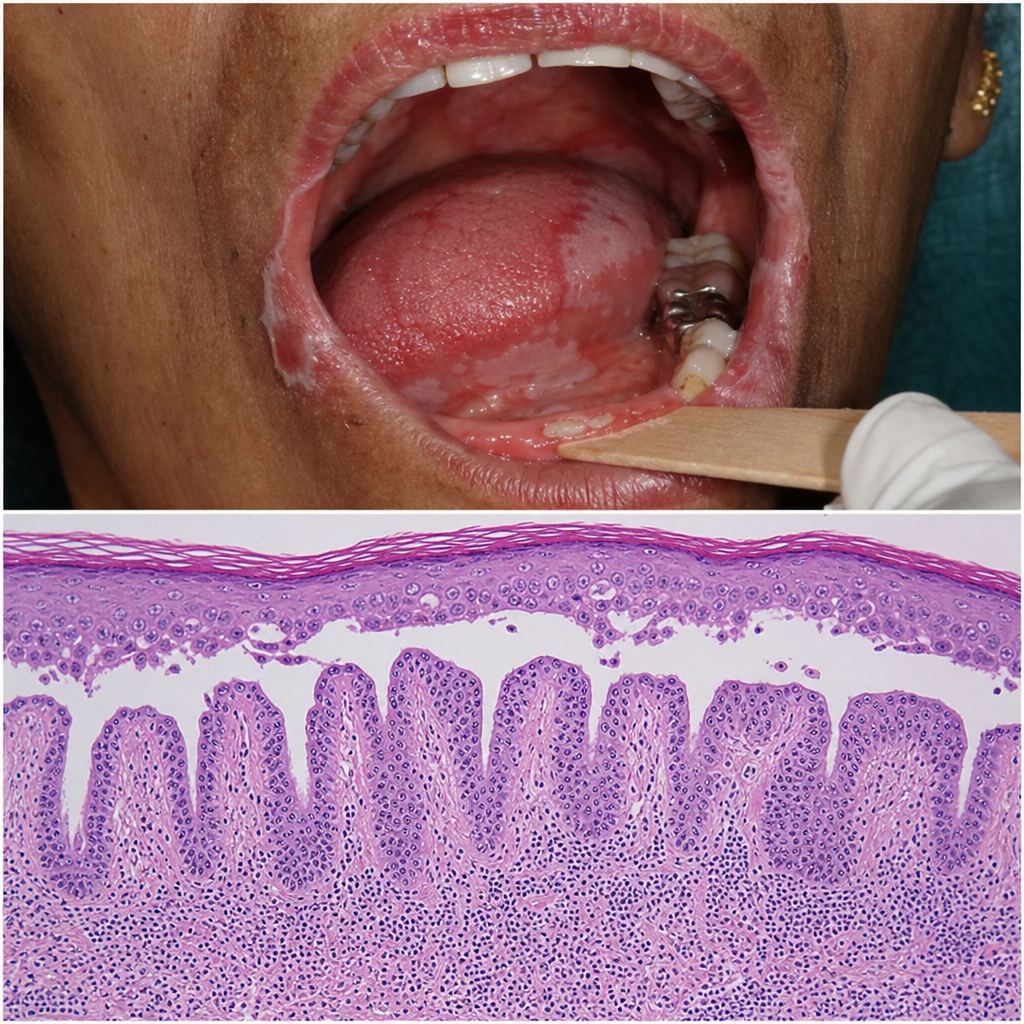
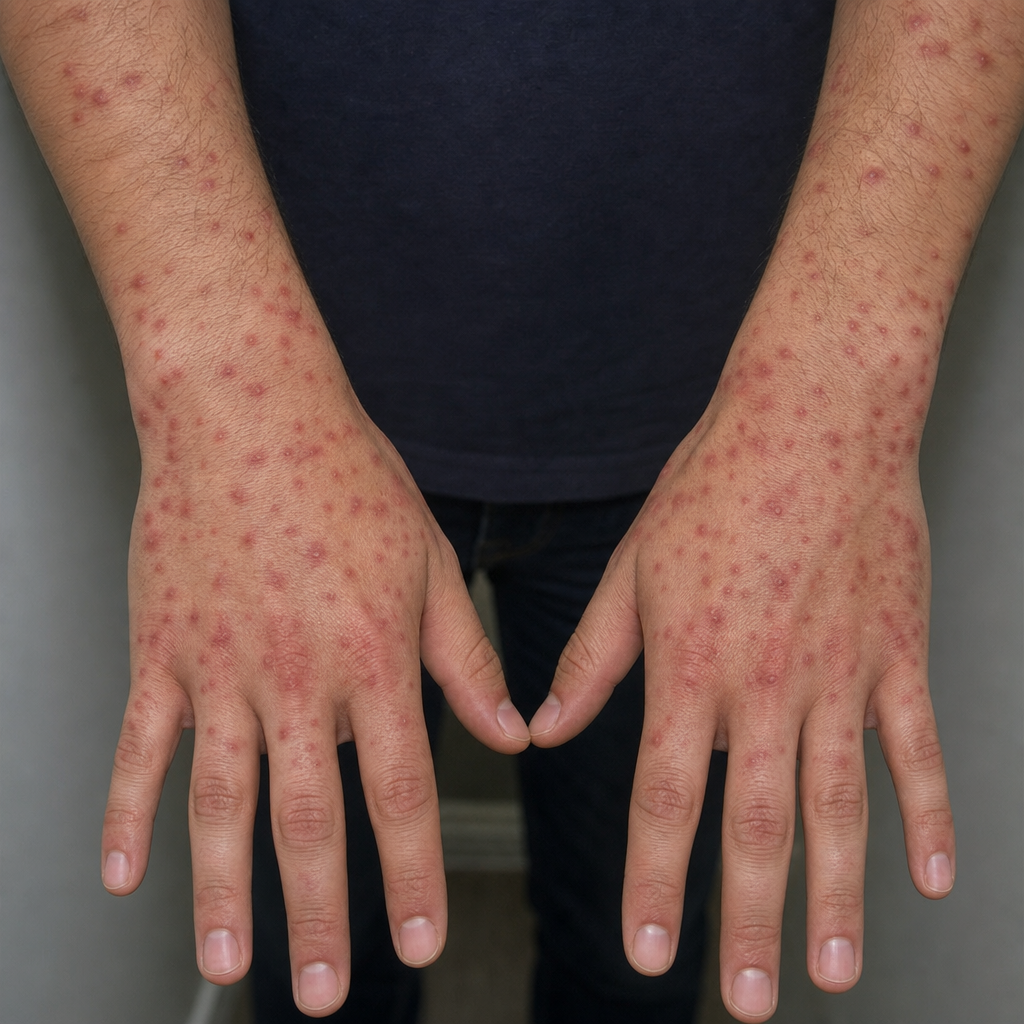
Anti TNF is not used in –
All these drugs are known to exacerbate psoriasis, except:
Which interleukin is specifically secreted by Th17 cells?
Live vaccines are contraindicated in all except:
Which of the following statements is true regarding omalizumab?
N95 mask is used for:
What is the correct term for candidiasis of the penis?
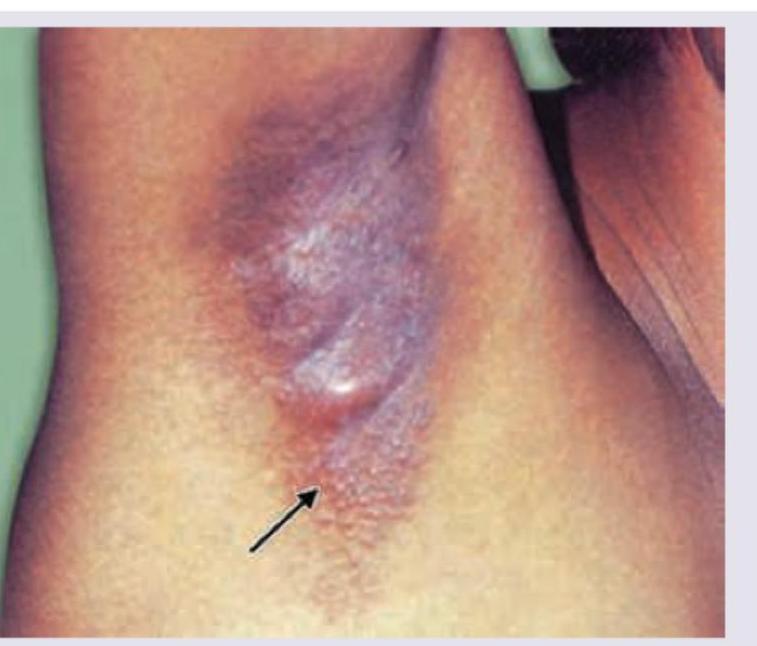
A 25-year-old female presents with the following lesions in the axilla, as shown by the arrow:
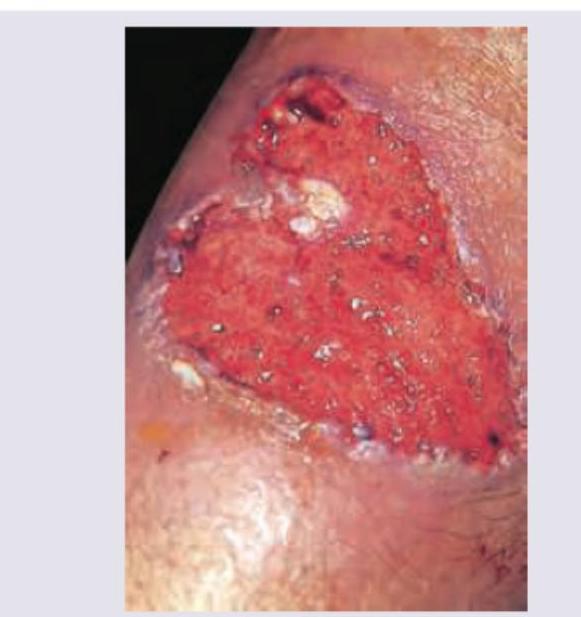
The following lesion appears on the leg of a patient of ulcerative colitis. All are useful in management except:
A patient developed fixed drug eruptions after taking certain medications. Which of the following drugs is known to cause these skin lesions?
Explanation: ***RA with Hepatitis B*** - **Anti-TNF therapy** is generally contraindicated or used with extreme caution in patients with active or chronic **Hepatitis B viral (HBV)** infection due to the risk of HBV reactivation, which can lead to severe hepatitis and liver failure. - Patients undergoing anti-TNF treatment for **rheumatoid arthritis (RA)** and HBV co-infection require close monitoring and often prophylactic antiviral therapy to prevent reactivation. *RA with HIV* - **Anti-TNF agents** can be used cautiously in **HIV-positive RA patients** with well-controlled viral loads and appropriate monitoring. - While there is a theoretical risk of increased infection, the benefits often outweigh the risks in selected patients, and these drugs are not absolutely contraindicated. *RA with HCV* - The use of **anti-TNF therapy** in patients with **Hepatitis C viral (HCV)** infection and RA is generally considered safe if the HCV infection is stable or treated. - These agents have not been consistently shown to worsen HCV viral load or liver function, but close monitoring is advised. *RA with pulmonary fibrosis* - **Anti-TNF agents** are typically not contraindicated in RA patients with **pulmonary fibrosis**, though caution is advised with some disease-modifying antirheumatic drugs (DMARDs) that can induce lung toxicity [1]. - While there have been rare reports of new-onset or worsening pulmonary fibrosis with anti-TNF use, it is not a general contraindication for their use in established fibrosis [1].
Explanation: ***Ciclosporin*** - **Ciclosporin** is an immunosuppressant often used to **treat severe psoriasis**, not exacerbate it. - It works by inhibiting the activation of T-cells, which are central to the pathogenesis of psoriasis. *Beta blocker* - **Beta-blockers**, particularly non-selective ones like **propranolol**, can worsen existing psoriasis or induce new lesions. - The mechanism is thought to involve effects on beta-adrenergic receptors in the skin, leading to inflammation. *Hydroxychloroquine* - **Hydroxychloroquine**, an antimalarial and immunosuppressant, can trigger or exacerbate psoriasis, especially **pustular psoriasis**. - It likely affects keratinocyte proliferation and immune responses in the skin. *Lithium* - **Lithium** is a mood stabilizer that is known to exacerbate or trigger various forms of psoriasis, including **plaque psoriasis** and **pustular psoriasis**. - The mechanism is believed to involve alterations in cyclic AMP metabolism and arachidonic acid pathways within keratinocytes.
Explanation: ***IL22*** - Th17 cells predominantly secrete **IL-17** and also produce **IL-22**, which is significant in mucosal immunity and inflammation [1]. - **IL-22** plays a crucial role in the response to infections and in the pathogenesis of inflammatory diseases. *IL16* - IL-16 is primarily associated with **chemoattractant and regulatory functions** for lymphocytes and not directly secreted by Th17 cells. - It is involved in **eosinophil and T cell activation**, which is not characteristic of the Th17 response. *IFN Gamma* - IFN-gamma is mainly produced by **Th1 cells** and is critical for **cell-mediated immunity**, which is distinct from the function of Th17 cells. - It plays a role in activating **macrophages**, unlike Th17 cells which focus on **neutrophil recruitment** and inflammation. *IL6* - While IL-6 is a pro-inflammatory cytokine that can be involved in various immune responses, it is not primarily secreted by Th17 cells. - It is produced by a variety of cell types including fibroblasts and macrophages, acting as a mediator in the **acute phase response**. **References:** [1] Cross SS. Underwood's Pathology: A Clinical Approach. 6th ed. (Basic Pathology) introduces the student to key general principles of pathology, both as a medical science and as a clinical activity with a vital role in patient care. Part 2 (Disease Mechanisms) provides fundamental knowledge about the cellular and molecular processes involved in diseases, providing the rationale for their treatment. Part 3 (Systematic Pathology) deals in detail with specific diseases, with emphasis on the clinically important aspects., pp. 158-160.
Explanation: ***Breastfeeding mothers*** - Live vaccines are generally **safe for breastfeeding mothers** and their infants, as the vaccine viruses are not typically excreted in breast milk in levels that can infect the infant. - The benefits of vaccinating the mother outweigh any theoretical risks, and it can provide **passive immunity** to the infant through antibodies in breast milk. *Pregnant women* - Live vaccines are **contraindicated during pregnancy** due to the theoretical risk of transmitting the attenuated virus to the fetus and causing congenital infection. - Examples include **MMR** and **varicella vaccines**, which should be administered before or after pregnancy. *Immunocompromised patients* - Live vaccines are **contraindicated** in individuals with compromised immune systems due to the risk of the attenuated vaccine virus causing **disseminated infection** or severe disease. - This includes patients with **HIV/AIDS** (with low CD4 counts), congenital immunodeficiencies, and those undergoing active cancer treatment. *Patients on high-dose immunosuppressants* - These patients are considered **immunocompromised**, and live vaccines are **contraindicated** because their suppressed immune system may not be able to effectively control the attenuated vaccine virus, leading to severe infection. - Examples of such medications include high-dose corticosteroids, chemotherapy agents, and biologics that target immune cells.
Explanation: ***All of the options*** is correct because each statement is true: **Anti-IgE** - Omalizumab is a **humanized monoclonal antibody** that specifically targets and binds to **free IgE** in the circulation - By binding free IgE, it prevents IgE from attaching to **high-affinity receptors** on mast cells and basophils - This reduces the allergic cascade and prevents release of inflammatory mediators **Given subcutaneously** - Omalizumab is administered via **subcutaneous injection** only - Dosing is typically every **2 to 4 weeks** based on patient's body weight and baseline IgE levels - Not available in oral or intravenous formulations for asthma treatment **Used as add-on therapy in moderate to severe asthma prophylaxis** - FDA approved as **add-on maintenance treatment** for patients aged ≥6 years with **moderate to severe persistent allergic asthma** - Indicated when asthma is **inadequately controlled** with inhaled corticosteroids - Reduces frequency of asthma exacerbations and improves asthma control - Also approved for chronic spontaneous urticaria All three statements accurately describe omalizumab's mechanism, administration route, and clinical indication, making **"All of the options"** the correct answer.
Explanation: ***aerosol*** - **N95 masks** are specifically designed to filter out at least 95% of **airborne particles** (aerosols) 0.3 microns or larger. - This level of filtration is crucial for protecting against diseases transmitted via **aerosolized droplets**, such as tuberculosis or COVID-19. *respiratory droplets* - While an N95 mask can filter respiratory droplets, it is primarily designed for smaller **aerosol particles** that can remain suspended in the air. - **Surgical masks** are generally adequate for blocking larger respiratory droplets, preventing splash and splatter. *Dust* - While an N95 mask can filter dust, it is an **overkill** for most common dust exposures. - A simple **dust mask** or even a surgical mask can provide adequate protection against larger dust particles. *in general* - This option is too broad; N95 masks are specifically used when there's a risk of exposure to **aerosolized infectious agents** or **fine particulate matter**. - Their use is typically reserved for settings where **aerosol-generating procedures** are performed or when caring for patients with **airborne diseases**.
Explanation: ***Balanitis*** - **Candidiasis of the penis** is specifically referred to as Candidal balanitis, an inflammatory condition affecting the **glans penis**. - This term accurately describes the location and cause of the infection. *Oral thrush* - **Oral thrush** is candidiasis of the mouth, characterized by **white patches** on the tongue and oral mucosa. - This term refers to a different anatomical location and is not applicable to penile infection. *No candidiasis present* - This option is incorrect because candidiasis can indeed affect the penis, leading to a recognized clinical condition. - Symptoms like **redness, itching, and discharge** would indicate the presence of candidiasis. *Leukoplakia* - **Leukoplakia** is a condition characterized by **white patches** that develop on the mucous membranes of the mouth, tongue, or sometimes the genitals. - It is a **precancerous lesion** that is not caused by Candida infection, distinguishing it from balanitis.
Explanation: ***Hidradenitis Suppurativa*** - This image displays typical features of Hidradenitis Suppurativa, including **inflamed nodules**, **abscesses**, and **sinus tracts** in the intertriginous region (axilla in this case). - The disease commonly affects areas with **apocrine glands** and is characterized by chronic inflammation and scarring. *Fox-Fordyce disease* - This condition involves an **obstruction of apocrine sweat ducts**, leading to pruritic papules in apocrine gland-bearing areas. - While it affects similar anatomical locations as hidradenitis suppurativa, it does not typically present with the same degree of inflammation, deep nodules, abscesses, or sinus tracts. *Acne fulminans* - This is a rare and severe form of **acne vulgaris** characterized by the sudden onset of aggressive, ulcerative, and extensively inflamed nodules, cysts, and plaques with systemic symptoms like fever and arthralgia. - It primarily affects the **face, chest, and back**, not typically the axilla, and is associated with systemic inflammation. *Acne conglobata* - A severe form of **nodulocystic acne** characterized by interconnected abscesses, cysts, and sinus tracts, often leaving significant scarring. - While it involves extensive inflammation and sinus tracts, it primarily affects the **trunk and face**, not characteristically the axilla as the primary site of presentation in images like this.
Explanation: ***Sulfapyridine*** - The image shows **pyoderma gangrenosum**, a painful ulcerative skin condition often associated with inflammatory bowel disease like ulcerative colitis. Among the given options, **sulfapyridine** has the **least established role** in pyoderma gangrenosum management. - **Sulfapyridine** is an inactive component of **sulfasalazine** and primarily acts as an **antibacterial agent**. While sulfasalazine has been reported in some PG cases, sulfapyridine alone is not a recognized treatment for the inflammatory, non-infectious nature of pyoderma gangrenosum. - Unlike the other options which have well-established roles, sulfapyridine lacks strong evidence for efficacy in PG. *Steroids* - **Corticosteroids** (oral or topical) are the **first-line treatment** for pyoderma gangrenosum due to their potent anti-inflammatory and immunosuppressive effects. - They help to reduce the inflammation and promote healing of the painful ulcers. *Procto-colectomy* - In cases of severe, refractory pyoderma gangrenosum associated with ulcerative colitis, **colectomy** can be a **definitive treatment** as it removes the underlying inflammatory trigger. - This surgical intervention is considered when medical therapies are unsuccessful or when the colonic disease itself necessitates surgery. *Infliximab* - **Infliximab**, a **TNF-alpha inhibitor**, is a biologic agent effective in treating both ulcerative colitis and pyoderma gangrenosum. - It is used in cases that are refractory to steroids or when patients cannot tolerate steroid therapy.
Explanation: **Explanation:** **Fixed Drug Eruption (FDE)** is a unique type of cutaneous drug reaction characterized by the recurrence of a lesion (usually a dusky red or violaceous macule) at the **exact same anatomical site** every time the offending drug is ingested. This occurs due to the persistence of **CD8+ memory T-cells** in the basal keratinocytes at the site of the lesion. **Why Option D is correct:** All three drugs listed are classic and high-yield triggers for FDE: * **Phenolphthalein:** Historically the most common cause (found in older laxatives). * **Aspirin (NSAIDs):** A very frequent trigger in clinical practice. * **Dapsone (Sulfonamides):** Sulfonamides are among the most common drug classes associated with FDE. **Analysis of Options:** * **Phenolphthalein:** Often presents as "bullous" FDE. * **Aspirin:** Along with other NSAIDs (like Ibuprofen and Naproxen), it is a leading cause of multi-focal FDE. * **Dapsone:** As a sulfone, it shares cross-reactivity patterns and is a well-documented cause. **High-Yield Clinical Pearls for NEET-PG:** 1. **Most Common Site:** The **glans penis** is the most common site for FDE, followed by the lips and palms. 2. **Commonest Causes (Overall):** NSAIDs, Sulfonamides (Cotrimoxazole), Tetracyclines, and Anticonvulsants. 3. **Clinical Feature:** Lesions often leave behind **post-inflammatory hyperpigmentation (PIH)** after healing. 4. **Refractory Period:** After an eruption, there is a brief refractory period where the drug may not cause a reaction. 5. **Diagnosis:** Primarily clinical; however, a **Patch Test** performed at the site of the previous lesion (not on the back) can confirm the offending agent.
Get full access to all questions, explanations, and performance tracking.
Start For Free