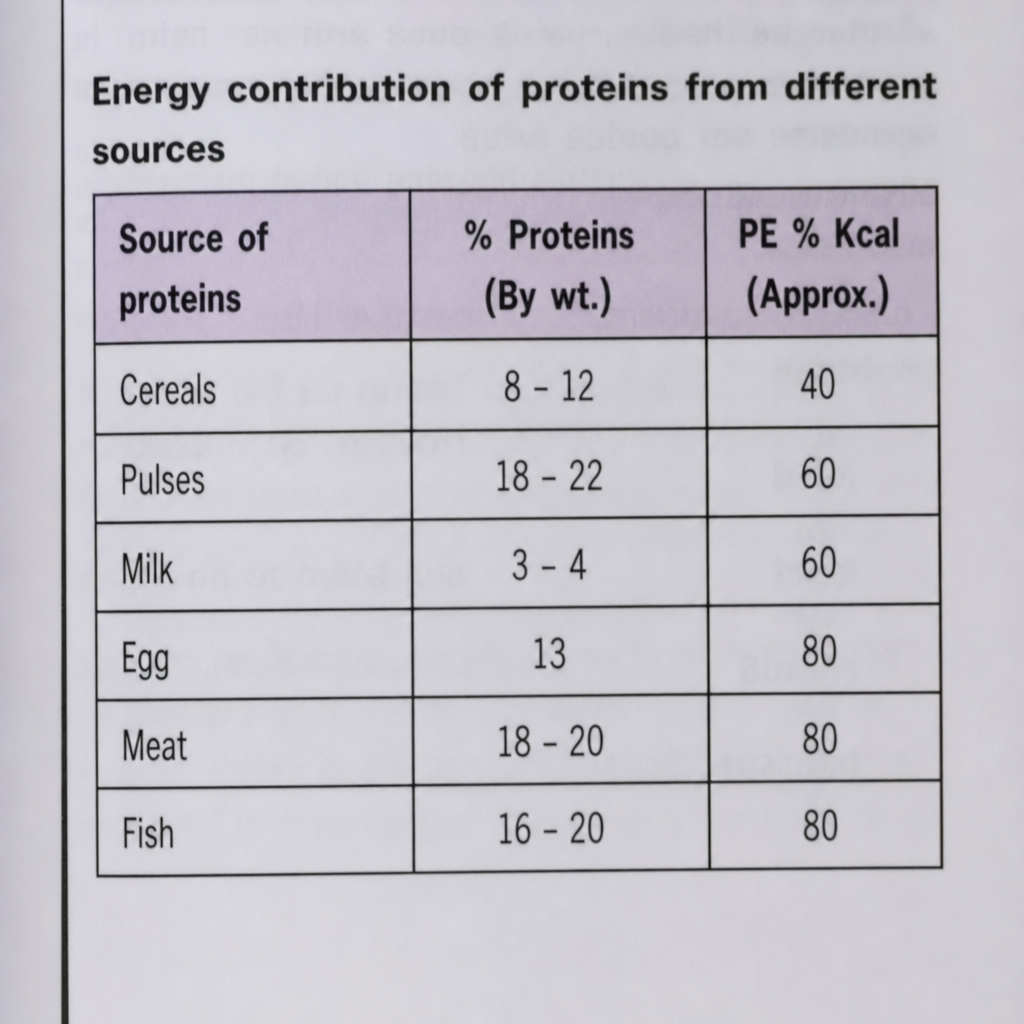
Vegetable fat differs from animal oil in being:
Which of the following is not included in the Malnutrition Universal Screening Tool (MUST) for the assessment of risk of undernutrition?
According to WHO prevalence criteria for determining xerophthalmia problems, which of the following is true for an endemic area?
What is the total osmolarity of reduced osmolarity ORS?
Approximate caloric requirements of an infant at the age of 12 months would be?
An agricultural labourer presented with progressive spastic paralysis and was diagnosed with neurolathyrism. This condition results from the consumption of which of the following?
What is the daily requirement of iron during pregnancy?
What is the approximate protein content of breast milk?
Iodised salt is given in an area endemic to Goiter. What type of prevention is this?
What is the concentration of vitamin A supplement administered in the Prevention of Nutritional Blindness in Children Programme?
Explanation: ### Explanation The primary distinction between vegetable fats and animal fats lies in their chemical composition and nutrient profile. **Why Option D is Correct:** Animal fats (such as cod liver oil, butter, and ghee) are naturally rich sources of fat-soluble vitamins, particularly **Vitamin A and Vitamin D**. In contrast, most vegetable oils (like sunflower, mustard, or groundnut oil) are naturally devoid of these vitamins, though they may contain Vitamin E. In public health practice, vegetable fats (like Vanaspati) are often artificially **fortified** with Vitamins A and D to bridge this nutritional gap. **Analysis of Incorrect Options:** * **A. More saturated:** This is incorrect. Vegetable oils are generally rich in **Polyunsaturated Fatty Acids (PUFA)** and Monounsaturated Fatty Acids (MUFA), whereas animal fats (except fish oil) are high in Saturated Fatty Acids (SFA). * **B. More stable:** Saturated fats (animal origin) are chemically more stable and have a longer shelf life. Vegetable oils, due to their high degree of unsaturation, are more prone to **oxidative rancidity**. * **C. More atherosclerotic:** Animal fats contain **cholesterol** and saturated fatty acids, which increase LDL levels and are highly atherogenic. Vegetable oils (except coconut and palm oil) are generally considered heart-healthy as they lack cholesterol and help lower LDL. **High-Yield Clinical Pearls for NEET-PG:** * **Exception to the Rule:** **Fish oil** is an animal fat but is unique because it is rich in PUFA (Omega-3 fatty acids like EPA and DHA) and is cardioprotective. * **Coconut & Palm Oil:** These are vegetable fats but behave like animal fats because they are highly **saturated**. * **Hydrogenation:** When vegetable oils are hydrogenated to make them solid (Vanaspati), they produce **Trans-fats**, which are the most atherogenic type of fat. * **Fortification Standard:** In India, Vanaspati must be fortified with 25 IU of Vitamin A per gram.
Explanation: The **Malnutrition Universal Screening Tool (MUST)** is a five-step screening tool designed to identify adults who are malnourished, at risk of malnutrition, or obese. It is widely used in both community and hospital settings. ### Why Age is the Correct Answer **Age** is not a parameter used in the MUST scoring system. While age is a risk factor for malnutrition, the MUST tool focuses on physiological and clinical indicators that reflect current nutritional status rather than demographic variables. ### Explanation of Incorrect Options (Components of MUST) The MUST score is calculated based on three clinical parameters: 1. **Body Mass Index (BMI):** Points are assigned based on BMI (>20 = 0; 18.5–20 = 1; <18.5 = 2). 2. **Weight Loss:** Unplanned weight loss in the past 3–6 months (<5% = 0; 5–10% = 1; >10% = 2). 3. **Acute Disease Effect:** If the patient is acutely ill and there has been or is likely to be **no nutritional intake for >5 days**, 2 points are added. ### High-Yield Clinical Pearls for NEET-PG * **Target Population:** MUST is designed for **adults**. It is not validated for pediatric populations. * **The 5 Steps of MUST:** 1. Measure height/weight (BMI). 2. Note percentage of unplanned weight loss. 3. Establish acute disease effect. 4. Add scores to determine **Overall Risk of Malnutrition** (0 = Low, 1 = Medium, 2+ = High). 5. Develop a management plan based on the risk category. * **Alternative Tools:** Do not confuse MUST with the **Mini Nutritional Assessment (MNA)**, which is specifically designed for the **elderly** (age >65) and does include age-related physiological factors.
Explanation: **Explanation:** Vitamin A deficiency (VAD) is a significant public health problem in many developing countries. To identify areas where xerophthalmia is a public health priority, the WHO has established specific **prevalence criteria** for children aged 6–71 months (under 6 years). **1. Why Option D is Correct:** According to WHO, **Night Blindness (XN)** is considered a public health problem if its prevalence is **≥ 1%** in the target pediatric population. Night blindness is the earliest clinical symptom of VAD and serves as a sensitive indicator for community-based screening. **2. Analysis of Incorrect Options:** * **Option A:** The cutoff for **Bitot’s spots (X1B)** is **≥ 0.5%**, not 5%. A 5% prevalence would indicate an extremely severe epidemic. * **Option B:** **Conjunctival xerosis (X1A)** is no longer included in the WHO prevalence criteria because it is subjective and lacks diagnostic reliability in field surveys. * **Option C:** The criteria for **Corneal ulceration/Keratomalacia (X3A/X3B)** is **≥ 0.01%**. While 0.05% exceeds this, the standard threshold defined by WHO is 0.01%. Additionally, the term used in the criteria is "Corneal xerosis/ulceration," not just conjunctival ulcers. **3. High-Yield Facts for NEET-PG:** * **WHO Cut-off Points (Prevalence > these values = Public Health Problem):** * Night Blindness (XN): **> 1%** * Bitot's Spots (X1B): **> 0.5%** * Corneal Xerosis/Ulcer/Keratomalacia (X2/X3A/X3B): **> 0.01%** * Xerophthalmia-related Corneal Scars (XS): **> 0.05%** * Serum Retinol (<0.7 µmol/L): **> 5%** * **Prophylaxis:** Under the National Vitamin A Prophylaxis Program, the first dose (1 lakh IU) is given at 9 months (with Measles vaccine), followed by 2 lakh IU every 6 months until age 5 (Total 9 doses/17 lakh IU).
Explanation: **Explanation:** The correct answer is **245 mOsm/L**. In 2004, the WHO and UNICEF released the revised formula for **Reduced Osmolarity ORS** to improve the management of non-cholera diarrhea in children. **1. Why 245 mOsm/L is correct:** The standard ORS used previously (311 mOsm/L) was found to occasionally cause hypernatremia and increased stool output due to its high osmotic load. The reduced osmolarity version (245 mOsm/L) lowers the concentrations of Sodium and Glucose. This reduction decreases stool output by 20%, reduces vomiting by 30%, and minimizes the need for unscheduled IV fluids by 33%, making it safer and more effective. **2. Analysis of Incorrect Options:** * **A. 270 mOsm/L:** This is a common distractor; it does not represent any standard WHO ORS formulation. * **C. 290 mOsm/L:** This is the approximate osmolarity of normal plasma, but not the specific value for the WHO reduced osmolarity ORS. * **D. 310 mOsm/L:** This refers to the **Old/Standard WHO ORS** (specifically 311 mOsm/L), which is no longer the primary recommendation for routine diarrhea management. **High-Yield Clinical Pearls for NEET-PG:** * **Composition of Reduced ORS (per Liter):** * Sodium Chloride: 2.6 g * Glucose (Anhydrous): 13.5 g * Potassium Chloride: 1.5 g * Trisodium Citrate: 2.9 g * **Molar Concentrations (mmol/L):** Sodium (75), Glucose (75), Chloride (65), Potassium (20), Citrate (10). **Total = 245.** * **Sodium:Glucose Ratio:** Always **1:1** in the new formula to optimize the SGLT-1 co-transport mechanism in the small intestine. * **Trisodium Citrate** is preferred over Bicarbonate because it increases the shelf life of the ORS packet.
Explanation: **Explanation:** The caloric requirement of an infant is primarily determined by their rapid growth rate and high basal metabolic rate. According to the **ICMR-NIN (2020) guidelines**, the energy requirements for infants are calculated based on body weight and age. **Why 700 Kcal is correct:** For an infant aged 6–12 months, the recommended dietary allowance (RDA) is approximately **80 kcal/kg/day**. At 12 months (1 year), an average healthy Indian child weighs approximately **8.5 to 9 kg**. * Calculation: 8.9 kg × 80 kcal ≈ **712 kcal/day**. Thus, **700 Kcal** is the closest approximate value for a one-year-old. **Analysis of Incorrect Options:** * **A. 500 Kcal:** This is insufficient for a 12-month-old. This value is closer to the requirement of a newborn or a 3-month-old infant (approx. 110 kcal/kg/day for a 4.5 kg baby). * **C. 1,000 Kcal:** This is the approximate requirement for a **toddler (1–3 years)**. As growth velocity slows down after the first year, the total calories increase due to weight gain, but the kcal/kg requirement drops. * **D. 1,200 Kcal:** This exceeds the requirement for an infant and is more appropriate for a child aged 3–4 years. **High-Yield Clinical Pearls for NEET-PG:** 1. **Energy Density:** In the first 6 months, requirements are higher per unit of body weight (**108 kcal/kg**) compared to 6–12 months (**80 kcal/kg**). 2. **Protein Requirement:** For an infant (6–12 months), the protein requirement is approximately **1.05 g/kg/day** (ICMR 2020). 3. **Growth Milestone:** A baby usually **triples** its birth weight by 12 months of age, necessitating this specific caloric intake. 4. **Rule of Thumb:** Total calories for a child can be roughly estimated by the formula: $1000 + (Age\ in\ years \times 100)$. For a 1-year-old, this equals 1100 Kcal, but for strict infancy (up to 12 months), the weight-based ICMR calculation (700-800 kcal) is preferred for exams.
Explanation: ### Explanation **Neurolathyrism** is a nervous system disorder characterized by progressive, irreversible **spastic paraplegia** of the lower limbs. It is caused by the excessive consumption of *Lathyrus sativus* (Khesari dal), often used as an adulterant or a staple food by poor agricultural laborers during droughts. **1. Why Option B is Correct:** The causative toxin in *Lathyrus sativus* is **Beta-N-oxalyl-L-alpha, beta-diaminopropionic acid (BOAA)**, also known as **ODAP**. It acts as a potent neurotoxin (excitotoxin) that mimics glutamate, leading to the destruction of upper motor neurons in the spinal cord. This results in the characteristic "scissor gait" and spasticity. **2. Why Other Options are Incorrect:** * **A. Aflatoxin:** Produced by *Aspergillus flavus* (found in stored grains/groundnuts), it is primarily associated with **Hepatocellular Carcinoma** and acute hepatitis, not spastic paralysis. * **C. Pyruvic acid:** Elevated levels of pyruvic acid are seen in **Wet Beriberi** (Vitamin B1 deficiency) due to the failure of the pyruvate dehydrogenase complex, leading to high-output heart failure. * **D. Sanguinarine:** This toxin is found in **Argemone mexicana** (Prickly poppy) seeds. Adulteration of mustard oil with Argemone oil leads to **Epidemic Dropsy**, characterized by bilateral edema, cardiac failure, and glaucoma. **3. High-Yield Clinical Pearls for NEET-PG:** * **Stages of Neurolathyrism:** Non-spastic stage → Stick stage (One stick → Two sticks) → Crawler stage. * **Prevention:** The toxin BOAA is water-soluble. It can be removed by **steeping** (soaking in hot water) or **parboiling** the pulses. * **Lathyrism Act:** The sale of Khesari dal was historically banned in India under the PFA Act to prevent this condition. * **Differential Diagnosis:** Do not confuse with **Scolio-lathyrism** (bone deformities), which is caused by *Lathyrus odoratus* (BAPN toxin) and is rarely seen in humans.
Explanation: **Explanation:** The correct answer is **35 mg/day**. This value is based on the **ICMR-NIN (2020) Dietary Guidelines**, which are the current gold standard for NEET-PG questions regarding Indian nutritional requirements. **1. Why 35 mg is correct:** During pregnancy, iron requirements increase significantly to support the expansion of maternal red cell mass, the development of the placenta, and the growth of the fetus. The ICMR-NIN 2020 guidelines recommend **35 mg/day** for pregnant women (increased from the previous 21 mg/day for non-pregnant women). This ensures adequate iron stores to prevent maternal anemia and low birth weight. **2. Why other options are incorrect:** * **1 mg & 2 mg:** These values represent the *absorbed* iron required daily to replace basal losses in non-pregnant adults. Because dietary iron absorption is low (approx. 5–10%), the *oral intake* must be much higher than the physiological requirement. * **3 mg:** This is roughly the physiological requirement (absorbed iron) during the third trimester, but it does not represent the total daily *dietary* intake required. **3. High-Yield Clinical Pearls for NEET-PG:** * **IFA Supplementation (Anemia Mukt Bharat):** Pregnant women should receive **100 mg elemental iron** and **500 µg folic acid** daily for 180 days, starting from the second trimester (13 weeks). * **Lactation Requirement:** The iron requirement drops to **21 mg/day** during lactation (same as a non-pregnant woman) because menstruation is often suppressed (lactational amenorrhea). * **Adolescent Girls:** The requirement is **30-32 mg/day** depending on age. * **Absorption:** Vitamin C (Citrus fruits) enhances iron absorption, while phytates (cereals) and tannins (tea/coffee) inhibit it.
Explanation: **Explanation:** The protein content of mature human breast milk is approximately **0.9 to 1.1 g/dL**. This is a high-yield fact in Community Medicine and Pediatrics. While breast milk has a lower total protein concentration compared to animal milk, its biological value is superior. The proteins consist primarily of **whey (60%)** and **casein (40%)**, making it easily digestible for the infant's immature gastrointestinal tract. **Analysis of Options:** * **Option A (0.9-1.1 g/dL):** This is the correct physiological range for mature breast milk. It provides the ideal nitrogen balance for growth without overloading the infant's developing kidneys (low renal solute load). * **Option B (2.0-3.0 g/dL):** This range is too high for human milk but is closer to the protein content found in certain animal milks (e.g., goat milk is ~3.5 g/dL). * **Option C (3.5-4.0 g/dL):** This represents the protein content of **Cow’s milk (approx. 3.2–3.5 g/dL)**. Cow’s milk has nearly three times the protein of human milk, predominantly casein, which forms hard curds in the infant's stomach. * **Option D (5.0-5.5 g/dL):** This value is significantly higher than any standard mammalian milk used for infant feeding and would cause severe dehydration and uremia in a neonate. **High-Yield NEET-PG Pearls:** 1. **Energy Value:** Breast milk provides approximately **65–70 kcal/100 ml**. 2. **Fat Content:** Roughly **3.5–4.5 g/dL**, providing about 50% of the total calories. 3. **Carbohydrates:** Human milk is rich in **Lactose (7 g/dL)**, which is higher than in cow’s milk (4.5 g/dL). 4. **Colostrum:** The first milk produced (days 1–5) is richer in proteins (especially IgA) and fat-soluble vitamins but lower in fat and lactose compared to mature milk.
Explanation: **Explanation:** The correct answer is **Specific Protection**. This question tests the understanding of the "Levels of Prevention" in Community Medicine, a high-yield topic for NEET-PG. **1. Why Specific Protection?** Specific protection is a component of **Primary Prevention**. It involves measures taken to prevent the occurrence of a specific disease by intercepting the causes before they affect the body. Iodization of salt is a targeted intervention aimed specifically at preventing Iodine Deficiency Disorders (IDD), such as goiter and cretinism. By providing the specific nutrient missing in the environment, we protect the population from a specific pathological condition. **2. Why other options are incorrect:** * **Health Promotion:** This also falls under Primary Prevention but is non-specific. It includes measures like health education, environmental sanitation, and a balanced diet aimed at improving overall well-being rather than targeting one specific disease. * **Primordial Prevention:** This involves preventing the *emergence* of risk factors (e.g., discouraging children from starting smoking). In this scenario, the risk factor (iodine deficiency in the soil/water) already exists in the endemic area. * **Treatment:** This is **Secondary Prevention**. Treatment is initiated after the disease has already occurred to prevent complications or spread. **Clinical Pearls for NEET-PG:** * **Primary Prevention** = Health Promotion + Specific Protection (Applied in the Pre-pathogenesis phase). * **Secondary Prevention** = Early Diagnosis + Prompt Treatment (Applied in the early Pathogenesis phase). * **Tertiary Prevention** = Disability Limitation + Rehabilitation (Applied in the late Pathogenesis phase). * **Iodine Content:** In India, salt must contain **30 ppm** of iodine at the production level and **15 ppm** at the consumer level. * **Indicator:** The most sensitive indicator for monitoring the impact of an Iodine Control Program is **Urinary Iodine Excretion**.
Explanation: ### Explanation **Correct Answer: B. 1 Lakh IU/ml** The **National Programme for Prevention of Nutritional Blindness due to Vitamin A Deficiency** utilizes a specific oil-based concentrate of Vitamin A (Retinyl Palmitate). The standard formulation provided by the government is **1 Lakh IU per 1 ml**. This concentration is designed for ease of administration using a standardized 2 ml spoon: * **Infants (6–11 months):** Receive a half-spoon dose (1 ml), totaling **1 Lakh IU**. * **Children (1–5 years):** Receive a full-spoon dose (2 ml), totaling **2 Lakh IU**. **Analysis of Incorrect Options:** * **Option A (25,000 IU/ml):** This is too dilute. Administering a therapeutic dose of 2 Lakh IU would require 8 ml of liquid, increasing the risk of aspiration and making mass distribution inefficient. * **Options C & D (3 Lakh and 5 Lakh IU/ml):** These concentrations are excessively high. Vitamin A is fat-soluble and stored in the liver; such high concentrations significantly increase the risk of acute toxicity (hypervitaminosis A), characterized by vomiting, headache, and bulging fontanelles. **High-Yield Clinical Pearls for NEET-PG:** * **Schedule:** The first dose is given at **9 months** (with Measles/MR vaccine). Subsequent doses are given every **6 months** up to the age of 5 years. * **Total Doses:** A child receives a total of **9 doses** (1 + 8). * **Total Cumulative Dose:** 17 Lakh IU (1 Lakh + [8 × 2 Lakh]). * **Target Age Group:** 6 months to 5 years (60 months). * **Treatment of Xerophthalmia:** If a child shows clinical signs (e.g., Bitot's spots), the treatment schedule is: **Day 0, Day 1, and Day 14** (2 Lakh IU per dose, except for infants <6 months who get 50,000 IU).
Basic Nutritional Requirements
Practice Questions
Assessment of Nutritional Status
Practice Questions
Protein-Energy Malnutrition
Practice Questions
Micronutrient Deficiencies
Practice Questions
Nutritional Programs in India
Practice Questions
Dietary Guidelines
Practice Questions
Food Safety and Security
Practice Questions
Diet and Non-Communicable Diseases
Practice Questions
Nutrition in Pregnancy and Lactation
Practice Questions
Infant and Young Child Nutrition
Practice Questions
Nutrition in Emergencies
Practice Questions
Food Fortification and Supplementation
Practice Questions
Get full access to all questions, explanations, and performance tracking.
Start For Free