All of the following diseases are covered under the "MISSION INDRADHANUSH" program except?
Which of the following vaccines requires a reverse cold chain?
All of the following are true regarding tetanus, EXCEPT:
Cholera vaccination is indicated:
Which of the following statements regarding the Vi polysaccharide vaccine is true?
All of the following vaccines are live vaccines except?
Which of the following statements about vaccines is false?
What is the best preventive measure against tetanus neonatorum?
Which of the following is true about the Salk vaccine except?
Which of the following vaccines can be administered to an HIV-positive child?
Explanation: **Explanation:** The correct answer is **Japanese Encephalitis (A)**. While Japanese Encephalitis (JE) is part of the Universal Immunization Programme (UIP), it is only included in **select endemic districts** rather than being a universal mandate across all regions under the standard Mission Indradhanush (MI) framework. **Understanding Mission Indradhanush:** Launched in December 2014, Mission Indradhanush aims to achieve full immunization coverage (90%) for children and pregnant women. It originally targeted **seven** vaccine-preventable diseases (VPDs), mirroring the "seven colors of the rainbow." * **Why Option A is correct:** Japanese Encephalitis is considered a "sub-national" vaccine. It is provided only in 297 high-burden districts in India. Since Mission Indradhanush focuses on universal coverage of the primary series, JE is the "exception" in a general national context. * **Why Options B, C, and D are incorrect:** Diphtheria, Pertussis (Whooping Cough), and Hepatitis B are part of the core **Pentavalent vaccine**. These are administered universally across all districts in India and were part of the original seven diseases targeted by the mission. **High-Yield NEET-PG Pearls:** 1. **Original 7 Diseases:** Diphtheria, Pertussis, Tetanus, Polio, Tuberculosis, Measles, and Hepatitis B. 2. **Recent Additions:** The program now covers 12 VPDs including Measles-Rubella (MR), Rotavirus, Pneumococcal Conjugate Vaccine (PCV), and Haemophilus influenzae type B (HiB). 3. **Intensified Mission Indradhanush (IMI):** Focuses on "left-outs" and "drop-outs" in low-coverage areas. IMI 5.0 (the latest phase) specifically aims to eliminate Measles and Rubella by 2023. 4. **JE Vaccine Strain:** The live attenuated **SA-14-14-2** strain is used in India.
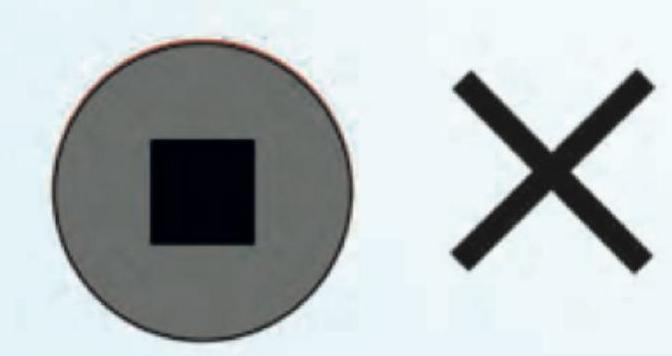
Explanation: **Explanation:** **1. Why Polio is the Correct Answer:** The **Reverse Cold Chain** is a system used to transport samples (usually stool) from a patient suspected of having a vaccine-preventable disease back to a laboratory for testing. In the context of Polio, it is a critical component of **Acute Flaccid Paralysis (AFP) surveillance**. To confirm a case of Polio, stool samples must be kept at a temperature between **2°C and 8°C** during transport to the laboratory to ensure the virus remains viable for culture. Without this reverse cold chain, the heat-sensitive virus would degrade, leading to a false-negative result. **2. Why the Other Options are Incorrect:** * **Measles, Rubella, and Pertussis:** These vaccines are part of the standard **Cold Chain** (transporting vaccines from the manufacturer to the patient to maintain potency). While these diseases are monitored, their surveillance protocols do not routinely rely on the transport of temperature-sensitive stool samples in the same manner as the Polio eradication program. **3. High-Yield Clinical Pearls for NEET-PG:** * **Cold Chain Temperature:** Most vaccines in the Universal Immunization Programme (UIP) are stored at **+2°C to +8°C** at the PHC level. * **Most Heat Sensitive Vaccine:** Oral Polio Vaccine (OPV). It is stored at **-20°C** at the district level and above. * **Most Heat Resistant Vaccine:** Tetanus Toxoid (TT) / Td. * **AFP Surveillance Criteria:** Requires two stool samples collected **24–48 hours apart**, within **14 days** of the onset of paralysis. * **Vaccine Vial Monitor (VVM):** A marker of heat exposure found on the label of OPV vials; if the inner square matches or is darker than the outer circle, the vaccine must be discarded.
Explanation: **Explanation:** **1. Why Option A is the Correct Answer (The "Except" statement):** Tetanus is a non-communicable disease. It is caused by the neurotoxin produced by *Clostridium tetani*. Unlike many other vaccine-preventable diseases, **tetanus is not transmitted from person to person.** Infection occurs only through environmental exposure, typically via contamination of wounds (burns, injuries, or umbilical stumps) with tetanus spores. **2. Analysis of Other Options:** * **Option B (Herd immunity is not of much value):** This is **True**. Herd immunity relies on reducing the chain of human-to-human transmission. Since tetanus is acquired from the environment (soil) and not from other people, vaccinating 90% of the population does not protect the remaining 10%. Individual protection is only achieved through active immunization. * **Option C (Main reservoir is soil and intestine):** This is **True**. *C. tetani* is an obligate anaerobe. Its spores are ubiquitous in soil and the intestinal tracts of herbivorous animals and humans, where they exist in a commensal state. * **Option D (Incubation period is 6-10 days):** This is **True**. While the range can be 3 to 21 days, the average incubation period is approximately **6–10 days**. Generally, a shorter incubation period is associated with a poorer prognosis. **Clinical Pearls for NEET-PG:** * **Neonatal Tetanus:** Defined as tetanus occurring within 3–28 days of birth. It is a major target for "Elimination" (defined as <1 case per 1000 live births in every district). * **Type of Immunity:** Tetanus toxoid provides **active immunity**, while Tetanus Immunoglobulin (TIG) provides **passive immunity**. * **Natural Infection:** Surviving a clinical case of tetanus does **not** confer natural immunity; vaccination is still required. * **Drug of Choice:** Metronidazole is preferred over Penicillin G to treat the infection.
Explanation: **Explanation:** The primary indication for cholera vaccination, according to WHO and the National Health Profile, is for individuals living in **endemic areas** (hotspots) where the risk of transmission is high. Modern Oral Cholera Vaccines (OCVs), such as Shanchol and Euvichol, are used as a pre-emptive tool to reduce the disease burden in these regions alongside improvements in water, sanitation, and hygiene (WASH). **Analysis of Options:** * **A. To control epidemics:** While OCVs are used in humanitarian crises to *prevent* outbreaks, they are generally **not** the primary tool for controlling an ongoing epidemic. In an active outbreak, the incubation period is so short (2 hours to 5 days) that the vaccine (requiring two doses 14 days apart) cannot provide immunity fast enough to halt the spread. * **B. For travelers:** While some countries recommend it, it is not a routine indication. The risk to most travelers is very low if they follow food and water precautions. It is only considered for high-risk humanitarian workers. * **D. In neonates:** Cholera vaccines are not indicated for neonates. Most OCVs are licensed for use in children **above 1 year of age** (Dukoral) or **above 2 years** (Shanchol). **High-Yield Facts for NEET-PG:** * **Vaccine Type:** Modern OCVs are **killed whole-cell vaccines**. * **Schedule:** 2 doses, given 14 days apart. * **Duration of Protection:** Provides ~65% protection for up to 3–5 years. * **Herd Immunity:** OCVs are unique because they provide significant indirect (herd) protection even with moderate coverage. * **Injectable Vaccine:** The old parenteral (injectable) killed vaccine is **obsolete** due to low efficacy and short duration of protection.
Explanation: ### Explanation **1. Why Option D is Correct:** The Vi polysaccharide vaccine (Typhim Vi) is an inactivated subunit vaccine used for Typhoid fever. A key principle in immunology is that **inactivated vaccines can be administered simultaneously** (at different injection sites) with other inactivated or live vaccines without interfering with the immune response or increasing the risk of adverse events. Clinical studies have specifically confirmed its safety and efficacy when co-administered with **Yellow Fever (live)** and **Hepatitis A (inactivated)** vaccines, making it a convenient choice for travelers. **2. Why the Other Options are Incorrect:** * **Options A & B:** The Vi polysaccharide vaccine is generally **well-tolerated**. Serious systemic reactions (like anaphylaxis) and severe local reactions are extremely rare. The most common side effects are mild, such as transient soreness at the injection site or a low-grade fever. * **Option C:** It has **minimal contraindications**. The primary contraindication is a known hypersensitivity to any component of the vaccine. Unlike the live oral Ty21a vaccine, it is not contraindicated in immunocompromised individuals or those taking antibiotics. **3. High-Yield Clinical Pearls for NEET-PG:** * **Composition:** Contains purified Vi capsular polysaccharide of *Salmonella typhi* (Ty2 strain). * **Age Group:** Approved for children **≥ 2 years** (ineffective in infants due to T-cell independent nature of polysaccharides). * **Dosage:** Single 0.5 ml (25 µg) intramuscular dose. * **Duration of Protection:** Provides protection for about **3 years**; a booster is required every 3 years for those at continued risk. * **Efficacy:** Approximately 70–80%. * **Newer Alternative:** The **Typhoid Conjugate Vaccine (TCV)** is now preferred over the Vi polysaccharide vaccine as it is immunogenic in infants (>6 months) and provides longer-lasting immunity.
Explanation: **Explanation:** The core concept tested here is the classification of vaccines based on their preparation method. Vaccines are broadly categorized into Live Attenuated, Killed (Inactivated), Toxoids, and Subunit/Recombinant types. **Why DPT is the correct answer:** DPT is a **combination vaccine** that does not contain any live organisms. It consists of: * **Diphtheria:** Toxoid (inactivated toxin) * **Pertussis:** Killed whole-cell bacteria (wP) or acellular components (aP) * **Tetanus:** Toxoid Since none of these components are live, DPT is the "except" in this list. **Analysis of incorrect options:** * **BCG (Bacillus Calmette–Guérin):** A live attenuated bacterial vaccine derived from *Mycobacterium bovis*. * **OPV (Oral Polio Vaccine/Sabin):** A live attenuated viral vaccine. (Note: The injectable IPV/Salk is a killed vaccine). * **Measles:** A live attenuated viral vaccine (usually administered as MMR or MR). **High-Yield Clinical Pearls for NEET-PG:** * **Mnemonic for Live Vaccines:** "**B**oy **L**ove **CRIME** **V**ery **T**erribly" (**B**CG, **L**ive Typhoid/Ty21a, **C**holera, **R**otavirus, **I**nfluenza (Intranasal), **M**MR/Measles, **E**ndemic Typhus, **V**aricella, **Y**ellow Fever, **T**ularemia). * **Contraindication:** Live vaccines are generally contraindicated in pregnancy and immunocompromised individuals (HIV with CD4 <200). * **Storage:** Most live vaccines are heat-sensitive and must be stored in the "freezer compartment" or at +2°C to +8°C, whereas DPT is "freeze-sensitive" and must never be frozen.
Explanation: The correct answer is **D. Neomycin is a preservative in BCG vaccine.** ### Explanation **1. Why Option D is the Correct (False) Statement:** The BCG (Bacillus Calmette-Guérin) vaccine is a **live attenuated bacterial vaccine**. A fundamental rule in vaccinology is that live vaccines (like BCG, OPV, and Measles) generally **do not contain preservatives** like thiomersal or antibiotics like neomycin, as these substances could kill the live organisms and render the vaccine ineffective. BCG is supplied as a freeze-dried powder and reconstituted with Normal Saline; it contains no preservatives. **2. Analysis of Other Options:** * **A. Thiomersal in DPT:** This is **true**. Thiomersal (an ethylmercury compound) is commonly used as a preservative in multi-dose vials of killed/inactivated vaccines like DPT and Hepatitis B to prevent bacterial and fungal contamination. * **B. Kanamycin in Measles:** This is **true**. While measles is a live vaccine and lacks traditional preservatives, trace amounts of antibiotics (like Kanamycin or Neomycin) are added during the manufacturing process to prevent bacterial growth in the cell cultures. * **C. Magnesium Chloride in OPV:** This is **true**. Magnesium chloride ($MgCl_2$) acts as a **heat stabilizer**, protecting the live attenuated poliovirus from degradation at ambient temperatures. ### High-Yield Clinical Pearls for NEET-PG * **Preservative-Free Vaccines:** Most live vaccines (BCG, Varicella, MMR) are preservative-free. * **Stabilizers:** $MgCl_2$ is for OPV; Sorbitol/Gelatin are used for others. * **Antibiotics in Vaccines:** Neomycin is frequently found in MMR and IPV; it is a common cause of vaccine-related delayed hypersensitivity (Type IV). * **Thiomersal Controversy:** It is NOT associated with autism; however, it is being phased out of many pediatric vaccines as a precautionary measure. * **Reconstitution Rule:** BCG must be reconstituted only with **Normal Saline**. Using sterile water can cause irritation and cell lysis due to osmolarity differences.
Explanation: **Explanation:** **1. Why Active Immunization of the Mother is Correct:** The primary strategy to prevent **Tetanus Neonatorum** (neonatal tetanus) is the active immunization of pregnant women with the **Tetanus Toxoid (TT)** or **Td (Tetanus-diphtheria)** vaccine. When a mother is immunized, she develops high titers of IgG antibodies. these antibodies cross the placenta to the fetus, providing passive protection to the newborn during the first few weeks of life—the most vulnerable period for umbilical cord infections. Under the Universal Immunization Programme (UIP), two doses are given (or one booster if previously immunized within 3 years). **2. Why Other Options are Incorrect:** * **Passive immunization of the child:** While Tetanus Immunoglobulin (TIG) can be given post-exposure, it is not a sustainable or primary preventive "measure" for the population. * **Active immunization of the child:** The National Immunization Schedule starts the Pentavalent/DPT vaccine at **6 weeks** of age. Since neonatal tetanus typically occurs within the first 28 days (often around the "7th day"), the child is not yet eligible for active immunization. * **Passive immunization of the mother:** Administering TIG to the mother is only done for wound management in unimmunized individuals; it does not provide the long-term, high-titer protection required for fetal transfer. **3. High-Yield Clinical Pearls for NEET-PG:** * **The "5 Cleans" Rule:** Essential for preventing neonatal tetanus during delivery: Clean hands, Clean surface, Clean blade, Clean cord tie, and Clean cord stump (No application of substances). * **Elimination Status:** India was declared to have eliminated Maternal and Neonatal Tetanus (MNT) in **2015**. * **Incubation Period:** Neonatal tetanus is often called the **"8th-day disease"** due to its typical onset. * **Vaccine Schedule:** If a woman has received 2 doses of TT/Td in a pregnancy within the last 3 years, only **one booster dose** is required in the current pregnancy.
Explanation: **Explanation:** The question asks for the **incorrect** statement regarding the Salk vaccine (Inactivated Poliovirus Vaccine - IPV). **1. Why Option A is the Correct Answer (The False Statement):** Contrary to the option, **OPV can be given as a booster dose** even if the primary series was completed with IPV (Salk). In fact, the "Sequential Schedule" (IPV followed by OPV) is used in many programs to combine the safety of IPV with the superior mucosal immunity of OPV. Therefore, saying OPV *cannot* be given as a booster is medically incorrect. **2. Analysis of Incorrect Options (True Statements about Salk):** * **Option B:** True. Injections (including Salk) during a polio epidemic can lead to **"Provocative Poliomyelitis,"** where local trauma facilitates the virus reaching the CNS, leading to paralysis. * **Option C:** True. IPV is administered parenterally; it induces high levels of **humoral (IgG) antibodies** but fails to induce significant **local/mucosal immunity (Secretory IgA)** in the gut. * **Option D:** True. Because IPV lacks mucosal immunity, it **does not prevent the multiplication of wild poliovirus** in the intestinal tract. An IPV-vaccinated person is protected from paralysis but can still shed the virus in feces and spread it to others. **High-Yield Clinical Pearls for NEET-PG:** * **Salk (IPV):** Killed vaccine, contains 3 types (Mahoney, MEF-1, Saukett), given IM/SC, prevents paralysis but not transmission. * **Sabin (OPV):** Live attenuated, given orally, induces both systemic (IgG) and local (IgA) immunity, provides "Herd Immunity" via contact vaccination. * **VAPP vs. VDPV:** Vaccine-Associated Paralytic Polio (VAPP) is a risk with OPV, but **never** with IPV. * **Current Strategy:** India currently uses a combination of bOPV (Type 1 & 3) and fractional doses of IPV (fIPV) at 6, 14 weeks, and 9 months.
Explanation: **Explanation:** The administration of vaccines in HIV-positive children depends on the child's immunological status and whether the vaccine is **killed/inactivated** or **live-attenuated**. **1. Why DTwP is the Correct Answer:** DTwP (Diphtheria, Tetanus, and Whole-cell Pertussis) is a combination of toxoids and an inactivated (killed) bacterial component. Inactivated vaccines do not contain live organisms; therefore, they cannot replicate or cause disease, even in an immunocompromised host. They are considered **safe** for all HIV-infected children, regardless of their CD4 count or clinical stage. **2. Why the Other Options are Incorrect:** * **BCG (Option B):** This is a live bacterial vaccine. In HIV-infected children, there is a high risk of "Disseminated BCG-itis," which can be fatal. It is strictly contraindicated if the child is symptomatic or severely immunosuppressed. * **OPV (Option C):** As a live viral vaccine, OPV carries a risk of Vaccine-Associated Paralytic Poliomyelitis (VAPP) in immunocompromised individuals. In HIV-positive children, **IPV (Inactivated Polio Vaccine)** is the preferred alternative. * **Measles (Option D):** While Measles vaccine is generally given to HIV-positive children (unless severely immunocompromised), it is a live vaccine. In the context of this specific question, a killed vaccine like DTwP is always "safer" and universally recommended compared to live options. **High-Yield Clinical Pearls for NEET-PG:** * **General Rule:** All killed/inactivated vaccines (Hepatitis B, IPV, Hib, DTwP) are safe in HIV. * **Live Vaccines:** Generally contraindicated if the child is **severely immunocompromised** (WHO Clinical Stage 4 or CD4 <15%). * **Exception:** Measles and MMR are recommended in HIV-positive children unless they are severely symptomatic, as the risk of natural measles outweighs the risk of the vaccine. * **Yellow Fever:** This is the only live vaccine strictly contraindicated in all symptomatic HIV patients.
Principles of Immunization
Practice Questions
Types of Vaccines
Practice Questions
Universal Immunization Program
Practice Questions
Cold Chain System
Practice Questions
Vaccine Storage and Handling
Practice Questions
Adverse Events Following Immunization
Practice Questions
National Immunization Schedule
Practice Questions
Polio Eradication
Practice Questions
Measles Elimination
Practice Questions
Tetanus Control
Practice Questions
New and Underutilized Vaccines
Practice Questions
Vaccination Coverage Assessment
Practice Questions
Get full access to all questions, explanations, and performance tracking.
Start For Free