True about polioviruses is -
True about HPV vaccination -
True about rotavirus vaccine:
Assertion: VZV vaccine is live attenuated. Reason: It cannot be given to immunocompromised patients.
Typhoid Vi polysaccharide vaccine is usually administered in children above the age of :
Which of the following statements about HPV vaccination is true?
For which of the following is PPV-23 most beneficial:
Live vaccines are contraindicated in all except:
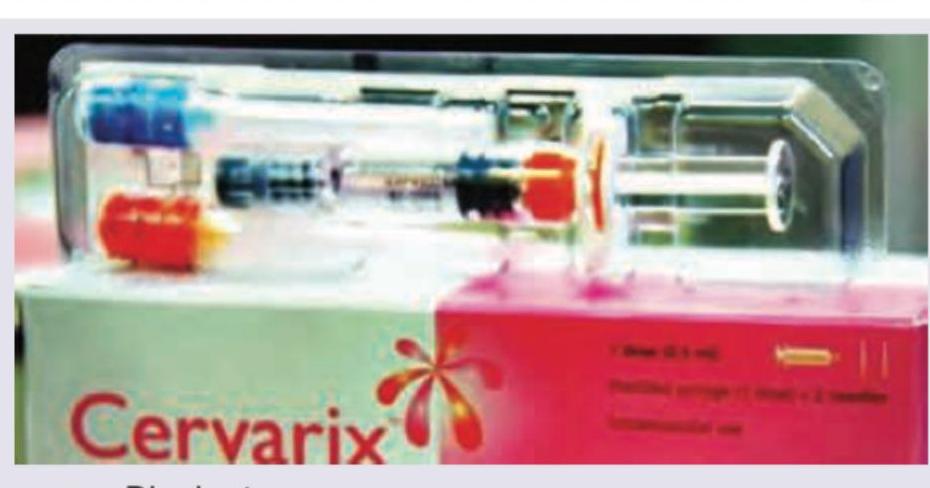
All are correct about the vaccine shown except:
Due to a measles outbreak in a community, a medical officer decided to immunize a child aged seven months with measles vaccine. When should the next measles vaccine be administered?
Explanation: ***Inactivated polio vaccine (IPV) is part of the routine immunization schedule for children.*** - **IPV is currently included** in India's Universal Immunization Programme (UIP) and is the standard for routine childhood immunization globally. - IPV is **safe and highly effective** at preventing paralytic polio without the risk of vaccine-associated paralytic polio (VAPP). - This is the **most current and directly applicable** statement about poliovirus vaccination practices. *Spastic paralysis* - Poliovirus causes **flaccid paralysis**, not spastic paralysis. - This results from destruction of **anterior horn cells** in the spinal cord, leading to lower motor neuron damage and loss of muscle tone. *Most cases are symptomatic* - This is **incorrect**. Approximately **95% of poliovirus infections are asymptomatic** or cause only mild, non-specific symptoms. - Only **<1% of infections** progress to paralytic poliomyelitis. *Historically, intramuscular injections during the incubation period were thought to increase paralysis risk* - This statement is **historically accurate** (phenomenon called "provocation poliomyelitis"). - However, this is a **historical observation** from the pre-vaccine era, whereas the correct answer reflects **current immunization practice**. - The question asks what is "true about polioviruses," making the current vaccination practice more relevant than historical epidemiological observations.
Explanation: ***Efficacy > 70% for cervical cancer*** - HPV vaccines are highly effective, with **bivalent, quadrivalent, and nonavalent vaccines** demonstrating remarkable efficacy against **high-grade cervical lesions** and **cervical cancer**, often exceeding 70% and even up to 90% against types 16 and 18. - The primary goal of HPV vaccination is to **prevent cervical cancer** caused by high-risk HPV types. *Two types are available in market* - This statement is incorrect; currently, there are **three types of HPV vaccines** available globally: **bivalent (targeting HPV 16/18)**, **quadrivalent (targeting HPV 6/11/16/18)**, and **nonavalent (targeting 9 HPV types)**. - The availability of vaccine types may vary by region, but more than two formulations exist worldwide. *Given in women age group 20-40 years* - HPV vaccination is primarily recommended for **adolescents and young adults**, typically starting around **age 11-12 years**, with catch-up vaccinations recommended up to **age 26 years** for those not previously vaccinated. - While some guidelines extend recommendations for individuals up to **age 45** after shared clinical decision-making, it is not routinely given across the broad 20-40 age group as a primary target. *Primary dose consists of 2 doses* - This statement is **incomplete and not universally true**; the HPV vaccination schedule **varies by age at initiation**. - For adolescents aged **9-14 years**, a **two-dose schedule** (0, 6-12 months) is recommended. - For individuals aged **15 years and older**, a **three-dose schedule** (0, 1-2, 6 months) is required for complete protection. - Since the schedule is age-dependent and not uniformly 2 doses, this statement cannot be considered fully correct.
Explanation: ***Given orally*** - Rotavirus vaccines are **live attenuated vaccines** administered orally to stimulate localized immunity in the gastrointestinal tract. - This oral route is crucial for inducing **mucosal immunity**, which is important for protection against rotavirus infection. *Killed vaccine* - The rotavirus vaccine is an **attenuated live vaccine**, meaning it contains weakened forms of the virus, not killed ones. - Live attenuated vaccines generally provide a **stronger and longer-lasting immune response** compared to killed vaccines. *Should be given before 5 years* - The rotavirus vaccine series is recommended to be completed in **infancy**, typically before 8 months of age, depending on the specific vaccine brand and schedule. - Giving the vaccine at too old an age increases the (still very small) risk of **intussusception** and a lack of efficacy. *Given subcutaneous* - Rotavirus vaccines are administered by the **oral route**, not subcutaneously. - The **subcutaneous route** is used for various other vaccines, but not for rotavirus.
Explanation: ***Both true, reason explains assertion*** - The **VZV (varicella-zoster virus) vaccine** is indeed a **live attenuated vaccine** containing weakened virus - the assertion is **TRUE** - It **cannot be given to immunocompromised patients** due to risk of vaccine-strain disease - the reason is **TRUE** - The reason **directly explains the assertion**: BECAUSE the vaccine is live attenuated, it poses infection risk and therefore cannot be used in immunocompromised individuals - The **causal relationship** is clear: live attenuated nature → contraindication in immunocompromised patients *Both true, reason doesn't explain assertion* - While both statements are factually true, this option would only be correct if the reason was unrelated to the assertion - However, the reason **directly explains WHY** the live attenuated nature is clinically significant - The contraindication is a **direct consequence** of the vaccine being live attenuated, so the reason does explain the assertion *Assertion true, reason false* - The assertion is true (VZV vaccine is live attenuated) - However, the reason is also **TRUE** - live attenuated vaccines are indeed contraindicated in immunocompromised patients due to risk of disseminated vaccine-strain infection - Since both statements are true, this option is incorrect *Assertion false, reason true* - The assertion is **TRUE**, not false - VZV vaccine (Varivax, Zostavax) is a **live attenuated vaccine** containing the Oka strain - This option incorrectly claims the assertion is false - Since the assertion is factually correct, this option cannot be right
Explanation: ***2 years*** - The **Typhoid Vi polysaccharide vaccine** is generally recommended for children starting at **2 years of age** because younger children may have a suboptimal immune response to polysaccharide vaccines. - This age limit helps ensure better **immunogenicity** and protection in the vaccinated child. *1 year 6 months* - While some vaccines are given around this age, the **Typhoid Vi polysaccharide vaccine** is not typically administered at **1 year 6 months** due to concerns about vaccine efficacy in very young children. - Administering it before **2 years** may lead to a less robust and protective immune response. *1 year* - **One-year-olds** generally do not respond as effectively to **polysaccharide vaccines** as older children. - The immune system matures, and the response to this specific type of vaccine improves significantly after the age of **2 years**. *6 months* - Vaccinating an infant at **6 months** with the **Typhoid Vi polysaccharide vaccine** is not recommended. - The immune system of an infant at this age is still developing and would likely produce an inadequate and **short-lived immune response** to this vaccine.
Explanation: ***It has an efficacy greater than 70% for cervical cancer.*** - HPV vaccines are highly effective in preventing **HPV infections**, which are the primary cause of cervical cancer. Studies show they have an efficacy of **over 70%** (and often much higher for certain strains) in preventing cervical precancers and cancers. - The vaccine works by inducing an immune response to the **HPV L1 capsid protein**, which prevents the virus from infecting cells. *It is given to women aged 20-40 years.* - The primary target group for HPV vaccination is **adolescents**, typically aged 9-14 years, before potential exposure to the virus. - While catch-up vaccination may be recommended for young adults up to age 26, routine vaccination in women aged 20-40 years is **less common and less effective** due to likely prior exposure. *The primary dose consists of 2 doses.* - For individuals initiating vaccination before their 15th birthday, the primary dose schedule consists of **2 doses**. - For individuals 15 years and older, a **3-dose schedule** is typically recommended. *There are two types available in the market.* - Currently, there are **three types** of HPV vaccines available globally: bivalent (targeting HPV 16, 18), quadrivalent (targeting HPV 6, 11, 16, 18), and **nonavalent (targeting HPV 6, 11, 16, 18, 31, 33, 45, 52, 58)**. - The specific types available in a particular market may vary, but globally, there are more than two.
Explanation: ***Sickle cell anemia patient*** - Individuals with **sickle cell anemia** are at a **high risk of invasive pneumococcal disease** due to functional asplenia, making PPV-23 highly beneficial for them. - The **PPV-23 vaccine** targets 23 serotypes of *Streptococcus pneumoniae* and is recommended for those aged 2 years and older with certain chronic medical conditions, including sickle cell disease. - This is one of the **strongest indications** for PPV-23 due to the severe immunocompromise from splenic dysfunction. *Child less than 2 years* - The **polysaccharide vaccines** like PPV-23 are generally **not effective in children younger than 2 years** as their immature immune system does not respond well to polysaccharide antigens. - For children in this age group, the **pneumococcal conjugate vaccine (PCV13)**, which elicits a T-cell-dependent immune response, is recommended. *Cystic fibrosis patient* - While patients with **cystic fibrosis** are at increased risk for respiratory infections, the primary pathogens are typically *Pseudomonas aeruginosa* and *Staphylococcus aureus*, not *Streptococcus pneumoniae*. - Although pneumococcal vaccination (including PPV-23) is generally recommended for individuals with chronic lung disease, it is **not as specifically indicated or beneficial as for sickle cell patients** who demonstrate profoundly impaired splenic function. *Patient with recurrent rhinitis and sinusitis* - **Recurrent rhinitis and sinusitis** are commonly caused by **viral infections**, allergies, or anatomical abnormalities, not typically by serious invasive pneumococcal disease against which PPV-23 offers protection. - While some episodes might involve *Streptococcus pneumoniae*, this condition does not place a patient in the same **high-risk category for severe, invasive pneumococcal infections** that would mandate PPV-23 vaccination as a primary intervention.
Explanation: ***Breastfeeding mothers*** - Live vaccines are generally **safe for breastfeeding mothers** and their infants, as the vaccine viruses are not typically excreted in breast milk in levels that can infect the infant. - The benefits of vaccinating the mother outweigh any theoretical risks, and it can provide **passive immunity** to the infant through antibodies in breast milk. *Pregnant women* - Live vaccines are **contraindicated during pregnancy** due to the theoretical risk of transmitting the attenuated virus to the fetus and causing congenital infection. - Examples include **MMR** and **varicella vaccines**, which should be administered before or after pregnancy. *Immunocompromised patients* - Live vaccines are **contraindicated** in individuals with compromised immune systems due to the risk of the attenuated vaccine virus causing **disseminated infection** or severe disease. - This includes patients with **HIV/AIDS** (with low CD4 counts), congenital immunodeficiencies, and those undergoing active cancer treatment. *Patients on high-dose immunosuppressants* - These patients are considered **immunocompromised**, and live vaccines are **contraindicated** because their suppressed immune system may not be able to effectively control the attenuated vaccine virus, leading to severe infection. - Examples of such medications include high-dose corticosteroids, chemotherapy agents, and biologics that target immune cells.
Explanation: ***Recommended in all women in age group 25-45 years*** - While Cervarix (HPV vaccine) is important for preventing **cervical cancer**, routine vaccination is primarily recommended for adolescents and young adults (up to age 26). - Catch-up vaccination for women aged 27-45 years is a shared clinical decision, not a universal recommendation for "all women" in that age group. *Bivalent* - **Cervarix** is a **bivalent vaccine**, meaning it protects against two HPV types: HPV-16 and HPV-18. - These two types are responsible for the majority of **cervical cancers**. *Recombinant vaccine* - HPV vaccines, including Cervarix, are **recombinant vaccines**. - They are specifically **virus-like particle (VLP) vaccines**, which means they contain no viral DNA and cannot cause infection. *3 dosages* - When initially introduced, Cervarix was administered in a **3-dose schedule** (0, 1-2, and 6 months). - For adolescents initiating vaccination before age 15, a 2-dose schedule is now often recommended, but a 3-dose schedule remains standard for older individuals or those with certain immunocompromising conditions.
Explanation: ***When the child completes nine months of age*** - A measles vaccine given at **seven months during an outbreak** is considered a **zero-dose** or **early dose** and does NOT replace the routine immunization schedule. - According to the **Indian National Immunization Schedule**, the routine first dose of measles vaccine (MR vaccine) is given at **9 months of age**, regardless of whether an earlier outbreak dose was administered. - Vaccines given before 9 months have **reduced efficacy** due to interference from maternal antibodies, making the 9-month dose essential for adequate seroconversion. - After the 9-month dose, a second dose is given at **16-24 months** as per routine schedule. *When the child completes fifteen months of age* - While 15-18 months is appropriate timing for the **second dose** of measles vaccine in the routine schedule, it is not the immediate next dose after a 7-month outbreak vaccination. - The child still requires the **routine 9-month dose first**, followed by the second dose at 16-24 months. - Skipping the 9-month dose and going directly to 15 months would leave a prolonged gap without adequate protection. *Not required* - This is **incorrect** because early doses given before 9 months are considered zero-doses and do not provide reliable long-term immunity. - The routine schedule **must still be followed** to ensure proper immunization, starting with the 9-month dose. *After four weeks* - A four-week interval after the 7-month dose is **too short** and not recommended in immunization guidelines. - There is **no indication** for such an early repeat dose; the child should wait until the routine 9-month schedule for the next dose.
Get full access to all questions, explanations, and performance tracking.
Start For Free