A group of experts delivered individual speeches on a common topic. There was no discussion allowed between them, and at the end, one person summarized the key points. What is this type of academic session called?
An image of the mascot is shown below. Identify the related national health programme.
Confidentiality is maintained in which of the following conditions?
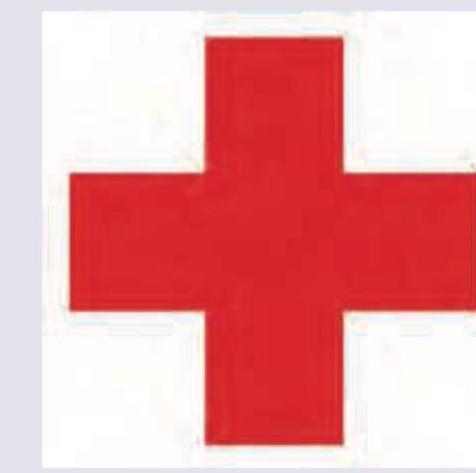
Identify the symbol given in the image below:
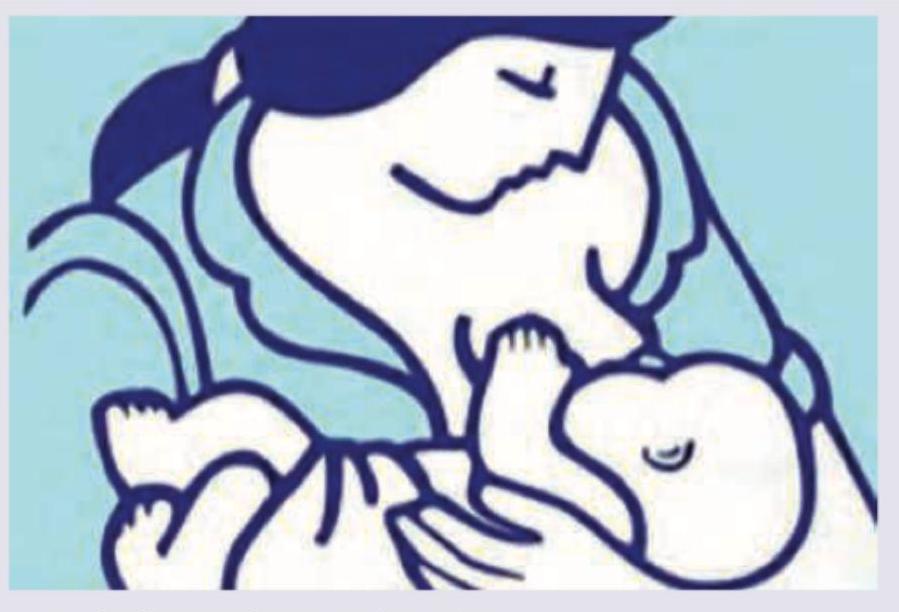
The given image represents which of the following?
Which of the following are health education models ? 1. Medical model 2. Motivation model 3. Persuasion model 4. Social intervention model Select the correct answer using the code given below :
Which among the following are characteristics of health education, rather than propaganda? 1. Knowledge actively acquired, rather than instilled 2. Appeals to emotion, rather than reason 3. Behaviour centred, rather than information centred 4. Arouses and stimulates primitive desires, rather than disciplines them Select the correct answer using the code given below.
Direct mailing as a means of communication, is an example of:
In healthcare settings, a series of meetings where individuals work within small groups to arrive at a plan of action for addressing health problems or implementing interventions is called
Consider the following: 1. Health Education 2. Treatment of hypertension 3. Screening for cervical cancer 4. Changing lifestyles to prevent stress Which are the examples of primordial prevention?
Explanation: ***Symposium*** - This format involves several experts presenting **individual, prepared papers or speeches** on different aspects of a single, common theme or subject - It is characterized by a **lack of immediate discussion** among the presenters, focusing instead on the delivery of pre-planned content - Typically followed by a **summary** or Q&A session with the audience, fitting the description exactly in this scenario *Panel discussion* - This involves a group of experts (panelists) engaging in a **structured, spontaneous discussion** about a specific topic, facilitated by a moderator - The defining feature is the **interactive debate and exchange of views** among the experts, which contradicts the scenario where 'no discussion was allowed' between them *Seminar* - Typically involves a smaller group or class led by one or more experts, focusing on the **specialized study and intensive examination** of a particular subject - Seminars are generally **highly interactive**, requiring active participation and discussion from attendees (students), often involving reading and prepared papers - Does not match the format of individual speeches without discussion *Workshop* - This session emphasizes the development of **practical skills and techniques**, usually requiring active participation and hands-on group tasks by the attendees - Centered on **experiential learning activities** rather than predominantly listening to individual presentations - Unlike the formal delivery of speeches described in the question
Explanation: ***National Leprosy eradication programme*** - The mascot shown in the image is **"Sapna"**, who is the official mascot for the **National Leprosy Eradication Programme (NLEP)** in India. - The mascot is used in Information, Education, and Communication (IEC) activities to reduce the stigma associated with leprosy and promote the message that it is completely curable with **Multi-Drug Therapy (MDT)**. *National Tuberculosis Elimination Programme* - The **National Tuberculosis Elimination Programme (NTEP)** does not use this mascot; its campaign is famously known by the slogan **"TB Harega Desh Jeetega"**. - The programme focuses on early diagnosis and treatment of tuberculosis using strategies like the **Directly Observed Treatment, Short-course (DOTS)**. *National Anti-Malaria Programme* - This programme, now under the **National Vector Borne Disease Control Programme (NVBDCP)**, does not have a specific mascot like the one shown. - Its awareness campaigns typically focus on preventive measures like using mosquito nets, repellents, and preventing water stagnation to control the mosquito vector. *National Polio Surveillance Program* - The polio eradication campaign in India is widely recognized by its slogan **"Do Boond Zindagi Ki"** (Two drops of life) and is associated with administering the **Oral Polio Vaccine (OPV)**. - It does not use the "Sapna" mascot; its campaigns often feature prominent celebrities and visuals of health workers administering polio drops.
Explanation: ***Counselling***- **Counselling** is a private, one-on-one interaction where the counselor is ethically and legally bound to maintain the client's information as **confidential**.- The foundation of successful **counselling** relies heavily on establishing trust, which is achieved through adherence to strict **confidentiality** rules.*Group discussion*- *Group discussion* involves multiple participants discussing a topic, making the shared information inherently public among the group members, thus negating **confidentiality**.- While privacy among group members might be implied, there is no formal professional obligation or structure ensuring that information remains strictly private outside the *group discussion*.*Panel discussion*- A *panel discussion* is a public forum where a group of experts discusses a subject in front of a larger audience, meaning all information shared is immediately public and not **confidential**.- The primary goal is dissemination of information and expert opinion to a broad audience, conflicting with the concept of **confidentiality**.*Seminar*- A *seminar* is an educational presentation or meeting, usually involving a presenter and an audience, where information is shared publicly.- The format of a *seminar* is designed for open learning and exchange, preventing the maintenance of **confidentiality** for any data or client-specific details presented.
Explanation: ***International Red Cross*** - The image clearly displays a **red cross on a white background**, which is the universally recognized emblem of the **International Red Cross and Red Crescent Movement**. - This symbol signifies **neutrality** and **humanitarian aid** in conflicts and disasters, protecting medical personnel and facilities. *National ambulance service* - National ambulance services often use a **star of life** symbol or a country-specific emblem, which is not depicted here. - While an ambulance might have a red cross, it's typically part of a larger logo or an international aid context, not solely representing a national service. *Medical staff* - Medical staff themselves do not have one universal symbol; instead, they might wear various badges or uniforms depending on their profession and institution. - The red cross represents an organization providing medical and humanitarian aid, rather than individual medical staff. *Dhaka plan* - The **Dhaka Plan** refers to a strategic framework for disaster risk reduction in Bangladesh and has no specific visual symbol resembling a red cross. - This option is unrelated to the universally recognized symbol shown in the image.
Explanation: ***Baby friendly hospital initiative*** - The image clearly depicts a mother **breastfeeding** her infant, which is the central tenet promoted by the **Baby Friendly Hospital Initiative (BFHI)**. - The BFHI, launched by UNICEF and WHO, aims to optimize maternal and child health by creating a **supportive environment for breastfeeding** in healthcare facilities. *India newborn action plan* - This plan focuses on strategies to **reduce neonatal mortality** and morbidity in India, including aspects beyond just breastfeeding, such as essential newborn care, management of sickness, and facility-based care. - While breastfeeding is a part of newborn care, the image is a specific representation of **breastfeeding promotion**, not the broader action plan. *Kangaroo mother care* - **Kangaroo mother care (KMC)** involves specific skin-to-skin contact between a mother (or father) and a newborn, often for premature or low birth weight infants, to provide thermal regulation, promote breastfeeding, and facilitate bonding. - While KMC can facilitate breastfeeding, the image shows a typical breastfeeding position, not necessarily the specific **skin-to-skin, upright position characteristic of KMC**. *Mission Indradhanush* - **Mission Indradhanush** is an immunization program in India that aims to **increase vaccination coverage** for preventable diseases among children and pregnant women. - This initiative is unrelated to the visual of a mother breastfeeding her infant, as it focuses specifically on **vaccination**.
Explanation: ***1, 2 and 3*** - The **Medical model**, **Educational/Motivation model**, and **Persuasion model** are considered the three classical/traditional health education models in standard community medicine classification. - **Medical Model**: Focuses on medical information dissemination and disease prevention through expert-driven interventions. - **Educational/Motivation Model**: Emphasizes voluntary behavior change through information, education, and personal motivation. - **Persuasion Model**: Uses persuasive communication techniques and social marketing to influence health behaviors. - According to the classification used in this examination context, these three constitute the primary health education models. *1, 3 and 4* - While the **Medical model** and **Persuasion model** are classical health education models, the **Social Intervention Model** represents a broader, more contemporary approach. - The Social Intervention Model (also called Social Change Model) focuses on modifying social structures, policies, and environmental factors rather than primarily targeting individual behavior change. - In traditional classifications, it may be categorized separately from the three classical individual-focused models. *2, 3 and 4* - The **Educational/Motivation model** and **Persuasion model** are recognized classical health education models. - However, based on traditional classification systems, the **Social Intervention Model** is sometimes distinguished as a macro-level societal approach rather than grouped with individual-focused health education models. *1, 2 and 4* - The **Medical model** and **Educational/Motivation model** are established classical health education models. - The **Social Intervention Model**, while important in modern public health practice, represents a different paradigm focusing on community-wide and policy-level changes rather than the individual/group education focus of classical models. - Traditional health education frameworks distinguish between individual behavior change models (options 1, 2, 3) and broader social change approaches (option 4).
Explanation: ***1 and 3*** - **Health education** empowers individuals to make informed decisions by facilitating the **active acquisition of knowledge**, promoting understanding over mere instillation of facts. - It is inherently **behavior-centered**, aiming to translate knowledge into practical actions and sustainable healthy habits, rather than just disseminating information. *2 and 3* - While health education is behavior-centered (point 3), it primarily appeals to **reason and critical thinking**, not emotion (point 2). - Propaganda, in contrast, often appeals to emotions to manipulate beliefs without necessarily fostering genuine understanding. *1 and 2* - **Health education** involves active knowledge acquisition (point 1) but does not primarily appeal to emotion (point 2). - Appealing to emotion is a characteristic more aligned with propaganda, which seeks to bypass critical thought. *3 and 4* - **Health education** is behavior-centered (point 3) but aims to **discipline behaviors** through informed choice, rather than arousing primitive desires (point 4). - The arousal of primitive desires is a manipulative tactic often associated with propaganda, not legitimate health education.
Explanation: ***Individual approach*** - Direct mailing involves sending messages to **specific individuals by name and address**, making it a **personalized communication** method. - Each recipient receives an individually addressed communication, allowing for **tailored content** based on recipient characteristics. - It permits **individual follow-up and response**, which is characteristic of individual approach methods in health education. - In Community Medicine classification, direct mail is considered an individual approach because it targets specific persons, not undifferentiated masses. *Mass approach* - Mass approach uses **mass media** (TV, radio, newspapers, billboards) that reach large populations simultaneously without individual targeting. - Mass communication cannot identify or address specific individuals by name. - Direct mailing, despite reaching many people, addresses each person individually, distinguishing it from true mass communication. *Group approach* - Group approach involves communication with **defined small groups** with shared context (group discussions, seminars, demonstrations). - Direct mailing lacks the **interactive, collective experience** characteristic of group communication methods. *Two way communication* - While direct mailing allows for responses, the initial transmission is **one-way**. - However, the individual addressing makes it an individual approach, not defined by its one-way nature.
Explanation: ***group discussion*** - In the context of health education methods, **group discussion** refers to a participatory technique where individuals work collaboratively in small groups through a series of meetings to analyze health problems and develop action plans. - This method emphasizes **collective decision-making**, consensus building, and shared responsibility for planning and implementing health interventions. - Group discussions in healthcare settings are characterized by their **action-oriented approach** focused on problem-solving and intervention planning. *role play* - **Role play** is a simulation-based learning technique where participants enact specific roles or scenarios to practice communication skills, patient interactions, or clinical situations. - It is primarily a **training and skill development tool**, not designed for systematic planning or developing action plans for real health interventions. *focus groups* - **Focus groups** are qualitative research tools used to gather in-depth information about perceptions, attitudes, beliefs, and opinions from a selected group of participants. - Their primary purpose is **data collection and exploration** of perspectives rather than formulating and implementing action plans for health problems. *workshop* - A **workshop** is an intensive educational and training session that focuses on skill-building, knowledge transfer, and hands-on learning in specific subject areas. - While workshops may include group activities and problem-solving components, the term typically emphasizes **structured teaching and learning** rather than the continuous collaborative planning process described in the question.
Explanation: ***1 and 4*** - **Primordial prevention** aims to prevent the development of risk factors themselves, targeting societal and environmental determinants of health before risk factors even emerge. - **Health education** when directed at populations promotes healthy habits and attitudes from a young age (e.g., healthy diet, physical activity, avoiding tobacco), preventing the establishment of risk factors in the first place. - **Changing lifestyles to prevent stress** addresses root causes of potential future health issues by preventing the emergence of stress-related risk factors, clearly aligning with primordial prevention. *2 and 3* - **Treatment of hypertension** is an example of **tertiary prevention**, as it aims to prevent complications (like stroke or heart disease) in individuals who already have an established disease (hypertension). - **Screening for cervical cancer** is **secondary prevention**, as it involves early detection of an existing disease or pre-disease state (CIN) to prevent its progression. - Both are not examples of primordial prevention. *1 and 3* - While **health education** can be a component of primordial prevention when preventing risk factor emergence, **screening for cervical cancer** is an example of **secondary prevention**, focusing on early detection. - This option incorrectly groups a primordial prevention strategy with a secondary prevention strategy. *2 and 4* - **Treatment of hypertension** is a form of **tertiary prevention**, addressing an established disease to prevent complications. - While **changing lifestyles to prevent stress** is a primordial prevention strategy, the inclusion of treatment for hypertension (which is tertiary prevention) makes this option incorrect.
Principles of Health Education
Practice Questions
Communication Theories
Practice Questions
Methods of Health Education
Practice Questions
Planning Health Education Programs
Practice Questions
Audio-Visual Aids
Practice Questions
Mass Media in Health Communication
Practice Questions
Information, Education, and Communication (IEC)
Practice Questions
Behavior Change Communication (BCC)
Practice Questions
Social Media in Health Education
Practice Questions
Evaluation of Health Education Programs
Practice Questions
Health Literacy
Practice Questions
Risk Communication
Practice Questions
Get full access to all questions, explanations, and performance tracking.
Start For Free