According to WHO, what chloride level is considered acceptable?
Which metal is considered most undesirable in drinking water?
What is heat stroke?
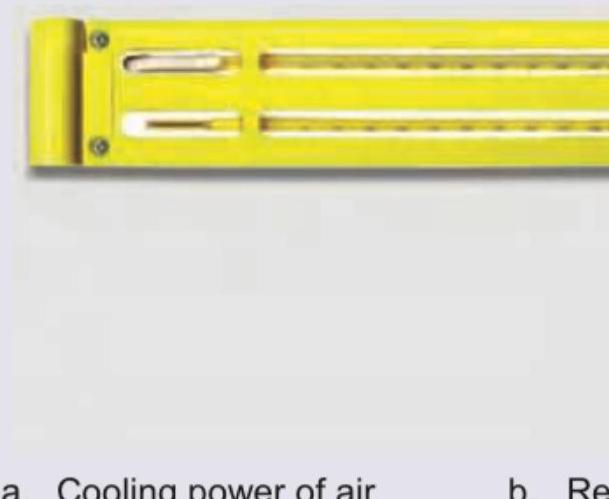
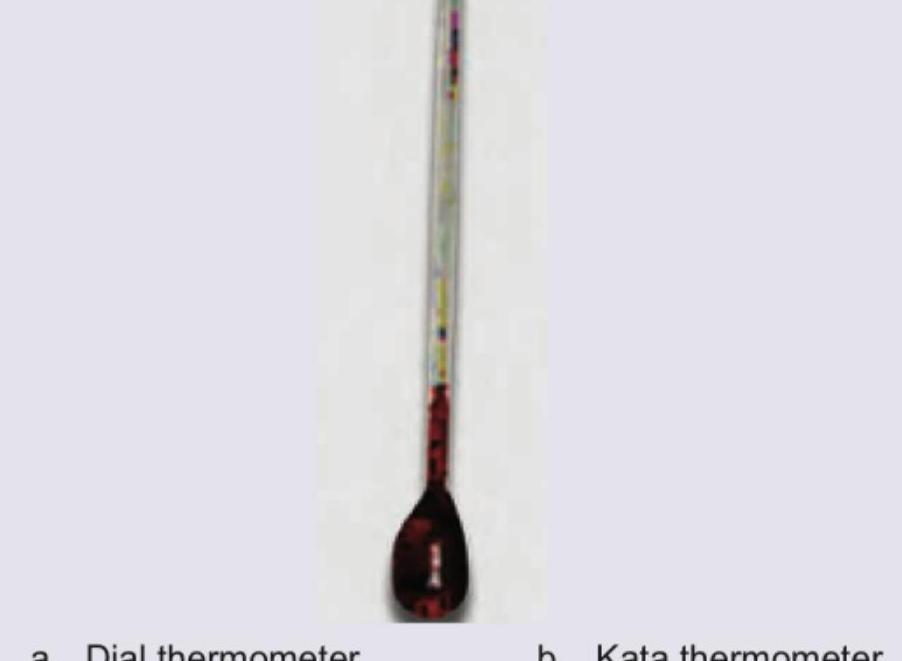
A Kata thermometer is used to measure:
In the Otolidine Arsenite test, errors caused by the presence of interfering substances are overcome for all except?
A 24-year-old female presents with a pattern of flamboyant dressing, frequent dating with monthly changes in partners, and enthusiastic planning of marriage and future with each partner. She often seeks attention by fabricating stories, feels uncomfortable at large parties and leaves them midway. She makes promises that are impossible to keep, seemingly to gain approval, and when she breaks them, she creates stories to elicit sympathy and compassion. What is the most likely diagnosis?
Which of the following is NOT an indicator for air pollution?
Drinking water is best made free of cyclops by which method?
What is the residual chlorine concentration required for adequate disinfection of a water supply to prevent waterborne pathogens?
All of the following are essential for a well to meet the criteria of a sanitary well, EXCEPT:
Explanation: **Explanation:** The correct answer is **200 mg/L**. According to the WHO Guidelines for Drinking-water Quality, chloride concentrations in excess of about 250 mg/L can give rise to a detectable salty taste in water, though the threshold can vary. For practical purposes and aesthetic acceptability, the **WHO guideline value (and the Indian Standard IS 10500)** sets the acceptable limit at **200 mg/L**. **Analysis of Options:** * **0.2 mg/L (Option A):** This value is typically associated with the minimum required **residual free chlorine** level in drinking water (after 30 minutes of contact time) to ensure disinfection, not the chloride mineral content. * **0.5 mg/L (Option B):** This is often cited as the standard for residual chlorine during emergency outbreaks or as the upper limit for certain specific chemical contaminants, but it is far too low for chloride. * **45 mg/L (Option C):** This is the acceptable limit for **Nitrates** in drinking water. High nitrates (>45 mg/L) are clinically significant as they cause Infantile Methaemoglobinaemia (Blue Baby Syndrome). * **200 mg/L (Option D):** This is the standard acceptable limit for **Chlorides**. While not toxic to humans at this level, higher concentrations (Permissible limit up to 1000 mg/L in the absence of an alternate source) lead to corrosion of pipes and unpalatable taste. **High-Yield Clinical Pearls for NEET-PG:** * **Chloride vs. Chlorine:** Do not confuse *Chloride* (a mineral/ion) with *Chlorine* (a disinfectant). * **Horrocks’s Apparatus:** Used to estimate the dose of bleaching powder required to disinfect water. * **OT Test (Orthotolidine):** Used to determine both free and combined chlorine; however, the **OTD Test** (Orthotolidine-Arsenite) is preferred to distinguish between the two. * **Hardness of Water:** Acceptable limit is **200 mg/L** (same as chloride), with a permissible limit up to 600 mg/L.
Explanation: **Explanation:** **Lead (Pb)** is considered the most undesirable metal in drinking water because it is a potent **cumulative neurotoxin** with no known safe level of exposure. Unlike the other options, lead serves no physiological function in the human body. Even at low concentrations, chronic ingestion leads to **plumbism**, characterized by cognitive impairment, peripheral neuropathy (wrist drop/foot drop), and anemia (due to inhibition of ALAD and ferrochelatase enzymes). In children, it is particularly dangerous as it permanently lowers IQ and stunts growth. **Why other options are incorrect:** * **Iron (Fe):** While high levels cause an unpleasant metallic taste and staining of laundry/fixtures, iron is an essential nutrient. It is considered an "aesthetic" contaminant rather than a primary health hazard at moderate levels. * **Copper (Cu) & Zinc (Zn):** Both are essential trace elements required for enzymatic functions. While excessive amounts can cause gastrointestinal distress (nausea/vomiting), they are significantly less toxic than lead and are rarely associated with permanent systemic organ damage through drinking water. **High-Yield Clinical Pearls for NEET-PG:** * **Burtonian Line:** A bluish-purple line on the gums, a classic sign of chronic lead poisoning. * **Basophilic Stippling:** A characteristic finding on a peripheral blood smear in lead toxicity. * **Water Quality Standards:** According to WHO and BIS (IS 10500), the acceptable limit for Lead in drinking water is **0.01 mg/L**. * **Plumbing:** Lead enters water primarily through the corrosion of old lead pipes and solder (plumbosolvency).
Explanation: **Explanation:** **Heat Stroke** is a life-threatening medical emergency characterized by a failure of the body’s thermoregulatory mechanism. The correct answer is **Heat hyperthermia** because heat stroke represents the extreme end of the hyperthermia spectrum, where the core body temperature rises above **40.6°C (105°F)**, leading to profound physiological dysfunction and multi-organ failure. **Why the other options are incorrect:** * **Heat Cramps:** These are painful, involuntary muscle spasms resulting from salt (electrolyte) depletion, usually occurring after strenuous exercise in heat. The body temperature remains normal. * **Heat Collapse (Heat Syncope):** This is a transient loss of consciousness due to peripheral vasodilation and orthostatic hypotension. It is a circulatory failure rather than a failure of the heat-regulating center. * **Heat Exhaustion:** This is caused by excessive loss of water and electrolytes. While the patient may feel weak and have a mild temperature elevation, the thermoregulatory mechanism is still functional, and the mental status remains intact. **High-Yield Clinical Pearls for NEET-PG:** * **The Triad of Heat Stroke:** 1. Hyperpyrexia (>40.6°C), 2. Anhidrosis (absence of sweating—though not always present in exertional cases), and 3. Central Nervous System (CNS) dysfunction (confusion, delirium, or coma). * **Management:** the gold standard is **rapid cooling** (cold water immersion or evaporative cooling) to bring the core temperature down to 39°C as quickly as possible. * **Key Distinction:** Unlike fever, hyperthermia in heat stroke does **not** involve a change in the hypothalamic set-point; therefore, antipyretics like Paracetamol are ineffective.
Explanation: **Explanation:** The **Kata thermometer** is a specialized alcohol thermometer used primarily to measure the **cooling power of air**. It does not measure temperature directly; rather, it measures the rate of heat loss from the instrument itself to the surrounding environment. 1. **Why "Air Cooling Power" is correct:** The Kata thermometer has a large bulb filled with red-colored spirit. It is heated in hot water until the spirit rises into the top reservoir. It is then dried and suspended in the air. The time taken for the spirit to fall from $100^\circ F$ to $95^\circ F$ (or $38^\circ C$ to $35^\circ C$) is recorded. This "cooling time," combined with the instrument's specific "Kata factor," allows for the calculation of the air's cooling power, which reflects the combined effect of air temperature, humidity, and air velocity. 2. **Why other options are incorrect:** * **Air pressure:** Measured by a **Barometer** (e.g., Aneroid or Mercury barometer). * **Degree of hotness (Temperature):** Measured by a standard **Dry Bulb thermometer**. * **Air density:** Calculated based on pressure, temperature, and humidity; it is not a direct measurement of a Kata thermometer. **High-Yield Clinical Pearls for NEET-PG:** * **Low Velocity Air:** The Kata thermometer is particularly useful for measuring very low air velocities (below 1 meter/second) in indoor environments. * **Silvered Kata Thermometer:** A variant used to eliminate the effect of radiant heat, focusing purely on convection and evaporation. * **Globe Thermometer:** Used to measure **radiant heat** (often confused with Kata in exams). * **Anemometer:** Used for measuring high-velocity outdoor wind speeds. * **Psychrometer/Hygrometer:** Used to measure **humidity**.
Explanation: The **Orthotolidine Arsenite (OTA) Test** is a modification of the standard OT test designed to quantitatively distinguish between Free Residual Chlorine (FRC), Combined Residual Chlorine (CRC), and false-positive readings caused by interfering substances. ### Why Magnesium is the Correct Answer The OTA test is specifically designed to eliminate interference from chemical oxidants that mimic the yellow color produced by chlorine. **Magnesium** does not act as an oxidizing agent in water and does not react with Orthotolidine to produce a false-positive color. Therefore, it is not considered an "interfering substance" that the test needs to overcome. ### Explanation of Incorrect Options (Interfering Substances) The following substances are known to cause false-positive results in the standard OT test by oxidizing the reagent: * **Iron (Ferric compounds):** Can produce a yellow color similar to chlorine. * **Manganese (Manganic compounds):** A common source of error in well water that produces a false yellow tint. * **Nitrites:** Often present in polluted water, these can also interfere with the colorimetric reading. The OTA test overcomes these by adding **Sodium Arsenite**. Since Sodium Arsenite neutralizes chlorine immediately but does not react with the interfering oxidants, the "Arsenite-only" sample provides a baseline for the color caused solely by these impurities, which is then subtracted from the total. ### High-Yield Facts for NEET-PG * **OT Test:** Measures *Total* chlorine (Free + Combined) but cannot distinguish between them and is prone to errors from interferences. * **OTA Test:** Distinguishes Free from Combined chlorine and eliminates errors from Iron, Manganese, and Nitrites. * **DPD Test (Gold Standard):** The Diethyl-p-phenylene diamine test is now preferred over OTA as it is more accurate and the modern standard for measuring residual chlorine. * **Contact Time:** For effective disinfection, the recommended contact time for chlorine is **60 minutes**.
Explanation: **Explanation:** The clinical presentation describes a classic case of **Histrionic Personality Disorder (HPD)**. The core feature of HPD is a pervasive pattern of excessive emotionality and attention-seeking behavior. **Why Option B is Correct:** The patient exhibits several diagnostic criteria for HPD: * **Attention-seeking:** Fabricating stories and flamboyant dressing to remain the center of attention. * **Shallow/Rapidly shifting emotions:** Enthusiastic planning of marriage with monthly partner changes. * **Impressionistic speech:** Making grand promises to gain approval without substance. * **Discomfort when not the center of attention:** Leaving parties midway if she feels ignored. * **Manipulation:** Using sympathy and compassion to mitigate the consequences of broken promises. **Why Other Options are Incorrect:** * **A. Borderline Personality Disorder:** While both involve unstable relationships, BPD is characterized by intense anger, self-harm, chronic feelings of emptiness, and a profound fear of abandonment, which are absent here. * **C. Dependent Personality Disorder:** These individuals are submissive and clingy, needing others to take responsibility for their lives. They do not typically exhibit flamboyant or attention-seeking behavior. * **D. Antisocial Personality Disorder:** Characterized by a disregard for the rights of others, law-breaking, and lack of remorse. While the patient "breaks promises," her motive is to gain sympathy/attention rather than exploitation or criminal gain. **High-Yield Clinical Pearls for NEET-PG:** * **HPD Mnemonic (PRAISE ME):** **P**rovocative behavior, **R**elationships (considered more intimate than they are), **A**ttention-seeking, **I**nfluenced easily, **S**peech (impressionistic), **E**motional lability, **M**ake-up (physical appearance), **E**xaggerated emotions. * **Defense Mechanism:** The primary defense mechanism used in HPD is **Dissociation** or **Regression**. * **Gender:** Historically diagnosed more frequently in females.
Explanation: **Explanation:** In Environmental Health, air pollution indicators are specific substances or measurements used to assess the quality of ambient air. **1. Why Carbon Dioxide (CO2) is the Correct Answer:** While CO2 is a greenhouse gas associated with global warming, it is **not** considered a conventional indicator of air pollution. CO2 is a natural constituent of the atmosphere and is non-toxic at standard concentrations. In public health, CO2 levels are used as an indicator of **ventilation efficiency** in indoor spaces (overcrowding) rather than an indicator of outdoor air pollution. **2. Analysis of Other Options:** * **Sulphur Dioxide (SO2):** This is a major indicator of air pollution, primarily resulting from the combustion of fossil fuels. It serves as a proxy for industrial pollution and is a key component of the Air Quality Index (AQI). * **Soiling Index (Coefficient of Haze):** This measures the degree of particulate matter (smoke/dust) that stains a filter paper. It is a classic physical indicator used to quantify suspended particulate matter in the air. * **Smoke Index:** This refers to the measurement of particulate matter and smoke density in the atmosphere, often assessed via the Ringelmann scale or reflectometry. **High-Yield Clinical Pearls for NEET-PG:** * **Best Indicator of Air Pollution:** Sulphur Dioxide (SO2) is traditionally considered the best single indicator of air pollution. * **Indoor Air Pollution:** The most common indoor air pollutant in rural India is **biomass fuel smoke**, while the most sensitive indicator of indoor ventilation is **CO2 levels** (should not exceed 0.1% or 1000 ppm). * **Lichens:** These are biological indicators of air pollution (especially SO2); they disappear in highly polluted areas. * **AQI Parameters:** In India, the National Air Quality Index monitors 8 pollutants: PM10, PM2.5, NO2, SO2, CO, O3, NH3, and Pb.
Explanation: **Explanation:** The correct answer is **Chlorination**. **1. Why Chlorination is the Best Method:** Cyclops (water fleas) serve as the intermediate host for *Dracunculus medinensis* (Guinea worm). While several methods can remove cyclops, **chlorination** (specifically using chlorine at a dose of **2 mg/L**) is considered the most effective and practical method for large-scale water treatment. It not only kills the cyclops but also provides residual disinfection against other water-borne pathogens. In field conditions, **Abate (Temephos)**, an organophosphorus insecticide, is also highly effective at a concentration of 1 mg/L to kill cyclops without altering the taste of water. **2. Why Other Options are Incorrect:** * **Filtration:** While physical filtration using a fine mesh or "nylon cloth" (pore size <0.15 mm) can physically remove cyclops, it is often considered a household-level primary intervention rather than the "best" definitive method for community-wide water safety. * **Boiling:** Boiling is the most effective method for killing all microorganisms and cyclops at a household level. However, it is not sustainable or cost-effective for large populations or community water supplies. **3. High-Yield Clinical Pearls for NEET-PG:** * **Intermediate Host:** Cyclops is the intermediate host for **Guinea Worm** (*Dracunculus*) and **Fish Tapeworm** (*Diphyllobothrium latum*). * **Eradication:** India was declared Guinea Worm-free in February 2000. * **Chemical Control:** Temephos (Abate) is the chemical of choice for cyclops control in step-wells. * **Biological Control:** Larvivorous fish (e.g., Gambusia, Lebistes) can also be used to prey on cyclops. * **Step-wells:** Converting step-wells into draw-wells is a permanent environmental measure to prevent Guinea worm transmission.
Explanation: ### Explanation **1. Why 0.5 mg/L is the Correct Answer:** Chlorination is the most common method of water disinfection. For effective disinfection, the "Chlorine Demand" of the water must first be met. The correct answer is **0.5 mg/L** because this is the standard recommended **Free Residual Chlorine** level that should remain in the water after a **contact period of 60 minutes**. This residual amount serves as a safeguard against subsequent post-treatment contamination during distribution and is sufficient to kill most waterborne pathogens, including the enteric bacteria and viruses (though not protozoal cysts). **2. Analysis of Incorrect Options:** * **0.1 mg/L (Option C):** This concentration is too low to provide a reliable safety margin against re-contamination in large distribution systems. * **1 mg/L (Option B):** While safer, this is generally reserved for situations with high risk (e.g., during outbreaks) or for specific disinfection protocols like "break-point chlorination" targets, but it is not the standard baseline requirement. * **2.5 mg/L (Option D):** This level is excessively high for routine drinking water; it would cause a strong medicinal taste and odor, leading to poor public compliance. **3. Clinical Pearls & High-Yield Facts for NEET-PG:** * **Contact Time:** The standard contact time required for chlorine to act is **1 hour**. * **Horrocks’ Apparatus:** Used to estimate the dose of bleaching powder required to disinfect a specific volume of water. * **OT Test (Orthotolidine):** Used to detect free and combined chlorine. The **OTD (Orthotolidine Arsenite) Test** is superior as it differentiates between free residual chlorine, combined residual, and false positives from nitrites/iron. * **Chlorine Demand:** = (Chlorine Applied) – (Free Residual Chlorine). * **Cyclops:** Chlorine does not kill Cyclops (vector for Guinea worm) at standard doses; physical filtration or higher doses are needed.
Explanation: ### Explanation In Community Medicine, a **Sanitary Well** is defined by specific structural and locational criteria designed to prevent waterborne diseases (like Cholera and Typhoid). **1. Why Option C is the Correct Answer:** The distance a user travels to collect water is a **service level/accessibility criterion**, not a structural requirement for the well itself to be considered "sanitary." According to the *Operational Guidelines for Jal Jeevan Mission*, the goal is to provide water within the household premises or within a distance of **100 meters** in rural areas. The 500-meter limit is an outdated or irrelevant metric for defining the sanitary integrity of a well. **2. Analysis of Incorrect Options (Sanitary Requirements):** * **Option A (Location):** A sanitary well must be located at least **15 meters (50 feet)** away from sources of contamination (latrines, soakage pits) to prevent sub-surface seepage of pathogens. * **Option B (Consumer Responsibility):** For a well to remain sanitary, the community must be educated on its proper use (e.g., not washing clothes near the well, using a dedicated bucket). Maintenance is a shared responsibility. * **Option C (Parapet Wall):** A parapet wall of at least **70–75 cm** is essential to prevent surface washings, animals, and children from falling into the well. **High-Yield NEET-PG Pearls:** * **Lining:** The well should be lined with bricks or stones up to a depth of at least **6 meters (20 feet)** to prevent sub-soil seepage. * **Platform:** A cement-concrete apron/platform should extend **1 meter** all around the well with a outward slope. * **Disinfection:** The most common method for well disinfection is **Bleaching Powder**. The standard dose is roughly 2.5g per 1000 liters to achieve a residual chlorine of 0.5 mg/L after 1 hour of contact time.
Water Quality and Health
Practice Questions
Air Pollution and Health Effects
Practice Questions
Solid Waste Management
Practice Questions
Hazardous Waste Management
Practice Questions
Housing and Health
Practice Questions
Noise Pollution
Practice Questions
Radiation Health Effects
Practice Questions
Climate Change and Health
Practice Questions
Environmental Impact Assessment
Practice Questions
Disaster Management and Preparedness
Practice Questions
Vector Control
Practice Questions
Environmental Legislation
Practice Questions
Get full access to all questions, explanations, and performance tracking.
Start For Free