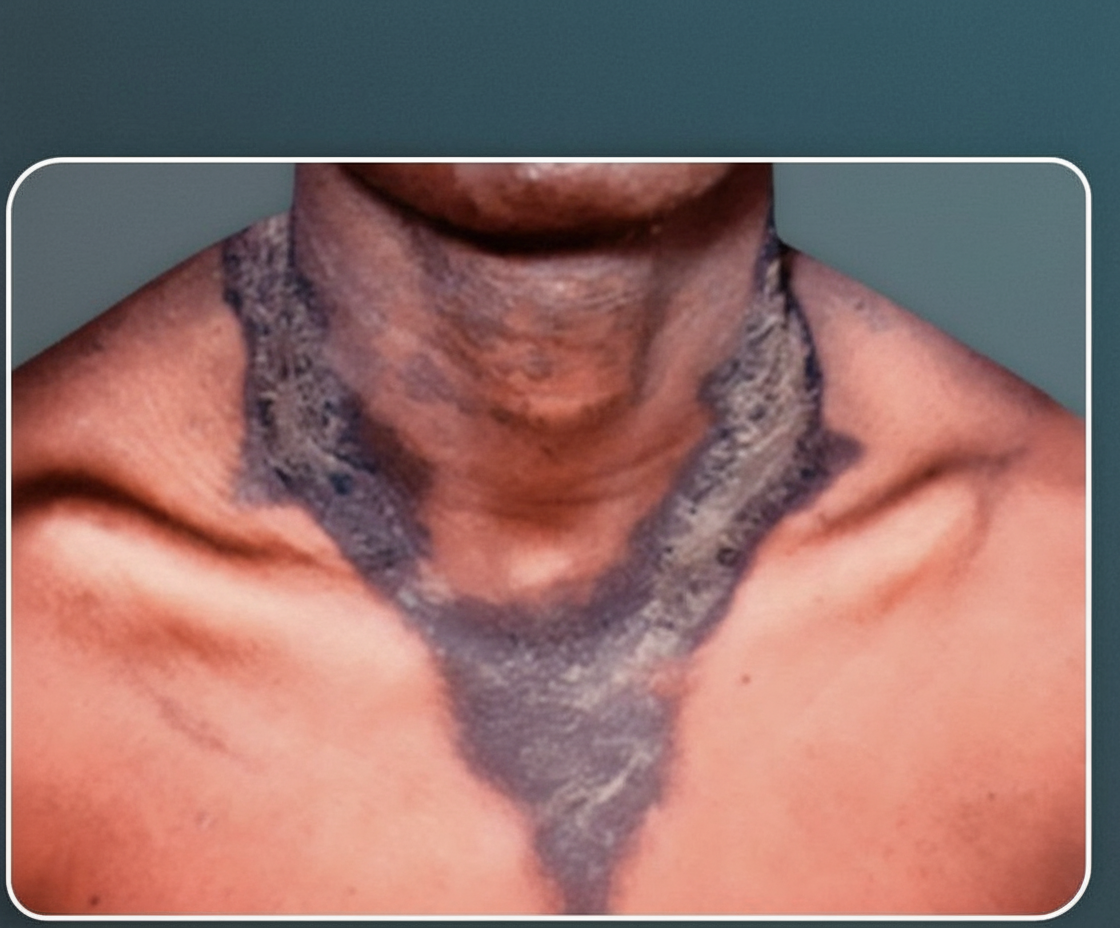
Transamination reactions require which vitamin as a coenzyme?
Overdose of vitamin A mainly affects which cellular component?
Thiamine pyrophosphate (TPP) acts as a cofactor for which of the following enzymes?
The formation of 25-hydroxycholecalciferol takes place in which organ?
Which of the following is an antioxidant vitamin?
Which of the following is not an antioxidant?
Increased Vitamin B12 levels are seen in all the following conditions except:
Which of the following is not a good source of vitamin D?
What is caused by Vitamin E toxicity?
A deficiency of vitamin D can lead to all of the following conditions, except:
Explanation: **Explanation:** **1. Why Pyridoxine is Correct:** Transamination is the first step in the catabolism of most amino acids, involving the transfer of an amino group to a keto acid (usually $\alpha$-ketoglutarate). This reaction is catalyzed by **Aminotransferases** (e.g., ALT, AST). These enzymes require **Pyridoxal Phosphate (PLP)**, the active form of **Vitamin B6 (Pyridoxine)**, as an essential coenzyme. PLP acts as a temporary carrier of the amino group, forming a "Schiff base" intermediate during the reaction. **2. Why Other Options are Incorrect:** * **Thiamine (B1):** Its active form is Thiamine Pyrophosphate (TPP), which is a cofactor for oxidative decarboxylation (e.g., Pyruvate Dehydrogenase) and the Transketolase reaction in the HMP shunt. * **Riboflavin (B2):** Its active forms are FMN and FAD, which serve as prosthetic groups for redox reactions (e.g., Succinate dehydrogenase in the TCA cycle). * **Pantothenic acid (B5):** It is a precursor for Coenzyme A (CoA), essential for acyl group transfer and fatty acid metabolism. **3. Clinical Pearls & High-Yield Facts for NEET-PG:** * **PLP Versatility:** Beyond transamination, PLP is required for **decarboxylation** (GABA, Histamine, Serotonin synthesis), **deamination**, and **heme synthesis** (ALA synthase). * **Drug Interaction:** **Isoniazid (INH)**, used in TB treatment, inhibits pyridoxine kinase, leading to B6 deficiency and peripheral neuropathy. Always co-administer B6 with INH. * **Diagnostic Marker:** ALT and AST levels are key clinical markers for liver injury; both are PLP-dependent. * **Cystathionine Synthase:** PLP is a cofactor here; its deficiency can lead to **Homocystinuria**.
Explanation: **Explanation:** The correct answer is **C. Lysosome**. **Mechanism of Toxicity:** Vitamin A (Retinol) is a fat-soluble vitamin that is stored primarily in the liver. In cases of hypervitaminosis A (overdose), the capacity of Retinol-Binding Protein (RBP) to transport the vitamin becomes saturated. The excess "free" vitamin A acts as a potent **labilizer of lysosomal membranes**. It increases the permeability and fragility of the lysosomal membrane, leading to the leakage of hydrolytic enzymes (acid hydrolases) into the cytosol. This intracellular release of enzymes causes cellular autolysis and tissue damage, which is the primary pathological mechanism behind the clinical manifestations of toxicity. **Analysis of Incorrect Options:** * **A. Cytosol:** While the leaked enzymes enter the cytosol, the cytosol itself is the site of the damage's effect, not the primary target of the vitamin's biochemical action. * **B. Mitochondria:** Vitamin A does not specifically target mitochondrial integrity; mitochondrial dysfunction is usually secondary to general cellular distress. * **D. Cell membrane:** While high doses of fat-soluble vitamins can integrate into lipid bilayers, the specific toxicological hallmark of Vitamin A is the destabilization of internal organelle membranes, specifically lysosomes, rather than the plasma membrane. **High-Yield Clinical Pearls for NEET-PG:** * **Teratogenicity:** Vitamin A is highly teratogenic (Category X); it can cause craniofacial anomalies and CNS defects. A negative pregnancy test is mandatory before starting Isotretinoin. * **Acute Toxicity:** Presents as **Pseudotumor Cerebri** (Idiopathic Intracranial Hypertension) characterized by headache, papilledema, and vomiting. * **Chronic Toxicity:** Presents with bone pain, hepatosplenomegaly, and skin desquamation. * **Antagonist:** Vitamin E is considered a "stabilizer" of membranes, acting in functional opposition to the labilizing effect of Vitamin A.
Explanation: **Explanation:** Thiamine Pyrophosphate (TPP) is the active form of **Vitamin B1 (Thiamine)**. It serves as an essential cofactor for enzymes involved in **oxidative decarboxylation** of alpha-keto acids and the pentose phosphate pathway. The correct answer is **D (All of the above)** because TPP is a vital component of three major multienzyme complexes that share a similar mechanism: 1. **Pyruvate Dehydrogenase (PDH):** Converts Pyruvate to Acetyl-CoA, linking glycolysis to the TCA cycle. 2. **Alpha-ketoglutarate Dehydrogenase:** Converts $\alpha$-ketoglutarate to Succinyl-CoA within the TCA cycle. 3. **Branched-chain ketoacid Dehydrogenase (BCKAD):** Involved in the metabolism of branched-chain amino acids (Leucine, Isoleucine, and Valine). Additionally, TPP is a cofactor for **Transketolase** in the HMP shunt, which is used clinically to diagnose thiamine deficiency by measuring erythrocyte transketolase activity. **Why other options are "incorrect" as standalone choices:** While A, B, and C are all TPP-dependent, selecting only one would be incomplete. In NEET-PG, when multiple enzymes from the same biochemical class (oxidative decarboxylases) are listed, "All of the above" is the definitive choice. **High-Yield Clinical Pearls for NEET-PG:** * **Mnemonic (TLCFN):** These three dehydrogenase complexes require five cofactors: **T**hiamine (B1), **L**ipoic acid, **C**oenzyme A (B5), **F**AD (B2), and **N**AD+ (B3). * **Maple Syrup Urine Disease (MSUD):** Caused by a deficiency in BCKAD. Some variants are "Thiamine-responsive." * **Wernicke-Korsakoff Syndrome:** Often seen in alcoholics; characterized by the triad of ataxia, ophthalmoplegia, and confusion. * **Beriberi:** Dry (neurological) vs. Wet (cardiovascular/high-output heart failure).
Explanation: **Explanation:** The synthesis of active Vitamin D (Calcitriol) is a multi-step process involving the skin, liver, and kidneys. 1. **Why Liver is Correct:** After Vitamin D3 (cholecalciferol) is synthesized in the skin or ingested, it is transported to the **liver**. Here, the enzyme **25-hydroxylase** (a cytochrome P450 enzyme) adds a hydroxyl group to the 25th carbon to form **25-hydroxycholecalciferol [25(OH)D3]**, also known as **Calcidiol**. This is the major circulating form of Vitamin D and the standard marker used to clinically assess a patient's Vitamin D status. 2. **Why Other Options are Incorrect:** * **Kidney:** The kidneys perform the *second* hydroxylation. The enzyme **1-alpha-hydroxylase** converts 25(OH)D3 into **1,25-dihydroxycholecalciferol (Calcitriol)**, which is the biologically active form. * **Intestines:** This is the site of dietary Vitamin D absorption (via chylomicrons) and the primary target organ where active Vitamin D acts to increase calcium and phosphorus absorption. * **Pancreas:** The pancreas is not involved in the hydroxylation or activation of Vitamin D. **High-Yield Clinical Pearls for NEET-PG:** * **Rate-limiting step:** The renal 1-alpha-hydroxylation is the rate-limiting step, regulated by PTH and serum phosphate levels. * **Storage:** 25-hydroxycholecalciferol has a long half-life (2-3 weeks), making it the best indicator of body stores. * **Enzyme Deficiency:** Deficiency of renal 1-alpha-hydroxylase leads to **Vitamin D-Dependent Rickets Type 1**. * **Target Receptor:** Calcitriol acts via nuclear receptors (VDR) to regulate gene expression, similar to steroid hormones.
Explanation: **Explanation:** Antioxidants are substances that neutralize free radicals (Reactive Oxygen Species - ROS), preventing oxidative damage to cellular membranes, proteins, and DNA. Vitamins A, C, and E form the primary "antioxidant defense triad" in the body. * **Vitamin E (Tocopherol):** Known as the most powerful **chain-breaking antioxidant**. It is lipid-soluble and resides in cell membranes, protecting them from lipid peroxidation by neutralizing peroxyl radicals. * **Vitamin C (Ascorbic Acid):** A potent water-soluble antioxidant. It directly scavenges free radicals in the cytosol and extracellular fluid. Crucially, it also **regenerates Vitamin E** from its oxidized form, maintaining the antioxidant cycle. * **Vitamin A (and Beta-carotene):** Carotenoids are effective at quenching singlet oxygen and preventing lipid peroxidation in tissues with low oxygen partial pressure. **Why "All of the above" is correct:** Since all three vitamins (A, C, and E) play distinct but synergistic roles in neutralizing oxidative stress across different cellular compartments (lipid vs. aqueous phases), they are collectively classified as antioxidant vitamins. **High-Yield Clinical Pearls for NEET-PG:** * **ACE mnemonic:** Remember **A, C, and E** as the antioxidant vitamins. * **Selenium Connection:** Selenium acts as a co-factor for **Glutathione Peroxidase**, working synergistically with Vitamin E to reduce oxidative stress. * **Vitamin E Deficiency:** Can lead to hemolytic anemia and posterior column signs (mimicking Friedreich's ataxia). * **Scurvy (Vit C deficiency):** Characterized by defective collagen synthesis (impaired hydroxylation of proline and lysine) leading to bleeding gums and "corkscrew" hair.
Explanation: **Explanation:** The core concept behind this question is the distinction between **antioxidants** (which neutralize reactive oxygen species) and **pro-oxidants** (which generate them). **Why Xanthine Oxidase is the correct answer:** Xanthine oxidase is a **pro-oxidant enzyme**. It catalyzes the oxidation of hypoxanthine to xanthine and xanthine to uric acid. During this process, molecular oxygen is reduced, leading to the generation of **superoxide anions ($O_2^-$)** and **hydrogen peroxide ($H_2O_2$)**. Instead of protecting the cell, it is a significant source of free radical production, particularly during ischemia-reperfusion injury. **Analysis of incorrect options:** * **Superoxide dismutase (SOD):** An **enzymatic antioxidant** that converts the harmful superoxide radical into less toxic hydrogen peroxide. It is the first line of defense against oxidative stress. * **Vitamin A:** A **non-enzymatic antioxidant**. Along with Vitamin C and E, it acts as a scavenger of free radicals, protecting lipid membranes from peroxidation. * **Glutathione peroxidase:** An **enzymatic antioxidant** that contains **Selenium**. It reduces hydrogen peroxide to water using reduced glutathione (GSH) as a hydrogen donor. **High-Yield Clinical Pearls for NEET-PG:** * **Allopurinol** is a suicide inhibitor of Xanthine Oxidase, used in the treatment of Gout to decrease uric acid production. * **The "ACE" Vitamins:** Vitamins **A, C, and E** are the primary dietary antioxidants. * **Selenium** is a crucial cofactor for Glutathione peroxidase; its deficiency can lead to Keshan disease. * **Glutathione** is the most abundant endogenous intracellular antioxidant.
Explanation: **Explanation:** Vitamin B12 (cobalamin) is primarily stored in the liver and transported in the blood bound to proteins called **Transcobalamins (TC)**. Understanding the pathophysiology of B12 elevation requires looking at liver cell integrity and transport protein levels. **Why Cholestatic Jaundice is the correct answer:** In **Cholestatic jaundice**, the primary pathology is an obstruction of bile flow rather than acute destruction of hepatocytes. Therefore, there is no massive release of stored Vitamin B12 into the systemic circulation. Consequently, B12 levels remain normal or are not characteristically elevated in this condition. **Why the other options are incorrect:** * **Cirrhosis & Hepatitis (A & C):** In these inflammatory and degenerative conditions, hepatocyte damage leads to the leakage of stored Vitamin B12 into the blood. Furthermore, the liver's ability to clear Transcobalamin-bound B12 from the circulation is impaired, leading to high serum levels. * **Primary Hepatocellular Carcinoma (B):** Malignancies of the liver (and certain myeloproliferative disorders) cause a significant increase in the synthesis of **Transcobalamin I and III**. These proteins have a high binding affinity for B12, leading to a marked increase in total serum Vitamin B12 levels. **High-Yield Clinical Pearls for NEET-PG:** * **Storage:** The liver stores enough Vitamin B12 to last for 3–5 years; hence, deficiency symptoms take years to develop. * **Transport:** TC-II is the primary delivery protein to tissues, while TC-I acts as the main storage/circulating binder. * **Paradox:** High serum B12 can coexist with functional intracellular B12 deficiency (e.g., in Myeloproliferative disorders). * **Diagnostic Marker:** Elevated B12 is often considered an incidental but sensitive "red flag" for underlying liver disease or occult malignancy.
Explanation: **Explanation:** The correct answer is **Milk**. While milk is often perceived as a "complete food," it is naturally a **poor source of Vitamin D**. In many Western countries, milk is fortified with Vitamin D, but in its natural state, it contains negligible amounts (approx. 2–4 IU/100mL). For NEET-PG, it is crucial to remember that milk is also notoriously deficient in **Vitamin C and Iron**. **Analysis of Options:** * **Fatty Fish (Option A):** These are excellent natural sources. Species like salmon, mackerel, and herring store significant amounts of Vitamin D3 (cholecalciferol) in their tissues. * **Fish Liver Oils (Option B):** This is the **richest natural source** of Vitamin D. Cod liver oil, for instance, provides extremely high concentrations of both Vitamin D and Vitamin A. * **Egg Yolk (Option D):** This is a good animal-based source. The Vitamin D in eggs is found exclusively in the yolk, as it is a fat-soluble vitamin. **High-Yield Clinical Pearls for NEET-PG:** * **Endogenous Synthesis:** The primary source of Vitamin D for humans is not diet, but synthesis in the skin (Malpighian layer) where **7-dehydrocholesterol** is converted to Cholecalciferol (D3) by UV-B rays. * **Active Form:** The active form is **1,25-dihydroxycholecalciferol (Calcitriol)**, synthesized via hydroxylation in the liver (25-position) and then the kidney (1-alpha position). * **Storage Form:** **25-hydroxyvitamin D [25(OH)D]** is the major circulating form and the best indicator of nutritional status. * **Deficiency:** Leads to **Rickets** in children (craniotabes, rachitic rosary) and **Osteomalacia** in adults.
Explanation: **Explanation:** **Vitamin E (Tocopherol)** is a potent fat-soluble antioxidant that protects cell membranes from lipid peroxidation. While it has a high safety profile, toxicity (hypervitaminosis E) primarily interferes with the action of other fat-soluble vitamins, specifically **Vitamin K**. **Why Option A is correct:** Excessive Vitamin E intake inhibits the **Vitamin K-dependent carboxylase enzyme** and antagonizes the action of Vitamin K in the coagulation cascade. This leads to a decrease in the synthesis of clotting factors and interferes with platelet aggregation. Clinically, this manifests as an increased risk of bleeding, prolonged prothrombin time, and potentiation of anticoagulant drugs like Warfarin. **Why the other options are incorrect:** * **B & C (Polyneuropathy and Spinocerebellar ataxia):** These are classic features of **Vitamin E deficiency**, not toxicity. Deficiency leads to oxidative damage of large myelinated axons, resulting in posterior column loss (loss of vibration/position sense) and cerebellar signs. * **D (Retrolental fibroplasia):** This is a complication of oxygen therapy in premature infants. Interestingly, Vitamin E supplementation is actually used to *prevent* or reduce the severity of retrolental fibroplasia (Retinopathy of Prematurity) and intraventricular hemorrhage in neonates due to its antioxidant properties. **High-Yield Clinical Pearls for NEET-PG:** * **Most Active Form:** Alpha-tocopherol. * **Deficiency Mimic:** Vitamin E deficiency presents similarly to **Friedreich’s Ataxia** (ataxia, loss of DTRs). * **Toxicity Warning:** Patients on Warfarin should be cautioned against high-dose Vitamin E supplements due to the synergistic risk of hemorrhage. * **Key Function:** Prevents non-enzymatic oxidation of LDL and polyunsaturated fatty acids (PUFA).
Explanation: **Explanation:** Vitamin D (Calcitriol) is essential for maintaining calcium and phosphorus homeostasis. Its primary function is to increase serum calcium and phosphate levels. Therefore, a **deficiency** of Vitamin D leads to **Hypocalcemia**, not Hypercalcemia. **1. Why "Hypercalcemia" is the correct answer (The Exception):** Vitamin D deficiency results in decreased intestinal absorption and renal reabsorption of calcium. This leads to low serum calcium levels (Hypocalcemia). Hypercalcemia is typically seen in Vitamin D toxicity or Hyperparathyroidism, making it the incorrect clinical feature of deficiency. **2. Analysis of Incorrect Options:** * **Option A (Decreased GI absorption of calcium):** Vitamin D induces the synthesis of **Calbindin** in intestinal epithelial cells. In its absence, the active transport of dietary calcium is significantly impaired. This is a classic feature of deficiency. * **Option C (Decreased renal excretion of phosphorus):** This is a compensatory mechanism. When Vitamin D is low, the resulting hypocalcemia triggers the Parathyroid Hormone (PTH). While PTH causes phosphaturia, the initial lack of Vitamin D itself reduces the overall filtered load of phosphorus, and the body attempts to conserve minerals, though the secondary hyperparathyroidism often complicates this picture in late stages. **High-Yield Clinical Pearls for NEET-PG:** * **Active Form:** 1,25-dihydroxycholicalciferol (Calcitriol). * **Storage Form:** 25-hydroxyvitamin D (Calcidiol) – measured to assess Vitamin D status. * **Deficiency Diseases:** **Rickets** in children (delayed osteoid mineralization) and **Osteomalacia** in adults (softening of bones). * **Key Action:** Vitamin D is the only hormone that promotes the absorption of both Calcium and Phosphorus from the gut.
Fat-Soluble Vitamins: A, D, E, K
Practice Questions
Vitamin A and Vision
Practice Questions
Vitamin D and Calcium Metabolism
Practice Questions
Vitamin E and Antioxidant Functions
Practice Questions
Vitamin K and Blood Coagulation
Practice Questions
Water-Soluble Vitamins: B Complex and C
Practice Questions
Thiamine (B1) and Pyruvate Dehydrogenase
Practice Questions
Riboflavin (B2) and Flavin Coenzymes
Practice Questions
Niacin and NAD/NADP
Practice Questions
Vitamin B6 and Transamination
Practice Questions
Folate and Vitamin B12 in One-Carbon Metabolism
Practice Questions
Vitamin C and Collagen Synthesis
Practice Questions
Get full access to all questions, explanations, and performance tracking.
Start For Free