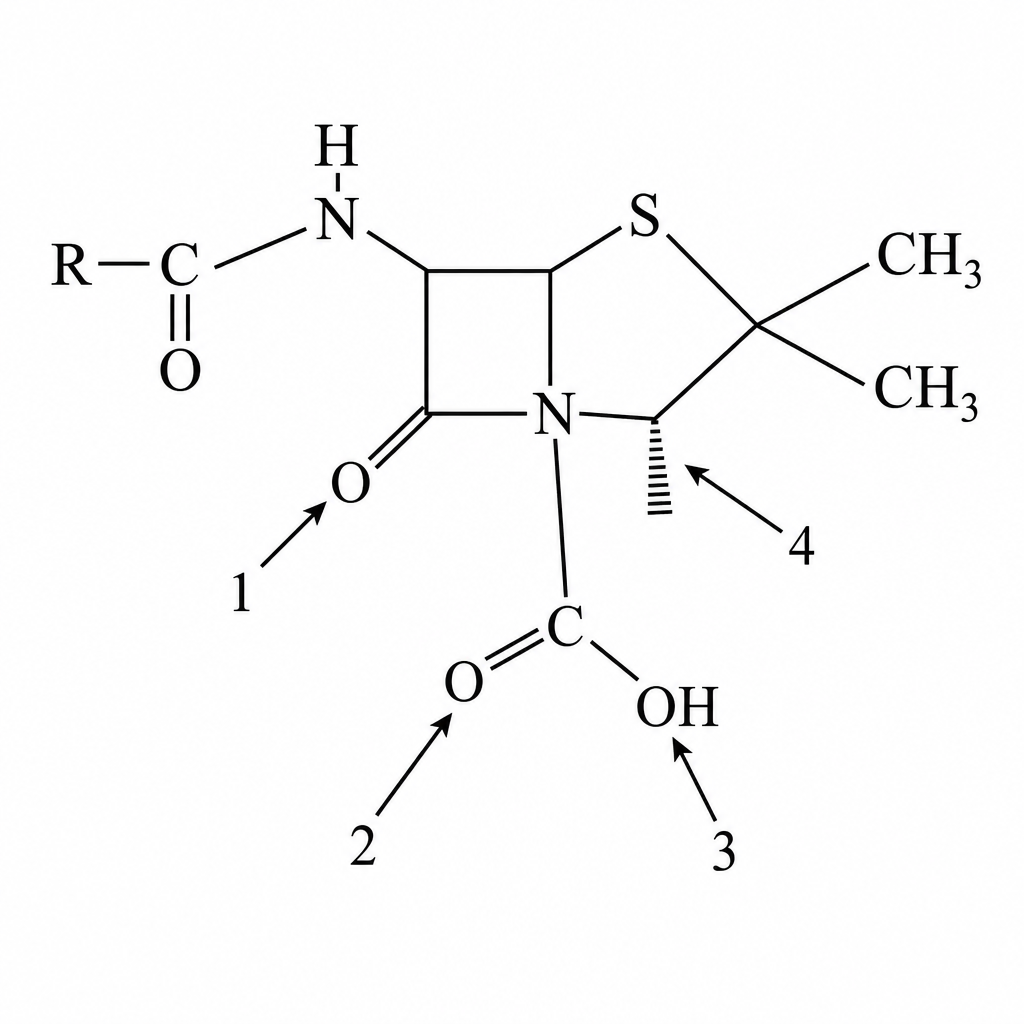
Which of the following reagents would be most useful in determining the N-terminal amino acid of a polypeptide?
The α-helix and β-pleated sheet in proteins are examples of which level of protein structure?
Which of the following diseases has the largest submerged portion in the iceberg model of disease?
Phosphate/phosphorus is present in which part of the cell?
Which of the following protein molecules is responsible for cell-to-cell adhesion?
Which of the following statements best describes the mechanism of action of insulin on target cells?
Which of the following statements accurately describes G proteins?
Chaperones are:
Ubiquitin is involved in what process?
Guanidinium group is associated with -
Explanation: ***Phenylisothiocyanate*** - **Phenylisothiocyanate** (PITC), also known as Edman's reagent, is used in the **Edman degradation** method to identify the N-terminal amino acid. - It sequentially cleaves the **N-terminal amino acid** without hydrolyzing the rest of the peptide chain, allowing for identification by chromatography. *Trypsin* - **Trypsin** is a protease that cleaves peptide bonds at the carboxyl side of **lysine** and **arginine** residues. - It is used for peptide fragmentation, not for determining the N-terminal amino acid. *Carboxypeptidase* - **Carboxypeptidases** are exopeptidases that cleave amino acids from the **C-terminal end** of a polypeptide chain. - They are used to identify the C-terminal amino acid, not the N-terminal. *Cyanogen bromide* - **Cyanogen bromide (CNBr)** is a chemical reagent that specifically cleaves peptide bonds on the C-terminal side of **methionine** residues. - It is used for specific peptide fragmentation and not for N-terminal sequencing.
Explanation: ***Secondary structure*** - The **α-helix** and **β-pleated sheet** are formed by **hydrogen bonding** between the backbone atoms of amino acids within a polypeptide chain. - This level of structure describes the regular, recurring arrangements of **local regions** of the polypeptide backbone. *Primary structure* - This refers to the **linear sequence of amino acids** in a polypeptide chain, determined by the genetic code. - It does not involve the folding patterns of the polypeptide backbone but rather the order of its constituent monomers. *Tertiary structure* - This describes the **overall three-dimensional shape** of a single polypeptide chain, including the folding of helices and sheets and the arrangement of side chains. - It is stabilized by various interactions, including **hydrophobic interactions**, ionic bonds, hydrogen bonds, and disulfide bridges. *Quaternary structure* - This applies to proteins composed of **multiple polypeptide subunits**, describing how these subunits associate and are arranged in space. - It is established through interactions between different polypeptide chains, such as in **hemoglobin**.
Explanation: **The Iceberg Model of Disease** represents the concept that for many diseases, only a small portion of cases (the "tip" above water) are clinically apparent and reported, while a much larger portion (the "submerged" part) consists of asymptomatic, subclinical, or undiagnosed cases. ***Influenza*** - Has the **largest submerged portion** among the given options, with **50-75% of infections being asymptomatic or mild** and going undiagnosed - High transmissibility and varied clinical presentation contribute to significant hidden burden - Only severe cases requiring hospitalization typically get reported, representing just the "tip of the iceberg" - Classic example of diseases with large subclinical-to-clinical ratio *Chickenpox* - Most cases are **clinically apparent** with characteristic vesicular rash - Asymptomatic infections are rare due to distinctive clinical features - High visibility of cases reduces the submerged portion significantly *Tetanus* - **Severe, acute neurological condition** with distinct clinical manifestations (trismus, risus sardonicus, opisthotonus) - Almost all cases are diagnosed due to dramatic presentation - Virtually no submerged portion - what exists clinically is recognized *Rabies* - **Nearly uniformly fatal** once symptoms appear, making all symptomatic cases clinically evident - No asymptomatic or mild phase after symptom onset - Minimal to no submerged portion in the iceberg model
Explanation: ***All of the options*** - Phosphorus is a crucial structural component of **nucleic acids** (DNA and RNA), forming the **phosphate backbone** through phosphodiester bonds. - It is also a key component of **phospholipids**, which make up the fundamental structure of all **cell membranes**. - Additionally, phosphorus is present in many other cellular components including **ATP** (energy currency), **phosphorylated proteins** (cell signaling), and **coenzymes** (NAD+, FAD, CoA). *RNA* - While RNA does contain phosphorus in its **ribonucleotide units**, phosphorus is also present in DNA and cell membranes. - RNA's phosphate groups are essential for forming the **phosphodiester bonds** that link nucleotides together. *DNA* - DNA contains phosphorus within the **deoxyribonucleotide units**, forming the **sugar-phosphate backbone**. - However, phosphorus is also extensively used in other cellular components, such as RNA and cell membranes. *Cell membrane* - The cell membrane is primarily composed of **phospholipids**, which contain phosphate groups in their **hydrophilic heads**. - While essential for membrane structure, phosphorus also plays critical roles in genetic material and energy metabolism.
Explanation: ***Cadherin*** - **Cadherins** are transmembrane proteins that mediate **direct cell-to-cell adhesion** in a calcium-dependent manner - They form **adherens junctions** and **desmosomes**, which are essential for maintaining tissue integrity - Cadherins on adjacent cells bind to each other (**homophilic binding**), creating strong cell-cell connections - Critical for **embryonic development**, tissue architecture, and **epithelial barrier function** *Fibronectin* - **Fibronectin** is an extracellular matrix glycoprotein that mediates **cell-to-ECM adhesion**, not direct cell-to-cell adhesion - It binds to **integrins** on the cell surface, facilitating cell attachment to the extracellular matrix - Important for cell migration, wound healing, and embryonic development - Does not directly connect cells to each other *Collagen* - **Collagen** is the most abundant structural protein providing **tensile strength** to connective tissues - Primarily functions as **extracellular scaffolding**, not as an adhesion molecule - Provides mechanical support but does not mediate cell-cell adhesion *Laminin* - **Laminins** are major components of the **basal lamina** (basement membrane) - Mediate **cell-to-basal lamina adhesion** through integrin receptors - Important for cell differentiation, migration, and tissue organization - Function in cell-to-ECM adhesion, not cell-to-cell adhesion
Explanation: ***Insulin binds to a transmembrane receptor on the outer surface of the plasma membrane, activating the tyrosine kinase in the cytosolic domain of the receptor.*** - **Insulin** is a **peptide hormone** and cannot freely pass through the lipid bilayer, thus it binds to a **transmembrane receptor** on the cell surface. - This binding leads to the activation of the receptor's intrinsic **tyrosine kinase activity** in the intracellular domain, initiating a signaling cascade. *Insulin binds to a cytoplasmic receptor and is transferred as a hormone receptor complex to the nucleus to modulate gene expression.* - This mechanism describes the action of **steroid hormones**, which are lipid-soluble and can cross the cell membrane, binding to **intracellular receptors**. - **Insulin** acts via a **cell surface receptor** and its downstream effects are mediated through signal transduction pathways, not direct nuclear translocation. *Insulin binds to a receptor on the outer surface of the plasma membrane, activating adenylate cyclase through the Gs protein.* - This mechanism is characteristic of **G-protein coupled receptors (GPCRs)**, which activate or inhibit enzymes like adenylate cyclase via G-proteins to produce second messengers like cyclic AMP. - The **insulin receptor** is a **receptor tyrosine kinase**, not a GPCR, and does not directly activate adenylate cyclase via Gs protein. *Insulin enters the cell and causes the release of calcium ions from intracellular stores.* - While some hormones and neurotransmitters can trigger the release of intracellular **calcium ions**, this is typically mediated by specific pathways (e.g., GPCRs linked to phospholipase C). - **Insulin** does not directly enter target cells to cause calcium release; its actions are primarily mediated through receptor tyrosine kinase signaling pathways.
Explanation: ***Are associated with cellular membranes and play a crucial role in signal transduction.*** - **G proteins** are critical components of **G protein-coupled receptors (GPCRs)**, which are embedded in the **cellular membrane**. - They act as molecular switches, relaying signals from diverse extracellular stimuli (like hormones, neurotransmitters, and light) across the cell membrane into the cell's interior, thus initiating a **signal transduction pathway**. - This is the most comprehensive and accurate description of G proteins as a whole. *Regulate second messengers like cyclic adenosine monophosphate (cAMP).* - While G proteins do regulate second messengers such as **cAMP** by activating enzymes like **adenylyl cyclase**, this describes a **specific mechanism of action**, not a broad description of what G proteins are. - This statement is accurate but too narrow, describing one particular function rather than their fundamental role in membrane association and general signal transduction. *Play a role in the amplification of hormonal signals.* - G proteins are involved in signal transduction pathways that can lead to **signal amplification**, but this is a **downstream effect**, not their primary defining characteristic. - Mentioning their role only in amplification of hormonal signals is too narrow and doesn't capture their fundamental nature as signal transducers. *Consist of three subunits: alpha, beta, and gamma.* - This statement accurately describes **heterotrimeric G proteins** (the most common type involved in GPCR signaling), which do have three subunits (Gα, Gβ, Gγ). - However, this is **incorrect as a general description** because there are also **monomeric G proteins** (small GTPases like Ras, Rho, Rac, and Rab) that consist of a single polypeptide chain. - Since the question asks about "G proteins" in general without specifying heterotrimeric G proteins, this statement is incomplete and therefore incorrect.
Explanation: ***Mediators of post-translational assembly of protein complexes*** - **Chaperones** are proteins that assist in the proper folding of other proteins, especially new polypeptides, and in the assembly of **protein complexes** after translation. - They prevent **misfolding** and aggregation of proteins, ensuring their correct functional conformation. *Antigen presenting cells* - **Antigen-presenting cells (APCs)** are immune cells (e.g., macrophages, dendritic cells) that present **antigens** to T cells for recognition. - Their primary function is in the **immune response**, not protein folding or assembly. *Purine metabolism mediators* - **Purine metabolism mediators** are enzymes or molecules involved in the synthesis, breakdown, and recycling of **purines (adenine and guanine)**. - This function is entirely distinct from the role of chaperones in **protein folding**. *None of the above* - This option is incorrect because the first option accurately describes the function of **chaperones**.
Explanation: ***Protein degradation*** - **Ubiquitin** is a small regulatory protein that attaches to other proteins as a signal, primarily for their **degradation** by the **proteasome**. - This process, known as **ubiquitination**, marks misfolded, damaged, or no longer needed proteins for targeted destruction. *Protein folding* - This process is primarily mediated by **chaperone proteins**, which assist in the correct three-dimensional structuring of polypeptides. - While ubiquitin can sometimes influence protein folding indirectly by marking misfolded proteins for degradation, its direct role is not in the folding itself. *Synthesis of nucleic acid* - The synthesis of **nucleic acids** (DNA and RNA) is carried out by **DNA polymerases** and **RNA polymerases**, respectively. - Ubiquitin is not involved in the enzymatic processes of replication or transcription. *Glycosylation of proteins* - **Glycosylation** is the enzymatic addition of carbohydrate moieties to proteins, typically occurring in the **endoplasmic reticulum** and **Golgi apparatus**. - This process is crucial for protein function, trafficking, and cell-cell recognition, but ubiquitin has no direct role in it.
Explanation: ***Arginine*** - The guanidinium group is a characteristic part of the **side chain** of the amino acid **arginine**. - This group consists of a **central carbon atom** double-bonded to one nitrogen atom and single-bonded to two other nitrogen atoms, giving it a distinctive **basic character**. *Tyrosine* - Tyrosine contains a **phenolic hydroxyl group** attached to an aromatic ring in its side chain. - It is an **aromatic amino acid** but does not possess a guanidinium group. *Histidine* - Histidine's side chain is an **imidazole ring**, which is an aromatic heterocyclic ring containing nitrogen. - This amino acid is known for its role in **buffering** due to the pKa of its imidazole group, but does not have a guanidinium group. *Lysine* - Lysine has a **primary amine group** at the end of its aliphatic side chain. - This **ε-amino group** is highly basic but structurally distinct from a guanidinium group.
Get full access to all questions, explanations, and performance tracking.
Start For Free