Which glycogen storage disease does not affect muscles?
Why is citrate phosphate dextrose (CPD) better than acid citrate dextrose (ACD) for storage of blood?
Which of the following is not a characteristic of Zieve syndrome?
FALSE about Leprosy eradication programme is ?
Lysosomal transport defect is seen in which of the following conditions?
Krabbe's disease is due to deficiency of ?
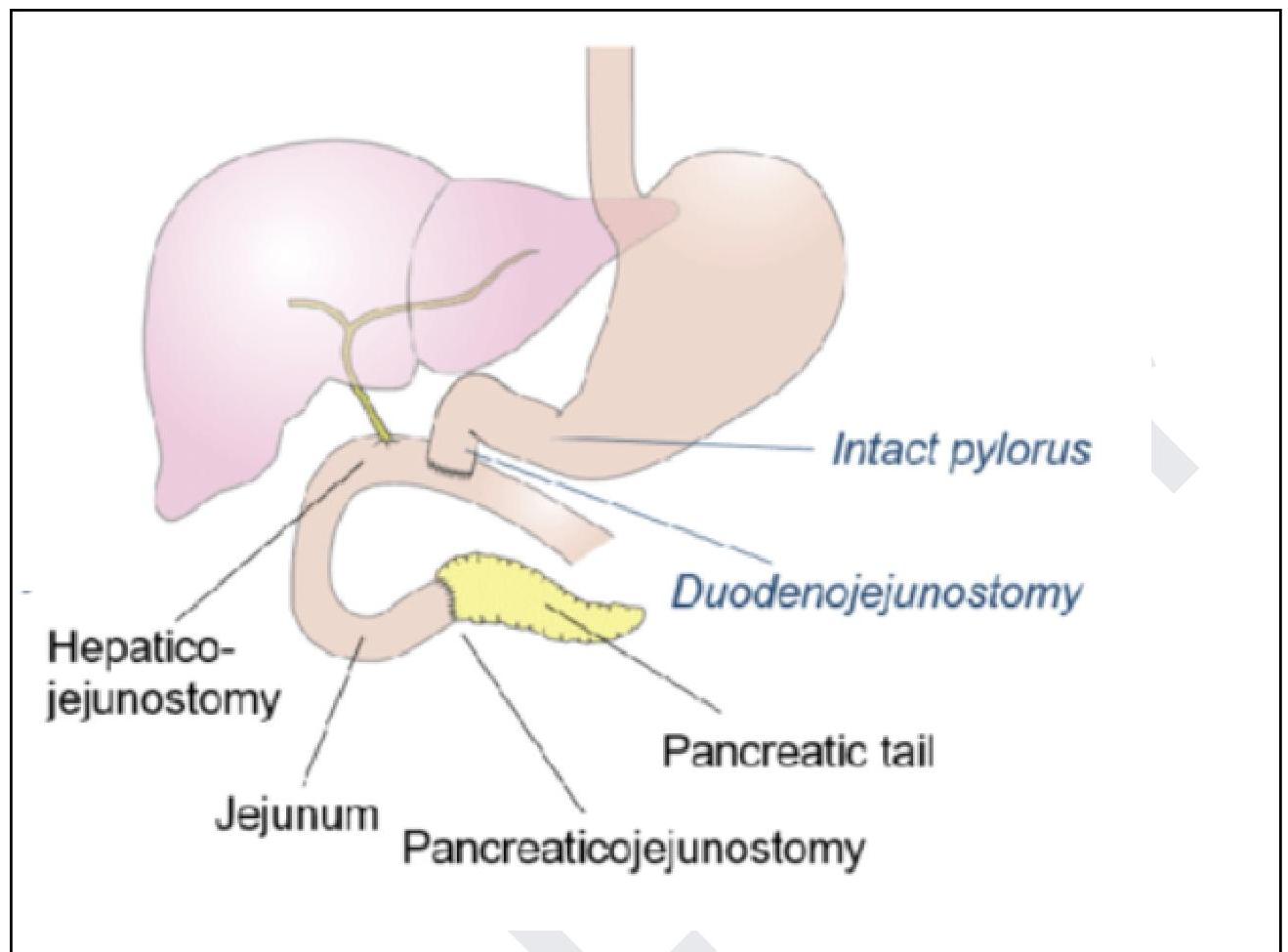
The following procedure is performed for the management of?
Splenectomy is best indicated for :
Most common deficient enzyme in Congenital adrenal hyperplasia:
An infant presented with vomiting, malnutrition, blue eyes, blonde hair & fair skin. On investigation, Guthrie test was positive. All are true regarding this disease EXCEPT:
Explanation: ***Type 1 (Von Gierke disease)*** - This is caused by a deficiency in **glucose-6-phosphatase**, an enzyme found primarily in the **liver** and **kidneys** but **NOT in muscle tissue**. - Since muscles do not express glucose-6-phosphatase and rely on glycogen phosphorylase for energy mobilization, this disease **does not affect muscle function**. - Clinical features include severe **hypoglycemia**, **lactic acidosis**, **hepatomegaly**, and **growth retardation**, but patients have **normal muscle strength and function**. *Type 2 (Pompe disease)* - Also known as **acid maltase deficiency**, this disease severely affects **all muscle types** including cardiac, skeletal, and smooth muscles. - It is a **lysosomal storage disease** causing progressive **muscle weakness**, **cardiomyopathy**, and **respiratory failure**. - This is the most significant muscle-affecting GSD. *Type 3 (Cori disease)* - Caused by **debranching enzyme (amylo-1,6-glucosidase) deficiency**, affecting both **liver and muscles**. - Patients develop **hepatomegaly**, **hypoglycemia**, and progressive **myopathy** with muscle weakness. - Muscle involvement is common and clinically significant. *Type 4 (Andersen disease)* - Due to **branching enzyme deficiency**, primarily causing **liver cirrhosis** and **hepatosplenomegaly**. - While mainly hepatic, this disease **can involve muscles** causing hypotonia and muscle weakness in some patients. - The abnormal, unbranched glycogen ("amylopectin-like") accumulates in multiple tissues including muscle.
Explanation: ***Contains phosphate and dextrose*** - CPD contains **phosphate**, which acts as a buffer and helps maintain crucial 2,3-bisphosphoglycerate (2,3-BPG) levels in red blood cells, improving oxygen delivery capacity. - The presence of **dextrose** provides a substrate for glycolysis, which is essential for ATP production and red blood cell viability during storage. - This combination allows CPD to extend blood storage life to approximately **35 days** compared to ACD's **21 days**. *Maintains pH stability during storage* - Both ACD and CPD help maintain pH stability due to their **citrate** content, which acts as an anticoagulant and buffer. - However, CPD's phosphate component offers superior buffering capacity, but pH maintenance alone is not the primary distinguishing advantage. - This is a shared characteristic of both solutions, not the key reason CPD is preferred. *Prevents hemolysis in stored blood* - Both CPD and ACD prevent hemolysis by chelating **calcium**, which prevents coagulation and maintains red blood cell integrity. - While both solutions successfully prevent hemolysis, this is not the distinguishing feature that makes CPD superior. - The primary advantage of CPD lies in its better support of red blood cell metabolism and viability through phosphate and dextrose. *Reduces metabolic activity in stored blood* - This is **incorrect** - the purpose of anticoagulant solutions is to preserve blood components, not to reduce metabolic activity. - The dextrose in CPD is provided precisely to **fuel essential metabolic activity** (glycolysis) to sustain red blood cells during storage. - While refrigeration at 1-6°C slows metabolism, CPD actively supports rather than reduces the metabolic processes necessary for RBC survival.
Explanation: ***Chronic pancreatitis*** - **Zieve syndrome** is an acute, not chronic, condition, and its primary feature is not chronic pancreatic inflammation, though severe alcohol use can cause both. - While **alcohol abuse** is a risk factor for both Zieve syndrome and chronic pancreatitis, **chronic pancreatitis** itself is not considered a characteristic component of Zieve syndrome [1]. *Alcohol abuse* - **Alcohol abuse** is the underlying cause for the development of Zieve syndrome, leading to the characteristic triad of hemolytic anemia, hyperlipidemia, and jaundice. - It triggers the **liver damage** and metabolic disturbances that define the syndrome. *Hemolysis* - **Hemolysis** (destruction of red blood cells) is a key feature of Zieve syndrome, leading to **hemolytic anemia** and jaundice. - It results from increased red blood cell fragility and splenic sequestration exacerbated by altered lipid metabolism. *Hypertriglyceridemia* - **Hypertriglyceridemia** is a hallmark of Zieve syndrome, arising from impaired lipid metabolism secondary to alcohol-induced liver damage. - Elevated **triglyceride levels** contribute to red blood cell membrane abnormalities, thereby promoting hemolysis.
Explanation: ***Long term multi drug therapy*** - Leprosy eradication programs emphasize **short-term, highly effective multi-drug therapy (MDT)**, not long-term. - The standard duration for paucibacillary leprosy is 6 months and for multibacillary leprosy is 12 months, which is considered short-term given the chronic nature of the disease. *Disability limitation* - This is a crucial component of leprosy programs, focusing on preventing and managing **nerve damage** and its consequences. - Interventions include **early detection of nerve impairment**, protective footwear, and physio-occupational therapy to minimize permanent disabilities. *Health education* - **Health education** is essential for successful eradication, as it increases public awareness, reduces stigma, and promotes early reporting of symptoms. - It also educates patients on the importance of **adherence to MDT** and self-care practices. *Early detection of cases* - **Early detection and prompt treatment** of leprosy cases are fundamental to preventing transmission and reducing the burden of the disease. - This helps to interrupt the chain of infection and prevent the development of severe disabilities.
Explanation: ***Cystinosis*** - Cystinosis is characterized by **lysosomal transport defects** leading to the accumulation of cystine within lysosomes. - This condition results in **multisystemic involvement**, primarily affecting the kidneys and eyes, due to the inability to effectively transport cystine out of the lysosomes. *Metachromatic leukosytrophy* - Caused by deficiency of the **enzyme arylsulfatase A**, leading to sulfatide accumulation in lysosomes [1]. - It primarily affects the **nervous system** and is not primarily linked to a defect in lysosomal transport. *Goucher's disease* - Results from a deficiency of the enzyme **glucocerebrosidase**, leading to glucocerebroside accumulation [1]. - It mainly affects the **spleen, liver, and bone marrow**, rather than a generalized lysosomal transport defect. *Tay Sach's disease* - Caused by a deficiency in the **enzyme hexosaminidase A**, leading to GM2 ganglioside accumulation in neurones [1]. - This condition primarily affects the **nervous system** and does not involve a defect in lysosomal transport [1]. **References:** [1] Kumar V, Abbas AK, et al.. Robbins and Cotran Pathologic Basis of Disease. 9th ed. Genetic Disorders, pp. 159-164.
Explanation: ***Beta galactocerebrosidase*** - Krabbe's disease is specifically caused by a deficiency of **beta-galactocerebrosidase**, leading to the accumulation of toxic substances in the brain [1]. - This disease predominantly affects the **myelin sheath**, resulting in severe neurological deterioration [1]. *Arylsulfatase* - Deficiency of **arylsulfatase** is associated with **metachromatic leukodystrophy**, not Krabbe's disease. - Symptoms and pathology differ significantly, primarily affecting **sulfatides** rather than galactocerebrosides. *Sphingomyelinase* - A deficiency of **sphingomyelinase** is linked to **Niemann-Pick disease**, characterized by splenomegaly and liver involvement. - This condition does not involve the same neurological deterioration seen in Krabbe's disease. *Hexosaminidase* - Hexosaminidase deficiency is associated with **Tay-Sachs disease**, primarily affecting the **GM2 gangliosides** [2]. - This results in different clinical manifestations, such as **cherry-red spots** and progressive neurodegeneration, rather than the symptoms of Krabbe's disease [2]. **References:** [1] Kumar V, Abbas AK, et al.. Robbins and Cotran Pathologic Basis of Disease. 9th ed. The Central Nervous System, pp. 1304-1305. [2] Kumar V, Abbas AK, et al.. Robbins and Cotran Pathologic Basis of Disease. 9th ed. Genetic Disorders, p. 161.
Explanation: ***Distal cholangiocarcinoma*** - The image shows a **Pylorus-preserving Whipple procedure (PPPD)**, which involves resection of the pancreatic head, duodenum, gallbladder, and part of the common bile duct, followed by reconstruction. - This procedure is primarily performed for malignancies of the **pancreatic head**, **distal bile duct (cholangiocarcinoma)**, and **ampulla of Vater**, as they often cause obstructive jaundice and are resectable. *Gallbladder carcinoma* - While gallbladder carcinoma can involve the bile ducts, this specific reconstruction (PPPD) is more commonly associated with tumors of the pancreatic head or distal bile duct rather than the gallbladder itself, which might be managed with a **cholecystectomy** and possibly **liver resection**. - The type of resection and reconstruction varies significantly based on the extent and location of gallbladder cancer. *Chronic calcific pancreatitis* - Surgical management for chronic pancreatitis, especially with calcifications, typically involves drainage procedures (e.g., **Puestow procedure** due to dilated pancreatic duct or **Frey procedure**) or resection of the pancreatic head (e.g., **Beger procedure**). - While some resections of the pancreatic head are performed for chronic pancreatitis, the depicted procedure is specifically designed for malignancies of the pancreatic head region, not primarily for the sequelae of chronic calcific pancreatitis unless associated with a mass suspicious for malignancy. *Advanced gastric carcinoma* - Advanced gastric carcinoma is typically managed by **gastrectomy** (partial or total) with lymphadenectomy, not a Whipple procedure. - The image clearly shows an **intact pylorus** and the stomach mostly preserved, which is inconsistent with advanced gastric carcinoma requiring major gastric resection.
Explanation: ***Hereditary spherocytosis*** - Splenectomy is a curative treatment for **hereditary spherocytosis** as it removes the primary site of red blood cell destruction. - It alleviates **anemia** and prevents complications such as **gallstones** by reducing hemolysis. *Cirrhosis liver with portal hypertension* - In cirrhosis with **portal hypertension**, splenectomy is generally not the primary treatment and may even worsen portal hypertension in some cases. - Management focuses on treating the underlying **liver disease** and its complications, such as **variceal bleeding**. *Sickle cell disease* - Splenectomy is generally avoided in **sickle cell disease** due to the increased risk of **overwhelming post-splenectomy sepsis** and other complications. - The primary approach is supportive care to manage crises, pain, and prevent infections. *Gaucher's disease* - **Gaucher's disease** involves the accumulation of glucocerebroside in various organs, including the spleen, often leading to **splenomegaly**. - Treatment primarily involves **enzyme replacement therapy (ERT)** and substrate reduction therapy, with splenectomy reserved for rare cases of severe symptoms unresponsive to medical therapy.
Explanation: ***21-hydroxylase deficiency*** - This is by far the **most common cause** of congenital adrenal hyperplasia (CAH), accounting for about 90-95% of all cases. - Deficiency in 21-hydroxylase leads to impaired synthesis of **cortisol** and **aldosterone**, and an accumulation of androgen precursors. *18-hydroxylase deficiency* - This enzyme is crucial for the final step in **aldosterone synthesis**, specifically converting 18-hydroxycorticosterone to aldosterone. - Its deficiency would primarily impact **aldosterone production**, leading to salt wasting, but it is a very rare cause of CAH and does not affect cortisol synthesis directly. *3-beta-hydroxysteroid dehydrogenase deficiency* - This is a less common form of CAH that affects the synthesis of **glucocorticoids, mineralocorticoids, and androgens**. - It results in the accumulation of **dehydroepiandrosterone (DHEA)**, leading to varying degrees of virilization in females and undervirilization in males. *17-alpha hydroxylase deficiency* - This rare form of CAH impairs the production of **cortisol** and **androgens**, but it spares **aldosterone synthesis**. - Patients typically present with **hypertension** and **hypokalemia** due to excess mineralocorticoid activity, along with sexual developmental abnormalities.
Explanation: ***Hypopigmentation due to tryptophan deficiency*** - The characteristic **hypopigmentation** (fair skin, blonde hair, blue eyes) in **phenylketonuria (PKU)** is due to **tyrosine deficiency**, not tryptophan deficiency. - **Phenylalanine hydroxylase (PAH)** deficiency leads to accumulation of phenylalanine, which cannot be converted to **tyrosine**. - **Tyrosine** is the precursor for **melanin synthesis** via the enzyme **tyrosinase**, so tyrosine deficiency results in decreased melanin production and hypopigmentation. *Phenyl acetate positive in urine* - In **phenylketonuria (PKU)**, **phenylalanine** accumulates and is shunted to alternative metabolic pathways, leading to the production and excretion of **phenylacetate, phenylpyruvate, and phenyllactate** in the urine. - The presence of these metabolites gives the urine a characteristic **mousey or musty odor**. *Mental retardation is present* - If **phenylketonuria (PKU)** is left untreated, the accumulation of **phenylalanine** is neurotoxic and leads to severe, **irreversible intellectual disability** and **developmental delay**. - Early detection through newborn screening (the **Guthrie test** detects elevated blood phenylalanine) and dietary phenylalanine restriction are crucial to prevent this outcome. *Due to PAH enzyme defect* - **Phenylketonuria (PKU)** is primarily caused by a deficiency in the enzyme **phenylalanine hydroxylase (PAH)**, which is responsible for converting phenylalanine to tyrosine. - This **autosomal recessive genetic disorder** leads to the accumulation of phenylalanine in the blood and tissues, causing the clinical manifestations.
Get full access to all questions, explanations, and performance tracking.
Start For Free