What is Sanger's reagent?
The Schilling test is used for detecting:
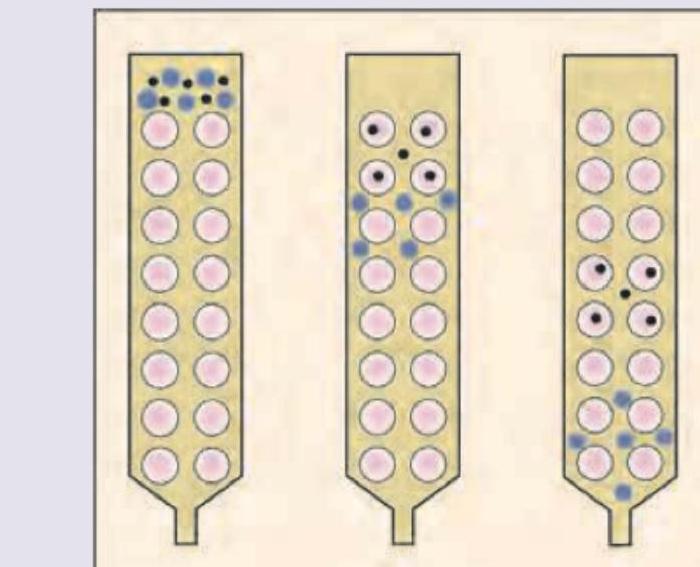
Chromatography techniques work on which principle?
Which assay is considered the most accurate for assessing hormone levels?
A person undergoes two fine needle muscle biopsies to obtain small amounts of tissue for biochemical analysis. The first is taken at the beginning of the experiment while the subject is at rest. The second is taken at the end of 30 minutes of aerobic exercise on a stationary bicycle. The activity of the muscle pyruvate dehydrogenase complexes is found to be much higher in the second measurement. Which of the following biochemical changes would be most likely to produce this effect?
Northern blot is used for the detection of which type of molecule?
Fluorescamine is used to detect which of the following?
Southern blot is used to detect which of the following?
Which of the following is a true statement regarding covalent bonds?
Method of chromatography in which molecules that are negatively charged are selectively released from the stationary phase by positively charged molecules in the mobile phase is termed as?
Explanation: **Explanation:** **Sanger’s Reagent** is chemically known as **1-fluoro-2,4-dinitrobenzene (FDNB)**. It is a fundamental tool in protein biochemistry used for **N-terminal amino acid analysis**. 1. **Why Option A is Correct:** Sanger’s reagent belongs to the dinitrobenzene family. The reagent reacts with the free amino group ($NH_2$) of the N-terminal amino acid of a polypeptide chain under mildly alkaline conditions. This reaction forms a yellow-colored **Dinitrophenyl (DNP)-amino acid** derivative. Since the bond between the DNP group and the amino acid is stable during acid hydrolysis, the N-terminal residue can be identified via chromatography after the rest of the protein is broken down. Frederick Sanger famously used this reagent to determine the complete primary sequence of **Insulin**. 2. **Why Other Options are Incorrect:** * **Options B & D (Dichlorobenzene/Tetrachlorobenzene):** These are chlorinated aromatic hydrocarbons used primarily as insecticides or chemical intermediates; they do not possess the specific reactivity required to label amino groups in protein sequencing. * **Option C (Tetra-nitrobenzene):** While nitro-compounds are often used in explosives or dyes, they are not the specific reagents utilized in the Sanger method of sequencing. **High-Yield Clinical Pearls for NEET-PG:** * **Mechanism:** It labels the **N-terminal** amino acid. * **Alternative Reagent:** **Edman’s Reagent** (Phenylisothiocyanate) is now more commonly used because it allows for sequential degradation without destroying the entire peptide chain. * **Historical Significance:** Frederick Sanger is one of the few individuals to win two Nobel Prizes in Chemistry (one for protein sequencing and one for DNA sequencing). * **N-terminal identification:** Other methods include using **Dansyl chloride**, which produces highly fluorescent derivatives.
Explanation: The **Schilling test** is a classic biochemical investigation used to determine the cause of Vitamin B12 (cobalamin) deficiency, specifically to differentiate between malabsorption and a lack of **Intrinsic Factor (IF)**. ### Why Option A is Correct Vitamin B12 absorption requires Intrinsic Factor, secreted by gastric parietal cells. The Schilling test is performed in stages: * **Stage I:** Oral radioactive B12 is given followed by an IM injection of "cold" B12 to saturate receptors. If urinary excretion is low, malabsorption is confirmed. * **Stage II:** Oral radioactive B12 is given **along with oral Intrinsic Factor**. If the B12 excretion in urine normalizes, it confirms that the deficiency was due to a **lack of Intrinsic Factor** (as seen in Pernicious Anemia). ### Why Other Options are Incorrect * **Option B (Riboflavin):** Riboflavin (B2) deficiency is typically assessed by measuring **Erythrocyte Glutathione Reductase activity**, not the Schilling test. * **Option C (Folic acid):** Folic acid levels are measured via serum or RBC folate assays. The **FIGLU (Formiminoglutamic acid) excretion test** is the specific biochemical test for folate deficiency. * **Option D (Capillary fragility):** This is assessed using the **Hess test (Tourniquet test)**, which evaluates Vitamin C deficiency (Scurvy) or platelet function. ### High-Yield Clinical Pearls for NEET-PG * **Pernicious Anemia:** The most common cause of IF deficiency due to autoimmune destruction of parietal cells. * **Stage III & IV:** Stage III evaluates for bacterial overgrowth (corrected by antibiotics), and Stage IV evaluates for pancreatic insufficiency (corrected by pancreatic enzymes). * **Modern Practice:** Though high-yield for exams, the Schilling test is now largely replaced by anti-intrinsic factor antibody titers and serum methylmalonic acid (MMA) levels.
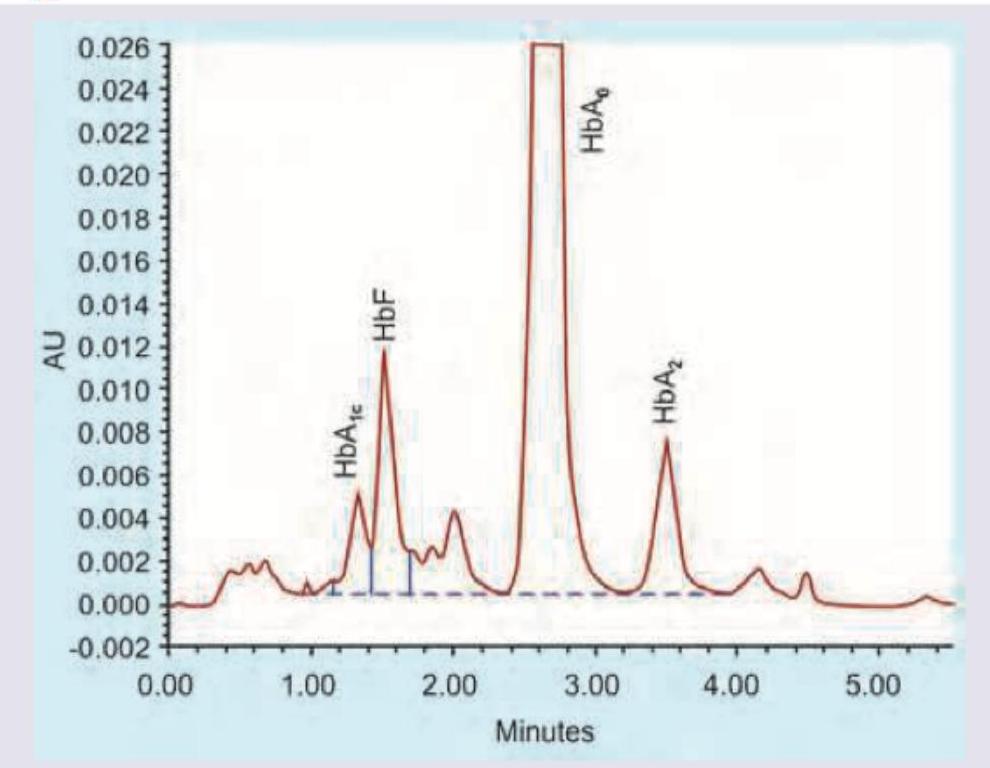
Explanation: **Explanation:** Chromatography is a versatile laboratory technique used to separate the components of a complex mixture based on their **differential distribution** between a stationary phase and a mobile phase. The separation occurs because different molecules interact differently with the stationary phase based on their physical and chemical properties. **Why "All of the above" is correct:** Chromatography is not a single method but a group of techniques, each utilizing a specific principle for separation: * **Affinity (Option A):** This relies on the specific, high-affinity binding between a molecule and a ligand (e.g., Enzyme-Substrate, Antigen-Antibody, or Hormone-Receptor interactions). It is the most specific type of chromatography. * **Ion-exchange (Option B):** This separates molecules based on their **net surface charge**. The stationary phase contains charged groups (anion or cation exchangers) that attract molecules of the opposite charge. * **Molecular Sieving (Option C):** Also known as **Gel Filtration** or Size-Exclusion Chromatography. It separates molecules based on their **size and shape**. Smaller molecules enter the pores of the gel beads and take longer to elute, while larger molecules are excluded and elute faster. Since all three are fundamental principles used in various chromatographic methods, **Option D** is the correct answer. **High-Yield Clinical Pearls for NEET-PG:** * **HbA1c Estimation:** Commonly performed using **Ion-exchange HPLC** (High-Performance Liquid Chromatography). * **Amino Acid Analysis:** Often utilizes Ion-exchange chromatography (Ninhydrin reaction). * **Purification of Proteins:** Affinity chromatography is considered the "gold standard" for purifying a specific protein from a crude mixture. * **Paper Chromatography:** Works primarily on the principle of **Partition** (distribution between two liquids).
Explanation: ### Explanation **Correct Answer: D. Radioimmunoassay (RIA)** **Why RIA is the Correct Answer:** Radioimmunoassay (RIA) is considered the gold standard for hormone quantification due to its **extreme sensitivity and specificity**. It utilizes the principle of **competitive binding**, where a labeled antigen (radioisotope-tagged hormone) and an unlabeled antigen (patient’s hormone) compete for a limited number of antibody binding sites. Because RIA can detect substances at picomolar and nanomolar concentrations ($10^{-12}$ to $10^{-9}$ g/mL), it is uniquely suited for measuring hormones that circulate in minute quantities, such as TSH, insulin, and steroid hormones. **Why Other Options are Incorrect:** * **A. Flow Cytometry:** Primarily used for cell counting, cell sorting, and detecting biomarkers on cell surfaces (e.g., CD4/CD8 counts in HIV). It is not used for quantifying dissolved hormones in serum. * **B. Electrophoresis:** A technique used to separate molecules (proteins, DNA, RNA) based on their size and charge. While it can identify protein fractions (e.g., albumin, globulins), it lacks the sensitivity required for precise hormone quantification. * **C. ELISA:** While ELISA is widely used in clinical labs because it avoids radioactive waste, RIA remains technically superior in terms of sensitivity for very low-level hormone detection. ELISA is often the "preferred" screening method, but RIA is historically the most "accurate" for minute concentrations. **High-Yield Clinical Pearls for NEET-PG:** * **RIA Principle:** Competitive inhibition/binding. * **Isotope used:** Iodine-125 ($^{125}I$) is the most common radioisotope used in RIA. * **Scatchard Plot:** Used in RIA to calculate the affinity constant of the antibody. * **B/F Ratio:** In RIA, as the concentration of the patient's (unlabeled) hormone increases, the ratio of Bound-to-Free (B/F) labeled hormone decreases.
Explanation: **Explanation:** The **Pyruvate Dehydrogenase (PDH) complex** is the key regulatory bridge between glycolysis and the TCA cycle. Its activity is primarily regulated by **reversible phosphorylation**: * **PDH Kinase:** Phosphorylates and **inactivates** PDH. * **PDH Phosphatase:** Dephosphorylates and **activates** PDH. **Why Option D is Correct:** During aerobic exercise, the rate of glycolysis increases to meet energy demands, leading to an **increased pyruvate concentration**. Pyruvate acts as a potent **allosteric inhibitor of PDH Kinase**. By inhibiting the kinase, pyruvate prevents the inactivation of the PDH complex, thereby maintaining it in its active (dephosphorylated) state to facilitate aerobic respiration. **Analysis of Incorrect Options:** * **A. Decreased ADP:** High ADP (low energy signal) actually stimulates PDH by inhibiting PDH kinase. Decreased ADP would imply high ATP, which inhibits the complex. * **B. Decreased intracellular Ca²⁺:** Calcium is a powerful **activator** of PDH phosphatase. During muscle contraction, intracellular Ca²⁺ increases, which activates the phosphatase and subsequently the PDH complex. Decreased Ca²⁺ would result in lower PDH activity. * **C. Increased acetyl CoA:** Acetyl CoA is a product of the PDH reaction. It exerts **feedback inhibition** by activating PDH kinase, which inactivates the complex. **NEET-PG High-Yield Pearls:** * **PDH Activators:** NAD+, ADP, Pyruvate, and Ca²⁺ (especially in skeletal muscle). * **PDH Inhibitors:** NADH, ATP, and Acetyl CoA (products of the reaction). * **Clinical Correlation:** PDH deficiency is the most common cause of congenital lactic acidosis. It presents with neurological symptoms and is managed with a **ketogenic diet** (high fat, low carb) to bypass the PDH block.
Explanation: ### Explanation **1. Why RNA is the Correct Answer:** Northern blotting is a fundamental molecular biology technique used specifically to detect and quantify **RNA** (primarily mRNA) in a sample. The process involves separating RNA fragments by size via gel electrophoresis, transferring them to a membrane (blotting), and then using a labeled complementary nucleic acid probe to identify specific sequences. It is the gold standard for studying **gene expression** levels in different tissues or developmental stages. **2. Why Other Options are Incorrect:** * **DNA (Option B):** DNA is detected using **Southern blotting**. This technique is used for identifying specific DNA sequences, such as in gene mapping or detecting mutations. * **Protein (Option C):** Proteins are detected using **Western blotting**. This involves separating proteins by SDS-PAGE and using labeled antibodies for detection. * **cDNA (Option D):** While cDNA (complementary DNA) is synthesized from RNA, it is typically analyzed via PCR or Southern blotting. Northern blotting specifically targets the endogenous RNA transcripts. **3. Clinical Pearls & High-Yield Facts for NEET-PG:** To remember these techniques, use the mnemonic **"SNOW DROP"**: * **S**outhern = **D**NA * **N**orthern = **R**NA * **O** = **O** (No match) * **W**estern = **P**rotein * **Southwestern Blotting:** A hybrid technique used to detect **DNA-binding proteins** (e.g., transcription factors). * **Eastern Blotting:** Used to detect post-translational modifications of proteins (e.g., lipids or carbohydrates). * **Application:** Northern blotting is clinically relevant in oncology to detect the overexpression of oncogenes (like *c-myc*) at the mRNA level.
Explanation: **Explanation:** **Fluorescamine** is a highly sensitive fluorogenic reagent used for the detection and quantification of **amino acids**, peptides, and proteins. **Why Amino Acids are the Correct Answer:** The underlying biochemical principle is the reaction between fluorescamine and **primary amines**. When fluorescamine reacts with the primary amino group ($–NH_2$) found in amino acids, it rapidly forms a highly fluorescent product (pyrrolinone derivative). This reaction occurs at room temperature under mildly alkaline conditions (pH 8–9). A key advantage of fluorescamine is that the reagent itself is non-fluorescent; fluorescence only develops upon conjugation with the amine, making it an excellent tool for high-sensitivity assays and thin-layer chromatography (TLC). **Why Other Options are Incorrect:** * **B. Fatty Acids:** These are detected using reagents like Rhodamine B or Iodine vapors, as they lack the primary amine group required for a reaction with fluorescamine. * **C & D. Glucose and Fructose:** These are reducing sugars. They are typically detected using Benedict’s test, Fehling’s test, or Seliwanoff’s test (specifically for fructose). They do not contain nitrogenous amine groups. **High-Yield Clinical Pearls for NEET-PG:** * **Sensitivity:** Fluorescamine is significantly more sensitive than **Ninhydrin**, allowing for the detection of nanogram quantities of amino acids. * **Proline Exception:** Like Ninhydrin, fluorescamine does not react directly with secondary amines (imino acids) like **Proline** or Hydroxyproline unless they are first chemically converted to primary amines. * **Application:** It is frequently used in automated amino acid analyzers and for protein fluorometry in clinical biochemistry labs.
Explanation: **Explanation:** **Southern Blotting** is a core molecular biology technique used to detect specific **DNA** sequences within a complex mixture of genomic DNA. The process involves digesting DNA with restriction endonucleases, separating the fragments by size via gel electrophoresis, transferring (blotting) them onto a nitrocellulose membrane, and finally identifying the target sequence using a labeled complementary DNA/RNA probe. **Analysis of Options:** * **A. DNA (Correct):** Named after **Edwin Southern**, this technique is the gold standard for identifying gene mutations, deletions, or insertions at the DNA level. * **B. RNA:** Detected using **Northern Blotting**. This is used to study gene expression by measuring mRNA levels. * **C. Protein:** Detected using **Western Blotting**. This involves separating proteins by SDS-PAGE and using labeled antibodies for detection. * **D. Ribosome:** These are cellular organelles involved in translation; they are not typically detected via standard blotting techniques but can be studied using ultracentrifugation or cryo-electron microscopy. **High-Yield Clinical Pearls for NEET-PG:** * **Mnemonic (SNOW DROP):** * **S**outhern = **D**NA * **N**orthern = **R**NA * **O** = **O** (No technique) * **W**estern = **P**rotein * **Southwestern Blot:** Used to detect **DNA-binding proteins** (e.g., transcription factors). * **Clinical Applications:** Southern blotting is clinically used for **DNA fingerprinting**, diagnosing sickle cell anemia (via RFLP), and detecting trinucleotide repeat expansions (e.g., Fragile X Syndrome).
Explanation: **Explanation:** **Understanding Covalent Bonds** A covalent bond is a strong chemical bond formed by the sharing of an electron pair between two atoms. According to the **Pauli Exclusion Principle**, no two electrons in an atom (or a molecular orbital) can have the same set of four quantum numbers. For two electrons to occupy the same orbital and form a stable bond, they must have **opposite spins** (one clockwise, one counter-clockwise). This pairing minimizes electronic repulsion and creates a stable, low-energy state. **Analysis of Options:** * **Option B (Correct):** As per quantum mechanics, the two shared electrons in a covalent bond must possess opposite spins to coexist in the same molecular orbital. * **Option A (Incorrect):** Electrons with the same spin would repel each other strongly due to the Pauli Exclusion Principle, preventing the formation of a stable chemical bond. * **Option C (Incorrect):** Covalent bonds are **strong intramolecular bonds** (bond energy ~200–1000 kJ/mol). In contrast, "weak bonds" refer to non-covalent interactions like Hydrogen bonds, Van der Waals forces, and Hydrophobic interactions, which are essential for the reversible stabilization of protein structures and DNA strands. **High-Yield NEET-PG Pearls:** * **Bond Strength Hierarchy:** Covalent Bond > Ionic Bond > Hydrogen Bond > Van der Waals forces. * **Biomedical Significance:** In biochemistry, covalent bonds define the primary structure of macromolecules (e.g., **Peptide bonds** in proteins, **Phosphodiester bonds** in DNA, and **Glycosidic bonds** in carbohydrates). * **Clinical Correlation:** Many irreversible enzyme inhibitors (e.g., Aspirin inhibiting COX-1 or Organophosphates inhibiting Acetylcholinesterase) work by forming stable **covalent bonds** with the enzyme's active site.
Explanation: **Explanation:** **Ion-Exchange Chromatography (IEC)** is a technique that separates molecules based on their net surface charge. The stationary phase consists of an insoluble matrix (resin) containing immobilized charged groups. * In **Anion-Exchange Chromatography**, the stationary phase is positively charged and binds negatively charged molecules (anions). * To release (elute) these bound molecules, a mobile phase containing competing positively charged ions or a change in pH is used. The question describes this specific mechanism where charged interactions dictate the separation, making Option B the correct answer. **Why other options are incorrect:** * **Affinity Chromatography:** Relies on highly specific biological interactions, such as antigen-antibody, enzyme-substrate, or receptor-ligand binding, rather than simple ionic charge. * **Adsorption Chromatography:** Separation is based on the differential exploitation of the physical adsorption of solutes on the surface of a solid stationary phase (e.g., Silica gel). * **Size-Exclusion Chromatography (Gel Filtration):** Separates molecules based on their hydrodynamic volume (size and shape). Larger molecules elute first as they are excluded from the pores of the stationary phase. **High-Yield Clinical Pearls for NEET-PG:** * **HbA1c Estimation:** Ion-exchange chromatography is the gold standard principle used in HPLC (High-Performance Liquid Chromatography) for measuring glycated hemoglobin. * **Amino Acid Analysis:** IEC is frequently used to separate and quantify amino acids in metabolic screening (e.g., diagnosing Phenylketonuria). * **Cation Exchangers:** Examples include Carboxymethyl (CM) cellulose. * **Anion Exchangers:** Examples include Diethylaminoethyl (DEAE) cellulose.
Spectrophotometry and Colorimetry
Practice Questions
Chromatography Techniques
Practice Questions
Electrophoresis and Applications
Practice Questions
Centrifugation and Ultracentrifugation
Practice Questions
Radioisotope Techniques
Practice Questions
Enzyme-Linked Immunosorbent Assay (ELISA)
Practice Questions
Polymerase Chain Reaction (PCR)
Practice Questions
Blotting Techniques: Southern, Northern, Western
Practice Questions
Mass Spectrometry in Biochemistry
Practice Questions
Recombinant DNA Technology
Practice Questions
DNA Sequencing
Practice Questions
Proteomics and Metabolomics
Practice Questions
Get full access to all questions, explanations, and performance tracking.
Start For Free