
Cerebral Physiology and Pathophysiology — MCQs

During neurosurgery in the position shown, a patient's blood pressure collapses and end-tidal CO2 abruptly falls to zero. What is the most likely diagnosis?
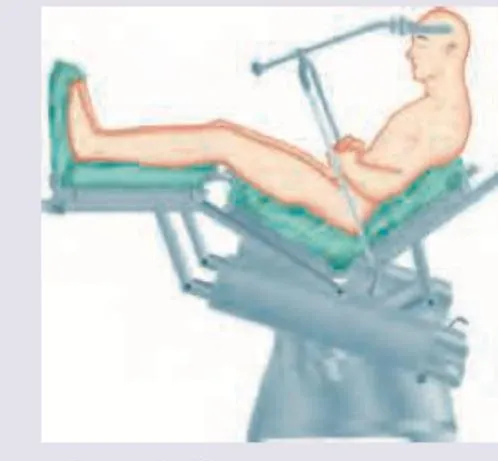
Answer: D. Venous air embolism
In a haemodynamically stable patient with traumatic brain injury, reverse Trendelenburg positioning at approximately 30° is primarily used to manage which condition?
Answer: D. Raised intracranial pressure
During moderate voluntary exercise, what happens to regional blood flow in the activated motor cortex?
Answer: C. Increases
Which is NOT a physiological regulator of cerebral blood flow in a healthy adult breathing room air?
Answer: C. Arterial nitrogen tension
Which anesthetic agent lowers intracranial pressure by reducing cerebral metabolic rate?
Answer: D. Thiopental
Among these inhalational agents, which is most suitable for maintenance during craniotomy at concentrations below 1 MAC with normocapnic ventilation?
Answer: B. Isoflurane
A patient is scheduled for neurosurgery for posterior fossa tumor. During the surgery the BP crashes and Et CO2 suddenly decreases to zero. All of the following are true of the likely complication EXCEPT:
Answer: D. Predisposition at high sinus pressure
During laparotomy after blunt abdominal trauma, a 30-year-old woman has a 2.5-cm small-bowel contusion. She is adequately resuscitated, and the contused segment is devitalized. How should the contused segment be treated?
Answer: B. Resection with primary anastomosis
Intracranial pressure may be increased by all of the following drugs EXCEPT:
Answer: C. Aminoglycosides
Cushing reflex is associated with all except?
Answer: C. Low blood pressure
Want unlimited practice?
Get full access to all questions, explanations, and performance tracking.
Scan to download app