
Clinical Correlations in Neuroanatomy — MCQs

Not seen in case of hemorrhage in MCA territory is:
Superior temporal gyrus lesion leads to?
Wallenberg syndrome involves which artery?
Ptosis results from trauma to which nerve?
Regarding brown sequard syndrome following are true statements except
A 62-year-old patient presents with left-sided arm and leg weakness, right-sided facial paralysis with lateral rectus gaze palsy, and nystagmus. Based on the clinical presentation, which of the following syndromes is most consistent with these symptoms?
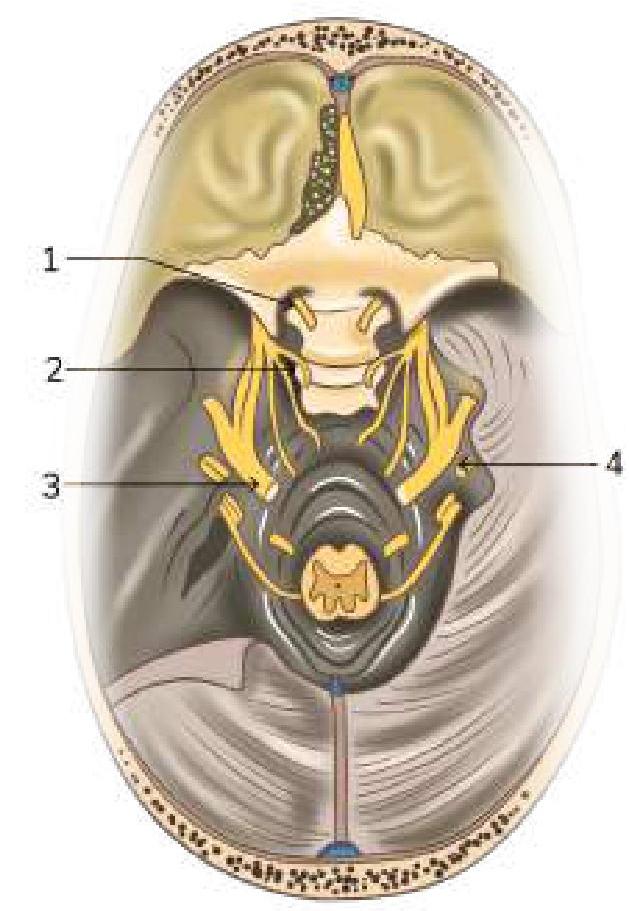
A patient presents with a unilateral throbbing headache, photophobia, and excessive lacrimation. He also complains of hemifacial pain on the clenching of teeth. On examination, pupillary reaction, light reflex, and accommodation reflex are normal. Which of the following marked nerves is most likely involved in the above scenario?
What is the primary function of the superior cervical ganglion?
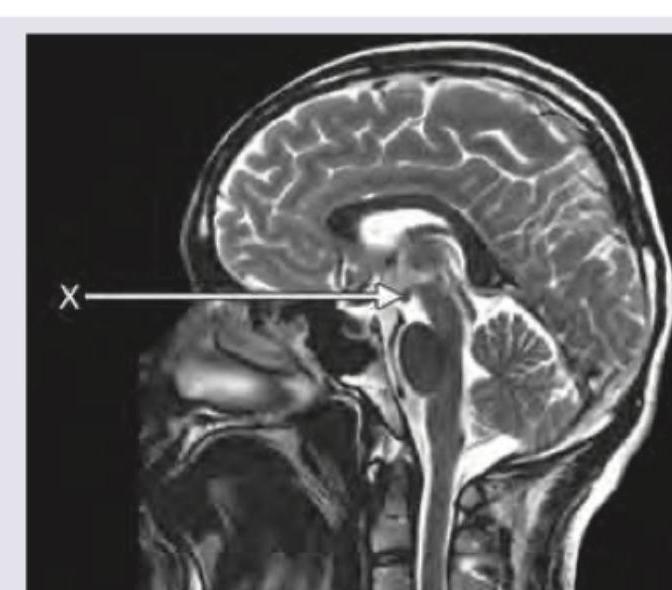
Which is correct about the image shown below?
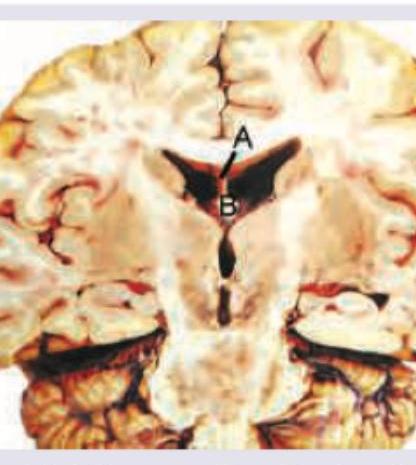
Which is the structure marked here?
Want unlimited practice?
Get full access to all questions, explanations, and performance tracking.
Scan to download app