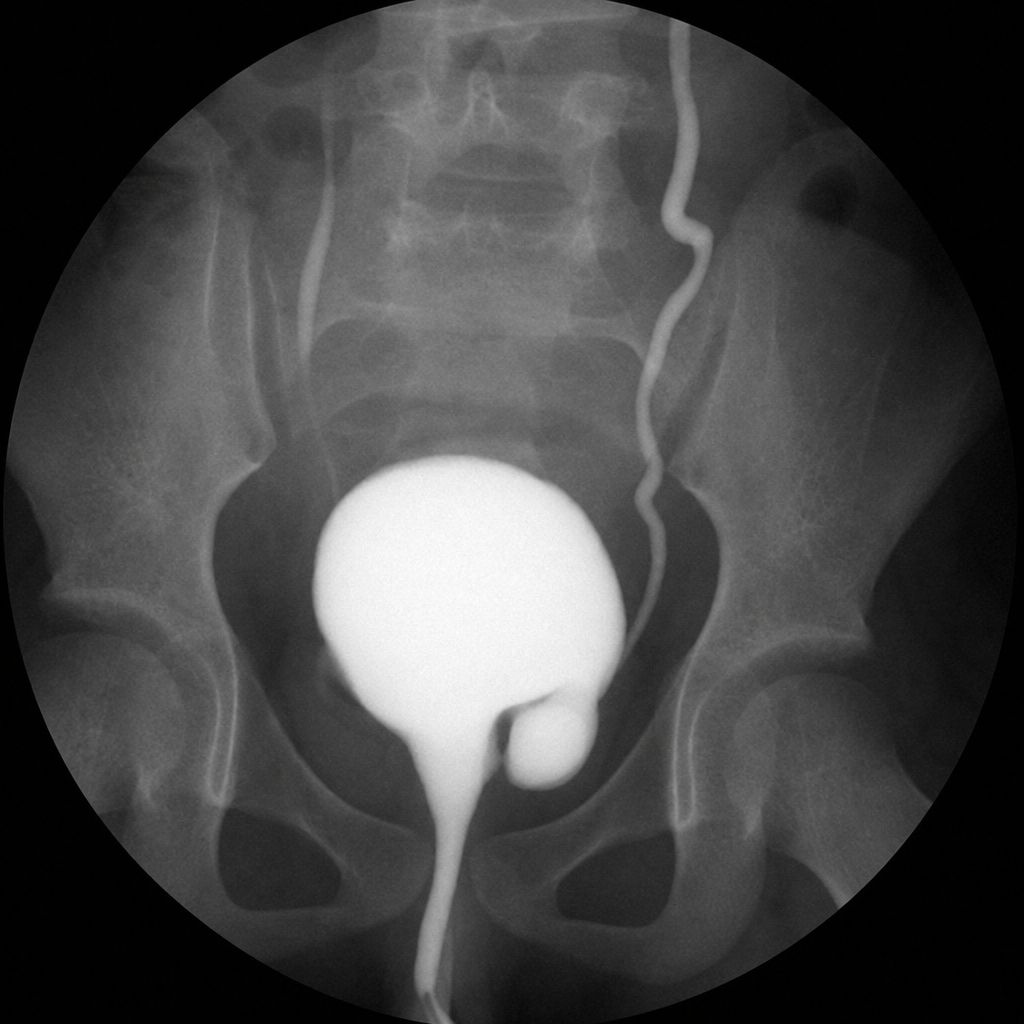
Anatomy
1 questionsCholecystocaval line:-
NEET-PG 2019 - Anatomy NEET-PG Practice Questions and MCQs
Question 151: Cholecystocaval line:-
- A. Separate left medial and left lateral sectors
- B. Separate right anterior and right posterior sectors
- C. Separate gall bladder from portal vein
- D. Separate right and left hepatic lobes (Correct Answer)
Explanation: ***Separate right and left hepatic lobes*** - The **cholecystocaval line**, also known as **Cantlie's line**, is an imaginary plane that divides the **anatomical right and left lobes** of the liver [1]. - This line runs from the **gallbladder fossa** anteriorly to the **inferior vena cava (IVC)** posteriorly. *Separate left medial and left lateral sectors* - The division between the **left medial (segment IV)** and **left lateral (segments II and III)** sectors of the liver is demarcated by the **left hepatic vein** or the falciform ligament internally [3], [4]. - The cholecystocaval line's primary function is not to separate these specific left lobe sectors. *Separate right anterior and right posterior sectors* - The division between the **right anterior (segments V and VIII)** and **right posterior (segments VI and VII)** sectors of the liver is typically defined by the **right hepatic vein** [2]. - This anatomical landmark is distinct from the cholecystocaval line. *Separate gall bladder from portal vein* - The cholecystocaval line is a plane that **originates from the gallbladder**, but it divides the liver parenchyma rather than separating the gallbladder itself from the portal vein. - The gallbladder is a separate organ adjacent to the liver, and the portal vein is a major vessel within the liver parenchyma [1].
Biochemistry
1 questionsIn case of LPL deficiency, which of the following will increase after a fat rich diet?
NEET-PG 2019 - Biochemistry NEET-PG Practice Questions and MCQs
Question 151: In case of LPL deficiency, which of the following will increase after a fat rich diet?
- A. LDL
- B. HDL
- C. Lipoprotein (a)
- D. Chylomicron (Correct Answer)
Explanation: ***Chylomicron*** - **LPL (lipoprotein lipase)** is crucial for the breakdown of **chylomicrons** and VLDL. A deficiency leads to an accumulation of undigested chylomicrons in the bloodstream after a fat-rich meal. - **Chylomicrons** transport dietary triglycerides from the intestines to tissues. Without LPL, these triglycerides remain packaged in chylomicrons. *LDL* - **LDL (low-density lipoprotein)** levels are not directly increased by a short-term fat-rich diet in the context of LPL deficiency. LDL primarily carries cholesterol and is formed from VLDL remnants, a process that is also impaired by LPL deficiency indirectly. - While chronic LPL deficiency can affect overall lipid metabolism, the immediate post-meal increase is not in LDL but in triglyceride-rich lipoproteins. *HDL* - **HDL (high-density lipoprotein)** is involved in reverse cholesterol transport and is generally not directly increased after a fat-rich diet, especially in LPL deficiency. - In fact, severe hypertriglyceridemia, often seen in LPL deficiency, can sometimes lead to lower HDL levels due to altered lipid exchange. *Lipoprotein (a)* - **Lipoprotein (a)**, or Lp(a), is a genetically determined lipoprotein similar to LDL but with an added apolipoprotein (a) and its levels are not acutely affected by dietary fat intake or LPL deficiency. - Lp(a) levels are determined primarily by genetic factors and do not participate in the post-prandial handling of dietary fats.
Dermatology
1 questionsIdentify the condition in the image

NEET-PG 2019 - Dermatology NEET-PG Practice Questions and MCQs
Question 151: Identify the condition in the image
- A. Leukoderma
- B. Piebaldism
- C. DLE
- D. Vitiligo (Correct Answer)
Explanation: ***Correct: Vitiligo*** - This image shows **patches of depigmented skin** (white areas) characteristic of vitiligo, often seen in a **segmental or generalized pattern**. - Vitiligo is an **autoimmune condition** where melanocytes are destroyed, leading to loss of skin color. - Patches typically have a **progressive course** and can appear at any age. *Incorrect: Leukoderma* - Leukoderma is a **general term** for any condition causing white patches on the skin due to reduced or lost pigmentation. - While vitiligo is a type of leukoderma, this answer is too broad and not the **most specific diagnosis** for the pattern shown. - In clinical practice, we diagnose the specific type (vitiligo) rather than using the generic term. *Incorrect: Piebaldism* - Piebaldism is a **rare genetic disorder** characterized by a **stable white forelock** (unpigmented hair) and often a congenital white patch on the forehead. - Unlike vitiligo, these patches are usually **present at birth** and do not progress. - The distribution pattern is typically **midline** with characteristic forehead involvement. *Incorrect: DLE* - DLE stands for **Discoid Lupus Erythematosus**, which is a chronic autoimmune condition affecting the skin. - It typically presents as **red, scaly, disk-shaped plaques** that can lead to scarring, atrophy, and permanent hair loss. - Would show **erythema, scaling, and scarring** rather than pure depigmentation as seen here.
Internal Medicine
1 questionsA child with history of fever, photosensitivity, rash sparing nasolabial fold presents to OP. Identify the condition?

NEET-PG 2019 - Internal Medicine NEET-PG Practice Questions and MCQs
Question 151: A child with history of fever, photosensitivity, rash sparing nasolabial fold presents to OP. Identify the condition?
- A. SLE (Correct Answer)
- B. Polymorphous light eruption
- C. Discoid lupus
- D. Skin tuberculosis
Explanation: ***SLE*** - The combination of **fever**, **photosensitivity**, and a **rash sparing the nasolabial folds** (malar rash or butterfly rash) is highly characteristic of Systemic Lupus Erythematosus (SLE). - Childhood-onset SLE can present with similar mucocutaneous and systemic features as adult-onset disease. *Polymorphous light eruption* - This condition is primarily characterized by **photosensitive skin lesions** but typically does not involve systemic symptoms like fever. - While it presents with rash in sun-exposed areas, it generally lacks the distinct malar rash appearance and systemic involvement seen in SLE. *Discoid lupus* - Discoid lupus is a form of **cutaneous lupus** characterized by chronic, scaly, disfiguring plaques, often on the face and scalp. - It usually **lacks systemic symptoms** like fever and does not present as a widespread malar rash sparing nasal folds. *Skin tuberculosis* - Skin tuberculosis (lupus vulgaris or scrofuloderma) presents with **nodular, plaque-like lesions** or cold abscesses, often with ulceration and scarring. - It is not typically associated with **photosensitivity** or a malar rash, and fever, if present, is usually due to systemic Mycobacterium infection.
Ophthalmology
1 questionsThe most common cause of proptosis in adults:-
NEET-PG 2019 - Ophthalmology NEET-PG Practice Questions and MCQs
Question 151: The most common cause of proptosis in adults:-
- A. Preseptal cellulitis
- B. Capillary hemangioma
- C. Thyroid eye disease (Correct Answer)
- D. Orbital cellulitis
Explanation: ***Thyroid eye disease*** - **Thyroid eye disease (TED)**, also known as Graves' ophthalmopathy, is the most common cause of **proptosis** in adults. - It results from an autoimmune process leading to inflammation and expansion of the **extraocular muscles** and orbital fat, which pushes the eyeball forward. *Preseptal cellulitis* - **Preseptal cellulitis** is an infection of the eyelid and periorbital tissue anterior to the orbital septum, typically presenting with **eyelid swelling** and redness. - While it causes periorbital swelling, it generally does not cause true **proptosis**, which is the anterior displacement of the eyeball itself. *Capillary hemangioma* - **Capillary hemangiomas** are benign vascular tumors and are the most common orbital tumor in **infancy and childhood**, not adults. - They typically cause proptosis in young children, often presenting as a **reddish-blue mass** that may increase in size with crying. *Orbital cellulitis* - **Orbital cellulitis** is a serious infection of the tissues within the orbit, posterior to the orbital septum, which can cause **proptosis**, pain, and ophthalmoplegia. - While it is a cause of proptosis, it is an **acute infectious process** and not the most common overall cause of proptosis in the adult population compared to thyroid eye disease.
Orthopaedics
1 questionsScaphoid fracture which area has maximum chances of AVN/Non-union/Malunion:-
NEET-PG 2019 - Orthopaedics NEET-PG Practice Questions and MCQs
Question 151: Scaphoid fracture which area has maximum chances of AVN/Non-union/Malunion:-
- A. Distal 1/3
- B. Proximal 1/3 (Correct Answer)
- C. Scaphoid Tubercle fracture
- D. Middle 1/3
Explanation: ***Proximal 1/3*** - The **proximal pole of the scaphoid** has a precarious blood supply, primarily from retrograde extraosseous vessels entering distally. A fracture in this region can compromise this supply, leading to **avascular necrosis (AVN)**. - Due to the limited blood flow to the proximal fragment, healing is often impaired, increasing the risk of **non-union** and **malunion**. *Distal 1/3* - Fractures in the **distal 1/3 (distal pole)** of the scaphoid typically have a better prognosis. - This area has a more robust blood supply, reducing the risk of AVN and promoting faster healing. *Scaphoid Tubercle fracture* - Fractures of the **scaphoid tubercle** are usually considered stable and intra-articular, with a good blood supply. - These fractures generally heal well with conservative treatment and have a very low incidence of AVN or non-union. *Middle 1/3* - Fractures in the **middle 1/3 (waist)** of the scaphoid are the most common but still pose a significant risk of non-union. - While the risk of AVN is lower than for proximal pole fractures, it is still higher than for distal fractures, due to the critical vascular supply to both fragments.
Pediatrics
1 questionsFast breathing in a 6-month-old infant is taken as:
NEET-PG 2019 - Pediatrics NEET-PG Practice Questions and MCQs
Question 151: Fast breathing in a 6-month-old infant is taken as:
- A. >30 breaths/min
- B. >50 breaths/min (Correct Answer)
- C. >60 breaths/min
- D. >40 breaths/min
Explanation: ***>50 breaths/min*** - For infants aged 2 to 12 months, a respiratory rate of **greater than 50 breaths per minute** is considered consistent with **tachypnea** or fast breathing. - This is an important indicator of respiratory distress, often used in clinical assessment frameworks like the **Integrated Management of Childhood Illness (IMCI)**. *>30 breaths/min* - A respiratory rate of **>30 breaths/min** would be considered fast breathing for an older child or adult, but it is within the normal range for an infant. - Normal respiratory rates are **higher in infants** and gradually decrease with age. *>60 breaths/min* - While a respiratory rate of **>60 breaths/min** is indeed fast and indicates severe respiratory distress, it is not the initial threshold for defining fast breathing in a 6-month-old infant. - This rate would suggest a more **severe clinical presentation** than simply "fast breathing." *>40 breaths/min* - A respiratory rate **>40 breaths/min** is typically considered fast breathing for children aged 1 to 5 years, but not for infants under 12 months. - For a 6-month-old, this rate is still within the **normal or upper-normal range**, depending on activity and state.
Pharmacology
1 questionsMechanism of action of teduglutide in short bowel syndrome:
NEET-PG 2019 - Pharmacology NEET-PG Practice Questions and MCQs
Question 151: Mechanism of action of teduglutide in short bowel syndrome:
- A. GLP-2 analog that inhibits apoptosis (Correct Answer)
- B. HT1A inhibitor
- C. C-peptide analog
- D. GLP-1 analog that inhibits apoptosis
Explanation: ***GLP-2 analog that inhibits apoptosis*** - **Teduglutide** is a synthetic analog of **glucagon-like peptide-2 (GLP-2)**, which is a naturally occurring human hormone [1]. - Its primary mechanism in **short bowel syndrome** involves promoting mucosal growth and inhibiting epithelial cell apoptosis, thereby enhancing nutrient absorption and gut adaptation. *GLP-1 analogs that inhibits apoptosis* - **GLP-1 analogs** like exenatide or liraglutide are primarily used for **type 2 diabetes mellitus** to stimulate insulin secretion and suppress glucagon [2]. - While they can have some effects on gut motility, their main role is not in promoting mucosal growth or inhibiting apoptosis in the context of short bowel syndrome. *HT1A inhibitor* - **HT1A inhibitors** (5-HT1A receptor antagonists) are typically involved in modulating serotonin pathways, often with applications in conditions like **anxiety** or **depression**. - There is no known direct link between HT1A inhibition and the treatment of short bowel syndrome. *C-peptide analogs* - **C-peptide** is a byproduct of insulin production and has been studied for potential roles in preventing diabetes complications, particularly in relation to **microvascular complications** [3], [4]. - It does not play a direct role as a therapeutic agent for promoting intestinal adaptation or inhibiting apoptosis in short bowel syndrome.
Physiology
1 questionsWhat is the PRIMARY mechanism by which Interleukin-1 (IL-1) induces fever?
NEET-PG 2019 - Physiology NEET-PG Practice Questions and MCQs
Question 151: What is the PRIMARY mechanism by which Interleukin-1 (IL-1) induces fever?
- A. Stimulates antibody production
- B. Inhibits inflammation
- C. Endogenous pyrogen (Correct Answer)
- D. Activates complement cascade
Explanation: ***Endogenous pyrogen*** - **IL-1** is a potent **endogenous pyrogen** that acts directly on the **hypothalamus**, the body's thermoregulatory center. - It stimulates the production of **prostaglandin E2 (PGE2)** in the hypothalamus, which then resets the body's thermoregulatory set point to a higher temperature, leading to fever. *Stimulates antibody production* - While IL-1 can have broader immune functions and can influence B cell activity, its **primary role in fever** production is not through antibody stimulation. - Antibody production is a function of **B lymphocytes** and is primarily driven by antigen presentation and T cell help. *Inhibits inflammation* - **IL-1** is a key **pro-inflammatory cytokine** that promotes inflammation, rather than inhibiting it. - It induces the expression of various adhesion molecules and inflammatory mediators, contributing to the inflammatory response. *Activates complement cascade* - The **complement cascade** is a part of the innate immune system, typically activated by **antigen-antibody complexes** (classical pathway) or **microbial surfaces** (alternative and lectin pathways). - While IL-1 plays a role in overall immune responses, its direct mechanism for inducing fever does not primarily involve activating the complement system.
Surgery
1 questionsDegloving injury involves separation of:-
NEET-PG 2019 - Surgery NEET-PG Practice Questions and MCQs
Question 151: Degloving injury involves separation of:-
- A. Skin
- B. Everything above from bone
- C. Skin + Subcutaneous tissue
- D. Skin + Fascia + Subcutaneous tissue (Correct Answer)
Explanation: ***Skin + Fascia + Subcutaneous tissue*** - A **degloving injury** involves the traumatic separation of skin, subcutaneous tissue, and **superficial fascia** from the underlying deep fascia and muscle structures. - The separation typically occurs at the plane between the **superficial fascia** and **deep fascia**, creating the characteristic "degloved" appearance with loss of multiple tissue layers. *Skin + Subcutaneous tissue* - This option is incomplete as it fails to explicitly mention the **superficial fascia** component that is also involved in degloving injuries. - While anatomically the subcutaneous tissue includes fascial elements, the complete description should specifically include **fascia** as a separate component. *Skin* - This option is severely incomplete as degloving injuries involve much more than just the **epidermal and dermal layers**. - A true degloving injury must include separation of the **subcutaneous tissue** and **superficial fascia** to create the characteristic tissue defect. *Everything above from bone* - This description is too extensive and would represent a **complex avulsion** or **near-amputation** rather than a typical degloving injury. - Degloving specifically refers to separation at the **superficial-deep fascial plane**, not removal of all overlying tissues including muscle and deep fascia.