NEET-PG 2017 — Surgery
4 Previous Year Questions with Answers & Explanations
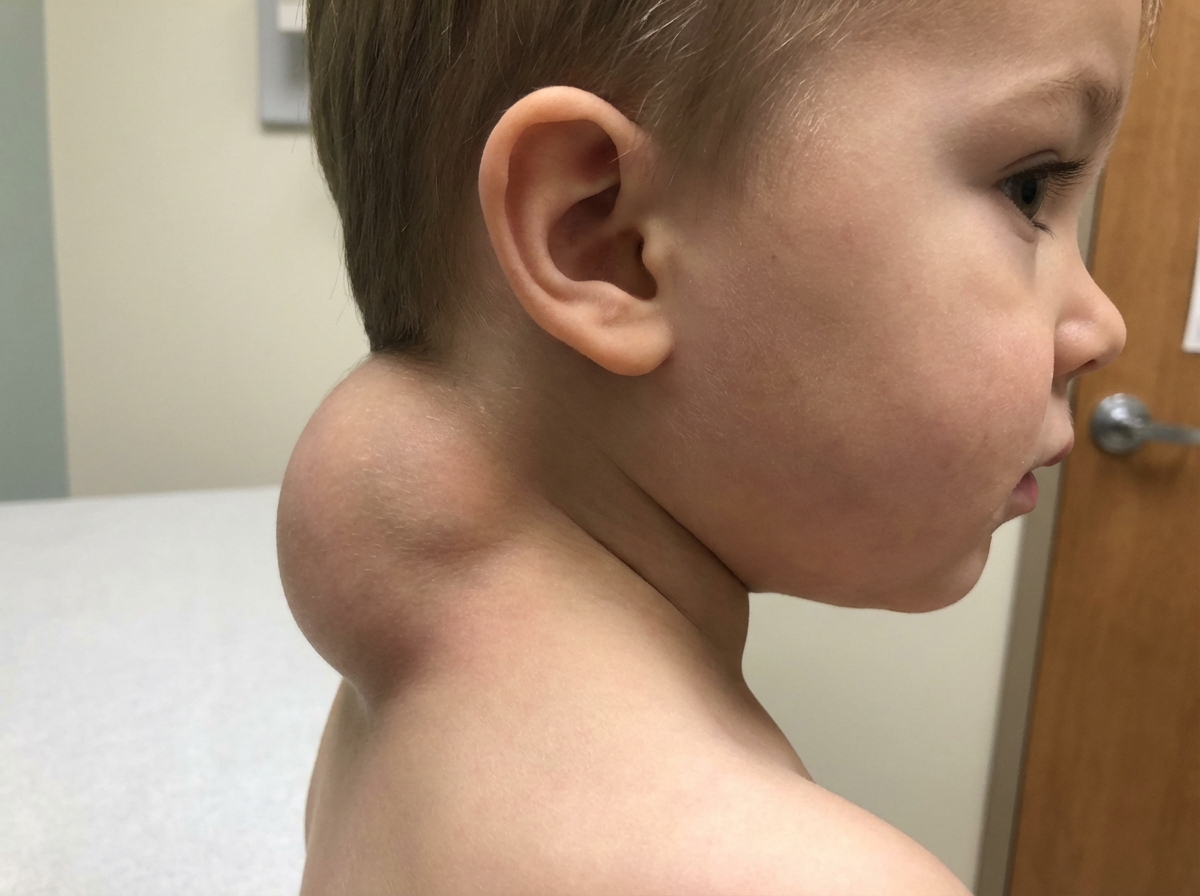
Which of the following is true regarding this condition?
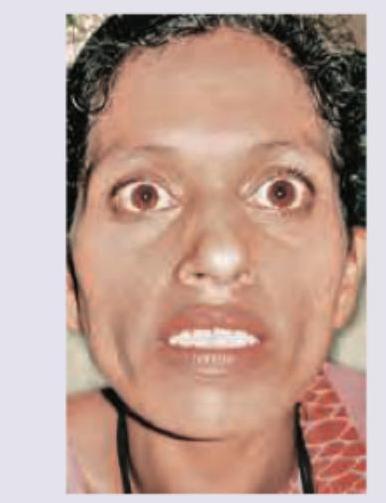
A 51-year-old woman presents with complaints of nervousness and weight loss. She reveals that she has been feeling her heart racing often. On examination, she has a fine tremor, and a large mass in the front of her neck that moves when she swallows. What is the definite treatment of choice for this condition?
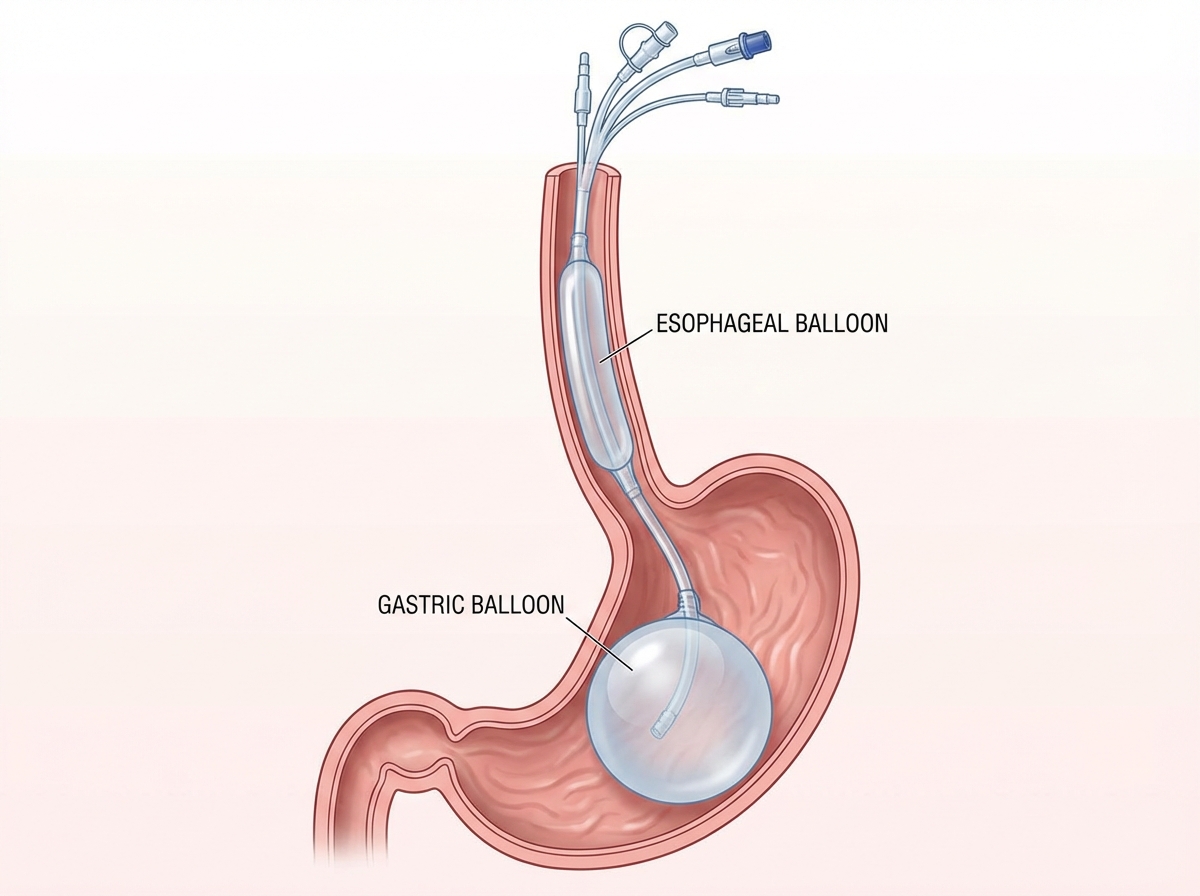
A 12-year-old patient with esophageal varices is managed by the procedure shown in the image. All of the following statements regarding this condition are true except:
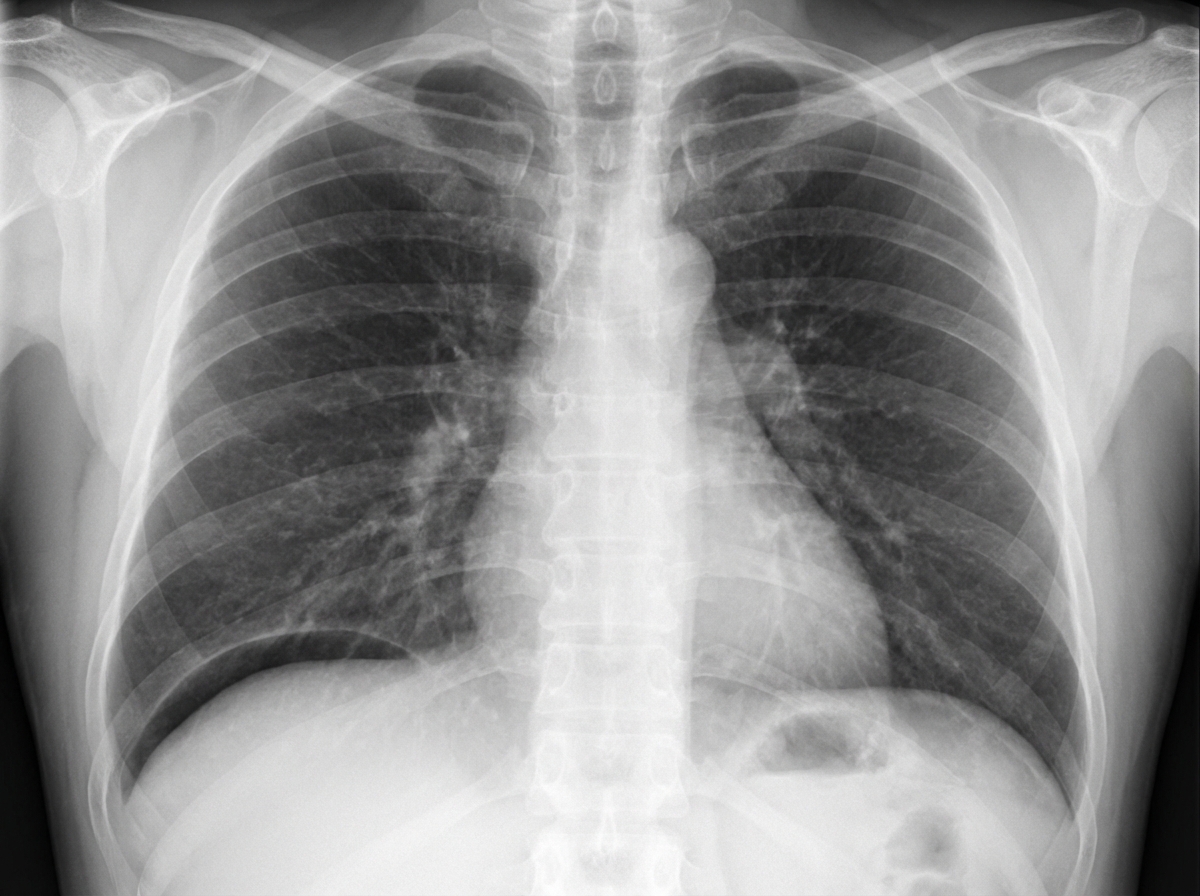
A 34-year-old male patient complains of sudden severe epigastric pain along with vomiting, tenderness, guarding. On examination there is abdominal rigidity and tachycardia. He admits to taking NSAIDs for pain. The radiological examination of the patient is given below. All statements given below are true except?
NEET-PG 2017 - Surgery NEET-PG Practice Questions and MCQs
Question 1: Which of the following is true regarding this condition?
- A. Most common site is anterior triangle neck
- B. It is due to vascular malformation
- C. Usually decreases on crying
- D. Needle aspiration yields fluid that does not coagulate (Correct Answer)
- E. Typically appears after 5 years of age
Explanation: ***Needle aspiration yields fluid that does not coagulate*** - The image depicts a large, translucent, fluid-filled cystic mass, characteristic of a **cystic hygroma** (lymphatic malformation). - Aspiration of a cystic hygroma typically yields **clear to straw-colored fluid** that is rich in protein but **does not coagulate** because it is lymphatic fluid, not blood. *Most common site is anterior triangle neck* - While cystic hygromas most commonly occur in the **neck**, they are typically found in the **posterior triangle**, not the anterior triangle. - The lesion in the image appears to be a large, diffuse cystic mass extending from the neck into the mediastinum or axilla. *It is due to vascular malformation* - This condition is a **lymphatic malformation**, specifically a cystic hygroma, not a vascular malformation. - **Vascular malformations** involve blood vessels and would typically present with different characteristics, such as being compressible and potentially blanching. *Usually decreases on crying* - Crying or straining typically **increases the size** of a cystic hygroma due to increased intrathoracic pressure, which impedes lymphatic flow and causes distention of the lymphatic sacs. - This characteristic helps differentiate it from conditions that might decrease in size with pressure. *Typically appears after 5 years of age* - Cystic hygromas are **congenital malformations** that are usually present at birth or become apparent within the **first 2 years of life** (approximately 90% by age 2). - Late presentation after 5 years of age is uncommon and would be unusual for this condition.
Question 2: A 51-year-old woman presents with complaints of nervousness and weight loss. She reveals that she has been feeling her heart racing often. On examination, she has a fine tremor, and a large mass in the front of her neck that moves when she swallows. What is the definite treatment of choice for this condition?
- A. Subtotal thyroidectomy
- B. Propranolol
- C. Total thyroidectomy (Correct Answer)
- D. ${ }^{131} \mathrm{I}$ radioablation
- E. Antithyroid drugs (Methimazole)
Explanation: ***Total thyroidectomy*** - The patient exhibits classic symptoms of **hyperthyroidism** (nervousness, weight loss, racing heart, fine tremor) and has a **large goiter** (mass in the front of her neck that moves with swallowing). - The image shows **exophthalmos/proptosis**, indicating **Graves' ophthalmopathy**. - For a **large symptomatic goiter**, **total thyroidectomy** is the definitive treatment of choice, providing immediate resolution of symptoms and removal of the compressive mass. - Surgery is preferred over radioactive iodine when there is a large goiter, as it provides rapid symptom relief and eliminates concerns about gland enlargement from radiation-induced thyroiditis. *Subtotal thyroidectomy* - **Subtotal thyroidectomy** leaves residual thyroid tissue, which carries a **higher risk of recurrent hyperthyroidism** (10-30% recurrence rate). - With a **large goiter** and significant symptoms, **total thyroidectomy** is preferred for definitive cure and to avoid recurrence. *Propranolol* - **Propranolol** is a beta-blocker used to manage **symptomatic effects** of hyperthyroidism (palpitations, tremor, anxiety) but does not address the underlying thyroid hormone excess. - It is an **adjunctive therapy** or temporary measure, not a definitive treatment. *${ }^{131} \\mathrm{I}$ radioablation* - **Radioactive iodine (RAI)** is an effective definitive treatment for Graves' disease and is the most common treatment in the United States. - However, for patients with a **very large goiter** (>80g), RAI may be less effective, can cause transient thyroid enlargement (radiation thyroiditis) with potential airway compromise, and takes months to achieve full effect. - Surgery is preferred for large goiters requiring rapid symptom resolution or when there are compressive symptoms. *Antithyroid drugs (Methimazole)* - **Antithyroid drugs** (methimazole, propylthiouracil) block thyroid hormone synthesis and are used for initial management of hyperthyroidism. - While they can achieve remission in some patients (30-50% after 12-18 months), they are **not considered definitive treatment** as relapse is common after discontinuation. - They do not address the **large goiter**, which may require definitive therapy with surgery or RAI.
Question 3: A 12-year-old patient with esophageal varices is managed by the procedure shown in the image. All of the following statements regarding this condition are true except:
- A. Sengstaken-Blakemore tube
- B. Gastric balloon is inflated with 400 mL of air
- C. Esophageal balloon is inflated with 40 mm Hg pressure of air
- D. This is the definitive treatment (Correct Answer)
- E. Should be kept inflated for a maximum of 24-48 hours
Explanation: ***This is the definitive treatment*** - The image shows a **Sengstaken-Blakemore tube** being used, which is a temporary measure for controlling **bleeding esophageal varices**. - It is an emergency treatment used for stabilization and does not address the underlying cause of varices or prevent future bleeding. - **Definitive treatments** include endoscopic variceal ligation (EVL), sclerotherapy, or TIPS procedure. *Sengstaken-Blakemore tube* - The device shown in the image, with balloons and multiple lumens, is indeed a **Sengstaken-Blakemore tube**, used for **tamponade of actively bleeding esophageal varices**. - This tube features a gastric balloon and an esophageal balloon, along with lumens for suction, designed to exert pressure on the bleeding varices. *Gastric balloon is inflated with 400 mL of air* - The **gastric balloon** of a Sengstaken-Blakemore tube is typically inflated with **200-500 mL of air** (often around 250-300 ml in adults, 150 ml in children) to anchor the tube and compress gastric varices. - While 400 mL is within the general range, the exact volume can vary based on patient size and clinical protocol. *Esophageal balloon is inflated with 40 mm Hg pressure of air* - The **esophageal balloon** is indeed inflated to a pressure of **20-45 mmHg (typically 30-45 mmHg)** to compress esophageal varices. - This pressure application is critical for achieving local hemostasis in acute bleeding episodes. *Should be kept inflated for a maximum of 24-48 hours* - The balloons should be deflated after **24-48 hours maximum** to prevent complications such as **esophageal necrosis, ulceration, or perforation**. - Prolonged inflation can cause pressure necrosis of the esophageal or gastric mucosa.
Question 4: A 34-year-old male patient complains of sudden severe epigastric pain along with vomiting, tenderness, guarding. On examination there is abdominal rigidity and tachycardia. He admits to taking NSAIDs for pain. The radiological examination of the patient is given below. All statements given below are true except?
- A. Tenderness on per-rectal examination
- B. Blumberg sign is positive
- C. Dullness over flanks is observed
- D. Pain often radiates to groin (Correct Answer)
- E. Obliteration of liver dullness on percussion
Explanation: ***Pain often radiates to groin*** - The clinical presentation (sudden severe epigastric pain, vomiting, tenderness, guarding, rigidity, tachycardia, NSAID use) and the radiological imaging showing **free air under the diaphragm** are highly suggestive of **perforated viscus**, likely a perforated peptic ulcer. - Pain from a perforated ulcer typically **radiates to the shoulder** (due to diaphragmatic irritation) or generalizes throughout the abdomen, but **not typically to the groin**. *Tenderness on per-rectal examination* - **Tenderness on per-rectal examination** can be present in cases of generalized peritonitis, as the inflammation can extend to the pelvic peritoneum. - This finding is consistent with the diffuse inflammation caused by a perforated viscus. *Blumberg sign is positive* - **Blumberg sign**, also known as **rebound tenderness**, is a classic sign of **peritoneal irritation** or peritonitis. - Given the severe abdominal pain, guarding, and rigidity, peritonitis is highly likely in this patient, making a positive Blumberg sign expected. *Dullness over flanks is observed* - **Dullness on percussion over the flanks** indicates the presence of **fluid** in the peritoneal cavity (ascites). - In a perforated viscus, gastric or intestinal contents, along with inflammatory exudates, can accumulate in the dependent areas of the abdomen, leading to dullness in the flanks.