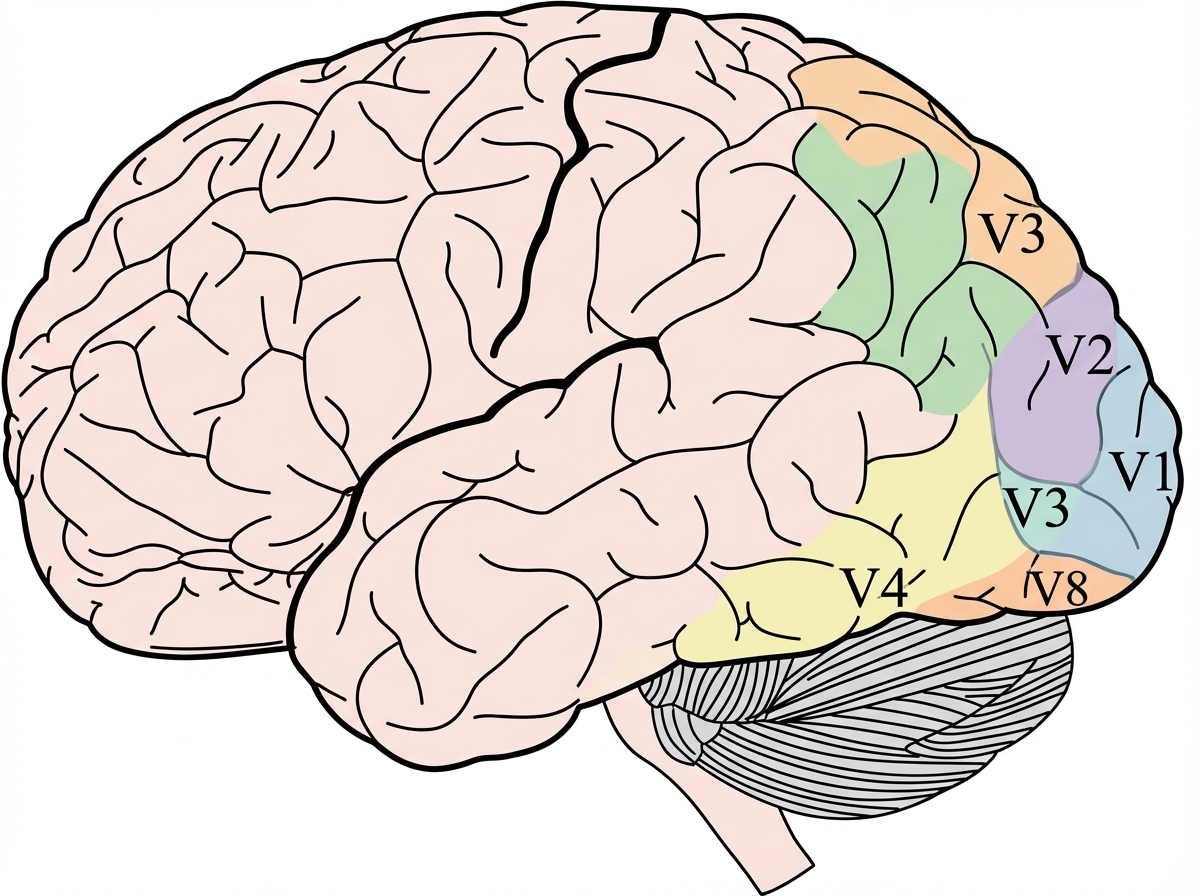
Which protein is responsible for the effect shown in RBC marked as $X$ ?
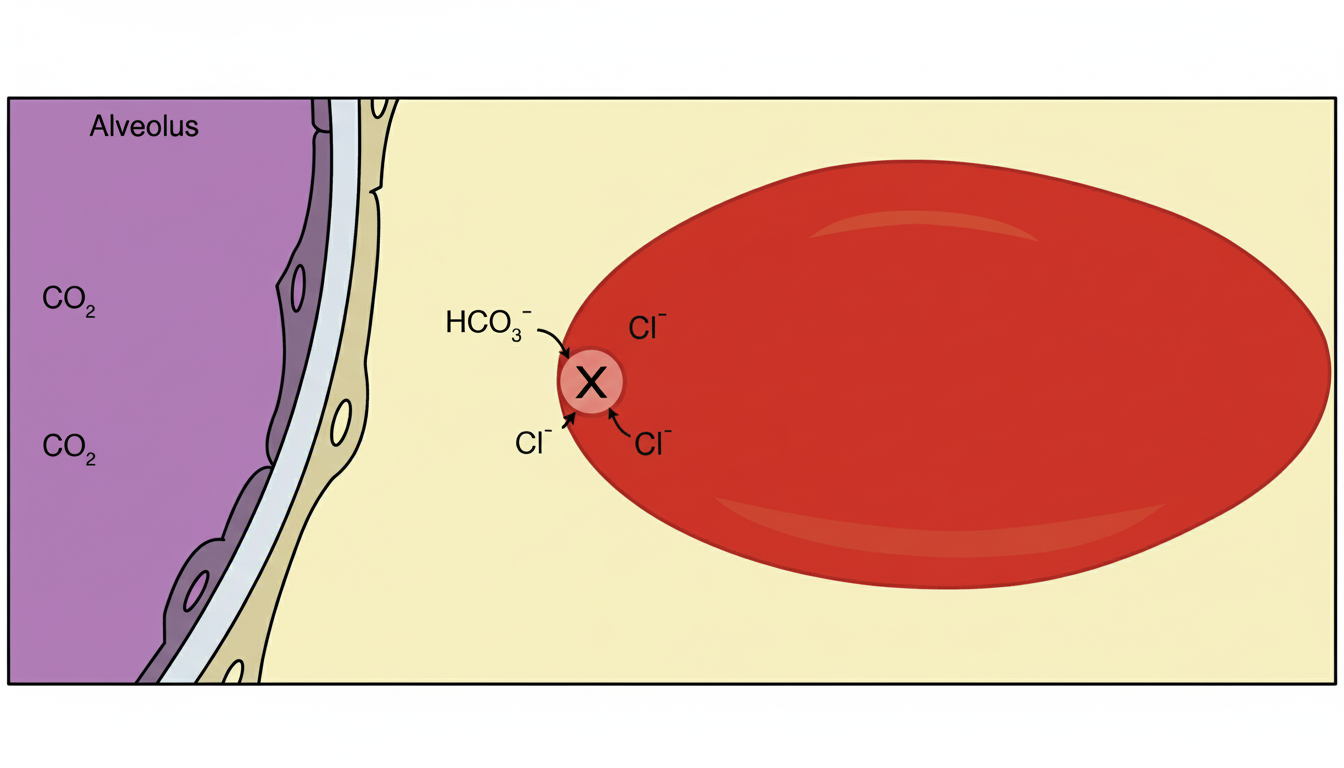
Identify the modality of intercellular communication shown below.
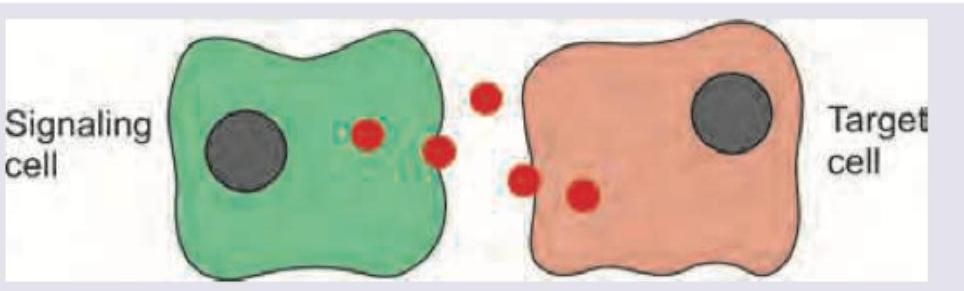
The following skeletal muscle recording shows presence of: (Recent NEET Pattern 2016-17)
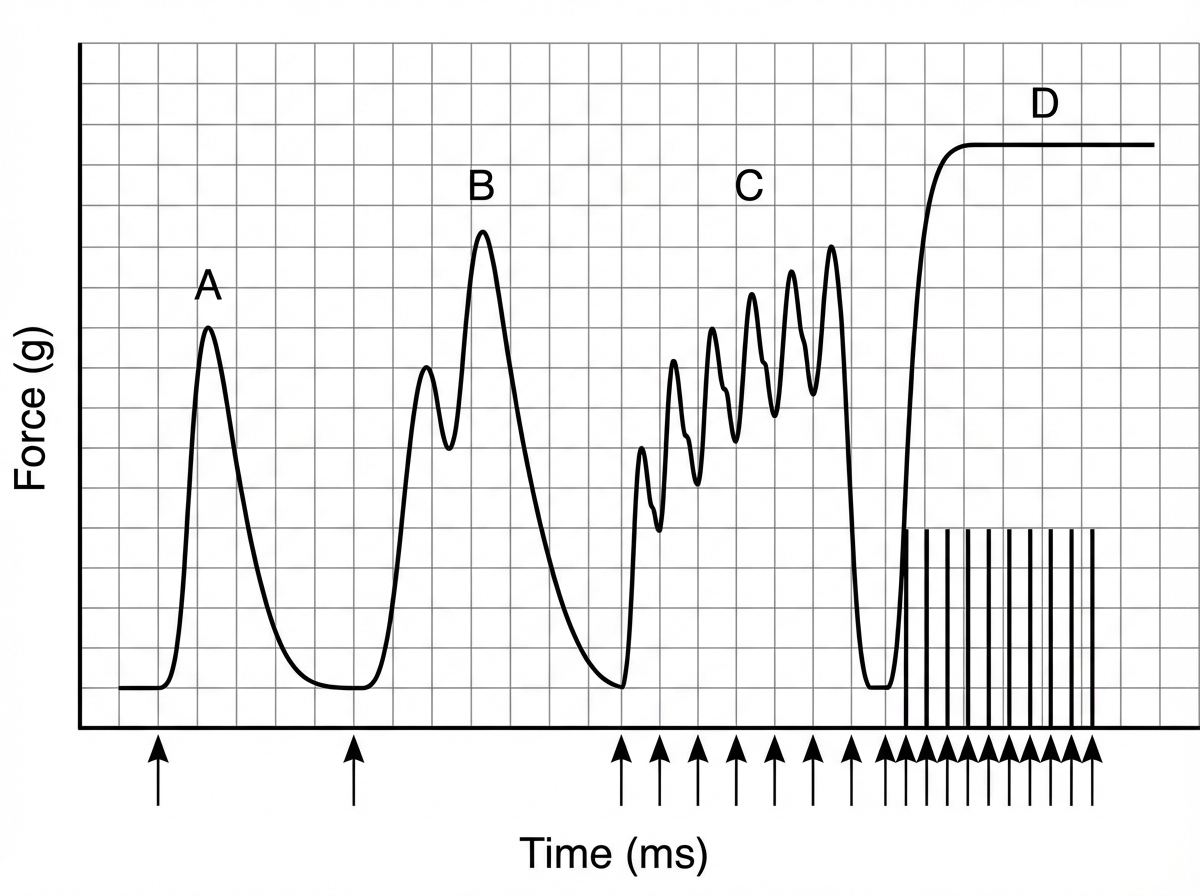
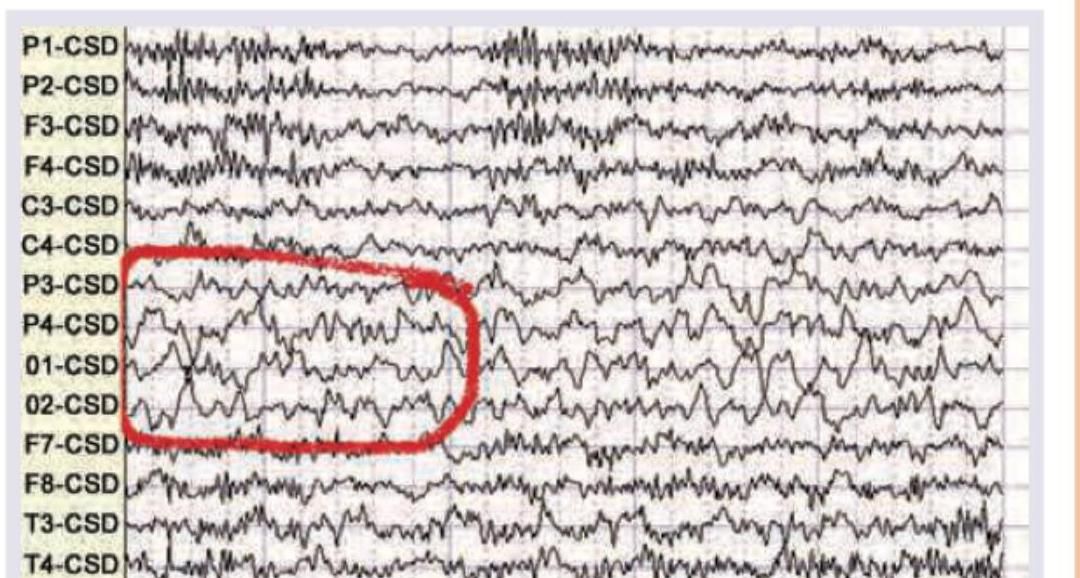
Which wave is seen in the given EEG recording?
NEET-PG 2017 - Physiology NEET-PG Practice Questions and MCQs
Question 11: Which protein is responsible for the effect shown in RBC marked as $X$ ?
- A. Band 3 protein (Correct Answer)
- B. Spectrin
- C. Glycophorin
- D. Ankyrin
Explanation: ***Band 3 protein*** - The image indicates that **X** facilitates the exchange of **bicarbonate (HCO₃⁻)** out of the red blood cell and **chloride (Cl⁻)** into the red blood cell, a process known as the **chloride shift** or **Hamburger phenomenon**. - This specific transporter is the **Band 3 anion exchanger 1 (AE1)**, also known as **Band 3 protein**, which is crucial for maintaining electrical neutrality during CO₂ transport. - **Band 3 protein** is the most abundant membrane protein in RBCs and accounts for approximately **25% of RBC membrane protein**. *Spectrin* - Spectrin is a **cytoskeletal protein** that forms a structural network on the inner surface of the RBC membrane. - It provides **mechanical stability and flexibility** to RBCs but does not participate in anion exchange. - Defects in spectrin cause hereditary spherocytosis and elliptocytosis. *Glycophorin* - Glycophorins are **surface glycoproteins** that carry many of the carbohydrate groups on the RBC surface. - They play roles in **membrane stability and blood group antigens** (MN blood group system). - They do not function as anion exchangers or transporters for bicarbonate/chloride. *Ankyrin* - Ankyrin is an **anchoring protein** that links the cytoskeletal protein spectrin to Band 3 protein. - It provides **structural support** and maintains membrane integrity but does not transport ions. - Ankyrin deficiency can cause hereditary spherocytosis.
Question 12: Identify the modality of intercellular communication shown below.
- A. Paracrine (Correct Answer)
- B. Autocrine
- C. Synaptic
- D. Gap junction
Explanation: ***Paracrine*** - The image shows a **signaling cell** releasing **signaling molecules** (red dots) into the extracellular space, which then act on a nearby **target cell**. This local signaling is characteristic of paracrine communication. - In **paracrine signaling**, the molecules travel short distances through the interstitial fluid to influence neighboring cells, without entering the bloodstream. *Autocrine* - In **autocrine signaling**, a cell releases signaling molecules that then act on **receptors on the same cell** that produced them. The image clearly depicts communication between two different cells. - The signaling molecules are shown moving from one cell (signaling cell) to another distinct cell (target cell), rather than acting back on the originating cell. *Synaptic* - **Synaptic signaling** involves specialized structures called **synapses** where neurons transmit signals using **neurotransmitters** across a synaptic cleft to a target cell (another neuron, muscle cell, or gland cell). The image does not show a neuronal structure or a synapse. - This type of communication is highly specific to the nervous system and involves electrical impulses followed by chemical transmission, which is not represented here. *Gap junction* - **Gap junction communication** involves direct passage of signaling molecules between adjacent cells through specialized protein channels called **gap junctions**. - The image depicts signaling molecules being released into the extracellular space and binding to receptors on the target cell, rather than passing directly between the cytoplasms of two cells.
Question 13: The following skeletal muscle recording shows presence of: (Recent NEET Pattern 2016-17)
- A. A = Twitch, B = Summation, C = Incomplete tetanus, D = Complete tetanus (Correct Answer)
- B. A = Summation, B = Twitch, C = Complete tetanus, D = Incomplete tetanus
- C. A = Twitch, B = Incomplete tetanus, C = Summation, D = Complete tetanus
- D. A = Incomplete tetanus, B = Complete tetanus, C = Twitch, D = Summation
Explanation: ***A = Twitch, B = Summation, C = Incomplete tetanus, D = Complete tetanus*** - **A** shows a single muscle contraction and relaxation in response to a single stimulus, which is characteristic of a **twitch**. - **B** shows responses to multiple stimuli delivered before complete relaxation, resulting in increasing tension but still peaks and troughs, indicative of **summation**. - **C** represents **incomplete tetanus** (also known as unfused tetanus), where rapid stimulation causes successive contractions to build upon each other, but the muscle partially relaxes between stimuli, creating a jagged peak. - **D** illustrates **complete tetanus** (or fused tetanus), where very rapid, continuous stimulation prevents any relaxation between stimuli, leading to a sustained, smooth maximal contraction.
Question 14: Which wave is seen in the given EEG recording?
- A. Alpha waves
- B. Beta waves
- C. Epsilon wave
- D. Delta waves (Correct Answer)
Explanation: ***Delta waves*** - The highlighted EEG activity shows **large amplitude, low-frequency waves** (typically 0.5-4 Hz), which are characteristic of delta waves. - Delta waves are normally associated with **deep sleep** (NREM stage 3) or **pathological conditions** in awake adults, indicating significant brain dysfunction. *Alpha waves* - Alpha waves have a frequency range of **8-13 Hz** and typically appear when an individual is in a relaxed, awake state with eyes closed. - The waves in the image are much slower and higher in amplitude than typical alpha waves. *Beta waves* - Beta waves are characterized by a higher frequency range of **14-30 Hz** and are associated with active thinking, alertness, and concentration. - The observed activity is significantly slower and higher in amplitude than beta waves. *Epsilon wave* - The term "epsilon wave" is not a standard classification for EEG brain waves in the context of normal or common pathological activity, unlike alpha, beta, theta, and delta waves. - In cardiology, "epsilon wave" refers to a specific finding on an ECG in **Arrhythmogenic Right Ventricular Cardiomyopathy (ARVC)**, not an EEG.