Forensic Medicine
9 questionsWhat is the type of venom of the snake shown below? (Recent NEET Pattern 2016-17)

All are true about the poisoning caused by following plant except: (Recent NEET Pattern 2016-17)

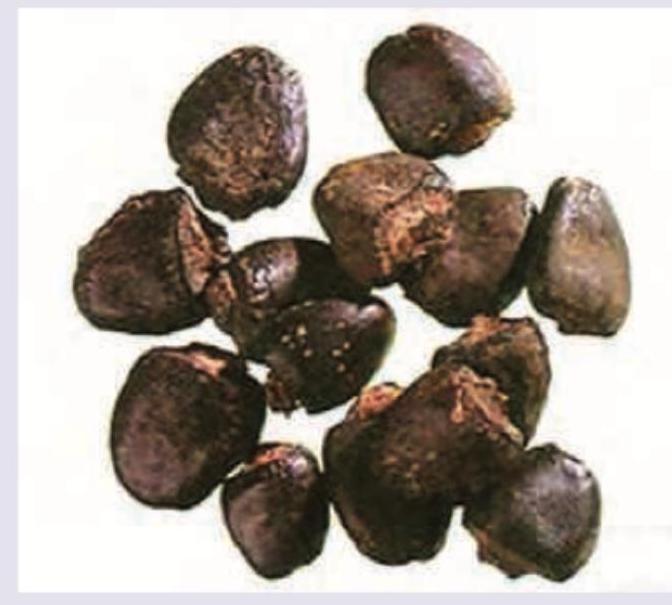
The seeds shown in the image below have which toxin? (Recent NEET Pattern 2016-17)

Identify the toxin shown below which causes the given ECG changes. (Recent NEET Pattern 2016-17)

The toxin shown below will lead to the development of:

Identify the plant shown in the image:

Which of the following food adulterant leads to this clinical finding? (Recent NEET Pattern 2016-17)

The toxin shown in the image will lead to the development of: (Recent NEET Pattern 2016-17)

The appearance of lines in nails as shown below is seen in? (Recent NEET Pattern 2016-17)

NEET-PG 2017 - Forensic Medicine NEET-PG Practice Questions and MCQs
Question 291: What is the type of venom of the snake shown below? (Recent NEET Pattern 2016-17)
- A. Vasculotoxic
- B. Neurotoxic
- C. Vasculotoxic and hemotoxic (Correct Answer)
- D. Hemotoxic
Explanation: ***Vasculotoxic and hemotoxic*** - The image displays a **Russell's viper** (*Daboia russelii*), identified by its characteristic chain of three prominent, dark, oval, or rhomboidal spots. - The venom of the Russell's viper is primarily **vasculotoxic** (affecting blood vessels) and **hemotoxic** (affecting blood components), causing symptoms like local pain, swelling, blistering, and coagulopathy leading to bleeding. *Vasculotoxic* - While Russell's viper venom is indeed vasculotoxic, this option is incomplete as it lacks the hemotoxic component which is also significant. - **Vasculotoxicity** leads to damage to blood vessel walls, causing leakage and local tissue damage. *Neurotoxic* - Neurotoxic venom primarily affects the nervous system, leading to paralysis and respiratory failure, which is characteristic of snakes like **cobras** and **kraits**. - The Russell's viper venom does not have significant neurotoxic effects in humans. *Hemotoxic* - While Russell's viper venom is hemotoxic, this option is incomplete as it misses the **vasculotoxic** effects that are a crucial part of its pathology. - **Hemotoxicity** impacts blood clotting factors and red blood cells, leading to internal and external bleeding.
Question 292: All are true about the poisoning caused by following plant except: (Recent NEET Pattern 2016-17)
- A. Toxic principle is ricin
- B. Fatal dose is 1 mg/kg body weight
- C. Urine alkalization (Correct Answer)
- D. Opisthotonus
Explanation: ***Urine alkalization*** - There is **no specific role** for **urine alkalization** in the management of castor bean (ricin) poisoning. - Management is primarily **supportive**, including gastrointestinal decontamination, fluid resuscitation, and symptomatic treatment. - Urine alkalization is used in salicylate or barbiturate poisoning, **not in ricin poisoning**. *Toxic principle is ricin* - The castor bean plant (**Ricinus communis**) contains **ricin**, a highly potent **lectin** and protein synthesis inhibitor. - Ricin causes severe **cellular toxicity** leading to gastrointestinal, hepatic, renal, and systemic manifestations. - This is a **TRUE statement**. *Fatal dose is 1 mg/kg body weight* - The **fatal dose of ricin** is approximately **1 mg/kg body weight** when ingested. - Ingestion of even **1-3 chewed castor beans** can be fatal in adults, making it one of the most poisonous plants. - This is a **TRUE statement**. *Opisthotonus* - **Opisthotonus** (backward arching due to severe muscle spasm) can occur in **severe cases** of ricin poisoning as a neurological manifestation. - While more classically associated with **tetanus** or **strychnine poisoning**, severe ricin toxicity can cause convulsions and opisthotonus. - This is considered a **TRUE statement** in the context of severe ricin poisoning.
Question 293: The seeds shown in the image below have which toxin? (Recent NEET Pattern 2016-17)
- A. Ricin
- B. Abrin (Correct Answer)
- C. Calotoxin
- D. Plumbagin
Explanation: ***Abrin*** - The seeds shown in the image are characteristic of **Rosary Pea (Abrus precatorius)**, known for their bright red color with a black spot. - These seeds contain the potent **ribosome-inactivating protein toxin** called abrin. *Ricin* - **Ricin** is a toxin derived from the seeds of the **castor oil plant (Ricinus communis)**, which look different from the seeds pictured. - Castor seeds are typically mottled brown, black, and white, not bright red with a black spot. *Calotoxin* - **Calotoxin** is a cardiac glycoside found in plants like **Calotropis (milkweed)**. - The seeds of Calotropis are flat, brown, and have a tuft of silky hair, which is completely different from the seeds shown. *Plumbagin* - **Plumbagin** is a naphthoquinone compound found in plants like **Plumbago zeylanica**. - This compound is not associated with the red and black seeds depicted in the image.
Question 294: Identify the toxin shown below which causes the given ECG changes. (Recent NEET Pattern 2016-17)
- A. Yellow Oleander (Correct Answer)
- B. Aconite
- C. Dhatura
- D. Abrus precatorius
Explanation: ***Yellow Oleander*** - The image displays the **yellow oleander plant** (*Thevetia peruviana*), which contains cardiac glycosides like **thevetin, neriifolin, and thevetoxin**. - These toxins inhibit the **Na+/K+ ATPase pump**, leading to increased intracellular calcium and characteristic ECG changes similar to **digitalis toxicity** (e.g., **bradycardia**, **AV block**, scooping ST-segment depression, ventricular arrhythmias, and T-wave changes). - Yellow oleander is a common cause of poisoning in **tropical regions** and presents with gastrointestinal symptoms followed by life-threatening cardiac arrhythmias. *Aconite* - Aconite (*Aconitum* species) is a cardiotoxic plant but causes toxicity through **sodium channel activation** rather than cardiac glycoside effects. - Presents with **paresthesias, ventricular arrhythmias**, but ECG shows different patterns (polymorphic VT, not typical digitalis-like changes). - The plant morphology is distinct from yellow oleander, with characteristic hood-shaped flowers. *Dhatura* - Dhatura (*Datura stramonium*) is an **anticholinergic poison** containing tropane alkaloids (atropine, scopolamine, hyoscyamine). - Causes **tachycardia** (not bradycardia), mydriasis, dry mouth, hallucinations, and hyperthermia. - ECG shows sinus tachycardia, not the bradycardia and AV blocks seen with cardiac glycosides. *Abrus precatorius* - Abrus precatorius (rosary pea, jequirity bean) contains **abrin**, a **ribosome-inactivating protein toxin**. - Causes severe **gastroenteritis, hepatotoxicity**, and multiorgan failure, not primarily cardiac toxicity. - Does not produce the characteristic digitalis-like ECG changes shown in the image.
Question 295: The toxin shown below will lead to the development of:
- A. Burtonian line
- B. Clapton line
- C. Basophilic stippling of RBC (Correct Answer)
- D. Danbury tremor
Explanation: ***Basophilic stippling of RBC*** - The image depicts **lead powder**, a known cause of **lead poisoning** - **Lead inhibits pyrimidine 5'-nucleotidase**, leading to accumulation of ribosomal RNA aggregates in red blood cells - These aggregates appear as **basophilic stippling** on peripheral blood smear - a characteristic hematological finding - This is the **most direct and consistent laboratory marker** of lead poisoning *Burtonian line* - The **Burtonian line** (Burton's line or lead line) is a **blue-black line on the gingival margin** due to lead sulfide deposition - While this IS associated with lead poisoning, it is a **clinical sign requiring poor oral hygiene** and is less consistently present - **Basophilic stippling is the more specific hematological finding** directly caused by lead's effect on RBC metabolism *Clapton line* - **Clapton's line** is a **greenish-blue gingival line** seen in **copper poisoning**, not lead poisoning - This is a distractor referring to a sign of a different heavy metal toxicity *Danbury tremor* - **Danbury tremor** (also called "hatter's shakes") refers to tremors associated with **mercury poisoning**, not lead poisoning - Historically seen in hat-makers who used mercury in felt production - While lead can cause neurological symptoms including tremors, this specific term refers to mercury toxicity
Question 296: Identify the plant shown in the image:
- A. Calotropis (Correct Answer)
- B. Plumbago
- C. Croton
- D. Abrus
Explanation: ***Calotropis*** - The image distinctly shows the **thick, milky white latex** oozing from a broken stem or leaf of a plant, which is a characteristic feature of **Calotropis** species (e.g., *Calotropis procera* or *Calotropis gigantea*). - These plants are common in arid and semi-arid regions and are known for their **toxic latex** containing cardenolides. *Plumbago* - This plant does not produce a significant amount of **milky white latex** when damaged. - *Plumbago* species are known for their distinct flower clusters and root extracts used in traditional medicine. *Croton* - While some *Croton* species do produce latex, it is often **reddish or clear**, not typically the thick, milky white consistency seen in the image. - *Croton* plants vary widely in appearance, but the latex type helps differentiate them. *Abrus* - *Abrus precatorius* (Rosary Pea) is known for its highly **toxic seeds** and does not produce milky latex from its leaves or stems. - It is a vine with characteristic pinnate leaves and brightly colored seeds.
Question 297: Which of the following food adulterant leads to this clinical finding? (Recent NEET Pattern 2016-17)
- A. Argemone mexicana (Correct Answer)
- B. Lathyrus sativus
- C. Aflatoxin
- D. Pyrrolizidine alkaloids
Explanation: ***Argemone mexicana*** - The image on the left shows the seeds of *Argemone mexicana*, which are known to be adulterants in mustard oil. - Consumption of mustard oil adulterated with *Argemone mexicana* seeds (or their oil) causes **epidemic dropsy**, characterized by **edema** (swelling), particularly in the lower extremities, as depicted in the right image of swollen feet. *Lathyrus sativus* - Consumption of *Lathyrus sativus* (Khesari dal) causes **lathyrism**, which primarily affects the **nervous system**, leading to **paralysis** of the lower limbs, rather than edema. - The clinical findings of lathyrism do not typically include the widespread edema shown in the image. *Aflatoxin* - **Aflatoxins** are mycotoxins produced by fungi, commonly found in contaminated crops like peanuts, corn, and spices. - Aflatoxin poisoning primarily causes **hepatotoxicity** (liver damage), including cirrhosis and liver cancer, and does not commonly present with widespread edema as seen in the clinical image. *Pyrrolizidine alkaloids* - **Pyrrolizidine alkaloids** are found in various plant species and can contaminate food products. - These alkaloids are primarily known for causing **veno-occlusive disease of the liver**, leading to liver damage and portal hypertension, but not the general anasarca pictured.
Question 298: The toxin shown in the image will lead to the development of: (Recent NEET Pattern 2016-17)
- A. Clapton line
- B. Basophilic stippling of RBC
- C. Danbury tremor (Correct Answer)
- D. Burtonian line
Explanation: ***Danbury tremor*** - The image displays **elemental mercury**, identifiable by its silvery metallic liquid appearance. Mercury poisoning, also known as mercurialism, characteristically manifests as **Danbury tremor** (also called "hatter's shakes"), a fine tremor affecting the hands and fingers due to chronic mercury exposure. - This neurological manifestation is named after **Danbury, Connecticut**, a historical hat-making center where workers developed tremors from mercury exposure used in felt hat production, giving rise to the phrase "**mad as a hatter**." *Burtonian line* - The **Burtonian line** (Burton's line) is a **blue-black gingival discoloration** specifically associated with **chronic lead poisoning**, not mercury toxicity. - This clinical sign results from **lead sulfide deposition** along the gum margin and is not observed in mercury poisoning. *Basophilic stippling of RBC* - **Basophilic stippling** is a microscopic finding on blood smear showing **ribosomal RNA aggregates** in red blood cells, characteristic of **lead poisoning** due to inhibition of pyrimidine-5'-nucleotidase. - This hematological finding is **not associated with mercury toxicity**, which primarily affects the nervous system and kidneys. *Clapton line* - The term "**Clapton line**" is **not a recognized medical sign** in standard medical literature or toxicology references. - This appears to be a **distractor option** with no established association with mercury or any other heavy metal poisoning.
Question 299: The appearance of lines in nails as shown below is seen in? (Recent NEET Pattern 2016-17)
- A. Copper poisoning
- B. Mercury poisoning
- C. Thallium poisoning
- D. Arsenic poisoning (Correct Answer)
Explanation: ***Arsenic poisoning*** - The image shows **Mees' lines (leuconychia striata)**, which are transverse white bands across the nail plate. - These lines are a **classic and pathognomonic sign of chronic arsenic poisoning** in medical education and competitive exams. - Mees' lines appear 4-6 weeks after arsenic exposure and move distally as the nail grows. - Other conditions like chemotherapy, carbon monoxide poisoning, and severe systemic illness can rarely cause similar findings, but arsenic remains the most important association. *Copper poisoning* - Copper poisoning (Wilson's disease) causes **azure lunulae**, which are blue discoloration of the nail lunula, not transverse white lines. - It primarily affects the **liver, brain, and eyes** with symptoms like Kayser-Fleischer rings. *Mercury poisoning* - Chronic mercury poisoning (acrodynia or Pink Disease in children) typically causes **pink discoloration of the nails, excessive sweating, and rash**. - It does not manifest as transverse white lines. *Thallium poisoning* - The hallmark feature of thallium poisoning is **alopecia (hair loss)**, which is the most characteristic finding. - Other features include painful neuropathies, gastrointestinal symptoms, and neurological manifestations. - Mees' lines are **not a characteristic feature** of thallium poisoning in standard medical teaching.
Pathology
1 questionsThe image shows: (Recent NEET Pattern 2016-17)

NEET-PG 2017 - Pathology NEET-PG Practice Questions and MCQs
Question 291: The image shows: (Recent NEET Pattern 2016-17)
- A. Golgi body
- B. Barr body
- C. Davidson body
- D. Pelger-Huet anomaly (Correct Answer)
- E. Döhle bodies
Explanation: ***Pelger-Huet anomaly*** - The image shows a **neutrophil** with a **bilobed nucleus** (pince-nez appearance) and unusually **coarse chromatin**, which is characteristic of the Pelger-Huët anomaly. - This is a harmless inherited condition where neutrophils fail to segment properly, but their function remains normal. *Golgi body* - The Golgi body (or Golgi apparatus) is an **organelle** found in most eukaryotic cells that is involved in packaging proteins and lipids into vesicles. - It is an intracellular structure and not typically visible as a distinct feature like the one pointed to in a peripheral blood smear. *Barr body* - A Barr body is an **inactivated X chromosome** found in the somatic cells of females. - It appears as a small, dense, dark-staining structure in the periphery of the nucleus, and while it can be confused with a drumstick appendage, the shape in the image is not typical for a Barr body. *Davidson body* - A Davidson body (or drumstick) is a small **drumstick-shaped nuclear appendage** found on the neutrophils of some females, representing the inactive X chromosome. - While it is a nuclear appendage, the structure in the image is more consistent with the characteristic bilobed nucleus of Pelger-Huët anomaly rather than a distinct drumstick appendage. *Döhle bodies* - Döhle bodies are **cytoplasmic inclusions** that appear as pale blue-gray patches in the cytoplasm of neutrophils, representing aggregates of rough endoplasmic reticulum. - They are seen in infections, burns, pregnancy, and toxic states, but the finding in the image is a **nuclear abnormality**, not a cytoplasmic inclusion.