Community Medicine
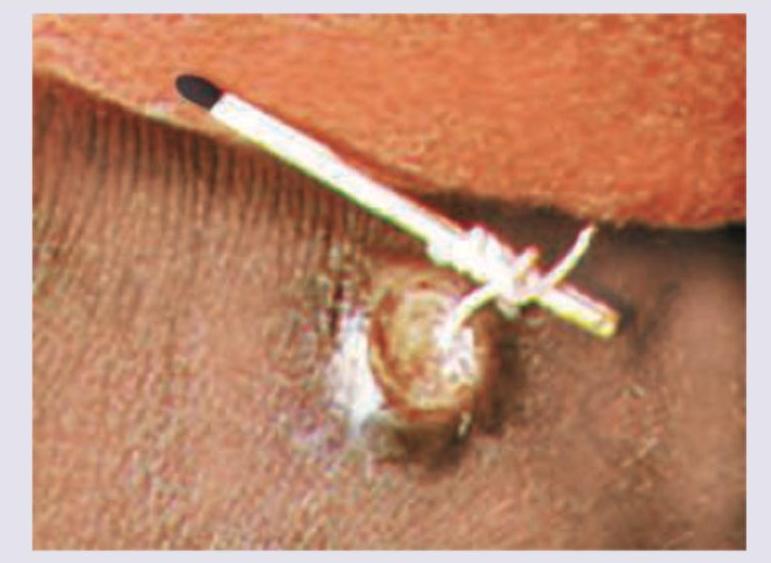
3 questionsWhich is correct about the Vaccine Vial monitor shown in the image? (Recent NEET Pattern 2016-17)

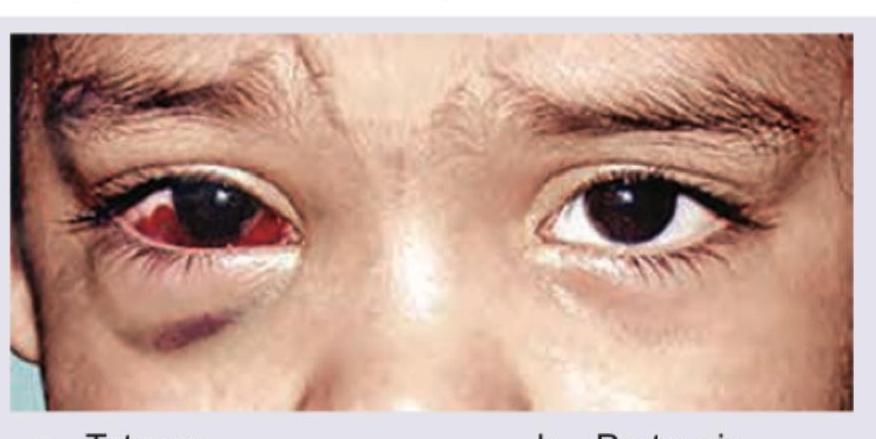
The following instrument is used for the measurement of: (Recent NEET Pattern 2016-17)

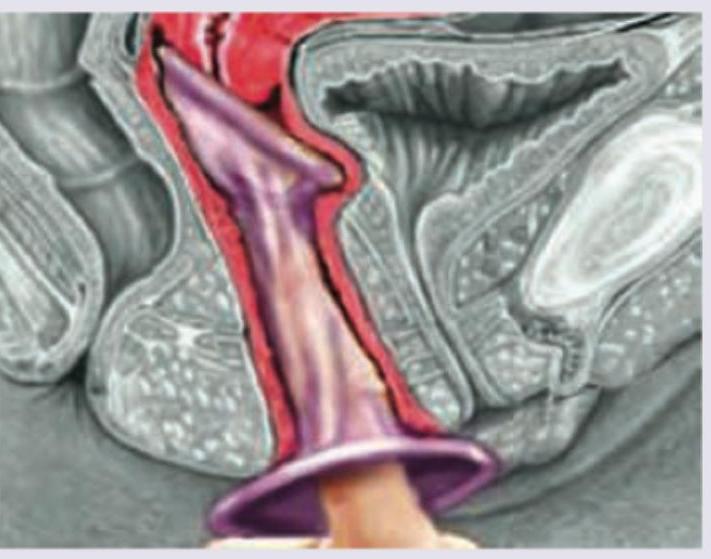
The image shows a special ward in a district hospital. What is it called and what should be the minimum number of beds?

NEET-PG 2017 - Community Medicine NEET-PG Practice Questions and MCQs
Question 271: Which is correct about the Vaccine Vial monitor shown in the image? (Recent NEET Pattern 2016-17)
- A. Vaccine can be used, if expiry date not passed
- B. Vaccine can be used, after expiry date
- C. Vaccine cannot be used, irrespective of expiry date (Correct Answer)
- D. Vaccine is at discard point, consult supervisor
Explanation: ***Vaccine cannot be used, irrespective of expiry date*** - The image shows a **darker inner square** compared to the outer circle, indicating that the vaccine has been exposed to detrimental heat. - A VVM turning dark signifies that the vaccine has lost its **potency** and should not be administered, regardless of the expiry date. *Vaccine can be used, if expiry date not passed* - This statement is incorrect because the VVM clearly indicates **heat exposure** has compromised vaccine quality, making it unsuitable for use. - The VVM overrides the expiry date when it shows significant heat damage, as vaccine potency is reduced even if not expired. *Vaccine can be used, after expiry date* - This is incorrect as a vaccine should never be used **after its expiry date**, irrespective of the VVM status, as sterility and potency cannot be guaranteed. - Using expired vaccines poses a **health risk** and may not provide adequate protection. *Vaccine is at discard point, consult supervisor* - While it is at the discard point, consulting a supervisor is not the primary instruction; the vaccine is simply **unsuitable for use**. - The VVM is designed to be a **clear indicator** for immediate action, not necessarily requiring further consultation for the general health worker.
Question 272: The following instrument is used for the measurement of: (Recent NEET Pattern 2016-17)
- A. Head circumference
- B. Chest circumference
- C. Mid arm circumference
- D. Skin fold thickness (Correct Answer)
Explanation: ***Skin fold thickness*** - The instrument shown is a **skin fold caliper**, specifically designed to measure the thickness of subcutaneous fat at various body sites. - This measurement is used to estimate **body fat percentage** and assess nutritional status. *Head circumference* - Head circumference is measured using a **flexible measuring tape**, not a caliper, to assess head growth and detect conditions like microcephaly or hydrocephalus. - This instrument's design is unsuitable for measuring a large, curved circumference. *Chest circumference* - Chest circumference is also measured with a **flexible measuring tape** around the chest, typically at the nipple line, to assess growth and respiratory function. - The caliper's limited span makes it impractical for measuring the chest. *Mid arm circumference* - Mid-arm circumference is measured using a **flexible measuring tape** around the mid-upper arm to assess nutritional status, especially in children. - While a caliper could measure arm *thickness*, it doesn't provide the circumference directly, which is the standard measurement.
Question 273: The image shows a special ward in a district hospital. What is it called and what should be the minimum number of beds?
- A. Newborn care corner, 12 beds
- B. Newborn stabilization units, 4 beds
- C. Special newborn care unit, 12 beds (Correct Answer)
- D. Essential newborn care unit, 4 beds
Explanation: ***Special newborn care unit, 12 beds*** - This setup, with multiple incubators and specialized equipment, is characteristic of a **Special Newborn Care Unit (SNCU)**. - An SNCU in a district hospital is designed for critically ill and low birth weight newborns and should have a minimum of **12 beds** to accommodate patient load and provide comprehensive care. *Newborn care corner, 12 beds* - A **Newborn Care Corner** is a much simpler facility, usually found in a delivery room or operating theatre, providing basic care immediately after birth. - It does not involve multiple incubators or the intensive care observed in the image, and the bed count is irrelevant for a care corner. *Newborn stabilization units, 4 beds* - **Newborn Stabilization Units (NBSU)** are meant for stabilizing sick newborns before referral to a higher facility. - They typically have fewer beds (often 4-6) and less advanced equipment than an SNCU, making this option inconsistent with the image's complexity. *Essential newborn care unit, 4 beds* - **Essential Newborn Care (ENC)** primarily focuses on routine care for healthy newborns, such as breastfeeding support, thermal protection, and hygiene. - It does not involve intensive care equipment like incubators and ventilators seen in the picture, and the bed count is too low for the shown facility.
Pediatrics
1 questionsA 12-year-old boy presents with difficulty in reading from the blackboard in school. Initially refraction error was considered but visual acuity was normal. He has started complaining of diplopia on watching TV or after studying for long. He takes very long time to finish his meals and his speech becomes very difficult to understand after speaking continuously for few minutes. Anti-Acetylcholine receptor blocking antibody is detected in high titers. All are done in management except? (Recent NEET Pattern 2016-17)
NEET-PG 2017 - Pediatrics NEET-PG Practice Questions and MCQs
Question 271: A 12-year-old boy presents with difficulty in reading from the blackboard in school. Initially refraction error was considered but visual acuity was normal. He has started complaining of diplopia on watching TV or after studying for long. He takes very long time to finish his meals and his speech becomes very difficult to understand after speaking continuously for few minutes. Anti-Acetylcholine receptor blocking antibody is detected in high titers. All are done in management except? (Recent NEET Pattern 2016-17)
- A. Pyridostigmine
- B. Atropine (Correct Answer)
- C. Steroids
- D. CT chest
Explanation: ***Atropine*** - The patient's symptoms (diplopia, dysphagia, dysarthria, and improvement with rest, along with high titers of **anti-acetylcholine receptor blocking antibody**) are classic for **myasthenia gravis (MG)** [1], [2]. - **Atropine** is an anticholinergic agent that may occasionally be used to manage muscarinic side effects of cholinesterase inhibitors (like pyridostigmine), such as bradycardia, hypersalivation, or diarrhea [3]. - However, **atropine is NOT a primary treatment modality for MG** and is not part of routine management protocols [3]. It does not address the underlying pathophysiology or improve muscle strength. - In contrast, the other options represent core components of MG management. *Pyridostigmine* - **Pyridostigmine** is an **acetylcholinesterase inhibitor** and is the **first-line symptomatic treatment** for myasthenia gravis [1]. - It increases the amount of acetylcholine available at the neuromuscular junction, improving muscle strength and function. *Steroids* - **Corticosteroids** (like prednisone) are a mainstay of **immunosuppressive therapy** for myasthenia gravis, used to reduce the autoimmune attack on acetylcholine receptors [1]. - They are typically used when symptoms are not adequately controlled by pyridostigmine alone or in moderate to severe cases. *CT chest* - A **CT scan of the chest** is crucial in the initial workup of myasthenia gravis to screen for a **thymoma**, a tumor of the thymus gland. - Thymomas are associated with MG in 10-15% of patients, and their presence often dictates the need for thymectomy. - Even in the absence of thymoma, thymic hyperplasia is common in MG patients.
Pharmacology
6 questionsA 65-year-old patient of dilated cardiomyopathy was prescribed 1 mg warfarin tablet for sustained atrial fibrillation. The chemist however gave him 2 mg tablets by mistake which resulted in him developing hemorrhagic complications (bleeding). CT scan is performed. This is which kind of ADR? (Recent NEET Pattern 2016-17) Warfarin Sodium Tablets, USP Crystalline 2 mg Protect from light
The effect of both drugs given together on the blood pressure of a patient was evaluated in comparison with the effect of individual drugs on BP. The following curve represents: (Recent NEET Pattern 2016-17)

Drug A is epinephrine and drug B is cocaine. The effect of both drugs given together on the blood pressure of a patient was evaluated in comparison with effect of individual drugs on BP. The following curve represents:

A 20-year-old woman is admitted with the following presentation. 1% pilocarpine is not showing any response on the side of mydriasis. What is the diagnosis? (Recent NEET Pattern 2016-17)

A neonate presents with a congenital heart disease as shown below. Which drug should be started immediately? (Recent NEET Pattern 2016-17)

Which anti-epileptic drug marked X will act at the site shown?

NEET-PG 2017 - Pharmacology NEET-PG Practice Questions and MCQs
Question 271: A 65-year-old patient of dilated cardiomyopathy was prescribed 1 mg warfarin tablet for sustained atrial fibrillation. The chemist however gave him 2 mg tablets by mistake which resulted in him developing hemorrhagic complications (bleeding). CT scan is performed. This is which kind of ADR? (Recent NEET Pattern 2016-17) Warfarin Sodium Tablets, USP Crystalline 2 mg Protect from light
- A. Type A (Correct Answer)
- B. Type B
- C. Type C
- D. Type D
Explanation: ***Type A*** - This is an **exaggerated pharmacological effect** of warfarin due to a higher than intended dose, leading to excessive anticoagulation and subsequent **hemorrhagic stroke** (bleeding in the brain). - Type A ADRs are **predictable** based on the known pharmacology of the drug and are dose-dependent. *Type B* - Type B ADRs are **unpredictable**, idiosyncratic reactions that are not directly related to the pharmacological action of the drug (e.g., allergic reactions). - They are typically **dose-independent** and often occur in a small subset of the population. *Type C* - Type C ADRs are associated with **long-term exposure** to a drug, leading to chronic effects or tolerance. - Examples include drug dependence or adrenal suppression from prolonged corticosteroid use. *Type D* - Type D ADRs are also related to **delayed effects** of drug exposure, such as carcinogenesis or teratogenesis. - These effects may not manifest until months or years after the drug was taken.
Question 272: The effect of both drugs given together on the blood pressure of a patient was evaluated in comparison with the effect of individual drugs on BP. The following curve represents: (Recent NEET Pattern 2016-17)
- A. Summation
- B. Additive effects
- C. Synergism (Correct Answer)
- D. Antagonism
Explanation: ***Synergism*** - The graph shows that the effect of drugs A and B when given together (A+B) is significantly **greater than the sum of their individual effects**. - This amplified effect, where the combined response is more than the simple addition of individual responses, is the definition of **synergism** (also called potentiation or supra-additive effect). *Summation* - Summation occurs when the **combined effect** of two drugs is **equal to the arithmetic sum** of their individual effects. - In the depicted graph, the peak effect of A+B is clearly much higher than the sum of the peaks of A and B individually, ruling out simple summation. *Additive effects* - Additive effects are synonymous with summation, meaning the combined effect is precisely the sum of individual effects. - The graph demonstrates a response that **exceeds a simple additive effect**, indicating a synergistic interaction rather than mere additive action. *Antagonism* - **Antagonism** occurs when one drug reduces or blocks the effect of another drug, resulting in a combined effect that is **less than the sum** of individual effects. - In the depicted graph, the combined effect (A+B) clearly shows enhancement rather than reduction, ruling out antagonism.
Question 273: Drug A is epinephrine and drug B is cocaine. The effect of both drugs given together on the blood pressure of a patient was evaluated in comparison with effect of individual drugs on BP. The following curve represents:
- A. Summation
- B. Additive effects
- C. Synergism (Correct Answer)
- D. Antagonism
Explanation: ***Synergism*** - **Synergism** occurs when the combined effect of two drugs is significantly greater than the sum of their individual effects. In the provided graph, the peak blood pressure with drugs A+B is notably higher than the sum of the peaks for A and B administered separately. - Epinephrine (Drug A) is a **vasoconstrictor**, and cocaine (Drug B) **inhibits norepinephrine reuptake**, potentiating epinephrine's effects by increasing synaptic levels of catecholamines. This leads to a much stronger combined increase in blood pressure than expected from simple addition. *Summation* - **Summation** implies that the combined effect of two drugs is equal to the sum of their individual effects. - The graph clearly shows that the combined effect (A+B) produces a blood pressure response that is much greater than simply adding the individual responses of A and B, ruling out summation. *Additive effects* - **Additive effects** are a type of summation where the combined effect of two or more drugs is numerically equal to the arithmetic sum of their individual effects. - Similar to summation, this option is incorrect because the observed combined effect of A and B is significantly *more* than the mathematical sum of their separate effects, indicating potentiation rather than simple additivity. *Antagonism* - **Antagonism** occurs when one drug reduces or blocks the effect of another drug. - This is incorrect because the graph shows that the combined administration of epinephrine and cocaine produces a *greater* blood pressure response, not a reduced one. Antagonism would result in a combined effect less than expected or less than either drug alone.
Question 274: A 20-year-old woman is admitted with the following presentation. 1% pilocarpine is not showing any response on the side of mydriasis. What is the diagnosis? (Recent NEET Pattern 2016-17)
- A. Pharmacological block (Correct Answer)
- B. Diabetic neuropathy
- C. Uncal herniation
- D. Adie tonic pupil
Explanation: ***Pharmacological block*** - A **dilated pupil** that shows **no response to 1% pilocarpine** is characteristic of **pharmacological mydriasis** caused by anticholinergic agents (atropine, scopolamine, tropicamide, homatropine). - The muscarinic receptors on the iris sphincter muscle are **competitively blocked** by these agents, preventing acetylcholine and even exogenous pilocarpine from causing pupillary constriction. - This is the **key distinguishing feature** from other causes of mydriasis: the pupil remains dilated despite administration of cholinergic agonists. - Common scenarios include **accidental exposure** to belladonna alkaloids, intentional cosmetic use, or contamination from medications. *Adie tonic pupil* - Adie's tonic pupil presents with a **dilated pupil with sluggish or absent light reflex**, but it shows **positive response to dilute pilocarpine (0.125%)** due to **denervation supersensitivity**. - This supersensitivity is the hallmark diagnostic feature distinguishing Adie's from other causes. - Since this patient shows **no response to 1% pilocarpine** (a much higher concentration), Adie's pupil is ruled out. - Typically seen in young women with **vermicular iris movements** on slit-lamp examination. *Diabetic neuropathy* - Diabetic autonomic neuropathy may affect pupillary responses, but typically causes **smaller pupils** with impaired dilation rather than fixed mydriasis. - Would be associated with other signs of diabetic neuropathy: **peripheral neuropathy, gastroparesis, orthostatic hypotension**. - Does not present as isolated, fixed mydriasis unresponsive to pilocarpine. *Uncal herniation* - Results from **compression of CN III (oculomotor nerve)** due to increased intracranial pressure. - Causes a **"blown pupil"** (dilated and fixed) with associated **ptosis and eye positioned "down and out"**. - This is a **neurosurgical emergency** with altered consciousness, not consistent with a stable outpatient presentation in a young woman. - The pupil may show minimal response to strong pilocarpine, but the clinical context is entirely different.
Question 275: A neonate presents with a congenital heart disease as shown below. Which drug should be started immediately? (Recent NEET Pattern 2016-17)
- A. Digoxin
- B. Ivabradine
- C. Propranolol
- D. Alprostadil (Correct Answer)
Explanation: ***Alprostadil*** - The image shows a **transposition of the great arteries (TGA)** with the aorta originating from the right ventricle and the pulmonary artery from the left ventricle. In this condition, a patent ductus arteriosus (PDA) is crucial to maintain mixing of oxygenated and deoxygenated blood to ensure systemic circulation. - **Alprostadil (prostaglandin E1 analog)** is used to keep the **ductus arteriosus patent**, allowing for mixing of blood and improving systemic oxygenation in neonates with ductal-dependent congenital heart defects like severe TGA. *Digoxin* - **Digoxin** is a cardiac glycoside used to improve **cardiac contractility** and control heart rate in certain heart conditions, but it is not the immediate drug of choice for maintaining patency of the ductus arteriosus in TGA. - Its primary role is in managing heart failure symptoms or arrhythmias, not directly addressing the immediate ductal dependency of TGA. *Ivabradine* - **Ivabradine** is a hyperpolarization-activated cyclic nucleotide-gated (HCN) channel blocker that selectively reduces heart rate by acting on the **sinoatrial node**. - It is used in adults with chronic heart failure or stable angina, and is not indicated for the acute management of congenital heart defects like TGA in neonates. *Propranolol* - **Propranolol** is a non-selective beta-blocker used to reduce heart rate and blood pressure, or to manage conditions like **tetralogy of Fallot spells**. - It does not have any role in maintaining the patency of the ductus arteriosus, which is critical for survival in ductal-dependent congenital heart lesions like TGA.
Question 276: Which anti-epileptic drug marked X will act at the site shown?
- A. Tiagabine (Correct Answer)
- B. Vigabatrin
- C. Gabapentin
- D. Rufinamide
Explanation: ***Tiagabine*** - The image shows site 'X' as a **GABA reuptake transporter** that actively removes GABA from the synaptic cleft back into the presynaptic neuron or glial cells - **Tiagabine** specifically inhibits **GABA reuptake transporters (GAT-1)**, thereby increasing GABA concentration in the synaptic cleft and enhancing its inhibitory effect - This is the mechanism directly targeting the site shown in the diagram *Vigabatrin* - Irreversible inhibitor of **GABA transaminase (GABA-T)**, the enzyme responsible for catabolizing GABA - Acts intracellularly to prevent GABA breakdown, not at the synaptic reuptake transporter shown - Different mechanism from the site depicted *Gabapentin* - GABA analog but does not bind to GABA receptors or interfere with GABA reuptake - Primary mechanism involves modulating **voltage-gated calcium channels (α2δ subunit)**, reducing excitatory neurotransmitter release - Does not act at GABA transporters *Rufinamide* - Prolongs the inactive state of **voltage-dependent sodium channels**, reducing neuronal excitability - Mechanism is distinct from GABA reuptake or metabolism - Does not act at the site shown in the diagram