General Medicine
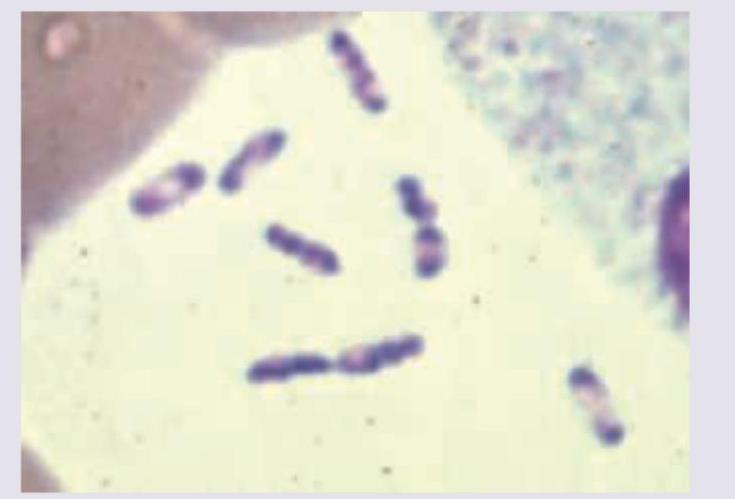
1 questionsAll are correct about the organism shown in the image except: (Recent NEET Pattern 2016-17)
NEET-PG 2017 - General Medicine NEET-PG Practice Questions and MCQs
Question 231: All are correct about the organism shown in the image except: (Recent NEET Pattern 2016-17)
- A. Safety pin appearance
- B. Direct immunofluorescence for F1 antigen in sputum
- C. Pneumonic plague is the predominant presentation (Correct Answer)
- D. Doxycycline is used for prophylaxis in house-hold contacts of pneumonic plague
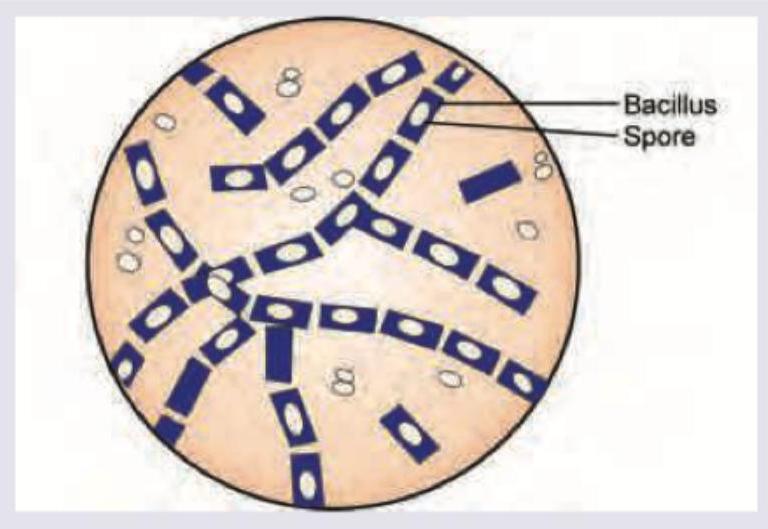
Explanation: **Pneumonic plague is the predominant presentation** - **Bubonic plague** is the most common form of plague, accounting for approximately 80-90% of cases. - While pneumonic plague is highly dangerous and can be transmitted person-to-person, it is **not the predominant clinical form** globally. *Safety pin appearance* - The image shows bipolar staining, which gives *Yersinia pestis* its characteristic **"safety pin" appearance** under microscopy. - This is a classic diagnostic feature when stained with **Giemsa or Wayson stain**. *Direct immunofluorescence for F1 antigen in sputum* - **F1 antigen** is a major virulence factor of *Yersinia pestis* and is produced in large quantities by the bacterium. - **Direct immunofluorescence (DIF)** for detecting F1 antigen in patient samples like sputum is a rapid and specific diagnostic method for plague, especially pneumonic plague. *Doxycycline is used for prophylaxis in house-hold contacts of pneumonic plague* - Due to the high transmissibility and severity of pneumonic plague, **post-exposure prophylaxis (PEP)** is crucial for close contacts. - **Doxycycline** is a recommended antibiotic for PEP alongside other options like ciprofloxacin or levofloxacin.
Microbiology
7 questionsThe following two phase culture system is used for diagnosis of: (Recent NEET Pattern 2016-17)

All are correct about the condition shown in the image except:

Which organism is incriminated in causing the following lesions? (Recent NEET Pattern 2016-17)

Which of the following organisms is incriminated in a patient of left sided endocarditis involving the mitral valve? (Recent NEET Pattern 2016-17)
A patient walking barefoot during his morning walk has developed a swelling in the foot. What is the probable diagnosis?

Which of the following diseases is caused by the virus shown below?

Which of the following diseases is caused by the virus shown below?

NEET-PG 2017 - Microbiology NEET-PG Practice Questions and MCQs
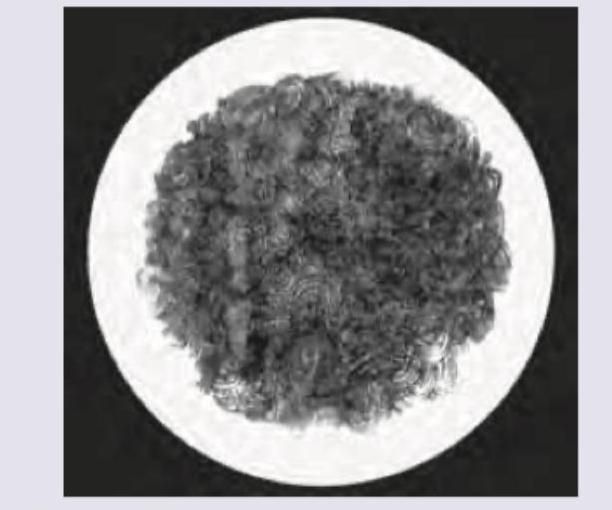
Question 231: The following two phase culture system is used for diagnosis of: (Recent NEET Pattern 2016-17)
- A. Relapsing fever
- B. Pontiac fever
- C. Undulant fever (Correct Answer)
- D. Pel-Ebstein fever
Explanation: ***Undulant fever*** - The image depicts a **two-phase culture system** (specifically, a Castaneda bottle or similar), which is characteristic for the isolation of *Brucella* species. - *Brucella* causes **brucellosis**, also known as **undulant fever**, due to its characteristic waxing and waning fever pattern. *Relapsing fever* - Relapsing fever is caused by **spirochetes** (*Borrelia* species), which are typically diagnosed by **blood smear microscopy** during febrile episodes. - These organisms are **difficult to culture** using standard laboratory media, and a two-phase system is not routinely employed for their diagnosis. *Pontiac fever* - Pontiac fever is a mild, self-limiting form of **legionellosis**, caused by *Legionella pneumophila*. - Diagnosis typically involves detecting *Legionella* **antigen in urine** or culturing from respiratory secretions on specialized media like **buffered charcoal yeast extract (BCYE) agar**, not a two-phase system. *Pel-Ebstein fever* - Pel-Ebstein fever is a rare, periodic fever pattern associated with **Hodgkin lymphoma**. - It is a **symptom of a malignancy**, not an infectious disease, and therefore does not involve culture systems for diagnosis.
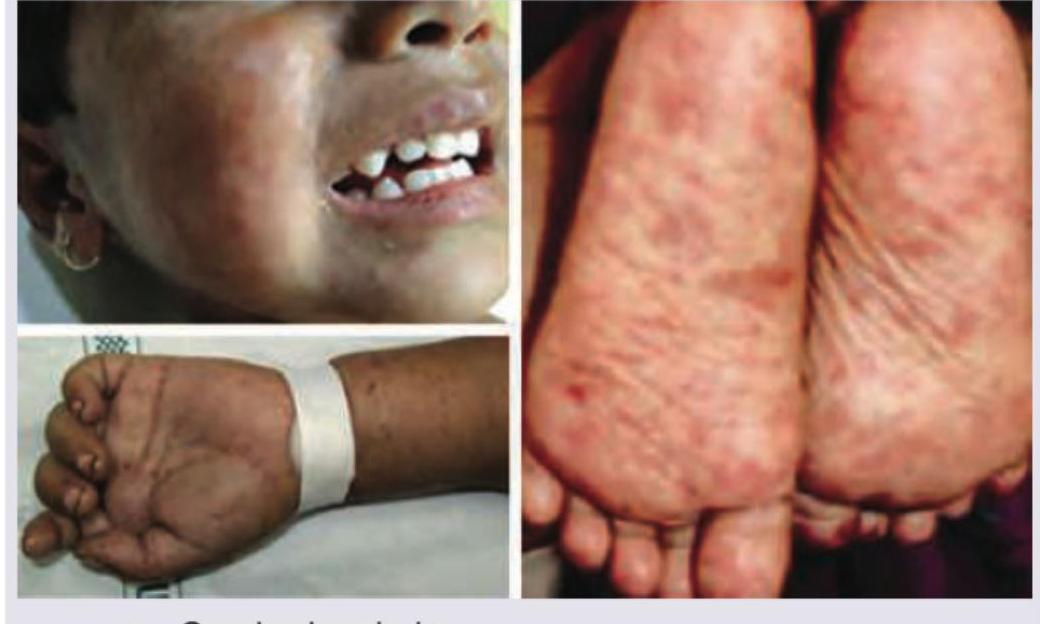
Question 232: All are correct about the condition shown in the image except:
- A. Groove sign of LGV
- B. Aspirated material shows LCL bodies (Correct Answer)
- C. Most common cause of this infection is L2 biovar
- D. Females develop esthiomene
Explanation: ***Correct: Aspirated material shows LCL bodies*** - **"LCL bodies" is NOT a recognized diagnostic term** for lymphogranuloma venereum (LGV) - The aspirated material from buboes in LGV shows **Chlamydia trachomatis elementary bodies and reticulate bodies**, along with inflammatory cells - This is the EXCEPTION as it is an incorrect statement about LGV *Incorrect: Groove sign of LGV* - The **groove sign is a classic clinical feature** of LGV - Formed by enlarged inguinal lymph nodes above and below the inguinal (Poupart's) ligament, creating a characteristic depression - This is a TRUE statement about LGV *Incorrect: Most common cause of this infection is L2 biovar* - LGV is caused by **Chlamydia trachomatis serovars L1, L2, and L3** - **L2 serovar is the most prevalent cause** of LGV infections worldwide - This is a TRUE statement about LGV *Incorrect: Females develop esthiomene* - **Esthiomene is a late complication** of chronic untreated LGV in females - Characterized by progressive genital elephantiasis, ulceration, and destruction of vulvo-perineal tissues - Results from persistent lymphatic obstruction and chronic inflammation - This is a TRUE statement about LGV
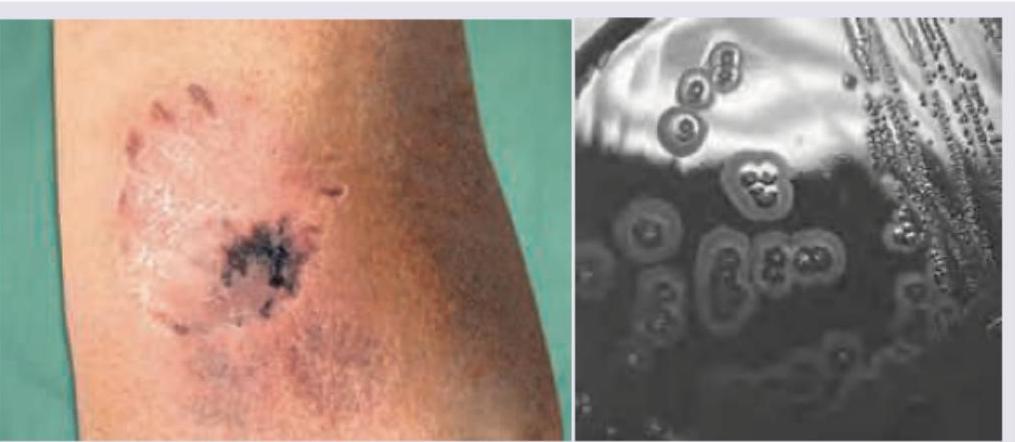
Question 233: Which organism is incriminated in causing the following lesions? (Recent NEET Pattern 2016-17)
- A. Streptococcus pyogenes (Correct Answer)
- B. Streptococcus pneumoniae
- C. Enterococcus
- D. Staphylococcus aureus
Explanation: ***Streptococcus pyogenes*** - The image depicts **impetigo**, characterized by crusted lesions, often found on the face. - **Streptococcus pyogenes** (Group A Streptococcus) is a common cause of impetigo, either alone or in combination with *Staphylococcus aureus*. *Streptococcus pneumoniae* - *Streptococcus pneumoniae* is primarily associated with **respiratory tract infections**, such as pneumonia and otitis media, not skin lesions like impetigo. - While it can cause invasive diseases, its primary presentation is typically not superficial skin infections. *Enterococcus* - *Enterococcus* species are common inhabitants of the normal **gastrointestinal flora** and are frequently implicated in **urinary tract infections**, endocarditis, and hospital-acquired infections. - They are generally not a primary cause of impetigo or similar superficial skin infections. *Staphylococcus aureus* - While *Staphylococcus aureus* is a very common cause of **impetigo**, the question asks for "the organism" as if there is only one most specific answer without providing other context, suggesting **Streptococcus pyogenes** as a highly relevant primary pathogen, especially if non-bullous impetigo is implied by the crusted appearance. - *S. aureus* often presents with **purulent lesions** (e.g., boils, carbuncles) and bullous impetigo with fluid-filled blisters which eventually rupture and crust.
Question 234: Which of the following organisms is incriminated in a patient of left sided endocarditis involving the mitral valve? (Recent NEET Pattern 2016-17)
- A. Candida albicans
- B. Streptococcus viridans (Correct Answer)
- C. Enterococci
- D. Pseudomonas
Explanation: ***Streptococcus viridans*** - This group of bacteria is the **most common cause** of **subacute infective endocarditis** on native, previously damaged valves, particularly the mitral valve. - They typically colonize the oral cavity and can enter the bloodstream after dental procedures or poor oral hygiene, leading to seeding of cardiac valves. *Candida albicans* - *Candida albicans* is a common cause of **fungal endocarditis**, which typically presents as a more subacute or chronic illness and can occur in immunocompromised individuals or those with indwelling catheters. - While it can affect the mitral valve, it is less common than bacterial causes, especially in the context of left-sided endocarditis unless specific risk factors (e.g., intravenous drug use, prosthetic valves, prolonged antibiotic use) are present. *Enterococci* - **Enterococcal endocarditis** often occurs in older patients, those with underlying genitourinary or gastrointestinal tract pathology, or healthcare-associated infections. - While they can affect native or prosthetic valves, they are not the most common cause of native valve endocarditis involving the mitral valve in the general population. *Pseudomonas* - **Pseudomonas endocarditis** is typically associated with **intravenous drug use** and commonly affects the **tricuspid valve** (right-sided endocarditis). - While it can involve left-sided valves, it is less frequent in the absence of intravenous drug use compared to *Streptococcus viridans*.
Question 235: A patient walking barefoot during his morning walk has developed a swelling in the foot. What is the probable diagnosis?
- A. Staphylococcus aureus
- B. Botryomycosis
- C. Tetanus
- D. Madura foot (Correct Answer)
Explanation: **Madura foot (Correct Answer)** - **Madura foot**, or mycetoma, is a **chronic granulomatous infection** often acquired through minor skin trauma, such as walking barefoot on contaminated soil - Classic presentation: **localized swelling, draining sinuses, and grain formation** - The image shows a **swollen foot** with signs of chronic infection, consistent with the progressive nature of Madura foot affecting subcutaneous tissues and eventually bone - Endemic in tropical regions including India, making this the most likely diagnosis given barefoot walking *Staphylococcus aureus (Incorrect)* - While *S. aureus* can cause various skin infections and swelling, it typically presents with **acute infections** (abscesses, cellulitis, folliculitis) - A **chronic, localized swelling with potential sinus tracts** that progresses over time is less typical for uncomplicated *S. aureus* infections - The context of barefoot walking on soil is more suggestive of fungal or actinomycotic infections *Botryomycosis (Incorrect)* - **Botryomycosis** is a rare chronic bacterial infection that causes granulomas and abscesses, often with "grains" similar to mycetoma - Typically caused by bacteria like *Staphylococcus aureus* or *Pseudomonas aeruginosa*, **not typically acquired directly from soil** - Though it presents with granulomas and "grains," the context of walking barefoot and the endemic nature of mycetoma in India makes Madura foot more likely *Tetanus (Incorrect)* - **Tetanus** is a severe neurological condition caused by the toxin of *Clostridium tetani*, entering through wounds - Presents with **muscle spasms, rigidity, and lockjaw** (trismus) - Does **not cause localized swelling or chronic granulomatous lesions** as shown in the image - Wrong clinical presentation entirely
Question 236: Which of the following diseases is caused by the virus shown below?
- A. Aplastic crisis (Correct Answer)
- B. Burkitt lymphoma
- C. Primary effusion lymphoma
- D. Vesicular vaccination lesion
Explanation: ***Aplastic crisis*** - The image depicts a **bun-shaped, non-enveloped virus** with a **single-stranded DNA genome**, characteristic of **Parvovirus B19**. - **Parvovirus B19** has a strong tropism for **erythroid progenitor cells** in the bone marrow, leading to their lysis and subsequent inhibition of erythropoiesis, which can cause **aplastic crisis**, especially in individuals with underlying hemolytic disorders like sickle cell anemia. *Burkitt lymphoma* - This lymphoma is caused by **Epstein-Barr virus (EBV)**, a **double-stranded DNA herpesvirus**, which has a different morphology than the virus depicted. - EBV is associated with B-cell proliferation, not direct destruction of erythroid precursors which leads to aplastic crises. *Primary effusion lymphoma* - This is a rare B-cell lymphoma associated with **Human Herpesvirus 8 (HHV-8)**, also known as Kaposi's sarcoma-associated herpesvirus. - HHV-8 is a **double-stranded DNA virus** with a different structure and tropism than the parvovirus shown in the image. *Vesicular vaccination lesion* - Vesicular vaccination lesions are typically caused by the **Vaccinia virus**, a **large, complex DNA virus** belonging to the Poxviridae family. - The Vaccinia virus has a distinct brick-shaped morphology and replicates in the cytoplasm, unlike the small, non-enveloped parvovirus shown.
Question 237: Which of the following diseases is caused by the virus shown below?
- A. Neurodegenerative disorder
- B. Swimming pool conjunctivitis (Correct Answer)
- C. Solid organ graft infection
- D. Solid organ graft rejection
Explanation: ***Swimming pool conjunctivitis*** - The image displays an **adenovirus**, characterized by its **icosahedral shape** and distinct **fiber proteins** projecting from the vertices. - Adenoviruses are a common cause of **pharyngoconjunctival fever**, often referred to as "swimming pool conjunctivitis" due to its spread in **inadequately chlorinated swimming pools**. - This is the **most characteristic disease** associated with adenovirus infection, particularly serotypes **3, 4, and 7**. *Neurodegenerative disorder* - Adenoviruses are **not associated** with neurodegenerative disorders. - Neurodegenerative conditions are typically linked to **prions, misfolded proteins**, or other viral agents like **JC virus** (progressive multifocal leukoencephalopathy). - Adenoviruses cause **acute infections**, not chronic neurodegeneration. *Solid organ graft infection* - While adenoviruses can cause severe infections in **immunocompromised patients**, including transplant recipients, this is not their most characteristic presentation. - In transplant patients, adenovirus may cause **colitis, hepatitis, or nephritis**, but these are **opportunistic infections** rather than the typical disease association. - The characteristic disease remains **conjunctivitis and respiratory infections** in immunocompetent hosts. *Solid organ graft rejection* - **Graft rejection** is an **immunological process** where the recipient's immune system attacks the transplanted organ, not a viral infection. - Adenovirus does not directly cause the mechanism of graft rejection. - While viral infections may complicate graft outcomes, rejection itself is **immune-mediated**, not infectious.
Pediatrics
2 questionsA 5-year-old child in a village went for open air defecation when he was attacked by a dog. He has been admitted in your hospital, all are correct about the condition except: (Recent NEET Pattern 2016-17)

A 2-year-old unimmunized child from a village presents with fever, decreased feeding and ear ache. All are true about the virus responsible for the condition shown except: (Recent NEET Pattern 2016-17)

NEET-PG 2017 - Pediatrics NEET-PG Practice Questions and MCQs
Question 231: A 5-year-old child in a village went for open air defecation when he was attacked by a dog. He has been admitted in your hospital, all are correct about the condition except: (Recent NEET Pattern 2016-17)
- A. Category 3 bite
- B. Wash with povidone-iodine
- C. Administer vero cell vaccine with immunoglobulin
- D. Virus infects pyramidal cells leading to cytolysis (Correct Answer)
Explanation: ***Virus infects pyramidal cells leading to cytolysis*** - The **rabies virus** primarily infects neurons and causes neuronal dysfunction rather than **cytolysis** (cell death and lysis), particularly in the early stages. - The characteristic pathological finding in rabies is the presence of **Negri bodies** (intracytoplasmic inclusions) which represent viral aggregates within unaffected neurons, not cytolytic destruction. *Category 3 bite* - A **Category 3 bite** involves single or multiple transdermal bites or scratches, licks on broken skin, or contamination of mucous membranes with saliva, especially if involving the head, neck, or digits, which appears to be the case given the severe facial injuries depicted with a dog bite. - Due to the high risk of rabies transmission in such severe wounds, Category 3 requires both **rabies vaccine** and **rabies immunoglobulin (RIG)** administration. *Wash with povidone-iodine* - Immediate and thorough **wound washing** with soap and water for at least 15 minutes is crucial for all animal bites, as it significantly reduces the viral load. - **Antiseptics** like povidone-iodine or alcohol can be used after washing to further disinfect the wound. *Administer vero cell vaccine with immunoglobulin* - For a **Category 3 rabies exposure**, both **rabies vaccine** (e.g., Vero cell vaccine) and **rabies immunoglobulin (RIG)** are indicated for post-exposure prophylaxis. - The vaccine provides active immunity, while the immunoglobulin provides immediate passive immunity, critical for high-risk exposures.
Question 232: A 2-year-old unimmunized child from a village presents with fever, decreased feeding and ear ache. All are true about the virus responsible for the condition shown except: (Recent NEET Pattern 2016-17)
- A. Belongs to genus morbillivirus (Correct Answer)
- B. Nonsuppurative parotitis
- C. Can lead to aseptic meningitis
- D. Causative virus possesses both H and N proteins
Explanation: The image shows a child with characteristic swelling of the parotid gland, indicative of Mumps. The clinical presentation (unimmunized child, fever, decreased feeding, ear ache, and parotid swelling) strongly points to Mumps. ***Correct Answer: Belongs to genus morbillivirus*** - This statement is **FALSE** and therefore the correct answer to this "EXCEPT" question. - The virus responsible for Mumps is the **Mumps virus**, which belongs to the **genus Rubulavirus** within the family Paramyxoviridae, NOT Morbillivirus. - Morbillivirus is the genus to which the **Measles virus** belongs. *Incorrect: Nonsuppurative parotitis* - **TRUE statement** - Mumps is classically characterized by **nonsuppurative parotitis**, meaning inflammation of the salivary glands (primarily parotid) without pus formation. - This is a key diagnostic feature of Mumps. *Incorrect: Can lead to aseptic meningitis* - **TRUE statement** - Aseptic meningitis is one of the most common and significant complications of Mumps, occurring in 10-15% of cases. - This complication typically presents with headache, stiff neck, and photophobia, without bacterial infection. *Incorrect: Causative virus possesses both H and N proteins* - **TRUE statement** - The Mumps virus, a member of the Paramyxoviridae family, possesses a combined **HN (hemagglutinin-neuraminidase) protein** on its surface. - The HN protein has both hemagglutinin and neuraminidase activities, responsible for binding to host cells and facilitating release of new virions from infected cells.