General Medicine
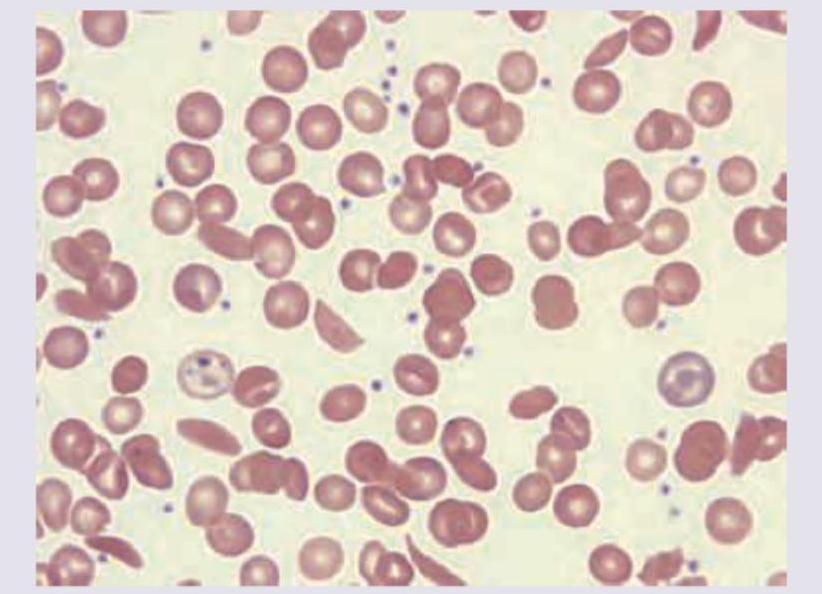
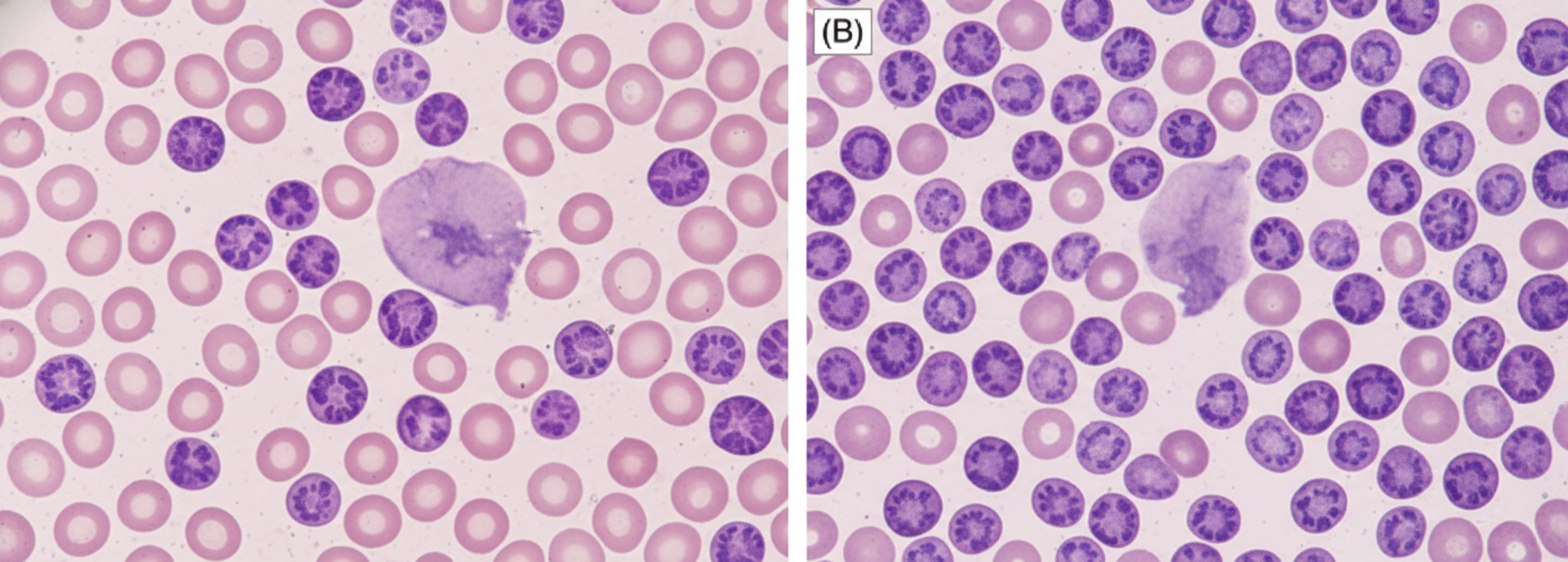
1 questionsThe patient with the following hematological abnormality presents with severe chest pain and difficulty in breathing. All are useful for managing this emergency except:

NEET-PG 2017 - General Medicine NEET-PG Practice Questions and MCQs
Question 11: The patient with the following hematological abnormality presents with severe chest pain and difficulty in breathing. All are useful for managing this emergency except:
- A. Partial exchange transfusion
- B. Morphine
- C. Hydroxyurea
- D. Packed RBC (Correct Answer)
Explanation: ***Packed RBC*** - Transfusing **packed red blood cells** will increase the overall hemoglobin concentration, which can paradoxically increase blood viscosity and worsen vaso-occlusion in sickle cell crisis, especially in the setting of acute chest syndrome where fluid overload is a concern. - This is generally avoided as a first-line treatment for acute chest syndrome in sickle cell anemia unless the patient has severe anemia with a hemoglobin level significantly below their baseline. *Partial exchange transfusion* - **Partial exchange transfusion** is a critical intervention during sickle cell crises with severe complications like acute chest syndrome. - It rapidly reduces the percentage of **sickle hemoglobin (HbS)** and concurrently provides normal red blood cells, improving oxygen-carrying capacity and reducing blood viscosity without significantly increasing total red blood cell mass. *Morphine* - **Morphine** is essential for effective pain management in sickle cell crisis, including the severe chest pain associated with acute chest syndrome. - Adequate pain control helps reduce patient distress and can indirectly prevent worsening of the crisis by reducing stress-induced sympathetic activation. *Hydroxyurea* - **Hydroxyurea** is a long-term disease-modifying therapy for sickle cell anemia, increasing the production of **fetal hemoglobin (HbF)**, which reduces sickling. - While crucial for preventing future crises and complications, it is not an acute treatment for an emergency like acute chest syndrome, as its effects take weeks to months to manifest.
Internal Medicine
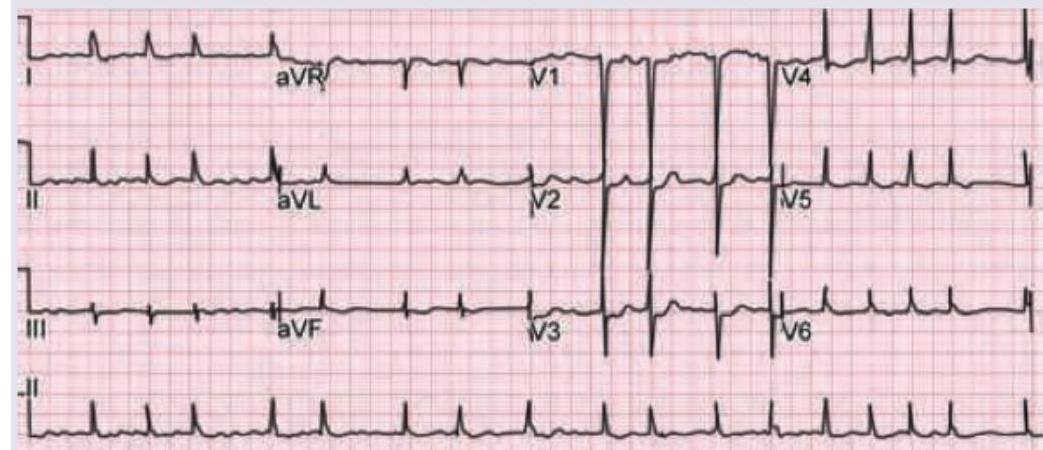
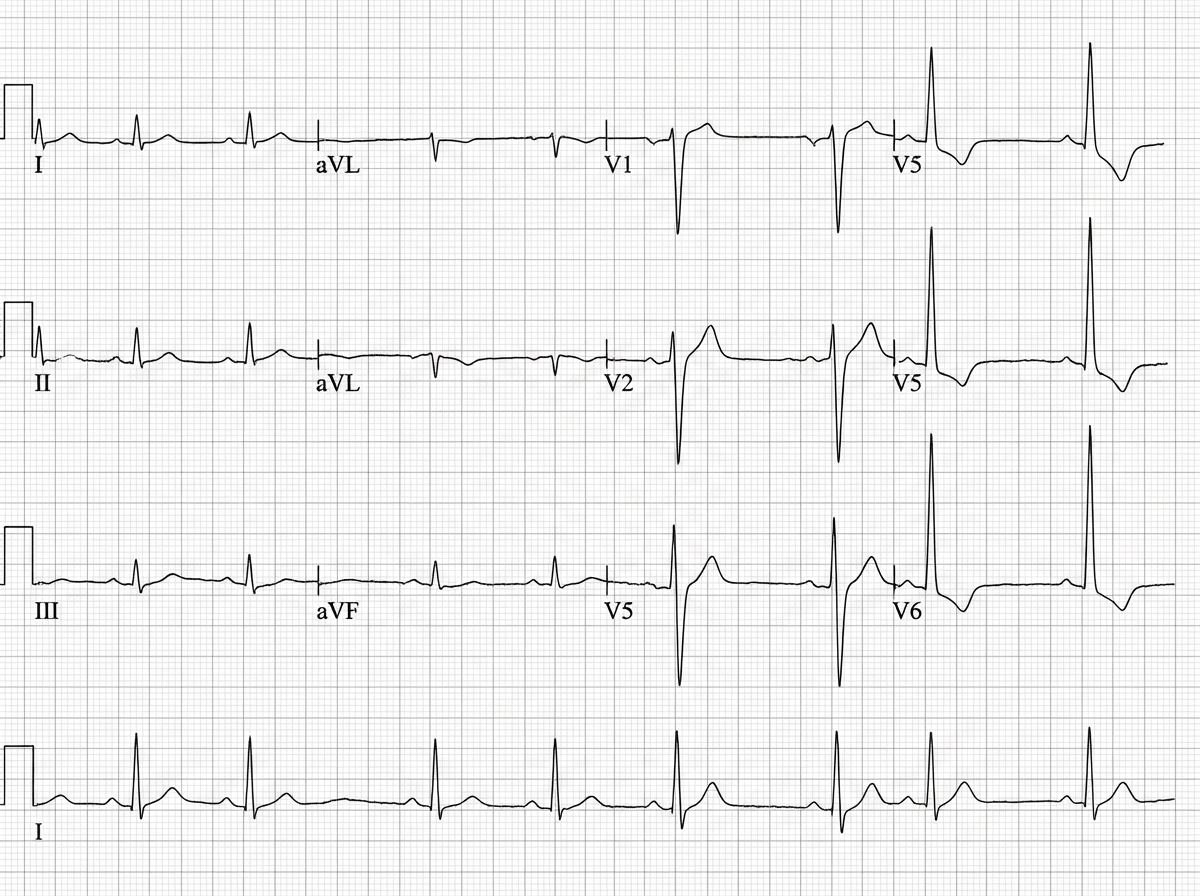
2 questionsA 60-year-old hypertension patient presents with breathlessness. ECG was performed. What is the diagnosis? (Recent NEET Pattern 2016-17)
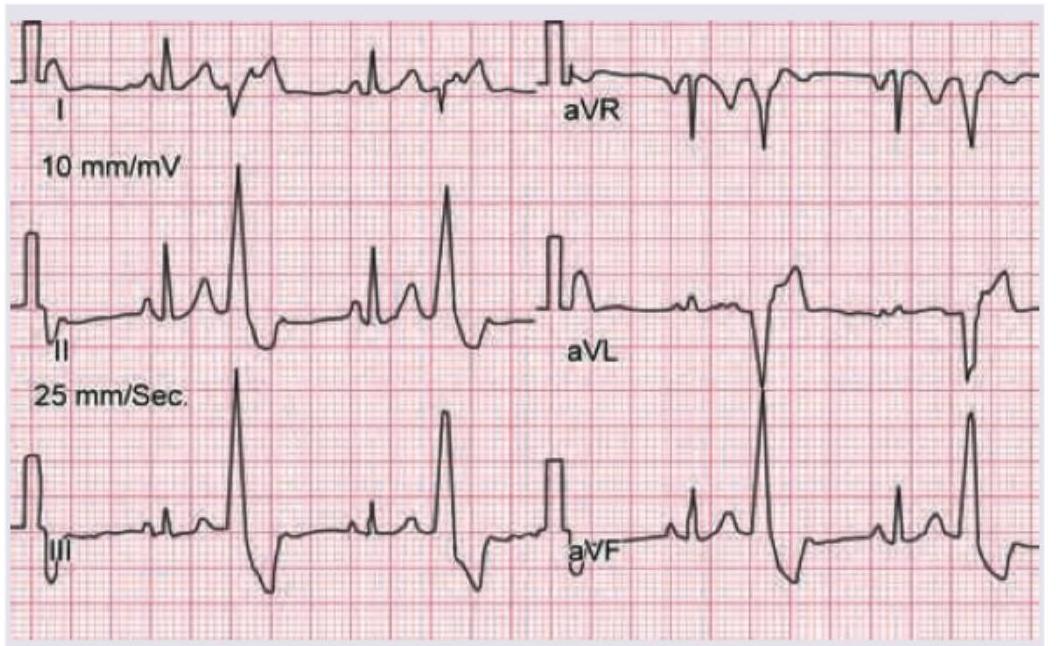
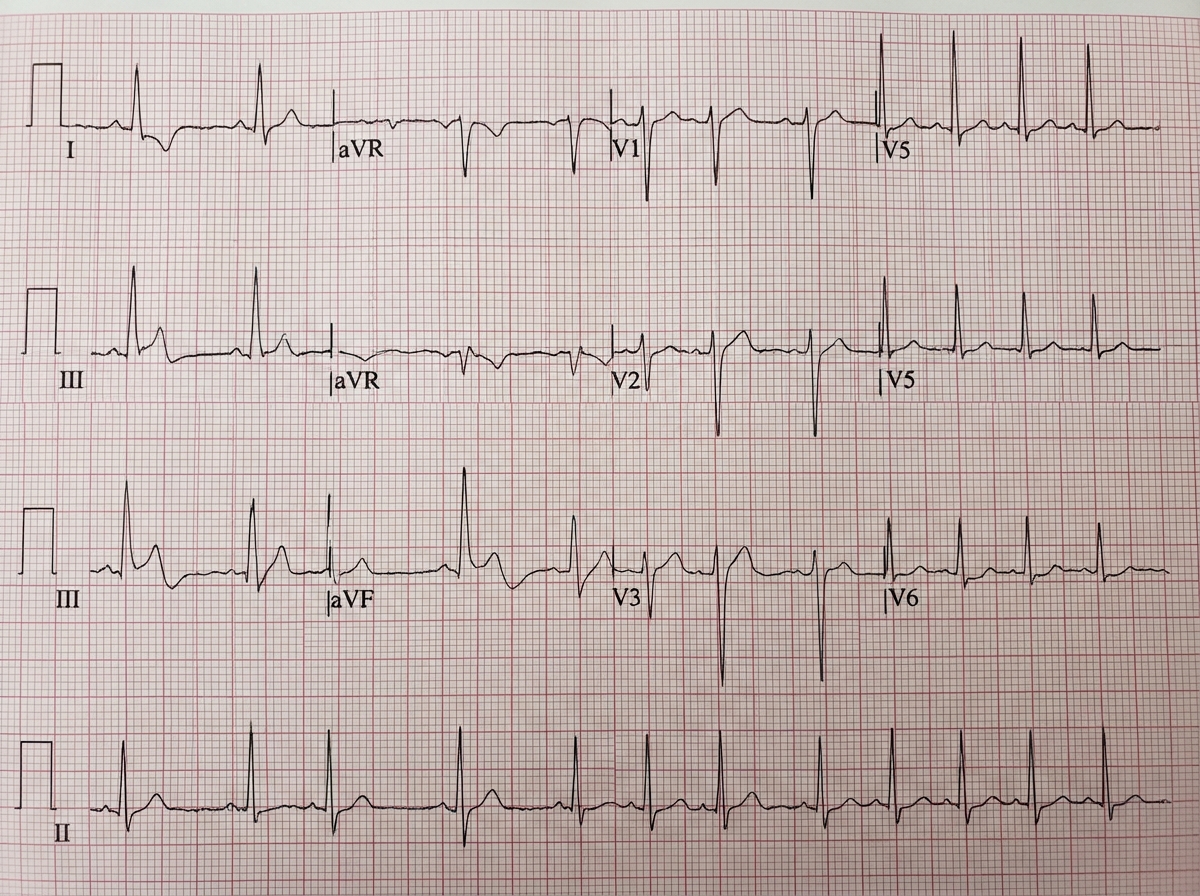
A 50-year-old smoker comes with complaints of ankle edema for last 3 months. The ECG shows all except: (Recent NEET Pattern 2016-17)
NEET-PG 2017 - Internal Medicine NEET-PG Practice Questions and MCQs
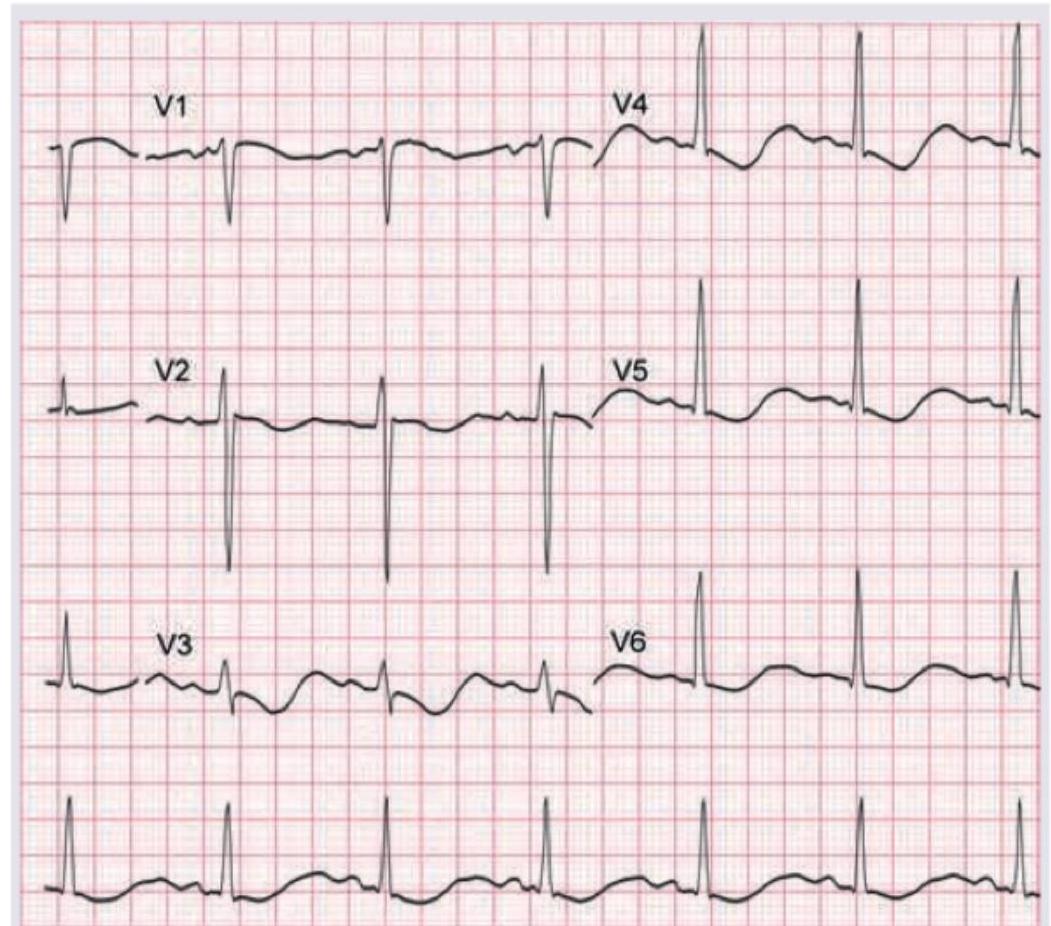
Question 11: A 60-year-old hypertension patient presents with breathlessness. ECG was performed. What is the diagnosis? (Recent NEET Pattern 2016-17)
- A. LBBB
- B. Left ventricular hypertrophy (Correct Answer)
- C. Normal tracing
- D. Complete heart block
- E. Right ventricular hypertrophy
Explanation: ***Left ventricular hypertrophy*** - The ECG shows significantly **increased QRS voltage in leads V1-V6**, particularly prominent R waves in V5/V6 and deep S waves in V1/V2, indicating left ventricular hypertrophy as per criteria like **Sokolow-Lyon index** (S in V1 + R in V5/V6 > 35mm). - The presence of **T-wave inversion and ST depression** (strain pattern) in lateral leads (V5, V6), especially in a patient with **hypertension**, further supports the diagnosis of left ventricular hypertrophy. *LBBB* - **LBBB** (Left Bundle Branch Block) is characterized by a **wide QRS complex** (>120 ms) with a **notched or slurred R wave** in lateral leads (I, aVL, V5, V6) and a deep S wave in V1, none of which are definitively seen here. - The QRS duration is not significantly widened, and the morphology is not typical for LBBB. *Normal tracing* - This ECG is not normal due to the **grossly elevated QRS voltages** in precordial leads and the presence of **ST-T wave abnormalities** (strain pattern). - A normal ECG would not exhibit such pronounced voltage criteria for chamber enlargement. *Complete heart block* - Complete heart block is characterized by **dissociation between atrial (P waves) and ventricular (QRS complexes) activity**, where P waves and QRS complexes occur independently. - This ECG shows a regular rhythm with P waves followed by QRS complexes, indicating normal AV conduction and **absence of AV dissociation**. *Right ventricular hypertrophy* - **Right ventricular hypertrophy** (RVH) is characterized by **tall R waves in V1-V2** with **right axis deviation** and **deep S waves in V5-V6**. - This ECG shows the opposite pattern (tall R waves in V5-V6 and deep S waves in V1-V2), which is consistent with **left ventricular** rather than right ventricular hypertrophy.
Question 12: A 50-year-old smoker comes with complaints of ankle edema for last 3 months. The ECG shows all except: (Recent NEET Pattern 2016-17)
- A. P pulmonale
- B. Right axis deviation
- C. T wave inversion in II,III, V1-V2
- D. Right bundle branch block (Correct Answer)
- E. Left axis deviation
Explanation: ***Right bundle branch block*** - This ECG does **NOT** show features of right bundle branch block, which would require a **wide QRS (≥120 ms)** with an **RSR' (M-shaped) pattern in V1-V3** and wide, slurred S waves in lateral leads (I, V5-V6). - In cor pulmonale, the QRS is typically **narrow** without the RBBB morphology, making RBBB the finding that is **absent** — the correct "EXCEPT" answer. *P pulmonale* - The P waves in leads II, III, and aVF are **tall and peaked** (amplitude ≥2.5 mm in lead II), characteristic of **P pulmonale**, indicating right atrial enlargement/increased right atrial pressure. - This is consistent with **cor pulmonale** from chronic obstructive pulmonary disease (COPD) in a long-term smoker presenting with ankle edema. *Right axis deviation* - The QRS complex is **predominantly negative in lead I** and **positive in aVF**, indicating a **right axis deviation** (axis > +90°). - This reflects **right ventricular hypertrophy or strain**, classic in cor pulmonale due to COPD-induced pulmonary hypertension. *Left axis deviation* - The ECG shows **right axis deviation**, not left axis deviation. - Left axis deviation (axis −30° to −90°) would show a **predominantly positive QRS in lead I and negative in aVF** — the opposite of what is seen here. - Left axis deviation is therefore **NOT present** on this ECG; it is a distracter option. *T wave inversion in II, III, V1-V2* - The ECG shows **T wave inversions** in leads II, III, and V1-V2. - These inversions over the inferior and right precordial leads reflect **right ventricular strain/hypertrophy**, a well-recognised pattern in cor pulmonale.
Pathology
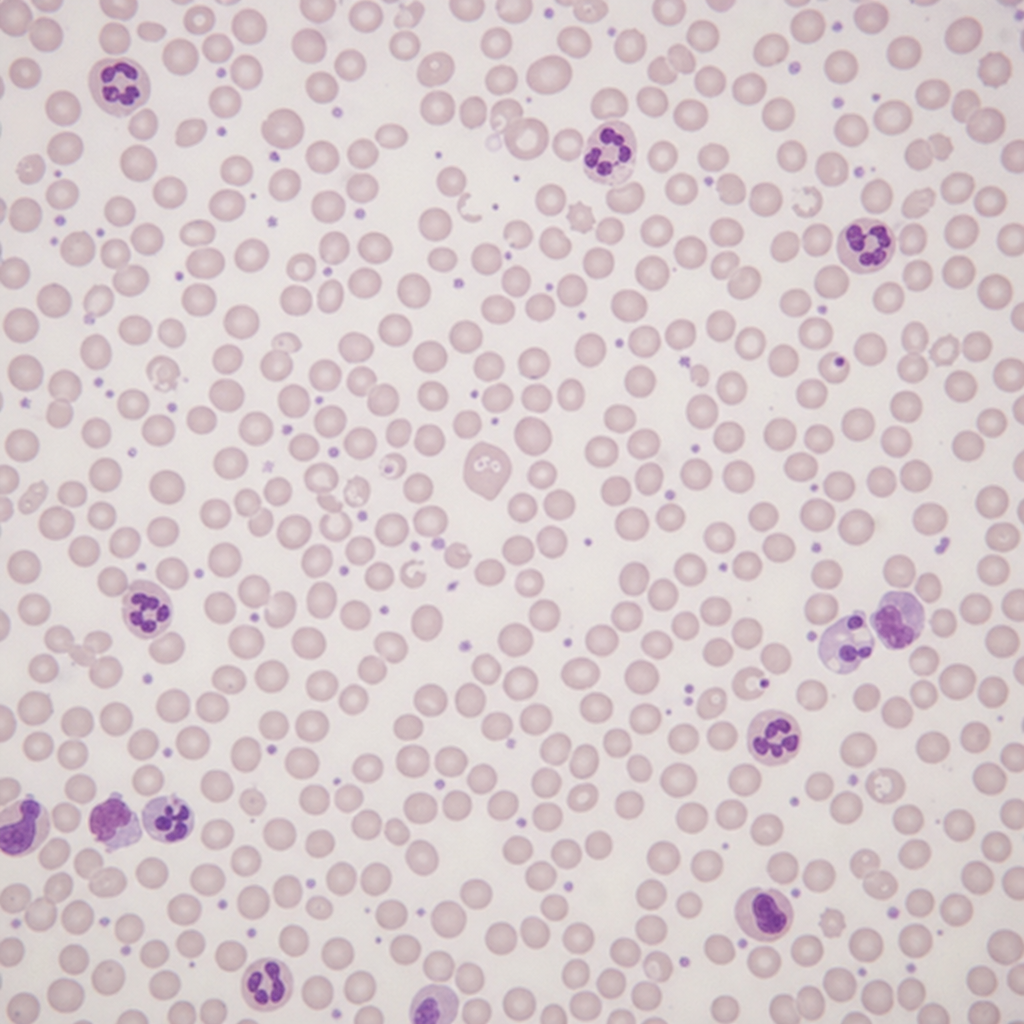
6 questionsA 70-year-old man presents with painless cervical lymphadenopathy with progressive pallor and petechiae on ankles. Peripheral smear shows presence of:

The following bone marrow specimen is suggestive of diagnosis of:

Identify the cell.

Name the test given.

Name the anticoagulant used in the following method.

A 32-year-old male with a history of klebsiella infection presents with right upper quadrant pain and on performing cholecystectomy the following stones were seen. All the following statements are true regarding this condition except: (Recent NEET Pattern 2016-17)

NEET-PG 2017 - Pathology NEET-PG Practice Questions and MCQs
Question 11: A 70-year-old man presents with painless cervical lymphadenopathy with progressive pallor and petechiae on ankles. Peripheral smear shows presence of:
- A. Acute ITP
- B. Chronic ITP
- C. CLL (Correct Answer)
- D. Richter syndrome
- E. Hairy cell leukemia
Explanation: ***CLL*** - The presentation of **painless cervical lymphadenopathy**, progressive **pallor** (due to anemia), and **petechiae** (due to thrombocytopenia) in an elderly patient is highly suggestive of **Chronic Lymphocytic Leukemia (CLL)** [2]. - Peripheral smear in CLL typically shows a proliferation of mature-appearing **small lymphocytes** and characteristic **smudge cells** [1]. *Acute ITP* - Acute ITP is characterized by sudden onset of **thrombocytopenia** and bleeding, often following a viral infection, and is more common in children. - It does not typically present with **lymphadenopathy** or progressive pallor as a primary feature. *Chronic ITP* - Chronic ITP is characterized by isolated **thrombocytopenia** and bleeding symptoms, usually without lymphadenopathy or significant anemia unless bleeding is severe. - The presence of **lymphadenopathy** points away from isolated ITP and towards a systemic hematological malignancy. *Richter syndrome* - Richter syndrome is the transformation of CLL into a more aggressive lymphoma, most commonly **diffuse large B-cell lymphoma (DLBCL)**. - While it can present with rapidly enlarging lymph nodes and systemic symptoms, the initial presentation described (painless lymphadenopathy, progressive pallor, petechiae) is more typical of **untreated CLL** before transformation [2]. **References:** [1] Kumar V, Abbas AK, et al.. Robbins and Cotran Pathologic Basis of Disease. 9th ed. Diseases of White Blood Cells, Lymph Nodes, Spleen, and Thymus, p. 602. [2] Cross SS. Underwood's Pathology: A Clinical Approach. 6th ed. Common Clinical Problems From Blood And Bone Marrow Disease, pp. 612-613.
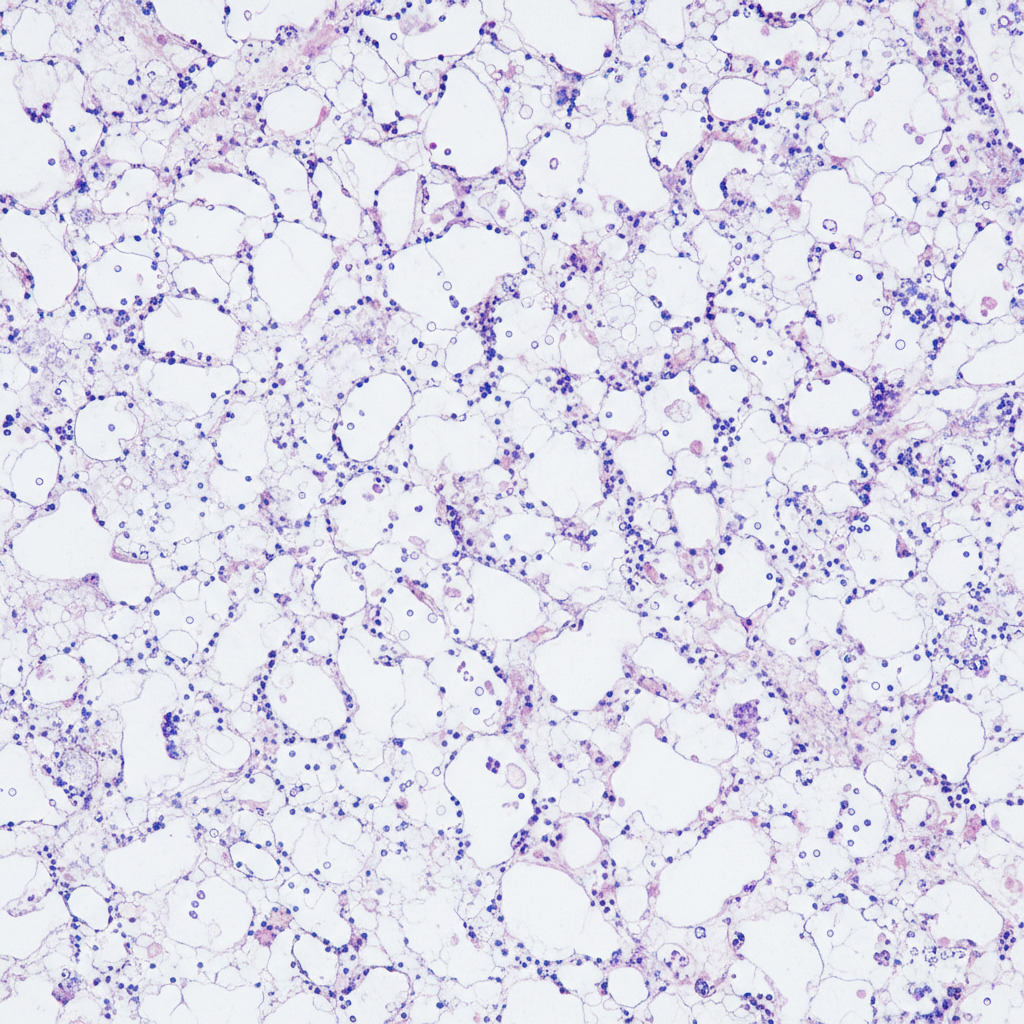
Question 12: The following bone marrow specimen is suggestive of diagnosis of:
- A. Pure red cell aplasia
- B. Myelodysplasia
- C. Normal marrow
- D. Aplastic anemia (Correct Answer)
- E. Hairy cell leukemia
Explanation: ***Aplastic anemia*** - Aplastic anemia is characterized by a **hypocellular bone marrow** with a significant reduction in hematopoietic cells and replacement by **fat cells (adipocytes)** as seen in the specimen. - This condition leads to **pancytopenia**, affecting all three cell lines (red blood cells, white blood cells, and platelets). - Bone marrow cellularity is typically **<25%** (normal ~50%), with the remaining space occupied by fat and stroma. *Pure red cell aplasia* - Pure red cell aplasia primarily affects **erythroid precursors** in the bone marrow, leading to severe anemia. - Unlike aplastic anemia, the **myeloid and megakaryocytic lineages** are typically preserved, and overall marrow cellularity is not severely reduced. *Myelodysplasia* - Myelodysplastic syndromes (MDS) are characterized by **dysplastic changes** in one or more hematopoietic cell lines and **ineffective hematopoiesis**. - The bone marrow in MDS can be **normocellular or hypercellular** with morphological dysplasia (abnormal cell forms), not simply hypocellular with fat replacement. *Normal marrow* - A normal bone marrow is **cellular for the patient's age**, with a healthy mix of hematopoietic cells from all lineages and appropriate fat content (~50% cellularity in adults). - It would not show the profound **hypocellularity and fat replacement** seen in the provided specimen. *Hairy cell leukemia* - Hairy cell leukemia (HCL) shows bone marrow infiltration by **lymphoid cells with characteristic cytoplasmic hair-like projections** (best seen on peripheral smear). - Bone marrow biopsy in HCL typically shows **"fried egg" appearance** due to widely spaced hairy cells with pale cytoplasm — not a simple hypocellular, fat-replaced marrow. - HCL causes **dry tap** on aspiration but the trephine shows infiltration, not the pure hypocellularity seen in aplastic anemia. **References:** [1] Kumar V, Abbas AK, et al. Robbins and Cotran Pathologic Basis of Disease. 9th ed. Red Blood Cell and Bleeding Disorders, p. 662. [2] Kumar V, Abbas AK, et al. Robbins and Cotran Pathologic Basis of Disease. 9th ed. Red Blood Cell and Bleeding Disorders, pp. 662-663. [3] Cross SS. Underwood's Pathology: A Clinical Approach. 6th ed. Common Clinical Problems From Blood And Bone Marrow Disease, pp. 595-596. [4] Cross SS. Underwood's Pathology: A Clinical Approach. 6th ed. Common Clinical Problems From Blood And Bone Marrow Disease, pp. 613-614.
Question 13: Identify the cell.
- A. Eosinophil
- B. Basophil
- C. Monocyte (Correct Answer)
- D. Lymphocyte
- E. Neutrophil
Explanation: ***Monocyte*** - Monocytes are characterized by their **large size** (12-20 µm), **kidney-shaped or horseshoe-shaped nucleus**, and **abundant, often grayish-blue cytoplasm** with fine azurophilic granules [1]. - They are precursors to **macrophages** and play a crucial role in phagocytosis and antigen presentation [1]. *Eosinophil* - Eosinophils have a **bilobed nucleus** and prominent **red-orange granules** in their cytoplasm, which stain with eosin [1]. - They are primarily involved in allergic reactions and defense against **parasitic infections** [1]. *Basophil* - Basophils are characterized by a **lobed nucleus** often obscured by large, coarse, **dark purple-blue granules** that contain histamine and heparin [1]. - They are the least common granulocyte and are involved in **allergic and inflammatory responses** [1]. *Lymphocyte* - Lymphocytes are typically **smaller** than monocytes, with a **large, round, or slightly indented nucleus** that occupies most of the cell [1]. - Their cytoplasm is usually **scanty and pale blue**, often appearing as a thin rim around the nucleus [1]. **References:** [1] Cross SS. Underwood's Pathology: A Clinical Approach. 6th ed. Common Clinical Problems From Blood And Bone Marrow Disease, pp. 578-580.
Question 14: Name the test given.
- A. Osmotic fragility
- B. NESTROFT
- C. Sickling test
- D. ESR measurement (Correct Answer)
- E. Packed cell volume (PCV)
Explanation: ***ESR measurement*** - The image displays a **Westergren tube** with a column of blood, showing distinct layers of plasma on top and red blood cells settled below against a calibrated scale. - This setup is characteristic of an **Erythrocyte Sedimentation Rate (ESR)** test, which measures the rate at which red blood cells fall in a standardized tube over a specific time, indicating inflammation. *Osmotic fragility* - This test involves exposing red blood cells to varying concentrations of **hypotonic saline solutions** to assess their resistance to lysis. - The results are typically reported as a curve showing the percentage of hemolysis at different saline concentrations, not a simple sedimentation in a tube. *NESTROFT* - The **Naked Eye Single Tube Red Cell Osmotic Fragility Test (NESTROFT)** is a quick screening test for **beta-thalassemia trait**. - It involves mixing blood with a hypotonic saline solution and observing for complete hemolysis or partial hemolysis with a button of red cells, which is different from the image shown. *Sickling test* - A sickling test is used to detect the presence of **sickle hemoglobin**, which causes red blood cells to deform into a sickle shape under low oxygen conditions. - This test is usually performed by adding a reducing agent like **sodium metabisulfite** to a blood sample and observing cell morphology under a microscope or by turbidity, not by sedimentation in a calibrated tube. *Packed cell volume (PCV)* - PCV or **hematocrit** measures the proportion of blood volume occupied by red blood cells after centrifugation in a **microhematocrit tube**. - While it does involve blood in a tube, the tube is much smaller (capillary tube) and requires **centrifugation** to separate components, unlike ESR which relies on natural sedimentation under gravity in a larger calibrated Westergren tube.
Question 15: Name the anticoagulant used in the following method.
- A. EDTA
- B. Heparin
- C. Trisodium citrate (Correct Answer)
- D. Dalteparin
- E. Sodium fluoride
Explanation: ***Trisodium citrate*** - The image displays a method for measuring **Erythrocyte Sedimentation Rate (ESR)**, typically performed using the **Westergren method**. - In the Westergren method, **trisodium citrate** is the standard anticoagulant used to prevent blood coagulation, allowing red blood cells to settle over time. *EDTA* - **EDTA (ethylenediaminetetraacetic acid)** is a common anticoagulant, primarily used for **hematology tests** such as complete blood counts (CBC), as it preserves cell morphology. - While it prevents clotting, it is not the standard anticoagulant for the Westergren ESR method, as it can cause red blood cell shrinkage affecting sedimentation. *Heparin* - **Heparin** acts as an anticoagulant by enhancing the activity of **antithrombin III**, and is commonly used for chemistry and general coagulation studies. - It interferes with the sedimentation rate in ESR measurements, making it unsuitable for this specific test. *Dalteparin* - **Dalteparin** is a type of **low molecular weight heparin (LMWH)** used therapeutically as an anticoagulant to prevent and treat blood clots. - It is not used as an in-vitro anticoagulant for blood collection tubes or lab diagnostic tests like ESR. *Sodium fluoride* - **Sodium fluoride** is an anticoagulant and enzymatic inhibitor primarily used for **glucose measurement**, as it inhibits glycolysis and preserves glucose levels. - It is not appropriate for ESR testing, as it does not provide the optimal conditions for red blood cell sedimentation measurement.
Question 16: A 32-year-old male with a history of klebsiella infection presents with right upper quadrant pain and on performing cholecystectomy the following stones were seen. All the following statements are true regarding this condition except: (Recent NEET Pattern 2016-17)
- A. It is composed of calcium palmitate (Correct Answer)
- B. This condition is a resultant of secretion of beta glucuronidase
- C. Initiating factor could be ascaris worm
- D. This is radiolucent in nature
Explanation: ***It is composed of calcium palmitate*** - The gallstones formed in the context of **Klebsiella infection** and **beta-glucuronidase** activity are typically **pigment stones**, specifically **brown pigment stones** [1]. - Brown pigment stones are primarily composed of **calcium bilirubinate** and not calcium palmitate . *This condition is a resultant of secretion of beta glucuronidase* - **Bacterial infection**, particularly with *Klebsiella*, can lead to the production of **beta-glucuronidase** [1]. - This enzyme deconjugates **bilirubin glucuronide** in bile, making it insoluble and promoting the formation of **calcium bilirubinate stones** [1]. *Initiating factor could be ascaris worm* - **Parasitic infections**, such as those by **Ascaris lumbricoides**, can act as a nidus for stone formation in the biliary tree. - The presence of the worm or its eggs can lead to **biliary stasis** and recurrent infections, contributing to pigment stone formation. *This is radiolucent in nature* - **Pigment gallstones**, including brown pigment stones, are generally **radiolucent** on plain X-rays. - This is because they contain little to no calcium carbonate, which is required for radiopacity. **References:** [1] Kumar V, Abbas AK, et al.. Robbins and Cotran Pathologic Basis of Disease. 9th ed. Liver and Gallbladder, pp. 882-883. [2] Kumar V, Abbas AK, et al.. Robbins and Cotran Pathologic Basis of Disease. 9th ed. Liver and Gallbladder, p. 882.
Pediatrics
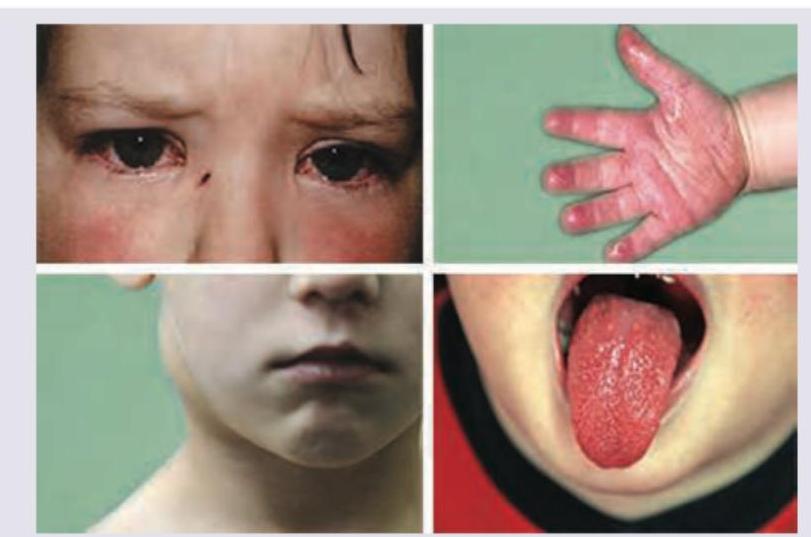
1 questionsA 3-year-old child presents with the clinical features shown in the image. What is the most likely diagnosis?

NEET-PG 2017 - Pediatrics NEET-PG Practice Questions and MCQs
Question 11: A 3-year-old child presents with the clinical features shown in the image. What is the most likely diagnosis?
- A. Kawasaki disease (Correct Answer)
- B. Scarlet fever
- C. Kikuchi disease
- D. Rosai-Dorfman disease
Explanation: ***Kawasaki disease*** * The image displays classic signs of **Kawasaki disease**, including **bilateral conjunctivitis without exudates** (top left), **erythema of the palms and soles with desquamation** (top right), **cervical lymphadenopathy** (bottom left, indicated by swelling in the neck region), and a **strawberry tongue** (bottom right). * These clinical features, especially in a young child, are diagnostic for **Kawasaki disease**, which is a vasculitis affecting medium-sized arteries, most notably the coronary arteries. *Scarlet fever* * While **scarlet fever** can cause a **strawberry tongue** and a rash, the rash is typically a **fine, sandpaper-like rash** that blanches with pressure, not usually characterized by the distinct palm/sole erythema and desquamation seen in the image. * **Conjunctivitis** is not a prominent feature of scarlet fever, and the lymphadenopathy is typically less pronounced and may be tender. *Kikuchi disease* * **Kikuchi disease** (histiocytic necrotizing lymphadenitis) primarily presents with **cervical lymphadenopathy, fever**, and often rash, but it does **not typically involve conjunctivitis or changes in the hands, feet, or tongue** as dramatically depicted. * It is a self-limiting condition of unknown etiology, distinct from the systemic vasculitis of Kawasaki disease. *Rosai-Dorfman disease* * **Rosai-Dorfman disease** (sinus histiocytosis with massive lymphadenopathy) is characterized by **massive, painless lymphadenopathy**, particularly cervical, with fever and other systemic symptoms. * However, it does **not present with the specific mucocutaneous findings** of conjunctivitis, strawberry tongue, or characteristic hand/foot changes seen in the images indicative of Kawasaki disease.