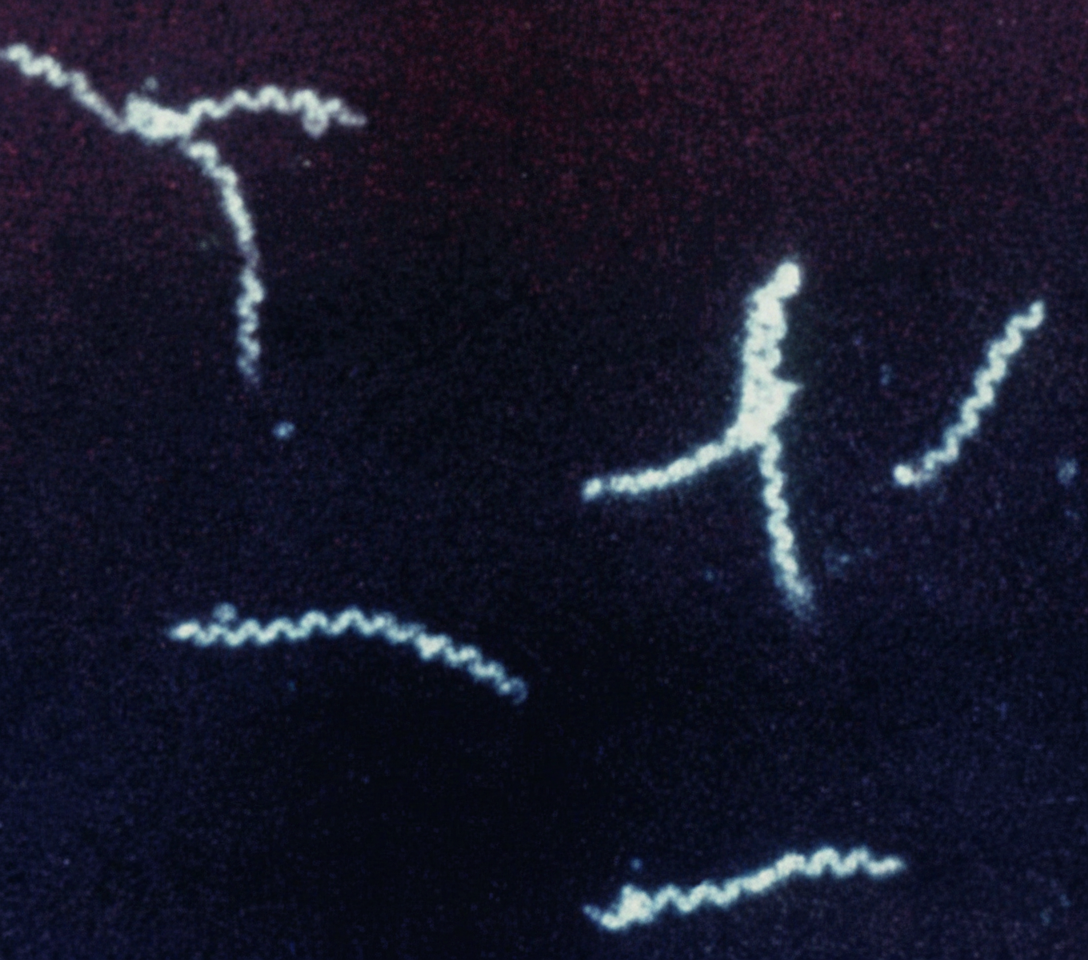
The following organism shown leads to development of:
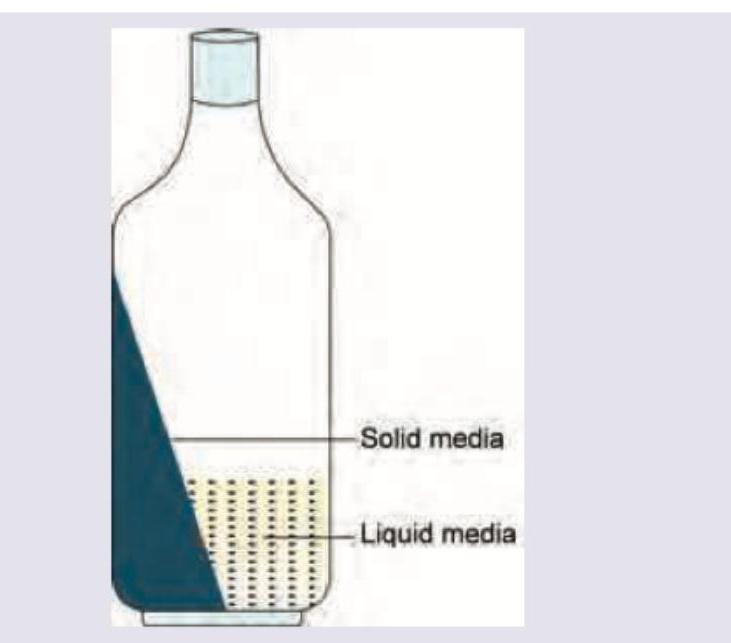
The following two phase culture system is used for diagnosis of: (Recent NEET Pattern 2016-17)
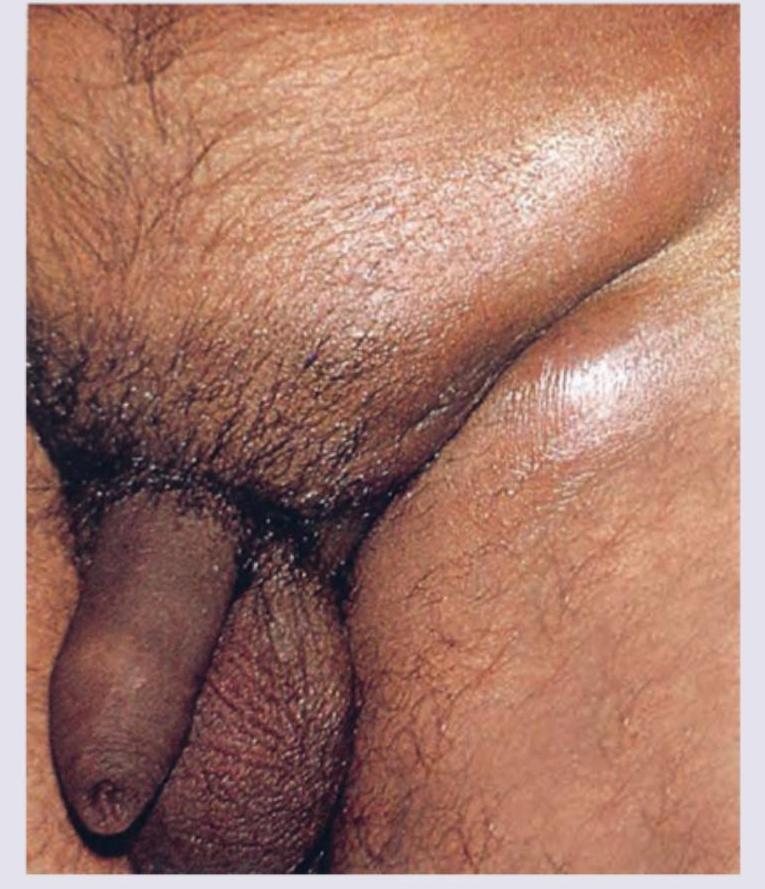
All are correct about the condition shown in the image except:
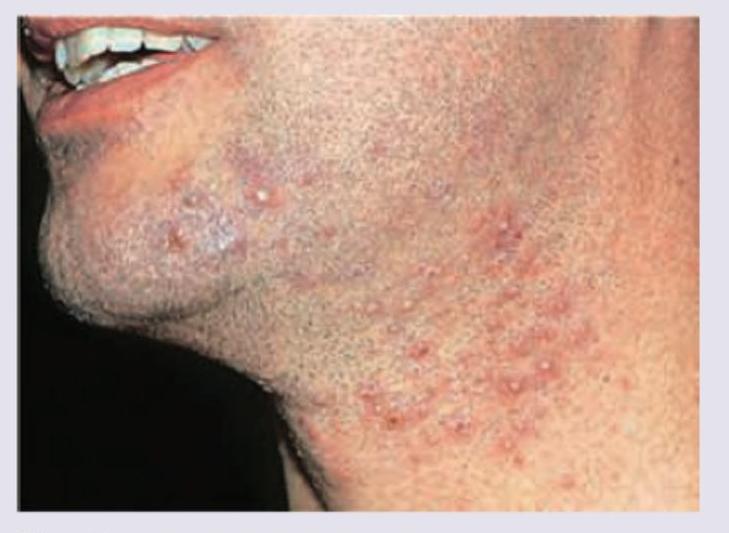
Which organism is incriminated in causing the following lesions? (Recent NEET Pattern 2016-17)
Which of the following organisms is incriminated in a patient of left sided endocarditis involving the mitral valve? (Recent NEET Pattern 2016-17)
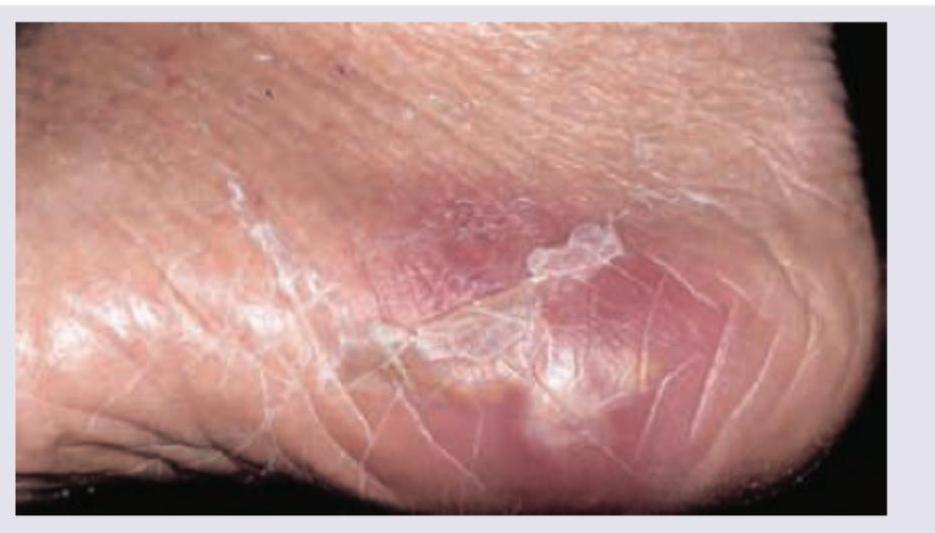
A patient walking barefoot during his morning walk has developed a swelling in the foot. What is the probable diagnosis?
Which of the following diseases is caused by the virus shown below?

Which of the following diseases is caused by the virus shown below?

Which of the following eggs is seen in stool microscope examination?

Which of the following worms is shown in the specimen?

NEET-PG 2017 - Microbiology NEET-PG Practice Questions and MCQs
Question 11: The following organism shown leads to development of:
- A. Syphilis (Correct Answer)
- B. Leptospirosis
- C. Lyme disease
- D. Relapsing fever
Explanation: ***Syphilis*** - The image displays **spirochetes**, which are characteristic of *Treponema pallidum*, the causative agent of **syphilis**. - **Syphilis** is a sexually transmitted infection that progresses through primary, secondary, latent, and tertiary stages. *Leptospirosis* - Caused by **Leptospira** species, which are also spirochetes but typically have hooked ends and are associated with exposure to contaminated water or animal urine. - Symptoms include fever, headaches, muscle aches, and occasionally severe conditions like Weil's disease (jaundice, renal failure, hemorrhage). *Lyme disease* - Caused by **Borrelia burgdorferi**, another spirochete transmitted by **ticks**. - Characterized by an expanding rash (**erythema migrans**), flu-like symptoms, and can lead to arthritis, neurological problems, and cardiac issues if untreated. *Relapsing fever* - Caused by various species of **Borrelia**, transmitted by **lice or ticks**. - Characterized by recurrent episodes of fever, headache, and muscle pain due to antigenic variation of the bacteria.
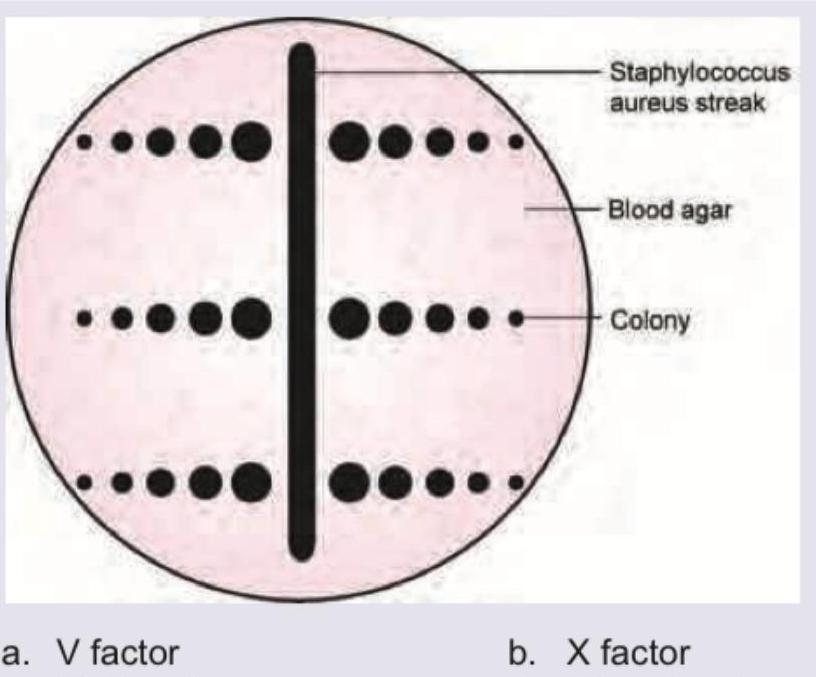
Question 12: The following two phase culture system is used for diagnosis of: (Recent NEET Pattern 2016-17)
- A. Relapsing fever
- B. Pontiac fever
- C. Undulant fever (Correct Answer)
- D. Pel-Ebstein fever
Explanation: ***Undulant fever*** - The image depicts a **two-phase culture system** (specifically, a Castaneda bottle or similar), which is characteristic for the isolation of *Brucella* species. - *Brucella* causes **brucellosis**, also known as **undulant fever**, due to its characteristic waxing and waning fever pattern. *Relapsing fever* - Relapsing fever is caused by **spirochetes** (*Borrelia* species), which are typically diagnosed by **blood smear microscopy** during febrile episodes. - These organisms are **difficult to culture** using standard laboratory media, and a two-phase system is not routinely employed for their diagnosis. *Pontiac fever* - Pontiac fever is a mild, self-limiting form of **legionellosis**, caused by *Legionella pneumophila*. - Diagnosis typically involves detecting *Legionella* **antigen in urine** or culturing from respiratory secretions on specialized media like **buffered charcoal yeast extract (BCYE) agar**, not a two-phase system. *Pel-Ebstein fever* - Pel-Ebstein fever is a rare, periodic fever pattern associated with **Hodgkin lymphoma**. - It is a **symptom of a malignancy**, not an infectious disease, and therefore does not involve culture systems for diagnosis.
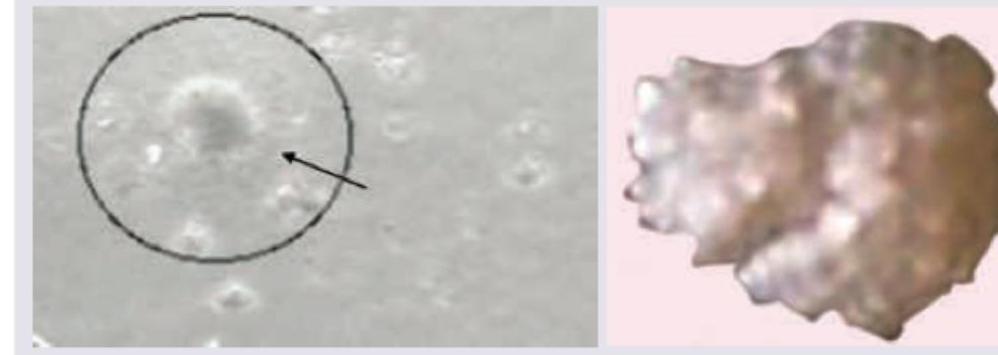
Question 13: All are correct about the condition shown in the image except:
- A. Groove sign of LGV
- B. Aspirated material shows LCL bodies (Correct Answer)
- C. Most common cause of this infection is L2 biovar
- D. Females develop esthiomene
Explanation: ***Correct: Aspirated material shows LCL bodies*** - **"LCL bodies" is NOT a recognized diagnostic term** for lymphogranuloma venereum (LGV) - The aspirated material from buboes in LGV shows **Chlamydia trachomatis elementary bodies and reticulate bodies**, along with inflammatory cells - This is the EXCEPTION as it is an incorrect statement about LGV *Incorrect: Groove sign of LGV* - The **groove sign is a classic clinical feature** of LGV - Formed by enlarged inguinal lymph nodes above and below the inguinal (Poupart's) ligament, creating a characteristic depression - This is a TRUE statement about LGV *Incorrect: Most common cause of this infection is L2 biovar* - LGV is caused by **Chlamydia trachomatis serovars L1, L2, and L3** - **L2 serovar is the most prevalent cause** of LGV infections worldwide - This is a TRUE statement about LGV *Incorrect: Females develop esthiomene* - **Esthiomene is a late complication** of chronic untreated LGV in females - Characterized by progressive genital elephantiasis, ulceration, and destruction of vulvo-perineal tissues - Results from persistent lymphatic obstruction and chronic inflammation - This is a TRUE statement about LGV
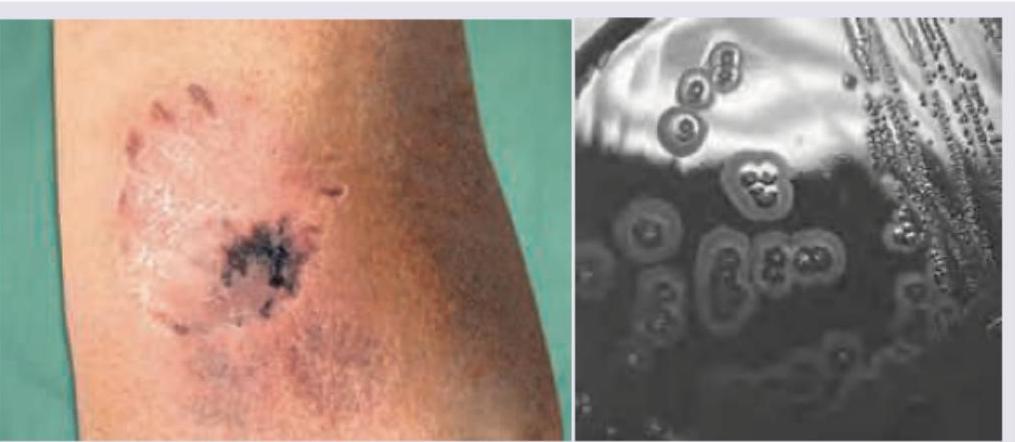
Question 14: Which organism is incriminated in causing the following lesions? (Recent NEET Pattern 2016-17)
- A. Streptococcus pyogenes (Correct Answer)
- B. Streptococcus pneumoniae
- C. Enterococcus
- D. Staphylococcus aureus
Explanation: ***Streptococcus pyogenes*** - The image depicts **impetigo**, characterized by crusted lesions, often found on the face. - **Streptococcus pyogenes** (Group A Streptococcus) is a common cause of impetigo, either alone or in combination with *Staphylococcus aureus*. *Streptococcus pneumoniae* - *Streptococcus pneumoniae* is primarily associated with **respiratory tract infections**, such as pneumonia and otitis media, not skin lesions like impetigo. - While it can cause invasive diseases, its primary presentation is typically not superficial skin infections. *Enterococcus* - *Enterococcus* species are common inhabitants of the normal **gastrointestinal flora** and are frequently implicated in **urinary tract infections**, endocarditis, and hospital-acquired infections. - They are generally not a primary cause of impetigo or similar superficial skin infections. *Staphylococcus aureus* - While *Staphylococcus aureus* is a very common cause of **impetigo**, the question asks for "the organism" as if there is only one most specific answer without providing other context, suggesting **Streptococcus pyogenes** as a highly relevant primary pathogen, especially if non-bullous impetigo is implied by the crusted appearance. - *S. aureus* often presents with **purulent lesions** (e.g., boils, carbuncles) and bullous impetigo with fluid-filled blisters which eventually rupture and crust.
Question 15: Which of the following organisms is incriminated in a patient of left sided endocarditis involving the mitral valve? (Recent NEET Pattern 2016-17)
- A. Candida albicans
- B. Streptococcus viridans (Correct Answer)
- C. Enterococci
- D. Pseudomonas
Explanation: ***Streptococcus viridans*** - This group of bacteria is the **most common cause** of **subacute infective endocarditis** on native, previously damaged valves, particularly the mitral valve. - They typically colonize the oral cavity and can enter the bloodstream after dental procedures or poor oral hygiene, leading to seeding of cardiac valves. *Candida albicans* - *Candida albicans* is a common cause of **fungal endocarditis**, which typically presents as a more subacute or chronic illness and can occur in immunocompromised individuals or those with indwelling catheters. - While it can affect the mitral valve, it is less common than bacterial causes, especially in the context of left-sided endocarditis unless specific risk factors (e.g., intravenous drug use, prosthetic valves, prolonged antibiotic use) are present. *Enterococci* - **Enterococcal endocarditis** often occurs in older patients, those with underlying genitourinary or gastrointestinal tract pathology, or healthcare-associated infections. - While they can affect native or prosthetic valves, they are not the most common cause of native valve endocarditis involving the mitral valve in the general population. *Pseudomonas* - **Pseudomonas endocarditis** is typically associated with **intravenous drug use** and commonly affects the **tricuspid valve** (right-sided endocarditis). - While it can involve left-sided valves, it is less frequent in the absence of intravenous drug use compared to *Streptococcus viridans*.
Question 16: A patient walking barefoot during his morning walk has developed a swelling in the foot. What is the probable diagnosis?
- A. Staphylococcus aureus
- B. Botryomycosis
- C. Tetanus
- D. Madura foot (Correct Answer)
Explanation: **Madura foot (Correct Answer)** - **Madura foot**, or mycetoma, is a **chronic granulomatous infection** often acquired through minor skin trauma, such as walking barefoot on contaminated soil - Classic presentation: **localized swelling, draining sinuses, and grain formation** - The image shows a **swollen foot** with signs of chronic infection, consistent with the progressive nature of Madura foot affecting subcutaneous tissues and eventually bone - Endemic in tropical regions including India, making this the most likely diagnosis given barefoot walking *Staphylococcus aureus (Incorrect)* - While *S. aureus* can cause various skin infections and swelling, it typically presents with **acute infections** (abscesses, cellulitis, folliculitis) - A **chronic, localized swelling with potential sinus tracts** that progresses over time is less typical for uncomplicated *S. aureus* infections - The context of barefoot walking on soil is more suggestive of fungal or actinomycotic infections *Botryomycosis (Incorrect)* - **Botryomycosis** is a rare chronic bacterial infection that causes granulomas and abscesses, often with "grains" similar to mycetoma - Typically caused by bacteria like *Staphylococcus aureus* or *Pseudomonas aeruginosa*, **not typically acquired directly from soil** - Though it presents with granulomas and "grains," the context of walking barefoot and the endemic nature of mycetoma in India makes Madura foot more likely *Tetanus (Incorrect)* - **Tetanus** is a severe neurological condition caused by the toxin of *Clostridium tetani*, entering through wounds - Presents with **muscle spasms, rigidity, and lockjaw** (trismus) - Does **not cause localized swelling or chronic granulomatous lesions** as shown in the image - Wrong clinical presentation entirely
Question 17: Which of the following diseases is caused by the virus shown below?
- A. Aplastic crisis (Correct Answer)
- B. Burkitt lymphoma
- C. Primary effusion lymphoma
- D. Vesicular vaccination lesion
Explanation: ***Aplastic crisis*** - The image depicts a **bun-shaped, non-enveloped virus** with a **single-stranded DNA genome**, characteristic of **Parvovirus B19**. - **Parvovirus B19** has a strong tropism for **erythroid progenitor cells** in the bone marrow, leading to their lysis and subsequent inhibition of erythropoiesis, which can cause **aplastic crisis**, especially in individuals with underlying hemolytic disorders like sickle cell anemia. *Burkitt lymphoma* - This lymphoma is caused by **Epstein-Barr virus (EBV)**, a **double-stranded DNA herpesvirus**, which has a different morphology than the virus depicted. - EBV is associated with B-cell proliferation, not direct destruction of erythroid precursors which leads to aplastic crises. *Primary effusion lymphoma* - This is a rare B-cell lymphoma associated with **Human Herpesvirus 8 (HHV-8)**, also known as Kaposi's sarcoma-associated herpesvirus. - HHV-8 is a **double-stranded DNA virus** with a different structure and tropism than the parvovirus shown in the image. *Vesicular vaccination lesion* - Vesicular vaccination lesions are typically caused by the **Vaccinia virus**, a **large, complex DNA virus** belonging to the Poxviridae family. - The Vaccinia virus has a distinct brick-shaped morphology and replicates in the cytoplasm, unlike the small, non-enveloped parvovirus shown.
Question 18: Which of the following diseases is caused by the virus shown below?
- A. Neurodegenerative disorder
- B. Swimming pool conjunctivitis (Correct Answer)
- C. Solid organ graft infection
- D. Solid organ graft rejection
Explanation: ***Swimming pool conjunctivitis*** - The image displays an **adenovirus**, characterized by its **icosahedral shape** and distinct **fiber proteins** projecting from the vertices. - Adenoviruses are a common cause of **pharyngoconjunctival fever**, often referred to as "swimming pool conjunctivitis" due to its spread in **inadequately chlorinated swimming pools**. - This is the **most characteristic disease** associated with adenovirus infection, particularly serotypes **3, 4, and 7**. *Neurodegenerative disorder* - Adenoviruses are **not associated** with neurodegenerative disorders. - Neurodegenerative conditions are typically linked to **prions, misfolded proteins**, or other viral agents like **JC virus** (progressive multifocal leukoencephalopathy). - Adenoviruses cause **acute infections**, not chronic neurodegeneration. *Solid organ graft infection* - While adenoviruses can cause severe infections in **immunocompromised patients**, including transplant recipients, this is not their most characteristic presentation. - In transplant patients, adenovirus may cause **colitis, hepatitis, or nephritis**, but these are **opportunistic infections** rather than the typical disease association. - The characteristic disease remains **conjunctivitis and respiratory infections** in immunocompetent hosts. *Solid organ graft rejection* - **Graft rejection** is an **immunological process** where the recipient's immune system attacks the transplanted organ, not a viral infection. - Adenovirus does not directly cause the mechanism of graft rejection. - While viral infections may complicate graft outcomes, rejection itself is **immune-mediated**, not infectious.
Question 19: Which of the following eggs is seen in stool microscope examination?
- A. Trichuris trichiura (Correct Answer)
- B. Taenia species
- C. Ascaris lumbricoides
- D. Enterobius vermicularis
Explanation: ***Trichuris trichiura (whipworm) egg*** - The image displays a **barrel-shaped egg** with prominent, translucent **polar plugs (mucous plugs)** at each end, which is characteristic of *Trichuris trichiura* (whipworm) - These eggs measure approximately **50-54 × 22-23 μm** and have a thick, smooth shell with characteristic bipolar plugs - Found in **stool samples** during microscopic examination, indicating whipworm infection *Ascaris lumbricoides* - Eggs are **oval/round** (45-75 × 35-50 μm), not barrel-shaped - Have a thick, mammillated (bumpy) outer coat when unfertilized, or smooth when fertilized - **No polar plugs** - this is the key differentiating feature *Enterobius vermicularis* - Eggs are **asymmetrically oval** and flattened on one side (50-60 × 20-30 μm) - **No polar plugs** present - Rarely seen in stool; best detected by **perianal scotch tape test** *Taenia species* - Eggs are **spherical** (30-40 μm diameter) with radial striations - Contain a **six-hooked embryo (hexacanth)** inside - **No polar plugs** and completely different morphology
Question 20: Which of the following worms is shown in the specimen?
- A. Ascaris lumbricoides (Correct Answer)
- B. Trichinella
- C. Wuchereria bancrofti
- D. Trichuris trichiura
Explanation: ***Ascaris lumbricoides*** - The image displays a collection of **large, creamy-white to yellowish-brown, roundworms** that are characteristic of *Ascaris lumbricoides*. These worms are often referred to as **giant roundworms** due to their size. - They are typically found in the **intestines** and can grow up to 35 cm in length, which is consistent with the appearance of the worms in the specimen jar. *Trichinella* - *Trichinella* species are **much smaller** and are typically not visible as macroscopic worms in a specimen jar in this manner. - They are primarily known for causing **trichinellosis**, where larvae encyst in muscle tissue, rather than forming large masses in the intestines. *Wuchereria bancrofti* - *Wuchereria bancrofti* causes **lymphatic filariasis** and its adult worms reside in the lymphatic system. - These worms are **thin and thread-like** and are generally much smaller and more delicate than the worms shown in the specimen, which appear robust. *Trichuris trichiura* - *Trichuris trichiura*, also known as **whipworm**, has a characteristic **whip-like appearance** with a thin anterior portion and a thicker posterior end. - While they are intestinal nematodes, they are generally **smaller** and have a distinct morphology not seen in the specimen.