NEET-PG 2017 — Community Medicine
14 Previous Year Questions with Answers & Explanations
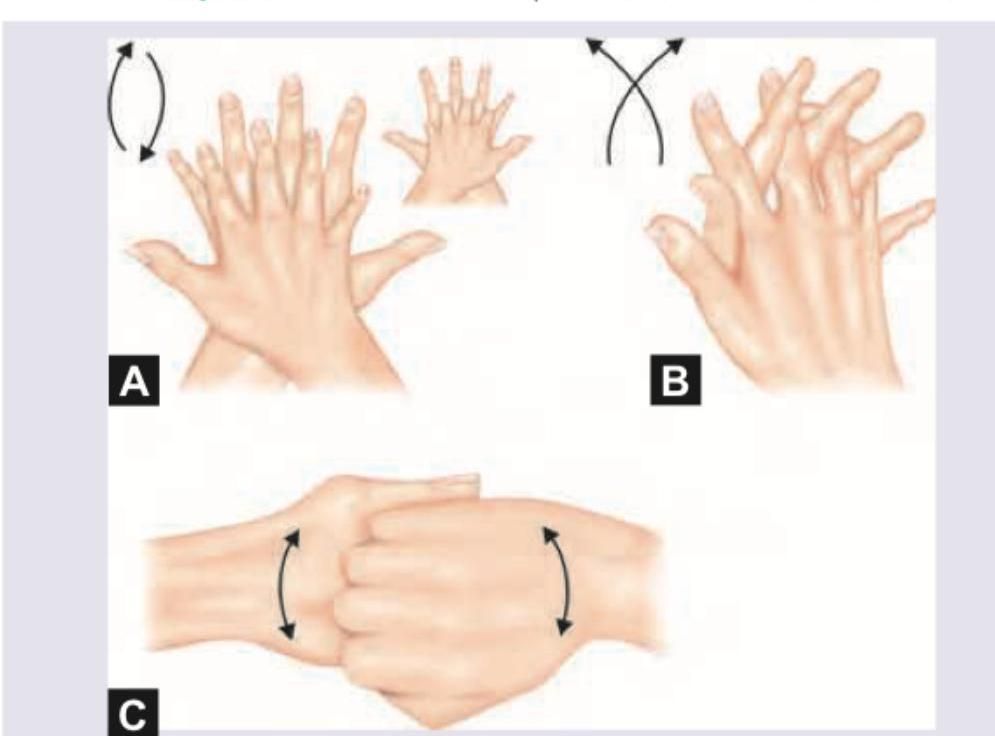
Which is correct sequence of handwashing technique?
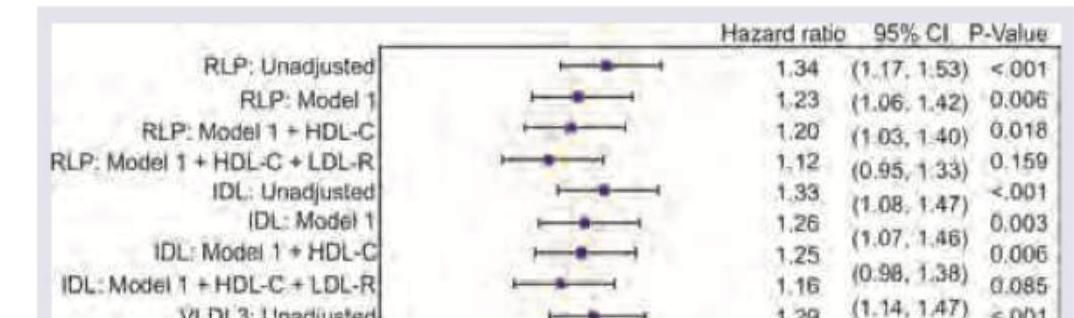
The following statistical diagram is known as
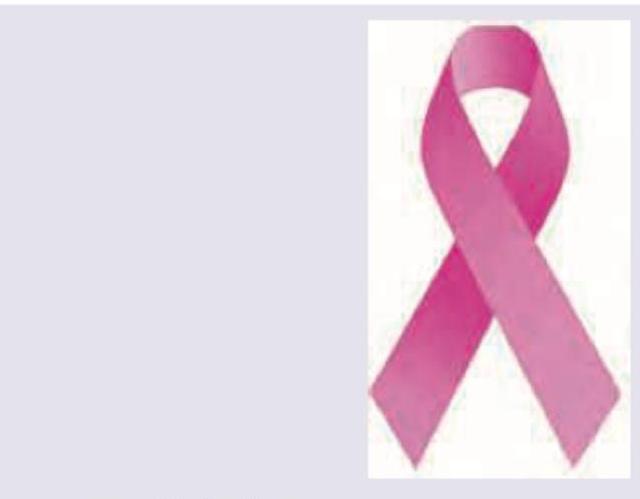
The following symbol is used to depict awareness for which disease?
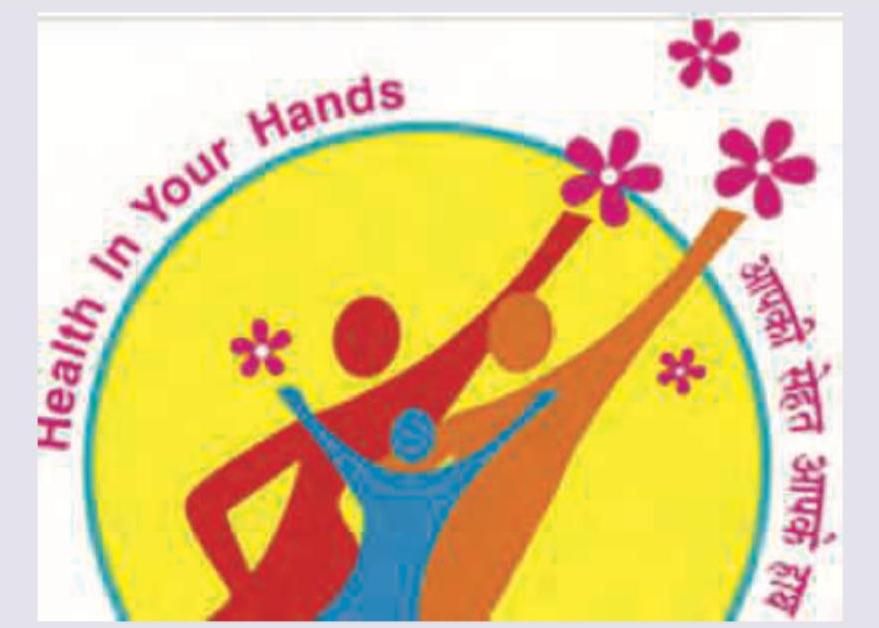
The logo of which national health programme is shown below? (Recent NEET Pattern 2016-17)
Identify the programme depicted by symbol as given in the image: (Recent NEET Pattern 2016-17)
Identify the programme symbol as given in the image:
Identify the programme depicted by symbol as given in the image:
Act pertaining to symbol shown in the image given below was enacted in: (Recent NEET Pattern 2016-17)
Identify the organization depicted by the symbol in the image given below:
Identify the organization depicted by the symbol in the image given below:
NEET-PG 2017 - Community Medicine NEET-PG Practice Questions and MCQs
Question 1: Which is correct sequence of handwashing technique?
- A. A → B → C (Correct Answer)
- B. A → C → B
- C. B → A → C
- D. C → B → A
Explanation: ***A → B → C*** - Follows the **WHO 6-step handwashing protocol** progression from **palm-to-palm with fingers interlaced** (step 3) to **backs of fingers against opposing palm** (step 4) to **rotational thumb rubbing** (step 5). - This sequence ensures **systematic cleaning** of all hand surfaces, moving from basic interdigital spaces to more complex finger positions before focusing on the thumb. *A → C → B* - Skips the **backs of fingers cleaning** (step 4) before proceeding to **thumb cleaning**, disrupting the systematic progression. - **Thumb cleaning** should come after thorough **interdigital cleaning** to ensure complete coverage of all finger surfaces. *B → A → C* - Begins with **backs of fingers to opposing palm**, which requires **fingers interlocked**, before completing basic **palm-to-palm interlacing**. - This reverses the **WHO protocol** by attempting advanced finger positioning before establishing proper **interdigital contact**. *C → B → A* - Starts with **thumb cleaning** before addressing **interdigital spaces**, completely reversing the systematic approach. - **Thumb cleaning** should be performed after **thorough finger and palm cleaning** to prevent recontamination of cleaned areas.
Question 2: The following statistical diagram is known as
- A. Kaplan Meier plot
- B. Spaghetti plot
- C. Funnel plot
- D. Forest plot (Correct Answer)
Explanation: ***Forest plot*** - This diagram, featuring a series of horizontal lines (representing **confidence intervals**) for different studies or outcomes, centered around a point estimate (often a **hazard ratio** or odds ratio), is characteristic of a forest plot. - Forest plots are commonly used in **meta-analyses** to graphically present the results of individual studies and their combined effect. *Kaplan Meier plot* - A Kaplan-Meier plot is a **survival curve** that shows the probability of a subject surviving beyond a certain time point. - It consists of a **stepwise function** decreasing over time, rather than individual point estimates with confidence intervals. *Spaghetti plot* - A spaghetti plot is used to display **multiple time series** on a single graph, where each line represents an individual's data over time. - This type of plot helps visualize **individual variability** and trends, but it does not represent hazard ratios or confidence intervals in the way shown. *Funnel plot* - A funnel plot is a scatter plot used to detect **publication bias** in meta-analyses, where the effect size is plotted against a measure of study precision. - It typically appears as a symmetrical, **funnel-shaped distribution** of points, which is visually distinct from the given diagram.
Question 3: The following symbol is used to depict awareness for which disease?
- A. Diabetes
- B. Breast cancer (Correct Answer)
- C. Cervical cancer
- D. Hypertension
Explanation: ***Breast cancer*** - The **pink ribbon** is an internationally recognised symbol for breast cancer awareness. - It is prominently used in campaigns, especially during **Breast Cancer Awareness Month** in October, to promote screening and early detection. *Diabetes* - The symbol for diabetes awareness is typically a **blue circle**, representing the global unity in the fight against diabetes. - While it's a significant health issue, it does not use the pink ribbon for its awareness campaigns. *Cervical cancer* - The awareness ribbon for cervical cancer is typically **teal and white**. - This symbol highlights the importance of vaccination and regular screening tests like Pap smears. *Hypertension* - There isn't a universally recognized ribbon symbol for hypertension; however, sometimes a **red dress** or variations of a **red ribbon** are used for heart health awareness in general. - Hypertension awareness focuses on lifestyle modifications, regular monitoring, and medication adherence.
Question 4: The logo of which national health programme is shown below? (Recent NEET Pattern 2016-17)
- A. RCH (Correct Answer)
- B. NRHM
- C. NPCDCS
- D. Navjaat Shishu Suraksha Karyakram
Explanation: ***Correct Option: RCH*** - The logo shown, with the tagline **"Health in Your Hands"** (and its Hindi equivalent), is the official logo for the **Reproductive and Child Health (RCH)** program in India. - This program focuses on improving the health of mothers, children, and adolescents through various interventions. *Incorrect Option: NRHM* - The **National Rural Health Mission (NRHM)** aims to provide accessible, affordable, and accountable healthcare, primarily to rural populations. - Its logo and thematic focus are broader than the family-centric imagery of the RCH logo, which specifically emphasizes reproductive and child health. *Incorrect Option: NPCDCS* - The **National Programme for Prevention and Control of Cancer, Diabetes, Cardiovascular Diseases and Stroke (NPCDCS)** focuses on non-communicable diseases. - Its objectives and visual branding are distinct from the RCH program, which targets maternal and child health. *Incorrect Option: Navjaat Shishu Suraksha Karyakram* - The **Navjaat Shishu Suraksha Karyakram** is a specific initiative under the broader RCH program, focusing on essential newborn care at birth. - While related, it is a component program, and its logo would be more specific to newborn care rather than the general "Health in Your Hands" message encompassing reproductive and child health.
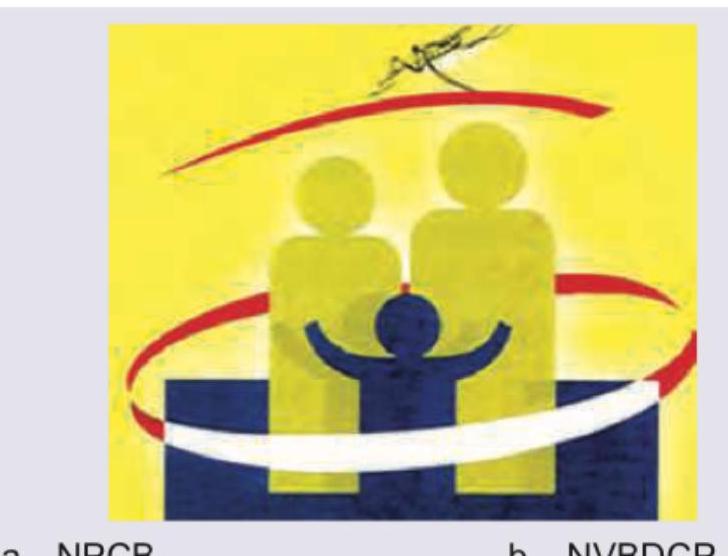
Question 5: Identify the programme depicted by symbol as given in the image: (Recent NEET Pattern 2016-17)
- A. NPCB
- B. NVBDCP (Correct Answer)
- C. RCH
- D. ICDS
Explanation: **NVBDCP** - The image depicts a family with a child, surrounded by a protective arc, which is the official logo for the **National Vector Borne Disease Control Programme (NVBDCP)**. - This programme focuses on controlling vector-borne diseases that affect families and communities, reflecting the protective and public health aspect of the logo. *NPCB* - NPCB stands for the **National Programme for Control of Blindness and Visual Impairment**, which has a distinct logo focused on eyes or vision-related imagery. - The logo in the question does not contain any visual elements related to eyes or vision. *RCH* - RCH stands for **Reproductive and Child Health Programme**, which usually focuses on maternal and child health, often symbolized by a mother and child figure. - While it involves children, the common RCH logos generally emphasize the mother and child in a specific context of reproduction and maternal care, not a general family as shown. *ICDS* - ICDS stands for **Integrated Child Development Services**, aiming at holistic development of young children, pregnant women, and lactating mothers. - Its logo typically features imagery reflecting child development, nutrition, and early childhood care, which is different from the protective family symbol shown.
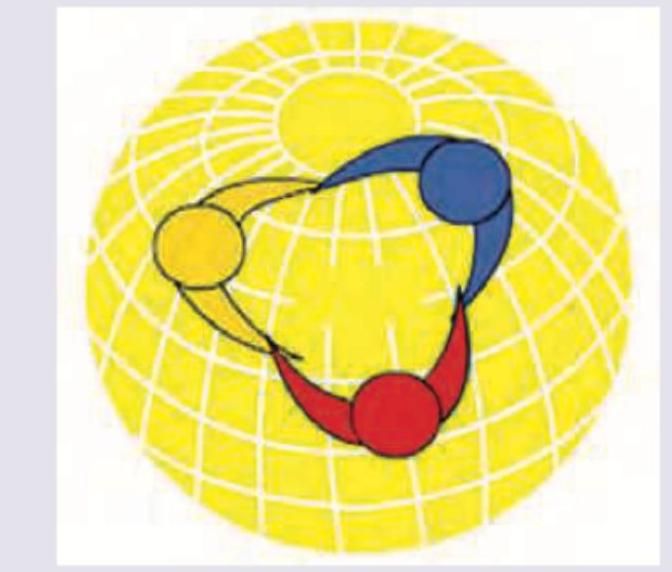
Question 6: Identify the programme symbol as given in the image:
- A. NUHM
- B. ICDS (Correct Answer)
- C. NRHM
- D. IDSP
Explanation: ***Correct: ICDS (Integrated Child Development Services)*** - The image depicts the official logo of the **Integrated Child Development Services (ICDS)** program - The three interlocking figures symbolize the comprehensive, integrated approach towards the welfare of **children, mothers, and the community** - The ICDS logo emphasizes the **holistic development** of children, covering aspects like health, nutrition, and early childhood education *Incorrect: NUHM (National Urban Health Mission)* - NUHM focuses on providing **primary health care** to the urban poor - Its logo and visual identity are distinct and do not match the image provided *Incorrect: NRHM (National Rural Health Mission)* - NRHM aims to provide accessible, affordable, and quality health care to the **rural population** - This program's logo is different, typically featuring elements related to rural health and community engagement *Incorrect: IDSP (Integrated Disease Surveillance Programme)* - IDSP focuses on **early warning signals** of outbreaks and rapid response to contain them - Its logo is generally designed to convey concepts of surveillance, monitoring, and disease control, not represented by the interlocking figures in the image
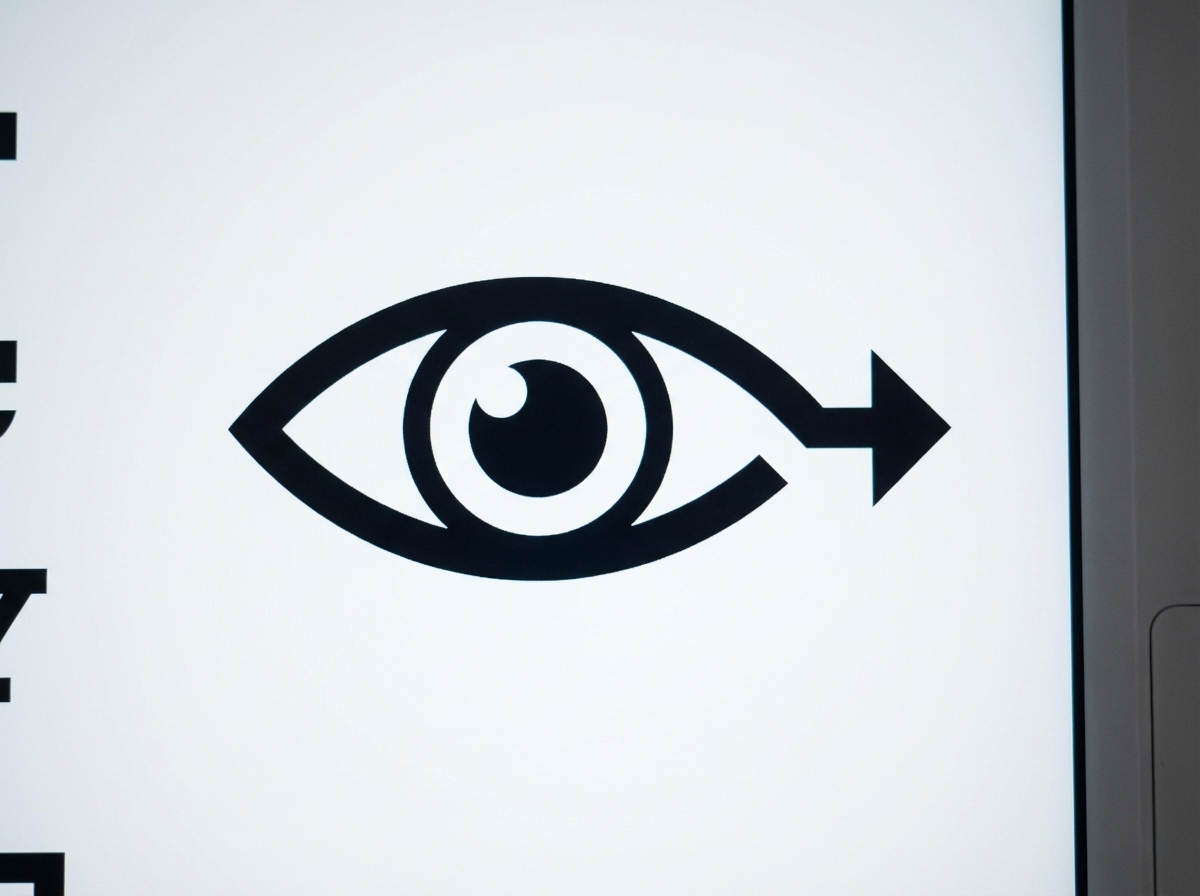
Question 7: Identify the programme depicted by symbol as given in the image:
- A. National Programme for Control of Blindness
- B. Rashtriya Bal Swasthya Karyakram
- C. National Health Mission
- D. Vision 2020: The Right to Sight (Correct Answer)
Explanation: ***Vision 2020: The Right to Sight*** - The symbol is the **eye logo** of Vision 2020, representing the global initiative to eliminate avoidable blindness. - The **red cross** background highlights the medical and humanitarian focus on eye health.
Question 8: Act pertaining to symbol shown in the image given below was enacted in: (Recent NEET Pattern 2016-17)
- A. 2006 (Correct Answer)
- B. 2003
- C. 2011
- D. 1954
Explanation: ***2006*** - The image displays the logo for **FSSAI (Food Safety and Standards Authority of India)**. - The **Food Safety and Standards Act (FSSA)** was enacted in **2006** to consolidate various acts and orders that had hitherto handled food-related issues in various Ministries and Departments. - This Act replaced the earlier Prevention of Food Adulteration Act, 1954. *2003* - This is not the year of enactment of the Food Safety and Standards Act. *2011* - While FSSAI became fully operational in 2011, the **Food Safety and Standards Act was enacted in 2006**. *1954* - This was the year the **Prevention of Food Adulteration Act** was enacted, which was subsequently replaced by the FSSA, 2006.
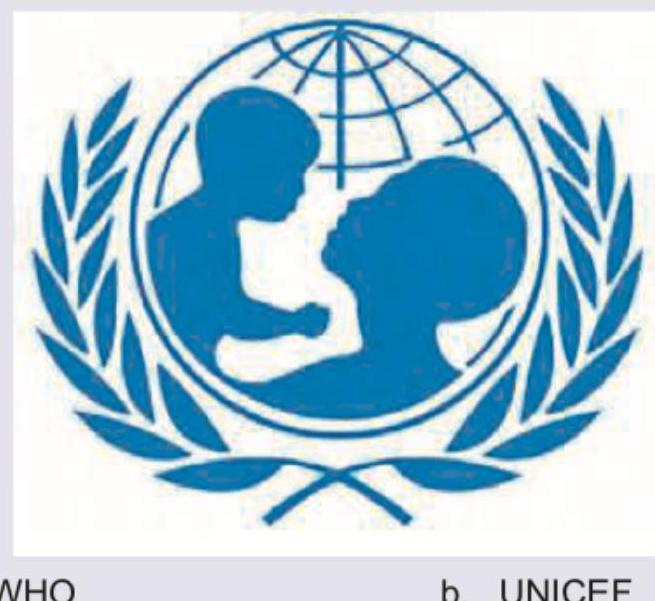
Question 9: Identify the organization depicted by the symbol in the image given below:
- A. WHO
- B. UNICEF (Correct Answer)
- C. UNDP
- D. FAO
Explanation: ***UNICEF*** - The image displays the official logo of **UNICEF (United Nations Children's Fund)**, characterized by the silhouette of an adult and a child within a globe encircled by olive branches. - This emblem symbolizes UNICEF's dedication to **children's rights and well-being** globally. *WHO* - The **World Health Organization (WHO)** logo typically features the staff of Asclepius (a snake twined around a rod) superimposed on a map of the world. - Its primary focus is on **international public health** rather than specifically children's welfare. *UNDP* - The **United Nations Development Programme (UNDP)** logo usually consists of a stylized globe or a combination of its acronym and the UN emblem. - UNDP's mission is centered on **poverty eradication** and sustainable development, not primarily children's aid. *FAO* - The **Food and Agriculture Organization of the United Nations (FAO)** logo features a stylized image of wheat ears and the organization's acronym. - Its main objective is to **achieve food security** for all, ensuring people have regular access to enough high-quality food.
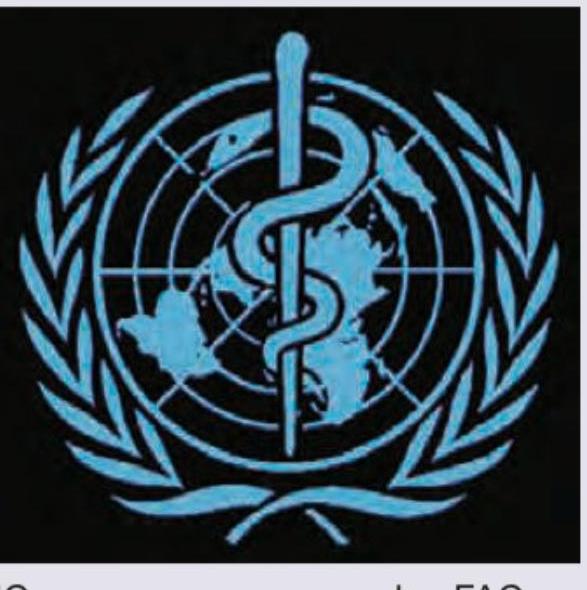
Question 10: Identify the organization depicted by the symbol in the image given below:
- A. WHO (Correct Answer)
- B. FAO
- C. UNDP
- D. NATO
Explanation: ***WHO*** - The symbol is the official emblem of the **World Health Organization (WHO)**, featuring the **Rod of Asclepius** (a snake entwined around a staff), which is a traditional symbol of medicine and healthcare. - This emblem is set against a **world map** surrounded by an olive wreath, signifying global health and peace. *FAO* - The **Food and Agriculture Organization (FAO)** emblem typically depicts an ear of wheat and the motto "Fiat Panis" (Let There Be Bread), symbolizing global efforts to defeat hunger. - It does not feature the Rod of Asclepius or a globe in the same manner as the WHO emblem. *UNDP* - The **United Nations Development Programme (UNDP)** uses a globe with lines of latitude and longitude, often surrounded by olive branches, but it does not incorporate the medical symbol of the Rod of Asclepius. - Its logo represents global initiatives focused on poverty reduction and sustainable development. *NATO* - The **North Atlantic Treaty Organization (NATO)** emblem is a four-pointed star with a compass rose symbol, enclosed in a circle, representing the alliance's transatlantic links and collective defense. - It has no medical symbolism and is distinctly different from the image provided.