A 25-year-old abattoir worker presents with myoclonus and amnesia for recent and remote events for last 1 year. MRI head was performed. All statements are correct about the organisms leading to this disease except:

The image shows:

The image shows:

Identify the structure:

Which type of salivary glands is shown in the image?
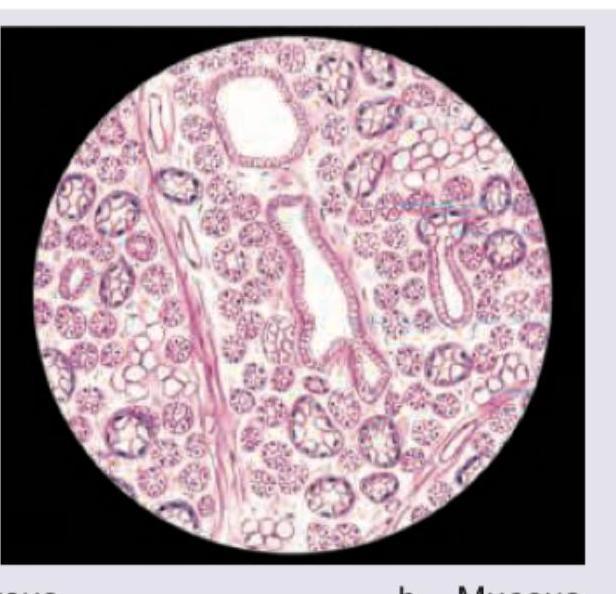
Which type of salivary glands is shown in the image?

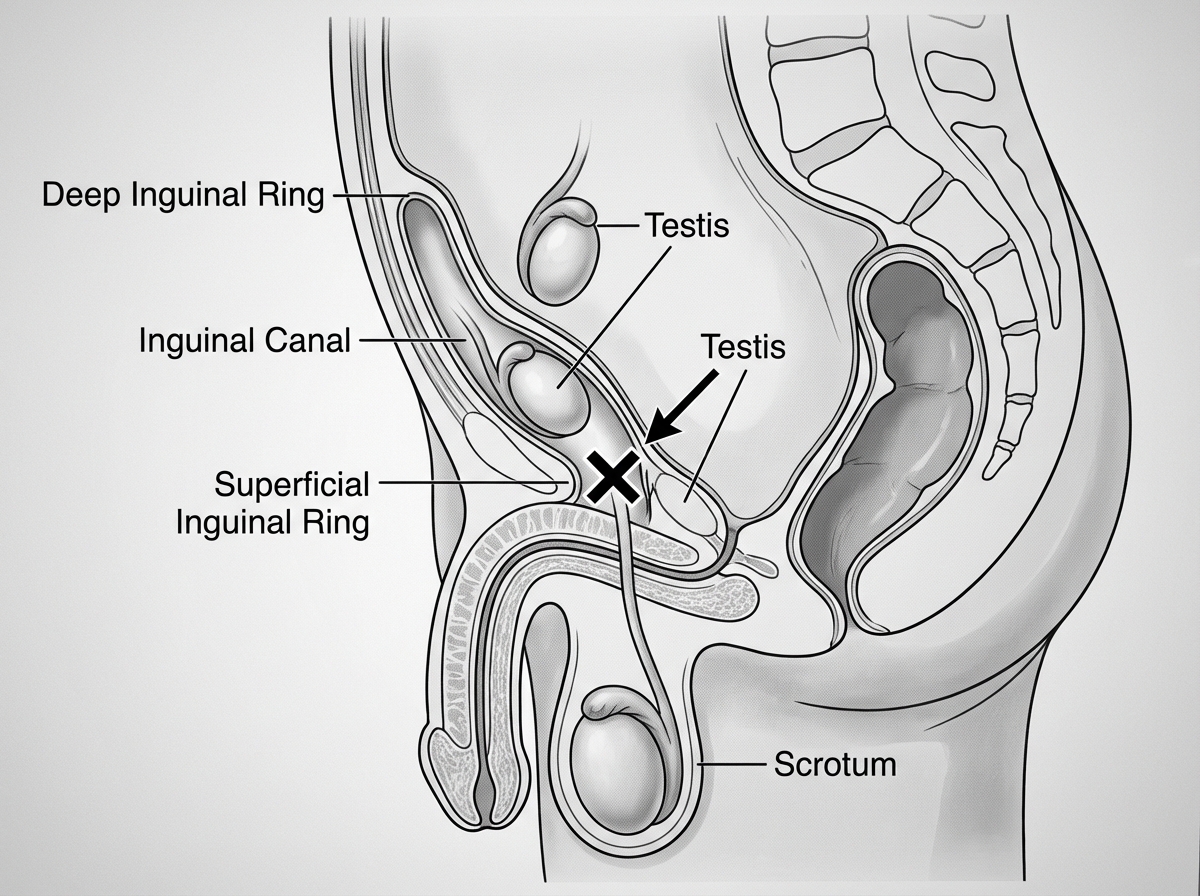
The testis reaches the point marked $X$ at which month of gestation? (Recent NEET Pattern 2016-17)
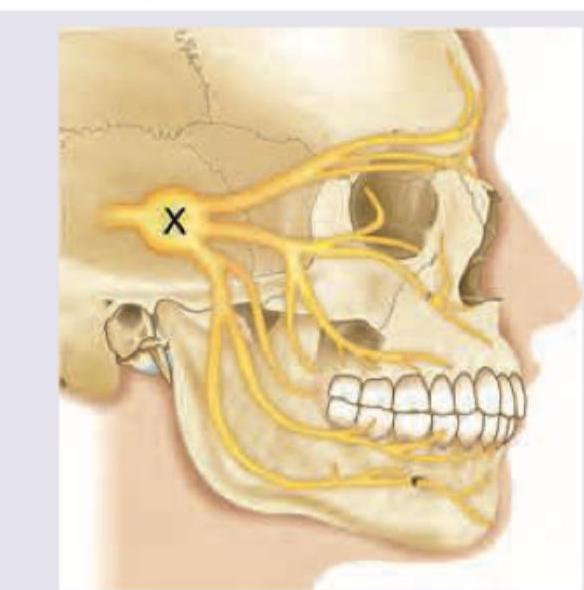
All are true about the ganglion ' $X$ ' shown in the image except:
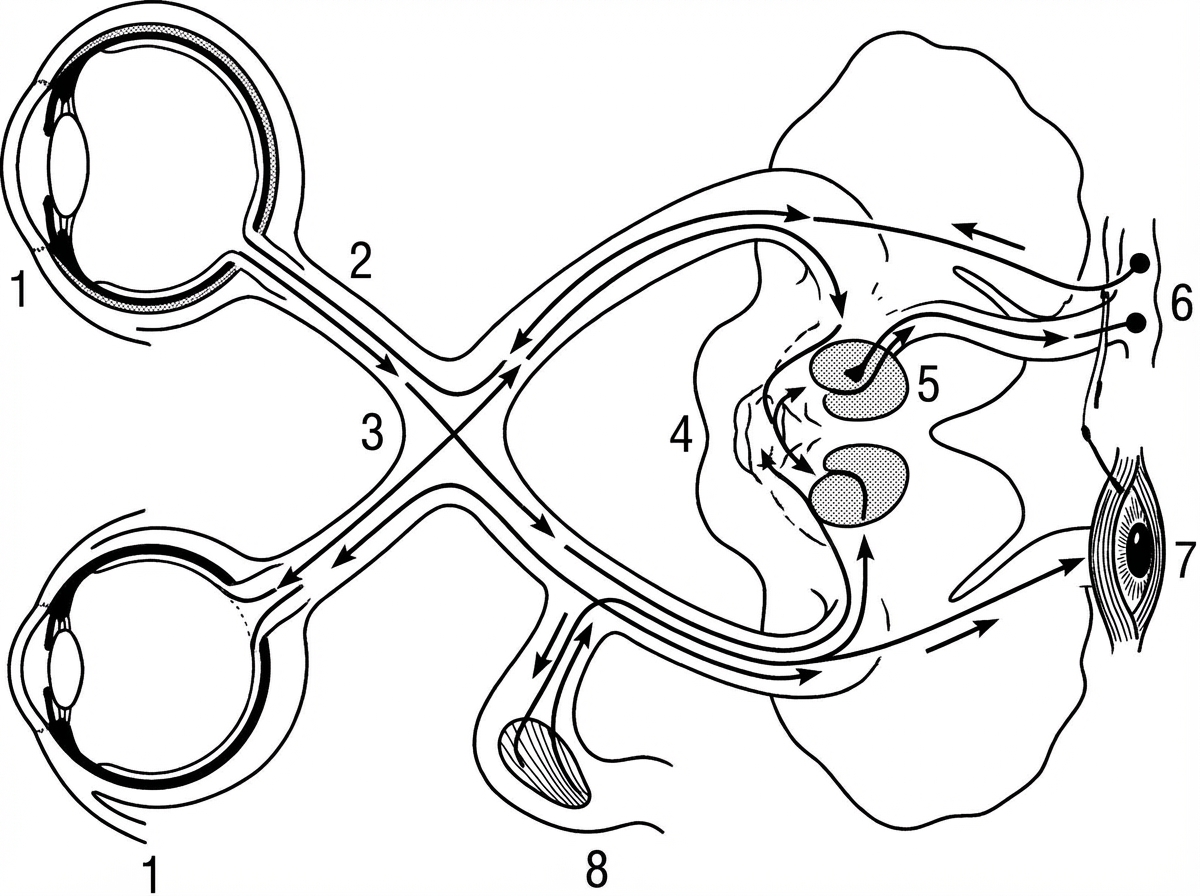
The pathway of light reflex is shown. Lesion of which of the following areas results in development of Argyll Robertson pupil?
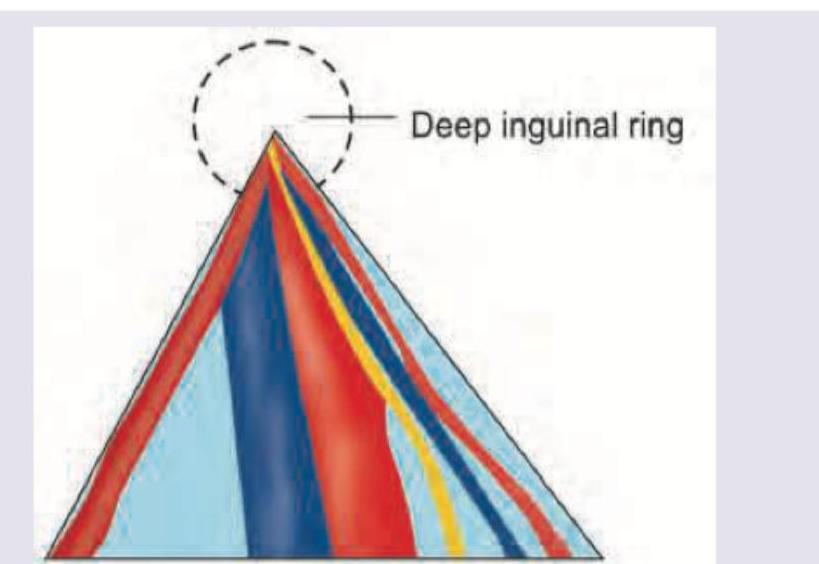
Identify the nerve passing through the Triangle of Doom:
NEET-PG 2017 - Anatomy NEET-PG Practice Questions and MCQs
Question 11: A 25-year-old abattoir worker presents with myoclonus and amnesia for recent and remote events for last 1 year. MRI head was performed. All statements are correct about the organisms leading to this disease except:
- A. Sensitive to ethylene dioxide (Correct Answer)
- B. Absence of nucleic acid
- C. CSF examination of patient shows presence of protein 14.3.3
- D. MRI shows cortical ribboning
Explanation: ***Sensitive to ethylene dioxide*** - Prions, the causative agents of Creutzfeldt-Jakob Disease (CJD), are **resistant to conventional sterilization methods**, including ethylene oxide, radiation, and disinfectants like formaldehyde. This statement is incorrect. - They are primarily inactivated by methods that denature proteins, such as **autoclaving at high temperatures and pressures** or strong sodium hydroxide solutions. *Absence of nucleic acid* - **Prions are infectious proteinaceous particles** that lack nucleic acid (DNA or RNA), which distinguishes them from viruses, bacteria, and other conventional pathogens. - They propagate by inducing conformational changes in normal host proteins. *CSF examination of patient shows presence of protein 14.3.3* - The presence of **14-3-3 protein** in cerebrospinal fluid (CSF) is a significant and widely used diagnostic marker for **Creutzfeldt-Jakob Disease (CJD)**. - Elevated levels of this protein indicate neuronal damage and are often found in patients with rapidly progressive dementia caused by prions. *MRI shows cortical ribboning* - **Cortical ribboning**, characterized by hyperintense signal changes in the cerebral cortex on diffusion-weighted imaging (DWI) and fluid-attenuated inversion recovery (FLAIR) sequences, is a **highly characteristic finding in MRI scans of patients with CJD**. - This MRI finding, along with involvement of the basal ganglia and thalamus, supports the diagnosis of CJD.
Question 12: The image shows:
- A. Lowenstein Jensen media
- B. Wilson-Blair medium
- C. Loeffler serum slope (Correct Answer)
- D. Selenite F broth
Explanation: ***Loeffler serum slope*** - This image shows a **Loeffler serum slope**, characterized by its **pale yellow, solidified appearance** in a test tube, often used for culturing *Corynebacterium diphtheriae*. - The medium provides various nutrients and typically encourages the rapid growth of diphtheria bacilli, producing **characteristic morphology**. *Lowenstein Jensen media* - **Lowenstein Jensen media** is typically **greenish** due to the presence of **malachite green**, which inhibits the growth of most contaminants. - It is primarily used for the cultivation of **mycobacteria**, particularly *Mycobacterium tuberculosis*. *Wilson-Blair medium* - **Wilson-Blair medium** is a classic selective medium used for the isolation of *Salmonella typhi* and other *Salmonella* species, appearing as **black colonies**. - This medium contains **bismuth sulfite**, which imparts a distinctive black color to the colonies due to hydrogen sulfide production. *Selenite F broth* - **Selenite F broth** is a **clear enrichment broth** used for the isolation of *Salmonella* and *Shigella* species from fecal samples. - It works by **inhibiting the growth of coliforms** while allowing *Salmonella* and *Shigella* to multiply.
Question 13: The image shows:
- A. Lowenstein Jensen media
- B. Wilson-Blair medium
- C. Loeffler serum slope
- D. Selenite F broth (Correct Answer)
Explanation: ***Selenite F broth*** - This image displays **Selenite F broth**, a **selective enrichment medium** typically used for the isolation of *Salmonella* and *Shigella* species. - The characteristic **pale blue-green color** is due to the oxidation of the selenite salt. *Lowenstein Jensen media* - **Lowenstein Jensen media** is a solid, egg-based medium that usually appears **green** and is used for the cultivation of **Mycobacterium tuberculosis**. - It would typically be a solid slant rather than a liquid broth, and the color is distinctly different. *Wilson-Blair medium* - **Wilson-Blair medium** (Bismuth Sulfite Agar) is a solid, opaque medium, generally appearing **black** due to the presence of bismuth sulfite, used for isolating *Salmonella typhi*. - It is a solid agar medium, not a liquid broth as shown in the image. *Loeffler serum slope* - **Loeffler serum slope** is a solid, yellowish-white medium containing inspissated serum, primarily used for the isolation and cultivation of **Corynebacterium diphtheriae**. - It would be a solid slanted surface, not a blue-green liquid broth.
Question 14: Identify the structure:
- A. Lymph node
- B. Tonsil (Correct Answer)
- C. Spleen
- D. Thymus
Explanation: ***Tonsil*** - The image displays multiple **crypts** lined by **stratified squamous epithelium** and filled with abundant **lymphoid follicles**, which are characteristic features of a tonsil. - Tonsils are secondary lymphoid organs located in the oropharynx, specialized for immune surveillance of ingested and inhaled antigens. *Lymph node* - Lymph nodes are typically encapsulated and show distinct cortical and medullary regions, lacking the deep crypts seen in the image. - They contain lymphoid follicles but are surrounded by a capsule and have afferent and efferent lymphatic vessels. *Spleen* - The spleen is characterized by red pulp (involved in filtering blood) and white pulp (containing lymphoid follicles around arterioles). - Its histological structure does not include epithelial-lined crypts. *Thymus* - The thymus is distinctively lobulated and features a cortex rich in thymocytes and a medulla containing **Hassall's corpuscles**. - It lacks the prominent lymphoid follicles and crypts observed in the image, as its primary role is T-cell maturation.
Question 15: Which type of salivary glands is shown in the image?
- A. Serous
- B. Mucous
- C. Mixed (Correct Answer)
- D. Papillary
Explanation: ***Mixed*** - The image displays both **serous acini** (darkly stained, uniform cells forming spherical structures) and **mucous tubules** (larger, lighter-stained cells often forming more tubular or crescent structures), characteristic of a mixed salivary gland. - The presence of **serous demilunes** capping some mucous tubules further confirms the mixed nature, although not clearly visible at this magnification, it's inferred by the blend of cell types. *Serous* - Serous glands would show almost exclusively **darkly stained, granular acini** producing watery secretions, like the parotid gland. - The image clearly contains lighter-stained, more translucent structures in addition to the dark acini, ruling out a purely serous gland. *Mucous* - Mucous glands would primarily consist of **pale-staining, vacuolated cells** forming tubules, responsible for viscous secretions. - While mucous components are present, significant numbers of darkly stained serous acini are also visible. *Papillary* - "Papillary" refers to a **growth pattern** characterized by finger-like projections, not a type of secretory cell or gland. - This term is typically used in the context of tumors or certain glandular epithelia but not for classifying conventional salivary gland types.
Question 16: Which type of salivary glands is shown in the image?
- A. Serous
- B. Mucous (Correct Answer)
- C. Mixed
- D. Papillary
Explanation: ***Mucous*** - The image predominantly displays **mucous acini**, characterized by their **pale-staining cytoplasm** and **flat, basally located nuclei**. - These cells produce **viscous, carbohydrate-rich mucus** for lubrication and protection. *Serous* - **Serous acini** typically show **darker, basophilic cytoplasm** due to abundant rough endoplasmic reticulum and **round, centrally located nuclei**. - They secrete **watery fluid rich in enzymes**, which is not the primary feature seen here. *Mixed* - **Mixed glands** contain both **serous and mucous acini**, often with **serous demilunes** capping the mucous acini. - While some ducts are visible, the overwhelming majority of secretory units are clearly mucous, not a balance of both or prominent serous demilunes. *Papillary* - **Papillary structures** are typically associated with ducts or cyst linings, forming finger-like projections. - This term does not describe a primary type of salivary gland secretory unit based on its cellular composition or secretory product.
Question 17: The testis reaches the point marked $X$ at which month of gestation? (Recent NEET Pattern 2016-17)
- A. 5th month
- B. 6th month
- C. 7th month (Correct Answer)
- D. 8th month
Explanation: ***7th month*** - The diagram shows the **testis** descending through the **inguinal canal** into the scrotum. - Testicular descent typically occurs during the **seventh month** of gestation, guided by the **gubernaculum**. *5th month* - By the fifth month, the testes have typically descended to the **deep inguinal ring** but have not yet entered the inguinal canal. - This stage precedes the point marked X, indicating an earlier phase of descent. *6th month* - During the sixth month, the testes are usually found within the **inguinal canal**, but not yet nearing its exit into the scrotum. - The point X represents the testis having passed through the inguinal canal, which occurs later. *8th month* - By the eighth month, the testes are typically **fully descended into the scrotum**. - The image depicts the testis at the exit of the inguinal canal, signifying the completion of descent rather than full scrotal positioning.
Question 18: All are true about the ganglion ' $X$ ' shown in the image except:
- A. Semilunar in shape
- B. Housed in Meckel's cave
- C. Corresponds to posterior root ganglion of spinal nerve
- D. Located at external genu near facial canal (Correct Answer)
Explanation: ***Located at external genu near facial canal*** - The ganglion labeled 'X' is the **trigeminal ganglion** (also known as the **Gasserian ganglion**). - The **geniculate ganglion** is located at the external genu of the facial nerve (cranial nerve VII) near the facial canal, not the trigeminal ganglion. - This statement is **incorrect** for the trigeminal ganglion, making it the correct answer to this EXCEPT question. *Semilunar in shape* - The **trigeminal ganglion** (ganglion 'X' in the image) is indeed flat and **semilunar or crescent-shaped**. - This characteristic shape allows it to conform to the contours of the temporal bone within the cranial cavity. *Housed in Meckel's cave* - The **trigeminal ganglion** is specifically located within a dura mater pouch known as **Meckel's cave** (also called the trigeminal cave or cavum trigeminale). - This cave is situated in the middle cranial fossa, near the apex of the petrous part of the temporal bone. *Corresponds to posterior root ganglion of spinal nerve* - The **trigeminal ganglion** is homologous to the **posterior root ganglia** (also known as dorsal root ganglia) of spinal nerves. - Both types of ganglia contain the cell bodies of **sensory neurons** (pseudounipolar neurons) that transmit sensory information to the central nervous system.
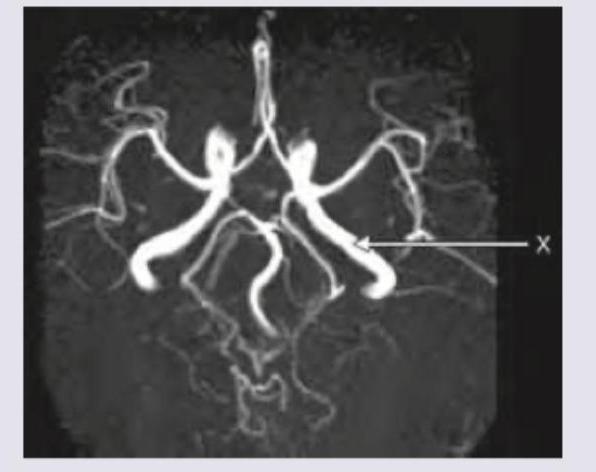
Question 19: The pathway of light reflex is shown. Lesion of which of the following areas results in development of Argyll Robertson pupil?
- A. Lateral geniculate body
- B. Edinger-Westphal nuclei
- C. Periaqueductal gray matter (Correct Answer)
- D. Optic nerve
Explanation: ***Periaqueductal gray matter in the midbrain*** - This region is crucial for the **light reflex pathway**, as it contains interneurons that connect the pretectal nucleus (after optic afferents synapse) to the Edinger-Westphal nuclei. - A lesion here interrupts the pupillary light reflex while sparing the accommodation reflex, leading to the classic **"light-near dissociation"** seen in Argyll Robertson pupils. - Classically associated with **neurosyphilis**, though can also occur in diabetes mellitus. *Optic nerve* - Damage to the optic nerve causes a **loss of consensual and direct light reflexes** in the affected eye, resulting in a **relative afferent pupillary defect (RAPD)**. - While it affects pupillary response to light, it does not produce the light-near dissociation characteristic of Argyll Robertson pupils. *Lateral geniculate body (LGB)* - The LGB is primarily involved in **visual processing**, receiving input from the optic tracts and projecting to the visual cortex. - Lesions here would cause **visual field defects** but would not affect the pupillary light reflex, as the light reflex pathway projects to the pretectal nucleus, bypassing the LGB. *Edinger-Westphal (E-W) nuclei* - These nuclei are the **preganglionic parasympathetic component** of the oculomotor nerve, controlling pupillary constriction. - Bilateral damage to the E-W nuclei would result in **fixed, dilated pupils** (mydriasis) that do not react to light *or* accommodation, unlike the Argyll Robertson pupil which preserves the accommodation reflex.
Question 20: Identify the nerve passing through the Triangle of Doom:
- A. Genital branch of genitofemoral nerve
- B. Femoral branch of genitofemoral nerve (Correct Answer)
- C. Ilio-inguinal nerve
- D. Lateral femoral cutaneous nerve
Explanation: ***Femoral branch of genitofemoral nerve*** - The **Triangle of Doom** is an inverted triangle located inferior to the deep inguinal ring, bounded by the **vas deferens medially** and the **gonadal vessels laterally**. - The **femoral branch of genitofemoral nerve** courses along the **external iliac artery** and passes through or immediately adjacent to the Triangle of Doom. - This nerve is at significant risk during laparoscopic inguinal hernia repair when dissecting within this triangle, making it a critical landmark. - Injury can result in sensory loss over the anterior thigh. *Lateral femoral cutaneous nerve* - The **lateral femoral cutaneous nerve** runs **lateral to the Triangle of Doom**, passing under the lateral aspect of the inguinal ligament near the anterior superior iliac spine. - It does NOT pass through the Triangle of Doom itself. - It provides sensation to the lateral thigh and can be injured during lateral dissection, but is not within the triangle's boundaries. *Genital branch of genitofemoral nerve* - The **genital branch of genitofemoral nerve** courses through the **inguinal canal** alongside the spermatic cord. - It innervates the cremaster muscle and scrotal skin. - It lies more anterior and medial, within the inguinal canal rather than in the Triangle of Doom. *Ilio-inguinal nerve* - The **ilio-inguinal nerve** runs within the inguinal canal parallel to the spermatic cord. - It provides sensation to the groin, perineum, and inner thigh. - It is located superficial to the deep inguinal ring and anterior to the Triangle of Doom structures.