Anatomy
4 questionsWhich of the following structures is supplied by the superior gluteal nerve?
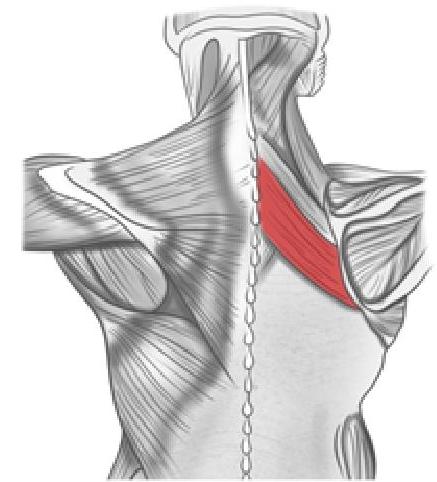
What is the action of the muscle shown in the image below?
Match the following: A) Glossopharyngeal nerve B) Spinal accessory nerve C) Facial nerve D) Mandibular nerve 1) Shrugging of shoulder 2) Touch sensation from the posterior one-third of the tongue 3) Chewing 4) Taste from the anterior two-thirds of the tongue
Anterior relations of third part of duodenum are all except?
INI-CET 2023 - Anatomy INI-CET Practice Questions and MCQs
Question 131: Which of the following structures is supplied by the superior gluteal nerve?
- A. Gluteus minimus (Correct Answer)
- B. Gluteus maximus
- C. Piriformis
- D. All of the options
Explanation: ***Gluteus minimus*** - The **superior gluteal nerve** provides motor innervation to the gluteus medius, gluteus minimus, and tensor fasciae latae muscles. - This nerve originates from the sacral plexus **(L4, L5, S1)** and exits the pelvis through the greater sciatic foramen, superior to the piriformis muscle. *Gluteus maximus* - The gluteus maximus muscle is innervated by the **inferior gluteal nerve**, not the superior gluteal nerve. - The inferior gluteal nerve also arises from the sacral plexus **(L5, S1, S2)** and is crucial for hip extension and external rotation. *Piriformis* - The piriformis muscle receives its own direct branches from the sacral plexus **(S1, S2)** via the nerve to piriformis, distinct from the superior or inferior gluteal nerves. - It plays a key role in hip external rotation and abduction when the hip is flexed. *All of the options* - This option is incorrect because gluteus maximus is innervated by the inferior gluteal nerve, and piriformis has its own specific nerve supply. - The superior gluteal nerve specifically innervates only the gluteus medius, gluteus minimus, and tensor fasciae latae.
Question 132: What is the action of the muscle shown in the image below?
- A. Medial rotation of the shoulder
- B. Adduction of the shoulder
- C. Extension of the shoulder
- D. Retracts the scapula (Correct Answer)
Explanation: ***Retracts the scapula*** - The image highlights the **rhomboid major** muscle, which originates from the spinous processes of T2-T5 vertebrae and inserts onto the medial border of the scapula. - Its primary action is to **retract** (pull medially) and rotate the scapula inferiorly, and also to help hold the scapula against the thoracic wall. *Medial rotation of the shoulder* - Medial rotation of the shoulder is primarily performed by muscles like the **subscapularis**, **pectoralis major**, **latissimus dorsi**, and **teres major**. - The rhomboids do not directly act on the glenohumeral joint for shoulder rotation. *Adduction of the shoulder* - Adduction of the shoulder (bringing the arm towards the body) is mainly performed by the **latissimus dorsi**, **pectoralis major**, and **teres major**. - The rhomboids' action on the scapula indirectly influences shoulder movement but does not directly adduct the shoulder joint. *Extension of the shoulder* - Shoulder extension is primarily achieved by the **latissimus dorsi**, **teres major**, and the posterior fibers of the **deltoid**. - The rhomboid major muscle's action focuses solely on the scapula, not direct extension of the shoulder joint.
Question 133: Match the following: A) Glossopharyngeal nerve B) Spinal accessory nerve C) Facial nerve D) Mandibular nerve 1) Shrugging of shoulder 2) Touch sensation from the posterior one-third of the tongue 3) Chewing 4) Taste from the anterior two-thirds of the tongue
- A. A-3 , B-1 , C-4 , D-2
- B. A-2 , B-3 , C-4 , D-1
- C. A-4 , B-1 , C-2 , D-3
- D. A-2 , B-1 , C-4 , D-3 (Correct Answer)
Explanation: ***A-2 , B-1 , C-4 , D-3*** - **A) Glossopharyngeal nerve (CN IX)** is responsible for **general sensation and taste from the posterior one-third of the tongue** [1]. (2). - **B) Spinal Accessory nerve (CN XI)** innervates the **sternocleidomastoid** and **trapezius muscles**, which are involved in shrugging the shoulders (1). - **C) Facial nerve (CN VII)** carries **taste sensation from the anterior two-thirds of the tongue** [1] (4) via the chorda tympani. - **D) Mandibular nerve (V3)**, a branch of the trigeminal nerve, innervates the muscles of mastication, enabling **chewing** (3). *A-3 , B-1 , C-4 , D-2* - This option incorrectly associates the **glossopharyngeal nerve** with chewing, which is a function of the mandibular nerve (V3). - It also incorrectly associates the **mandibular nerve** with touch sensation from the posterior one-third of the tongue, which is a function of the glossopharyngeal nerve [1]. *A-2 , B-3 , C-4 , D-1* - This option incorrectly links the **spinal accessory nerve** with chewing; this nerve primarily controls shoulder and neck movements. - It also incorrectly assigns shrugging of the shoulder to the **mandibular nerve** instead of the spinal accessory nerve. *A-4 , B-1 , C-2 , D-3* - This choice incorrectly attributes **taste from the anterior two-thirds of the tongue** to the glossopharyngeal nerve, which supplies the posterior one-third [1]. - It also incorrectly links **touch sensation from the posterior one-third of the tongue** to the facial nerve, which is involved in taste from the anterior two-thirds [1].
Question 134: Anterior relations of third part of duodenum are all except?
- A. Jejunum
- B. Fundus of gallbladder (Correct Answer)
- C. Root of mesentery
- D. Superior mesenteric artery
Explanation: ***Fundus of gallbladder*** - The **fundus of the gallbladder** is located more superiorly and anteriorly, typically lying near the ninth costal cartilage, and is not an anterior relation of the third part of the duodenum. - The third part of the duodenum lies mainly at the level of the **L3 vertebra**, far removed from the gallbladder fundus. *Jejunum* - The **jejunum**, being part of the mobile small intestine, can lie anterior to the third part of the duodenum. - These two structures are anatomically close and can overlap. *Root of mesentery* - The **root of the mesentery** crosses anterior to the third part of the duodenum, attaching to the posterior abdominal wall. - This is a key anatomical landmark that helps fix the position of the small intestine. *Superior mesenteric artery* - The **superior mesenteric artery** and vein both cross **anterior** to the third part of the duodenum as they emerge from beneath the pancreas. - This anatomical relationship is clinically relevant in conditions like superior mesenteric artery syndrome.
Internal Medicine
1 questionsAll of the following are the causes of High output cardiac failure, except?
INI-CET 2023 - Internal Medicine INI-CET Practice Questions and MCQs
Question 131: All of the following are the causes of High output cardiac failure, except?
- A. Systemic AV shunt
- B. Beri beri
- C. Anemia
- D. Cor pulmonale (Correct Answer)
Explanation: ***Cor pulmonale*** - **Cor pulmonale** is **right-sided heart failure** [1] caused by **pulmonary hypertension**, which is typically a low-output state unless accompanied by other contributing factors. - While it affects cardiac function, it fundamentally involves increased pulmonary vascular resistance leading to ventricular dysfunction, not an increase in **cardiac output**. *Systemic AV shunt* - A **systemic AV shunt** can cause high-output heart failure by diverting a significant volume of blood directly from the arterial to the venous system, bypassing the capillary beds. - This significantly **increases venous return** and **cardiac preload**, requiring the heart to pump more blood to maintain adequate systemic perfusion. *Beri beri* - **Beri-beri heart disease**, caused by severe **thiamine (vitamin B1) deficiency**, leads to high-output cardiac failure due to **peripheral vasodilation**. - This vasodilation markedly **reduces systemic vascular resistance**, increasing venous return and necessitating a higher cardiac output to maintain blood pressure. *Anemia* - **Severe anemia** causes high-output cardiac failure because the reduced oxygen-carrying capacity of the blood forces the heart to significantly **increase cardiac output** to meet the body's metabolic demands. - This compensatory mechanism involves both an **increased heart rate** and **stroke volume** to ensure adequate tissue oxygenation despite lower hemoglobin levels.
Microbiology
1 questionsWhich of the following microorganisms will be resistant to meropenem and aminoglycosides but sensitive to piperacillin tazobactam and cotrimoxazole?
INI-CET 2023 - Microbiology INI-CET Practice Questions and MCQs
Question 131: Which of the following microorganisms will be resistant to meropenem and aminoglycosides but sensitive to piperacillin tazobactam and cotrimoxazole?
- A. Pseudomonas
- B. Acinetobacter
- C. Burkholderia cepacia
- D. Stenotrophomonas (Correct Answer)
Explanation: ***Stenotrophomonas maltophilia*** - *Stenotrophomonas maltophilia* exhibits **intrinsic resistance to carbapenems (like meropenem)** due to the presence of L1 and L2 metallo-beta-lactamases and chromosomally encoded beta-lactamases. - It is **resistant to aminoglycosides** via aminoglycoside-modifying enzymes and efflux pump mechanisms. - **Trimethoprim-sulfamethoxazole (cotrimoxazole) is the drug of choice** with consistent susceptibility, making it the first-line treatment. - **Susceptibility to piperacillin-tazobactam is variable** - while some isolates may show in vitro susceptibility, clinical efficacy is inconsistent and it is not considered a reliable first-line agent. Among the options given, this organism best fits the described pattern. *Pseudomonas aeruginosa* - **Generally susceptible to carbapenems (meropenem) and aminoglycosides**, which are important therapeutic options. - Does not match the resistance pattern described in the question. *Acinetobacter baumannii* - Shows **multidrug resistance including carbapenems and aminoglycosides** in most clinical isolates. - However, typically also **resistant to piperacillin-tazobactam and cotrimoxazole**, making it inconsistent with the described susceptibility pattern. *Burkholderia cepacia complex* - Exhibits **intrinsic resistance to multiple antibiotics** including aminoglycosides and often carbapenems. - **Variable and often resistant to piperacillin-tazobactam**, and susceptibility to cotrimoxazole is inconsistent. - Does not reliably match the described antibiotic profile.
Obstetrics and Gynecology
3 questionsA 30-year-old pregnant female diagnosed with fibroid presented with fever, mild leukocytosis, and pain at 28 weeks. What is the likely cause?
A patient complained of whitish discharge from the vagina and yellow staining on their clothes. There is no itching, no redness, and pH is acidic. What is the likely cause?
What are clue cells?
INI-CET 2023 - Obstetrics and Gynecology INI-CET Practice Questions and MCQs
Question 131: A 30-year-old pregnant female diagnosed with fibroid presented with fever, mild leukocytosis, and pain at 28 weeks. What is the likely cause?
- A. Fibroid infection
- B. Red degeneration of fibroid (Correct Answer)
- C. Fibroid torsion
- D. Labor pain
Explanation: ***Red degeneration of fibroid*** - **Red degeneration** (also known as carneous degeneration) is common in pregnancy due to rapid fibroid growth outstripping its blood supply, leading to **ischemic necrosis** and causing pain, fever, and leukocytosis. - This complication typically occurs during the **second and third trimesters** due to hormonal changes and increased vascularity, consistent with the 28-week presentation. *Fibroid infection* - While possible, **fibroid infection** is a rarer complication, often secondary to other procedures or prolonged degeneration. - It would likely present with more pronounced signs of infection, such as higher fever, significant leukocytosis, and possibly discharge or septic symptoms, which are not explicitly stated as severe here. *Fibroid torsion* - **Torsion** usually occurs with pedunculated fibroids when the stalk twists, leading to acute, severe pain and potentially necrosis. - This presentation does not specifically mention a pedunculated fibroid or the sudden, sharp, localized pain typically associated with torsion of an appendage. *Labor pain* - At 28 weeks, **labor pain** would indicate preterm labor, which would typically involve regular, escalating uterine contractions and cervical changes. - The symptoms of fever and leukocytosis are not characteristic of uncomplicated labor pain, suggesting an underlying inflammatory or degenerative process with the fibroid.
Question 132: A patient complained of whitish discharge from the vagina and yellow staining on their clothes. There is no itching, no redness, and pH is acidic. What is the likely cause?
- A. Trichomoniasis
- B. Candidiasis
- C. Bacterial vaginosis
- D. Increased normal vaginal discharge (Correct Answer)
Explanation: ***Increased normal vaginal discharge*** - The presence of a whitish discharge and yellow staining on clothes, without **itching** or **redness**, and with an **acidic pH**, is characteristic of a **normal physiological discharge**. - Normal vaginal discharge can vary in color and consistency, and its volume can increase due to hormonal changes (e.g., during ovulation or pregnancy) or sexual arousal. *Trichomoniasis* - This infection typically causes a **frothy, greenish-yellow discharge** with a **foul odor**, often accompanied by **itching**, redness, and a **pH greater than 4.5**. - The absence of itching and the acidic pH rule out trichomoniasis in this scenario. *Candidiasis* - **Candidiasis** (yeast infection) presents with a **thick, white, 'cottage cheese' like discharge**, accompanied by **intense itching**, burning, and redness, with a **normal to acidic pH (less than 4.5)**. - The lack of itching and redness, along with a simple whitish discharge, does not align with candidiasis. *Bacterial vaginosis* - **Bacterial vaginosis** is characterized by a **thin, grayish-white discharge** with a **"fishy" odor**, especially after intercourse, and a **vaginal pH greater than 4.5**. - The absence of a fishy odor and the acidic pH make bacterial vaginosis an unlikely diagnosis.
Question 133: What are clue cells?
- A. Uterine epithelial cells lined by bacteria
- B. Cervical epithelial cells lined by bacteria
- C. Abdominal cells lined by bacteria
- D. Vaginal epithelial cells lined by bacteria (Correct Answer)
Explanation: ***Vaginal epithelial cells lined by bacteria*** - **Clue cells** are definitive diagnostic features of **bacterial vaginosis**, identified on microscopy. - They are specifically **vaginal epithelial cells** that appear "cluey" or stippled due to their surface being obscured by numerous adherent bacteria, primarily *Gardnerella vaginalis*. *Uterine endothelial cells lined by bacteria* - The **endometrium** (uterine lining) is composed of epithelial cells, not typically referred to as endothelial cells in this context, and is not where clue cells are found. - Presence of bacteria adherent to uterine cells would suggest an **endometritis** or other uterine infection, not bacterial vaginosis. *Cervical epithelial cells lined by bacteria* - While bacteria can adhere to **cervical epithelial cells**, especially in the presence of infection, these are not typically called **clue cells**. - **Clue cells** are characteristic of the vaginal environment and are specifically associated with bacterial vaginosis. *Abdominal cells lined by bacteria* - **Abdominal cells** are not relevant to the definition of clue cells, which are found in the vaginal canal. - The presence of bacteria on abdominal cells would indicate a completely different pathology, such as a **peritoneal infection**.
Surgery
1 questionsA surgeon examined the case of hernia. Forcefully reduces the sac in abdominal cavity, without actually pushing back the contents. Identify type of hernia with the image given.

INI-CET 2023 - Surgery INI-CET Practice Questions and MCQs
Question 131: A surgeon examined the case of hernia. Forcefully reduces the sac in abdominal cavity, without actually pushing back the contents. Identify type of hernia with the image given.
- A. Sliding hernia
- B. Incarcerated hernia
- C. Maydl's hernia
- D. Reduction en masse (Correct Answer)
Explanation: ***Reduction en masse*** - **Reduction en masse** is a dangerous complication that occurs during attempted hernia reduction where the entire hernia sac, along with its incarcerated contents, is pushed back into the abdominal cavity. - The key feature is that **the contents remain trapped within the sac** after reduction, creating a false sense of successful reduction. - The scenario explicitly describes this: "forcefully reduces the sac... without actually pushing back the contents" - this is the textbook definition of reduction en masse. - This complication is dangerous because the incarcerated/strangulated bowel remains undetected inside the abdomen, potentially leading to **peritonitis and bowel necrosis**. - The hernia defect appears reduced externally, but the obstruction persists internally. *Incarcerated hernia* - An **incarcerated hernia** is the state where hernia contents are trapped and cannot be reduced back into the abdominal cavity. - This represents the **pre-existing condition** before the forceful reduction attempt was made. - While incarceration may have been present initially, the question asks about the outcome after the surgeon "forcefully reduces the sac" - this action creates a reduction en masse. *Sliding hernia* - A **sliding hernia** involves a retroperitoneal organ (colon, bladder, ovary) forming part of the hernia sac wall itself. - This is a structural variant unrelated to the reduction complication described in the scenario. *Maydl's hernia* - **Maydl's hernia** (W-hernia or retrograde strangulation) involves a loop of bowel where both ends remain in the abdomen while the intermediate segment is trapped in the hernia sac. - The strangulated segment is the intra-abdominal portion, not the part in the sac. - This is a specific type of hernia content configuration, not related to the reduction complication described.