Immune Response to Infections Indian Medical PG Practice Questions and MCQs
Practice Indian Medical PG questions for Immune Response to Infections. These multiple choice questions (MCQs) cover important concepts and help you prepare for your exams.
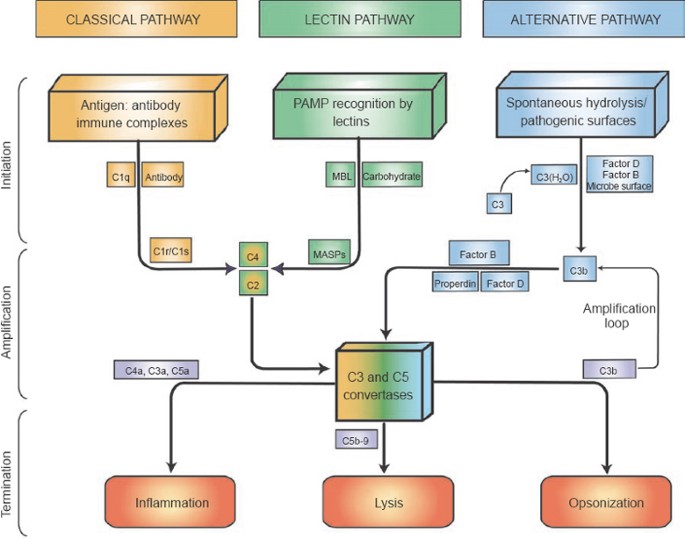
Immune Response to Infections Indian Medical PG Question 1: An adult patient with a military background is admitted with a rash, fever, altered sensorium, and a deficiency of the membrane attack complex. What is the most likely etiological agent?
- A. Klebsiella pneumoniae
- B. Neisseria meningitidis (Correct Answer)
- C. Haemophilus influenzae
- D. CMV
Immune Response to Infections Explanation: ***Neisseria meningitidis***
- A deficiency in the **membrane attack complex (MAC)**, particularly **C5-C9 components**, predisposes individuals to recurrent infections with encapsulated bacteria, especially *N. meningitidis*.
- *N. meningitidis* is a common cause of **meningitis**, presenting with **fever, altered sensorium**, and often a **petechial rash** due to disseminated intravascular coagulation (DIC), which align with the patient's symptoms.
*Klebsiella pneumoniae*
- While *K. pneumoniae* can cause severe infections, including pneumonia and meningitis, it is not specifically associated with **MAC deficiency**.
- Its infections more commonly manifest as **severe pneumonia** or **urinary tract infections** in immunocompromised patients.
*Haemophilus influenzae*
- *H. influenzae* can cause meningitis and other invasive infections, especially in children, but it is not typically linked to **MAC deficiency**.
- The classic presentation involving **rash** and severe systemic symptoms as described is more characteristic of **meningococcal disease**.
*CMV*
- **Cytomegalovirus (CMV)** is a herpesvirus that causes a wide range of diseases, particularly in immunocompromised individuals.
- However, CMV infections are primarily associated with **cellular immunity defects** rather than a deficiency in the **membrane attack complex** of the complement system.
Immune Response to Infections Indian Medical PG Question 2: A researcher is studying the interactions between foreign antigens and human immune cells. She has isolated a line of lymphocytes that is known to bind antigen-presenting cells. From this cell line, she has isolated a cell surface protein that binds to class I major histocompatibility complex molecules. The continued activation, proliferation and survival of this specific cell line requires which of the following signaling molecules?
- A. Interleukin 1
- B. Interleukin 4
- C. Interleukin 2 (Correct Answer)
- D. Interleukin 8
- E. Interleukin 6
Immune Response to Infections Explanation: ***Interleukin 2***
- The description of the lymphocyte binding the **constant portion of MHC class I** and requiring a signaling molecule for activation, proliferation, and survival points to a **T cell**.
- **Interleukin-2 (IL-2)** is a crucial cytokine for the proliferation, differentiation, and survival of T lymphocytes, acting in an autocrine or paracrine fashion after T cell activation.
*Interleukin 1*
- **Interleukin-1 (IL-1)** is primarily involved in inflammation and fever, produced by macrophages and other innate immune cells.
- While it can act as a costimulator for T cells, it is not the primary cytokine required for their sustained proliferation and survival after initial activation.
*Interleukin 4*
- **Interleukin-4 (IL-4)** is a key cytokine in humoral immunity, promoting B cell proliferation and differentiation, and inducing IgE class switching.
- It also plays a role in the differentiation of naive T cells into **Th2 cells**, but it is not the main cytokine for general T cell proliferation and survival.
*Interleukin 8*
- **Interleukin-8 (IL-8)**, also known as CXCL8, is a chemokine primarily responsible for attracting and activating neutrophils to sites of infection or inflammation.
- It does not have a direct role in the sustained proliferation and survival of activated lymphocytes.
*Interleukin 6*
- **Interleukin-6 (IL-6)** is a pleiotropic cytokine involved in acute phase reactions, hematopoiesis, and the immune response, particularly B cell differentiation and antibody production.
- Although it can influence T cell responses, it is not the primary growth factor for activated T lymphocytes as IL-2 is.
Immune Response to Infections Indian Medical PG Question 3: Assertion: VZV vaccine is live attenuated. Reason: It cannot be given to immunocompromised patients.
- A. Both true, reason doesn't explain assertion
- B. Assertion true, reason false
- C. Assertion false, reason true
- D. Both true, reason explains assertion (Correct Answer)
Immune Response to Infections Explanation: ***Both true, reason explains assertion***
- The **VZV (varicella-zoster virus) vaccine** is indeed a **live attenuated vaccine** containing weakened virus - the assertion is **TRUE**
- It **cannot be given to immunocompromised patients** due to risk of vaccine-strain disease - the reason is **TRUE**
- The reason **directly explains the assertion**: BECAUSE the vaccine is live attenuated, it poses infection risk and therefore cannot be used in immunocompromised individuals
- The **causal relationship** is clear: live attenuated nature → contraindication in immunocompromised patients
*Both true, reason doesn't explain assertion*
- While both statements are factually true, this option would only be correct if the reason was unrelated to the assertion
- However, the reason **directly explains WHY** the live attenuated nature is clinically significant
- The contraindication is a **direct consequence** of the vaccine being live attenuated, so the reason does explain the assertion
*Assertion true, reason false*
- The assertion is true (VZV vaccine is live attenuated)
- However, the reason is also **TRUE** - live attenuated vaccines are indeed contraindicated in immunocompromised patients due to risk of disseminated vaccine-strain infection
- Since both statements are true, this option is incorrect
*Assertion false, reason true*
- The assertion is **TRUE**, not false - VZV vaccine (Varivax, Zostavax) is a **live attenuated vaccine** containing the Oka strain
- This option incorrectly claims the assertion is false
- Since the assertion is factually correct, this option cannot be right
Immune Response to Infections Indian Medical PG Question 4: Which of the following bacteria is known to exhibit antigenic variation?
- A. Yersinia
- B. Bordetella
- C. Brucella
- D. Borrelia (Correct Answer)
Immune Response to Infections Explanation: ***Borrelia***
- *Borrelia* species, particularly *Borrelia burgdorferi* (causing **Lyme disease**), are known for extensive **antigenic variation** of their outer surface proteins (Osps), especially OspC.
- This variation helps the bacteria evade the host's immune response, contributing to persistent infection.
*Yersinia*
- While *Yersinia* species produce various virulence factors, including proteins that interfere with immune cell function, they are not primarily known for the type of rapid and extensive **antigenic variation**seen in *Borrelia*.
- Their immune evasion strategies often involve modifying host cell signaling pathways and resisting phagocytosis.
*Bordetella*
- *Bordetella pertussis*, causative agent of **whooping cough**, varies its expression of adhesins and toxins through **phase variation**, which is a form of phenotypic switching.
- However, this is distinct from the frequent and sequential changes in surface antigens (antigenic variation) observed in *Borrelia*.
*Brucella*
- *Brucella* species are **intracellular pathogens** that primarily evade the immune system by surviving and replicating within host cells.
- They do not typically engage in significant **antigenic variation** of their surface components as a primary immune evasion mechanism.
Immune Response to Infections Indian Medical PG Question 5: Which of the following is a specific feature of acquired immunity?
- A. Immunological memory (Correct Answer)
- B. Affected by genetic makeup
- C. No antigen exposure
- D. Immediate response
Immune Response to Infections Explanation: ***Immunological memory***
- A key characteristic of **acquired immunity** is the ability to "remember" previous encounters with specific pathogens.
- This memory leads to a more rapid and robust immune response upon subsequent exposure to the same pathogen.
- This is the **defining feature** that distinguishes acquired immunity from innate immunity.
*Affected by genetic makeup*
- While genetic makeup can influence the *efficiency* of the acquired immune system, it is not a **specific feature** that distinguishes it from innate immunity.
- **Both innate and acquired immunity** are affected by genetic factors, determining baseline resistance and immune response capability.
*No antigen exposure*
- **Acquired immunity** is specifically characterized by its *dependence* on antigen exposure to develop specific responses.
- The phrase "no antigen exposure" describes how the **innate immune system** functions, providing immediate, non-specific protection without prior contact with a pathogen.
*Immediate response*
- **Innate immunity** provides an immediate, non-specific response to pathogens.
- **Acquired immunity** takes time to develop (days to weeks) after initial antigen exposure, but provides a faster response upon re-exposure due to immunological memory.
Immune Response to Infections Indian Medical PG Question 6: Which of the following cells will increase in case of parasite infection?
- A. A: Lymphocyte
- B. D: Basophil
- C. C: Eosinophil (Correct Answer)
- D. B: Neutrophil
Immune Response to Infections Explanation: ***Eosinophil***
- **Eosinophils** play a crucial role in the immune response against **parasitic infections**, particularly helminths.
- They release cytotoxic granules containing **major basic protein**, **eosinophil cationic protein**, and other mediators that damage the parasites.
*Lymphocyte*
- **Lymphocytes** are primarily involved in adaptive immunity and are crucial for fighting viral infections and certain bacterial infections, but their increase is not a primary marker for parasitic infections.
- While T-helper cells (a type of lymphocyte) can activate eosinophils, a direct increase in total lymphocytes is not the hallmark of parasitic infections.
*Basophil*
- **Basophils** are involved in allergic reactions and chronic inflammation, releasing histamine and other mediators.
- While they can be activated during some parasitic infections, their increase is not as prominent or specific as that of eosinophils.
*Neutrophil*
- **Neutrophils** are the most abundant white blood cells and are the primary responders to acute bacterial infections and inflammation.
- They are less effective against parasitic infections, which often require specialized immune responses.
Immune Response to Infections Indian Medical PG Question 7: In chronic allergy, which immunoglobulin is predominantly elevated?
- A. Ig A
- B. Ig E (Correct Answer)
- C. Ig M
- D. Ig G
Immune Response to Infections Explanation: ***Ig E***
- **IgE** antibodies are primarily responsible for mediating **allergic reactions** [1] and play a key role in the pathogenesis of allergic diseases such as asthma, allergic rhinitis, and atopic dermatitis [2].
- In chronic allergy, there is a persistent overproduction of **IgE** in response to allergens, leading to chronic symptoms and inflammation [1].
*Ig A*
- **IgA** is predominantly found in mucous secretions (e.g., saliva, tears, breast milk) and protects against mucosal infections.
- While it plays a role in immune responses, it is not the primary mediator of chronic allergic reactions.
*Ig M*
- **IgM** is the first antibody produced in a primary immune response and is crucial for immediate defense against new infections.
- It does not typically persist at high levels in chronic conditions like allergies [3].
*Ig G*
- **IgG** is the most abundant antibody in serum and provides long-term immunity against pathogens.
- While some **IgG** antibodies might be involved in allergic responses (e.g., IgG4 in blocking responses), **IgE** remains the predominant antibody in chronic allergic conditions [3].
**References:**
[1] Cross SS. Underwood's Pathology: A Clinical Approach. 6th ed. (Basic Pathology) introduces the student to key general principles of pathology, both as a medical science and as a clinical activity with a vital role in patient care. Part 2 (Disease Mechanisms) provides fundamental knowledge about the cellular and molecular processes involved in diseases, providing the rationale for their treatment. Part 3 (Systematic Pathology) deals in detail with specific diseases, with emphasis on the clinically important aspects., pp. 171-172.
[2] Kumar V, Abbas AK, et al.. Robbins and Cotran Pathologic Basis of Disease. 9th ed. The Lung, pp. 686-687.
[3] Kumar V, Abbas AK, et al.. Robbins and Cotran Pathologic Basis of Disease. 9th ed. Diseases of the Immune System, pp. 208-211.
Immune Response to Infections Indian Medical PG Question 8: The incubation period does not help in determining which of the following?
- A. Period of isolation
- B. Immunization (Correct Answer)
- C. Period of quarantine
- D. Identification of source of infection
Immune Response to Infections Explanation: ***Immunization***
- The incubation period provides information about the disease progression from exposure to symptoms but does not directly guide the development or implementation of **immunization strategies**.
- Immunization decisions are primarily based on the **disease's epidemiology**, severity, transmissibility, and vaccine efficacy, not the length of a single incubation period.
*Period of isolation*
- Knowing the incubation period helps determine how long an infected individual should be isolated to prevent transmission.
- If the incubation period is short, isolation may be unnecessary, or if long, isolation may need to be prolonged until the infectious period is over.
*Period of quarantine*
- The incubation period is crucial for setting the duration of quarantine for exposed, but not yet symptomatic, individuals.
- Quarantine typically lasts for the maximum incubation period to ensure that a person who develops the disease during this time is not able to transmit it to others.
*Identification of source of infection*
- By knowing the incubation period, epidemiologists can trace back the potential time of exposure, which is vital for identifying the **source of infection**.
- This helps in targeted investigations to prevent further spread from the same source.
Immune Response to Infections Indian Medical PG Question 9: Tinea "incognito" is due to inappropriate use of systemic and topical:
- A. Steroids (Correct Answer)
- B. Antibiotics
- C. Antivirals
- D. Antifungals
Immune Response to Infections Explanation: ***Steroids***
- The use of **topical or systemic steroids** can mask the typical presentation of tinea infections, leading to a modified appearance known as tinea "incognito."
- Steroids reduce inflammation and symptoms like itching and redness, but they do not eliminate the fungal infection, often allowing it to spread or become more extensive.
*Antibiotics*
- Antibiotics are used to treat **bacterial infections** and have no direct effect on fungal organisms that cause tinea.
- While inappropriate use of antibiotics can lead to other issues, it does not cause the characteristic presentation of tinea incognito.
*Antivirals*
- Antivirals are specifically used for **viral infections** and are ineffective against fungal pathogens.
- Their use would not lead to the altered clinical presentation of a tinea infection.
*Antifungals*
- Antifungals are the direct treatment for tinea infections; however, their **inappropriate or insufficient use** might lead to treatment failure or resistance, but not the "incognito" appearance.
- Tinea incognito specifically arises when inflammatory agents like steroids suppress visible signs without eradicating the fungus.
Immune Response to Infections Indian Medical PG Question 10: What type of immunity is primarily associated with the administration of transfer factor?
- A. Natural active immunity
- B. Artificial active immunity
- C. Artificial passive immunity
- D. Adoptive immunity (Correct Answer)
Immune Response to Infections Explanation: ***Adoptive immunity (Correct)***
- **Transfer factor** consists of small, dialyzable molecules extracted from immune T lymphocytes of an immune donor
- Its administration transfers **cell-mediated immunity** from donor to recipient, which defines adoptive immunity
- This represents transfer of **immune cells or their products** (not antibodies), providing antigen-specific cellular immunity
- Also called **adoptive immunotherapy** or adoptive transfer
*Artificial passive immunity (Incorrect)*
- Involves the **transfer of pre-formed antibodies** (e.g., antitoxins, immunoglobulins, antiserum) from an immune individual or animal
- Provides **immediate but temporary humoral protection**
- Does NOT transfer cellular immunity - this is the key distinction from adoptive immunity
- Examples: Anti-rabies immunoglobulin, anti-tetanus serum
*Natural active immunity (Incorrect)*
- Occurs when an individual is **naturally exposed to an antigen** (infection) and produces their own antibodies and immune cells
- The host's own immune system **actively responds** to develop long-lasting immunity
- Example: Immunity after recovering from measles or chickenpox
*Artificial active immunity (Incorrect)*
- Achieved through **vaccination** with attenuated, inactivated, or subunit antigens
- The recipient's body is **actively stimulated** to produce protective immunity
- Provides long-lasting protection through immunological memory
More Immune Response to Infections Indian Medical PG questions available in the OnCourse app. Practice MCQs, flashcards, and get detailed explanations.