

Normal Puberty - Hormonal Harmony
- HPG Axis Activation: Pulsatile GnRH ↑ → FSH/LH ↑ → gonadal steroidogenesis (estrogen/testosterone).
- Adrenarche: ↑ adrenal androgens (DHEA, DHEAS) → pubic/axillary hair, body odor.
- Sequence & Milestones:
⭐ Thelarche (breast development) is typically the first sign of puberty in girls, occurring between 8-13 years, followed by pubarche and then menarche.
- Girls: Thelarche → Pubarche → Peak Height Velocity (PHV) → Menarche (10-15 yrs; ~2-3 yrs post-thelarche).
- Boys: Testicular enlargement (≥4ml or 2.5cm; 9-14 yrs) → Pubarche → PHV → Spermarche.


Precocious Puberty - Too Soon Bloom
Puberty onset: Girls <8 yrs, Boys <9 yrs.
- Central (CPP; GnRH-dependent): Premature HPG axis activation.
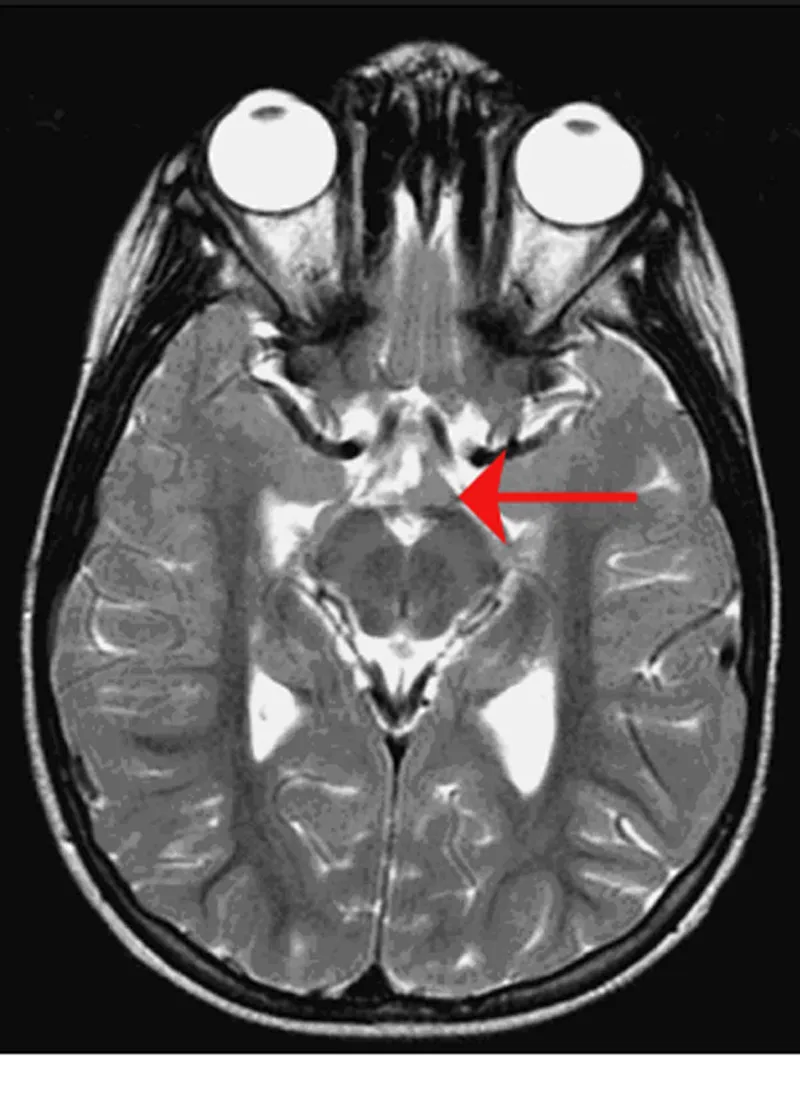
- Diagnosis: Pubertal LH response to GnRH (peak LH >5-8 mIU/mL). Brain MRI needed.
- Causes:
- Idiopathic (common, esp. girls ~90%).
- CNS lesions (boys > girls): Hypothalamic hamartoma, glioma, hydrocephalus.
- Peripheral (PPP; GnRH-independent): Excess sex steroids; HPG axis suppressed.
- Diagnosis: Prepubertal LH response to GnRH. Image adrenals/gonads.
- Causes:
- McCune-Albright Syndrome (MAS): PPP, café-au-lait spots, fibrous dysplasia.
- Congenital Adrenal Hyperplasia (CAH).
- Gonadal tumors (ovary, testis).
- Adrenal tumors.
- Exogenous steroids.
- hCG-secreting tumors.
⭐ In girls with central precocious puberty, approximately 90% of cases are idiopathic, whereas in boys, an identifiable CNS pathology is much more common.
Delayed Puberty - Late Bloomer Blues
- Definition: No thelarche by age 13 in girls, or no testicular enlargement (≥4ml) by age 14 in boys.
- Etiology:
- Constitutional Delay of Growth & Puberty (CDGP): Most common, often familial. Bone age < chronological age.
⭐ Constitutional Delay of Growth and Puberty (CDGP) is the most common cause of delayed puberty, especially in boys, and is often associated with a positive family history.
- Hypogonadotropic Hypogonadism (↓FSH, ↓LH - Central):
- Kallmann Syndrome (anosmia, GnRH deficiency)
- CNS tumors (e.g., craniopharyngioma), chronic illness, malnutrition
- Hypergonadotropic Hypogonadism (↑FSH, ↑LH - Peripheral/Gonadal):
- Turner Syndrome (45,XO): girls; short stature, webbed neck.
- Klinefelter Syndrome (47,XXY): boys; tall, gynecomastia, small testes.
- Gonadal dysgenesis, autoimmune oophoritis, chemo/radiotherapy.

- Constitutional Delay of Growth & Puberty (CDGP): Most common, often familial. Bone age < chronological age.
- Diagnostic Approach:
- Key Investigations: Bone age, FSH, LH, Estradiol/Testosterone, Karyotype.
- Management: Treat underlying cause. Reassurance for CDGP. Hormone Replacement Therapy (HRT) if permanent hypogonadism.
Key Syndromes - Puberty Puzzles
| Syndrome | Karyotype | Gonads | Key Features | Hormones |
|---|---|---|---|---|
| Turner Syndrome | 45,X0 | Streak ovaries | Short stature, webbed neck, shield chest, coarctation | ↑FSH, ↑LH, ↓Estrogen |
| Klinefelter Syndrome | 47,XXY | Testicular dysgenesis | Tall, gynecomastia, small testes, infertility | ↓Testosterone, ↑FSH, ↑LH, ↑E2 |
| Kallmann Syndrome | Variable | Hypoplastic | Anosmia/hyposmia, delayed puberty | ↓FSH, ↓LH (Hypogonadotropic Hypogonadism) |
- McCune-Albright Syndrome: Precocious puberty (GnRH-independent), café-au-lait spots (coast of Maine), polyostotic fibrous dysplasia. 📌 Triad: PPP (Precocious Puberty, Pigmentation, Polyostotic fibrous dysplasia).
- Androgen Insensitivity Syndrome (AIS): 46,XY (genotype), female phenotype, absent uterus, testes present (often intra-abdominal), ↑Testosterone, ↑LH.
High‑Yield Points - ⚡ Biggest Takeaways
- McCune-Albright syndrome: Characterized by precocious puberty, café-au-lait spots, and polyostotic fibrous dysplasia.
- Kallmann syndrome: Presents with delayed puberty and anosmia/hyposmia due to GnRH deficiency.
- Turner syndrome (45,XO): Features delayed puberty, streak gonads, and often primary amenorrhea.
- Constitutional Delay (CDGP): Most common cause of delayed puberty in boys; bone age is delayed.
- Central Precocious Puberty (CPP): Results from early HPG axis activation; treated with GnRH agonists.
- Peripheral Precocious Puberty (PPP): GnRH-independent; caused by adrenal/gonadal tumors or CAH.
- Isolated premature thelarche/adrenarche: Usually benign variants; require careful observation and reassurance.
Unlock the full lesson and continue reading
Signup to continue reading this lesson and unlimited access questions, flashcards, AI notes, and more
