

Gene Therapy & Precision Med - Future Forward
- Gene Therapy: Introducing, removing, or altering genetic material to treat/cure diseases.
- Somatic: Non-heritable changes in patient's cells (e.g., Zolgensma for SMA).
- Germline: Heritable changes in sperm/eggs/embryos; significant ethical concerns.
- Delivery: Viral vectors (AAV, lentivirus), non-viral methods.
- Precision Medicine: Tailoring medical decisions and treatments to individual patient characteristics.
- Focus: Genomics, proteomics, metabolomics, lifestyle factors.
- Pharmacogenomics: Optimizing drug therapy based on genetic makeup.
- Horizon: CRISPR-Cas9, RNA therapies, CAR T-cells, AI in diagnostics.
- Considerations: Ethical, Legal, Social Implications (ELSI), cost, accessibility.
⭐ Precision medicine utilizes biomarkers like EGFR mutations in lung cancer to guide targeted therapy with TKIs (e.g., Osimertinib).
Gene Therapy - Fixing Faulty Genes
- Goal: Introduce genetic material to treat disease by correcting faulty genes.
- Types:
- Somatic: Targets body cells (non-heritable). E.g., for SCID, hemophilia.
- Germline: Targets reproductive cells (heritable). Ethically restricted.
- Vectors (Delivery):
- Viral (common):
- Retroviruses/Lentiviruses: Integrate into DNA; long-term. Risk: insertional mutagenesis.
- Adenoviruses: Episomal; transient. Risk: immune response.
- AAVs (Adeno-associated viruses): Low immunogenicity; broad tropism; mostly non-integrating.
- Non-viral: Liposomes, nanoparticles. Safer, lower efficiency.
- Viral (common):
- Delivery Methods:
Loading diagram…
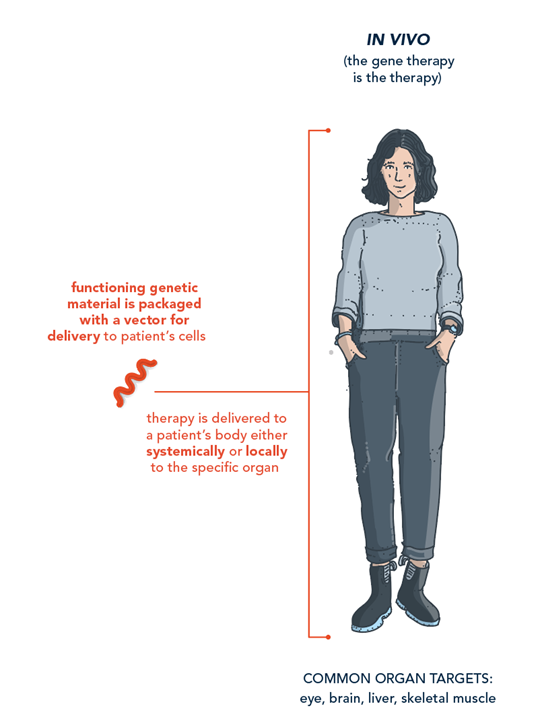
> ⭐ AAV vectors are widely used in gene therapy (e.g., Luxturna for Leber congenital amaurosis) due to their safety and efficacy in targeting various tissues, including non-dividing cells like neurons and photoreceptors.
Precision Medicine - Tailored Treatments
Tailors treatments to individual patient characteristics, often genetic.
- Pharmacogenomics: How genes affect drug response.
- Key for optimizing drug choice & dose.
- CYP2D6 variants: codeine, tamoxifen metabolism.
- CYP2C19 variants: clopidogrel efficacy.
- Warfarin dosing guided by CYP2C9 & VKORC1 variants.
- Targeted Therapies: Drugs for specific molecules in disease.
- Monoclonal Antibodies: Trastuzumab for HER2+ breast cancer.
- TKIs: Imatinib for CML (BCR-ABL).
- Companion Diagnostics: Tests selecting patients for targeted therapies (e.g., HER2 test for Trastuzumab, EGFR for gefitinib).
- Biomarkers: Indicators (genetic, molecular) for diagnosis, prognosis, treatment response.
Loading diagram…

⭐ Trastuzumab (Herceptin) targets the HER2 protein, overexpressed in some breast cancers, revolutionizing treatment for HER2+ patients.
Applications & Ethics - Healing Hopes & Hurdles
- Key Applications (Gene Therapy):
- SCID (e.g., ADA-SCID): Restores immunity.
- Hemophilia A/B: AAV-mediated factor replacement.
- Cystic Fibrosis (CFTR): Ongoing research.
- Cancers: CAR T-cells (CD19+ leukemias/lymphomas), oncolytic viruses.
- Spinal Muscular Atrophy (SMA): Zolgensma (SMN1 gene).
- Inherited Retinopathies: Luxturna (RPE65 mutations).
- Precision Medicine: Tailoring treatment based on genetic/molecular profiles (e.g., cancer pharmacogenomics).
- Hurdles:
- Off-target effects, immunogenicity.
- Vector delivery & efficiency.
- Durability of therapeutic effect.
- High cost & accessibility issues.
- Ethical, Legal, Social Implications (ELSI):
- Somatic vs. Germline editing (heritable changes raise concerns).
- Equity: Access, affordability (critical in India).
- Informed consent, genetic privacy.
⭐ Luxturna (voretigene neparvovec) is the first FDA-approved gene therapy for an inherited disease (RPE65-mediated retinal dystrophy).
High‑Yield Points - ⚡ Biggest Takeaways
- Gene therapy aims to correct genetic defects by introducing therapeutic DNA, often via viral vectors like AAV.
- Distinguish somatic cell gene therapy (non-heritable, common) from germline gene therapy (heritable, ethical concerns).
- Precision medicine customizes healthcare using an individual's genetic makeup, lifestyle, and environmental factors.
- Pharmacogenomics, a core of precision medicine, predicts drug efficacy and toxicity (e.g., Warfarin dosing, Trastuzumab for HER2+ cancer).
- CRISPR-Cas9 is a powerful gene editing tool with significant therapeutic potential.
- Key applications include treating monogenic disorders (e.g., SCID, DMD) and advancing cancer immunotherapy (e.g., CAR T-cells).
Unlock the full lesson and continue reading
Signup to continue reading this lesson and unlimited access questions, flashcards, AI notes, and more
