

SCIT Basics - Needle Power Intro
- Subcutaneous Immunotherapy (SCIT): Disease-modifying therapy; repeated administration of gradually increasing doses of specific allergen extracts.
- Goal: Induce clinical tolerance, achieve long-term remission of allergy symptoms.
- Mechanism:
- Early: Mast cell/basophil desensitization.
- Late:
- Shift: ↓Th2 (pro-allergic), ↑Th1 response.
- Induces: Regulatory T cells (Tregs) → IL-10, TGF-β.
- Produces: Allergen-specific IgG4 (blocking Abs).
- Reduces: Allergen-specific IgE over time.
- Key Indications:
- Allergic Rhinitis/Conjunctivitis (mod-severe, persistent).
- Allergic Asthma (mild-mod, allergen-driven, controlled).
- Insect Venom Hypersensitivity (systemic reactions).

⭐ SCIT is the only therapy that alters the natural course of allergic disease, offering potential long-term remission post-discontinuation.
SCIT Regimens - Prickly Protocols
- Phases of SCIT:
- Build-up Phase: Gradually ↑ doses of allergen extract. Frequency: 1-2 times/week. Duration: 3-6 months.
- Maintenance Phase: Constant, highest tolerated dose. Frequency: Every 2-4 weeks, then potentially longer intervals. Duration: 3-5 years.
- Conventional Protocol: Most common, gradual dose escalation over months.
- Accelerated Protocols:
- Cluster: Several injections given on a single day, separated by 20-30 min intervals, weekly/biweekly. Build-up: 4-8 weeks.
- Rush: Multiple injections over 1-3 days to reach maintenance dose quickly. Higher risk of systemic reactions.
- Ultra-rush: Maintenance dose reached in 1 day.
- 📌 Mnemonic: "C-C-R-U" (Conventional, Cluster, Rush, Ultra-rush) for protocol types.
⭐ Rush immunotherapy carries a higher risk of systemic allergic reactions compared to conventional protocols, requiring close monitoring in a specialized setting during administration. This is a frequently tested concept regarding patient safety and protocol selection in SCIT for NEET PG.
- Dose adjustments: Based on local/systemic reactions, missed doses, new vial of extract.
SCIT Safety - Reaction Rescue
- Adverse Reactions (ARs):
- Local ARs: Common; erythema, pruritus, swelling at injection site. Manage: cold compress, oral antihistamines, topical steroids.
- Systemic ARs (SARs): Less common, potentially life-threatening.
- Graded by severity (e.g., WAO: Grade 1-Skin/Upper airway; Grade 2-Moderate respiratory/GI; Grade 3-Severe hypoxia/hypotension; Grade 4-Cardiac/Respiratory arrest).
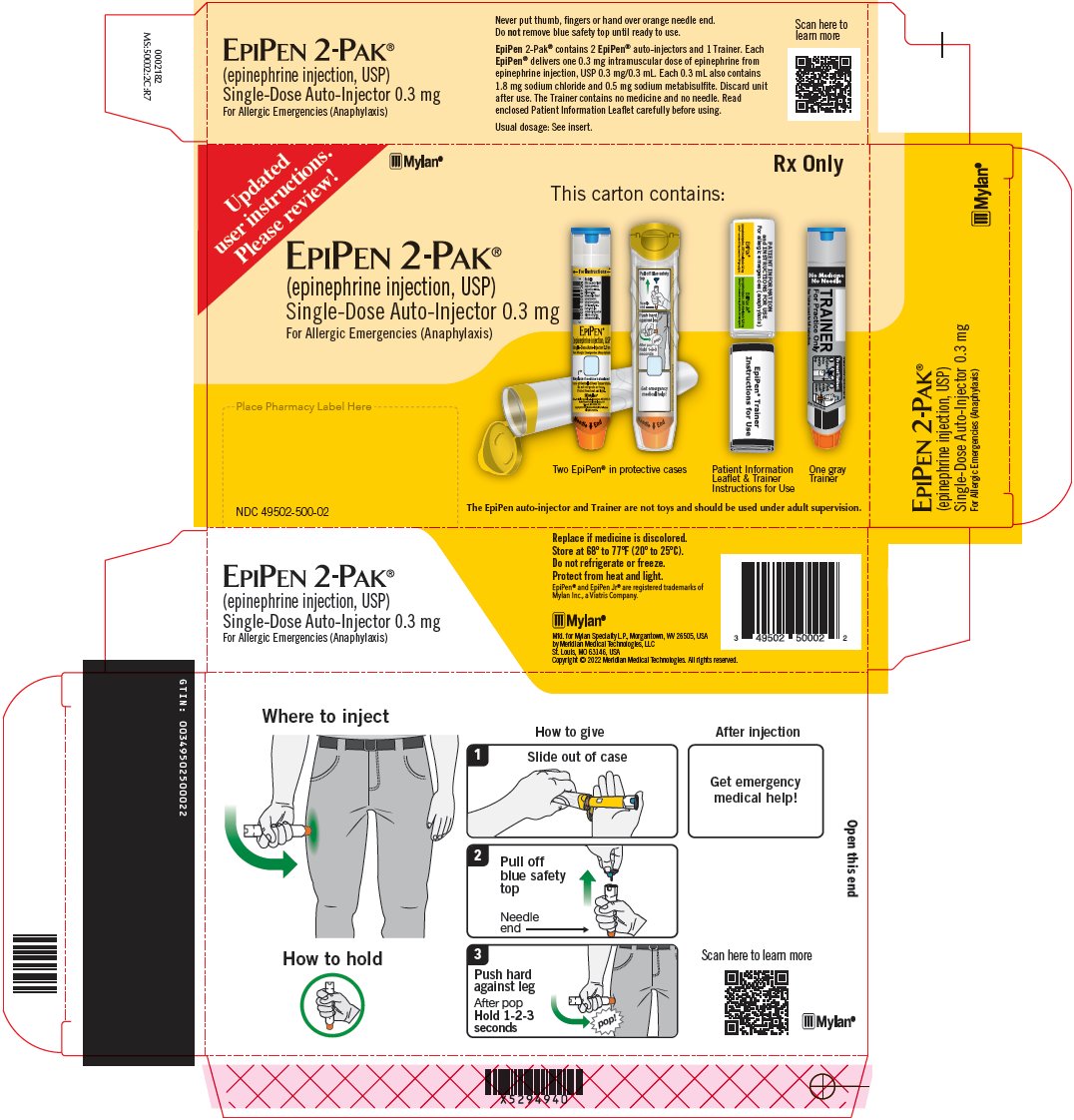
- Anaphylaxis Management: 📌 EpiPen First!
- STOP SCIT.
- IM Epinephrine (1:1000): 0.3-0.5 mg (adults); 0.01 mg/kg (max 0.3 mg) (children). Repeat 5-15 min PRN.
- Supine, elevate legs.
- Supplemental Oxygen.
- IV fluids (NS).
- Antihistamines (H1 & H2 blockers).
- Corticosteroids (IV/IM).
- Bronchodilators for bronchospasm.
- Monitor vitals. Observe 4-6 hrs (biphasic risk).
⭐ Epinephrine is cornerstone of anaphylaxis treatment; administer promptly. Delay linked to fatal outcomes.
Loading diagram…
- Prevention & Precautions:
- 30-min post-injection observation.
- Dose adjustment for large local reactions or missed doses.
- Avoid SCIT during acute illness/fever.
SCIT Outcomes - Allergy Adieu?
- Clinical Efficacy:
- Significantly ↓ symptoms & medication for allergic rhinitis (AR), allergic asthma, insect venom hypersensitivity.
- Prevents new allergen sensitizations.
- Can halt AR progression to asthma, particularly in children.
- Treatment Duration & Long-term Benefit:
- Typical duration: 3-5 years.
- Long-lasting remission (years) common post-discontinuation.
- Relapse possible; retreatment can be effective.
- Key Patient Groups:
- Children: Highly effective; potential for altering natural disease course.
⭐ SCIT is disease-modifying: prevents asthma in AR children & new sensitizations.
- Pregnancy: Maintenance SCIT generally safe; avoid initiation during pregnancy.
- Asthmatics: Requires stable, well-controlled asthma (FEV1 > 70% predicted).
- Children: Highly effective; potential for altering natural disease course.
High‑Yield Points - ⚡ Biggest Takeaways
- SCIT promotes immune tolerance: shifts Th2 to Th1, boosts Treg cells and IgG4.
- Indicated for allergic rhinitis, asthma, and hymenoptera venom allergy.
- Contraindicated in uncontrolled asthma, with beta-blockers, and active autoimmune disease.
- Involves build-up phase (dose escalation) and maintenance phase (constant dose).
- Treatment duration is typically 3-5 years for sustained benefit.
- Local reactions are common; systemic reactions (e.g., anaphylaxis) are rare but serious.
- Always have epinephrine ready for potential anaphylaxis_._
Unlock the full lesson and continue reading
Signup to continue reading this lesson and unlimited access questions, flashcards, AI notes, and more
