

Quality Assurance in DNA Testing - Setting Gold Standards
- Quality Assurance (QA): Proactive, process-oriented system to prevent errors.
- Quality Control (QC): Reactive, product-oriented measures to detect errors.
- Validation: Confirming a method is fit for its intended purpose.
- Internal (lab-specific) & Developmental (new methods).
- Accreditation: Formal recognition of competence by an authoritative body (e.g., NABL).
- Standards: ISO/IEC 17025:2017 (general requirements for testing/calibration labs), ISO 15189:2022 (medical laboratories), NABL guidelines.

⭐ Proficiency Testing: External quality assessment where labs analyze blind samples; crucial for maintaining accreditation and ensuring inter-laboratory comparability. Essential for NABL accreditation in India.
- Key Elements: SOPs, staff training, equipment calibration, reagent control, audit trails, corrective actions (CAPA).
Quality Assurance in DNA Testing - Guarding the Source
- Goal: Ensure DNA integrity & reliability; prevent contamination & degradation.
- Critical Pre-Analytical Steps:
- Collection: Sterile tools, proper technique. Avoid cross-contamination (PPE, separate handling).
- Labeling: Accurate, complete, unique ID. Date, time, collector, source.
- Packaging: Air-dry biological stains. Use breathable paper containers. Tamper-evident seals.
- Transport & Storage: Prompt, secure. Maintain temperature (e.g., blood 4°C, tissue -20°C).
- Chain of Custody (CoC): Unbroken, chronological documentation of evidence handling.
Loading diagram…
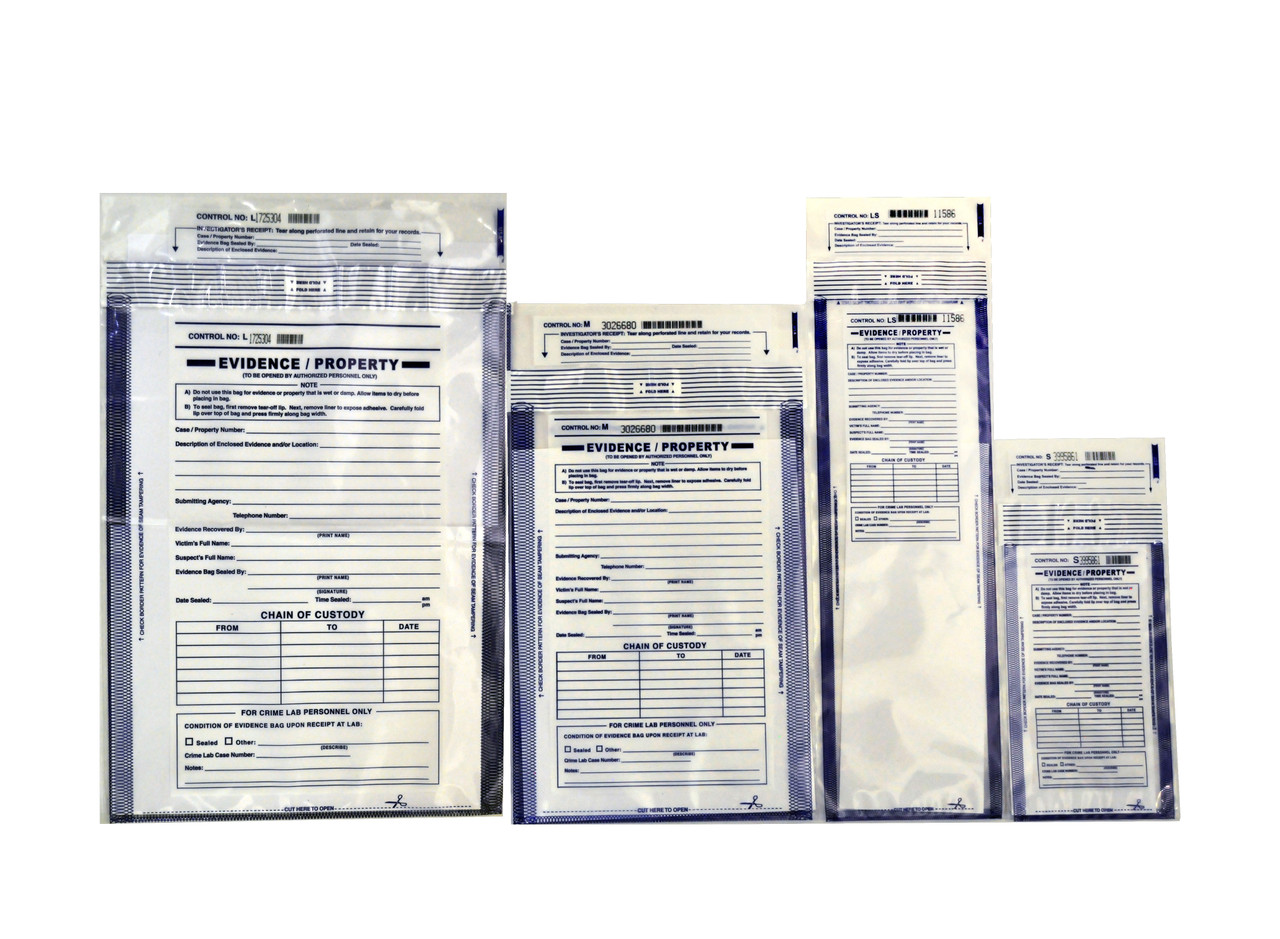
⭐ Any lapse in the Chain of Custody (CoC) can critically undermine the legal admissibility of DNA evidence.
Quality Assurance in DNA Testing - Lab Bench Vigilance
- Goal: Ensure reliable, error-free, reproducible DNA results.
- Key Areas & Controls:
- Sample Integrity: Strict chain of custody; separate pre & post-PCR zones to prevent carryover contamination.
- DNA Extraction: Use validated methods; monitor yield & purity (e.g., A260/A280 ratio).
- Quantification: Accurate DNA assessment (e.g., qPCR) for optimal PCR input (typically 0.5-2.0 ng).
- PCR Amplification:
- Positive Control: Known DNA; verifies reagents, thermal cycler, and overall process efficacy.
- Negative Control (Reagent Blank): Contains all reagents except DNA; detects reagent or environmental contamination.
- Internal PCR Control (IPC): Co-amplified non-target DNA sequence; monitors for PCR inhibitors in the sample.
- Allelic Ladder: Mixture of all common alleles for each STR locus; essential for accurate allele designation and sizing calibration.
- Electrophoresis (e.g., Capillary Electrophoresis): Validated run modules; regular calibration with size standards.
- Systemic QA:
- Regular instrument calibration & preventative maintenance.
- Validation of methods, instruments, and software before casework.
- Proficiency testing (internal and external blind trials).
- Adherence to Standard Operating Procedures (SOPs) & comprehensive documentation.
⭐ The inclusion of an allelic ladder in every STR analysis run is mandatory for accurate genotyping, as it provides a reference for allele calling by sizing the DNA fragments.
Quality Assurance in DNA Testing - Upholding Standards
- Core Components:
- SOPs: Standardized protocols.
- Validation: Methods, instruments, software.
- Controls: Batch-wise positive, negative, allelic ladders.
- Interpretation Guidelines: Thresholds (analytical, stochastic), mixtures.
- Documentation: Comprehensive (CoC, batch records, training).
- Verification & Improvement:
- Proficiency Testing (PT): Regular internal/external competency checks.
- Audits: Periodic internal/external system reviews.
- Peer Review: Independent check of reports/interpretations.
- CAPA: Addressing non-conformities, preventing recurrence.
- Accreditation: To FBI QAS (effective July 1, 2025) and ISO/IEC 17025 (e.g., NABL).
⭐ Stochastic threshold is vital for interpreting low-template DNA (LCN) and mixed samples accurately.
Loading diagram…
High‑Yield Points - ⚡ Biggest Takeaways
- NABL accreditation is crucial for DNA laboratory credibility.
- Adherence to validated Standard Operating Procedures (SOPs) is mandatory.
- Proficiency testing (internal/external) ensures analyst and lab competence.
- Rigorous chain of custody documentation is vital for evidence admissibility.
- Validation of methods, equipment, and software is a prerequisite.
- Essential Quality Control (QC) includes blanks, controls, and replicates.
- Regular audits (internal/external) ensure ongoing compliance and quality.
Unlock the full lesson and continue reading
Signup to continue reading this lesson and unlimited access questions, flashcards, AI notes, and more
