
Antimicrobial Therapy in Surgical Infections — Flashcards

Abdominal wall infections such as _____ synergistic gangrene is an example of synergistic spreading gangrene
What is the treatment of pylephlebitis?
Antibiotics should be given within _____ mins before the incision to prevent surgical site infections
A surgical site infection can occur upto _____ days after surgery
What is the preferred treatment of choice for subphrenic abscess?_____
ASEPSIS score includes: - **A**dditional treatment (_____ for wound infection, Drainage of pus under local anesthesia, Debridement of the wound under general anesthesia) - **S**: Serous discharge - **E**: Erythema - **P**: Purulent exudate - **S**: Separation of deep tissue - **I**: Isolation of bacteria from the wound - **S**: Stay as inpatient prolonged over 14 days
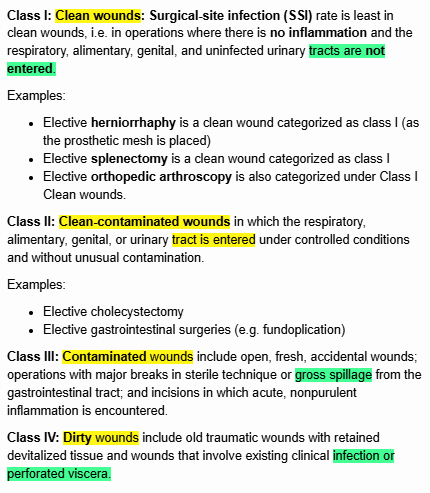
The CDC classifies **Surgical Site Infections (SSI)** into three categories: 1. _____ (involves skin/subcutaneous tissue) 2. Deep incisional (involves fascia/muscle layers) 3. Organ/Space (involves any part of the anatomy other than the incision)
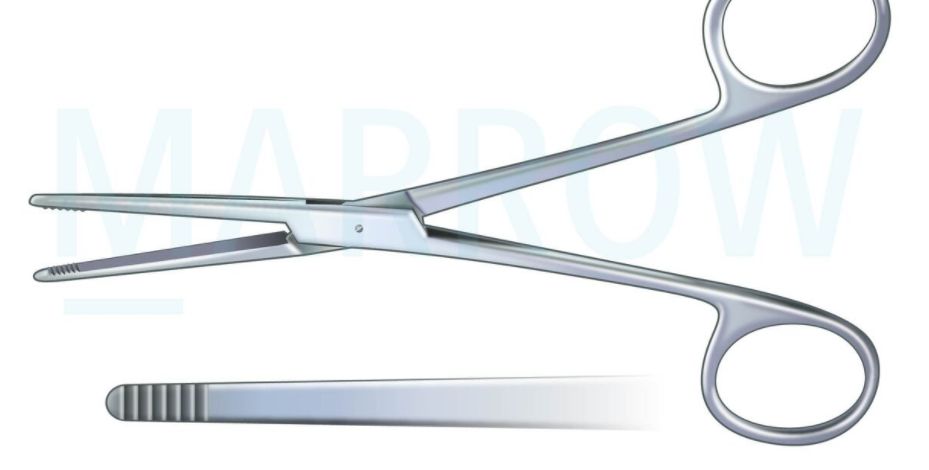
_____ forceps which is used for blunt dissection during "Hilton's method" of abscess drainage
_____ is indicated when the posterior parts of vertebrae are involved in Pott's Paraplegia
Negative pressure wound therapy acts by reducing tissue _____ and improving tissue perfusion
Antimicrobial Therapy in Surgical Infections Flashcards for NEET-PG
Study 10 flashcards on Antimicrobial Therapy in Surgical Infections for NEET-PG Surgery. These active recall cards cover the key concepts, clinical associations, and high-yield facts from this chapter of Surgical Infections. Each card is designed to test your understanding rather than just recognition, building stronger and more durable memories for exam day.
For personalised spaced repetition scheduling and unlimited flashcards, download the Oncourse app.
Frequently Asked Questions
Are Antimicrobial Therapy in Surgical Infections flashcards free?
How many flashcards does this chapter have?
How should I use these flashcards for NEET-PG?
Are there more flashcards for Surgical Infections?
Want unlimited flashcards?
Get full access to all flashcards, spaced repetition, and progress tracking.
Scan to download app