What is the most common flap used for reconstruction of radical neck dissection sx?_____
#2
What levels of lymph nodes are dissected in radical neck dissection?_____
#3
A _____ incision is used for I&D of parotid abscess
#4
_____ system of tooth charting:
#5
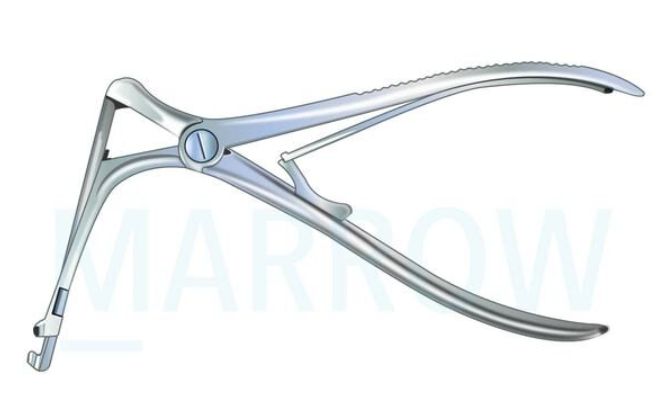
Name the following forceps: _____
#6
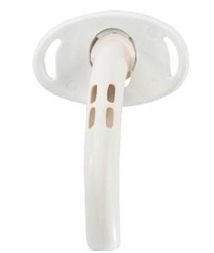
Fenestrations in the tracheostomy tube are important for _____
#7
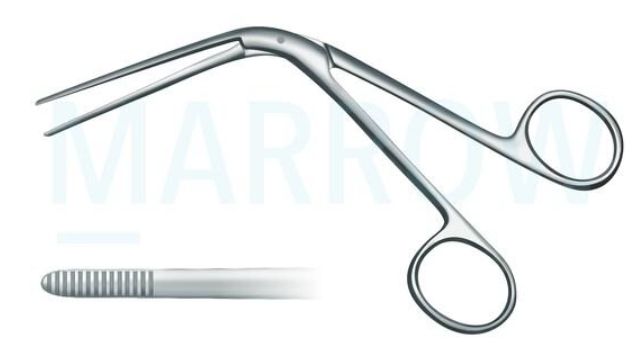
Name the following forceps: _____
#8
_____ system of tooth charting: (with plus and minus sign)
#9
The _____ and jugulodigastric nodes are the most commonly involved in maxillary sinus carcinoma.
#10
_____ is an invasive procedure where tiny electrodes are implanted in the brain and are connected via a subcutaneous wire to a neurostimulator (maximum two), which is placed under the skin of the clavicle.
Head and Neck Cancer Indian Medical PG Flashcards - Medical Study Cards
Master Head and Neck Cancer with OnCourse flashcards. These spaced repetition flashcards are designed for medical students preparing for NEET PG, USMLE Step 1, USMLE Step 2, MBBS exams, and other medical licensing examinations.
Head and Neck Cancer Flashcard Deck - 10 Cards
Flashcard 1: What is the most common flap used for reconstruction of radical neck dissection sx?_____
Answer: Pec. major flap
Flashcard 2: What levels of lymph nodes are dissected in radical neck dissection?_____
Answer: Level 1-5
Flashcard 3: A _____ incision is used for I&D of parotid abscess
Answer: preauricular
Flashcard 4: _____ system of tooth charting:
Answer: Universal
Flashcard 5: Name the following forceps: _____
Answer: Citelli's forceps
Flashcard 6: Fenestrations in the tracheostomy tube are important for _____
Answer: phonation
Flashcard 7: Name the following forceps: _____
Answer: Tilley's forceps
Flashcard 8: _____ system of tooth charting: (with plus and minus sign)
Answer: Haderup
Flashcard 9: The _____ and jugulodigastric nodes are the most commonly involved in maxillary sinus carcinoma.
Answer: submandibular
Flashcard 10: _____ is an invasive procedure where tiny electrodes are implanted in the brain and are connected via a subcutaneous wire to a neurostimulator (maximum two), which is placed under the skin of the clavicle.
Answer: Deep brain stimulation
Keywords: Head and Neck Cancer flashcards, medical flashcards, NEET PG preparation, USMLE Step 1 flashcards, Anki alternative, spaced repetition medical, OnCourse flashcards
Want unlimited flashcards?
Get full access to all flashcards, spaced repetition, and progress tracking.