
Anatomic Landmarks for Interventional Procedures — Flashcards

The key area seen in _____ view is the antrum and upper part of the attic.
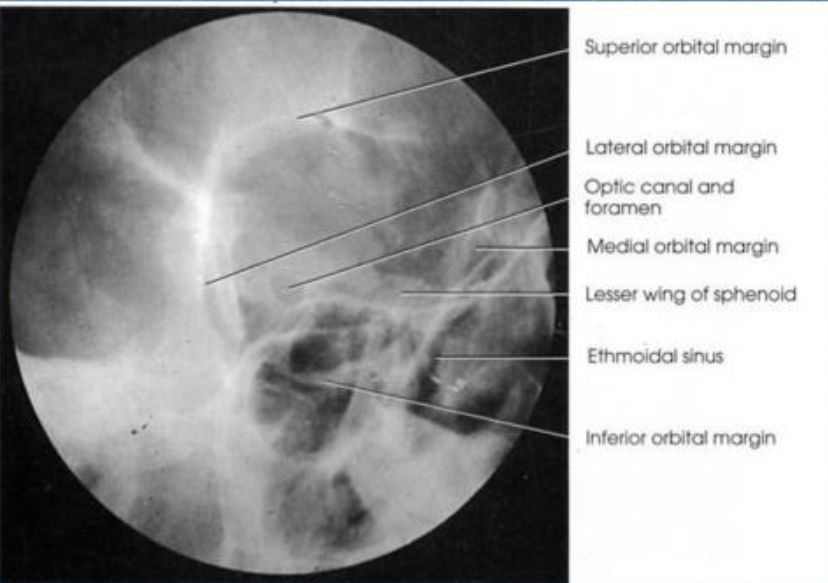
The _____ view in an X-ray scan helps in the visualization of the optic foramina.
_____ view is used for both temporal bone visualization and seeing the sinuses
_____ sinuses are seen best with Caldwell's view
The radiological hilum is formed by what 3 structures?_____
The growth plate/physis is radio_____
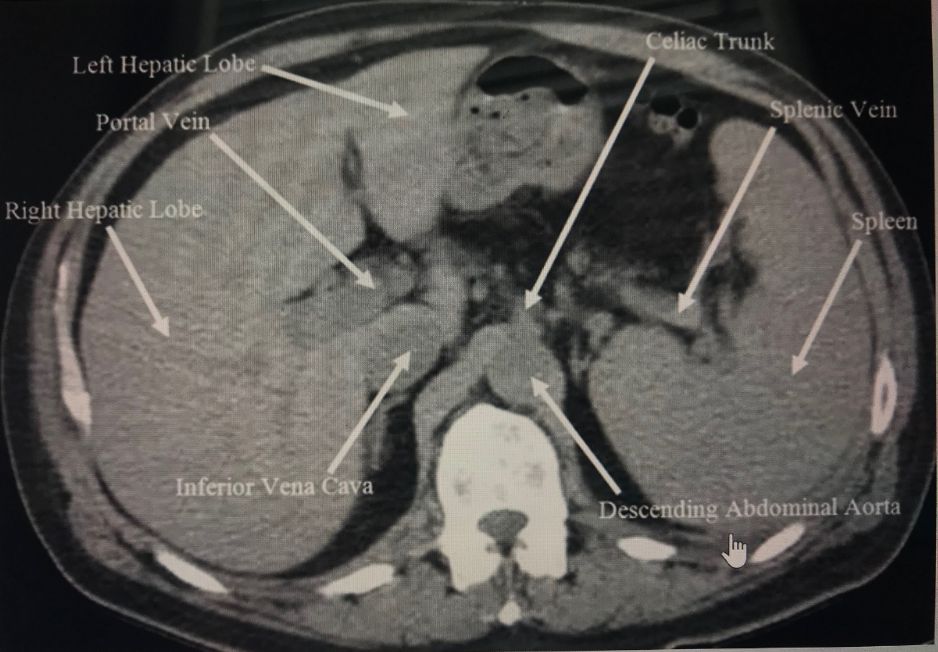
What vertebral level is this CT image taken at? _____
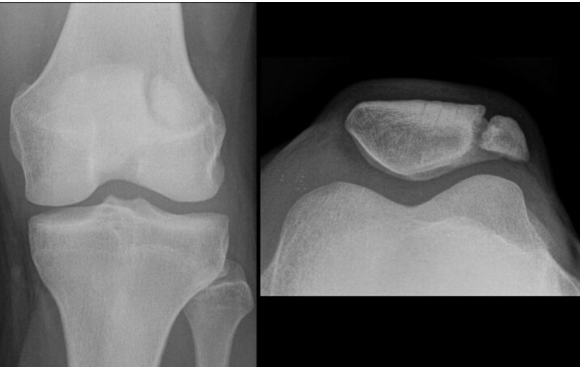
The given X-Ray shows a _____ patella
The _____ view in an X-ray scan helps in the visualization of the optic foramina.
72af9e99fc56410ab3d35293d5de0c5f-ao-3
Anatomic Landmarks for Interventional Procedures Flashcards for NEET-PG
Study 10 flashcards on Anatomic Landmarks for Interventional Procedures for NEET-PG Radiology. These active recall cards cover the key concepts, clinical associations, and high-yield facts from this chapter of Radiological Anatomy. Each card is designed to test your understanding rather than just recognition, building stronger and more durable memories for exam day.
For personalised spaced repetition scheduling and unlimited flashcards, download the Oncourse app.
Frequently Asked Questions
Are Anatomic Landmarks for Interventional Procedures flashcards free?
How many flashcards does this chapter have?
How should I use these flashcards for NEET-PG?
Are there more flashcards for Radiological Anatomy?
Want unlimited flashcards?
Get full access to all flashcards, spaced repetition, and progress tracking.
Start For Free