General Pathology Indian Medical PG Flashcards - Medical Study Cards
Master General Pathology with OnCourse flashcards. These spaced repetition flashcards are designed for medical students preparing for NEET PG, USMLE Step 1, USMLE Step 2, MBBS exams, and other medical licensing examinations.
General Pathology Flashcard Deck - 90 Cards
Flashcard 1: Galactosemia is associated with _____ cataract
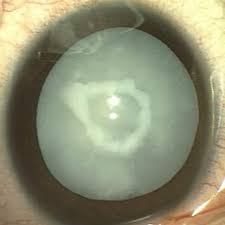
Answer: oil-drop
Flashcard 2: What type of cells are the following examples?
_____
Answer: Permanent
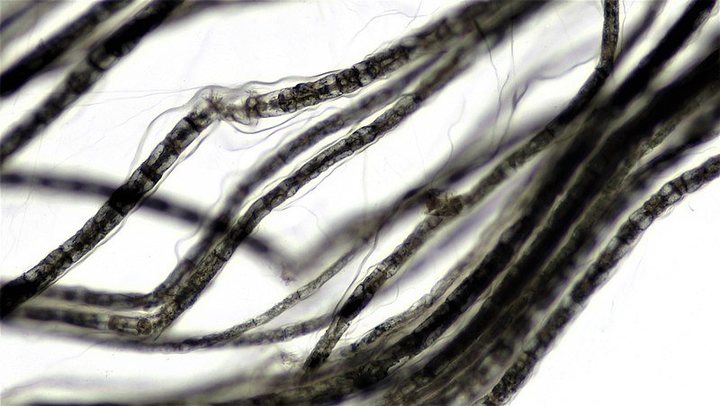
Flashcard 3: What is the staining method? _____
Answer: Osmium tetroxide
Flashcard 4: R-charts give _____ and _____ of tests
Answer: precision
Extra:
Flashcard 5: McArdle disease may present with _____-colored urine due to myoglobinuria
Answer: red
Flashcard 6: The extrinsic (death receptor) pathway of apoptosis can occur via receptor binding between _____-(receptor: CD95) or TNF- and their respective receptors
Answer: Fas-L
Flashcard 7: _____ is a type of programmed cell death is dependent on caspase 1 and caspase 11, involved in clearance of necrotic and infected cells
Answer: Pyroptosis
Flashcard 8: _____ cellular injury is characterized ultrastructurally by membrane blebbing and loss of microvilli
Answer: Reversible
Flashcard 9: _____ method, is a calcium staining technique where silver is substituted for calcium, which undergo photochemical degradation and appear black
Answer: von Kossa
Flashcard 10: The _____ type of Ehlers-Danlos syndrome (joint and skin symptoms) is caused by a mutation in type V collagen
Answer: classical
Flashcard 11: The fibrillar deposits of amyloid in the extracellular space bind a wide variety of _____ and glycosaminoglycans,
Answer: proteoglycans
Flashcard 12: Fat necrosis is characteristically due to _____ or trauma (e.g. breast)
Answer: acute pancreatitis
Flashcard 13: _____ in urine are diagnostic of fat embolisation syndrome and can be tested using Gurd's test
Answer: Fat globules
Flashcard 14: _____ cellular injury is characterized ultrastructurally with clumping of nuclear chromatin
Answer: Reversible
Flashcard 15: _____ pigment (carbon particles) are more resistant than the other pigments to transportation by the lymphatic system and thus, tend to persist in the skin
Answer: Black
Flashcard 16: _____ bodies are homogenous eosinophilic inclusion bodies found in the plasma cells, and are seen in rhinoscleroma
Answer: Russell
Flashcard 17: _____ necrosis is characteristic of chronic ischemia of the lower limb and GI tract
Answer: Gangrenous
Flashcard 18: The three zones of burns from outermost to innermost are:- Zone of _____- Zone of stasis (edema)- Zone of ischemia (coagulation)
Answer: hyperemia
Flashcard 19: _____ appearance of the cytoplasm due to vacuolated cytoplasmic organelles, as a result of enzymatic degradation is seen in necrosis
Answer: Moth-eaten
Flashcard 20: PAGE (DNA electrophoresis) will show a _____ pattern in Apoptosis
Answer: step-ladder
Flashcard 21: Scleroderma is characterized by _____ activation with resultant collagen deposition
Answer: fibroblast
Flashcard 22: Amyloid staining:Metachromatic stains like _____ and methyl violet give a rose-pink appearance.
Answer: crystal violet
Flashcard 23: Coagulative necrosis is characterized by preserved cell architecture (cell _____ are seen) but the nucleus disappears
Answer: outlines
Flashcard 24: Monocytosis (increased monocytes) is seen with chronic _____ states and malignancy
Answer: inflammatory
Flashcard 25: _____ cellular injury is characterized ultrastructurally by ribosomal detachment and polysomal detachment, leading to decreased protein synthesis
Answer: Reversible
Flashcard 26: _____ are aggregations of peroxidized lipids that are associated with reversible cell injury.
Answer: Myelin figures
Flashcard 27: _____ technique: Thoracic, cervical, abdominal, and pelvic organs are removed 'en masse'
Answer: Letulle
Flashcard 28: PAGE (DNA electrophoresis) will show a _____ pattern in Necrosis
Answer: smear
Flashcard 29: Free radicals cause cellular injury via _____ of lipids and oxidation of DNA and proteins
Answer: peroxidation
Flashcard 30: _____ amyloidosis is characterized by systemic deposition of AA amyloid, which is derived from serum amyloid-associated protein (SAA)
Answer: Secondary
Flashcard 31: Iodine stains amyloid as _____ and if sulfuric acid is added, it turns violet (Gross staining)
Answer: mahogany brown
Flashcard 32: _____ starts as apoptosis, fails to activate caspase-8, and ends like necrosis
Answer: Necroptosis
Flashcard 33: Metastatic calcification predominantly occurs in the _____, lung, and gastric mucosa
Answer: kidney
Flashcard 34: Deposits of lipofuscin are commonly found in the _____, heart, colon, kidney, and eye of elderly individuals; and are caused by lipid peroxidation
Answer: liver
Flashcard 35: _____ infection is associated with squamous cell carcinoma of the bladder in Middle eastern males (ethnicity, gender)
Answer: Schistosoma haematobium
Flashcard 36: Muscle biopsies of patients with _____ myopathies often show "ragged red" fibers
Answer: mitochondrial
Flashcard 37: The two MAIN mechanisms of cell death are _____ and apoptosis
Answer: necrosis
Flashcard 38: In _____ technique, the organs are removed 'block by block', rather than with in-situ dissection.
Answer: Gohn's
Flashcard 39: The three major risk factors for thrombosis are _____, hypercoagulability, and endothelial cell damage (Virchow triad)
Answer: disruption in blood flow
Flashcard 40: _____ bodies are amorphous eosinophilic nuclear inclusions associated with yellow fever
Answer: Torres
Flashcard 41: Caseous necrosis is a combination of _____ and liquefactive necrosis
Answer: coagulative
Flashcard 42: Positively birefringent crystals will appear _____ when aligned parallel to the axis of polarized light
Answer: blue
Flashcard 43: What is the mode of inheritence of erythropoetic protoporphyria?_____
Answer: Autosomal recessive
Flashcard 44: A recurrent chalazion should be subjected to histopathological evaluation to exclude the possibility of _____.
Answer: sebaceous gland carcinoma
Flashcard 45: Excess copper deposition in Wilson's disease is demonstrated by _____ stain.
Answer: rhodamine
Flashcard 46: Fibrin levels in a transudate are usually _____
Answer: low
Flashcard 47: Which stain is used to identify macular dystrophy of the cornea?_____
Answer: Alcian blue
Flashcard 48: In Rhinitis sicca, ciliated columnar epithelium undergoes _____ metaplasia
Answer: squamous
Flashcard 49: _____ first listed the four cardinal signs of inflammation
Answer: Celsus
Flashcard 50: Methanol, ethanol and acetone are examples of _____ fixatives
Answer: dehydrant
Flashcard 51: Hydrofluoric acid causes _____ necrosis
Answer: liquefactive (coagulative/liquefactive)
Flashcard 52: The diagnostic standard for amyloidosis is staining of _____
Answer: abdominal fat aspirate
Flashcard 53: _____ is a tell-tale sign of free radical injury and lipid peroxidation.
Answer: Lipochrome/Lipofuschin
Flashcard 54: In Systemic Sclerosis, local expression of _____ causes systemic release of a stem cell factor leading to diffuse hyperpigmentation
Answer: keratinocyte endothelin-1
Flashcard 55: X-ray damage to the skin can lead to _____ necrosis
Answer: fibrinoid
Flashcard 56: What is the most important light microscopy morphological feature of irreversible cell injury?_____
Answer: Pyknosis and Karyolysis
Flashcard 57: The most common type of metaplasia is _____ metaplasia
Answer: squamous
Flashcard 58: What is the most important morphological feature of irreversible cell injury on electron microscopy?_____
Answer: Amorphous floccular densities in Mitochondria
Flashcard 59: _____ coined the term cellular pathology
Answer: Rudolf Virchow
Flashcard 60: Is caratact due to galactosemia reversible?_____
Answer: Yes
Flashcard 61: A frozen section must be done for the fixation of _____
Answer: fats
Flashcard 62: The most common infiltration associated with growth hormone (GH) deficiency in India is _____
Answer: histiocytosis
Flashcard 63: _____ is the most common cause of cell injury.
Answer: Hypoxia
Flashcard 64: _____ Degeneration of fibroid is associated with deposition of phosphates and carbonates in the periphery seen in old patients
Answer: Calcareous
Flashcard 65: _____ type of necrosis is characterized by the enzymatic digestion
Answer: Liquefactive
Flashcard 66: Acetone free methanol is used in fixation and acts by stopping the _____ activity
Answer: metabolic
Flashcard 67: Damage to the _____ cells, with inflammation, is the key initiating event and the basis of lung damage in COVID-19
Answer: endothelial
Flashcard 68: Michaelis Gutmann (MG) bodies are pathognomonic feature of _____
Answer: malakoplakia
Flashcard 69: "Repeated infections (or OME) lead to metaplasia of middle ear epithelium into squamous type." : _____ theory of metaplasia for Primary AND Secondary acquired cholesteatoma
Answer: Sade's
Flashcard 70: Formaldehyde and Glutaraldehyde are examples of _____ fixatives
Answer: cross-linking
Flashcard 71: _____ is a calcium staining technique which works best with small amounts of calcium such as in MG bodies
Answer: Alizarin red S
Flashcard 72: Chylous effusion caused by lymphatic blockage is an example of _____.
Answer: transudate (exudate/transudate)
Flashcard 73: _____ is used to stain neutral mucin
Answer: Periodic acid schiff (PAS)
Flashcard 74: Amyloid is Periodic-acid Schiff (PAS) _____
Answer: positive
Flashcard 75: PTAH stain is used for staining _____
Answer: fibrin
Flashcard 76: _____ is the earliest organelle affected in cell injury.
Answer: Mitochondria
Flashcard 77: Which mucopolysaccharidosis does not show leukocyte inclusions?_____
Answer: Morquio disease
Flashcard 78: Alcohol formalin is an example of _____ fixatives
Answer: compound
Flashcard 79: Toluidine blue and Leder stain (Chloracetate esterase) are special stains for _____ cells
Answer: mast
Flashcard 80: The normal N: C (nuclear to cytoplasmic) ratio is _____.
Answer: 1:4 to 1:6
Flashcard 81: Glossy and homogenous cytoplasm occurring due to loss of _____ in the cytoplasm is seen in necrosis
Answer: glycogen
Flashcard 82: _____ type of necrosis is characterized by the denaturation of proteins
Answer: Coagulative
Flashcard 83: Lardaceous spleen is due to deposition of amyloid in sinusoids of _____ pulp.
Answer: red
Flashcard 84: _____ cystitis is seen due to catheterization of bladder
Answer: Polypoid
Flashcard 85: What is the staining method? _____
Answer: Osmium tetroxide
Flashcard 86: For routine diagnostic microscopy of paraffinembedded material, _____ is the most widely used fixative
Answer: 10% neutral buffered formalin
Flashcard 87: _____ is used to stain acid mucin
Answer: Alcian blue
Flashcard 88: A _____ section is done for the fixation of fats.
Answer: frozen
Flashcard 89: The most common type of epithelial metaplasia is _____ to _____ metaplasia.
Answer: columnar; squamous
Flashcard 90: _____ calcification can occur in _____ and this can include the vasculature and major organs in the body.
Answer: Metastatic; sarcoidosis::lung disease
Keywords: General Pathology flashcards, medical flashcards, NEET PG preparation, USMLE Step 1 flashcards, Anki alternative, spaced repetition medical, OnCourse flashcards