Spine Disorders Indian Medical PG Flashcards - Medical Study Cards
Master Spine Disorders with OnCourse flashcards. These spaced repetition flashcards are designed for medical students preparing for NEET PG, USMLE Step 1, USMLE Step 2, MBBS exams, and other medical licensing examinations.
Spine Disorders Flashcard Deck - 98 Cards
Flashcard 1: Number of bony prominences felt in gibbus is _____, and presents as a sharp posterior angulation
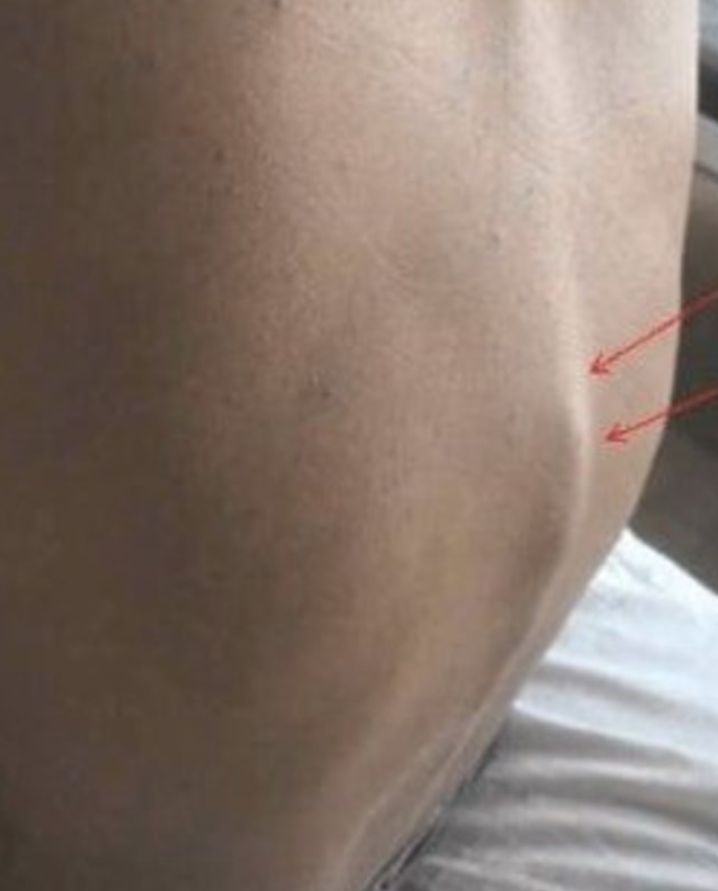
Answer: two to three
Flashcard 2: _____ is a rigid cervical brace which may be used as a treatment for cervical spine injury or for cervical pain due to rheumatoid arthritis
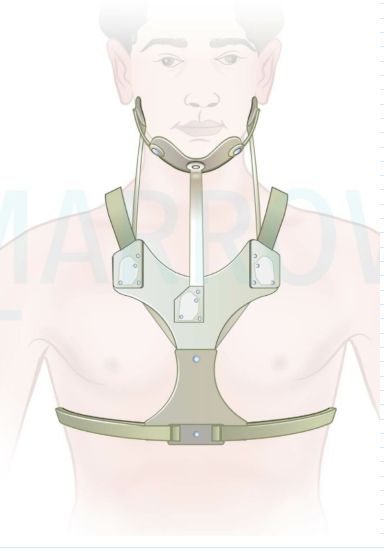
Answer: Sternal Occipital Mandibular Immobilizer (SOMI)
Flashcard 3: Which test is specific for diagnosing disc prolapse?
_____
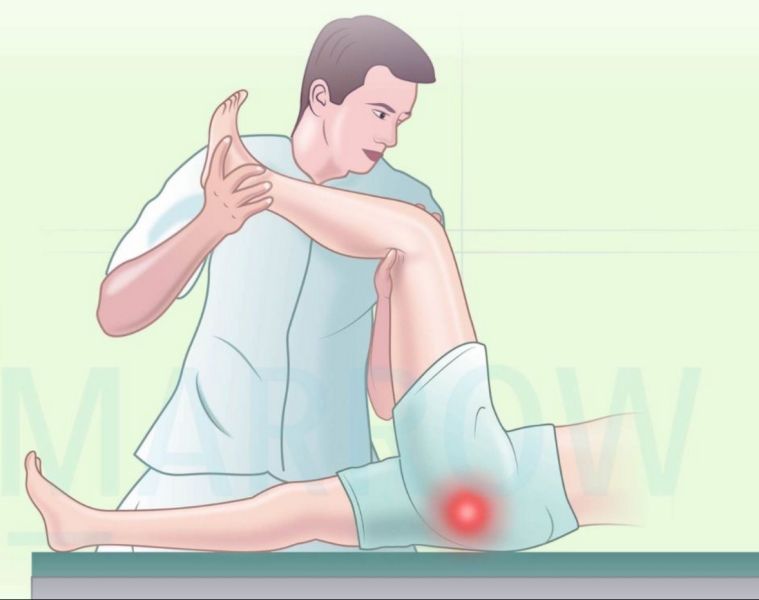
Answer: Bowstring sign/Popliteal compression test
Flashcard 4: _____ test is used for diagnosing inter-vertebral disc prolapse
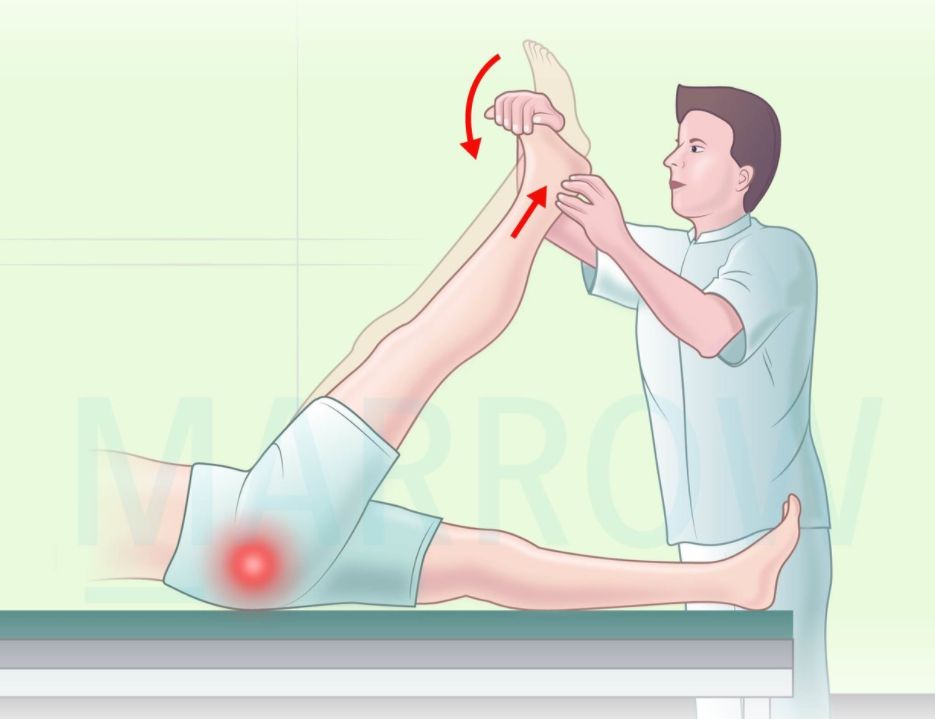
Answer: Bragard
Flashcard 5: Odontoid fractures are classified by _____ classification into 3 types
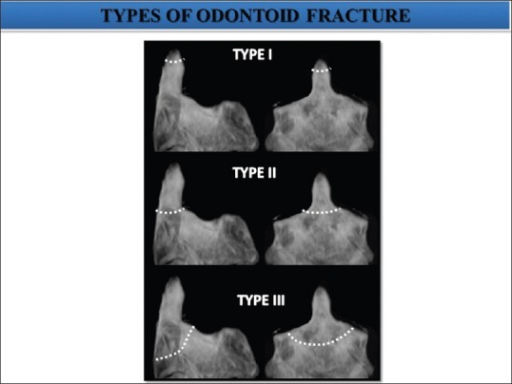
Answer: Anderson and D’Alonzo
Flashcard 6: _____ test is used for diagnosing inter-vertebral disc prolapse
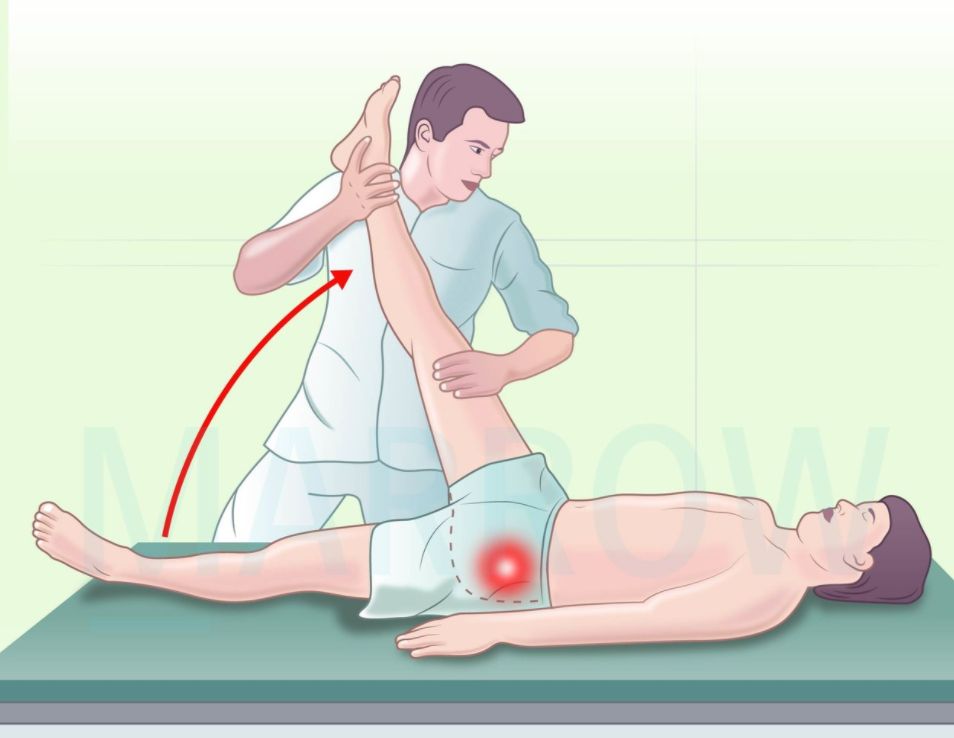
Answer: Lasegue/Straight leg raise
Flashcard 7: Management of unstable vertebral compression fracture is with _____, especially for PLC disruption
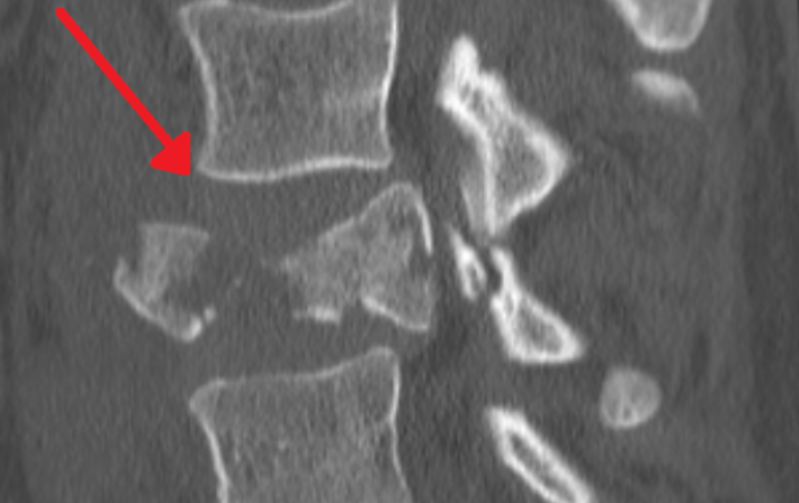
Answer: posterior pedicle screw fixation
Flashcard 8: Femoral stretch test, also known as reverse Lasegue test or _____ sign is used for diagnosing disc prolapse
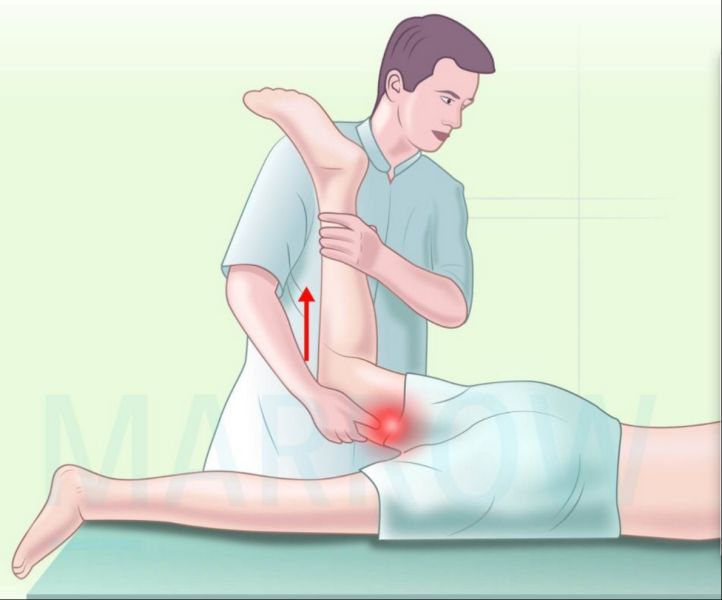
Answer: Mackiewicz
Flashcard 9: Management of stable vertebral compression fracture is with _____ for 12 weeks with pain management
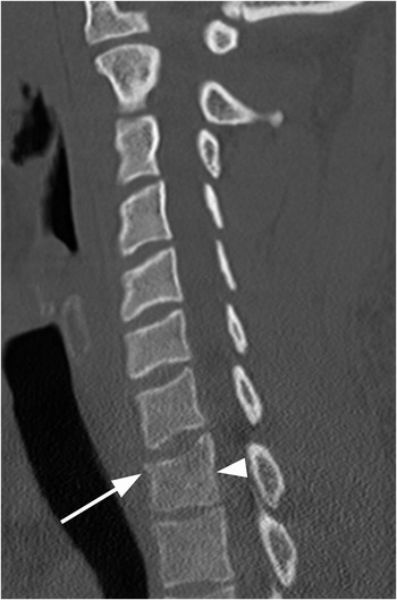
Answer: Thoracic Lumbar Sacral Orthosis (TLSO)
Flashcard 10: _____ is the surgery of choice for Potts paraplegia with paradiscal involvement
Answer: Antero-lateral decompression
Flashcard 11: Ossified posterior longitudinal ligament is associated with various bone-forming conditions such as _____ and fluorosis
Answer: diffuse idiopathic skeletal hyperostosis (DISH)
Flashcard 12: Management of stable vertebral compression fracture is with _____ for 12 weeks with pain management
Answer: Thoracic Lumbar Sacral Orthosis (TLSO)
Flashcard 13: The _____ classification is used for classification of thoracolumbar spinal injuries.
Answer: AO-Magerl
Flashcard 14: In Jefferson's fracture, the _____ ligament is likely to be ruptured if the combined overhang of C1 lateral processes over C2 is more than 6.9 mm, this is known as the Rule of Spence
Answer: transverse
Flashcard 15: The sciatic nerve is commonly injured due to:- _____- posterior hip dislocation- piriformis syndrome
Answer: a herniated disc
Flashcard 16: _____ is much more dangerous in causing spinal damage than hyperflexion (Hyperflexion/hyperextension)
Answer: Hyperextension
Flashcard 17: An intervertebral disc herniation at the _____ level will result in:- weakness of dorsiflexion (action) - difficulty in heel-walking
Answer: L4-L5
Flashcard 18: Patients with an intervertebral disc herniation affecting the _____ or S1 nerve roots will have a positive straight leg raise test
Answer: L5
Flashcard 19: _____ (condition) is commonly caused by:- presence of a cervical rib - Pancoast tumor- scalene muscular abnormalities / hypertrophy / trauma (ex repetitive overhead arm movements)
Answer: Thoracic outlet syndrome
Flashcard 20: Type III spondylolisthesis (Wiltse Newman) is commonly seen in _____ most commonly at the L4-L5 level.
Answer: middle age
Flashcard 21: An intervertebral disc herniation at the _____ level will result in:- weakness of plantar flexion (action)- difficulty in toe-walking - decreased achilles (ankle jerk) reflex
Answer: L5-S1
Flashcard 22: _____ fracture is an unstable spinal fracture-dislocation at the thoracolumbar junction
Answer: Holdsworth
Flashcard 23: An intervertebral disc herniation at the _____ level will result in:- weakness of leg extension and thigh flexion (action) - decreased patellar reflex- decreased sensation of anterior / medial thigh
Answer: L3-L4
Flashcard 24: First line treatment of unstable Jefferson's # is reduction in _____ traction and managed in a halo vest for 12 weeks.
Answer: halo
Flashcard 25: Treatment for osteoporotic destruction of vertebrae is _____ using inflation of balloon and injecting bone cement
Answer: kyphoplasty
Flashcard 26: _____ criteria is used to screen for need of imaging in C spine injury:Neurological deficitsEthanol (alcohol) intoxicationeXtreme distracting injuriesUnable to provide historymidline Spinal tenderness
Answer: NEXUS
Flashcard 27: Spinal stenosis is most commonly due to _____ of the spine, whereupon the ligamentum flavum hypertrophies and compresses nerve roots
Answer: osteoarthritis
Flashcard 28: The symptoms of lumbar spinal stenosis are exacerbated when the lumbar spine is _____, and relieved when the lumbar spine is flexed
Answer: extended
Flashcard 29: _____ brace is used in patients whose scoliosis apex is at T7 or lower
Answer: Boston
Flashcard 30: Step sign is a classic clinical feature of _____, where a palpable step may be felt on the spine in the lumbosacral region.
Answer: spondylolisthesis
Flashcard 31: What tests are used for sacroilitis in Ankylosing spondylitis?_____
Answer: Gaenslen's test, Patrick/Faber test, figure-of-4 test and pump handle test (4)
Flashcard 32: A minimum of _____ degrees of Cobb's angle is usually required to define scoliosis
Answer: 10
Flashcard 33: Two-column injuries of the subaxial cervical spine without neurologic deficit are managed with _____
Answer: immobilization
Flashcard 34: What is the mx of type II odontoid # in a young patient with a stable fracture?_____
Answer: traction followed by a collar or halo vest
Flashcard 35: _____ gender is a poor prognostic factor for scoliosis
Answer: Female
Flashcard 36: _____ is used to describe degenerative findings in the adjacent vertebral endplates due to age-related skeletal changes or osteophyte formation.
Answer: Spondylosis
Flashcard 37: In short-leg scoliosis, it disappears when the patient is made to _____.
Answer: sit
Flashcard 38: Undisplaced type III odontoid #s are treated with _____ for 8-12 weeks
Answer: halo vest
Flashcard 39: _____ scoring helps to evaluate the sensory and motor levels for each side of the body and the overall neurologic level of spinal cord injury
Answer: ASIA
Flashcard 40: What is the treatment of Clay-Shoveler s fracture?_____
Answer: Bruh...
Flashcard 41: According to the Denis classification, _____ column is the posterior elements, including the pedicles, lamina, spinous processes, facet joints, and the remaining ligaments
Answer: posterior
Flashcard 42: _____ classification and the subaxial cervical spine injury classification (SLIC) is used for subaxial (C3-C7) cervical injuries
Answer: Ferguson and Allen
Flashcard 43: Leg pain equal to or more than the back pain in IVDP cases is evidence of involvement of the _____ due to the herniated disc.
Answer: nerve root
Flashcard 44: _____ brace is used in patients whose scoliosis apex is in the high thoracic or cervical spine
Answer: Milwaukee
Flashcard 45: Management of unstable vertebral compression fracture is with _____, especially for PLC disruption
Answer: posterior pedicle screw fixation
Flashcard 46: In the ASIA scoring system for spinal cord injury, the number of muscles tested on each side is _____
Answer: 10
Flashcard 47: _____ test is used for diagnosing inter-vertebral disc prolapse
Answer: Bragard
Flashcard 48: Pain of IVDP is increased by _____ position.
Answer: flexion
Flashcard 49: _____ represents the last stage (stage V) of spondylolisthesis.
Answer: Spondyloptosis
Flashcard 50: Type I odontoid # is the avulsion # of the tip, and is managed using a _____
Answer: rigid collar
Flashcard 51: _____ brace is used to maintain the spine in a slightly hyperextended position and to relieve the pressure from weak vertebrae post sx.
Answer: Anterior spinal hyperextension (ASHE)
Flashcard 52: Most common curve seen in adolescent idiopathic scoliosis is _____ thoracic
Answer: right
Flashcard 53: _____ traction is used for cervical spine injuries
Answer: Head halter/Crutchfield
Flashcard 54: Which is the most commonly prescribed nighttime scoliotic brace?_____
Answer: Charleston brace
Flashcard 55: Sensation present, motor useful (MRC grade more than equal to 3/5) is classified as _____ on ASIA neurological impairment scale
Answer: D
Flashcard 56: Rotated vertebrae are seen in _____structural scoliosis
Answer:
Flashcard 57: According to the Denis classification, _____ column is the anterior part of the vertebra and disc, and the anterior longitudinal ligament
Answer: anterior
Flashcard 58: Tilting on one side to relieve the pain of intervertebral disc prolapse (IVDP) is known as _____ scoliosis.
Answer: sciatic
Flashcard 59: According to the Denis classification, _____ column is the posterior part of the vertebra and disc, and the posterior longitudinal ligament
Answer: middle
Flashcard 60: If the _____ ligament is injured in Jefferson's #, it is classified as an unstable fracture
Answer: transverse
Flashcard 61: _____ is a common presenting symptom of whiplash injury
Answer: Neck stiffness
Flashcard 62: _____ test is used for diagnosing inter-vertebral disc prolapse
Answer: Lasegue/Straight leg raise
Flashcard 63: Three-column injuries of the subaxial cervical spine with/without neurologic deficit are managed with _____
Answer: operative treatment
Flashcard 64: Femoral stretch test, also known as reverse Lasegue test or _____ sign is used for diagnosing disc prolapse
Answer: Mackiewicz
Flashcard 65: DISH, also called as Forestier's disease is characterised by hyperostosis seen at multiple sites, but mainly in the spine at _____ sites
Answer: enthesis
Flashcard 66: Which spinal curve is exaggerated in spinal tuberculosis?_____
Answer: Thoracic kyphosis
Flashcard 67: Pain of IVDP is decreased by rest and in the _____ position.
Answer: semi-Fowler
Flashcard 68: _____ angle is used to quantify the degree of curvature of scoliosis on plain radiographs
Answer: Cobbs
Flashcard 69: _____ traction is used for scoliosis
Answer: Halo pelvic
Flashcard 70: _____ classification is used for radiologically grading spondylolisthesis.
Answer: Meyerding
Flashcard 71: Odontoid fractures are classified by _____ classification into 3 types
Answer: Anderson and D Alonzo
Flashcard 72: Which test is specific for diagnosing disc prolapse?_____
Answer: Bowstring sign/Popliteal compression test
Flashcard 73: What is the mx of type II odontoid # in a unstable fracture?_____
Answer: anterior odontoid screw, or C1 C2 fusion
Flashcard 74: _____ classification is used for classifying spondylolisthesis based on the cause
Answer: Wiltse-Newman
Flashcard 75: When the lateral spinal curve is , it is referred to as _____
Answer: spinal asymmetry
Flashcard 76: Most common site of spine dislocation (without #) is _____ spine
Answer: cervical
Flashcard 77: The most common and most dangerous type of odontoid fracture is Type _____ as they are unstable and prone to non-union.
Answer: II
Flashcard 78: _____ cast is used for cervical and upper thoracic spine disease
Answer: Minerva
Flashcard 79: In the ASIA scoring system for spinal cord injury, the number of sensory locations tested on each side is _____
Answer: 28
Flashcard 80: _____ syndrome refers to atlantoaxial joint subluxation.
Answer: Grisel
Flashcard 81: The collapse of the entire vertebral body leads to _____ collapse/vertebra plana
Answer: concertina
Flashcard 82: Crossed SLRT also known as _____ sign, or the well-leg raising test, is used for diagnosing IVDP
Answer: Fajersztajn
Flashcard 83: Diffuse Idiopathic Skeletal Hyperostosis (DISH) will characteristically present with ossification along the anterolateral aspect of at least _____ contiguous vertebrae
Answer: four
Flashcard 84: Two-column injuries of the subaxial cervical spine with neurologic deficit are managed with _____
Answer: operative treatment
Flashcard 85: The _____ classification is used commonly for Hangman fractures
Answer: Levine and Edwards
Flashcard 86: Type _____ odontoid # is the # at the junction of the odontoid process and the body of the axis
Answer: II
Flashcard 87: A high _____ scoliotic curve can be treated with a cervical TLSO brace
Answer: thoracic
Flashcard 88: Late-onset paraplegia in spinal TB occurs when _____ causes injury to spinal cord
Answer: vertebral collapse
Flashcard 89: Scoliosis due to defective vertebral development is suggestive of _____ scoliosis
Answer: congenital
Flashcard 90: The most common type of idiopathic scoliosis is the _____ idiopathic scoliosis.
Answer: adolescent
Flashcard 91: _____ #s of the vertebrae occur due to axial loading, characterised by loss of vertebral height anteriorly, with no loss of posterior vertebral height and no posterior ligamentous or bony injury.
Answer: Compression
Flashcard 92: Concussion of the spine is also known as _____ spine
Answer: Railway
Flashcard 93: _____ scoliosis is seen in those with short leg or contracture of the hip
Answer: Compensatory
Flashcard 94: Displaced type III odontoid #s are treated with _____ for 8-12 weeks
Answer: halo traction f/b halo vest
Flashcard 95: According to AO/ASIF classification, the anterior column is the _____
Answer: vertebral body and the disc
Flashcard 96: _____ is the only absolute and urgent indication for surgery in disc prolapse.
Answer: Cauda equina syndrome
Flashcard 97: _____ is a rigid cervical brace which may be used as a treatment for cervical spine injury or for cervical pain due to rheumatoid arthritis
Answer: Sternal Occipital Mandibular Immobilizer (SOMI)
Flashcard 98: _____ of the normal lumbar lordosis is seen in ankylosing spondylitis.
Answer: Reduction
Keywords: Spine Disorders flashcards, medical flashcards, NEET PG preparation, USMLE Step 1 flashcards, Anki alternative, spaced repetition medical, OnCourse flashcards