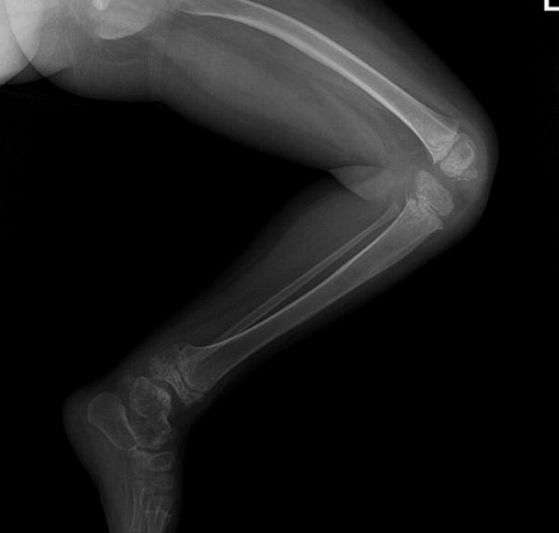
In Blount's disease, the _____ femoral condyle may sublux posteromedially (into the depressed medial tibial plateau) at 10-20 degrees of flexion. This is also called as Siffert-katz sign
#2
Absence of heel in CTEV shoes prevents _____
#3
What will be the presentation of a child with radial head subluxation?_____
#4
Hip fractures in the pediatric population are classified according to _____ classification
#5
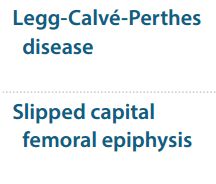
Which of the following usually occurs in children between 5-7 years old?
_____
#6
What is the pathogenesis of Perthe's disease?
_____
#7
Which of the following is associated with acute hip/knee pain and altered gait (outward facing toe gait)?
_____
#8
_____ disease is intraarticular epiphyseal osteochondromas.
#9
Which of the following usually occurs in children between 12-14 years old?
_____
#10
Which of the following is self-limited (~2-3 years)?
_____
Cerebral Palsy: Orthopaedic Aspects Indian Medical PG Flashcards - Medical Study Cards
Master Cerebral Palsy: Orthopaedic Aspects with OnCourse flashcards. These spaced repetition flashcards are designed for medical students preparing for NEET PG, USMLE Step 1, USMLE Step 2, MBBS exams, and other medical licensing examinations.
Flashcard 1: In Blount's disease, the _____ femoral condyle may sublux posteromedially (into the depressed medial tibial plateau) at 10-20 degrees of flexion. This is also called as Siffert-katz sign
Answer: medial
Flashcard 2: Absence of heel in CTEV shoes prevents _____
Answer: equinus
Flashcard 3: What will be the presentation of a child with radial head subluxation?_____
Answer: extended and pronated forearm
Flashcard 4: Hip fractures in the pediatric population are classified according to _____ classification
Answer: Delbet's
Flashcard 5: Which of the following usually occurs in children between 5-7 years old?
_____
Answer: Legg-Calve-Perthes
Flashcard 6: What is the pathogenesis of Perthe's disease?
_____
Answer:
Flashcard 7: Which of the following is associated with acute hip/knee pain and altered gait (outward facing toe gait)?
_____
Answer: Slipped Capital Femoral Epiphysis
Flashcard 8: _____ disease is intraarticular epiphyseal osteochondromas.
Answer: Trevor's
Flashcard 9: Which of the following usually occurs in children between 12-14 years old?
_____
Answer: Slipped Capital Femoral Epiphyses
Flashcard 10: Which of the following is self-limited (~2-3 years)?
_____