Pediatric Ophthalmology and Strabismus Indian Medical PG Flashcards - Medical Study Cards
Master Pediatric Ophthalmology and Strabismus with OnCourse flashcards. These spaced repetition flashcards are designed for medical students preparing for NEET PG, USMLE Step 1, USMLE Step 2, MBBS exams, and other medical licensing examinations.
Pediatric Ophthalmology and Strabismus Flashcard Deck - 140 Cards
Flashcard 1: Measurement of fusion reserve is done using a _____ or _____
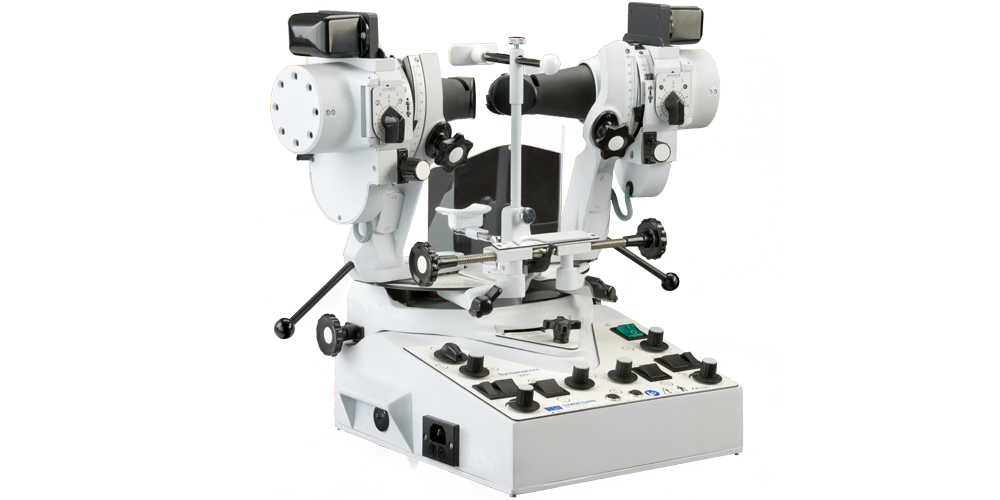
Answer: synoptophore
Flashcard 2: _____ test is used to approximate the angle of manifest deviation in strabismus by placement of prisms in front of the fixating eye until the corneal light reflections are symmetrical
Answer: Kimsky
Flashcard 3: Maddox tangent test is used to check for heterophoria for _____ vision
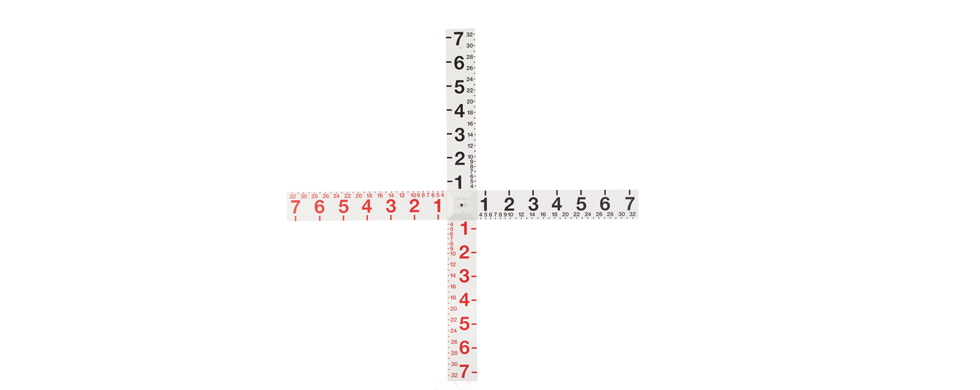
Answer: distance
Flashcard 4: Colobomas are an embryological defect that is caused when the _____ fails to close completely before the child is born
Answer: choroid fissure
Flashcard 5: Maddox wing test is used to check for heterophoria for _____ vision
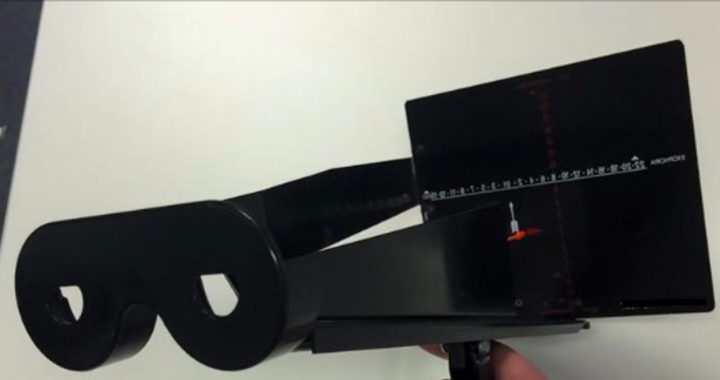
Answer: near
Flashcard 6: Anterior PHPV is _____ilateral and has a good prognosis
Answer: un
Flashcard 7: Measurement of fusion reserve is done using a _____ or prism bar
Answer: synoptophore
Flashcard 8: In _____, Worth's four dot test will show 2 red lights
Answer: Left supression (C)
Flashcard 9: Indication for enucleation in retinoblastoma is involvement of more than _____ of the retina, or involving the optic nerve or glaucoma (+) and anterior chamber involved
Answer: half
Flashcard 10: A newborn is usually _____ by +2D to +3D
Answer: hypermetropic
Flashcard 11: What are the ocular features of Goldenhar syndrome? (McD)M: _____C: Coloboma (upper lid or disc)D: Dermoids
Answer: Microphthalmos
Flashcard 12: Infantile squint maybe associated with dissociated _____ deviation (70%) and Latent horizontal nystagmus
Answer: vertical
Flashcard 13: In _____, Worth's four dot test will show 2 red and 3 green lights
Answer: Diplopia (E)
Flashcard 14: _____ are an embryological defect that is caused when the choroid fissure fails to close completely before the child is born
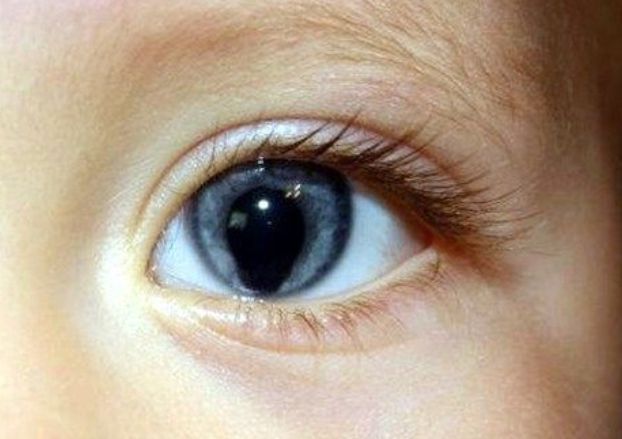
Answer: Colobomas
Flashcard 15: _____ squint in children is a complication of uncorrected long-standing hypermetropia.
Answer: Accommodative convergent
Flashcard 16: In _____, there is failure of innervation of the lateral rectus muscle by a hypoplastic sixth nerve nucleus, with anomalous innervation by fibres from the third nerve.
Answer: Duane s retraction syndrome (DRS)
Flashcard 17: Maddox _____ test is used to check for heterophoria for near vision
Answer: wing
Flashcard 18: _____ is an eye cancer associated with a white reflex, rather than the normal red reflex
Answer: Retinoblastoma
Flashcard 19: What is a screening test for retinoblastoma?_____ reflex testing with a direct ophthalmoscope
Answer: Red
Flashcard 20: Ocular diseases covered under RBSK are: Vitamin A deficiency, Congenital _____, Vision impairment and Retinopathy of prematurity
Answer: cataract
Flashcard 21: _____ Cover test differentiates apparent squint from a manifest squint.
Answer: Direct
Flashcard 22: In squint surgery, muscle resection leads to _____ of the muscle and can be used only for the rectus muscles
Answer: strengthening
Flashcard 23: In squint surgery, muscle recession leads to _____ of the muscle, and can be performed on any muscle except the superior oblique
Answer: weakening
Flashcard 24: ROP guidelines state that first examination should be performed between 4 and 6 weeks of postnatal age, or between _____ weeks of post-conceptional age, whichever is later
Answer: 31 33
Flashcard 25: In squint surgery, muscle advancement leads to _____ of the muscle, and is used most commonly for the rectus muscle
Answer: strengthening
Flashcard 26: Treatment is recommended within _____ hours for type 1 ROP by laser photocoagulation of peripheral avascular retina.
Answer: 48
Flashcard 27: The critical period for the development of the fixation reflex in both unilateral and bilateral visual deprivation disorders is _____ to 4 months of age.
Answer: 2
Flashcard 28: Algorithm for the management of accommodative esotropia is as follows:R: _____O: Orthoptics/Occlusion: for amblyopiaO: Operative correction for non-accommodative componentP: Prism correction for remaining error
Answer: Refractive correction: Glasses/Miotics
Flashcard 29: Brown s syndrome occurs due to fibrous tightening of the _____ tendon sheath, simulating a inferior oblique muscle palsy
Answer: superior oblique
Flashcard 30: _____ Cover test confirms the presence of manifest squint.
Answer: Direct
Flashcard 31: _____ is the most common type of squint seen in children around 2-3 years
Answer: Accommodative esotropia
Flashcard 32: VKC primarily affects _____, and the onset is generally from the age of 5 years
Answer: boys
Flashcard 33: What type of squint is infantile squint?_____ convergent squint
Answer: Concomitant
Flashcard 34: Incomitant squint can be _____ squint, restrictive squint or A and V pattern heterotropia
Answer: paralytic
Flashcard 35: In _____, Worth's four dot test will show 3 green lights
Answer: Right supression (D)
Flashcard 36: Ability to superimpose two incomplete but similar images is known as grade _____ of binocular vision, also called fusion
Answer: II
Flashcard 37: _____ disease in ROP signifies a tendency to progression and is characterized by the dilatation and tortuosity of blood vessels involving at least two quadrants of the posterior fundus.
Answer: Plus
Flashcard 38: In double-elevator palsy, the muscles paralyzed are _____ and inferior oblique
Answer: superior rectus
Flashcard 39: In the _____ test for squint, each millimeter of the deviation of the corneal light reflex from the centre of the pupil is approximately equal to 7.
Answer: Hirschberg
Flashcard 40: _____ is an eye complication associated with supplemental O2 therapy in NRDS patients (due to neovascularization)
Answer: Retinopathy of prematurity
Flashcard 41: In children , after aspirating the cataract, an elective _____ is performed and the PCIOL is inserted through a pre-prepared scleral tunnel
Answer: posterior capsulectomy anterior vitrectomy
Flashcard 42: Both _____ toxicity and relative hypoxia can contribute to the development of ROP.
Answer: oxygen
Flashcard 43: _____ is a condition in which the entire eye is small, with an axial length at least two standard deviations below the mean for age.
Answer: Microphthalmia
Flashcard 44: Maddox _____ test is used to check for heterophoria for distance vision
Answer: tangent
Flashcard 45: In squint surgery, muscle tucking leads to _____ of the muscle, and is used most commonly for the superior oblique muscle
Answer: strengthening
Flashcard 46: _____ striae are horizontal/circumferential breaks in Descemet s membrane seen in buphthalmos.
Answer: Haab s
Flashcard 47: _____ Cover test differentiates concomitant squint from a incomitant squint.
Answer: Alternate
Flashcard 48: _____ disease (or aggressive posterior ROP) is characterized by its posterior location, prominence of plus disease, and ill-defined nature of the retinopathy.
Answer: Rush
Flashcard 49: The angle of deviation in infantile esotropia is fairly _____ and relatively constant.
Answer: large (> 30)
Flashcard 50: Positive angle kappa: Pseudo_____otropia
Answer: ex (en/ex)
Flashcard 51: Congenital dacryocystitis is due to the stasis of secretions in the lacrimal sac due to congenital blockage in the _____.
Answer: nasolacrimal duct
Flashcard 52: In a incomitant squint, primary deviation is _____ secondary deviation.
Answer: less than
Flashcard 53: What is the rx of choice for a kid of age less than 9 months with congenital NLD obstruction?_____
Answer: Sac massage with Abx
Flashcard 54: In Type 1 Huber's classification, there is limitation of _____duction
Answer: aB
Flashcard 55: In Type 3 Huber's classification, there is limitation of _____duction
Answer: aDduction and aB
Flashcard 56: Accomodative esotropia (non-refractive type) is associated with an HIGH _____ ratio
Answer: accommodative convergence/accommodation (AC/A)
Flashcard 57: Cover uncover test is used to detect the presence of _____
Answer: heterophoria
Flashcard 58: Retinopathy of prematurity (ROP), previously known as retrolental fibroplasia, is a disease of the eye that affects _____ babies.
Answer: prematurely born
Flashcard 59: Most common type of exotropia is _____
Answer: primary exotropia
Flashcard 60: Penalization of normal eye in treatment of amblyopia can be done using _____
Answer: atropine
Flashcard 61: _____ refers to a partial reversible loss of vision in one or both eyes in the absence of any organic disease of ocular media, retina, and visual pathway.
Answer: Amblyopia
Flashcard 62: The ideal management of a patient with paralytic squint is to _____
Answer: wait and watch
Flashcard 63: What is the rx of choice for a kid of age 9 months to 4 years with congenital NLD obstruction?_____
Answer: Probing
Flashcard 64: What is the visual acuity of a newborn?_____
Answer: 6/60
Flashcard 65: Titmus test of picking wings of a fly is used to determine _____ in children
Answer: stereopsis
Flashcard 66: In unharmonious diplopia, false image is formed on the _____ side of the deviation
Answer: opposite
Flashcard 67: Anti-VEGF agents are only indicated for _____-ROP
Answer: AP
Flashcard 68: In _____, Coats' disease is typically diagnosed as a result of the recognition of poor vision, strabismus, or leukocoria.
Answer: children (demographic)
Flashcard 69: The cornea attains normal adult diameter by _____ years of age.
Answer: 2
Flashcard 70: _____ can be done for tractional retinal detachment in ROP, not involving the macula
Answer: Pars plana vitrectomy
Flashcard 71: In Maddox rod test (for the left eye), if the light is on the left side of the line, it is an _____-deviation
Answer: exo
Flashcard 72: Ipsilateral _____ causes pseudoptosis because the upper lid follows the globe downwards
Answer: hypotropia
Flashcard 73: What is the principle of Maddox rod?_____
Answer: Diplopic projection
Flashcard 74: Echothiophate used for non-refractive type of accomodative esotropia can lead to formation of _____
Answer: iris cyst
Flashcard 75: When the amount of deviation varies in different directions of gaze, it is said to be _____
Answer: incomitant
Flashcard 76: In _____, Worth's four dot test will show all 4 lights seen in the presence of manifest squint
Answer: ARC (B)
Flashcard 77: _____ procedure, also known as posterior fixation suture, is used commonly for weakening of muscle in squint sx
Answer: Faden
Flashcard 78: Non type 1 ROP is labelled _____ ROP
Answer: type 2
Flashcard 79: _____ is the most common presentation of a retinoblastoma
Answer: Leukocoria
Flashcard 80: In children between 2 and 8 years of age, the power of the IOL is undercorrected by _____%
Answer: 10
Flashcard 81: In a _____ Worth's four dot test: all 4 lights are seen
Answer: normal
Flashcard 82: _____ classification is used for Duane s retraction syndrome (DRS)
Answer: Huber's
Flashcard 83: _____ test is a subjective test used most commonly to test visual acuity in infants (who are unable to identify pictures or letters)
Answer: Preferential looking
Flashcard 84: The best line of treatment in accommodative esotropia is _____
Answer: refractive correction.
Flashcard 85: What is the treatment of choice for infantile squint (without an accomodative component)?_____
Answer: Surgery
Flashcard 86: _____ phenomenon is seen in amblyopia due to slipping of images
Answer: Crowding
Flashcard 87: Sclera in buphthalmos is _____
Answer: thin (thick/thin)
Flashcard 88: Intraocular pressure (IOP) is usually _____ in retinoblastoma
Answer: raised
Flashcard 89: In direct cover test, the _____ eye is covered
Answer: normal
Flashcard 90: _____ is the most common cause of ophthalmia neonatarum in developed countries.
Answer: Chlamydia
Flashcard 91: _____ Cover test reveals if the squint is unilateral or alternate.
Answer: Alternate
Flashcard 92: In children , power of the IOL is undercorrected by _____%
Answer: 20
Flashcard 93: In DRS, attempted _____duction will lead to retraction of globe
Answer: aD
Flashcard 94: Worth's four dot test is a _____ function test
Answer: sensory
Flashcard 95: Beyond 8 years of age the power of the IOL is undercorrected by _____%
Answer: 0
Flashcard 96: In ROP, concentric zones centered on the _____ are described.
Answer: optic disc
Flashcard 97: _____ squint is a condition in which the tendency of the eyes to deviate is kept latent by fusion
Answer: Latent
Flashcard 98: What is the ideal time for operating a bilateral congenital cataract?_____
Answer: 4-6 weeks
Flashcard 99: In Maddox rod test (for the left eye), if the light is on the right side of the line, it is an _____-deviation
Answer: eso
Flashcard 100: High dose vitamin E maybe used in the rx of _____ (ocular)
Answer: retrolental fibroplasia
Flashcard 101: By _____ months, macular stereopsis and accommodation reflex are fully developed.
Answer: 6
Flashcard 102: When repeated probing fails in dilation is done.
Answer: When repeated probing fails in dilation is done.
Flashcard 103: Optic nerve involvement in retinoblastoma is treated by _____
Answer: enucleation + adjuvant chemotherapy + radiotherapy
Flashcard 104: Age of onset of infantile squint is: _____ months
Answer: 1 to 2
Flashcard 105: Upper lid crease is _____ in congenital ptosis
Answer: absent
Flashcard 106: What type of lenses are preferred in pediatric aphakia/pseudophakia?_____
Answer: Executive bifocal
Flashcard 107: The most common indication for transposition is _____ muscle weakness.
Answer: lateral rectus
Flashcard 108: The most common site of a coloboma is the _____ quadrant of the iris
Answer: inferonasal
Flashcard 109: What is the most effective treatment of amblyopia?_____
Answer: occlusion of normal eye
Flashcard 110: Binocular single vision is tested by a _____.
Answer: synoptophore
Flashcard 111: _____ implantation of PCIOL is indicated in neonates and infants less than 1 year of age.
Answer: Sulcus
Flashcard 112: What is the rx of choice for a kid of age more than 4 years with congenital NLD obstruction?_____
Answer: DCR
Flashcard 113: In a concomitant squint, primary deviation is _____ secondary deviation.
Answer: equal to
Flashcard 114: Strabismic amblyopia is corrected before _____ years of age.
Answer: 8
Flashcard 115: Negative angle kappa: Pseudo_____otropia
Answer: es (es/ex)
Flashcard 116: _____ occurs because of failure of fetal vasculature to regress in the eye
Answer: Persistent hyperplastic primary vitreous (PHPV)
Flashcard 117: _____ is also known as retinopathy of prematurity.
Answer: Retrolental fibroplasia
Flashcard 118: _____ is a term given to conditions with signs similar to retinoblastoma
Answer: Pseudoglioma
Flashcard 119: Conjunctiva of the newborn does not produce follicles before _____ of age.
Answer: 2-3 months
Flashcard 120: In Type 2 Huber's classification, there is limitation of _____duction
Answer: aD
Flashcard 121: Levator function is usually _____ in congenital ptosis
Answer: poor (good/poor)
Flashcard 122: In harmonious diplopia, false image is formed on the _____ side of the deviation
Answer: same
Flashcard 123: In DRS, attempted _____duction will lead to widening of palpebral fissure
Answer: aB
Flashcard 124: Accommodative esotropia occurs due to overaction of _____ movement associated with accommodation reflex
Answer: convergence
Flashcard 125: Amblyopia develops in _____ % cases of infantile esotropia
Answer: 25-40
Flashcard 126: Forced duction test (FDT) is done to find out ocular muscle _____ vs squint due to the mechanical restriction of the ocular movements.
Answer: palsy
Flashcard 127: _____ is the second most common presentation of a retinoblastoma
Answer: Squint
Flashcard 128: There are _____ cardinal positions of gaze.
Answer: six
Flashcard 129: Zone _____ in ROP, consists of a residual temporal crescent anterior to zone II
Answer: III
Flashcard 130: Zone _____ in ROP, extends from the centre of the disc to the nasal ora serrata
Answer: II
Flashcard 131: _____ test is used to approximate the angle of manifest deviation in strabismus by placement of prisms in front of the fixating eye until the corneal light reflections are symmetrical
Answer: Kimsky
Flashcard 132: In A or V pattern heterotropia, _____ muscle dysfunction is the commonest
Answer: oblique
Flashcard 133: Intraocular pressure (IOP) is usually _____ in pseudoglioma
Answer: lowered
Flashcard 134: A "A" pattern is said to be significant when the difference between upgaze and downgaze is e_____ .
Answer: 10
Flashcard 135: A unilateral cataract is more dangerous than a bilateral cataract because the risk of _____ is greater.
Answer: amblyopia
Flashcard 136: A "V" pattern is said to be significant when the difference between upgaze and downgaze is e_____ .
Answer: 15
Flashcard 137: Treatment for type 2 ROP is _____
Answer: observation for progression
Flashcard 138: _____ is the most common cause of ophthalmia neonatarum in developing countries.
Answer: Gonorrhoea
Flashcard 139: What is the ideal time for operating a unilateral congenital cataract or involving visual axis?_____
Answer: urgent sx within days
Flashcard 140: _____ is the most common primary intraocular malignancy in children.
Answer: Retinoblastoma
Keywords: Pediatric Ophthalmology and Strabismus flashcards, medical flashcards, NEET PG preparation, USMLE Step 1 flashcards, Anki alternative, spaced repetition medical, OnCourse flashcards