Diplopia is _____ is Chronic Progressive External Ophthalmoplegia
#2
_____ test is used to differentiate between the disease involving the macula and optic nerve.
#3
The clinical distinction between a cavernous sinus syndrome and an orbital apex syndrome is made by the dysfunction of the _____ nerve.
#4
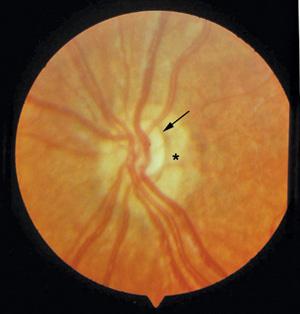
_____ sign is seen in optic nerve hypoplasia
#5
Paralytic ectropion is caused by ipsilateral _____ palsy
#6
Simultaneous lesion in both sympathetic and parasympathetic supply of the eye leads to _____-sized pupil that doesn t react to light.
#7
Weakness of _____, mainly seen when the eye is adducted, is seen with superior oblique palsy
#8
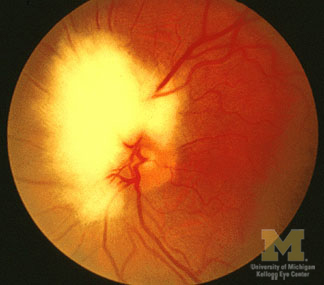
_____ is a condition of abnormal myelination of the nerve fibers of the retina, where myelination continues beyond lamina cribrosa and spreads into the retina beyond the optic disc.
#9
_____ is a condition of abnormal myelination of the nerve fibers of the retina, where myelination continues beyond lamina cribrosa and spreads into the retina beyond the optic disc.
#10
_____ sign is seen in optic nerve hypoplasia
Cranial Nerve Palsies Indian Medical PG Flashcards - Medical Study Cards
Master Cranial Nerve Palsies with OnCourse flashcards. These spaced repetition flashcards are designed for medical students preparing for NEET PG, USMLE Step 1, USMLE Step 2, MBBS exams, and other medical licensing examinations.
Cranial Nerve Palsies Flashcard Deck - 10 Cards
Flashcard 1: Diplopia is _____ is Chronic Progressive External Ophthalmoplegia
Answer: rare (common/rare)
Flashcard 2: _____ test is used to differentiate between the disease involving the macula and optic nerve.
Answer: Photostress
Flashcard 3: The clinical distinction between a cavernous sinus syndrome and an orbital apex syndrome is made by the dysfunction of the _____ nerve.
Answer: optic
Flashcard 4: _____ sign is seen in optic nerve hypoplasia
Answer: Double-ring
Flashcard 5: Paralytic ectropion is caused by ipsilateral _____ palsy
Answer: facial nerve
Flashcard 6: Simultaneous lesion in both sympathetic and parasympathetic supply of the eye leads to _____-sized pupil that doesn t react to light.
Answer: mid
Flashcard 7: Weakness of _____, mainly seen when the eye is adducted, is seen with superior oblique palsy
Answer: depression
Flashcard 8: _____ is a condition of abnormal myelination of the nerve fibers of the retina, where myelination continues beyond lamina cribrosa and spreads into the retina beyond the optic disc.
Flashcard 9: _____ is a condition of abnormal myelination of the nerve fibers of the retina, where myelination continues beyond lamina cribrosa and spreads into the retina beyond the optic disc.