Hypertensive encephalopathy is characterized by a _____ headache and nausea / vomiting followed by nonlocalizing neurologic symptoms
#2
Cluster headaches generally last from _____ to 3 hours
#3
Which form of trigeminal autonomic cephalalgia is triggered by touch?_____
#4
In which type of headaches do patients tend to remain motionless?_____
#5
_____ headaches may be associated with headache free intervals for as long as 1-2 years
#6
Which form of trigeminal autonomic cephalalgia lasts for 2-30 mins?_____
#7
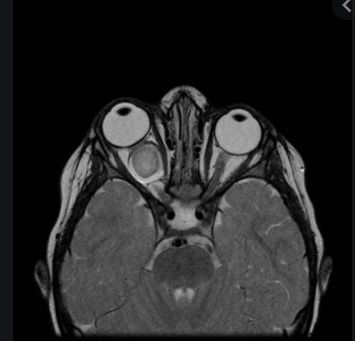
Optic nerve glioma (15–40%), a pilocytic astrocytoma, is commonly seen in _____
Hint: inherited condition
#8
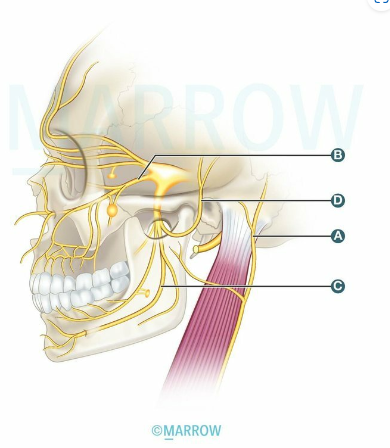
_____ nerve marked as "D" is involved in Frey's syndrome
#9
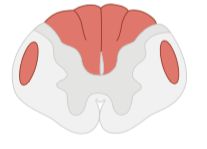
What disease is associated with this spinal cord lesion?
_____
#10
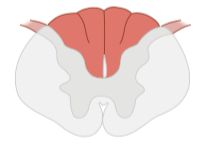
What disease is associated with this spinal cord lesion?
_____
Headache Disorders Indian Medical PG Flashcards - Medical Study Cards
Master Headache Disorders with OnCourse flashcards. These spaced repetition flashcards are designed for medical students preparing for NEET PG, USMLE Step 1, USMLE Step 2, MBBS exams, and other medical licensing examinations.
Headache Disorders Flashcard Deck - 10 Cards
Flashcard 1: Hypertensive encephalopathy is characterized by a _____ headache and nausea / vomiting followed by nonlocalizing neurologic symptoms
Answer: progressive
Flashcard 2: Cluster headaches generally last from _____ to 3 hours
Answer: 15 minutes
Flashcard 3: Which form of trigeminal autonomic cephalalgia is triggered by touch?_____
Answer: SUNCT/SUNA
Flashcard 4: In which type of headaches do patients tend to remain motionless?_____
Answer: Migraine
Flashcard 5: _____ headaches may be associated with headache free intervals for as long as 1-2 years
Answer: Cluster
Flashcard 6: Which form of trigeminal autonomic cephalalgia lasts for 2-30 mins?_____
Answer: Paroxysmal hemicrania
Flashcard 7: Optic nerve glioma (15–40%), a pilocytic astrocytoma, is commonly seen in _____
Answer: neurofibromatosis type 1
Flashcard 8: _____ nerve marked as "D" is involved in Frey's syndrome
Answer: Auriculotemporal
Flashcard 9: What disease is associated with this spinal cord lesion?
_____