Infectious Diseases Indian Medical PG Flashcards - Medical Study Cards
Master Infectious Diseases with OnCourse flashcards. These spaced repetition flashcards are designed for medical students preparing for NEET PG, USMLE Step 1, USMLE Step 2, MBBS exams, and other medical licensing examinations.
Infectious Diseases Flashcard Deck - 118 Cards
Flashcard 1: a case of kala azar is defined as
Answer: fever>2 weeks +
splenomegaly+
RDT or biopsy positive
Extra:
Flashcard 2: TB patient becomes 95% non infective within _____ of treatment
Answer: 2 weeks
Extra:
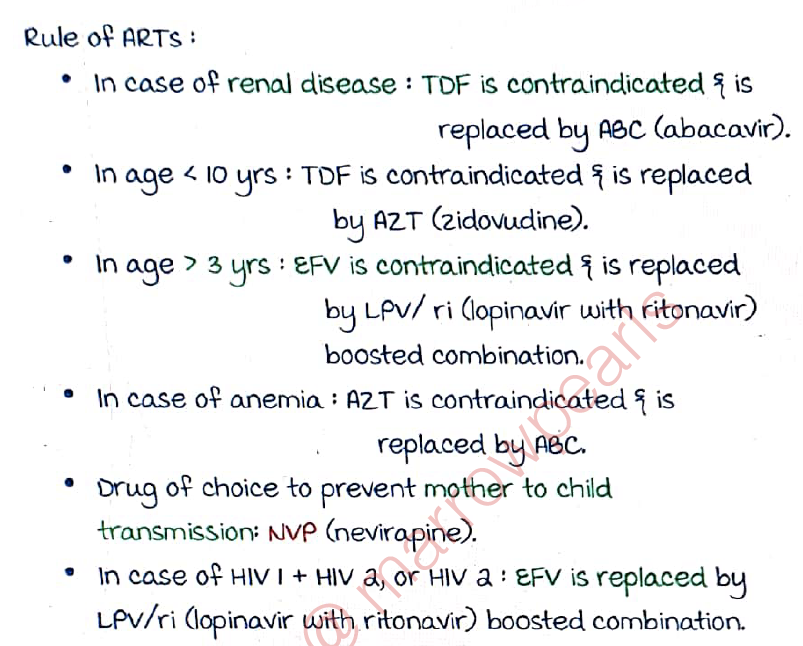
Flashcard 3: 5c341ef5ff5d429098121a2448710a0a-ao-3
Answer: rules of HART in HIV
Extra:
Flashcard 4: _____% of Hep C cases are subclinical
Answer: 80-90
Extra:
Flashcard 5: 5c341ef5ff5d429098121a2448710a0a-ao-1
Answer: rules of HART in HIV
Extra:
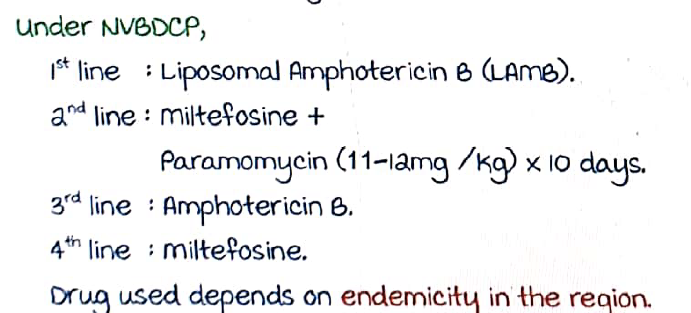
Flashcard 6: 88b9ebddad914b6188296ad71113c2a0-ao-2
Answer: line of treatment of kala azar
Extra:
Flashcard 7: 2beac1d544f14e59a1ee5f0f3ac533f4-ao-2
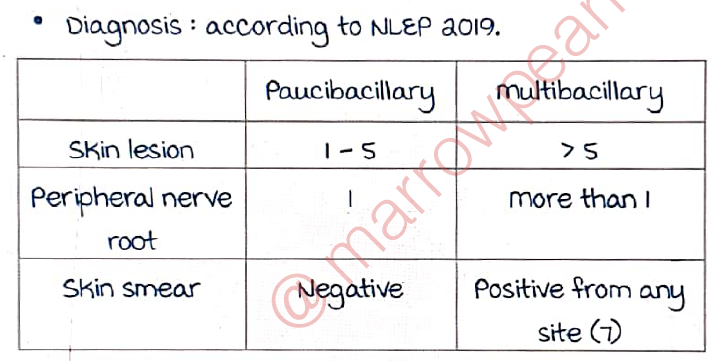
Answer: paucibacillary vs multibacillary leprosy
Extra:
Flashcard 8: 5c341ef5ff5d429098121a2448710a0a-ao-4
Answer: rules of HART in HIV
Extra:
Flashcard 9: _____ is indication for cotrimoxazole prophylaxis is in adult/pregnant HIV
Answer: CD4<350
Extra:
Flashcard 10: 5c341ef5ff5d429098121a2448710a0a-ao-2
Answer: rules of HART in HIV
Extra:
Flashcard 11: rash starting from axillary folds is seen in _____
Answer: epidemic typhus
Extra:
Flashcard 12: IP of malaria is always >_____ days
Answer: 10
Extra:
Flashcard 13: 5c341ef5ff5d429098121a2448710a0a-ao-5
Answer: rules of HART in HIV
Extra:
Flashcard 14: incubation period of hep B virus is _____
Answer: 30-180 days
Extra:
Flashcard 15: contraindications for TB preventive therapy are
Answer: hepatitis
known contacts of MDR TB
patients showing symptoms
not contraindicated in HIV immunocompromised
Extra:
Flashcard 16: 88b9ebddad914b6188296ad71113c2a0-ao-1
Answer: line of treatment of kala azar
Extra:
Flashcard 17: TB regimen in liver disease
Answer: 18-24 months of SQE
2 months of SHE and 10 months of HE
Extra:
Flashcard 18: IOC for TB in HIV patients is _____
Answer: CBNAAT
Extra:
Flashcard 19: c12647b13c994b8b80e4c749a22faaf4-ao-2
Answer: rabies reexposure prophylaxis-MCQ AIIMS 19
Extra:
Flashcard 20: 5c341ef5ff5d429098121a2448710a0a-ao-6
Answer: rules of HART in HIV
Extra:
Flashcard 21: Candida albicans that extends from the mouth to the esophagus is known as _____, which is an AIDS-defining illness
Answer: candidal esophagitis
Flashcard 22: Common infectious causes of acute prostatitis in older adults include _____ and Pseudomonas
Answer: E. coli
Flashcard 23: Epstein-Barr Virus is associated with fever, _____-erior cervical lymphadenopathy, pharyngitis, and hepatosplenomegaly.
Answer: post
Flashcard 24: Stage _____ HIV is also known as AIDS, with a CD4+ count < 200
Answer: 4
Flashcard 25: _____ syndrome will present with fever, shock (hypo-tension) and a diffuse red rash
Answer: Toxic Shock
Flashcard 26: _____ prophylaxis for Mycobacterium avium complex should be started with CD4+ counts < 50
Answer: Azithromycin
Flashcard 27: Cryptococcus is an _____ infection, with most symptoms occuring in immuno-compromised patients(ie: HIV+ patients, those with malignancies, high-dose steroid therapy, etc.)
Answer: opportunistic
Flashcard 28: _____ E. coli can result in glomerular damage and thus hemolytic uremic syndrome (HUS)
Answer: Enterohemorrhagic
Flashcard 29: A distinguishing serologic feature of chronic hepatitis _____ is the presence in the circulation of antibodies to liver-kidney microsome (anti-LKM1).
Answer: C
Flashcard 30: _____ is the most common cause of osteomyelitis in patients with sickle cell disease
Answer: Salmonella typhi
Flashcard 31: Opportunistic infections with _____ are seen with Hyper-IgM syndrome, most commonly caused by a defective CD40L
Answer: Cryptosporidium
Flashcard 32: HCV is associated with _____, which are IgM immunoglobulins that precipitate out of the blood at cool temperatures
Answer: cryoglobulins
Flashcard 33: Stage _____ HIV is characterized by clinical latency. CD4+ count drops to < 500
Answer: 2
Flashcard 34: ICU inpatients of community acquired pneumonia are treated with:_____ + azithromycin or fluoroquinolone
Answer: -lactam
Flashcard 35: _____ caused by Coxiella burnetti is associated with hepatitis, interstitial pneumonia and culture-negative endocarditis (visceral complications)
Answer: Q fever
Flashcard 36: The prodrome (onset) of HIV consists of flu or _____-like symptoms with cervical lymphadenopathy and fever
Answer: mono
Flashcard 37: What is the treatment (2) for Chagas Disease (Trypanosoma cruzi)?_____, Benznidazole
Answer: Nifurtimox
Flashcard 38: Vibrio cholerae causes profuse _____ diarrhea with visible flakes of mucous and epithelial cells
Answer: watery
Flashcard 39: _____ and varicella are live vaccines that can be given to HIV patients with CD4 counts > 200/mm3
Answer: MMR
Flashcard 40: Klebsiella can also cause pyogenic _____ and lung abscesses (organs)
Answer: liver
Flashcard 41: Asplenic sickle cell disease patients are commonly infected with _____ and Haemophilus influenzae
Answer: Streptococcus pneumoniae
Flashcard 42: Enterococcus spp. can result in _____, subacute endocarditis, and biliary tree infections
Answer: UTIs
Flashcard 43: _____ is generally preceded by group A strep pharyngitis and NOT GAS skin infections (impetigo).
Answer: Rheumatic fever
Flashcard 44: Treatment of Tularemia includes _____ and gentamicin
Answer: streptomycin
Flashcard 45: List of pathogens that can cause endocarditis in IVDUs:_____Candida albicans
Answer: Staphylococcus aureus
Flashcard 46: Common infectious causes of orchitis in young adults include _____ and Neisseria gonorrhoeae
Answer: Chlamydia trachomatis (D-K)
Flashcard 47: The foul-smelling diarrhea seen in a _____ infection is due to steatorrhea* (fatty diarrhea)
Answer: Giardia
Flashcard 48: If a previously healthy patient with CAP has not received any antibiotics in the past _____ months, a course of macrolide or doxycycline is given
Answer: 3
Flashcard 49: Common infectious causes of orchitis in older adults include _____ and Pseudomonas
Answer: E. coli
Flashcard 50: Babesiosis can cause _____, which results in hemoglobinuria and jaundice
Answer: hemolytic anemia
Flashcard 51: Mycobacterium _____ is a non-TB disease that causes disseminated infection in the late stages of AIDS
Answer: avium complex
Flashcard 52: Because of splenomegaly, patients with _____ are advisedto avoid contact sports (ie: football) for danger of splenic rupture
Answer: mononucleosis (EBV)
Flashcard 53: _____ are susceptible to acute bacterial endocarditis of the tricuspid valve from staphylococcus aureus
Answer: IV drug users
Flashcard 54: Nocardia can present with _____-like symptoms and cavitary lesions in the lungs
Answer: pneumonia
Flashcard 55: _____ and Colitis are GI complications that are often seen alongside CMV Retinitis in immunosuppressed patients.
Answer: Esophagitis
Flashcard 56: Individuals who are _____ will have a herpes zoster (shingles) rash that crosses midline and should be tested for HIV
Answer: immunocompromised
Flashcard 57: Stage _____ HIV is characterized by recurrent bacterial infections. CD4+ count drops to < 350
Answer: 3
Flashcard 58: In _____, Leptospira interrogans travels through the blood, causing dysfunction in the kidneys and liver
Answer: Weil's disease
Flashcard 59: Cryptococcal meningoencephalitis has a(n) _____ course that occurs over a period of one to two weeks. The most common symptoms are fever, malaise, and headache.
Answer: indolent
Flashcard 60: Histoplasmosis prophylaxis in HIV/AIDS patients is started at CD4+ counts < _____, using itraconazole
Answer: 150
Flashcard 61: Klebsiella can be remembered by its "three A's"; _____, aspiration and abscesses
Answer: alcoholics
Flashcard 62: _____ due to Legionella pneumophila is characterized by a lobar* pneumonia
Answer: Legionnaires' disease
Flashcard 63: Paths of Progression after Primary Mycobacteria tuberculosis infection: _____ infection, which occurs by reactivated infection due to immunosuppression (HIV, old age, cancer, etc)
Answer: secondary
Flashcard 64: Babesiosis has a worse presentation in _____ patients, which commonly results from sickle cell disease
Answer: asplenic
Flashcard 65: Giardia (parasite) commonly presents with bloating, _____ and foul-smelling diarrhea
Answer: flatulence
Flashcard 66: _____ due to Bartonella henselae presents with axillary or cervical lymphadentitis
Answer: Cat scratch fever
Flashcard 67: Cystitis is characterized by _____ urine with > 10 WBCs/hpf (urinalysis)
Answer: cloudy
Flashcard 68: _____ syphilis can present with aortitis, particularly of the ascending thoracic aorta
Answer: Tertiary
Flashcard 69: _____ is a virus that can cause acute bronchitis, eventually leading to ARDS (acute respiratory distress syndrome)
Answer: Coronavirus
Flashcard 70: What are the indications for percutaneous aspiration in amoebic liver abscess? (5)-Large abscesses (>_____ cm)-Lack of response to medical therapy (in 5 days)-Suspicion of superinfection-Abscesses of the left lobe of the liver at risk for rupture into the pericardium-Uncertain diagnosis
Answer: 5
Flashcard 71: _____ and diabetic patients are especially susceptible to Mucormycosis infections
Answer: Immuno-compromised (ie: those on glucocorticoids, HIV+/AIDS)
Flashcard 72: _____ caused by Legionella pneumophila is associated with low blood Na+ (hyponatremia)
Answer: Legonnaires' disease
Flashcard 73: _____ infection is characterized by a thick mucoid capsule that results in gelatinous, 'currant jelly' sputum
Answer: Klebsiella pneumoniae
Flashcard 74: In immunocompromised individuals with Cryptosporidium infection, anti-_____ therapy should be initiated since CD4 counts greater than 100 are associated with complete resolution of symptoms.Nitazoxanide can be used for immunocompromised patients if CD4 recovery is slow and symptoms are severe.
Answer: retroviral
Flashcard 75: _____ is a CNS protozoal infection that presents with brain abscesses in HIV patients; seen as ring-enhancing brain lesions on CT/MRI.
Answer: Toxoplasmosis
Flashcard 76: _____ pneumonia is an AIDS-defining illness that presents with a CD4+ count < 200
Answer: Pneumocystis
Flashcard 77: _____ pupil is a complication of Tertiary syphilis where the eye accommodates to near objects but does NOT react to light.
Answer: Argyll-Robertson
Flashcard 78: Secondary bacterial pneumonia is typically _____, Haemophilus influenzae, or Strep pneumo superimposed on Influenza
Answer: Staph aureus
Flashcard 79: Patients with _____ disease and asplenic patients are at a high risk of infection of Neisseria meningitidis
Answer: sickle cell
Flashcard 80: _____ therapy and Amphotericin B have been reported to be effective for the treatment of chronic mucocutaneous candidiasis.
Answer: Transfer factor
Flashcard 81: _____ leishmaniasis can present with pancytopenia (blood complication)
Answer: Visceral
Flashcard 82: Patients can become at increased risk for infections with vibrio vulnificus in the setting of _____ and chronic liver disease
Answer: achlorhydria
Flashcard 83: Are zoster lesions infectious or not?_____
Answer: infectious
Flashcard 84: Most common cause of chronic hepatitis (prevalence) is hepatitis _____
Answer: B
Flashcard 85: In patients with toxoplasmosis, ART can be started _____ weeks after treatment of toxoplasmosis and when patient is stabilized
Answer: 6
Flashcard 86: Screening of patients with CMV with low CD4 counts: _____ if levels are >100/l
Answer: yearly
Flashcard 87: Candida or Aspergillus lung infections are an _____ cause of post-HSCT infection
Answer: early
Flashcard 88: Cryptococcal meningitis is an AIDS-defining opportunistic fungal CNS infection that generally occurs in untreated patients, with CD4+ T cell counts
Answer: Cryptococcal meningitis is an AIDS-defining opportunistic fungal CNS infection that generally occurs in untreated patients, with CD4+ T cell counts
Flashcard 89: Most common cause of acute viral hepatitis, leading to chronic hepatitis is hepatitis _____
Answer: C
Flashcard 90: Weingarten syndrome is also known as _____
Answer: tropical eosinophilia
Flashcard 91: Screening of patients with CMV with low CD4 counts: _____-monthly if levels are
Answer: 3
Flashcard 92: A patient of dengue hemorrhagic fever can be discharged if there is absence of fever for at least _____ hours without the use of antipyretic drugs
Answer: 24
Flashcard 93: BK virus and disseminated Candida, Aspergillus or EBV are a(n) _____ cause of post-HSCT infection
Answer: middle
Flashcard 94: The most useful laboratory evaluation in patients of amoebic liver abscess is the presence of _____
Answer: circulating antibodies
Flashcard 95: Screening of patients with CMV with low CD4 counts: _____-monthly if levels are 50-100/l
Answer: 6
Flashcard 96: Most common cause of late (>12 months) prosthetic valve endocarditis after replacement is?_____
Answer: Streptococci
Flashcard 97: Delayed anastomotic bleeding in a patient with renal transplant is highly suggestive of _____ infection
Answer: Candida
Flashcard 98: If the HCW is previously infected/treated and the source is HbsAg +ve, what is the next step?_____
Answer: no rx
Flashcard 99: What is the treatment of pyelephlebitis?_____
Answer: systemic antibiotics and percutaneous drainage of hepatic abscesses as appropriate
Flashcard 100: In patients with CMV retinitis, ART can be started _____ weeks after treatment of CMV
Answer: 2
Flashcard 101: What is the most common trigger for hemophagocytic lymphohistiocytosis?_____
Answer: EBV infection
Flashcard 102: Which Hepatitis B marker will always be present in a patient's serum, after recovery, even during recurrences or development of chronic hepatitis?_____
Answer: Anti-Hbc IgG
Flashcard 103: EBV positive mucocutaneous ulcer is a circumscribed ulcer involving oropharyngeal mucosa, skin, or GIT in immuno_____ patients
Answer: compromised
Flashcard 104: Clostridium difficile and HSV are an _____ cause of post-HSCT infection
Answer: early
Flashcard 105: Is systemic toxicity common in a patient of amoebic liver abscess?_____
Answer: No
Flashcard 106: After treatment of Whipple's disease, patients should be followed up for a year atleast with duodenal biospies and _____ PCR analysis
Answer: CSF
Flashcard 107: In dengue indication of platelet transfusion include presence of bleeding manifestation or platelet count less than _____/microL
Answer: 10,000
Flashcard 108: In which opportunistic infections can ART be started immediately?_____
Answer: MAC, cryptosporidiosis, microsporidiosis and PML
Flashcard 109: The most common clinical course seen in hepatitis C infection is _____ state
Answer: chronic carrier
Flashcard 110: The most common infectious cause of aplastic anemia is _____
Answer: Non-A Non-B Non-C hepatitis
Flashcard 111: JC virus and gastrointestinal EBV infection are a(n) _____ cause of post-HSCT infection
Answer: late
Flashcard 112: Ty21a vaccine can be administered in an HIV-positive asymptomatic patient as long as the CD4+ count is >_____/ cubic mm.
Answer: 200
Flashcard 113: In Escherichia coli and streptococcal pyelonephritis, the urine is _____
Answer: acidic (acidic/alkaline)
Flashcard 114: The first line of treatment for Isospora diarrhoea condition is _____.
Answer: cotrimoxazole
Flashcard 115: Whipple's disease is best treated with _____ + _____.
Answer: Ceftriaxone/Meropenem; TMP-SMX
Flashcard 116: The first line in the management of Cryoglobulinemic vasculitis is to _____
Answer: treat underlying Hepatitis C infection
Flashcard 117: _____ syndrome is septic thrombophlebitis of the internal jugular vein.
Answer: Lemierre
Flashcard 118: What is the treatment of choice for decompensated cirrhosis in Hepatitis-B infection? _______
Answer: Tenofovir
Keywords: Infectious Diseases flashcards, medical flashcards, NEET PG preparation, USMLE Step 1 flashcards, Anki alternative, spaced repetition medical, OnCourse flashcards