Gastroenterology Indian Medical PG Flashcards - Medical Study Cards
Master Gastroenterology with OnCourse flashcards. These spaced repetition flashcards are designed for medical students preparing for NEET PG, USMLE Step 1, USMLE Step 2, MBBS exams, and other medical licensing examinations.
Gastroenterology Flashcard Deck - 211 Cards
Flashcard 1: A- _____- Continuous involvement
B - _____ - Cobblestone appearence
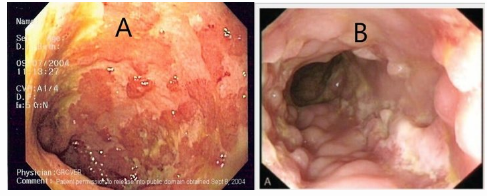
Answer: Ulcerative colitis
Flashcard 2: Toxic megacolon is defined as the dilatation of the transverse colon to a diameter of more than _____ cm
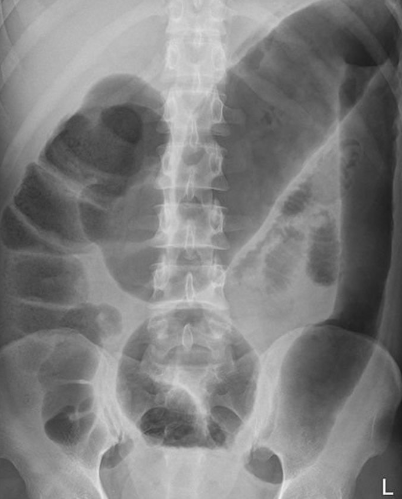
Answer: 6
Flashcard 3: One cause of vitamin _____ deficiency is (SIBO) small intestinal bacterial overgrowth
Answer: B12
Flashcard 4: Zollinger-Ellison syndrome is characterized by acid hypersecretion, causing recurrent _____ in the duodenum and jejunum
Answer: ulcers
Flashcard 5: What are the major causes of chronic pancreatitis in adults? _____ and genetic predisposition (ex. Cystic Fibrosis)
Answer: Alcohol
Flashcard 6: Ulcerative colitis always involves the _____ and can extend proximally up to the cecum
Answer: rectum
Flashcard 7: Discriminant function (DF), also known as _____ score is calculated using prothrombin time and bilirubin level
Answer: Maddrey
Flashcard 8: The causes of _____ may be remembered with the mnemonic "I GET PP SMASHED":I: Idiopathic G: Gallstones E: Ethanol T: Trauma (e.g. automobile accident in children - seatbelt injury)P: Posterior duodenal ulcer rupture P: Pancreas DivisumS: SteroidsM: MumpsA: Autoimmune diseaseS: Scorpion sting H: HYPERcalcemia or Hypertriglyceridemia/HyperchylomicronemiaE: ERCP (endoscopic retrograde cholangiopancreatography)D: Drugs (e.g. sulfa drugs, NRTIs, protease inhibitors)
Answer: acute pancreatitis
Flashcard 9: The first line mx of short bowel syndrome is the use of _____ and bile acid sequesterants
Answer: PPIs
Flashcard 10: In high resolution esophageal manometry, pressure sensors are no more than _____ cm apart and are upto 36 in number
Answer: 1
Flashcard 11: _____ is the presence of gallstones in the common bile duct, often leading to elevated ALP, GGT, direct bilirubin, and/or AST/ALT
Answer: Choledocholithiasis
Flashcard 12: Physiological test for pancreatic _____ocrine insufficiency is done using a test meal, called as Lundh test
Answer: ex
Flashcard 13: Two types of sphincter of Oddi dysfunction are: _____ SOD and Pancreatic SOD
Answer: Biliary
Flashcard 14: One criteria for diagnosis of acute pancreatitis is increased serum _____ or lipase
Answer: amylase
Flashcard 15: _____ classification system is used for chronic pancreatitis and pancreatic exocrine insufficiency.
Answer: TIGAR-O
Flashcard 16: Gastric pH below _____ and a serum gastrin concentration above 1000 pg/mL confirms the diagnosis of ZES
Answer: 2.5
Flashcard 17: Pressurization of oesophagus with _____ amplitude wave forms is seen in achalasia cardia
Answer: low
Flashcard 18: _____ (IBD) is characterized by skip lesions, which can occur anywhere from the mouth to the anus
Answer: Crohn disease
Flashcard 19: Chicago type _____ (spastic achalasia): It is characterised by massive, simultaneous, high-pressure contractions of the distal esophagus
Answer: III
Flashcard 20: One criteria for diagnosis of acute pancreatitis is acute _____ abdominal pain that radiates to the back
Answer: epigastric
Flashcard 21: Esophageal strictures are associated with _____ and GERD
Answer: caustic ingestion
Flashcard 22: What two factors determine if a patient with hepatitis C infection should be treated & what the treatment regimen should be? _____ and the stage of liver disease (i.e. liver fibrosis)
Answer: HCV genotype
Flashcard 23: Achlorhydria can result in abdominal discomfort, diarrhea, malabsorption, _____ anemia and infections by vibrio species
Answer: iron deficiency
Flashcard 24: A- _____- Continuous involvementB - Crohn's - Cobblestone appearence
Answer: Ulcerative colitis
Flashcard 25: _____ in acute pancreatitis is scored using the Marshall or SOFA systems
Answer: Organ failure
Flashcard 26: _____ (IBD) may be associated with positive serum p-ANCA more commonly
Answer: Ulcerative colitis
Flashcard 27: Best investigation for diagnosing _____ in the GI tract is a rectal biopsy.
Answer: amyloidosis
Flashcard 28: _____ cholangitis is associated with p-ANCA antibody
Answer: Primary sclerosing
Flashcard 29: Individuals with H. pylori who are taking _____ may have a false-negative urease test
Answer: proton-pump inhibitors (PPI)
Flashcard 30: Modified Glasgow score of e_____ in first 48hrs is predictive of acute pancreatitis
Answer: 3
Flashcard 31: Lactase deficiency may present with _____ and bloating due to anaerobic fermentation of undigested lactose
Answer: flatulence
Flashcard 32: _____ ulcers present with epigastric pain that improves with meals
Answer: Duodenal
Flashcard 33: Diverticulosis is related to wall _____ (e.g. constipation, straining, low fiber diet) and obesity
Answer: stress (pulsion diverticulosis)
Flashcard 34: In addition to its use as an osmotic laxative, _____ may be used in the treatment of hepatic encephalopathy
Answer: lactulose
Flashcard 35: _____ ulcers present with epigastric pain that worsens with meals
Answer: Gastric
Flashcard 36: _____ (IBD) may be associated with positive serum anti-Saccharomyces cervisiae antibodies (ASCA)
Answer: Crohn disease
Flashcard 37: Ischemic colitis usually occurs at the _____ flexure (griffith's point), which is the watershed area of the SMA and the IMA
Answer: splenic
Flashcard 38: Ischemic colitis presents with _____-prandial abdominal pain followed by hematochezia
Answer: post
Flashcard 39: Portal hypertension may be caused by vascular obstruction, such as portal vein _____ and Budd-Chiari syndrome
Answer: thrombosis
Flashcard 40: _____ is diagnosed by paracentesis with ascitic fluid absolute neutrophil count > 250 cells/mm3
Answer: Spontaneous bacterial peritonitis
Flashcard 41: Spontaneous bacterial peritonitis is commonly caused by aerobic, gram negative organisms, especially _____ and Klebsiella
Answer: E. coli
Flashcard 42: Risk for colorectal cancer development from IBD is based on extent of _____ involvement and duration of disease
Answer: colonic
Flashcard 43: _____ (IBD) is associated with the 'lead pipe' sign on imaging, secondary to loss of haustra
Answer: Ulcerative colitis
Flashcard 44: Complications associated with _____ (IBD) include gallstones and calcium oxalate nephrolithiasis
Answer: Crohn disease
Flashcard 45: Trans_____ or transduodenal fine-needle aspiration cytology (FNAC) or Trucut biopsy performed under endoscopic ultrasound guidance is the best way to obtain tissue for diagnosis in pancreatic carcinoma
Answer: gastric
Flashcard 46: Neuropsychiatric symptoms of cirrhosis include hepatic _____ and asterixis ("flapping tremor")
Answer: encephalopathy
Flashcard 47: -blockers are useful in the prophylactic management of variceal bleeding by decreasing the hepatic _____ gradient and portal hypertension
Answer: venous pressure
Flashcard 48: Patients can improve symptoms of dumping syndrome by avoiding _____ meals and have low dietary intake of simple sugars
Answer: large
Flashcard 49: _____ (IBD) is Th2 mediated
Answer: Ulcerative colitis
Flashcard 50: A perimenopausal female presenting with fatigue, pruritus, elevated _____ & ALP, and antimitochondrial antibody positivity points to a diagnosis of primary biliary cholangitis (PBC).
Answer: GGT
Flashcard 51: _____calcemia and hypoalbuminemia are complications of acute pancreatitis
Answer: Hypo
Flashcard 52: _____ syndrome is diagnosed with a positive secretin stimulation test
Answer: Zollinger-Ellison
Flashcard 53: In developed countries, hepatic abscesses have a _____ incidence and are caused by bacterial infection in 80% of cases
Answer: low
Flashcard 54: Conditions that can lead to achlorhydria include chronic _____ or antacid use, menetrier disease, sjogren syndrome, atrophic gastritis, and VIPomas (WDHA syndrome)
Answer: PPI
Flashcard 55: _____ syndrome is caused by a gastrinoma of the pancreas (non- cells) or duodenum
Answer: Zollinger-Ellison
Flashcard 56: Diffuse esophageal spasms are treated with _____ and/or calcium channel blockers.
Answer: nitrates
Flashcard 57: Complications of diverticulosis include _____ rectal bleeding (hematochezia)
Answer: painless
Flashcard 58: Esophageal _____ are a common cause of death in patients with cirrhosis
Answer: varices
Flashcard 59: Portal _____ may lead to portosystemic shunts, which can result in esophageal varices, gastric varices, anorectal varices, and caput medusae
Answer: hypertension
Flashcard 60: The chronic symptoms of irritable bowel syndrome may be _____-predominant, constipation-predominant, or mixed
Answer: diarrhea
Flashcard 61: Percutaneous _____ and transjugular intrahepatic portosystemic shunt (TIPS), in combination with thrombolytic therapy, are the preferred strategies to restore the outflow of blood from the liver, in Budd Chiari syndrome
Answer: angioplasty
Flashcard 62: _____ presents with esophageal rings and linear furrows, often seen on endoscopy
Answer: Eosinophilic esophagitis
Flashcard 63: Biliary sludge can cause _____ and promote cholesterol gallstone formation
Answer: biliary colic
Flashcard 64: _____ classification is used for the assessment of sphincter of Oddi dysfunction.
Answer: Milwaukee
Flashcard 65: Biliary _____ is a waxing and waning right upper quadrant pain associated with gallstones; may also have nausea and vomiting
Answer: colic
Flashcard 66: Cyst fluid analysis in _____ will show a low CEA level and low level of cyst fluid amylase
Answer: SCNs
Flashcard 67: AST/ALT _____ is suggestive while AST/ALT > 3 is highly suggestive of alcoholic liver disease
Answer: > 2
Flashcard 68: The symptoms of VIPoma are _____, Hypokalemia, and Achlorhydria
Answer: Watery Diarrhea
Flashcard 69: _____ appearance of the gastric mucosa is seen in cases of portal hypertensive gastropathy
Answer: Snake-skin
Flashcard 70: Late complications of GERD include:- _____ esophagus - ulcerations followed by esophageal strictures
Answer: Barrett
Flashcard 71: _____ results from portosystemic shunting between the paraumbical veins (portal) and small epigastric veins of the abdominal wall (systemic)
Answer: Caput medusae
Flashcard 72: Patients with a first-degree relative with colon cancer should be screened via colonoscopy starting at age _____ or starting 10 years prior to their relative's presentation
Answer: 40
Flashcard 73: Chicago type _____ (with oesophageal compression): It is characterised by simultaneous tonic contraction after swallowing.
Answer: II
Flashcard 74: Acute pancreatitis is most commonly due to _____ or gallstones
Answer: alcohol
Flashcard 75: Diverticulitis classically presents with a triad of _____ pain, fever, and leukocytosis
Answer: LLQ
Flashcard 76: A distinguishing serologic feature of chronic hepatitis _____ is the presence in the circulation of antibodies to liver-kidney microsome (anti-LKM3).
Answer: D
Flashcard 77: In acute pancreatitis, pleural effusion is more common on the _____ side than the right
Answer: left
Flashcard 78: Mallory-Weiss syndrome is usually seen in _____ and bulimics
Answer: alcoholics
Flashcard 79: _____ is characterized by disordered esophageal motility due to inability to relax the lower esophageal sphincter
Answer: Achalasia
Flashcard 80: _____ is a bacteria associated with peptic ulcers of the duodenum and stomach
Answer: Helicobacter pylori
Flashcard 81: _____ pigment gallstones (color) are radio-lucent and arise with biliary tract infection
Answer: Brown
Flashcard 82: _____ hepatitis is characterized by elevated liver enzymes with ALT < AST
Answer: Alcoholic
Flashcard 83: _____ syndrome is liver infarction secondary to hepatic vein obstruction
Answer: Budd-Chiari
Flashcard 84: _____ is a bacterial infection of the bile ducts
Answer: Ascending cholangitis
Flashcard 85: What are the components of MELD score?_____
Answer: Creatinine, Bilirubin, International normalized ratio (INR), Serum Sodium (mEq/L) (4)
Flashcard 86: _____ gradient reflects the pressure within the hepatic sinusoids
Answer: Serum ascites albumin
Flashcard 87: _____ syndrome is associated with increased risk of colon polyps but is not hereditary
Answer: Cronkhite-Canada
Flashcard 88: According to the Child-Turcotte-Pugh Score, uncontrolled encephalopathy is given _____ point(s)
Answer: 3
Flashcard 89: Urea at admission of >_____ mmoL/L is predictive of acute pancreatitis
Answer: 60
Flashcard 90: What type of autoimmune hepatitis is associated with HLA-B14 and HLA-DR3?_____
Answer: type 2
Flashcard 91: What is the line of mx in asymptomatic cases of hepatic hemangioma?_____
Answer: Observation
Flashcard 92: What is the best treatment for bleeding esophageal varices?_____
Answer: Endoscopic band ligation
Flashcard 93: What type of autoimmune hepatitis is associated with HLA-B8, HLA-DR3 and HLA-DR4?_____
Answer: type 1
Flashcard 94: What type of autoimmune hepatitis is associated with absent IgA?_____
Answer: type 1
Flashcard 95: The most common hepatotoxin causing chronic liver failure is _____
Answer: alcohol
Flashcard 96: Measurement of the _____ in the stool is simple, specific, and now widely used for estimating pancreatic exocrine insufficiency
Answer: fecal elastase 1
Flashcard 97: _____ score is used to predict short-term prognosis in patients undergoing transjugular intrahepatic portosystemic shunt insertion
Answer: MELD
Flashcard 98: Treatment of choice in Wilson's disease with hepatic decompensation is _____
Answer: Trientine and Zinc
Flashcard 99: Net secretors are those patients with "Short Bowel Syndrome" having _____ than 100 cm of residual jejunum.
Answer: less
Flashcard 100: According to the Child-Turcotte-Pugh Score, albumin level of 2.8-3.5mg/dL is given _____ point(s)
Answer: 2
Flashcard 101: Investigation of choice for Achalasia is?_____
Answer: Manometry
Flashcard 102: The most common site of gastrointestinal ischemia is the _____
Answer: colon
Flashcard 103: Small intestinal bacterial overgrowth (SIBO) is diagnosed by jejunal aspirate showing >_____ CFU of either Enterobacter or Pseudomonas
Answer: 103
Flashcard 104: Fetor hepaticus in liver cirrhosis is due to increased production of _____
Answer: dimethylsulfide
Flashcard 105: _____ syndrome is intermittent food impaction causing complete obstruction due to the presence of Schatzki rings
Answer: Steakhouse
Flashcard 106: What type of autoimmune hepatitis is associated with bimodal age of distribution?_____
Answer: type 1
Flashcard 107: Portal hypertension is present if the HVPG is _____ mmHg.
Answer: e6
Flashcard 108: Most common cause of pancreatic calcification is _____
Answer: alcohol
Flashcard 109: According to the Child-Turcotte-Pugh Score, INR of 1.7-2.3 is given _____ point(s)
Answer: 2
Flashcard 110: _____ is the most common symptom of pancreatic pseudocyst
Answer: Abdominal pain
Flashcard 111: What is the first line treatment for NASH?_____
Answer: Vitamin E
Flashcard 112: According to the Child-Turcotte-Pugh Score, controlled encephalopathy is given _____ point(s)
Answer: 2
Flashcard 113: Which two scores are used at the time of admission to assess the severity of acute pancreatitis?_____
Answer: BISAP and HAPS
Flashcard 114: Ascitic protein level _____ than 2.5 g/dL indicates that the hepatic sinusoids are normal, and may be seen in cardiac ascitis or IVC obstruction or sinusoidal obstruction syndrome
Answer: more
Flashcard 115: Which antibody is implicated in Autoimmune hepatitis Type 2?_____
Answer: Anti-liver cytosol 1
Flashcard 116: _____ is a submucosal artery that does not branch properly within the wall of the stomach, and can lead to upper GI bleeding
Answer: Dieulafoy lesion
Flashcard 117: King's criteria for liver transplantation includes PT >_____ s
Answer: 50
Flashcard 118: Watermelon stomach is seen in _____
Answer: gastric antral vascular ectasia (GAVE)
Flashcard 119: Hepatic adenomas _____ a risk of malignant transformation to a well-differentiated hepatocellular carcinoma (HCC)
Answer: carry (do not carry/carry)
Flashcard 120: Diagnostic for HCC is AFP values >_____ ng/mL
Answer: 400
Flashcard 121: Relapse is more common in Type _____ Autoimmune pancreatitis.
Answer: 1
Flashcard 122: _____ is the gold-standard diagnostic test for Diffuse esophageal spasm.
Answer: Manometry
Flashcard 123: According to the Child-Turcotte-Pugh Score, albumin level of >3.5mg/dL is given _____ point(s)
Answer: 1
Flashcard 124: What kind of nutrition is preferred in pancreatitis (enteral/parenteral) ?_____
Answer: Enteral
Flashcard 125: Treatment of Alagille syndrome is _____ or bile acid sequestrants for pruritis
Answer: ursodeoxycholic acid
Flashcard 126: The gold standard for diagnosing SOD is _____ with manometry of the biliary and pancreatic sphincters.
Answer: ERCP
Flashcard 127: _____ are the most common complication of chronic pancreatitis
Answer: Pseudocysts
Flashcard 128: The preferred test for diagnosing residual H. pylori infection?_____
Answer: Urea breath test
Flashcard 129: Can H. pylori specific antibodies be used to evaluate treatment success of anti-H. pylori regimen after 4 weeks?_____
Answer: No
Flashcard 130: Which balloon tamponade tube has a gastric + esophageal suction port and a gastric + esophageal balloon inflation port?_____
Answer: Minnesota tube
Flashcard 131: Which balloon tamponade tube has a gastric suction port and a gastric + esophageal balloon inflation port?_____
Answer: Sengstaken-Blakemore tube
Flashcard 132: According to the Child-Turcotte-Pugh Score, controlled ascitis is given _____ point(s)
Answer: 2
Flashcard 133: What is the second most common cause of varices?_____
Answer: schistosomiasis
Flashcard 134: Chronic tropical (nutritional) pancreatitis is common in patients consuming _____
Answer: cassava
Flashcard 135: A patient with 10-15 points is classified under Child-Turcotte-Pugh class _____
Answer: C
Flashcard 136: What is the common extra-pancreatic lesion in type 2 pancreatitis?_____
Answer: IBD
Flashcard 137: Can ERCP help diagnose pancreas divisum?_____
Answer: Yes
Flashcard 138: Medical therapy for gall stones is indicated for radio_____ stones
Answer: lucent (opaque/lucent)
Flashcard 139: According to the Child-Turcotte-Pugh Score, a bilirubin level of >3mg/dL is given _____ point(s)
Answer: 3
Flashcard 140: _____ infection is associated with decreased risk of esophageal adenocarcinoma.
Answer: Helicobacter pylori
Flashcard 141: _____ classification is used for assessing severity of acute pancreatitis
Answer: Atlanta
Flashcard 142: What is the best procedure for visualizing distal biliary duct?_____
Answer: ERCP
Flashcard 143: According to the Child-Turcotte-Pugh Score, INR of >2.3 is given _____ point(s)
Answer: 3
Flashcard 144: Short bowel syndrome is associated with a small bowel length of less than _____cm
Answer: 200
Flashcard 145: The best method for the clinical diagnosis of bilhemia is _____
Answer: endoscopic retrograde cholangiopancreatography (ERCP).
Flashcard 146: What part of the stomach is spared in menetrier's disease?_____
Answer: Antrum
Flashcard 147: The most common cause of acute pancreatitis is the presence of _____.
Answer: gallstones
Flashcard 148: Scraambled egg appearance is seen in the _____ on ERCP
Answer: adenocarcinoma of pancreas
Flashcard 149: What is the treatment of choice for autoimmune pancreatitis?_____
Answer: Steroids
Flashcard 150: Does primary biliary cholangitis predispose to the development of cholangiocarcinoma in the long term?_____
Answer: No
Flashcard 151: Antibodies against the bacterial protein _____ are most common in Crohn disease patients who have disease-associated NOD2 variants
Answer: flagellin
Flashcard 152: According to the Child-Turcotte-Pugh Score, PT of 1-3 is given _____ point(s)
Answer: 1
Flashcard 153: Hepatic steatosis is not seen in hepatitis _____ infection.
Answer: B
Flashcard 154: A patient with 5-6 points is classified under Child-Turcotte-Pugh class _____
Answer: A
Flashcard 155: What is the ideal time for performing a CT scan for Acute Pancreatitis?_____
Answer: >72 hours after onset of symptoms
Flashcard 156: Should patients with caustic ingestion undergo endoscopy?_____
Answer: Yes
Flashcard 157: SAAG _____ than 1.1 g/dL indicates that the ascites is due to increased pressure in the hepatic sinusoids, and thus, presence of portal hypertension
Answer: more
Flashcard 158: Is percutaneous biopsy recommended in hepatic hemangiomas?_____
Answer: No
Flashcard 159: A patient with 7-9 points is classified under Child-Turcotte-Pugh class _____
Answer: B
Flashcard 160: Which IBD presents with backwash ileitis?_____
Answer: Ulcerative colitis
Flashcard 161: Basal acid output >_____meq/h in the presence of hypergastrinemia is considered pathognomonic of Zollinger Ellison Syndrome
Answer: 15
Flashcard 162: SAAG _____ than 1.1 g/dL indicates that the ascites is not related to portal hypertension, and may be due to infection or malignancy
Answer: less
Flashcard 163: Which IBD presents with pyoderma gangrenosum more commonly?_____
Answer: Ulcerative colitis
Flashcard 164: Ranson score e_____ defines severe pancreatitis.
Answer: 3
Flashcard 165: A BAO >_____meq/h in the presence of hypergastrinemia is considered pathognomonic of ZES
Answer: 15
Flashcard 166: _____ score is used to assess prognosis in cirrhosis
Answer: MELD
Flashcard 167: Normal HVPG is between _____ mmHg .
Answer: 1 and 5
Flashcard 168: _____ is characterized by SAAG >1.1 and ascitic protein < 2.5 g/dL.
Answer: Cirrhosis
Flashcard 169: _____ score assesses the severity and mortality risk in alcoholic hepatitis
Answer: Maddrey
Flashcard 170: Ascitic protein level _____ than 2.5 g/dL indicates that the hepatic sinusoids are damaged, and may be seen in cirrhosis or massive liver mets
Answer: less
Flashcard 171: Chicago type _____ (Classic achalasia): It is characterised by hypomotile esophageal body.
Answer: I
Flashcard 172: BAO/MAO >_____ is seen in Zollinger Ellison syndrome
Answer: 0.6
Flashcard 173: What is the diagnostic test with the highest sensitivity and specificity to diagnose chronic pancreatitis?_____
Answer: Secretin test
Flashcard 174: What is the most common cause of chronic pancreatitis?_____
Answer: Alcohol
Flashcard 175: Which IBD has appendicectomy as its protective factor?_____
Answer: Ulcerative colitis
Flashcard 176: Feline oesophagus is almost always seen with active _____
Answer: GERD
Flashcard 177: Type _____ autoimmune pancreatitis is asssociated with other systemic involvement.
Answer: 1
Flashcard 178: _____ analysis further helps in identifying the etiology, in cases with high-SAAG (e1.1)
Answer: Ascitic protein level
Flashcard 179: _____ is a sensitive non invasive test to detect hepatic fibrosis.
Answer: FibroTest
Flashcard 180: Ulcerative colitis is seen in _____% cases of associated autoimmune pancreatitis
Answer: 30
Flashcard 181: Most specific screening test in diagnosing Wilson's disease is increased _____
Answer: 24-hour urinary excretion of copper
Flashcard 182: The ascitic fluid in pancreatic ascitis is _____ in protein.
Answer: low
Flashcard 183: CRP at admission of >_____ U/L in first 72 hours is predictive of acute pancreatitis
Answer: 150
Flashcard 184: Most common cause of viral fulminant hepatitis is hepatitis _____
Answer: E
Flashcard 185: Drug induced hepatitis shows the presence of _____ antibodies
Answer: anti-LKM2
Flashcard 186: Ileus may occur in conditions associated with Volume _____.
Answer: deficit
Flashcard 187: What is the most common site of thrombosis in chronic pancreatitis?_____
Answer: Splenic vein
Flashcard 188: According to the Child-Turcotte-Pugh Score, PT of 4-6 is given _____ point(s)
Answer: 2
Flashcard 189: _____ syndrome is an exception for MELD
Answer: Hepatopulmonary
Flashcard 190: _____ Scale is to describe the consistency of stool in gastroenterology.
Answer: Bristol
Flashcard 191: Serum calcium levels are obtained after _____ hrs of admission under Ranson s prognostic criteria
Answer: 48
Flashcard 192: The latest MELD 3.0 scoring system has added two additional components: _____ gender and Serum _____
Answer: Female; albumin
Flashcard 193: _____ is the milk product least likely to cause symptoms of lactose intolerance
Answer: Yogurt
Flashcard 194: _____ is the induction monotherapy of choice for severe Crohn's disease before suggestion of surgery
Answer: Infliximab
Flashcard 195: _____ stones are more commonly associated with Crohn's disease.
Answer: Calcium oxalate
Flashcard 196: The best test to confirm the diagnosis of Diabetic gastroparesis is a _____ study.
Answer: gastric emptying
Flashcard 197: The gold standard for diagnosis of Wilson's disease is _____
Answer: liver biopsy
Flashcard 198: _____ and ascitic fluid analysis is the next best step in the management of Spontaneous Bacterial Peritonitis
Answer: Paracentesis
Flashcard 199: The diagnosis of CMV colitis can be established by colonoscopy and _____.
Answer: biopsy
Flashcard 200: First line treatment for patient with Gastric MALToma is _____
Answer: Antibiotics for H pylori
Flashcard 201: Prolonged NSAID use is a common cause of upper gastrointestinal bleeding and can cause _____ anemia
Answer: Iron deficiency
Flashcard 202: Achlorhydria is characteristically seen in Type _____ gastritis.
Answer: A
Flashcard 203: _____ (SAAG) reflects the pressure within hepatic sinusoids.
Answer: Serum ascites albumin gradient
Flashcard 204: _____ classification is used for endoscopic findings and rebleeding risks in peptic ulcer disease.
Answer: Forrest
Flashcard 205: _____ is done to confirm the diagnosis of Achalasia cardia.
Answer: Manometry
Flashcard 206: _____ classification is used for classifying the endoscopic appearance of bleeding peptic ulcers.
Answer: Forrest
Flashcard 207: ROME IV Diagnostic criteria for IBS:Recurrent abdominal pain for at least _____ day per week in the last _____ months + 2 or more of following:Pain related to defecationChange in stool frequencyChange in stool form
Answer: 1; 3
Flashcard 208: Dysphagia to _____ is present in Diffuse esophageal spasm
Answer: both solids and liquids
Flashcard 209: The preferred treatment option to prevent rebleeding in Oesophageal varices is endoscopic _____
Answer: band ligation
Flashcard 210: Dubin johnson syndrome can cause Icterus that can precipitate during illness, pregnancy, or _____ consumption
Answer: OCP
Flashcard 211: Drug of choice for bleeding oesophageal varices is-
Answer: Vasopressin
Keywords: Gastroenterology flashcards, medical flashcards, NEET PG preparation, USMLE Step 1 flashcards, Anki alternative, spaced repetition medical, OnCourse flashcards