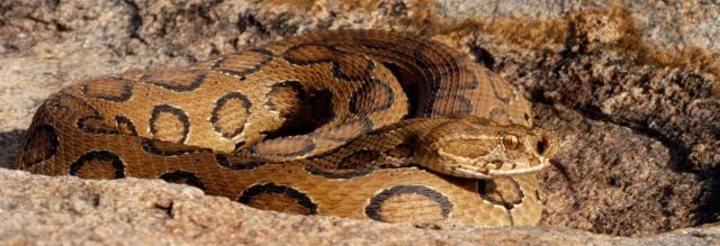
Compressed tail is seen in _____ snakes (poisonous/non-poisonous)
#3
Snake envenomation is also called _____
#4
_____ radiation syndrome occurs after exposure of 600-1000 rad.
#5
The image shows an arborescent burn caused by _____.
#6
Identify the following snake: _____
#7
Identify the following snake: _____
#8
Identify the following snake: _____
#9
Identify the following snake: _____
#10
_____ is the best screening tool for lead toxicity
Water Pollution and Health Indian Medical PG Flashcards - Medical Study Cards
Master Water Pollution and Health with OnCourse flashcards. These spaced repetition flashcards are designed for medical students preparing for NEET PG, USMLE Step 1, USMLE Step 2, MBBS exams, and other medical licensing examinations.
Water Pollution and Health Flashcard Deck - 10 Cards
Flashcard 1: Which snakes have a neurotoxic venom?_____
Answer: Cobra and Krait (2)
Flashcard 2: Compressed tail is seen in _____ snakes (poisonous/non-poisonous)
Answer: Poisonous
Flashcard 3: Snake envenomation is also called _____
Answer: Ophitoxemia
Flashcard 4: _____ radiation syndrome occurs after exposure of 600-1000 rad.
Answer: Gastrointestinal
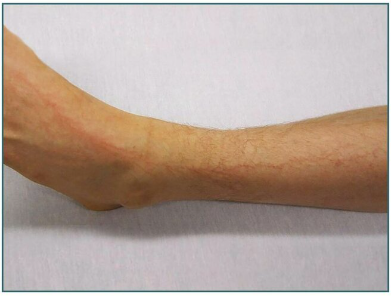
Flashcard 5: The image shows an arborescent burn caused by _____.
Answer: lightning stroke
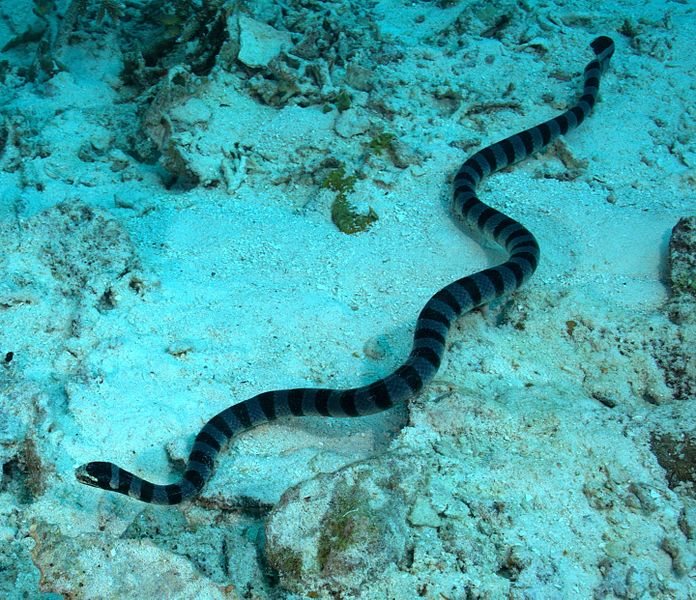
Flashcard 6: Identify the following snake: _____
Answer: Sea snake
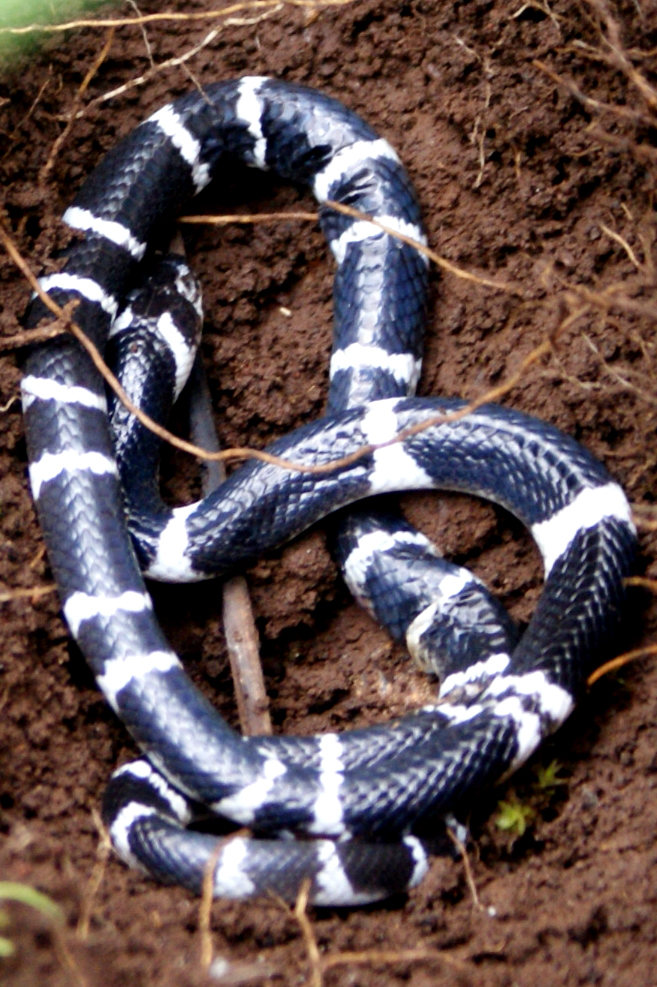
Flashcard 7: Identify the following snake: _____
Answer: Common Krait
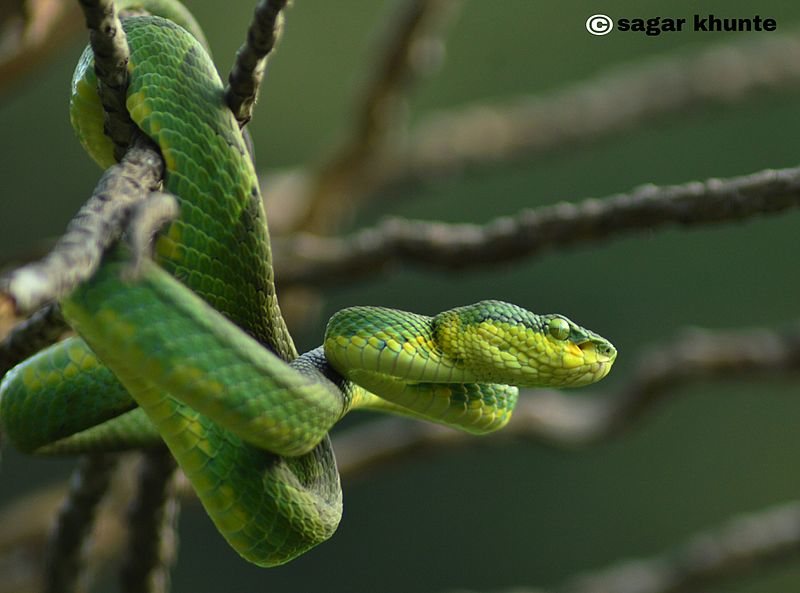
Flashcard 8: Identify the following snake: _____
Answer: Common green pit viper
Flashcard 9: Identify the following snake: _____
Answer: Russell viper
Flashcard 10: _____ is the best screening tool for lead toxicity
Answer: urinary ALA
Extra:
Keywords: Water Pollution and Health flashcards, medical flashcards, NEET PG preparation, USMLE Step 1 flashcards, Anki alternative, spaced repetition medical, OnCourse flashcards
Want unlimited flashcards?
Get full access to all flashcards, spaced repetition, and progress tracking.