_____ test is a test for chlorination and determines free and combined chlorine separately in water
#2
_____ method, also called the hot fermentation process is an anaerobic method of composting that is used for disposing of both solid waste and nightsoil (excreta).
#3
The soiling index or smoke index is an indicator of _____ pollution.
#4
_____ control is the best approach to control arthropods.
#5
The aim of the _____ protocol is to regulate the production and consumption of _____ depleting substances
#6
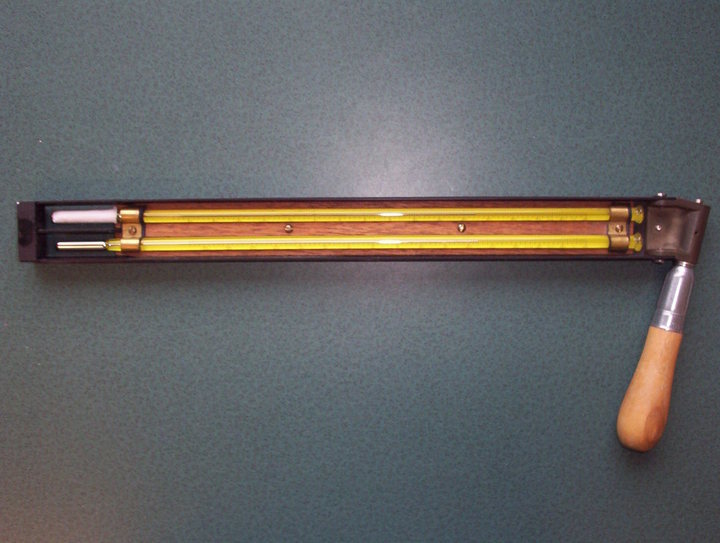
Sling psychrometer (also called whirling psychrometer) is used to measure the _____.
#7
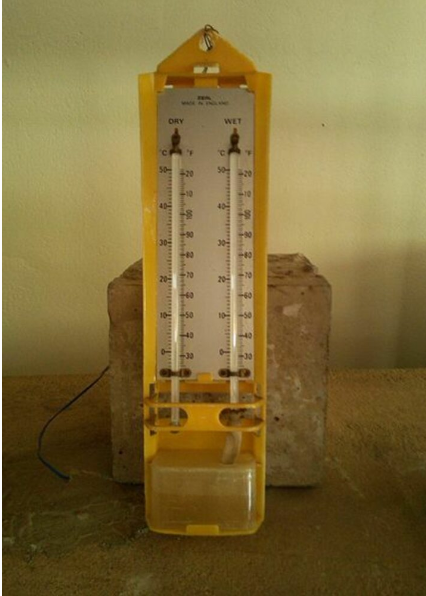
The given image is of a dry and wet bulb _____
#8
_____ scheme promotes safe fuels among vulnerable populations
#9
3abff1849561430eb35cbde54d6018e1-ao-1
#10
1c28c6892129450b8101b9401ca20592-ao-1
Environmental Impact Assessment Indian Medical PG Flashcards - Medical Study Cards
Master Environmental Impact Assessment with OnCourse flashcards. These spaced repetition flashcards are designed for medical students preparing for NEET PG, USMLE Step 1, USMLE Step 2, MBBS exams, and other medical licensing examinations.
Flashcard 1: _____ test is a test for chlorination and determines free and combined chlorine separately in water
Answer: Orthotolidine-arsenite (OTA)
Flashcard 2: _____ method, also called the hot fermentation process is an anaerobic method of composting that is used for disposing of both solid waste and nightsoil (excreta).
Answer: Bangalore
Flashcard 3: The soiling index or smoke index is an indicator of _____ pollution.
Answer: air
Flashcard 4: _____ control is the best approach to control arthropods.
Answer: Environmental
Flashcard 5: The aim of the _____ protocol is to regulate the production and consumption of _____ depleting substances
Answer: Montreal; ozone
Flashcard 6: Sling psychrometer (also called whirling psychrometer) is used to measure the _____.
Answer: relative humidity
Flashcard 7: The given image is of a dry and wet bulb _____
Answer: hygrometer
Flashcard 8: _____ scheme promotes safe fuels among vulnerable populations