Which structure of protein is the most common and most stable?_____
#2
What is the stabilizing bond in secondary protein structure?_____
#3
Which amino acid does not participate in the formation of alpha helix?_____
#4
The shiga toxin of Shigella binds the _____ subunit of ribosomes, inhibiting protein synthesis
#5
C1-inhibitor (C1 INH) is the largest member of the _____ superfamily of proteins.
#6
What is the stabilizing bond in tertiary protein structure?_____
#7
Collagen Synthesis: After the collagen pro-alpha chains are synthesized, specific residues of the amino acids _____ and lysine are hydroxylated
#8
_____, the 21st amino acid, is coded by the _____ codon by co-translational modification.
#9
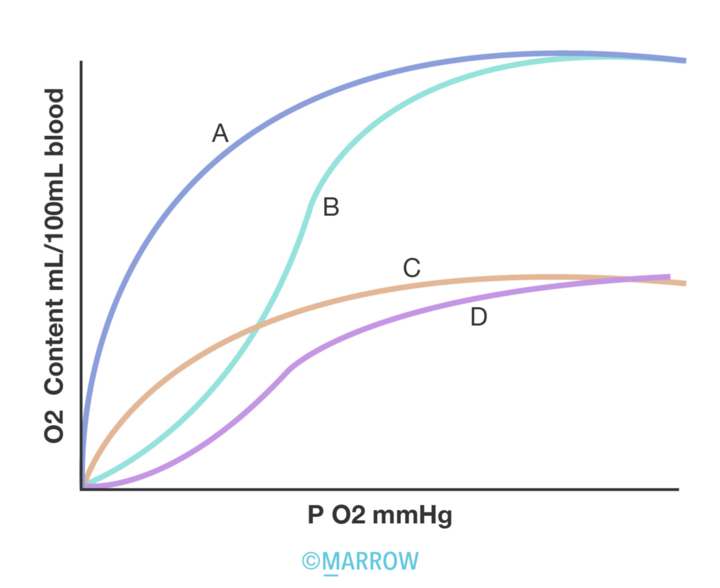
Curve A indicates which compound?
_____
#10
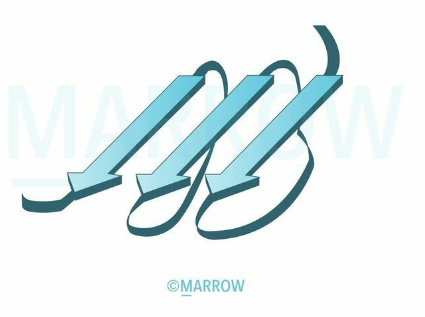
The given image represents a _____ which is a secondary structure of proteins.
Peptide Bond Formation Indian Medical PG Flashcards - Medical Study Cards
Master Peptide Bond Formation with OnCourse flashcards. These spaced repetition flashcards are designed for medical students preparing for NEET PG, USMLE Step 1, USMLE Step 2, MBBS exams, and other medical licensing examinations.
Peptide Bond Formation Flashcard Deck - 10 Cards
Flashcard 1: Which structure of protein is the most common and most stable?_____
Answer: alpha helix
Flashcard 2: What is the stabilizing bond in secondary protein structure?_____
Answer: Hydrogen bond and Van der Waals forces
Flashcard 3: Which amino acid does not participate in the formation of alpha helix?_____
Answer: Proline
Flashcard 4: The shiga toxin of Shigella binds the _____ subunit of ribosomes, inhibiting protein synthesis
Answer: 60S
Flashcard 5: C1-inhibitor (C1 INH) is the largest member of the _____ superfamily of proteins.
Answer: serpin
Flashcard 6: What is the stabilizing bond in tertiary protein structure?_____
Answer: Hydrophobic bond>Hydrogen bond>Ionic bond
Flashcard 7: Collagen Synthesis: After the collagen pro-alpha chains are synthesized, specific residues of the amino acids _____ and lysine are hydroxylated
Answer: proline
Flashcard 8: _____, the 21st amino acid, is coded by the _____ codon by co-translational modification.
Answer: Selenocysteine; UGA
Flashcard 9: Curve A indicates which compound?
_____
Answer: Myoglobin
Flashcard 10: The given image represents a _____ which is a secondary structure of proteins.
Answer: beta-sheet
Keywords: Peptide Bond Formation flashcards, medical flashcards, NEET PG preparation, USMLE Step 1 flashcards, Anki alternative, spaced repetition medical, OnCourse flashcards
Want unlimited flashcards?
Get full access to all flashcards, spaced repetition, and progress tracking.